

Design school teaches you to design a room. CA Pro teaches you to run a studio.
The first cohort starts 14 October. Only 150 places available.
$1,120 was150 places at this price · One payment, not a subscription · Full refund available within 30 days of purchase.


Create Academy Pro will equip you with the tools you need for this profession.
Achieving great design isn’t just style and taste. It’s process, finance and drive. CA Pro closes the gap
The British Institute of Interior Design found that 80% of designers won’t publish their fees, half struggle to price projects and manage studio logistics.
Everyone learns colour, proportion and style at design school. Almost nobody is taught to price a job, hold a budget, run a client who keeps changing their mind, or use AI without cutting corners.
View course syllabusWhat you’ll be able to do
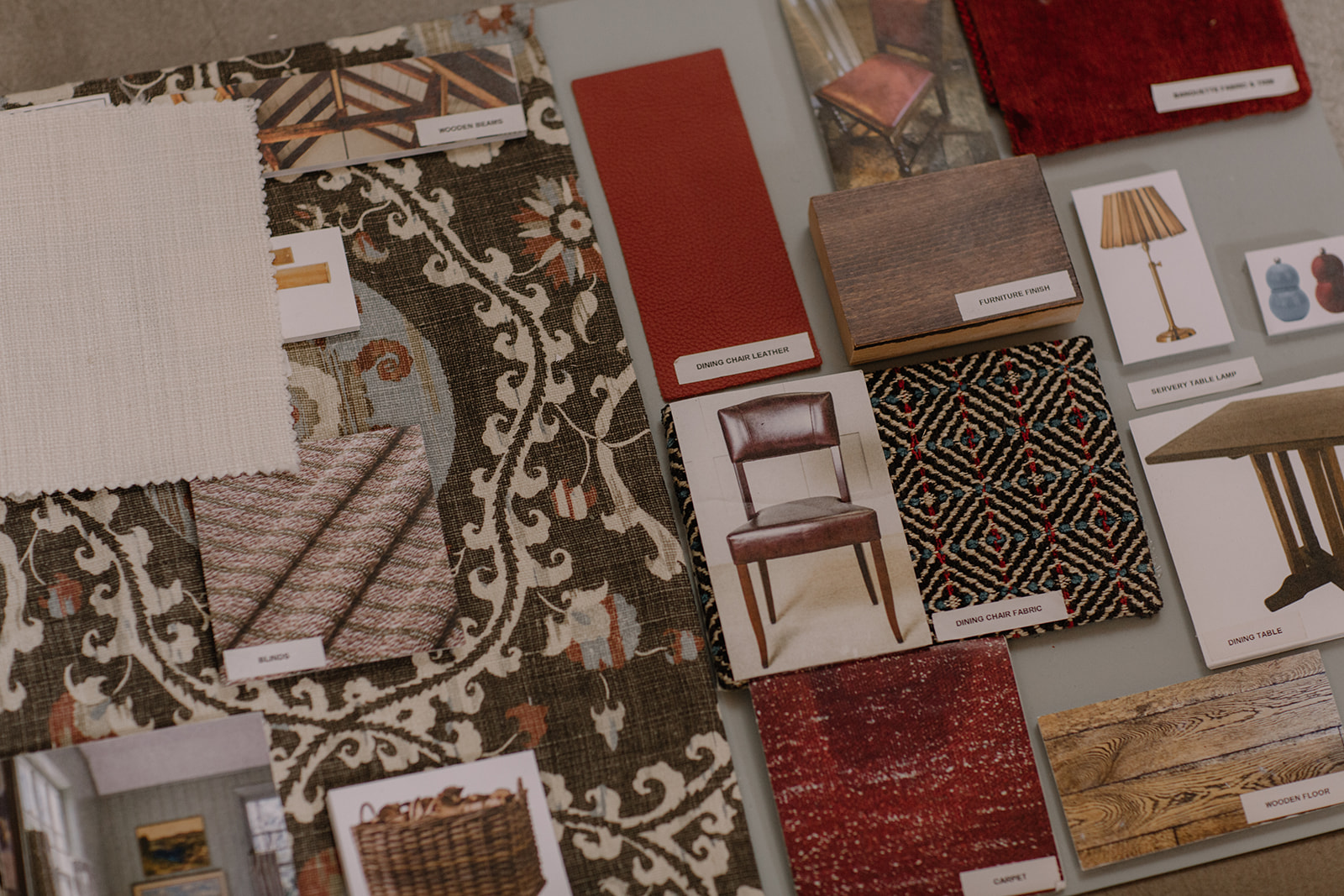
Run a project
- Scope and price a project so you make money
- Build a budget and understand how to hold it
- Run a client from first meeting to final handover
- Present schemes so they get a yes
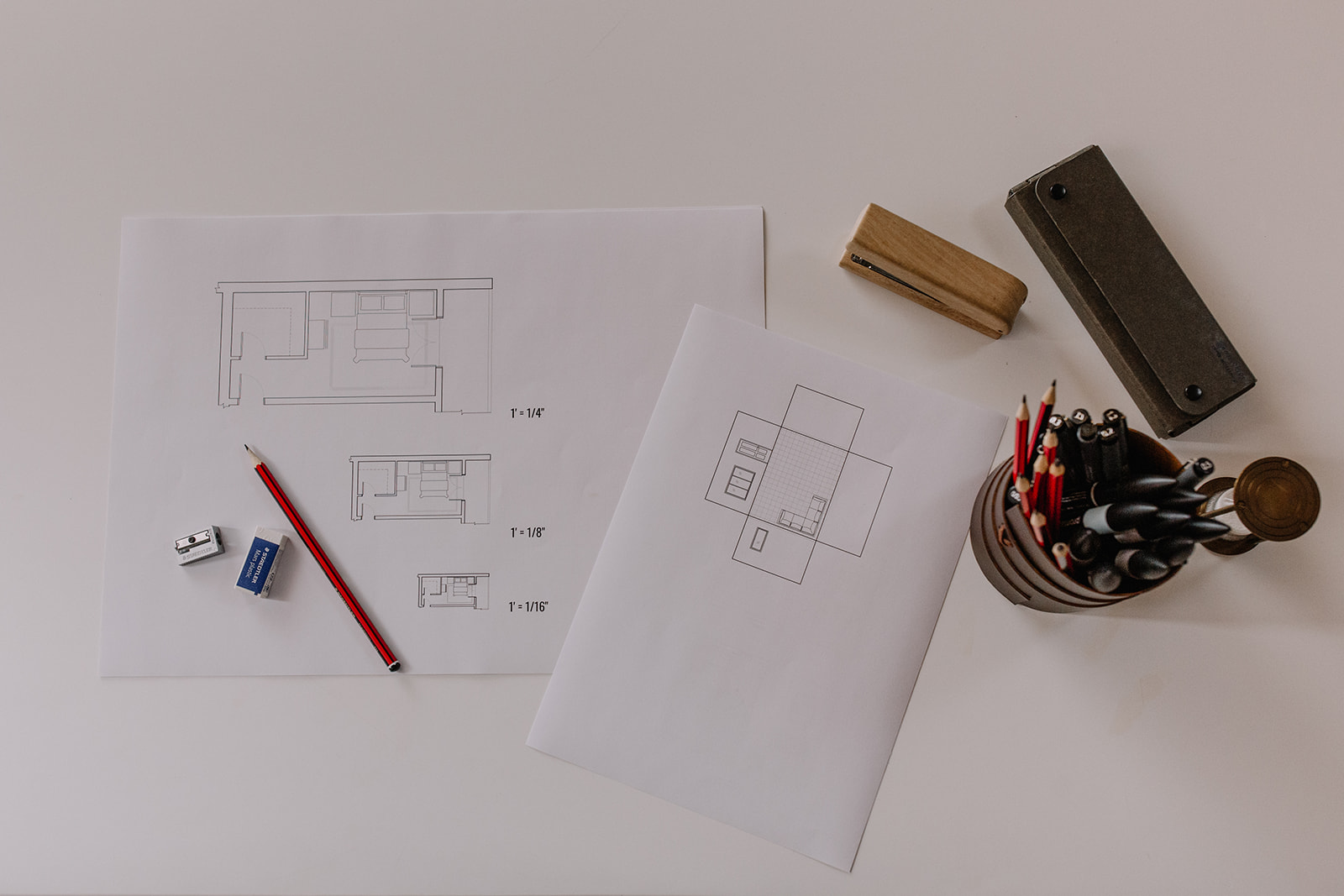
Master the technicalities
- Model a room in SketchUp from scratch
- Draw plans and elevations properly
- Write an FF&E schedule suppliers understand
- Use AI the way studios use it
How CA Pro is different
| University diploma | CA Pro | |
|---|---|---|
| Time | 1 to 3 years | 9 months, 6 hours a month |
| Cost | £11,000 to £24,000 |
$1,120
was |
| Fits around work | Rarely | Built for it |
| Who reviews your work | Academic tutors | Working designers |
| Pricing, contracts, clients | An afterthought | Core to the course |
| You finish with | A student portfolio | Documents you can use on a real job |
Build on concepts from the previous term and learn new skills
Nine months, three terms, around six hours a month.
Term one opens 14 October, term two in January, term three in April. Entirely online, so there’s nothing to travel to and no time to book off work.
-
01The term’s lessons are released. Three months of filmed lessons at once, alongside industry templates and resources. Work through them at your own pace. Questions? Put them in the group and a working designer will reply.
-
02You do the work. A budget, a schedule, a drawing, a proposal. Every lesson results in you making something.
-
03You submit it and get feedback. Once a month a working designer gives real feedback.
-
04Then the next term drops. And you continue skilling up.
Who it’s for
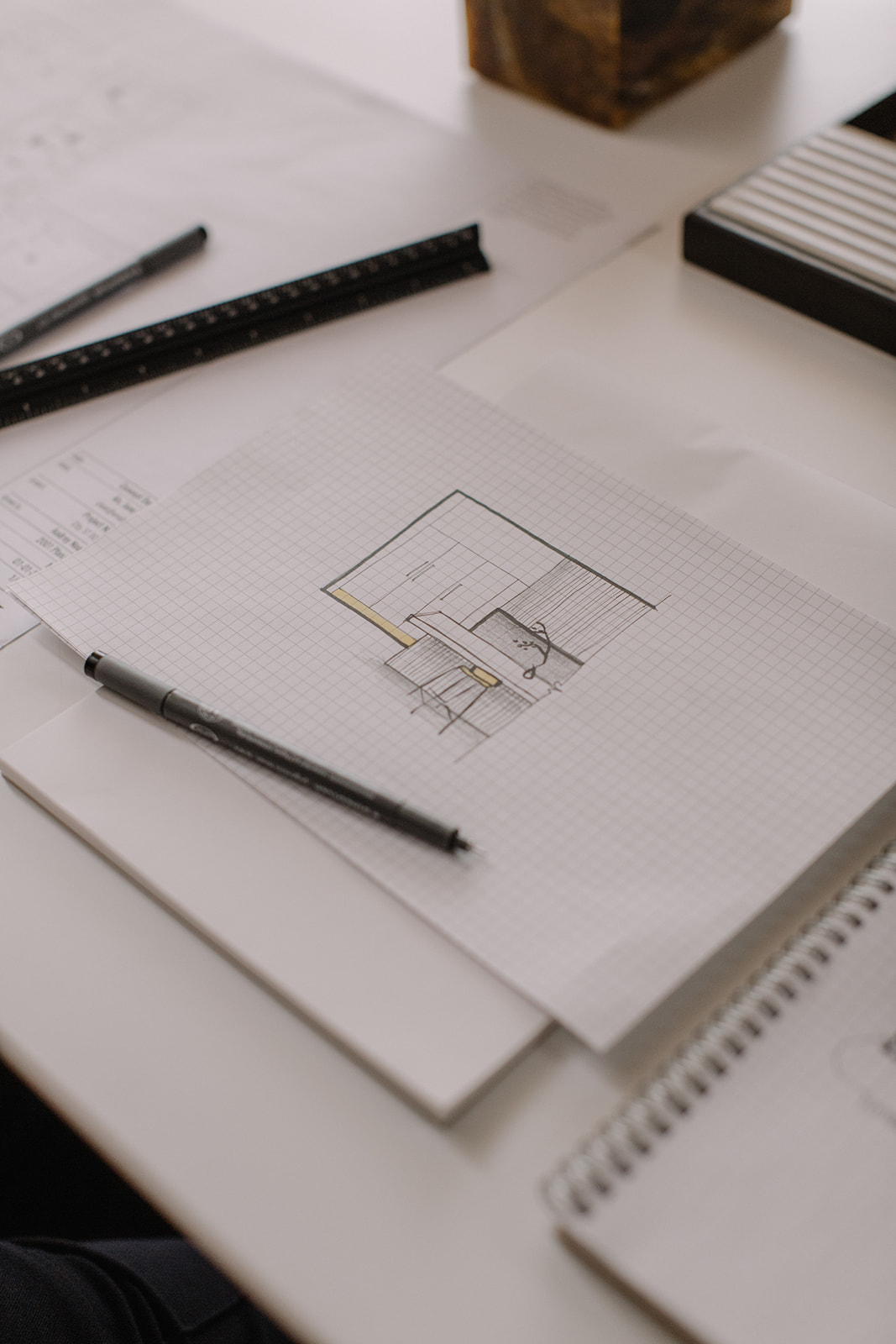
Making the leap
You’ve designed for friends, for yourself, and now you want to build a career. You don’t need more inspiration. You need to understand how to run real projects so when you’re paid to deliver, you can.
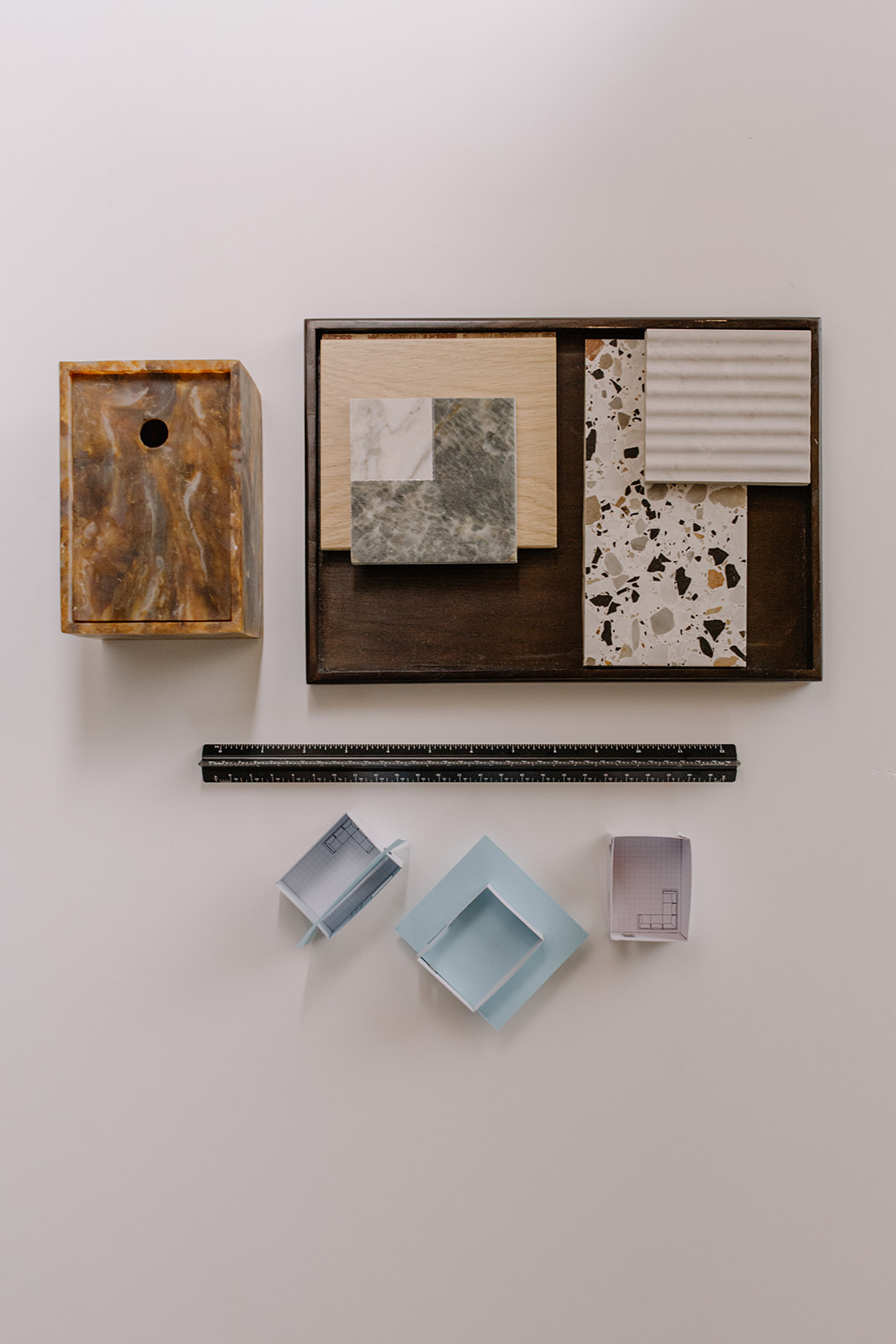
Already working
You’ve picked up as much as you can on the job. Maybe you’ve become fluent in the design, but you freeze on fees. Maybe you’re strong commercially but struggle on technical skills. CA Pro is nine months of what nobody taught you, without leaving your job.
CA Pro isn’t a shortcut and it isn’t a degree. It’s six hours a month of real work, marked by people who’ll tell you the truth. If it’s ideas and inspiration for your own home you’re after, Create Academy does that beautifully, and a year of it comes with Pro anyway.
Course syllabus
Business & Professional Skills
3 modules taught by Joanna Draper
01 The professional designer's process
- Meet your course leader 05:28 In this introduction, Joanna Draper - former head of interior design at Nina Campbell - shares her unconventional path from NHS surgeon to interior...
- The designer's journey: from idea to installation 11:03 An introduction to interior design as a professional process rather than a single creative moment, mapping the six stages of a project and...
- How to communicate as an interior designer 09:30 This lesson shows that everything a designer does is communication. When it's strong, projects run better; when it's weak, even good ideas can fall...
- The power of documentation 10:56 Drawings, schedules, and specifications - the holy trinity of documentation - are introduced here, along with the coding and version control...
- Building and presenting design concepts 09:26 Presenting concepts to a client for the first time is a key moment to build trust. This lesson shows how concept presentations and moodboards are...
- Professional etiquette 07:17 Etiquette isn't manners - it's the steady beat that allows clients to really trust you. This lesson explores how consistency, boundaries, and...
02 How studios really work
- Who's who and how it all fits together 12:08 This lesson reveals the structure of an interior design studio at different scales, introduces the key roles inside one, and explains what each...
- How studios make money 11:48 The three main revenue models used by design studios - fee-based, mark-up, and hybrid - are explored here, alongside an honest look at the...
- How fees are calculated 12:08 Here, Joanna breaks down how design fees are structured, introduces the concept of utilisation, and explains what a sustainable rate must actually...
- The life of a project 11:23 This lesson follows the full commercial shape of a project from first enquiry to aftercare, showing where revenue begins, where risk sits, and what...
03 Budgets, finance and FF&E
- Building a FF&E budget 09:44 The budget is introduced as a design tool rather than a restriction, with a practical walkthrough of how to build a room-by-room FF&E budget...
- Working with suppliers & quotes 08:43 This lesson follows the purchasing lifecycle from supplier enquiry to final invoice, and makes the case for precision at every stage - because...
- Tracking the budget 11:51 Money, product, and time - the three components of project tracking are introduced here, and why all three must be visible simultaneously for a...
- Talking money with clients 08:55 How to present a budget with confidence, handle scope changes and items above allowance, and why financial clarity is an act of professional care...
- Farewell from Joanna 00:24 farewell from joanna description - needs copy
Technical Skills
4 modules taught by Audrey Noakes
04 The fundamentals of drawing
- Meet your course leader 04:57 Audrey Noakes has been teaching technical skills to designers for over a decade, both at KLC and in her own practice. In this lesson she shares her...
- Introduction to drawing in interior design 08:52 This lesson establishes why drawing is the professional language of interior design - not an artistic performance - and introduces the two broad...
- Freehand sketches & concept drawings 11:42 Before going digital, Audrey explains the fundamentals of freehand sketching, allowing you to understand principles that will then be taken into...
- 2D drawing (Part 1) 09:57 The governing principles of 2D drawing are introduced here - orthographic projection and scale - explaining what they are and why they exist.
- 2D drawing (Part 2) 10:17 Building on Part 1, this lesson walks through the three main 2D drawing types used in interior design - floor plans, elevations, and sections - and...
- 3D drawing (Part 1) 11:05 Perspective drawing is introduced as a discovered set of rules rather than a natural instinct, with one-point perspective demonstrated step by step...
- 3D drawing (Part 2) 12:41 Two-point perspective is demonstrated here, alongside an introduction to oblique and isometric drawings, and a look at how digital tools and...
05 Essential digital tools in design
- Introduction to digital tools in interior design 12:10 An overview of the digital landscape - CAD, BIM, graphics, rendering, and tablet applications - introducing the main programs a designer is likely...
- Different approaches to digital tools and learning software 06:49 This lesson addresses how to choose the right tools for your practice, how to adopt the internal logic of new software rather than fighting it, and...
- Communicating with digital drawings 06:11 The focus here is on how digital work is shared with different audiences - what format, what file type, and what context is needed for each.
06 SketchUp fundamentals
- Key principles (Part 1) 13:00 SketchUp is introduced alongside the key principles that govern how it works - the modelling area, the axes, and the fundamental building blocks of...
- Key principles (Part 2) 06:37 Part 2 covers the organisational tools - groups, components, and tags - alongside materials, shadows, styles, and the camera and scenes system that...
- Getting started - file setup and modelling architecture (Part 1) 16:44 A practical walkthrough of setting up a SketchUp file, importing a CAD floor plan, and using the Push/Pull tool to begin turning a flat drawing...
- Getting started - file setup and modelling architecture (Part 2) 09:11 Completing the architecture model - placing windows and doors from the 3D Warehouse, closing wall gaps, organising with groups and tags, and adding...
- Developing detail - furniture, fixtures, and finishes 10:07 With the architecture in place, this lesson covers adding moulding using the Follow Me tool, creating custom floor materials, and sourcing and...
- SketchUp for client communication 14:02 This lesson covers how to set up presentation-ready views using the Position Camera tool, save scenes, adjust shadows and styles, and export...
- From concept to documentation 11:16 Creating a colour plan view using a section plane is demonstrated here, alongside an honest look at where SketchUp and LayOut are most effective,...
07 AI in the design process
- What AI can (and can't) do in design 07:22 A level-headed introduction to what AI actually is in the design context - pattern recognition, not creativity - covering its genuine benefits, its...
- Prompting and iterating for creative exploration (Part 1) 11:31 The structure of an effective prompt is introduced here - defining the role, providing context, specifying the output, and clarifying the image's...
- Prompting and iterating for creative exploration (Part 2) 08:54 Part 2 explores cyclical prompting - using AI to help build the prompt before generating anything - and demonstrates the technique in action across...
- Evaluating and integrating AI's output 12:28 This lesson develops the eye for what can go wrong in AI output - scale, circulation, lighting, material realism, people - and addresses how to use...
- Risks, ethics, and the future of AI in design 06:04 Intellectual property, bias, environmental cost, and the limits of AI-generated drawings are addressed here, alongside a look at where AI is...
Taught by people who’ve run the projects
Two programme leads, and a panel of working designers marking the work.

Joanna Draper

Audrey Noakes
Monthly reviews are led by designers working in studios now, so the feedback reflects the trade rather than one house style.
One payment. Then it’s yours to keep.
- All lessons covering business, finance and technical skills
- Monthly review of your work by working designers
- Full access to the cohort group
- Every studio template
- PRO Certificate of Completion
- A year of Create Academy, 60+ courses
Frequently asked questions
Who marks my work?
Interior designers working in studios now, once a month.
Is any of it in person?
No, it’s online for all nine months. Nothing to travel to and no time to book off work. You’ll still know the cohort well by the end, because you’ll have spent nine months seeing each other’s work and each other’s questions.
How much time does it take?
About six hours a month of real work. More if you want it, less in the weeks you’re busy. Modules are released by term so the cohort moves together.
Do I need experience or software?
No experience: roughly half the cohort are coming into the industry rather than already in it. You’ll need SketchUp, and Audrey teaches it from scratch.
How is this different from a diploma?
A diploma takes one to three years, costs upwards of £11,000 and gets you academically qualified. CA Pro takes nine months and gets you working: pricing, process, drawing, delivery, marked by people doing the job now.
Is this a subscription?
No. CA Pro is one payment. The year of Create Academy that comes with it is a one-off year: if you’re not already a member, it simply ends after twelve months and nothing renews. If you are a member, your next renewal moves back twelve months, then your membership carries on as before.
What’s the certificate worth?
It’s a PRO Certificate of Completion, awarded when you complete the programme. We’re going through BIID accreditation now.
What if I fall behind?
You keep access. The reviews run to a rhythm but nothing locks or expires if a project eats your November.
Cohort one starts 14 October
150 places at a founding 30% discount, from $1,600 to $1,120.