



Interior and exterior confidence
Create Academy has been such a great resource. I'm in the middle of renovating a bungalow with a very large garden and the courses have offered a wealth of inform...
Harvey
Jun 10, 2026
Introduction to Resourceful Interior Styling
with LISA DAWSON — Interiors stylist, award-winning blogger, author of 'Resourceful Living'.
Under Lisa’s guidance, you’ll learn how to create a digital moodboard simply and easily, as well as how exactly to utilise it when designing and styling a room.
Now more than ever, it's important that we really consider what we put into our homes. Rather than always buying new things, I encourage you to look at what you already have and how it could be re purposed in other areas or different rooms.
As well as being a great way to find something unique and special, buying vintage is also a wonderful way to shop sustainably. Not only does it mean you're saving a perfectly good piece from landfill, but it also supports a more circular economy.
When I feel uninspired or bored by a room, rather than rushing to the shops to buy new things, I will always try to 'shop my home' first. This could entail something as simple as moving a piece of furniture into a different space, or it could involve clearing an area completely and starting from scratch with items you've taken from other rooms.
If you do buy something new for your home, always try to think about more than one place in which it could fit, or look for pieces with more than one use. For me, it's crucial that everything in my home works well in a setting or environment for years to come.
This is where you ought to be spending the most money, as these are the elements that aren't movable and will hopefully remain in your home for a long time to come. When I say 'the bones of your home', I am talking about:
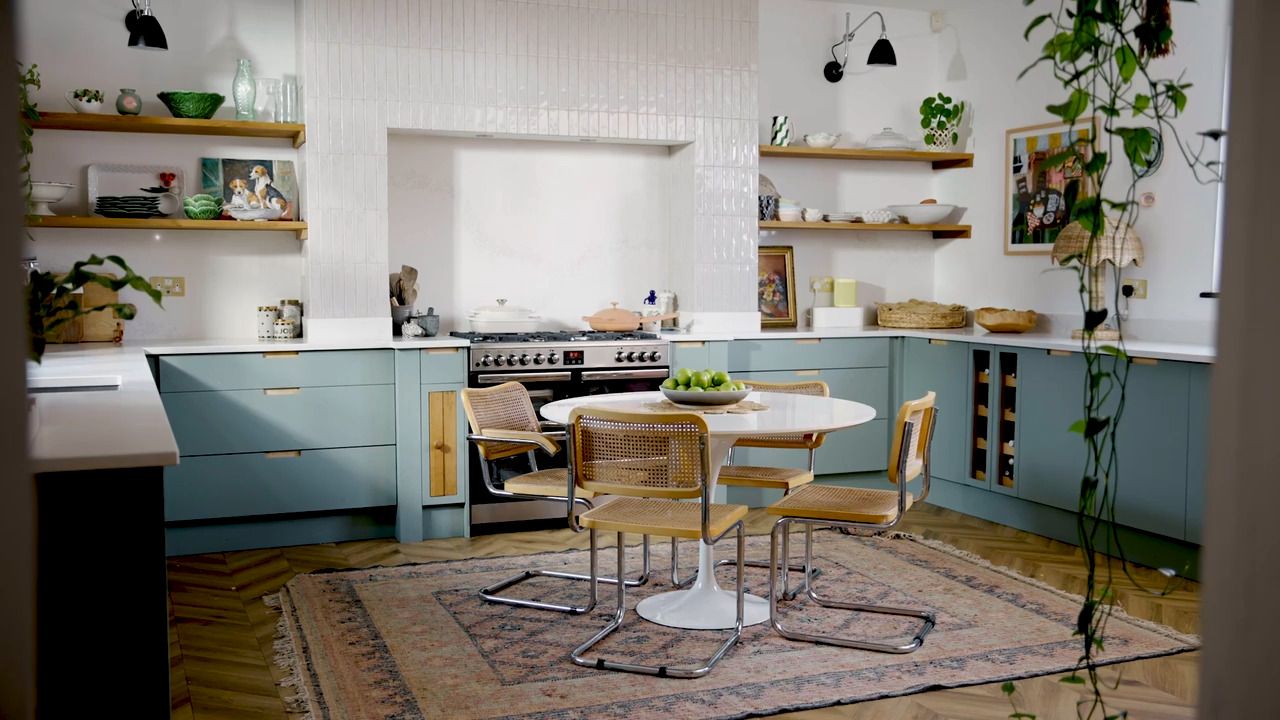
When designing or renovating a room, my advice is to always keep the bones relatively neutral. It's much more sustainable to have the long-lasting elements of your room in colours and materials that won't age or go out of style quickly. You can then add pops of brighter hues through accessories or furniture that you might update more often.
If you're looking to update the bones of your room but aren't able to rip everything out and start again, there are many ways in which you can update and refresh these elements yourself without the need to employ a builder …
Pretty much anything can be updated with paint – even tiles! The key is to make sure you use a primer to thoroughly prepare the surface. An eggshell topcoat will work brilliantly for most projects, or there are wood-specific paints to choose from, too.
My go-to favourite paints are:
Zinsser B.I.N primer
Little Greene all surface primer
My favourite eggshell is Valspar
I would also recommend Farrow & Ball (their eggshell is super hardwearing)
Pretty much any room in your home can be transformed with wallpaper. If you don't want to go all out by covering every wall, just choosing one feature wall will have a beautiful impact.
My favourite shops for wallpaper are:
If you're looking to give your windows a revamp while adding some privacy – perhaps in a bathroom or street-facing bedroom, for example – I can highly recommend Brume (www.brume.co.uk). They are specialists in creating decorative window film in custom sizes to fit your exact measurements, and it's easy to install yourself.
Updating your window treatment is a sure-fire way to give a room a new look. When deciding which option is best, consider the shape of your window, the view it looks onto, and the light it receives. If you have a pretty window and a lovely view, I would consider installing blinds to maximise the effect of these features. I particularly like Blinds2Go blackout roller blinds.
On the other hand, if your window isn't particularly attractive, then curtains are a great way to conceal it. They are also perfect for creating a cosy feel in a room. Shutters are another way to distract from unappealing windows, and look gorgeous in period properties.
One of the reasons redecorating a room can feel quite daunting or challenging is that it's often difficult to envisage how it might all come together. I find creating moodboards really helps me to visualise how each element plays into the room scheme, and keeps me on track when I'm sourcing, too.
Physical moodboards are a great tool, and can be a useful way to collate fabric swatches, wallpaper samples and paint colours. However, they can be quite expensive to pull together and they're not particularly transportable.
Instead, I prefer to create digital moodboards. That way, I can access them whenever I want to on my laptop or iPad and it's also incredibly easy to update them with screenshots of items you've bought, pictures of things you already own, or images from social media that inspire you. Personally, I find the app Canva very effective / useful for creating digital moodboards. I also recommend using a background remover to make your moodboard stand out – I like to use Remove.bg.
For inspiration, check out my moodboards here:
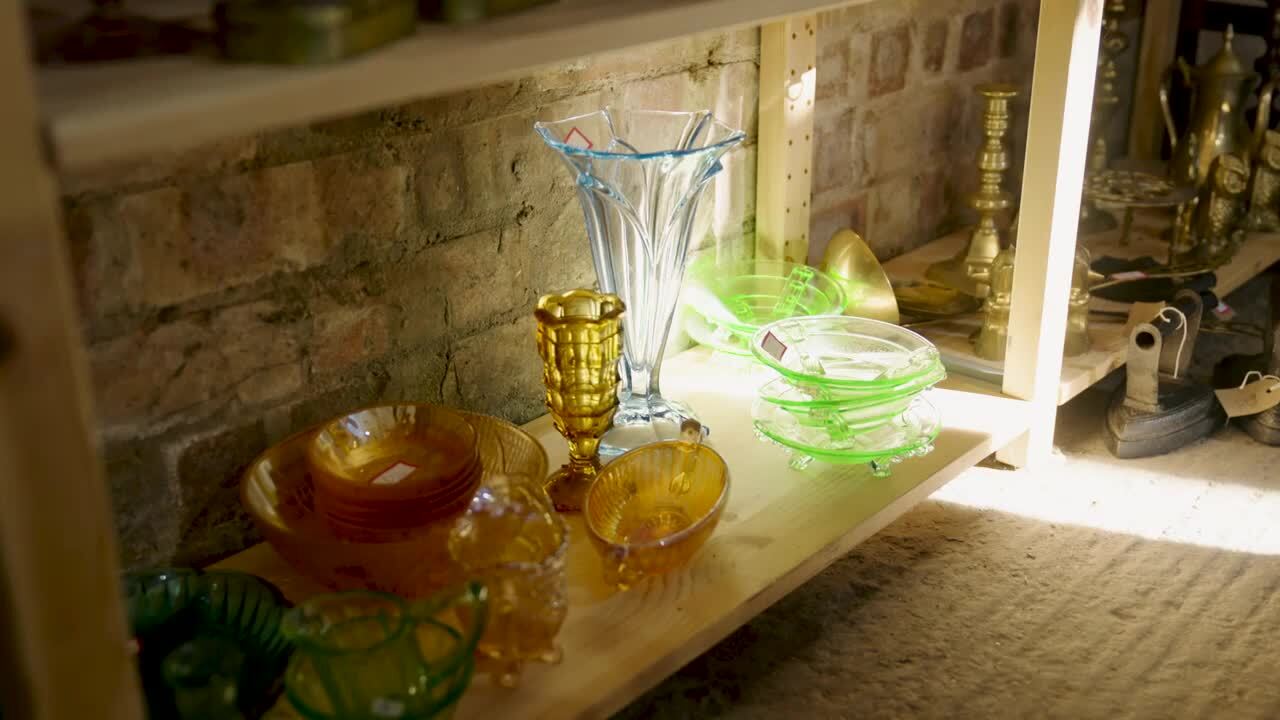
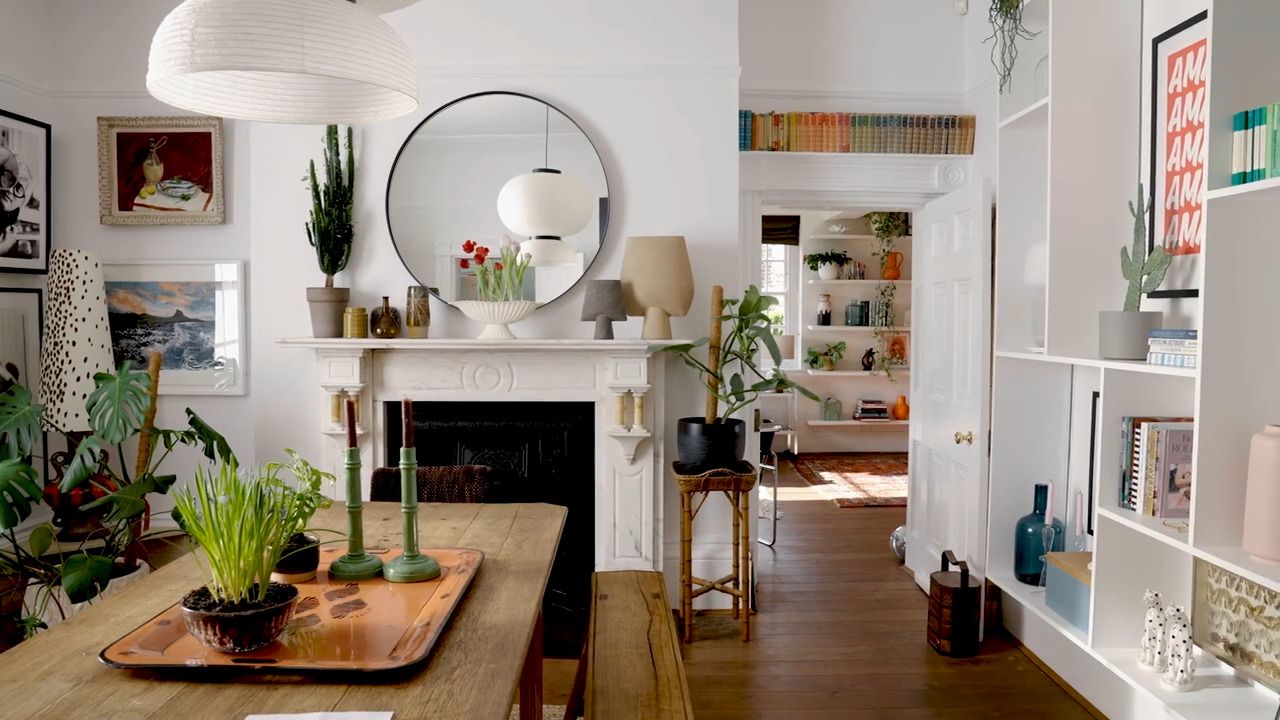
If your room is lacking a focal point, one way to create one is to curate a collection of accessories. One item on its own can be a little boring, but if you gather a collection of similar items and group them together, it can create a great visual impact. You can collect anything: I love to collect coloured glass for example, and always look in charity shops for pieces to add to my collection.
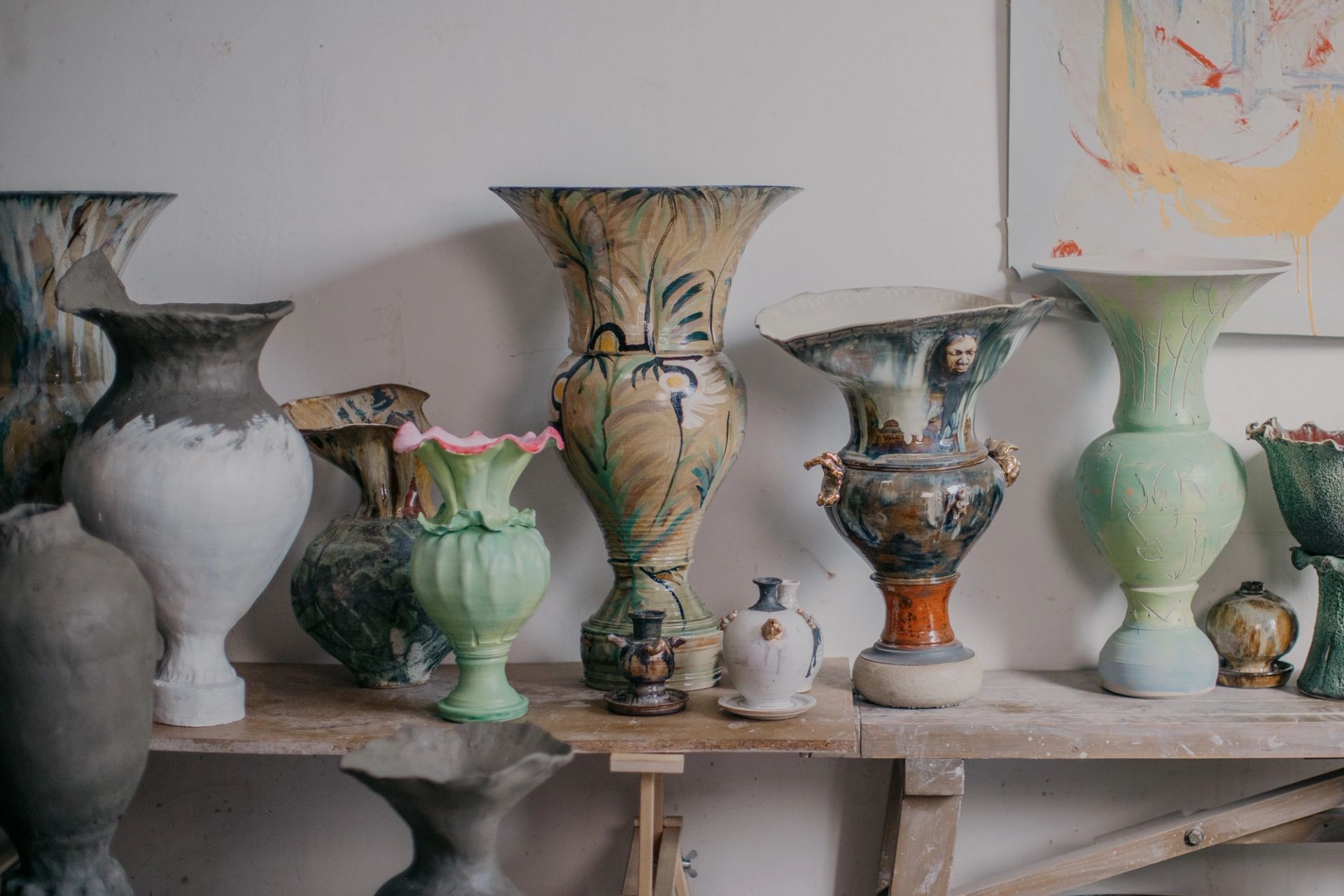
Another way to make a collection is to group items of a similar tone or colour. A display of differently shaped ceramics, united visually by their colour, makes for a wonderful focal point in a room.
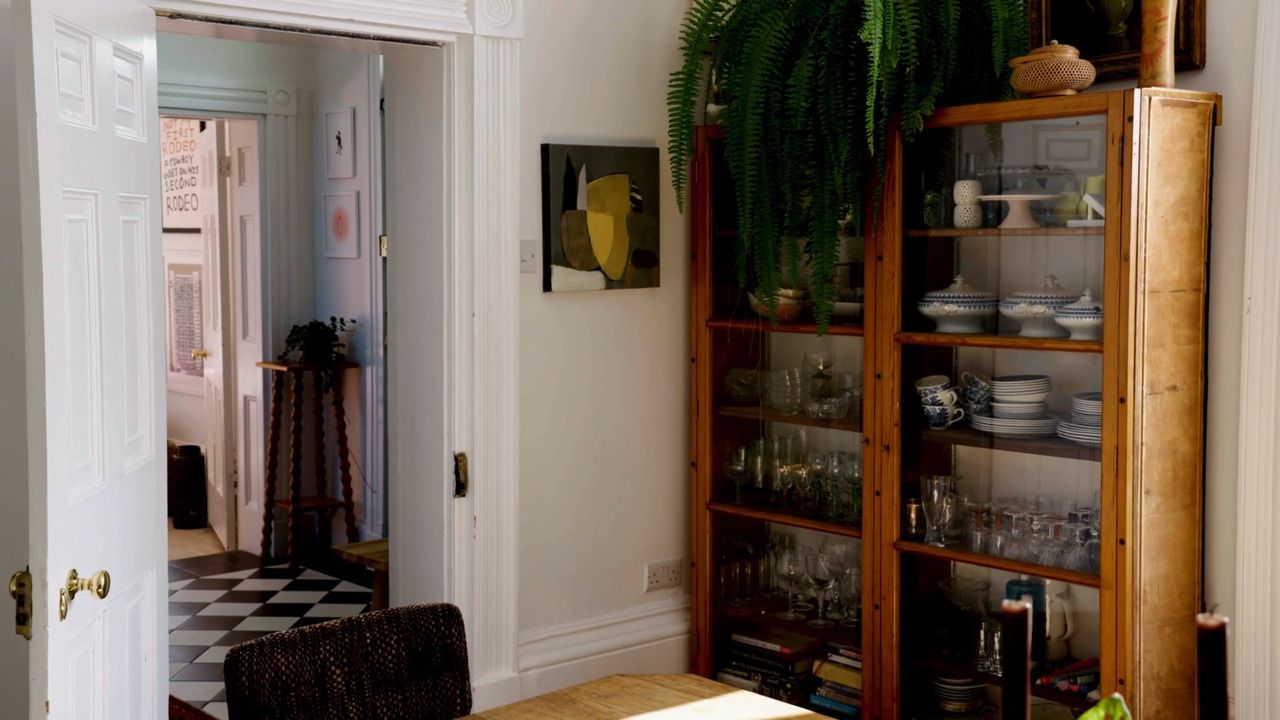
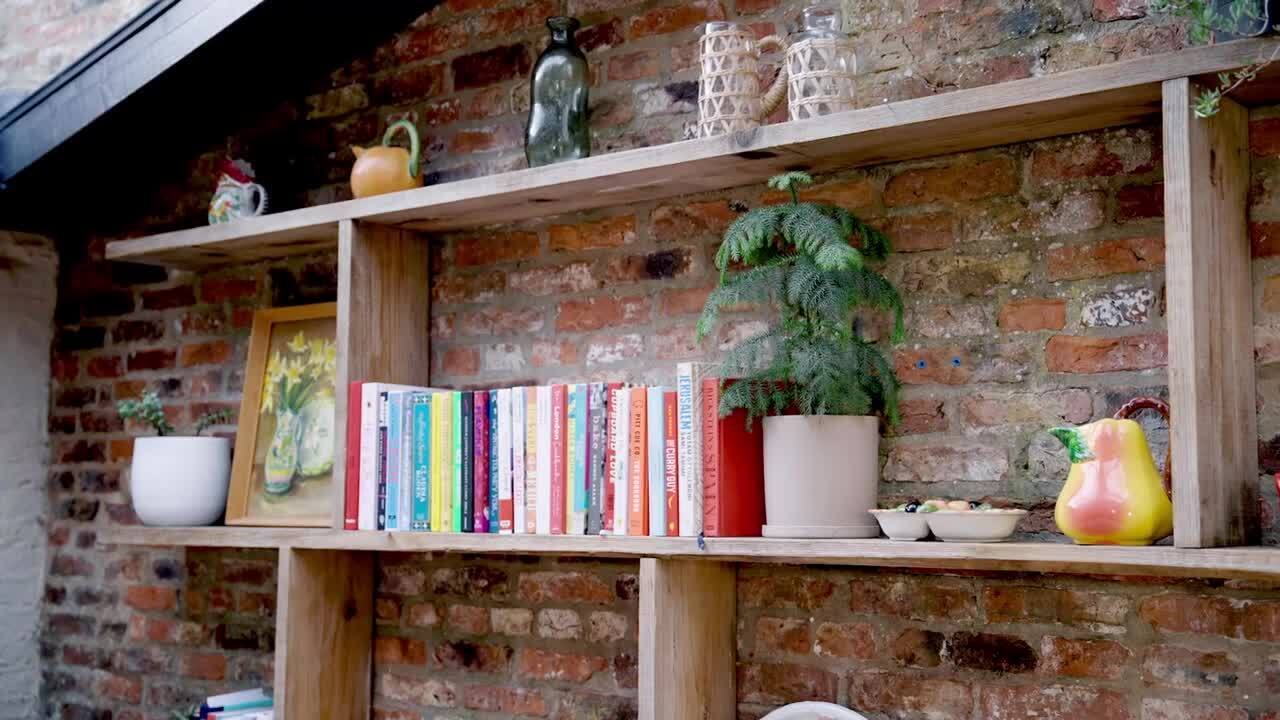
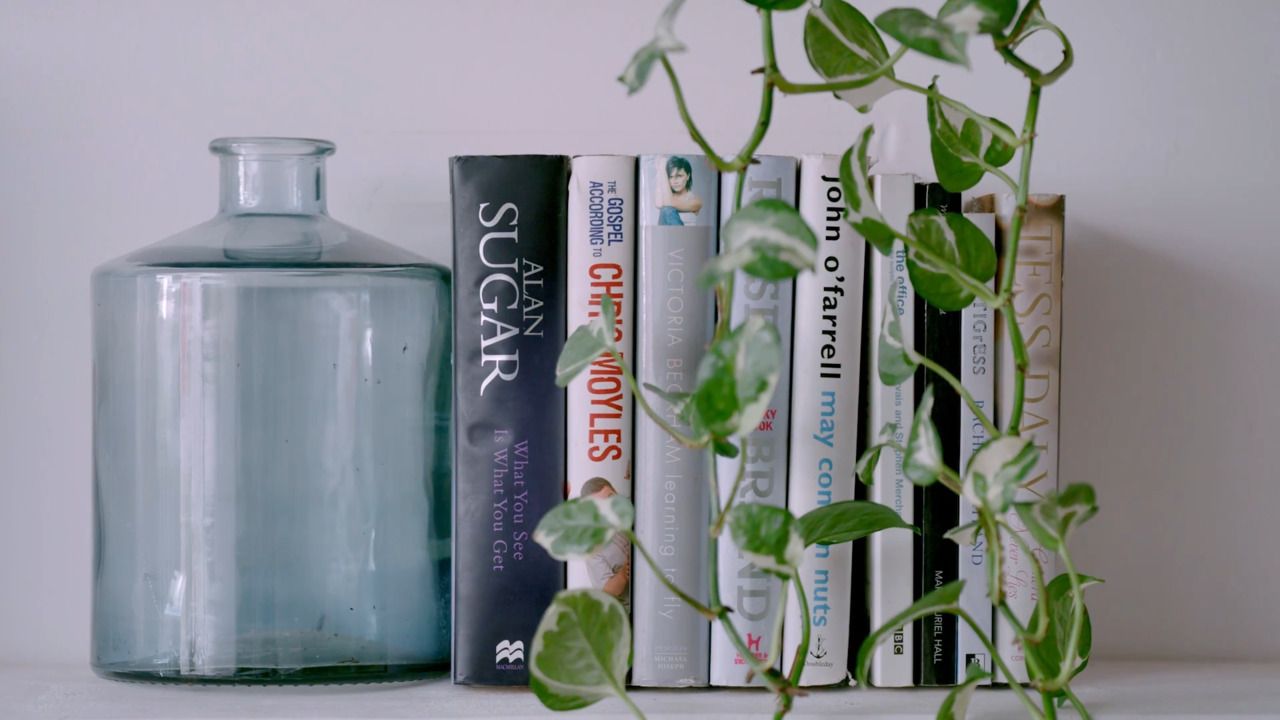
Books will always be your best friend when styling your home – and the good news is that most of us will already have a book collection. They are particularly brilliant for adding height, and can be stacked to make platforms for other objects when creating displays on shelving.
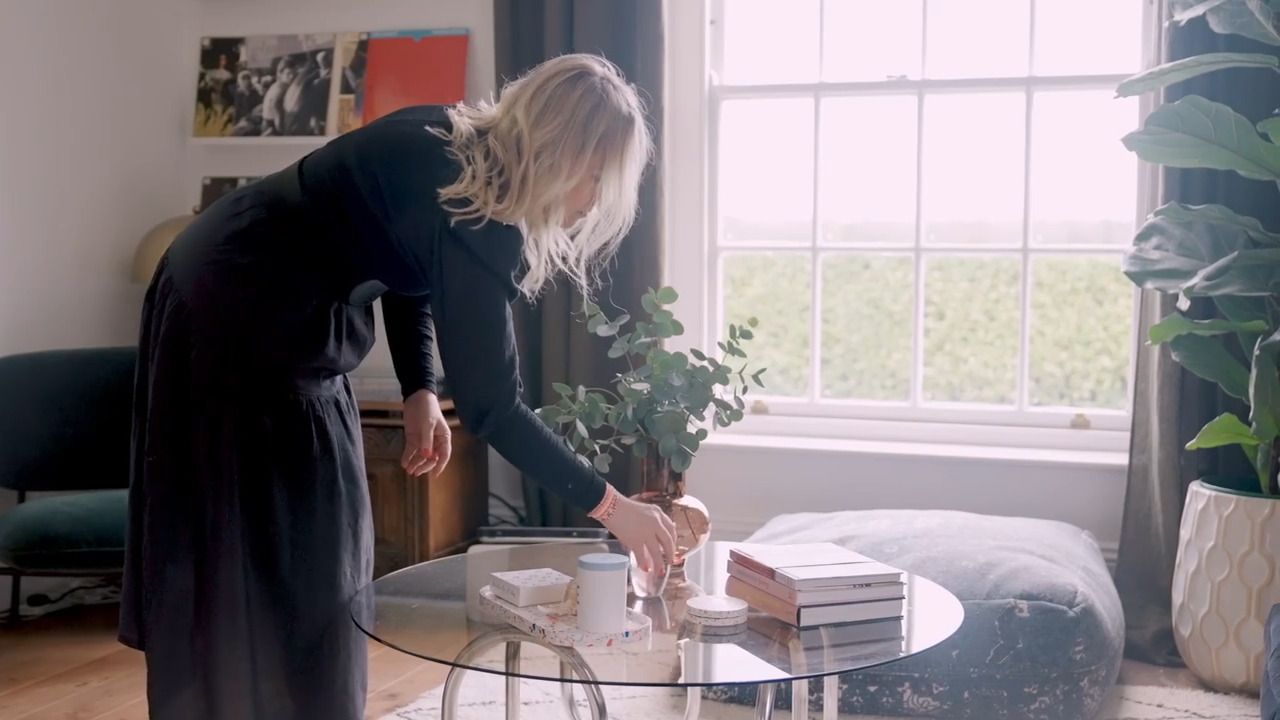
Coffee table books are beautiful styling items in themselves. They often come in gorgeous colours with artful covers and spines.
I love to collect vintage books: Penguin Classics are favourites of mine, and I like to group them by colour to create a focal point on shelving. I also love the Observer's Books, and will always seek these out in charity shops.
Plants are great for styling shelves and other surfaces in your home. Not only do they add a beautiful pop of colour but they also bring a much-needed connection to nature into your home.
I love to have real plants in my home, but I also have a lot of faux ones, too – and that's perfectly ok! Faux plants work brilliantly in hard-to-reach places where you can't easily water them, and there's absolutely nothing wrong with mixing faux and real.
Easy maintenance plants:
Aspidistra
Golden Pothos
Snake Plant
Monstera
Spider Plant
Fiddle Leaf Fig
Fishbone Cactus
Christmas Cactus
Boston Fern
Philodendron Scandens
In terms of sourcing, local garden centres are your first stop. For online, try Patch Plants, The Glasshouse, Beards & Daisies, The Little Botanical.
Where to source faux plants:
La Redoute
Dowsing & Reynolds
Dunelm
IKEA
Next
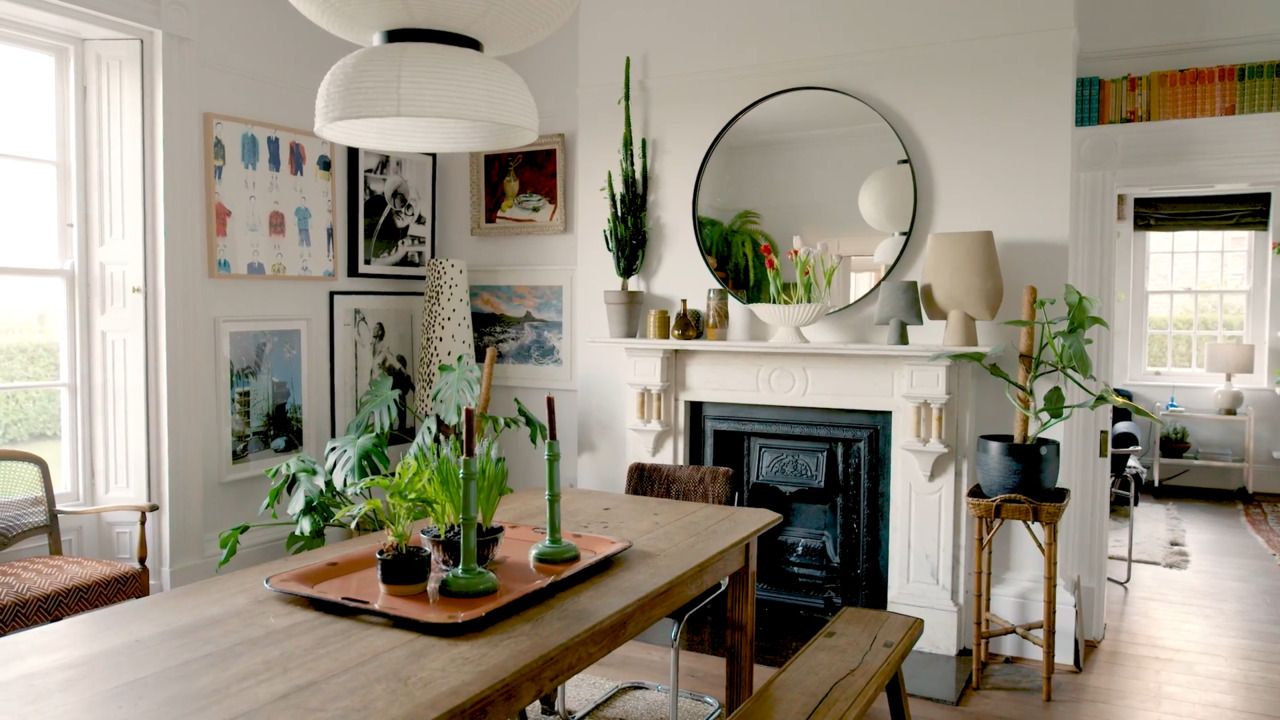
You don't need to spend big to curate a collection of art that's meaningful to you and looks great. I always encourage people to mix the old with the new, and this juxtaposition is especially effective when creating a gallery wall.
Art can be anything you want it to be – whether it's a bus ticket from a first date, or a menu from a special night out. Anything you can frame and put on your walls can create an artwork that will really mean something to you. Mounting plates on the wall is another great way to add interest.
Vintage artwork sourced from eBay or charity shops can be a really affordable way to build your collection. If you're looking for original artwork, consider buying directly from artists on Instagram or from local galleries.
Some of my favourite Instagram artists that I follow are:
@frankiethorp, @nataliesavageart, @davidhorganart, @roseenglandlondon, @charlieevaristoboyce, @margoinmargate, @marcelinaamelia, @connorbrothersofficial, @lauriehastings, @mich_tom, @london_artist1, @babakganjei, @marrowannat, @dandanjamieson
My favourite galleries that I follow are:
@artofprotestgallery, @printclublondon, @jealousgallery, @nellyduff, @libertygallery, @oneoffto25
The task of framing artwork often puts people off buying art for their home, as it can be costly. While it's always worthwhile to support local framing shops if you are able, there are other options, too, if you're on a budget. One of my top tips is to check out charity shops for old frames; even if you don't initially like the look of the artwork, the frame is probably worth saving and will look totally transformed when it holds a new piece of art.
There are also some great online framing websites that offer some really affordable frames in custom sizes. I can recommend Easy Frame for custom frames. For ready made frames I recommend IKEA, The Range, or B&Q. For second hand frames I scour through eBay, car boot sales, charity shops, and second hand shops.
It's also worth noting that, just as with the artwork itself, you can combine different styles and types of frames to create juxtaposition and contrast.
When creating a gallery wall, I like to start by gathering all of my collected pieces of art together, whether it's my kids' drawings, charity shop finds, investment pieces or framed tickets, invitations or tea towels. Having them all laid out in front of you makes it easier to plan.
I like to plan the layout by placing them on the floor or on a rug, so that I can have a bird's eye view and can get a good understanding of how they will look when they are hung up.
To begin with, I map out what would be the left-hand corner of the wall and then I work my way up, moving the artwork around as I go. This is because, if you start your layout plan from the middle and work your way out, the overall look will be very symmetrical, which will draw your eyes to the centre instead of causing them to travel across the wall. Generally speaking, with a gallery wall you want your eyes to travel across the artwork. However, if you are wanting to achieve a symmetrical look for, perhaps, a more formal room or setting, then starting from the centre works well.
I'm a big fan of the 'French Hang', which is a gallery wall that runs from ceiling to floor. When spacing out my artwork I do it by eye rather than measurement to make it feel random instead of rigid.
When I'm happy with my layout I start to hang the art on my wall, again, starting from the bottom left corner and working my way up.
Gallery wall top tips:
Always consider your eye-level view, will you be sat down on the sofa, looking at the wall? If so, make sure the centre of your standout pieces are eye-level. It is a common mistake to forget to consider this, resulting in your eye-level lining up with the spaces in between.
Always use a spirit level when you come to hang your art because if they are hung wonky it will be glaringly obvious.
If you're using glass frames, always hang them on drilled in fixtures. Command strips and nails are not strong enough to hold the weight of the glass and the last thing you want is for them to drop and smash (speaking from experience here…oops).
Experiment with your display, think outside the box, for example, I have my Dad's guitar mounted on one of my walls, and a series of postcards framed in clear plastic marketing sleeves on my bathroom wall.
For further tips and inspiration check out my blog post all about gallery walls here.
Lightweight frames with perspex front - command strips
Heavier frames with a glass front - gold picture nails
Anything over A4 size - drill and raw plugs
Find on Amazon
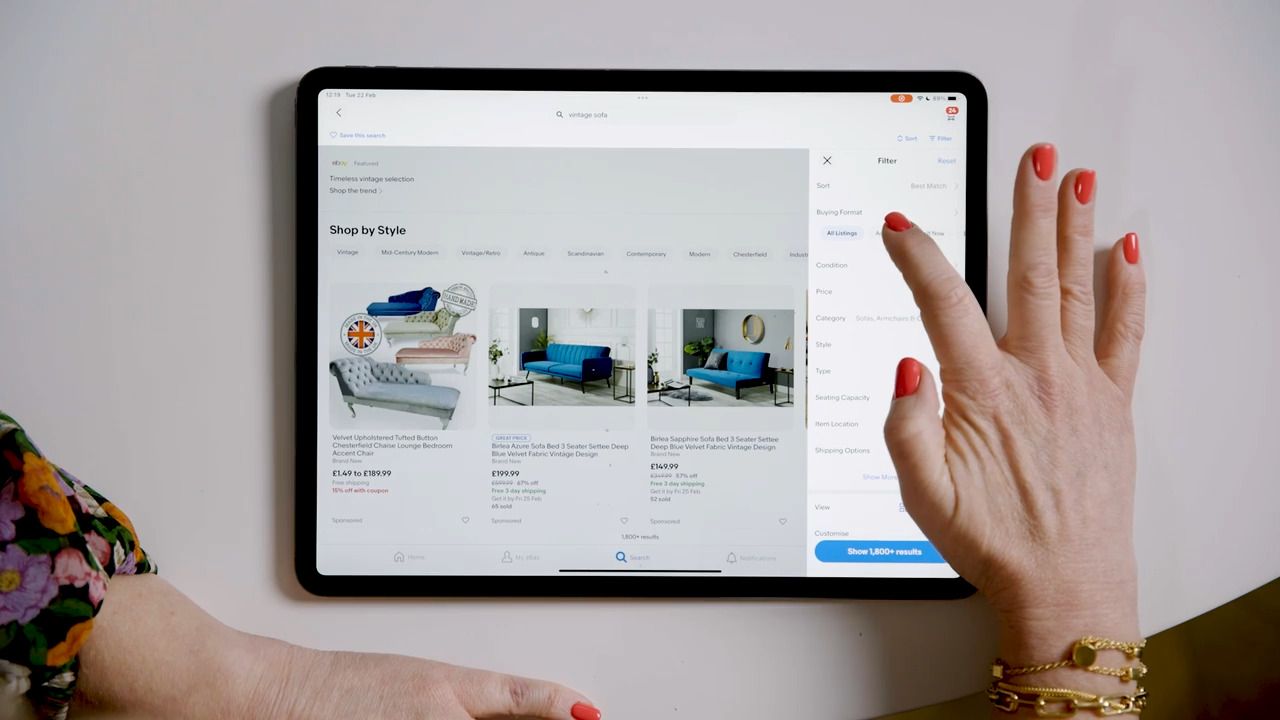
It's a common misconception that vintage furniture isn't a worthy investment – in fact, often the opposite is true. Antique and vintage furniture, by definition, has withstood the test of time and will be incredibly well made.
When hunting for vintage furniture, make sure you bear in mind how it could be repurposed or upcycled. Items can be reupholstered in a fabric more in keeping with your style, cupboard handles can be replaced, or the entire piece could be sanded back and painted to complement your room scheme.
Tip: Don't be put off an item if the seller is located some distance away from you. You can use Shiply to receive a quote from a courier to collect and deliver the item - I have found this to be a really reasonably priced service.
Get the full workbook, video lessons, and more with a Create Academy subscription.
Subscribe to access the full workbookAlready a member? Sign in to watch
Sign up or log in to keep watching
By continuing, you agree to our Terms of Use and Privacy Policy.
491 reviews
Read moreCreate Academy has been such a great resource. I'm in the middle of renovating a bungalow with a very large garden and the courses have offered a wealth of inform...
Harvey
Jun 10, 2026
Absolutely love Create Academy! The instructors are extremely informative, and it is beautifully filmed. Create Academy is great value for money and plan on renew...
SG
May 31, 2026
Butter's creativity is stunning! Her ability to incorporate brilliance in small gardens is magical!
Carla
May 30, 2026
The best adventure. I like all the courses, but my favorite are both Rita Konig interior design courses and Anna Jones. Excellent!
Karolina Kluczewska
May 20, 2026
Create Academy has been such a great resource. I'm in the middle of renovating a bungalow with a very large garden and the courses have offered a wealth of information to dive into and explore new ideas. I'm...
Harvey
Jun 10, 2026
Absolutely love Create Academy! The instructors are extremely informative, and it is beautifully filmed. Create Academy is great value for money and plan on renewing my subscription yearly because there are ...
SG
May 31, 2026
Butter's creativity is stunning! Her ability to incorporate brilliance in small gardens is magical!
Carla
May 30, 2026

Your Instructor
Interiors stylist, award-winning blogger, author of 'Resourceful Living'.
Interiors blogger, writer and stylist, Lisa Dawson’s inimitable style has established her as a firm favourite on people’s Instagram feeds since 2016. It was the process of doing up her dream home that first prompted her to share images of her interiors, and after becoming inundated with questions about styling and sourcing, she set up her acclaimed blog and began to teach styling workshops. In 2021, Lisa released her debut book ‘Resourceful Living’ which became an instant bestseller. While her knowledge of the latest trends is extensive, Lisa doesn’t subscribe to the notion of buying this season’s must-haves. Instead, she advocates for decorating sustainably by making the most of what you already have, creatively restyling and mixing existing pieces with choice new items.
Access to all courses

.jpg)
