
Interior and exterior confidence
Create Academy has been such a great resource. I'm in the middle of renovating a bungalow with a very large garden and the courses have offered a wealth of inform...
Harvey
Jun 10, 2026
Creating a Romantic English Country Garden
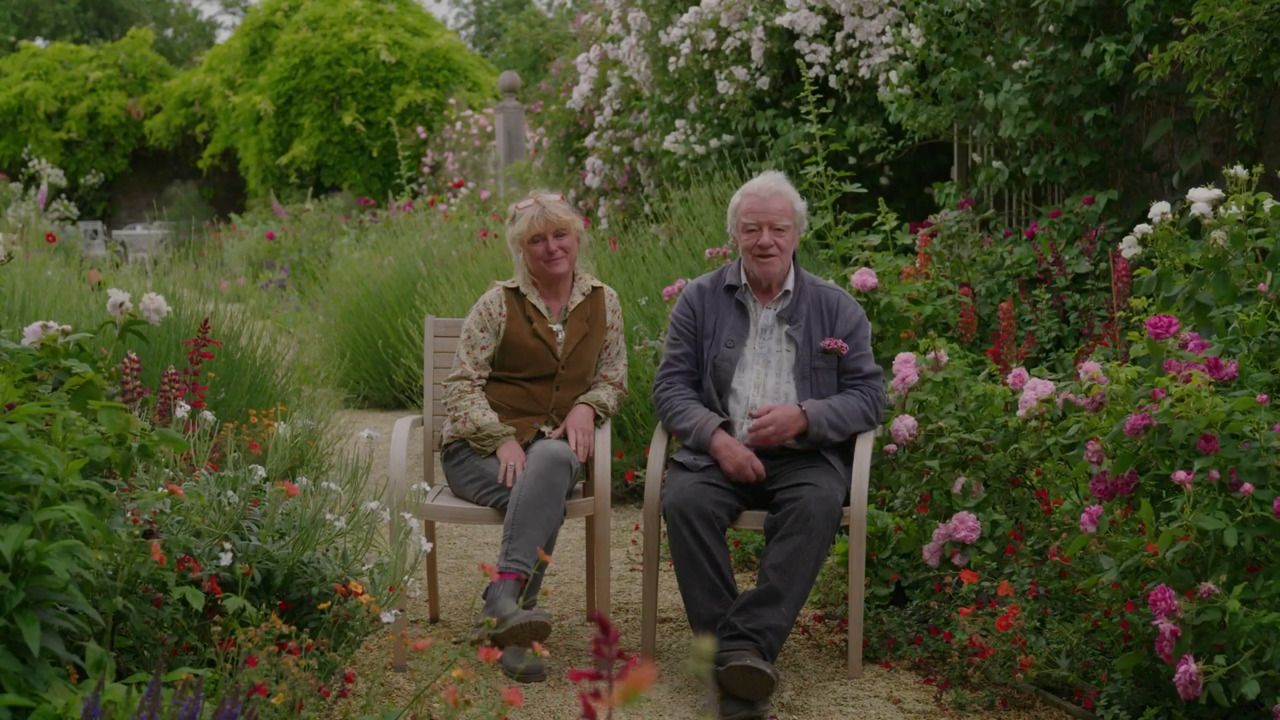
with ISABEL & JULIAN BANNERMAN — Acclaimed British garden designer duo.
Lesson 5 of 12
Subscribe to watch
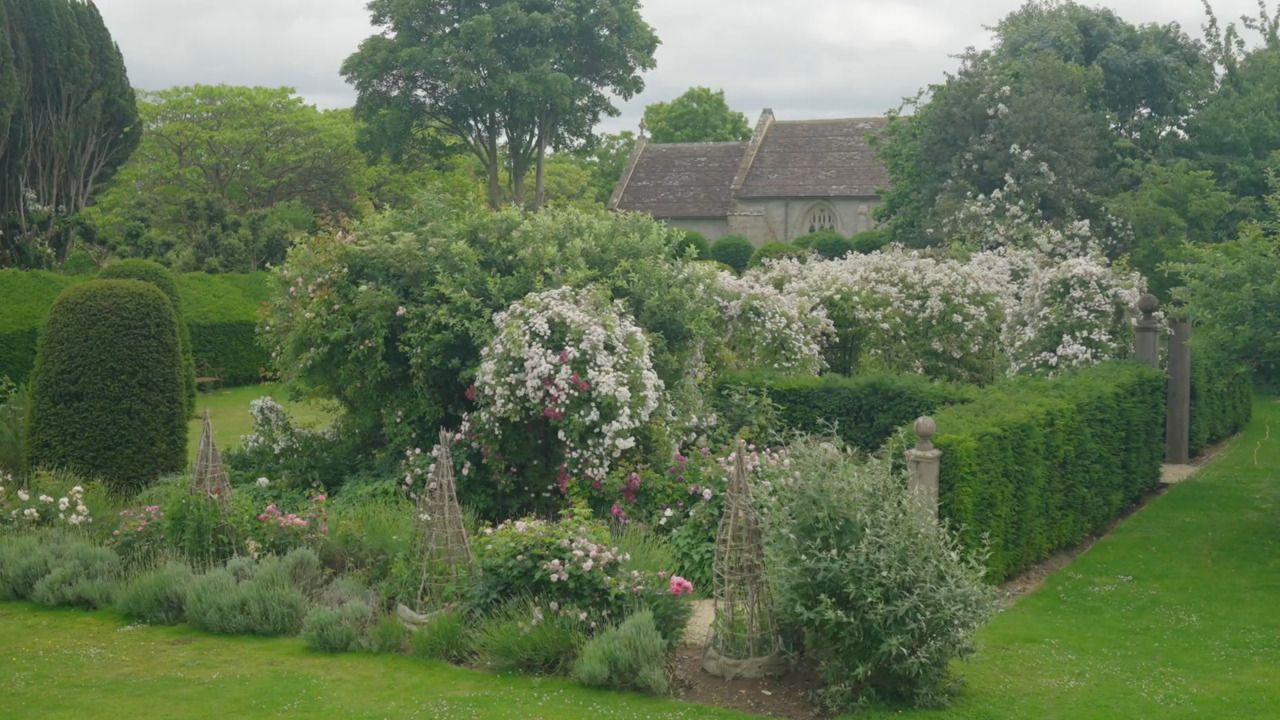
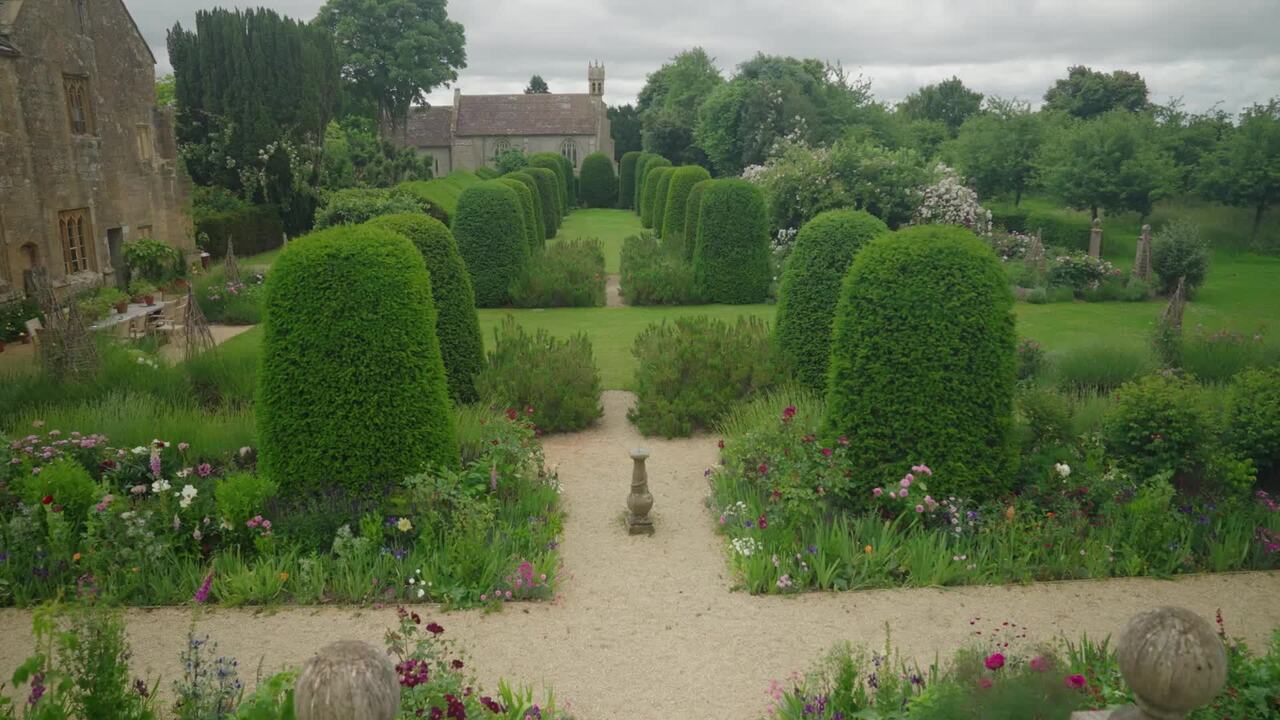
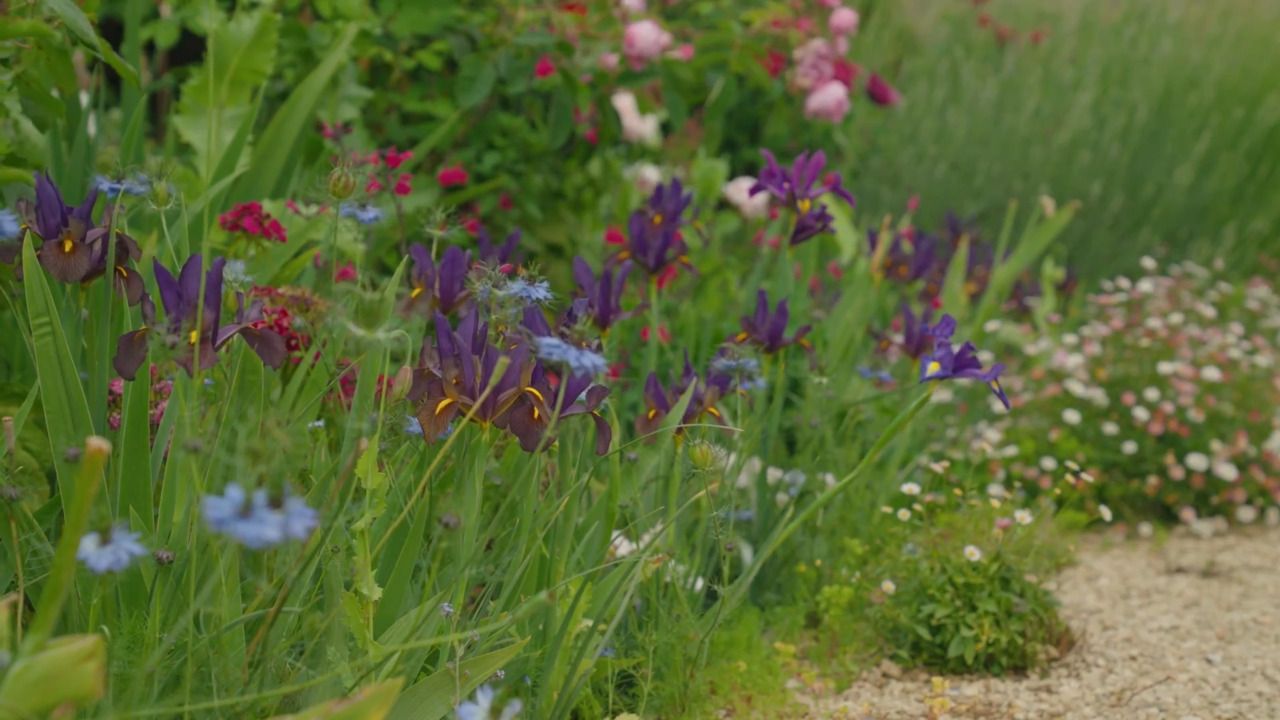
Julian and Isabel explain how planting matures over time using anchor plants, repetition and “sacrificial” fillers to create impact early while long-term structure is established.
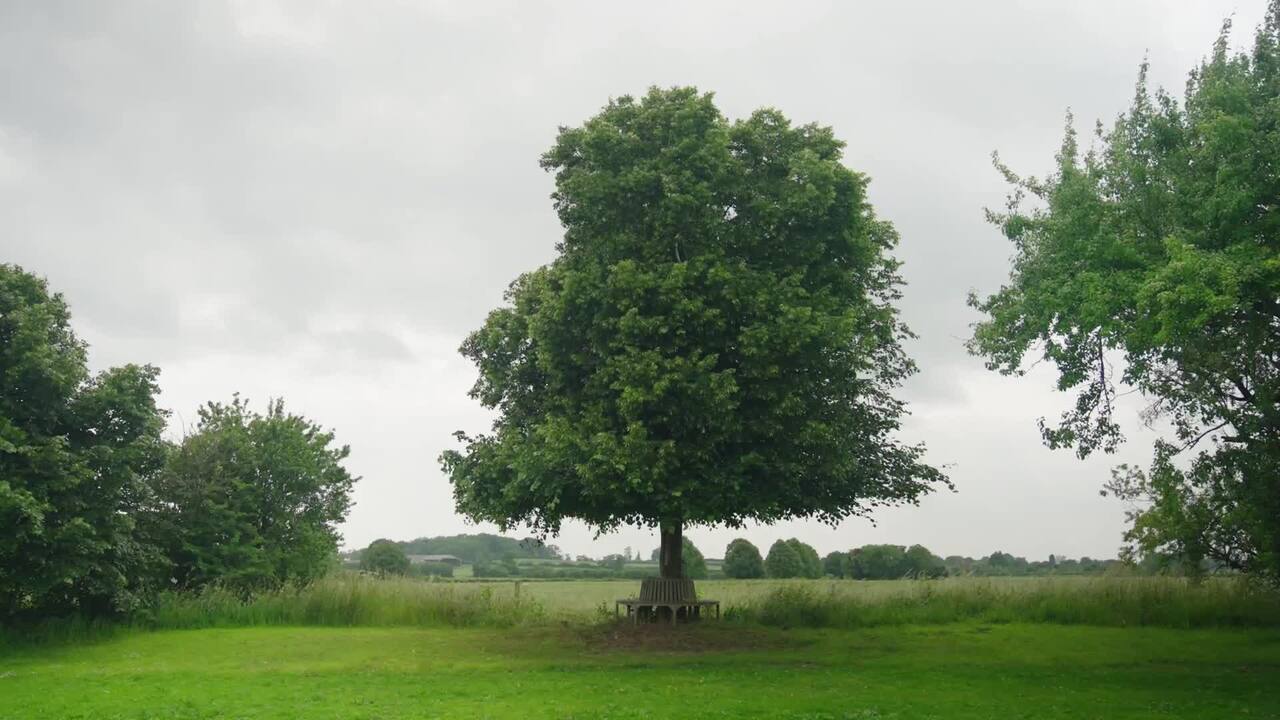
One of the most important lessons we've learnt is that moving plants when you move house is usually a mistake. It is tempting for sentimental reasons, but most plants resent disturbance and can take years to recover. We have moved a mulberry tree more than once; it has survived, but it has never truly thrived or fruited properly again.
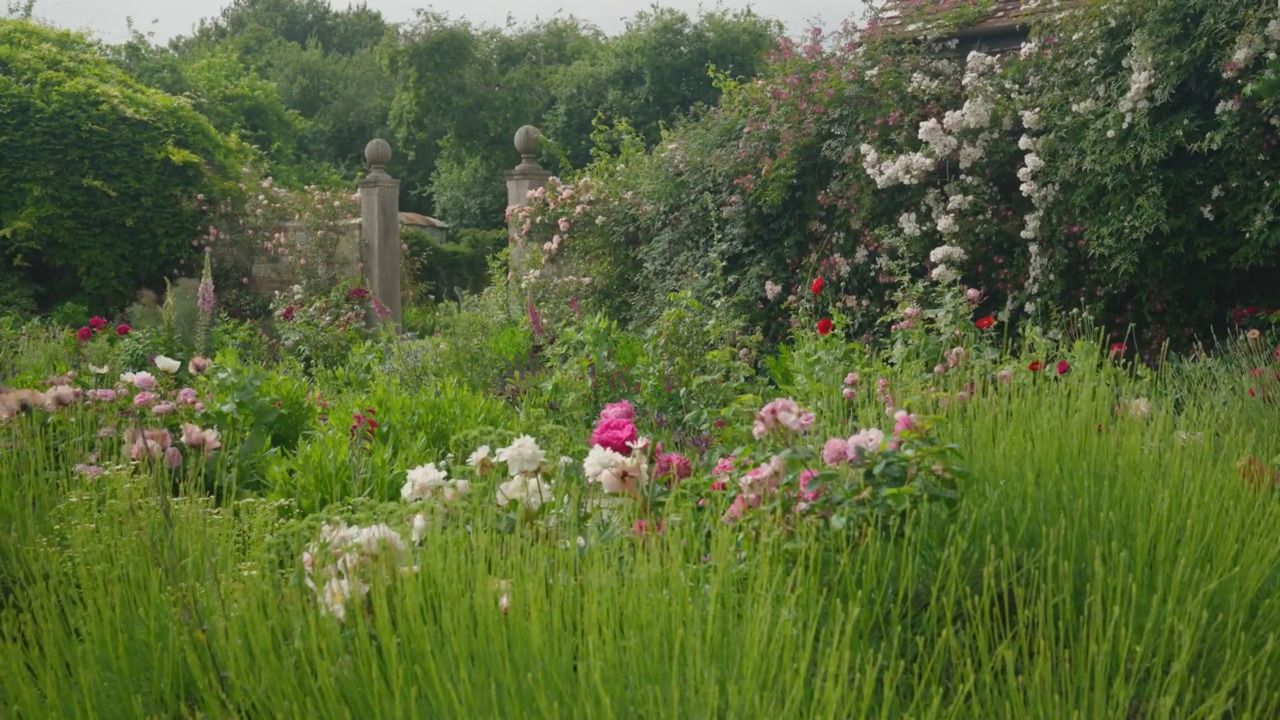
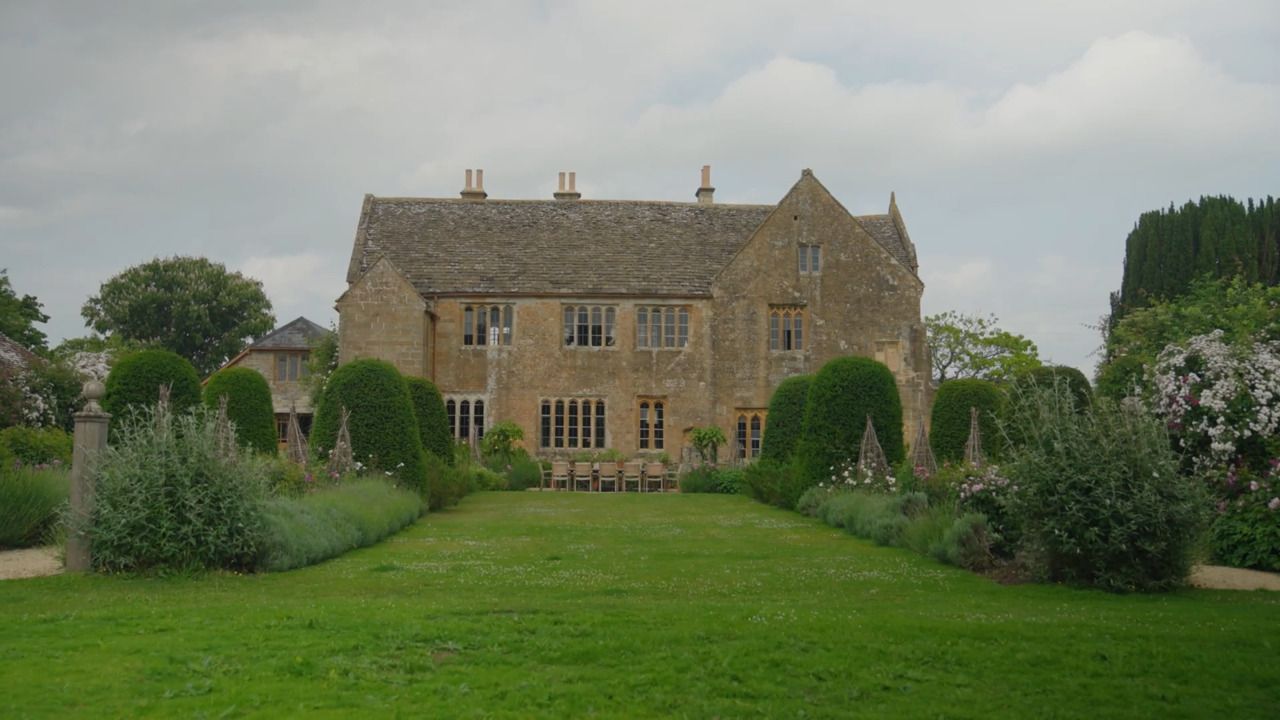
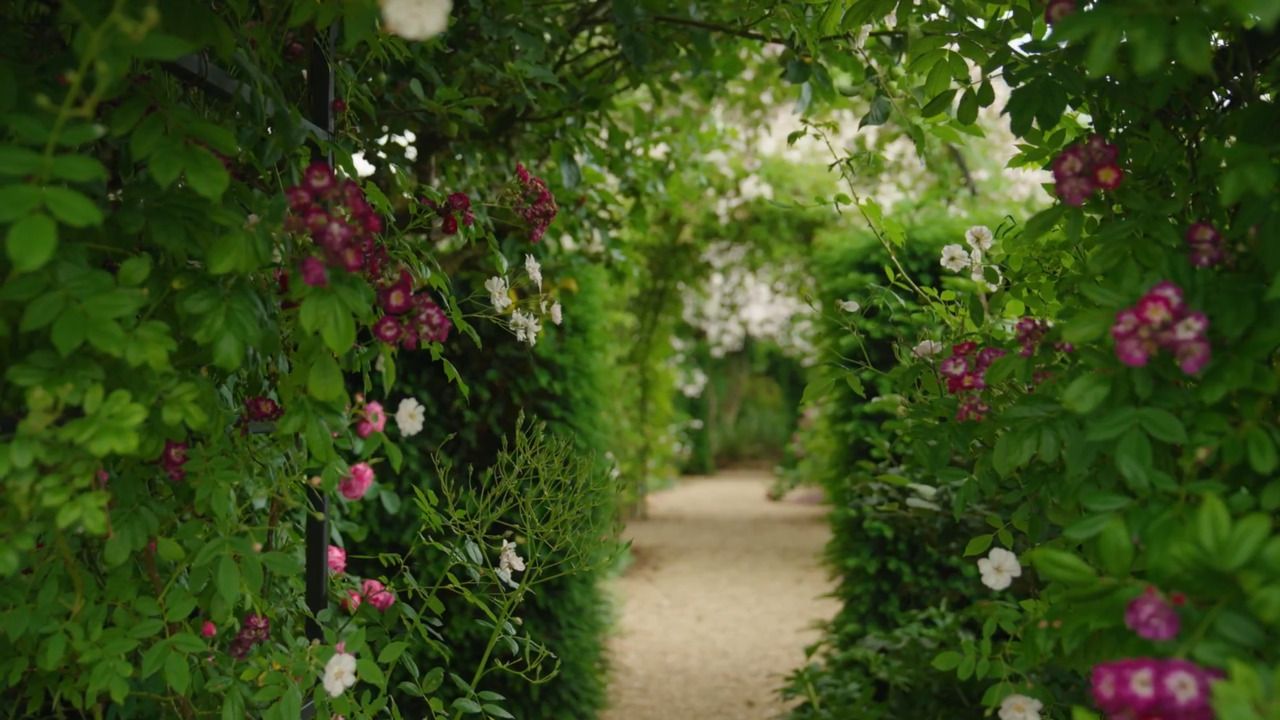
When we arrived at Ashington, we began planting from a few simple starting points: sunny beds in front of a wall that suited irises and our long-standing passion for old roses. Roses reward patience, but they do require it - our shrub roses took roughly four years to look established, which is often why people lose confidence early on.
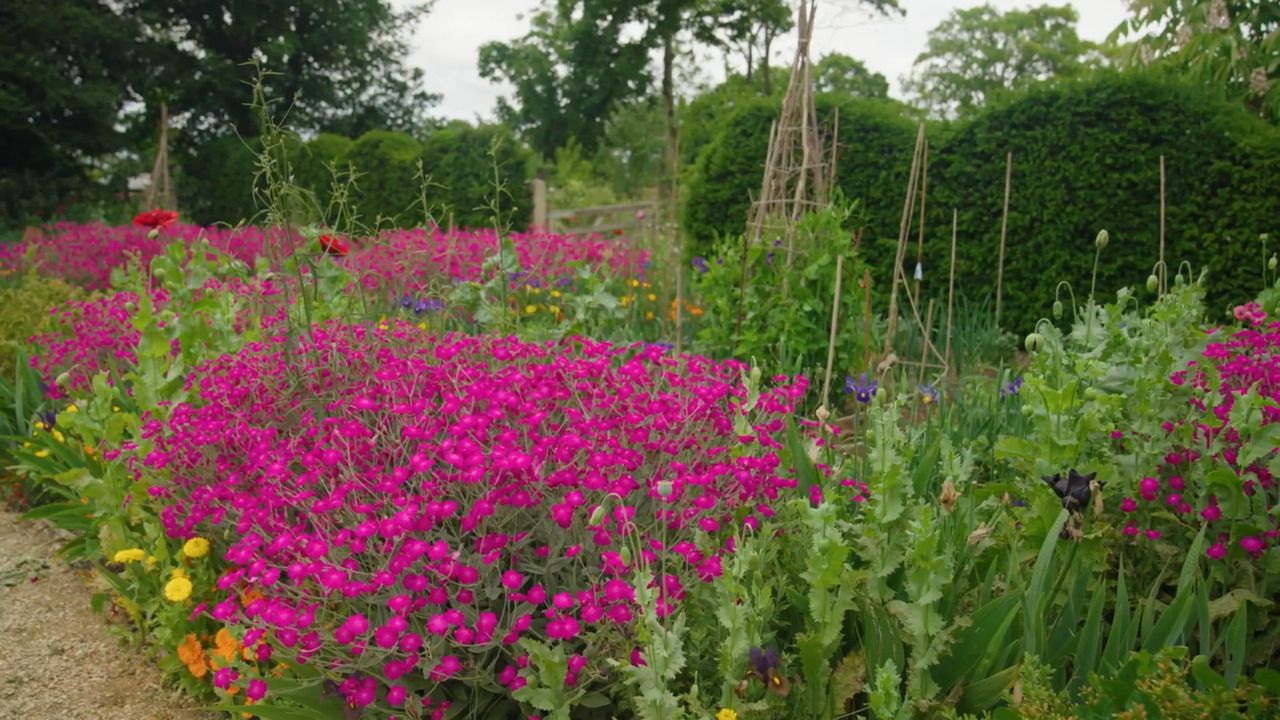
To avoid the garden feeling empty while slower plants mature, we rely on what we call sacrificial planting: temporary, fast-growing plants that fill gaps, provide colour, and give height while the anchors build. Plants like fennel work well for this.
In this lesson you'll learn how we build planting schemes over time - using anchor plants, sacrificial planting, repetition and careful mixing to create gardens that mature well and remain manageable.
One of our most structural planting decisions was to line the main westward paths with large, old-fashioned lavender, forming a tall, informal "sea". It provides scent, movement and a strong backbone to the route.
To keep it dense and prevent it from opening up and becoming woody, lavender needs to be cut back after flowering. This should ideally be done every year, as it won't resprout if cut back into old wood. The difficulty is that it is often full of bees at that moment - so you have to choose between perfect form and supporting wildlife.
To soften the lavender further and add vertical lightness, we introduced sweet peas between sections, grown up hazel wigwams.
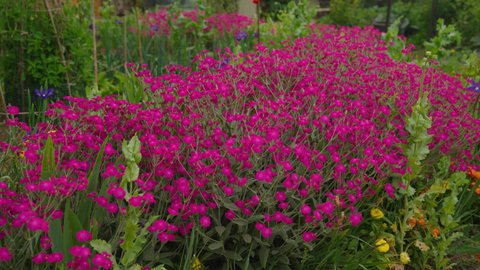
Some plants are ideal sacrificial companions because they contribute drama but do not dominate long-term. Anchusa, for example, gives strong verticals and excellent colour, then tends to fade out naturally. That is often exactly what you want: temporary strength without permanent takeover.
At the same time, we have to guard against becoming overexcited by choice. Gardening can feel like a paintbox with too many colours. The more effective approach is usually simplicity and repetition, balanced by enough variation to avoid problems.
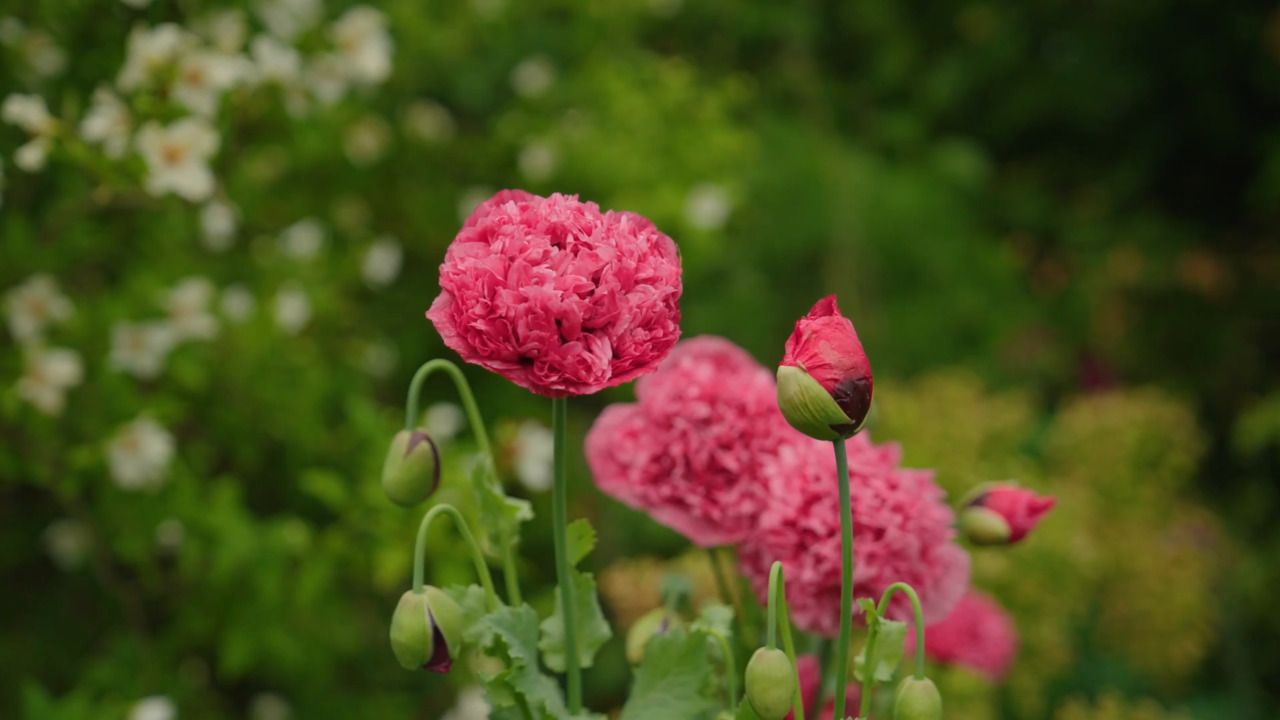
We learnt this the hard way by planting whole borders with peonies, only to see disease spread quickly. In many cases, mixed planting is healthier over the long term - though conditions always play a part.
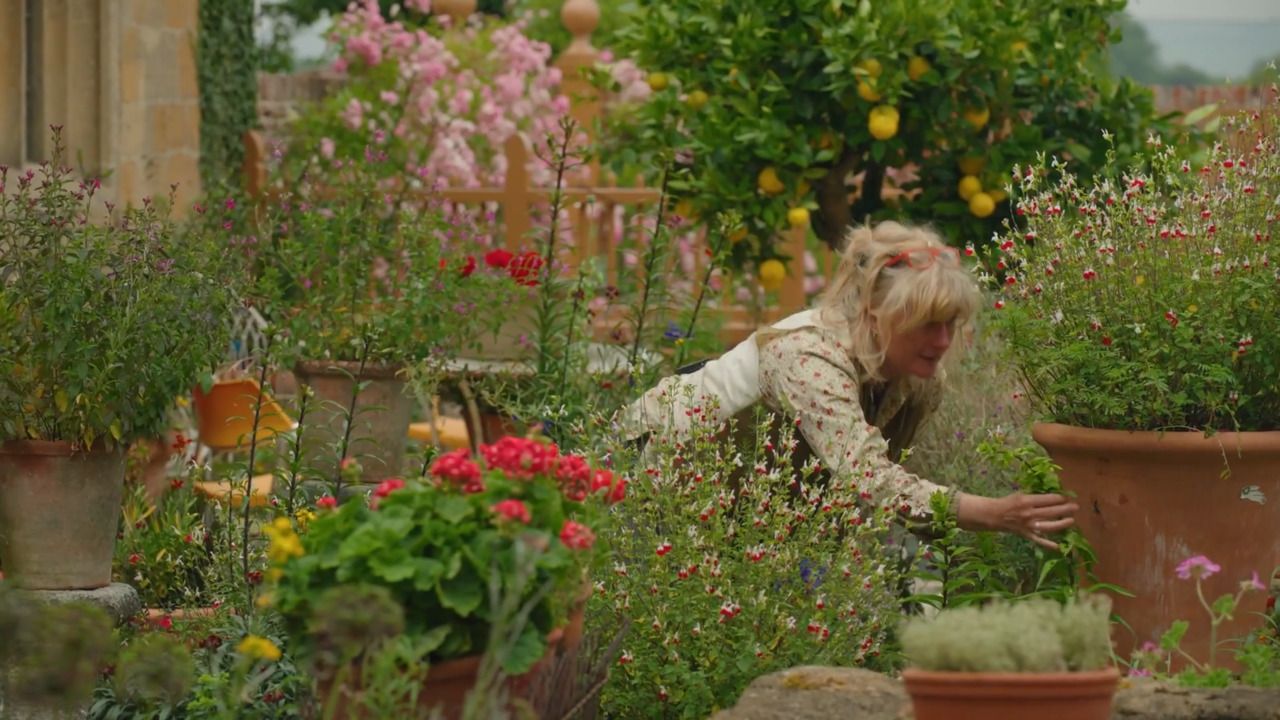
A garden is a series of moments. Irises flower, then disappear. Other plants take over - salvias, for example, are brilliant at filling the later part of the season. The goal is a continuous weave rather than a single peak. But weaving must respect plants' needs: we once sowed Nigella through iris clumps and it looked spectacular, but it was not good for the irises - their rhizomes need sun and warmth, and too much competition can weaken them.
The approach is always the same: experiment, observe, and adjust.
Morus nigra
Black mulberry
Hardy deciduous tree
Moraceae
Iris germanica cultivars
Bearded irises
Hardy rhizomatous perennials
Iridaceae
Iris × hollandica cultivars
Dutch irises
Hardy bulbous perennials
Iridaceae
Rosa (old cultivars)
Old-fashioned roses
Hardy deciduous shrubs
Rosaceae
Paeonia lactiflora
Fennel
Hardy perennial or short-lived herbaceous perennial
Apiaceae
Lavandula species, hybrids and cultivars
Lavenders
Hardy or half-hardy evergreen shrubs
Lamiaceae
Lathyrus odoratus cultivars
Sweet peas
Hardy annual climbers
Fabaceae
Philadelphus species and cultivars
Mock oranges
Hardy deciduous shrubs
Hydrangeaceae
Salvia species and cultivars
Salvias or sages
Hardy, half-hardy or tender herbaceous perennials or subshrubs
Lamiaceae
Nigella damascena
Love-in-a-mist
Hardy annual
Ranunculaceae
Matthiola incana
Brompton stock
Hardy woody-based perennial
Brassicaceae
Anchusa azurea
Garden anchusa
Hardy herbaceous perennial
Boraginaceae
Lupinus species and cultivars
Lupins
Mostly hardy herbaceous perennials
Fabaceae
Taxus baccata
Common yew
Hardy evergreen tree or shrub
Taxaceae
Get the full workbook, video lessons, and more with a Create Academy subscription.
Subscribe to access the full workbookAlready a member? Sign in to watch
491 reviews
Read moreCreate Academy has been such a great resource. I'm in the middle of renovating a bungalow with a very large garden and the courses have offered a wealth of inform...
Harvey
Jun 10, 2026
Absolutely love Create Academy! The instructors are extremely informative, and it is beautifully filmed. Create Academy is great value for money and plan on renew...
SG
May 31, 2026
Butter's creativity is stunning! Her ability to incorporate brilliance in small gardens is magical!
Carla
May 30, 2026
The best adventure. I like all the courses, but my favorite are both Rita Konig interior design courses and Anna Jones. Excellent!
Karolina Kluczewska
May 20, 2026
Create Academy has been such a great resource. I'm in the middle of renovating a bungalow with a very large garden and the courses have offered a wealth of information to dive into and explore new ideas. I'm...
Harvey
Jun 10, 2026
Absolutely love Create Academy! The instructors are extremely informative, and it is beautifully filmed. Create Academy is great value for money and plan on renewing my subscription yearly because there are ...
SG
May 31, 2026
Butter's creativity is stunning! Her ability to incorporate brilliance in small gardens is magical!
Carla
May 30, 2026

Your Instructor
Acclaimed British garden designer duo.
Isabel Bannerman and Julian Bannerman have been designing landscapes and garden architecture together since 1983, creating poetic spaces that balance living beauty with clarity of form. Renowned for their romantic English-country aesthetic, they work across urban, woodland and heritage gardens, always inspired by the site’s character rather than imposing a style. Their work is celebrated for its inventive use of space, structure and planting, and is underpinned by an organic ethos and sustainable materials.
Access to all courses


