
Very good tutorial from a professional garden...
I have subscribed to access all the courses so have watched one on interior design and this one with Butter Wakefield who specialises in small garden design. She ...
Louise Brown
Apr 10, 2026
Creating a Romantic English Country Garden
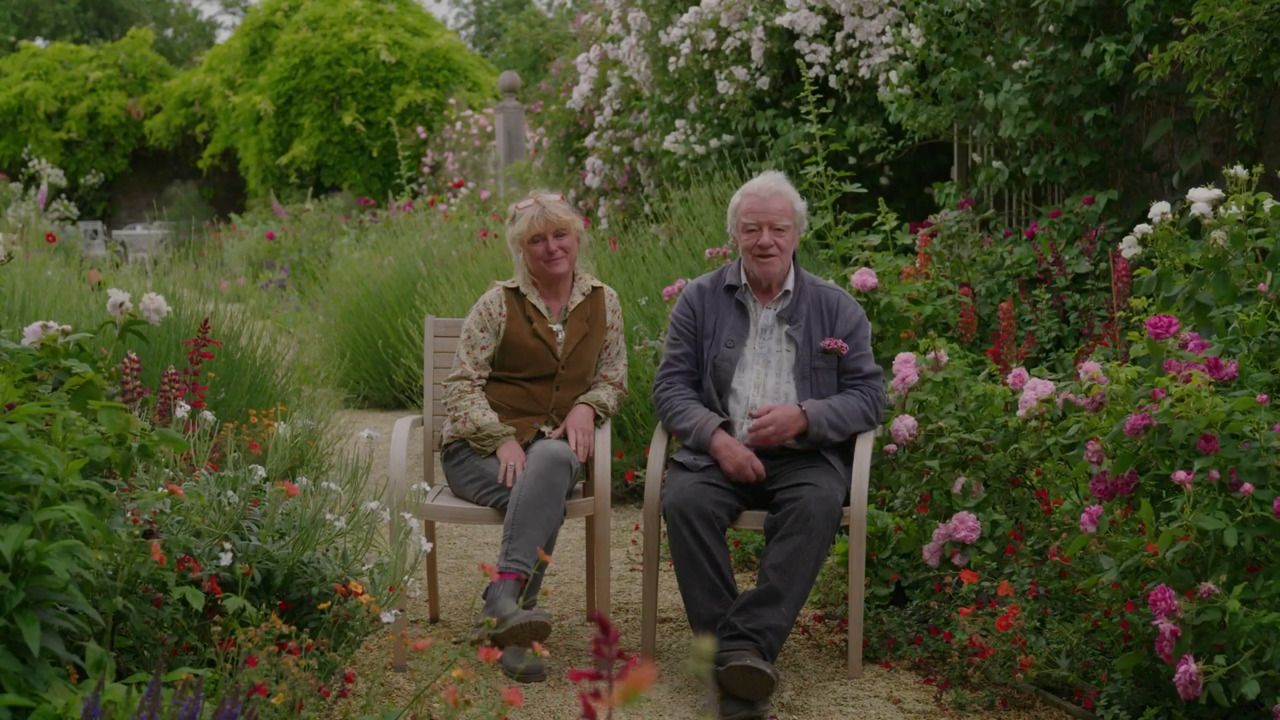
with ISABEL & JULIAN BANNERMAN — Acclaimed British garden designer duo.
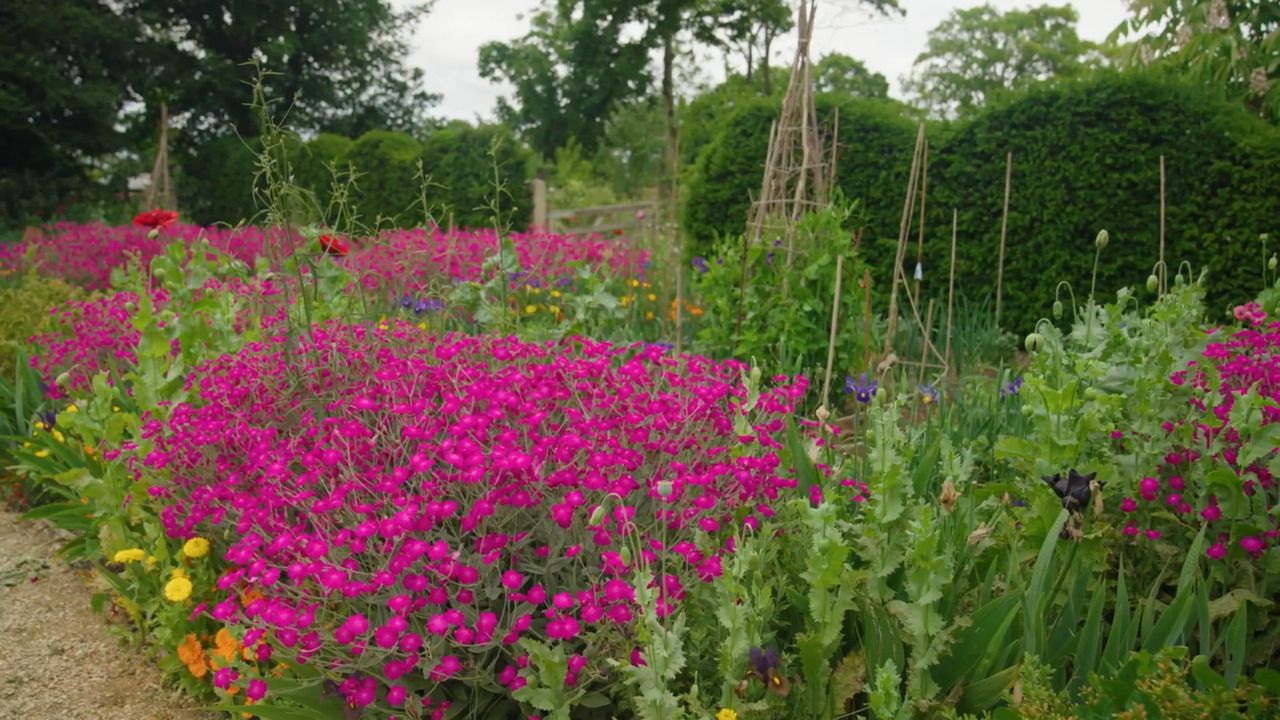
Julian and Isabel share how Ashington’s landscape and history shaped early decisions, including bold structural moves, mass bulb planting, and the use of rambling roses for scent and drama.
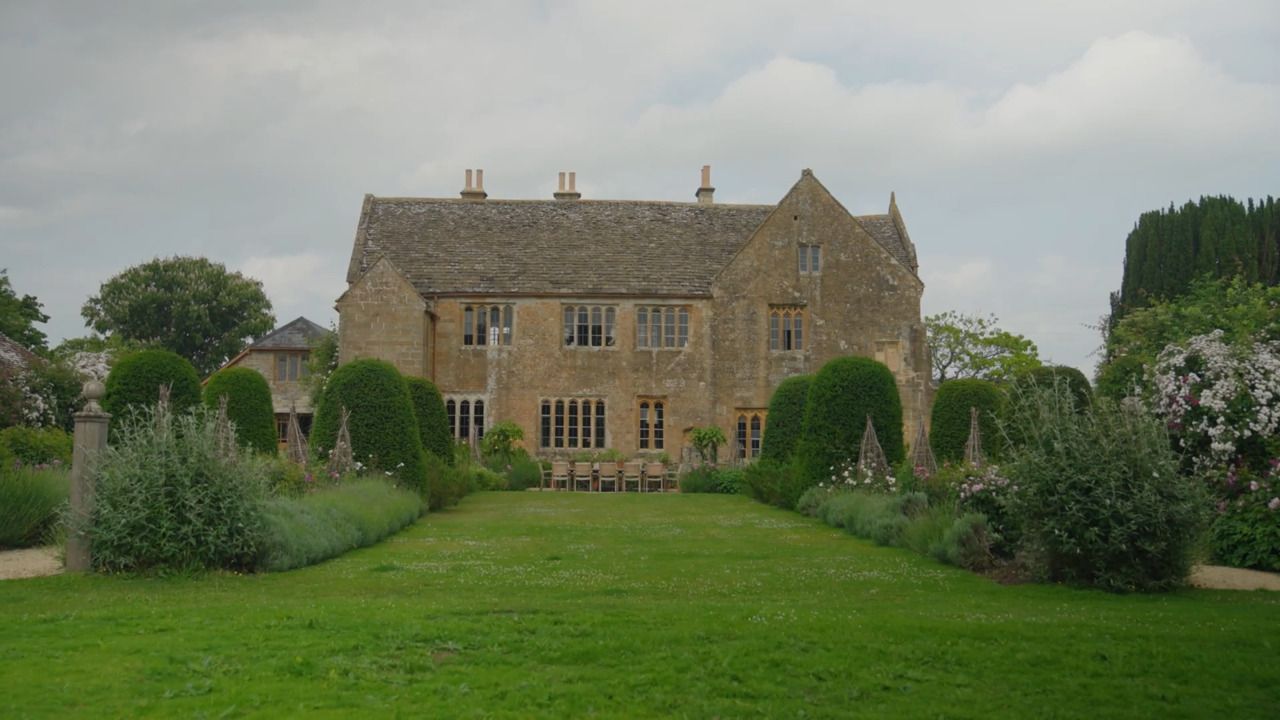
In this lesson you'll learn the story of Ashington Manor, what the site was like when we arrived, and how we began shaping the garden using structure, bulbs and rambling roses.
Ashington is in South Somerset, a few miles north of Yeovil – very flat, almost like a Dutch landscape, with distant hills and views towards Glastonbury Tor.
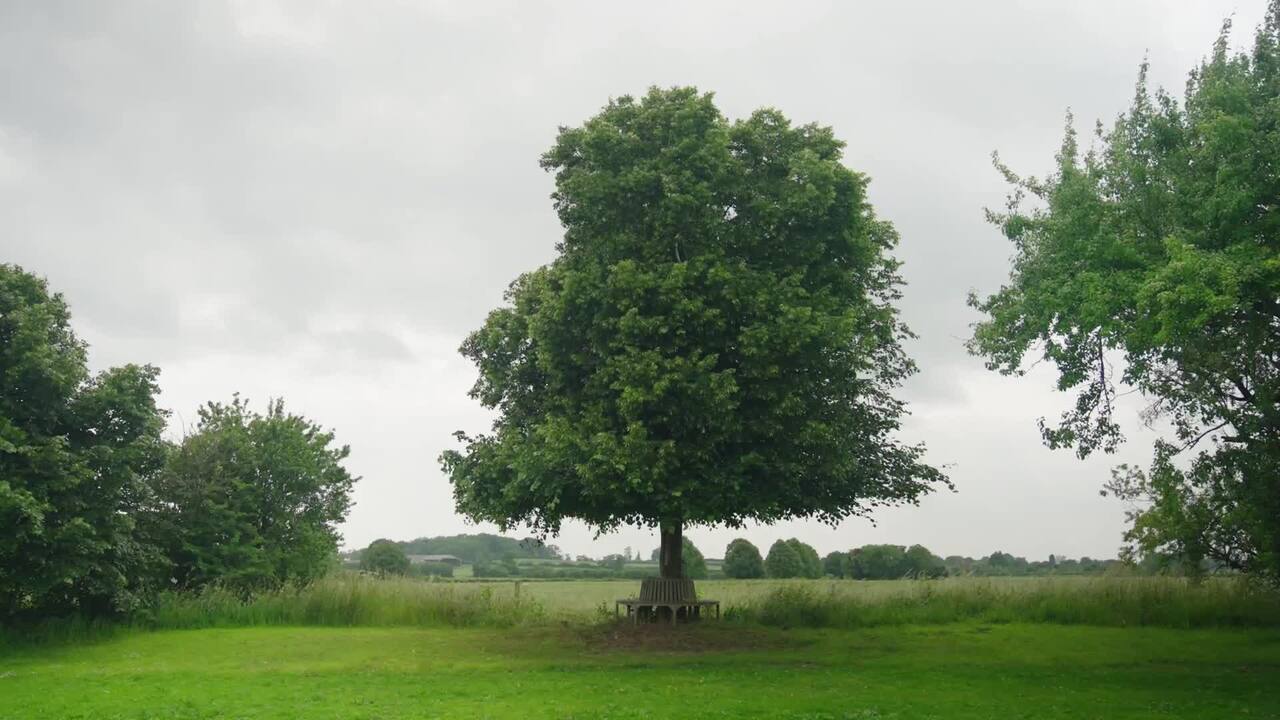
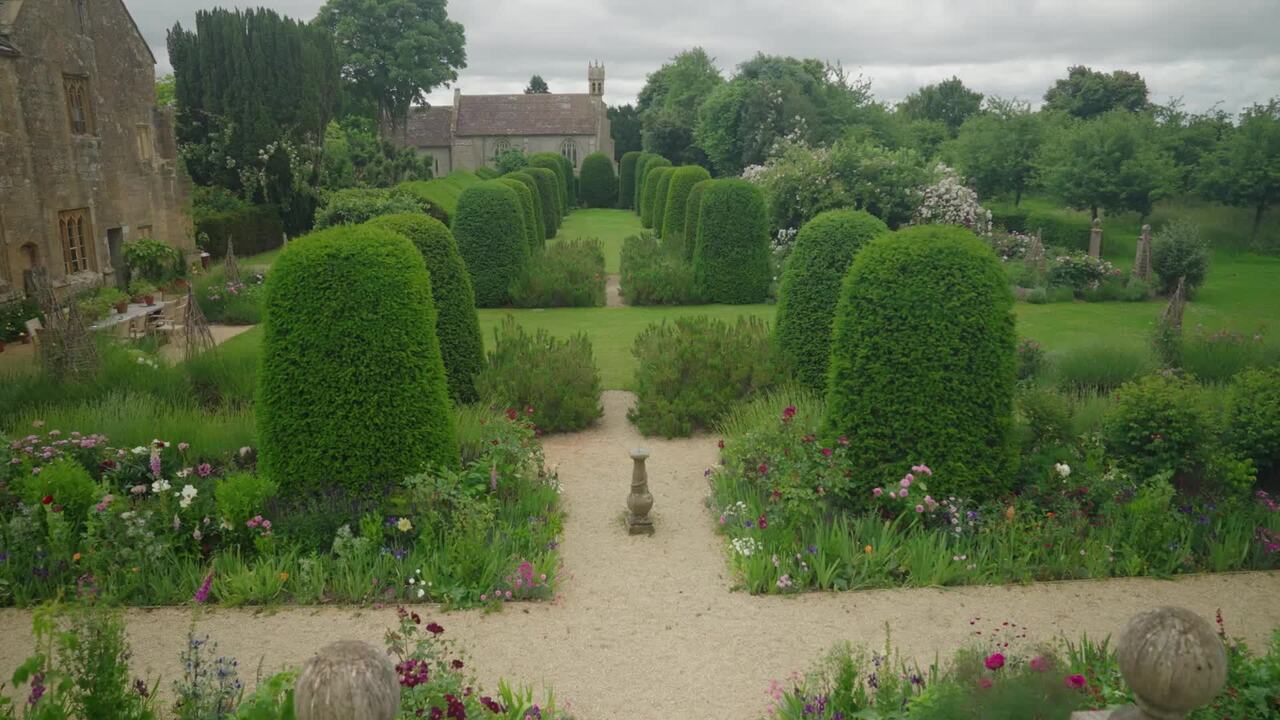
We first saw the house about nine years ago, and when we eventually moved in (nearly six years ago now), it had been empty for a decade. The "garden" was basically just mown grass, a few hedges, and very little to anchor anything – except for a couple of Irish yews, a nut tree, and an orchard of French cider apples planted in the 1960s.
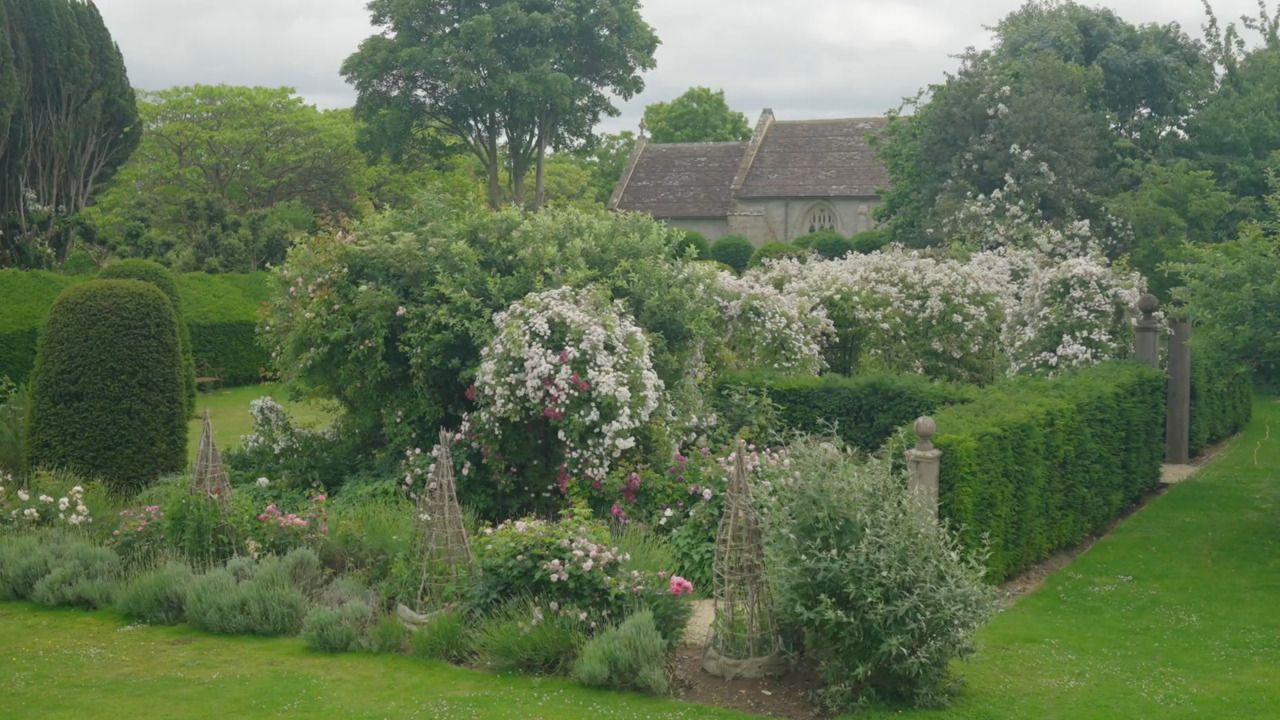
What really drew us here wasn't just the land – it was the history and the feeling of the place: ancient Somerset, abbots of Glastonbury, the nearby 13th-century church at the end of our garden (with what's thought to be one of the oldest bells in England, from around 1290). The history of the house and the context of the surrounding landscape were integral to the way we approached the design of the garden – the sense of age makes you want to garden in a way that belongs.
The soil here is wonderful – rich alluvial soil from the slow river, with gravel beneath - so lush planting comes naturally if you let it.
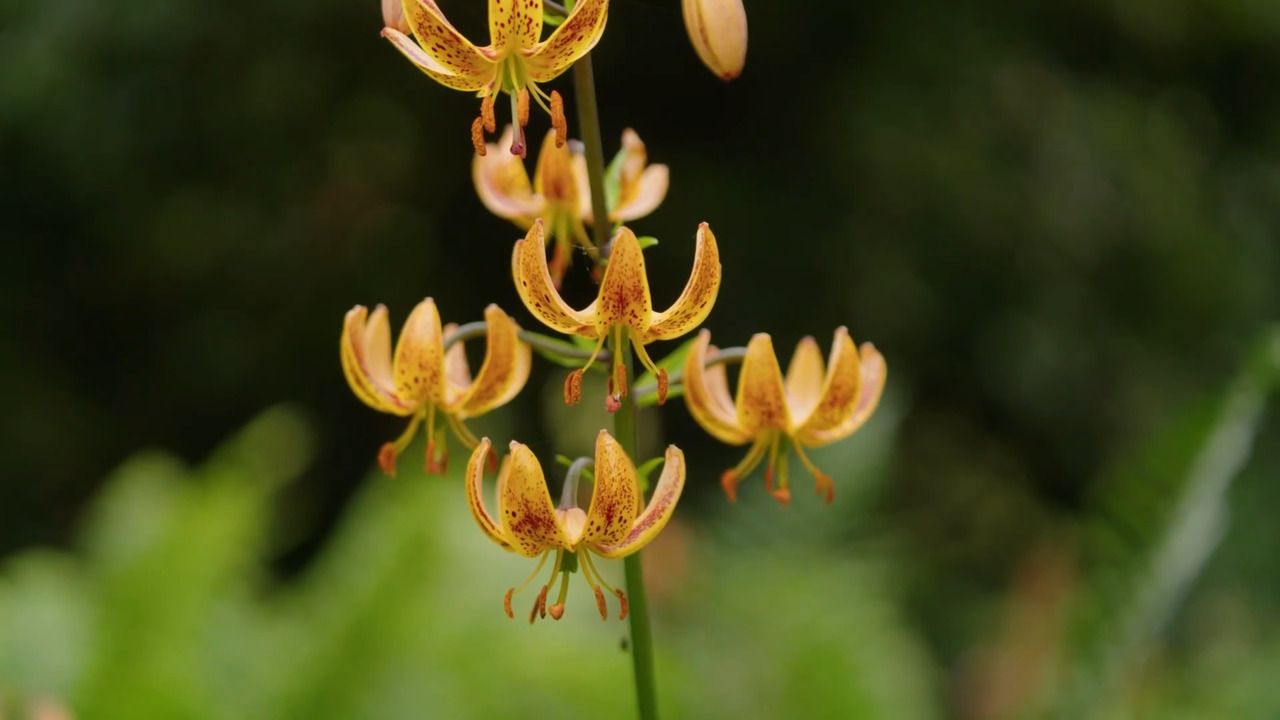
We often have issues like this with clients: a shady drive or immovable trees that you have to work with. In our case we have a drive lined with Catalpa trees that come into leaf very late, so it looks like winter until June. But the upside is that it gives bulbs perfect conditions, with plenty of light early in the year. So we decided to plant masses and masses of bulbs – snakes head fritillaries and Camassia as well as our huge snowdrop collection – and then not mow until July.
Something else magical happened when we reduced the mowing: orchids began appearing. First one or two… now we have hundreds. There are real advantages to not mowing everywhere.
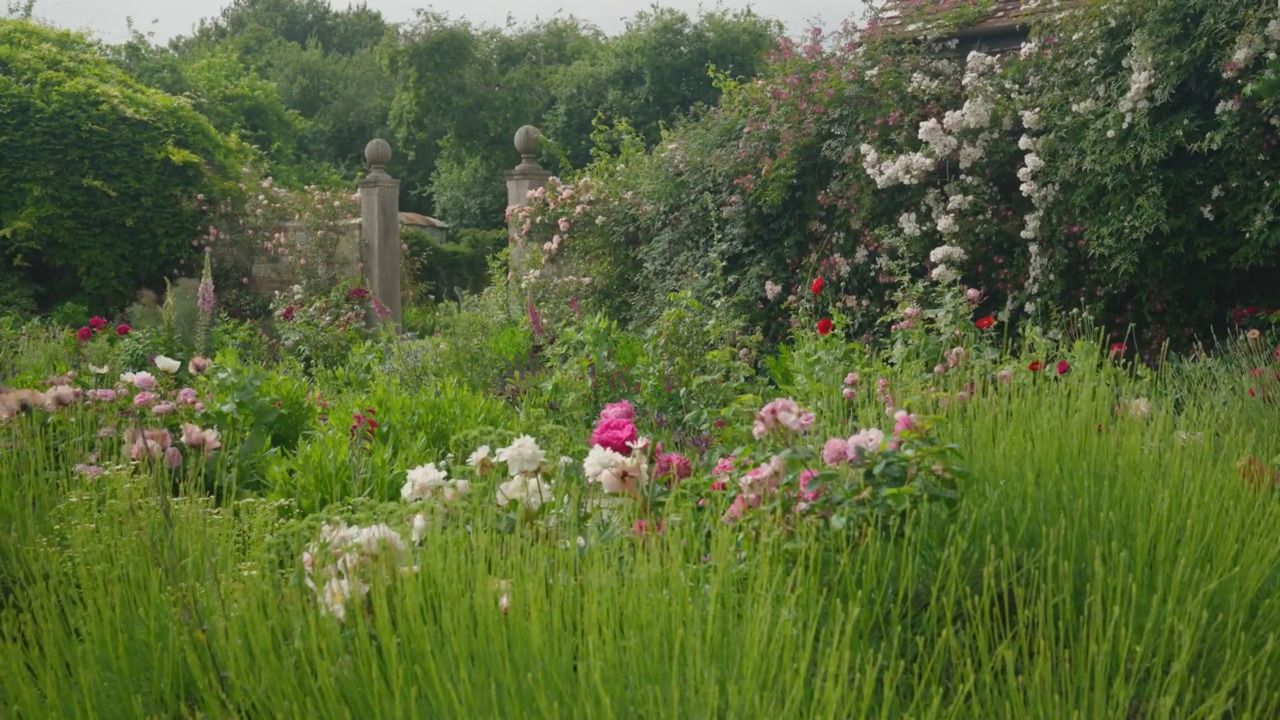
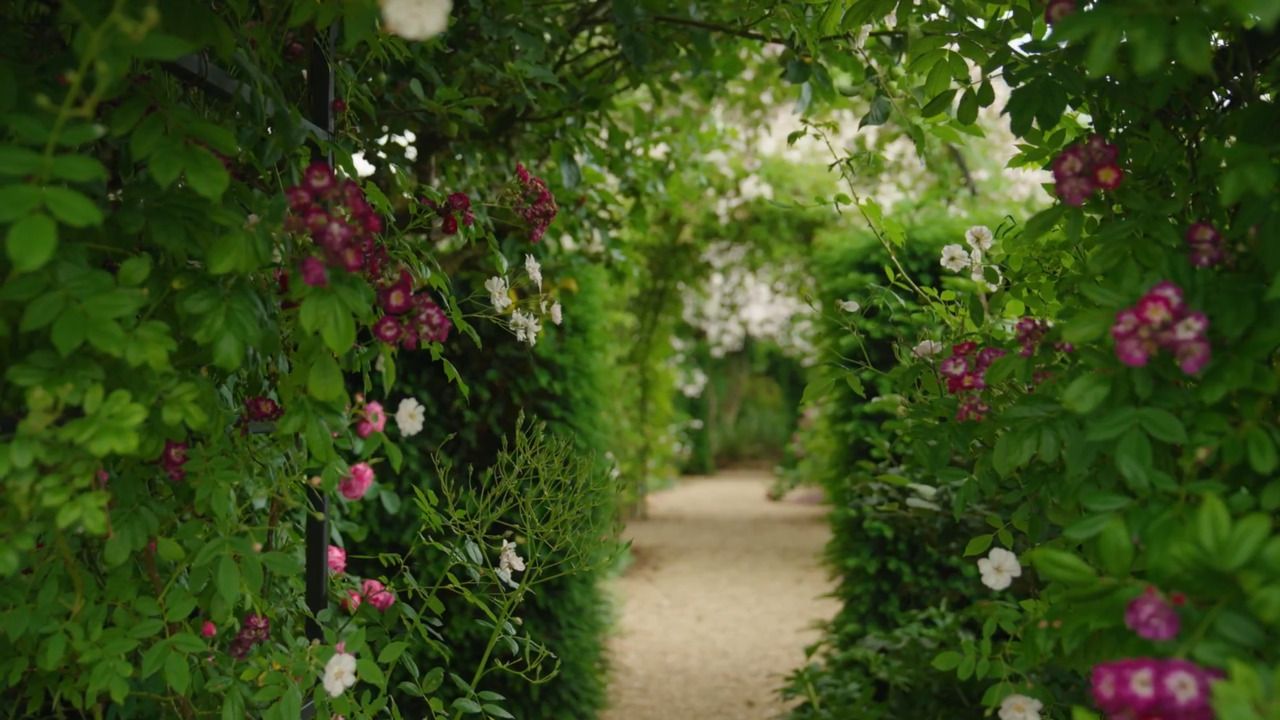
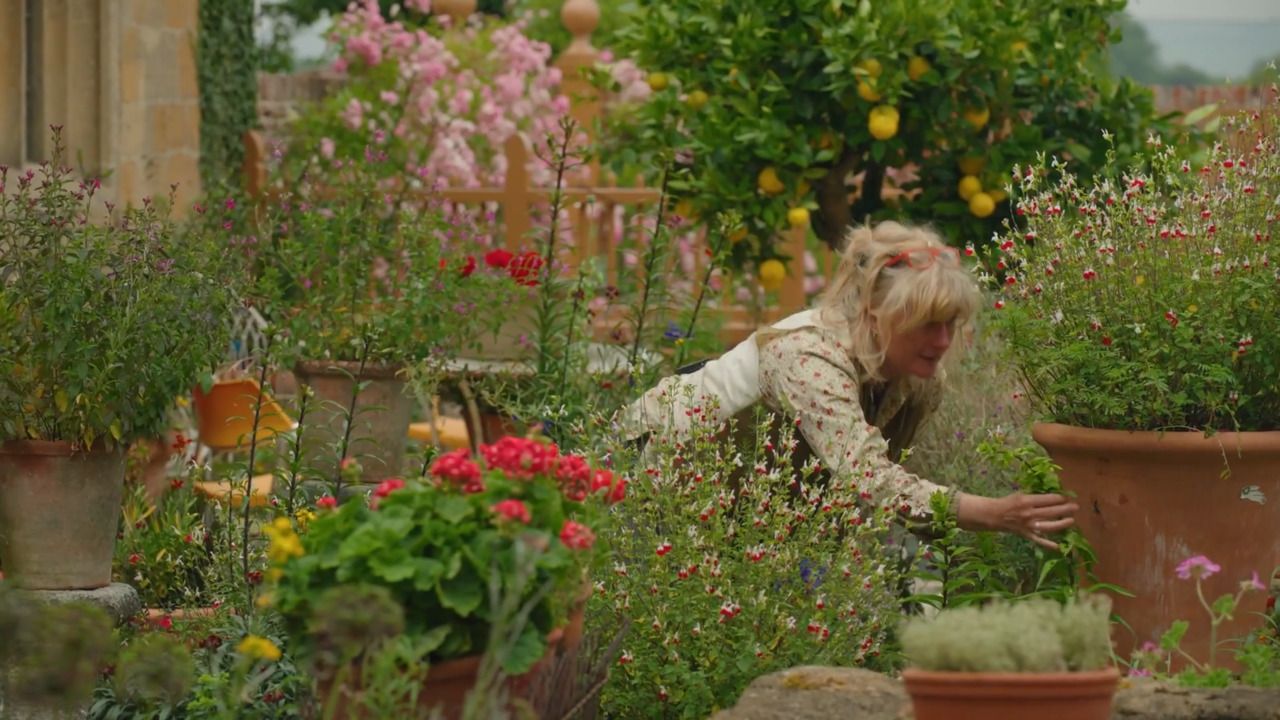
We also planted a huge number of rambling roses, because they give you drama and scent with surprisingly little work once they're established. You don't have to train them into shape – you just get them started up a tree or stump with a bit of string, and then they cascade like they would in the wild. If you choose enough varieties, you can get two months of flowering, and they smell extraordinary.
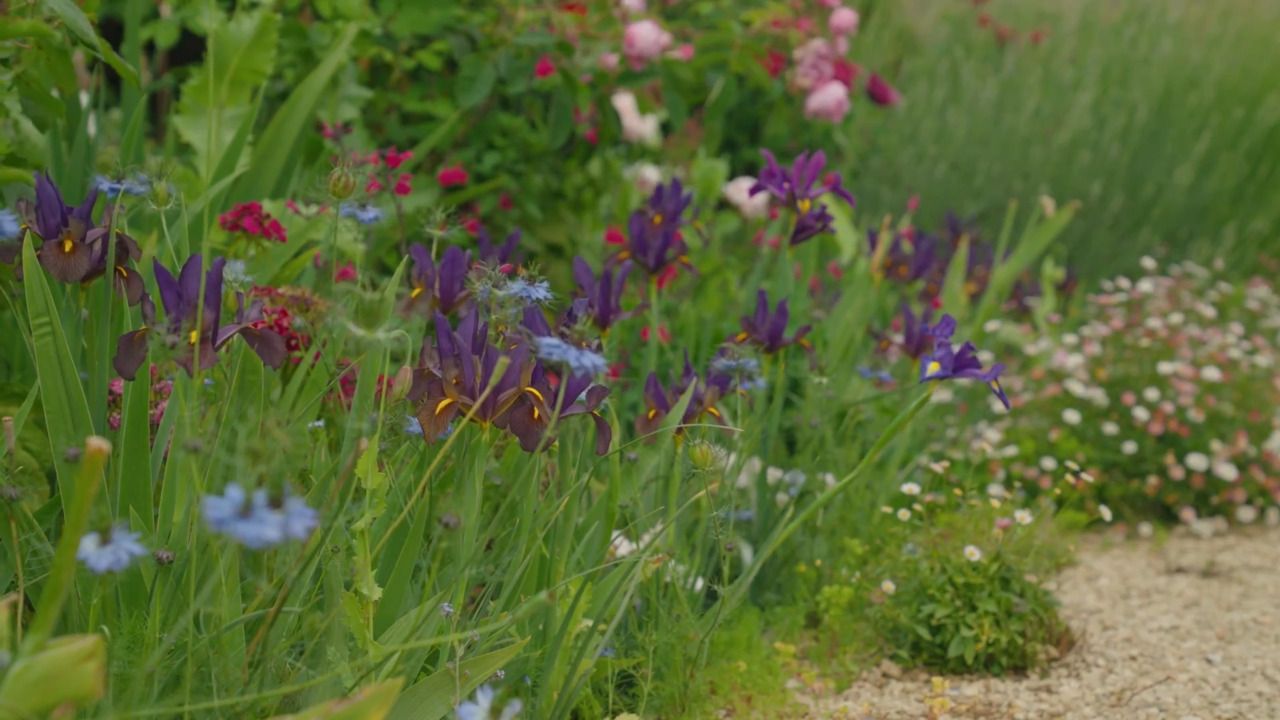
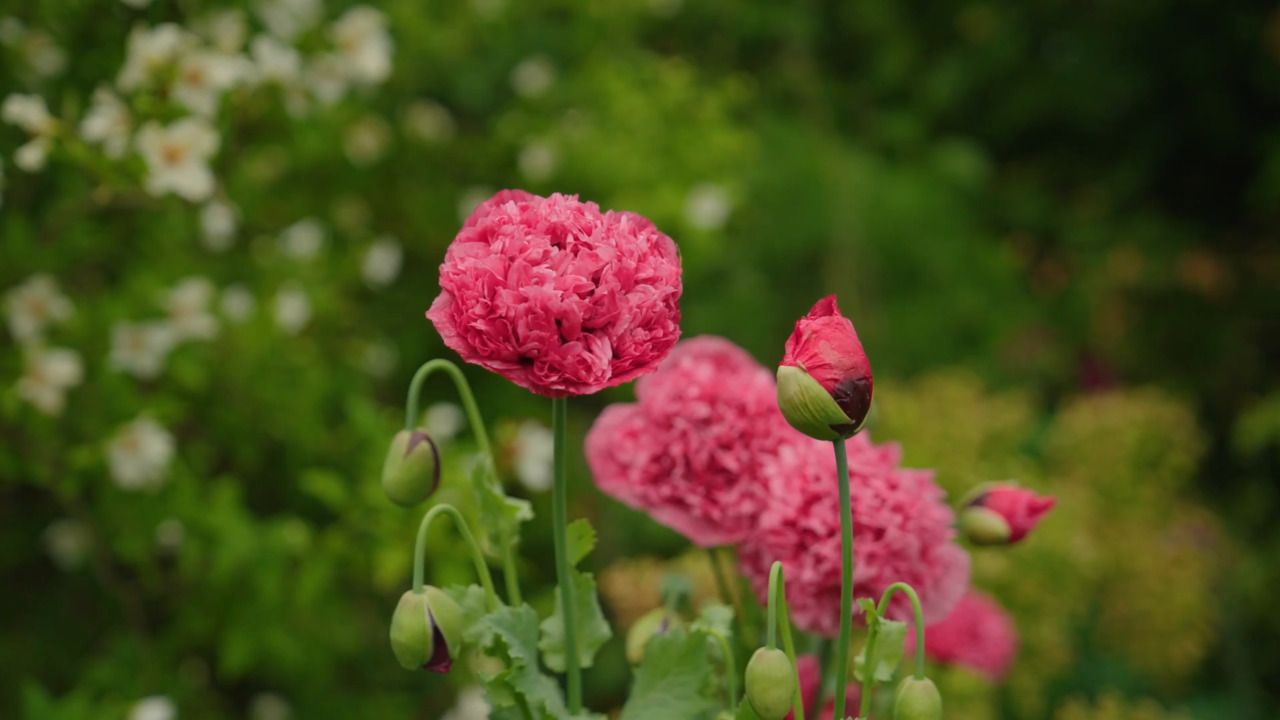
The whole idea is a garden that feels lush, scented, slightly wild, and joyful – even if you don't have much labour.
Malus domestica (cider apple cultivars)
French cider apples
Hardy deciduous trees
Rosaceae
Taxus baccata 'Fastigiata'
Irish yew
Hardy evergreen tree or shrub
Taxaceae
Galanthus species and cultivars
Snowdrops
Hardy bulbous perennials
Amaryllidaceae
Taxus baccata
Common yew
Hardy evergreen tree or shrub
Taxaceae
Catalpa bignonioides
Indian bean tree
Hardy deciduous tree
Bignoniaceae
Fritillaria meleagris
Snake's head fritillary
Hardy bulbous perennial
Liliaceae
Rosa (rambling cultivars)
Rambler roses
Hardy deciduous rambling roses
Rosaceae
Camassia species and cultivars
Camass or quamash
Hardy bulbous perennials
Asparagaceae
Anacamptis pyramidalis
Pyramidal orchid
Hardy herbaceous perennial
Orchidaceae
Get the full workbook, video lessons, and more with a Create Academy subscription.
Subscribe to access the full workbookAlready a member? Sign in to watch
437 reviews
Read moreI have subscribed to access all the courses so have watched one on interior design and this one with Butter Wakefield who specialises in small garden design. She ...
Louise Brown
Apr 10, 2026
I love CreateAcademy. I came in for the gardening and floristry courses, but am also watching an interior design one at present. And the photography course is an ...
Wellesley
Apr 1, 2026
What a great investment, I have learned such a lot from the first three courses. My evenings have gone from not being able to find anything that captured my imagi...
sojojo
Mar 30, 2026
I loved this course with Amanda Lindroth! Her approach to decorating is so relaxed and she makes it feel attainable. She explains the reasons behind her decisions...
Elizabeth
Mar 27, 2026
I have subscribed to access all the courses so have watched one on interior design and this one with Butter Wakefield who specialises in small garden design. She has a lovely personality and comes across as ...
Louise Brown
Apr 10, 2026
I love CreateAcademy. I came in for the gardening and floristry courses, but am also watching an interior design one at present. And the photography course is an absolute must, best I've ever done.
Wellesley
Apr 1, 2026
What a great investment, I have learned such a lot from the first three courses. My evenings have gone from not being able to find anything that captured my imagination on TV to learning and expanding my kno...
sojojo
Mar 30, 2026

Your Instructor
Acclaimed British garden designer duo.
Isabel Bannerman and Julian Bannerman have been designing landscapes and garden architecture together since 1983, creating poetic spaces that balance living beauty with clarity of form. Renowned for their romantic English-country aesthetic, they work across urban, woodland and heritage gardens, always inspired by the site’s character rather than imposing a style. Their work is celebrated for its inventive use of space, structure and planting, and is underpinned by an organic ethos and sustainable materials.
Access to all courses


