
June is the month when all your hard work starts to pay off. The hardy annuals you sowed in April are hitting their stride, the half-hardies you nursed through May are finding their feet, and if you’ve got a cutting patch, your flowers will be putting on a full display.
This is the month to chop, edit, and nourish your garden to keep it thriving all summer long. This is our guide on what to do in your garden in June, inspired by advice from our instructors Sarah Raven, Clare Foster, Troy Scott Smith, and Jane Scotter.
June tasks for cut-flowers
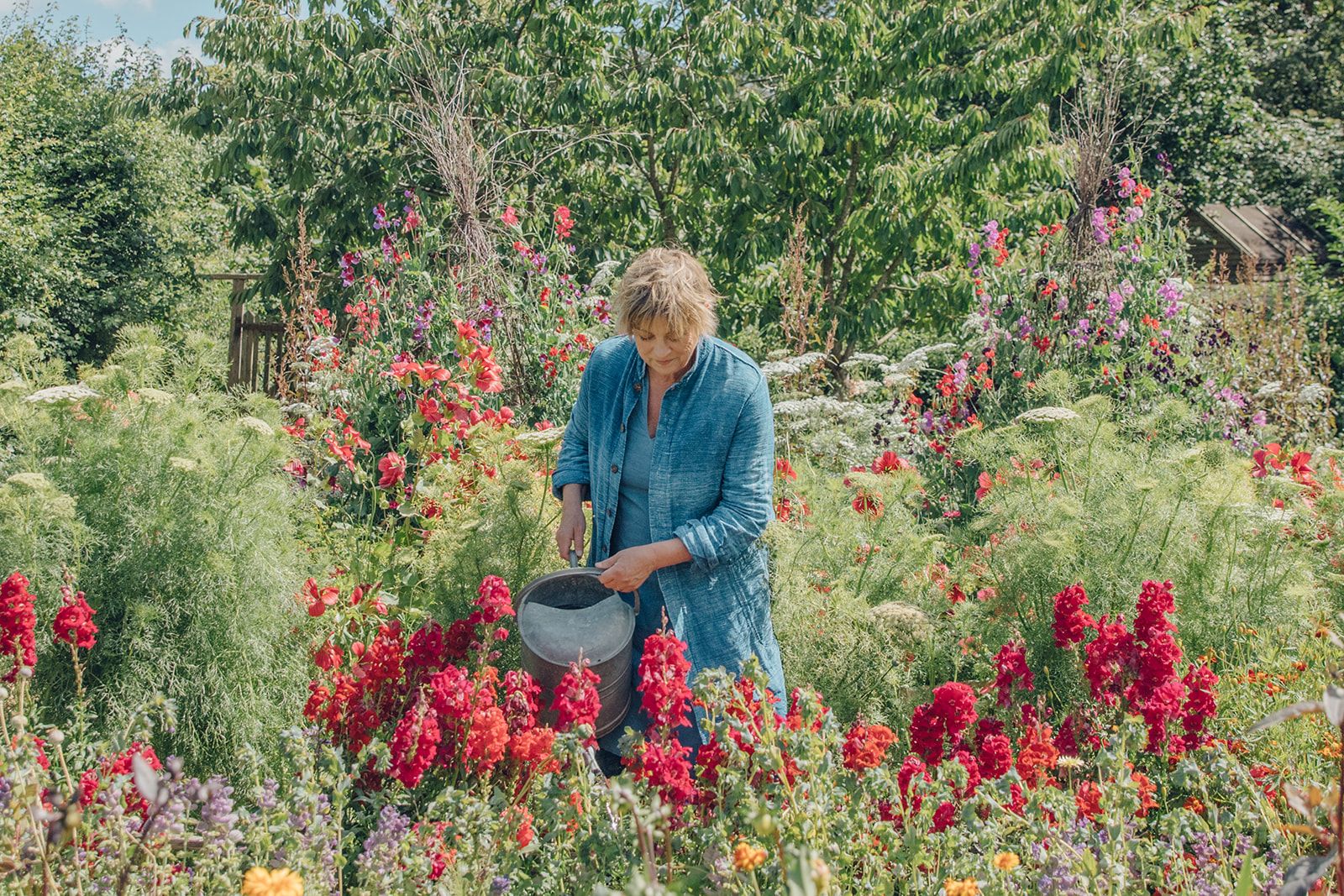
Clare Foster’s flower patch in mid-June is a lesson in what you can achieve in a small space. Working with a bed of just three metres by two metres, she has marigolds, larkspur, dill, phlox, comos, ammi, sunflowers, and sweet peas all coming into their own. 'This shows what you can do in just a year. All I've done here is sow annual flowers, and they've all started to bloom now.’
Sarah Raven’s cutting patch also comes into its own in June. ‘Hardy annuals, including sweet peas, are really going. They’re really sort of flowery and prolific and beautiful, and the bees are loving it. I've got perfume from the sweet peas, I've got beautiful colours, I've got beautiful textures from things like the antirrhinums, which are so velvety. It feels like a whole world, and it's a world I really want to live in.’
Here’s how they tend to their flower gardens in June to keep them going over the hot summer months.
Pick your flowers
June in the garden is the sweet spot when flowers start to flourish on their own, but they haven’t quite matured enough to start going to seed.
Regular harvesting is the single most important job in the cutting patch in June. In her 20x20-foot patch, Sarah Raven expects at least three generous hand-tied bunches a week in June.
Always cut above a pair of leaves rather than right to the ground, and your flowers should rebound within three or four days. Sarah Raven recommends picking on set days, like Mondays and Fridays, to keep a rhythm going in your patch.
Picking your flowers prevents the plant from going to seed. As Sarah explains in her Cut and Come Again Masterclass, ‘As soon as something runs to seed, it starts putting its energy into seed production rather than flower production.’ Picking is especially important for cut-and-come-again varieties like zinnias, cosmos, and sweet peas. The more you pick, the more they will bloom.
Fill in gaps
June is a great moment to tuck new plants into any spaces that open up as plants begin to fill out and early varieties start to die back. Zinnias, amaranth, and other half-hardies that couldn’t go out until the end of May can now be tucked into any spaces opening up to keep your garden looking full all summer long.
Sarah Raven does exactly this with her zinnias, ‘I'll look at a row that I know will be going over, like a hardy annual and tuck something in underneath it that will take on and carry the colour baton and the flower production from there.’
Clare Foster notes in her course, How to Grow Flowers from Seed, that poppies are worth adding in now, as many varieties will flower within eight weeks of direct sowing. Sow them into warm, moist, fine-tilth soil and thin seedlings to around 25-30 centimetres apart. Biennials, including wallflowers and honesty, can also be sown directly into a seedbed now as well, to be transplanted to their flower positions in early autumn.
In his course, The Art of Gardening at Sissinghurst, Troy Scott Smith recommends filling in any gaps in borders with bedding plants like salvias, pelargoniums, or begonias. Just remember to water them regularly, especially in the days after planting, and always water in the morning or evening rather than in the heat of the day.
Water deeply and infrequently
With warmer weather comes the pressure to water more often, but Sarah Raven advises resisting the urge to water every day and instead giving your plants a deep watering every few days. ‘If you see a farmer in the Fens in East Anglia, you'll see those massive drenching sprinklers, and they will only put them on their field every 10 days or so. That's because the water will then sink deep into the earth, and it won't evaporate as easily. If you sprinkle a little bit here and there, it draws the roots to the surface rather than down deep, and those surface roots are incredibly vulnerable.’
Sarah uses a sprinkler for two hours after planting anything new, then again ten days later, and a third time ten days after that if the weather remains dry. Most cutting patch plants are of Mediterranean or South African origin, and are far more drought-tolerant than we give them credit for.
Don’t overfeed
Most flowers don’t need feeding and actually perform better without it. As Sarah explains, ‘If you give them really rich, juicy soil, they've got lots of nitrogen, they produce a lot of leaves and not so many flowers. So by keeping them hungrier, they think they need to make seeds, and their seeds are their flowers. Hungry equals flowerier. Well-fed, sits there and doesn't do very much.’
Sweet peas and dahlias are the exceptions; both are hungry and thirsty plants and will benefit from regular liquid feeding throughout the summer.
Keep on top of deadheading
Deadheading through June keeps borders looking their best and extends the flowering season considerably for many plants. Roses in particular need attention right now. Snip off any browning heads to a bud, or leaf below, and more flowers will follow quickly. Rambling and climbing roses will be growing rapidly too, so tie them in regularly, keep stems as close to the horizontal as you can to encourage maximum flowering along their length.
Hardy and half-hardy annuals will benefit from regular deadheading to ensure their season lasts as long as possible. Perennials like delphiniums and lupins can be cut back later in the month to encourage a second flush of flowers in late summer.
Troy Scott Smith works through the gardens at Sissinghurst nearly every day in June, deadheading lupins, removing brown leaves, and doing what he calls editing. ‘We tidy up, we take off brown leaves, we deadhead, we're just editing. We might do a little bit of staking, particularly when it's damp, because plants flop a little bit more.’ Doing a little bit every day can take up far less time than leaving it all for one go.
Staking
As taller perennials start to grow in June, it’s worth keeping on top of staking to prevent damage from strong winds. Delphiniums, peonies, and dahlias are particularly vulnerable. Metal plant supports work well in borders, and pea sticks pushed in around taller clumps can provide natural-looking support for plants like ammi, cornflowers, and scabiosa.
You can learn how Sarah Raven stakes her dahlias with a hazel nest in her Cut and Come Again Masterclass.
Tidy up bearded irises
As bearded irises finish flowering in June, their foliage will start to go yellow. Remove any spent leaves by peeling them back, and for plants that are more than half gone, cut the remaining foliage down into a V-shape rather than cutting it flat. Troy is specific about why, ‘if you cut it flat, moisture will run down the inside of the leaf and start to rot out the rhizome. We cut it on a V so the water sheds away.’
Irises also need lifting and dividing every three to five years. If yours are congested now, doing this just after flowering in June is the perfect time to divide them up. You can learn how to lift and divide irises in Troy Scott Smith’s course, The Art of Gardening at Sissinghurst.
Sowing in June
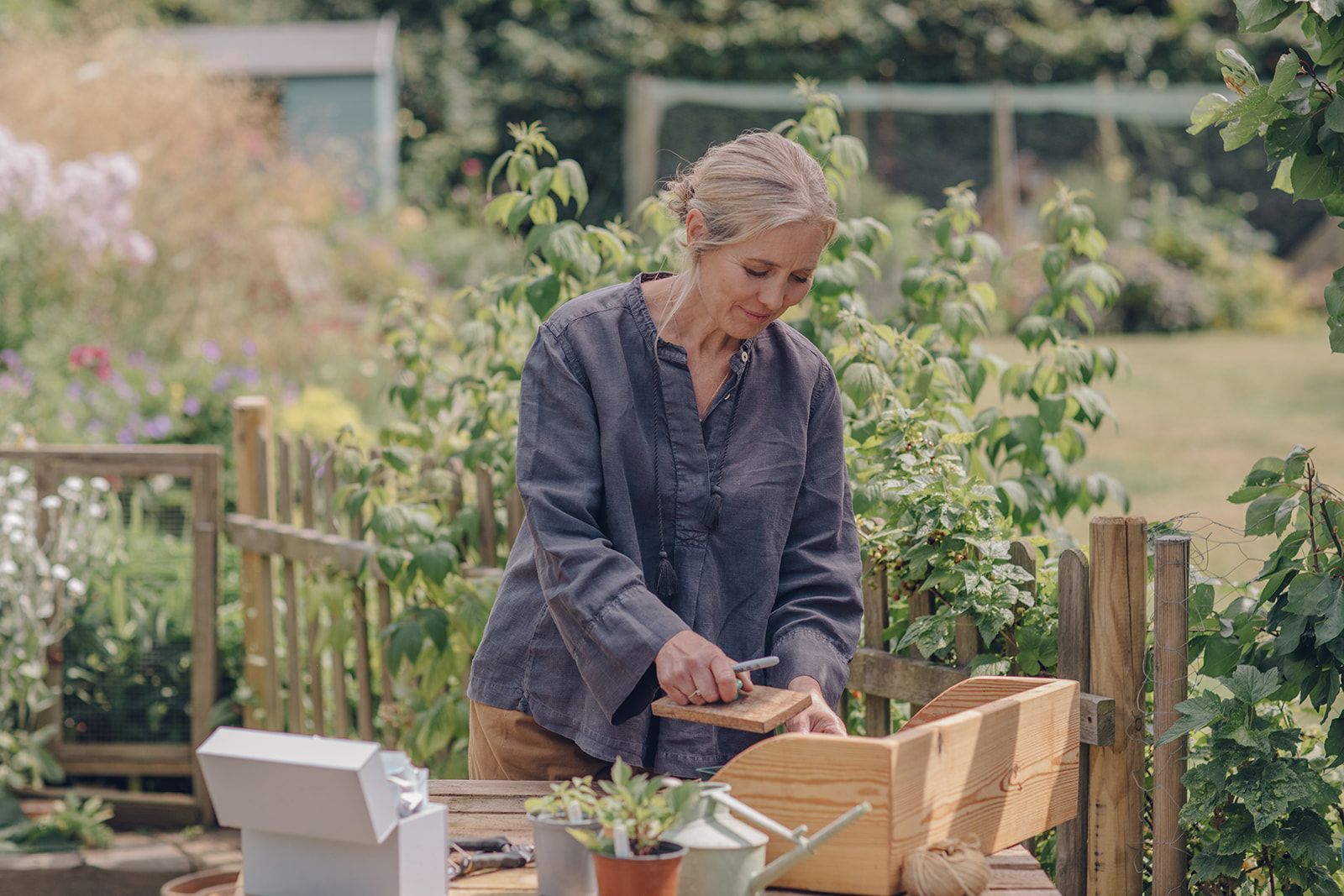
While most plants need to be sown in spring, it’s not too late to grow something new. Here are some of the plants you can sow in June.
Poppies: Sow direct now, and many varieties will flower within eight weeks. Sow into fine, warm, moist soil, as thinly as you can, and space about 25-30 centimetres apart. Poppies hate root disturbance, so it’s better to direct sow rather than start them in seed trays.
Biennials: Wallflowers, foxgloves, and honesty can all be sown directly into a seedbed now. Space a couple of inches apart, thin to 30 centimetres in three to four weeks, and you can transplant them to their flowering position in early autumn.
Florence fennel: Better sown now than in spring, so it bulbs in the cooler, dewier months of September and October rather than trying to develop in the heat of July and August when it’s most likely to bolt.
Herbs: Coriander, parsley, chives, and dill can all be sown now. Basil also does well when sown directly into warm, moist soil. Scatter the seeds widely and water every couple of days.
Tomatoes: Plant out any tomato seedlings. Keep the roots well watered and tie the tomatoes into support regularly. Pinch out all side shoots on tomatoes to focus their energy on fruit production.
Courgettes: Now is the time to sow a second round of courgettes. Plant the seeds in pairs and remove the weaker seedling as they come through.
Chicory: You can sow chicory directly now for harvest right through winter. Thin to 15 centimetres as seedlings begin to develop, and transplant to 30 centimetres in a month.
Winter crops: Now is the time to start sowing winter crops like leeks, kale, brussels sprouts, and swede.
June jobs for the kitchen garden
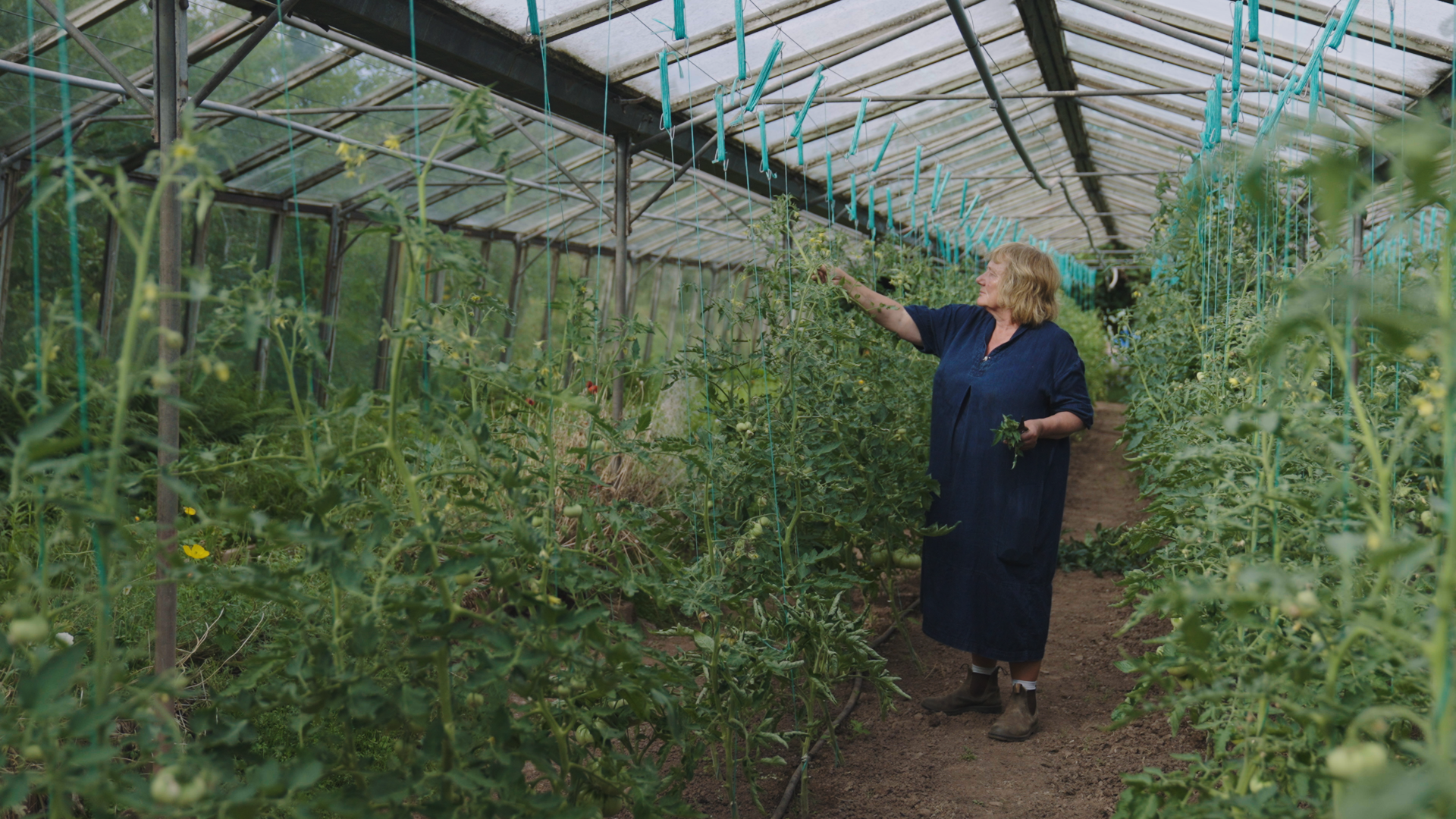
Just as the flower garden is bursting to life, so too will your vegetable garden. As Jane Scotter says in her course How to Grow Exceptional Produce, ‘everything's growing, everything needs looking after and now is the time where the hard work starts, where we have to cultivate, and we have to weed, and we have to care for the plants.’
Plant out tender crops
Now that the threat of frost has long passed, June is the perfect time to plant out tender crops like tomatoes, sweetcorn, runner beans, and courgettes. You’ll need to acclimatise and harden off your plants to prevent transplant shock. You can do this by gradually increasing the amount of sunlight they get over the course of 7-14 days.
Jane Scotter also has an entire lesson dedicated to hardening off your seedlings in her course, How to Grow Exceptional Produce.
Staking and Training
Now is the time to start adding support for climbing crops like peas, beans, and tomatoes. Training them at this early stage will prevent any breakage during windy days. Wrap a trellis in netting to give beans something to hold on to and tie tomatoes to sturdy stakes.
If you’re having a particularly cool June, Jane Scotter recommends cutting the tops off of any tomato plants to help them divert energy into fruiting.
Watering, feeding, and mulching
As fruits and vegetables start to sprout in June, give them a good feeding. Use a seaweed-based fertiliser for tomatoes, and a good all-purpose fertiliser for leafy and root crops.
Softer plants like courgettes, tomatoes, and squash will benefit from a fresh layer of mulch to keep them cool and prevent weeds from taking over.
As the days get hotter, you’ll also want to increase your watering. Jane Scotter’s helpful rule of thumb is to give plants extra water as they start to flower to bolster fruit production.
For tomatoes, Jane Scotter recommends watering on a schedule. ‘We water on a Monday and a Friday for about the same length of time. That's very important to tomatoes. They don't want to dry out too much, and they like consistency with the watering, and that I found helps the success of the plants.’
Stay on top of Weeding
Along with your thriving plants, weeds are bound to start popping up. Not only are weeds a nuisance, but they will steal essential nutrients away from your crops and attract pests. ‘Some plants, like beetroot, can grow quite easily through weeds, but there are others like soft herbs and things, where the competition is too great,’ says Jane, so make sure to prioritise any vulnerable plants.
To avoid relying on chemicals and sprays, Jane Scotter suggests pulling weeds regularly. ‘Weeding is cultivation, and cultivation means care.’ Preventing weeds from deeply rooting in early summer will help to reduce how many grow over the next few months.
What to harvest in June
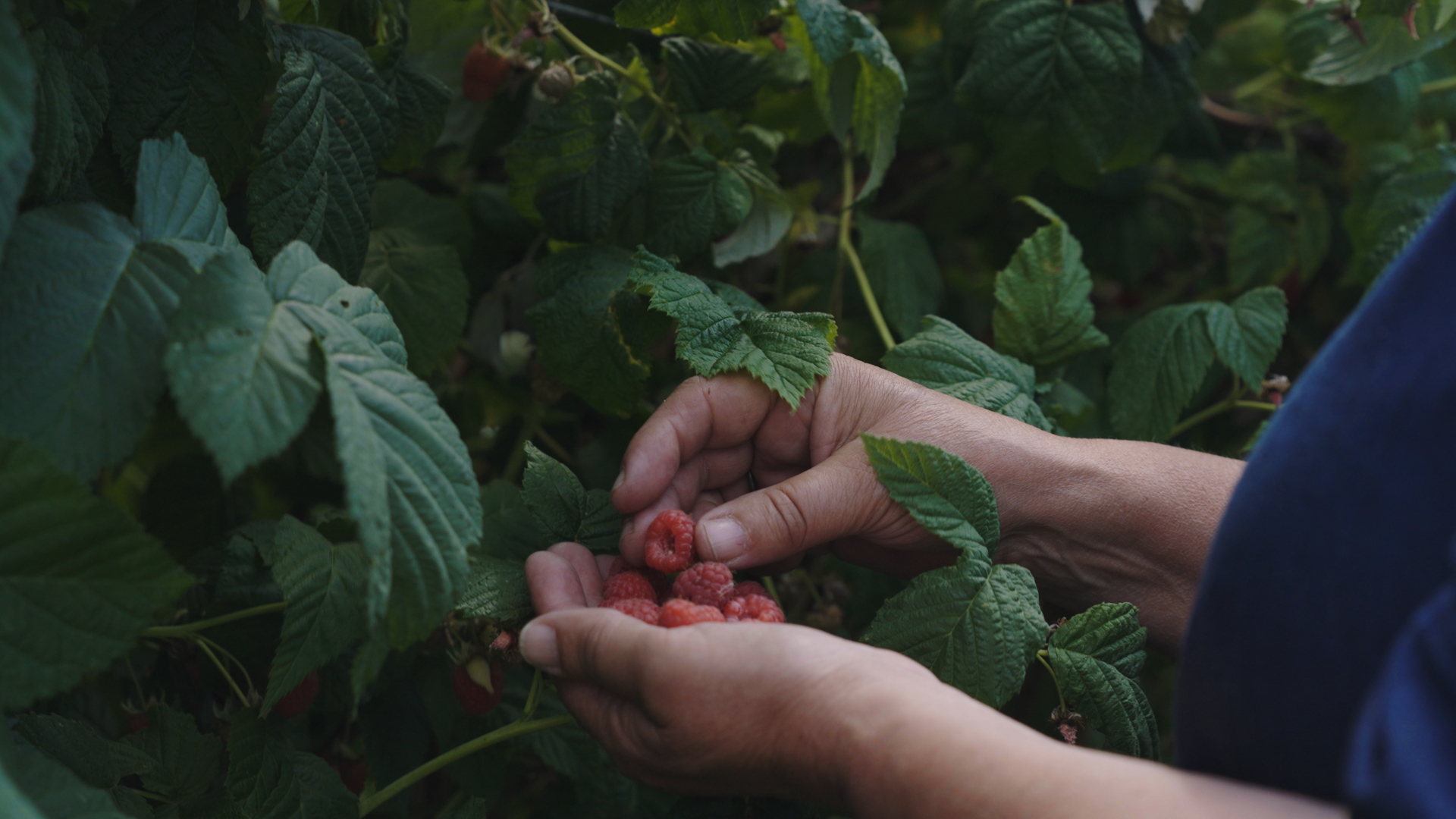
While not at peak production, June is a great time to start harvesting early crops.
June Vegetables
- Early peas
- Broad beans
- Early green beans
- Courgettes
- Young lettuce
- Asparagus
- Beetroot
- Radishes
- Spinach
- Swiss chard
- Kale
- Spring cabbage
- Globe artichokes
- New potatoes
- Herbs
- Rhubarb
June Fruits
- Strawberries
- Cherries
- Raspberries
- Redcurrants
- Gooseberries
Create Academy Tip: Use your early green beans in Thomasina Miers’ summery blistered green bean tacos recipe.
If you want to learn more about how to grow a thriving vegetable garden, we recommend our courses from Jane Scotter, Poppy Okotcha, and Claire Ratinon.
Pest watch
Keep a close eye on pests in June to prevent losing any crops over the summer.
Aphids on lupins: Spray with soap-based insecticide if the infestation is significant.
Woolly aphid on fruit trees: Treat with soapy water spray
Vine weevil in pots: The larvae feed on roots and can destroy container plants quickly. Check pots regularly and use a biological control if you spot any signs.
Pollen beetles on sweet peas: More nuisance than threat. If you bring cut sweet peas inside with beetles on, put the bunch in a dark room with the window open, and the beetles will fly towards the light.
Slugs and Snails: Tory Scott Smith checks under the skirts of geraniums and other low-growing plants as he works through the borders, removing any he finds by hand. This kind of vigilance can replace the need for sprays. ‘You’ll get to know your garden, and you’ll get to know where they spend their time,’ he says.
Birds: Add netting around fruit trees or other vulnerable vegetation to protect them from birds.
Blight: Tomatoes are susceptible to blight, which can affect their fruit production. Keep an eye out for damp weather and spray with tea of equisetum.
A note on June
Gardens are in full swing in June, and looking at a list like this can feel overwhelming. Remember, you don’t have to do everything at once. Sarah Raven runs her entire cutting patch on less than an hour a week once the main planting is done. ‘I've done it sometimes, just like for 10 minutes in the evening. Sometimes for like half an hour on a Saturday.’
Putting in time, little and often, will help you keep on top of everything without stress.
Create Academy Tip: Keep your tools on hand whenever you wander into the garden. A quick deadheading here, and a prune there will quickly become second nature.
Want to go further? Our courses with Sarah Raven, Clare Foster, Jane Scotter, and Troy Scott Smith all cover specific gardening jobs in June, or explore all our gardening courses here.