

Interior and exterior confidence
Create Academy has been such a great resource. I'm in the middle of renovating a bungalow with a very large garden and the courses have offered a wealth of inform...
Harvey
Jun 10, 2026
Create a Perennial Paradise in Pots
with ARTHUR PARKINSON — Horticulturist, writer and container gardening expert.
Lesson 19 of 20

Propagating is an easy way to turn one plant into many without spending a thing. Follow the simple steps to propagate pelargoniums and other perennials from cuttings, expanding your collection.
Scented pelargoniums are incredibly versatile plants perfect for smaller containers. They can be popped on a windowsill or in a window box or placed on a summer garden table. As they are tender perennials, they need to be protected in winter, either indoors or in a greenhouse. You can move your existing plants or take cuttings so you have even more young plants ready to grow the following spring.
Pelargoniums are wonderful scented plants ideal for smaller containers. They are easy to propagate from cuttings, refreshing the existing plants in pots while expanding your collection.
When you're planting, it's better to place cuttings around the edge rather than in the centre. The edges get warmer and help the cuttings form a tighter root ball. As long as each cutting has formed roots by spring, it can be moved to a new pot on its own. Once you find a pelargonium that you love, use this method to grow more of your favourites, like the following:
Get the full workbook, video lessons, and more with a Create Academy subscription.
Subscribe to access the full workbookAlready a member? Sign in to watch
510 reviews
Read moreCreate Academy has been such a great resource. I'm in the middle of renovating a bungalow with a very large garden and the courses have offered a wealth of inform...
Harvey
Jun 10, 2026
Absolutely love Create Academy! The instructors are extremely informative, and it is beautifully filmed. Create Academy is great value for money and plan on renew...
SG
May 31, 2026
Butter's creativity is stunning! Her ability to incorporate brilliance in small gardens is magical!
Carla
May 30, 2026
The best adventure. I like all the courses, but my favorite are both Rita Konig interior design courses and Anna Jones. Excellent!
Karolina Kluczewska
May 20, 2026
Create Academy has been such a great resource. I'm in the middle of renovating a bungalow with a very large garden and the courses have offered a wealth of information to dive into and explore new ideas. I'm...
Harvey
Jun 10, 2026
Absolutely love Create Academy! The instructors are extremely informative, and it is beautifully filmed. Create Academy is great value for money and plan on renewing my subscription yearly because there are ...
SG
May 31, 2026
Butter's creativity is stunning! Her ability to incorporate brilliance in small gardens is magical!
Carla
May 30, 2026

Your Instructor
Horticulturist, writer and container gardening expert.
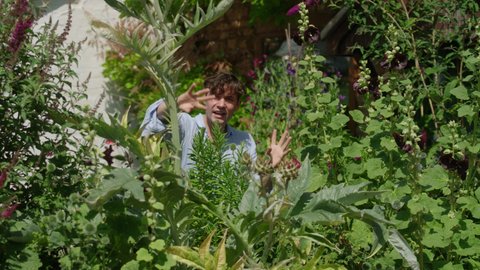
Named one of the most influential young UK gardeners by Architectural Digest, Arthur Parkinson is a gardener, florist and author with a penchant for growing flamboyant blooms and raising chickens. After studying horticulture at the Royal Botanical Gardens of Kew, Arthur went to work for plantswoman Sarah Raven at her farm in East Sussex to pursue his passion for growing cut flowers. He later became head gardener for the potter Emma Bridgewater, which inspired his first book, The Pottery Gardener. Arthur also co-presents the popular gardening podcast 'Grow, cook, eat, arrange' with Sarah Raven and regularly appears on BBC's 'Gardeners' World'.
Access to all courses


