




Interior and exterior confidence
Create Academy has been such a great resource. I'm in the middle of renovating a bungalow with a very large garden and the courses have offered a wealth of inform...
Harvey
Jun 10, 2026
Furniture Painting Masterclass
with ANNIE SLOAN — Artist, colour expert, author and inventor of Chalk Paint. CBE for services to interior design.
Lesson 9 of 22
Subscribe to watch
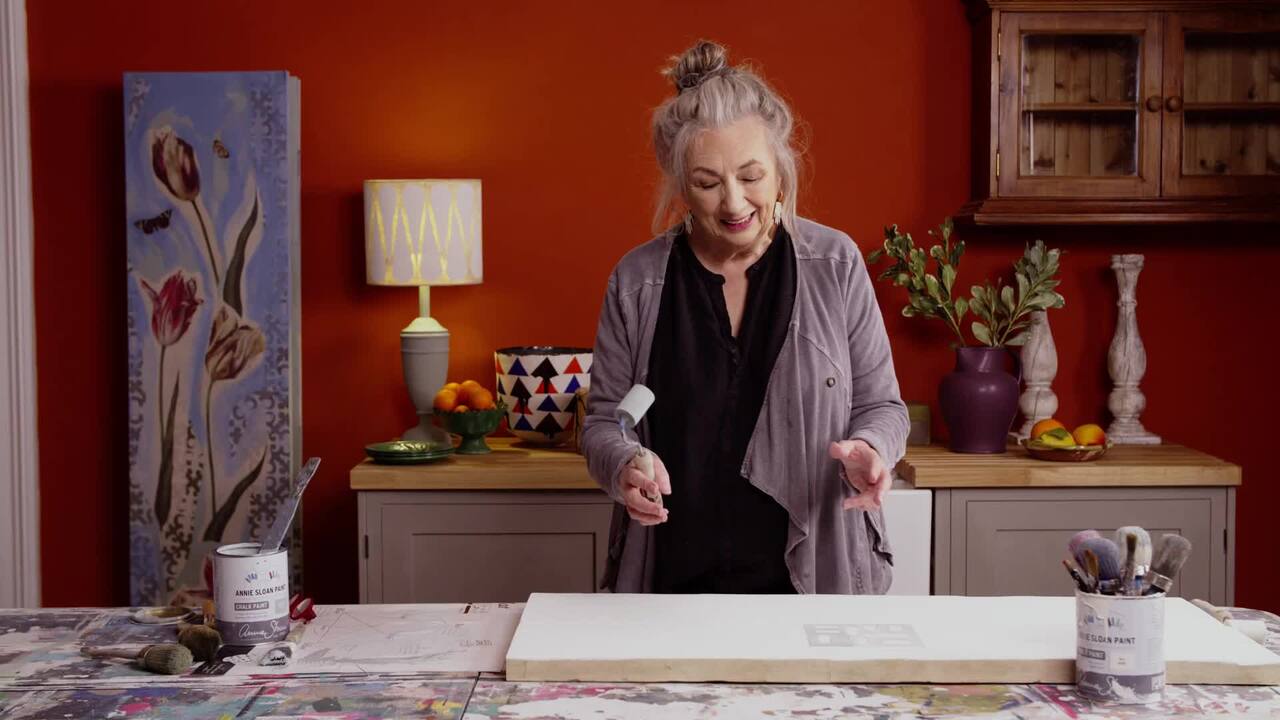
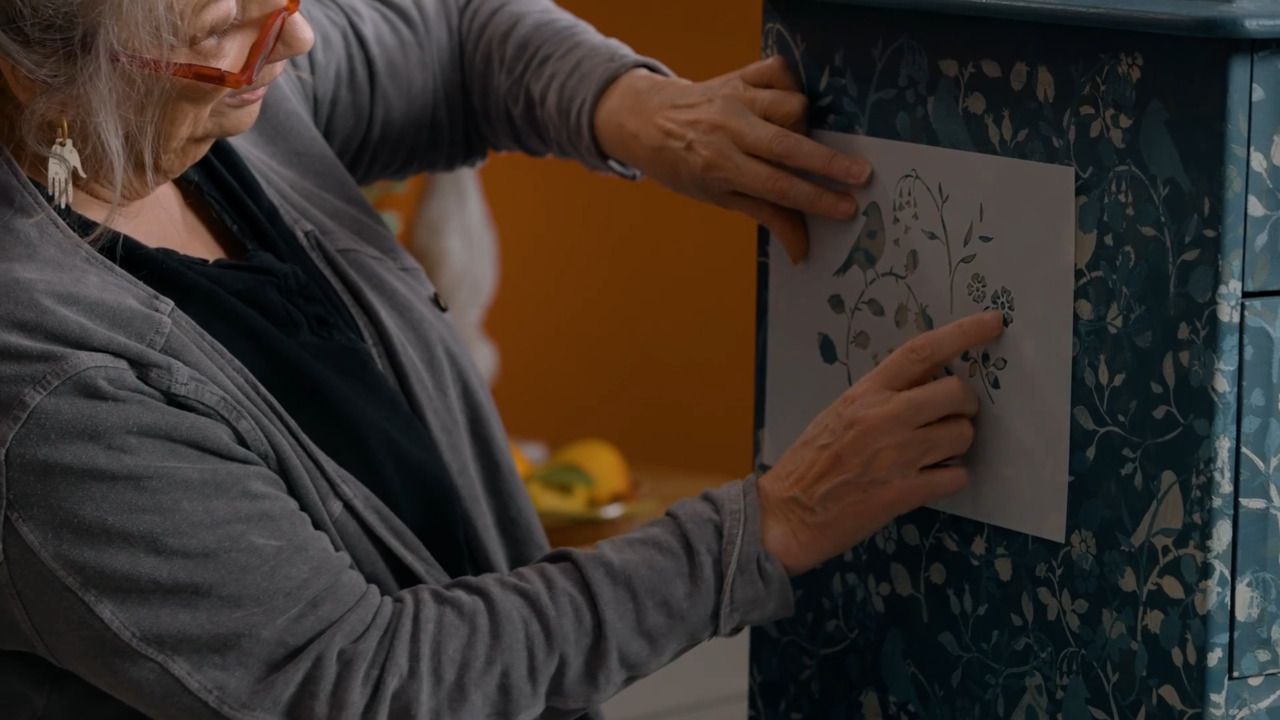
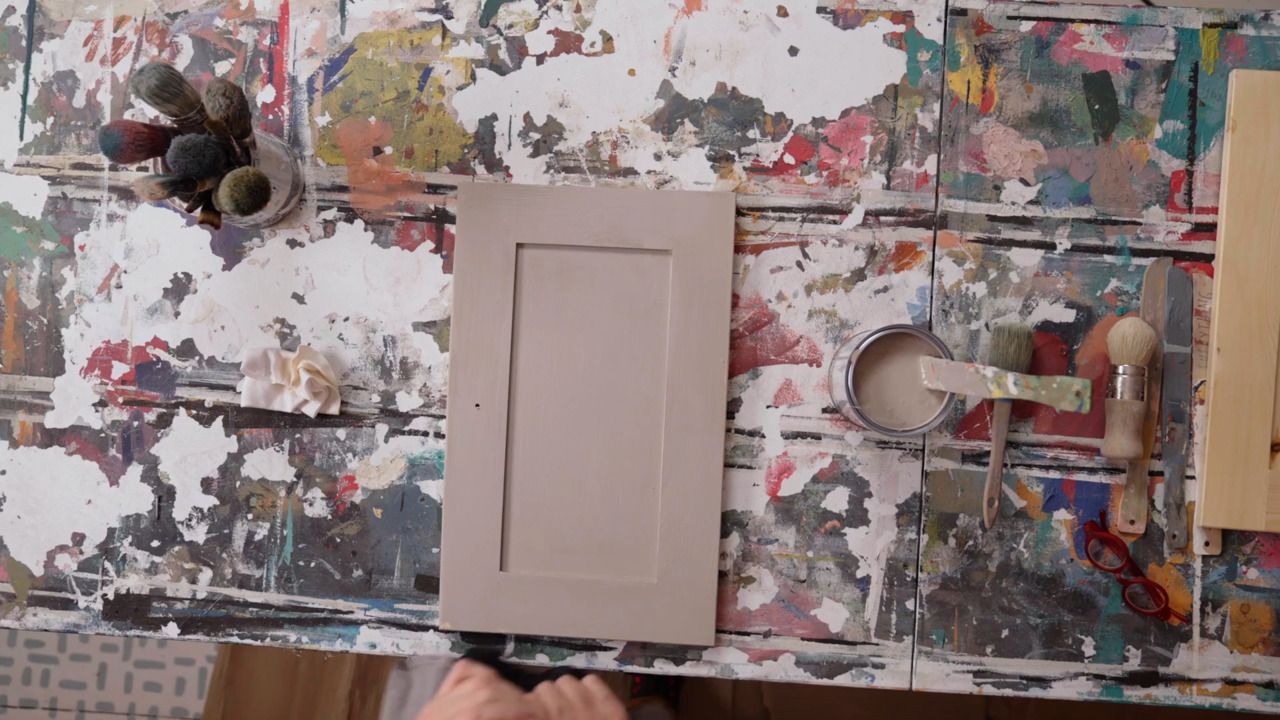
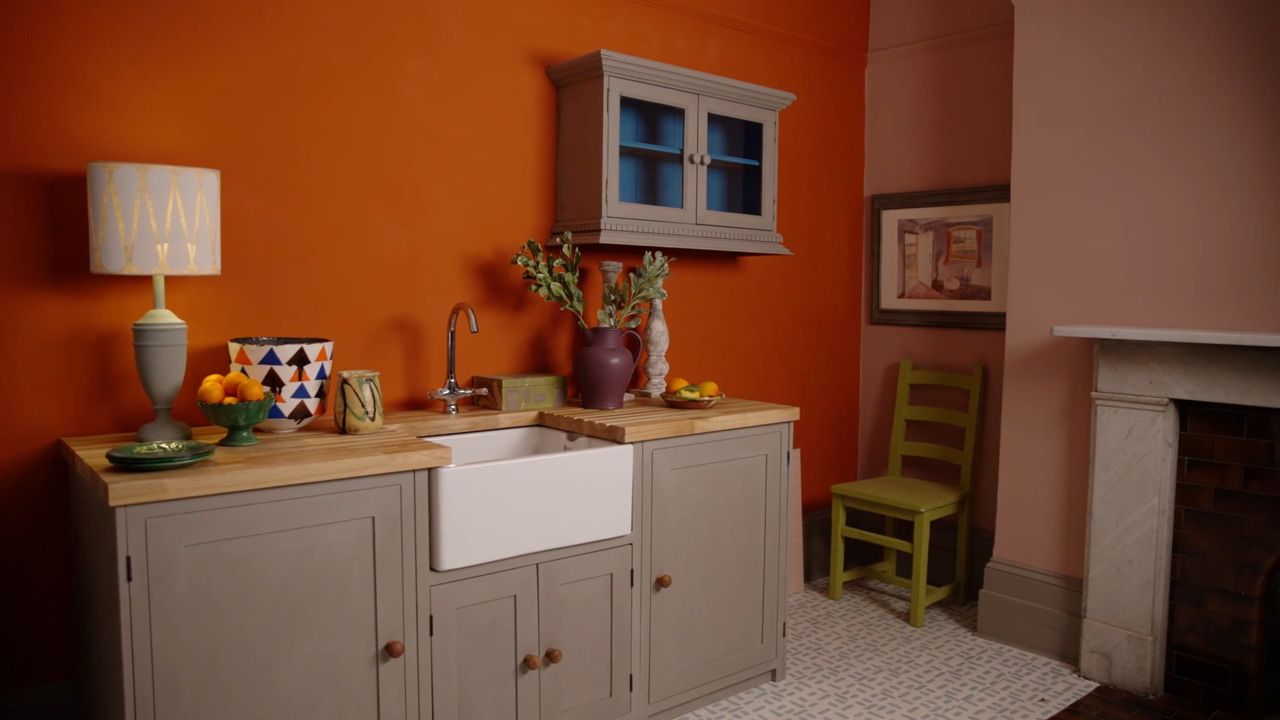
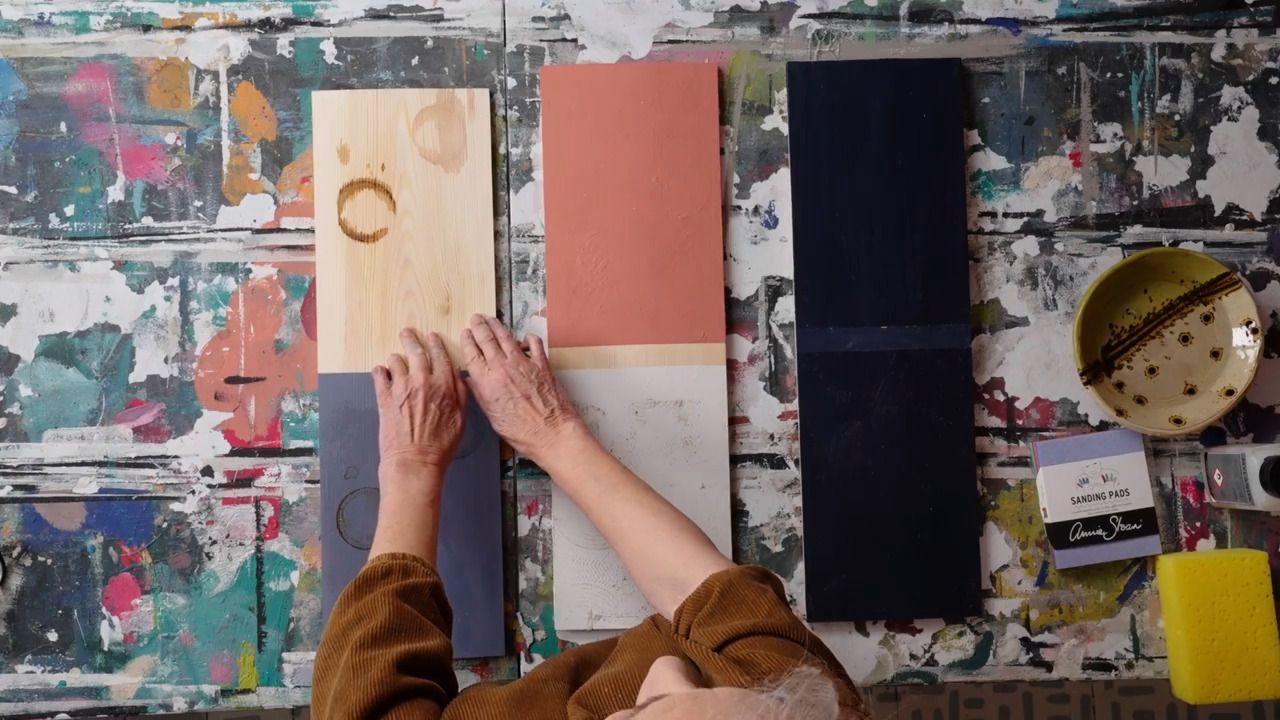
Annie anticipates some of the stumbling blocks you may come across, and shows how to resolve the issues simply and quickly.
When it comes to painting furniture, there are a few stumbling blocks you may come across - but don't worry, most issues can be solved using a few tricks of the trade and some patience.
If you have an oil stain on wooden furniture, this can be a problem as it will show through even if you paint over it. Before painting, I would seal the area with a clear shellac sealer - this will prevent it coming through a new layer of paint.
For coffee or wine stains, begin by trying to wash it off with a sponge, but don't worry if this doesn't work. Next, I would paint over it to see whether that will cover them. If it doesn't, I would again use the clear shellac sealer to seal the surface, and then apply another coat of paint.
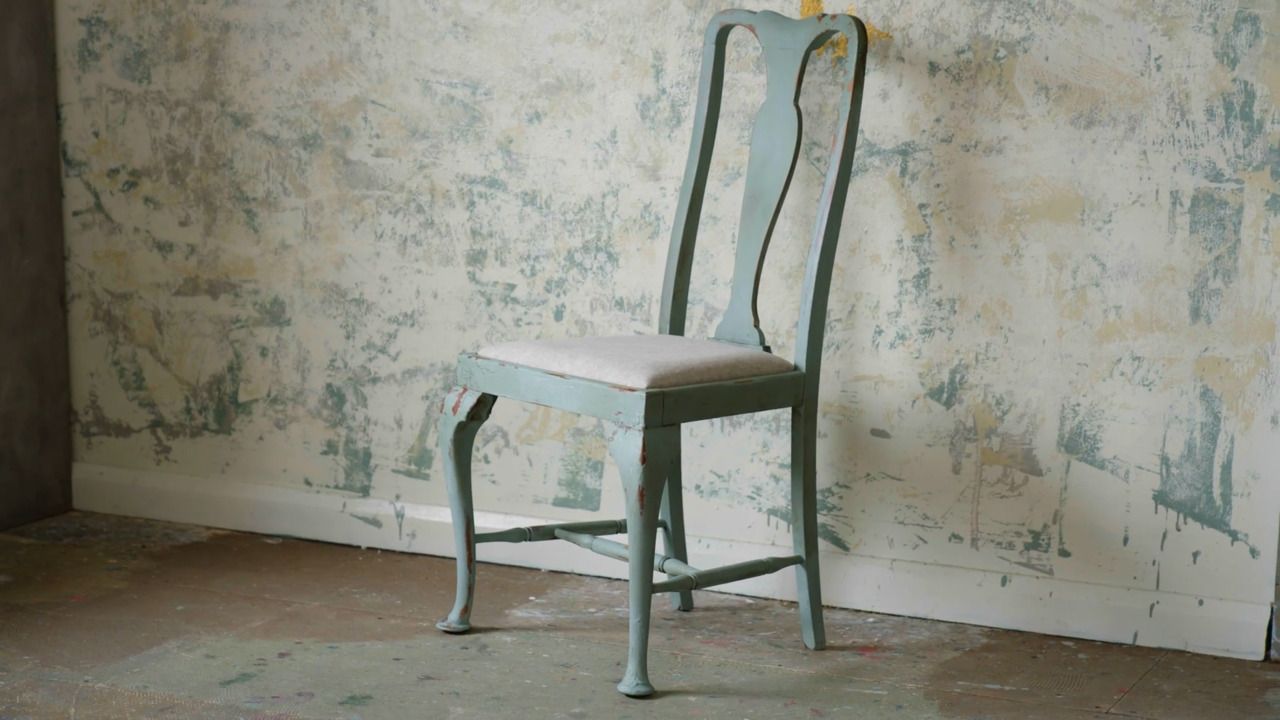
If you're faced with a piece of furniture that's already been painted, but the finish is messy and the paint has been applied too thickly, or the paint is flaking off, you'll need to smooth this down before painting it again.
I'd start by wiping it with a damp sponge. However, if it's really thick, this won't be sufficient. Instead, you'll need to sand it back using coarse sandpaper. It can take some time and a bit of elbow grease, but the smooth finish you'll end up with will be worth it.
If you've sourced a second hand piece of furniture, the chances are it will be at least a little dusty, or at worst, very dirty! It's absolutely essential to give it a good wash, otherwise the grime will show through the paint and you won't get a lovely smooth finish - I just use water and a sponge.
Knowing how to apply lacquer in the right way is key to the success of your project. Often, people overwork it, which results in a milky finish or too much texture. You don't need to apply lots - I recommend two thin coats, and you want to apply it with just a couple of strokes rather than going over the same area again and again. Read the instructions for the product, and check out some YouTube videos to guide you.
Get the full workbook, video lessons, and more with a Create Academy subscription.
Subscribe to access the full workbookAlready a member? Sign in to watch
491 reviews
Read moreCreate Academy has been such a great resource. I'm in the middle of renovating a bungalow with a very large garden and the courses have offered a wealth of inform...
Harvey
Jun 10, 2026
Absolutely love Create Academy! The instructors are extremely informative, and it is beautifully filmed. Create Academy is great value for money and plan on renew...
SG
May 31, 2026
Butter's creativity is stunning! Her ability to incorporate brilliance in small gardens is magical!
Carla
May 30, 2026
The best adventure. I like all the courses, but my favorite are both Rita Konig interior design courses and Anna Jones. Excellent!
Karolina Kluczewska
May 20, 2026
Create Academy has been such a great resource. I'm in the middle of renovating a bungalow with a very large garden and the courses have offered a wealth of information to dive into and explore new ideas. I'm...
Harvey
Jun 10, 2026
Absolutely love Create Academy! The instructors are extremely informative, and it is beautifully filmed. Create Academy is great value for money and plan on renewing my subscription yearly because there are ...
SG
May 31, 2026
Butter's creativity is stunning! Her ability to incorporate brilliance in small gardens is magical!
Carla
May 30, 2026

Your Instructor
Artist, colour expert, author and inventor of Chalk Paint. CBE for services to interior design.
Renowned author, artist and designer, Annie Sloan, is one of the world’s most popular experts in the field of decorative painting. After studying Fine Art at university in the 1970s, Annie went on to write her first book, The Complete Book of Decorative Paint Techniques – which is widely considered to be the industry bible on the subject. Since then, she has published 26 books on paint effects, colour, and interior design, and has transformed the world of furniture painting with the creation of her revolutionary paint, Chalk Paint. Passionate about empowering interior designers and hobbyists to reinvent their living spaces, Annie’s expertise and creative flair has led her to being named one of Britain's most influential female designers.
Access to all courses


