A Complete Guide to Contemporary Quilting

Part 1: Create your template

with JULIUS ARTHUR — British textile artist specialising in handmade quilts and unique textile objects for the home.

Lesson 23 of 27
Rated 4.7/5 on Trustpilot
|

Learn from the world's best creative minds on Create Academy

Part 1: Create your template - Video thumbnail

Buy or subscribe to watch

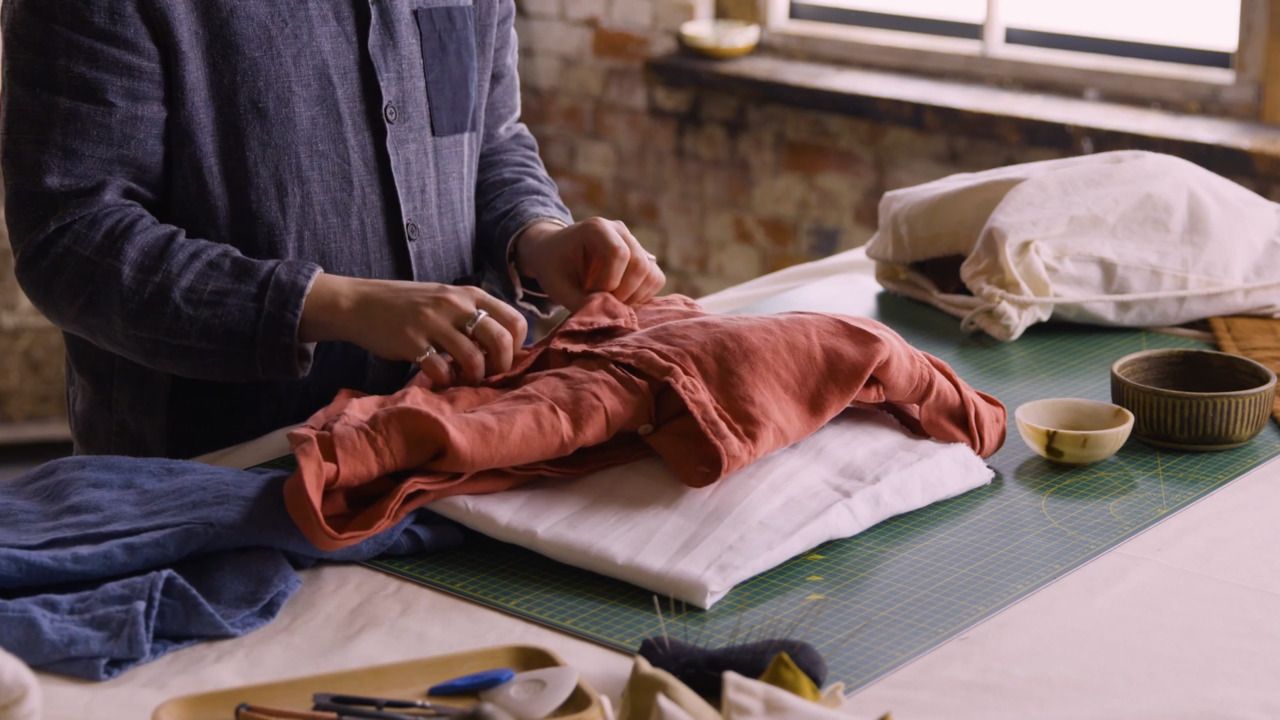
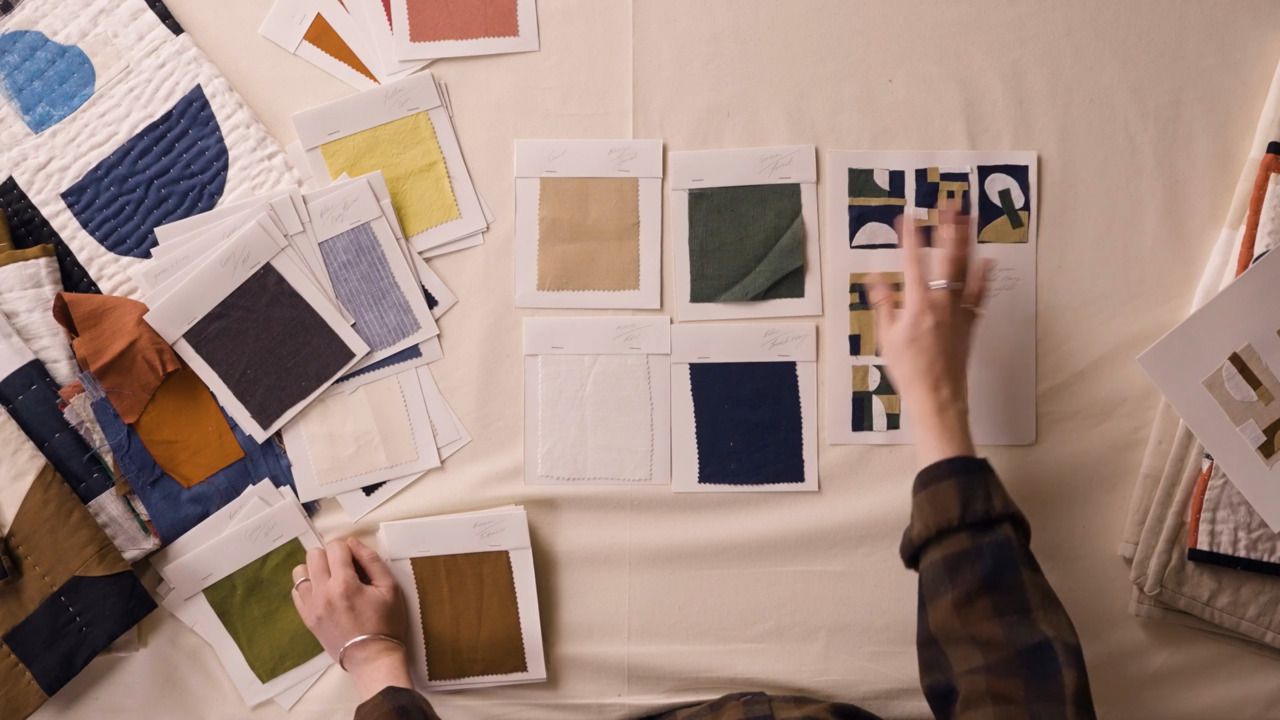
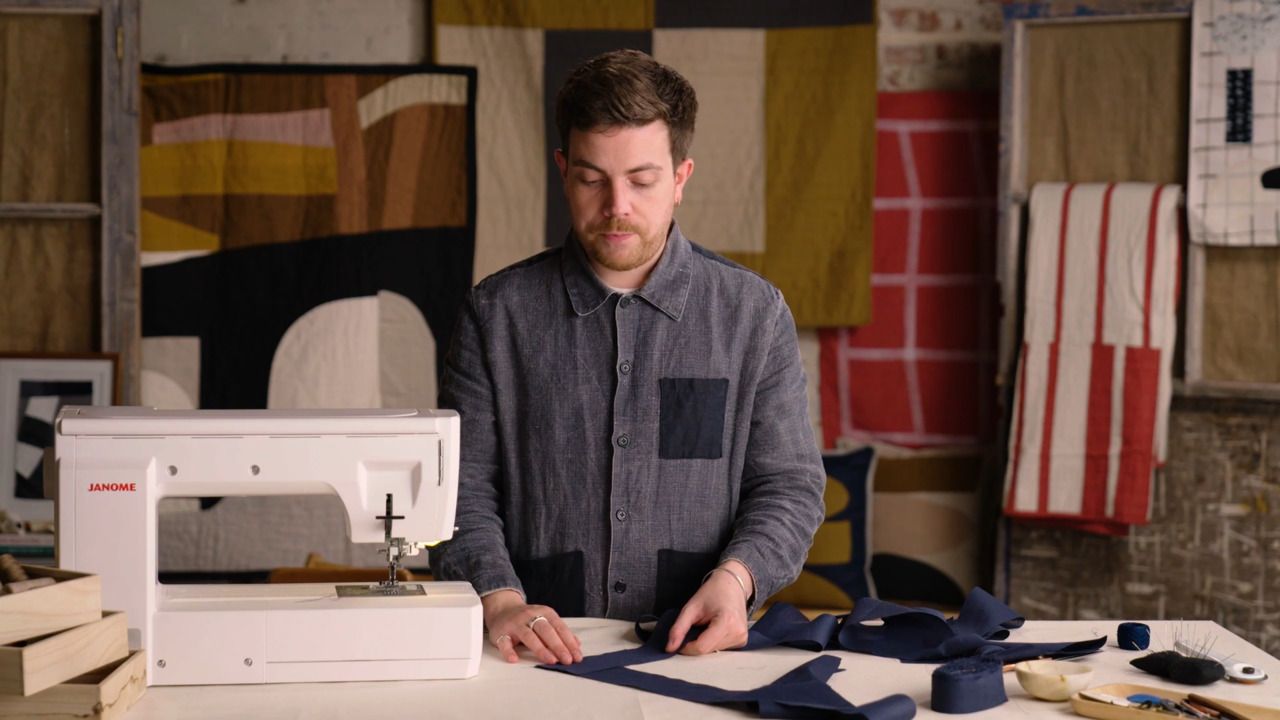
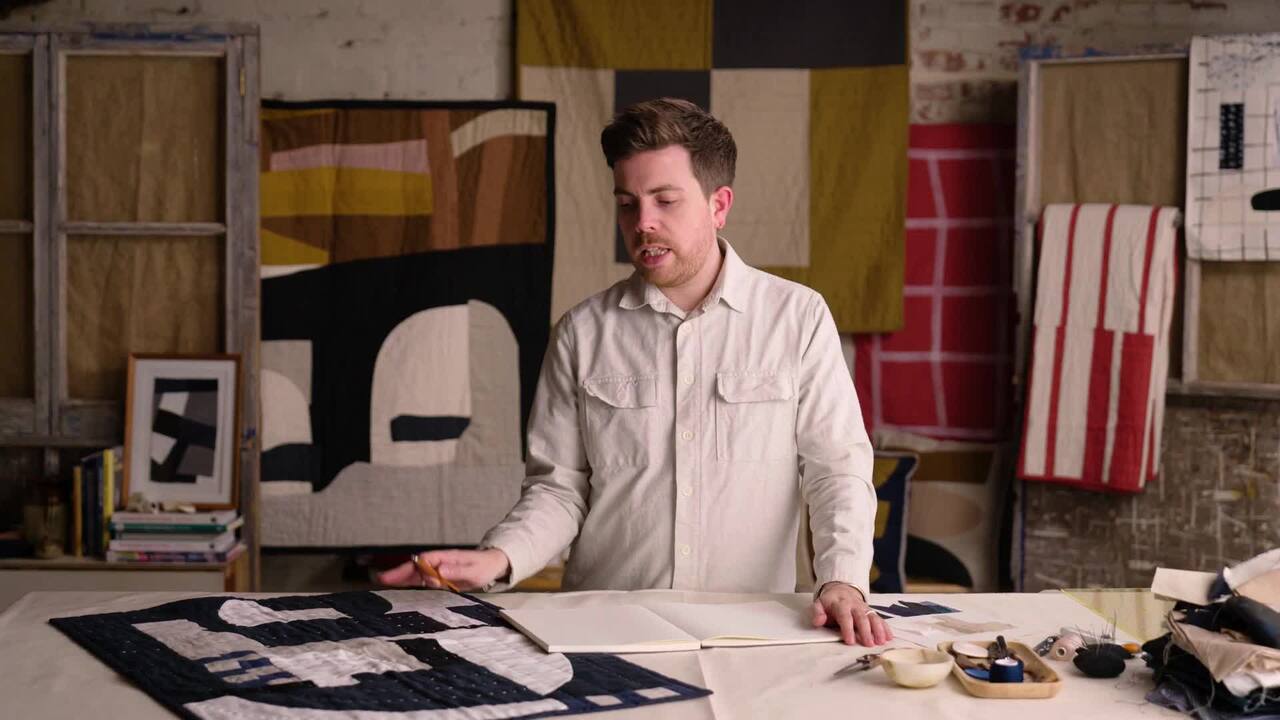
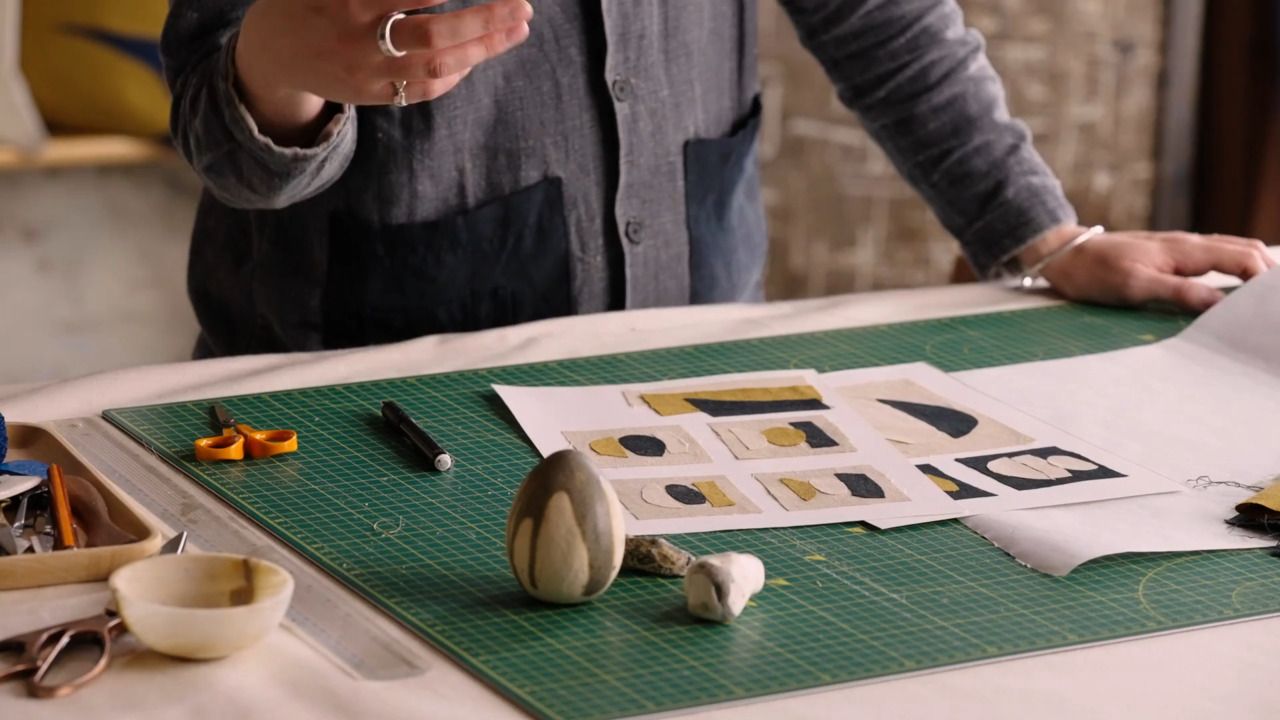
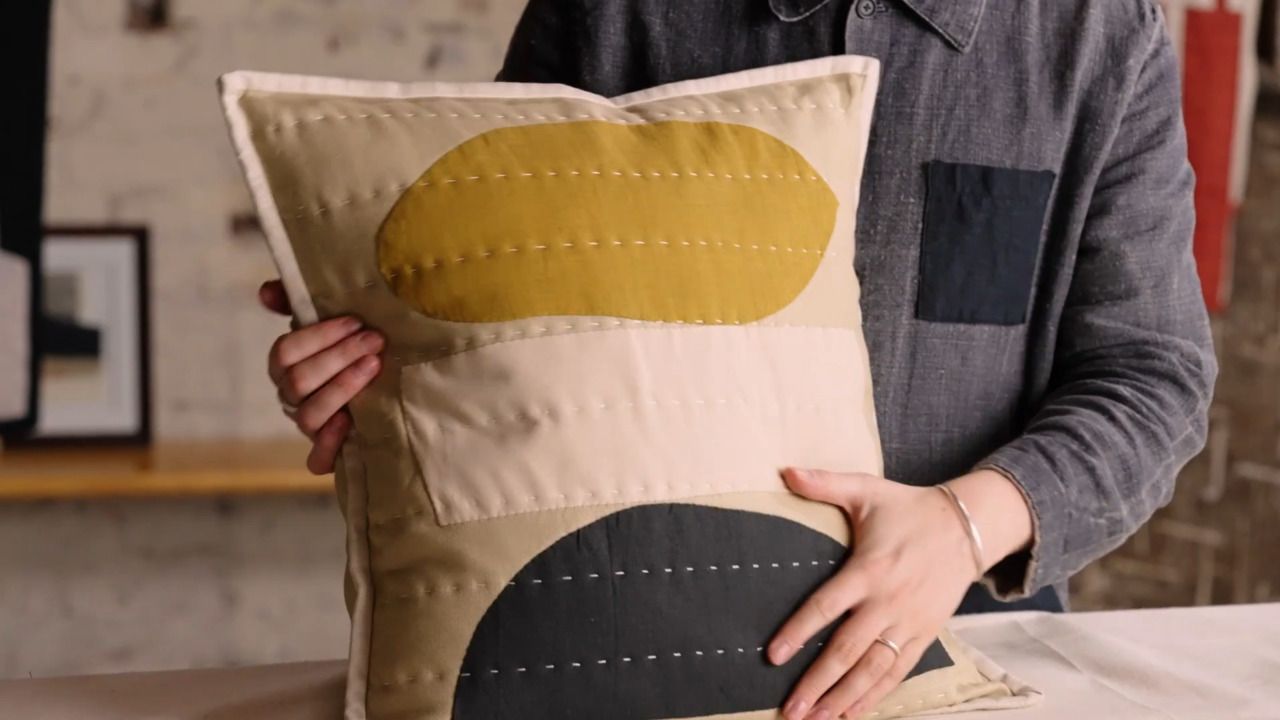
Learn how to applique a cushion with this simple guide. By using patterns that are already featured on a fabric you can easily, and quickly create your cushion template.

From the Lesson Workbook

Introduction

In this project you will need:

Cushion, size: 50 x 50 cm (19.7 x 19.7 in).

Materials

  • Cushion front and envelope back: you need enough fabric to cut two cushion backs based on the size of the template. For a 50 x 50 cm then half a metre square of fabric will be enough.
  • Backing fabric for quilted cushion front: 55-60 cm square (21.7 -23⅝ in)
  • Wadding (batting): 55 cm square but doesn't need to be precise, just 3 - 5 cm (13/16 - 2 in) wider and longer than the cushion front.
  • Binding: At least 3 m (3⅜ yd) of 7.5 cm (3 in) wide straight binding in a contrasting colour to the cushion
  • Sewing thread: Strong sewing thread to match your chosen fabric. (Examples of strong thread are…)
  • Quilting thread: 10 g ball of Pearl Cotton
  • Crochet thread size 8 or similar in the colour of your choice.
  • 60 cm (24 in) square cushion pad

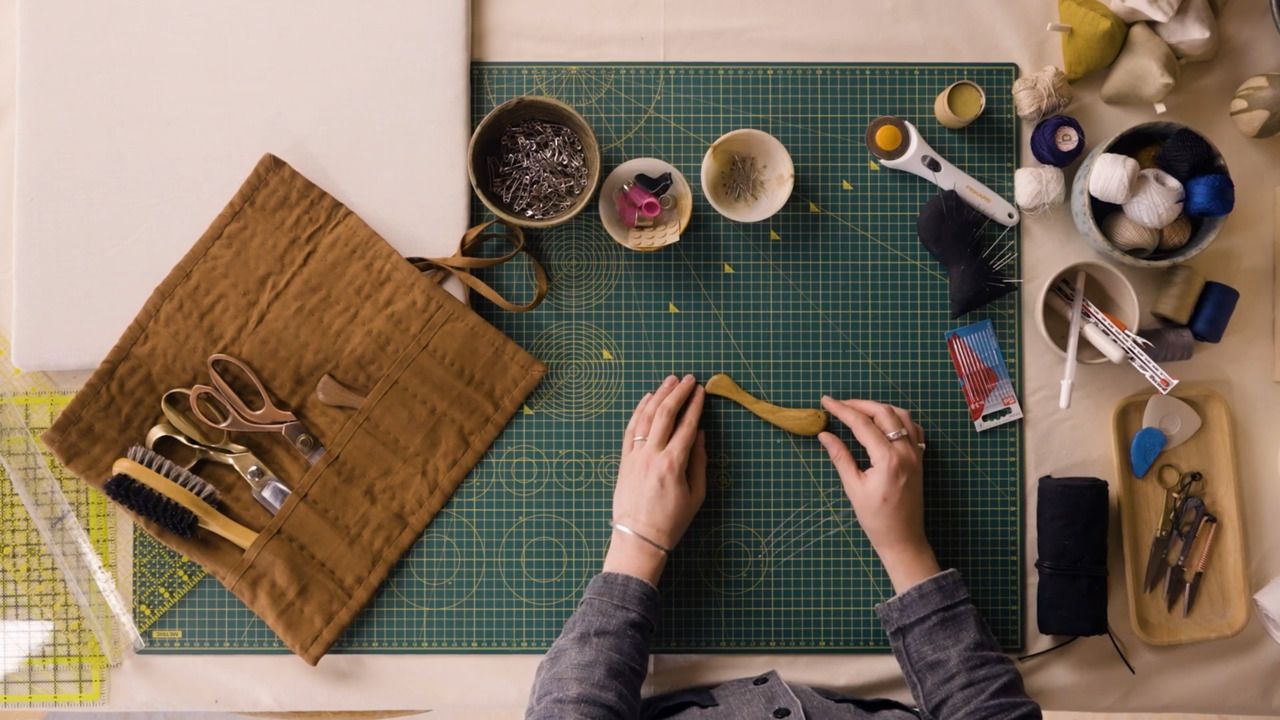
Tools and equipment

  • Metre ruler (yardstick) or quilter's rule
  • Tailor's chalk, fabric marker or quilter's crease
  • Fabric scissors
  • Rotary cutter and cutting mat
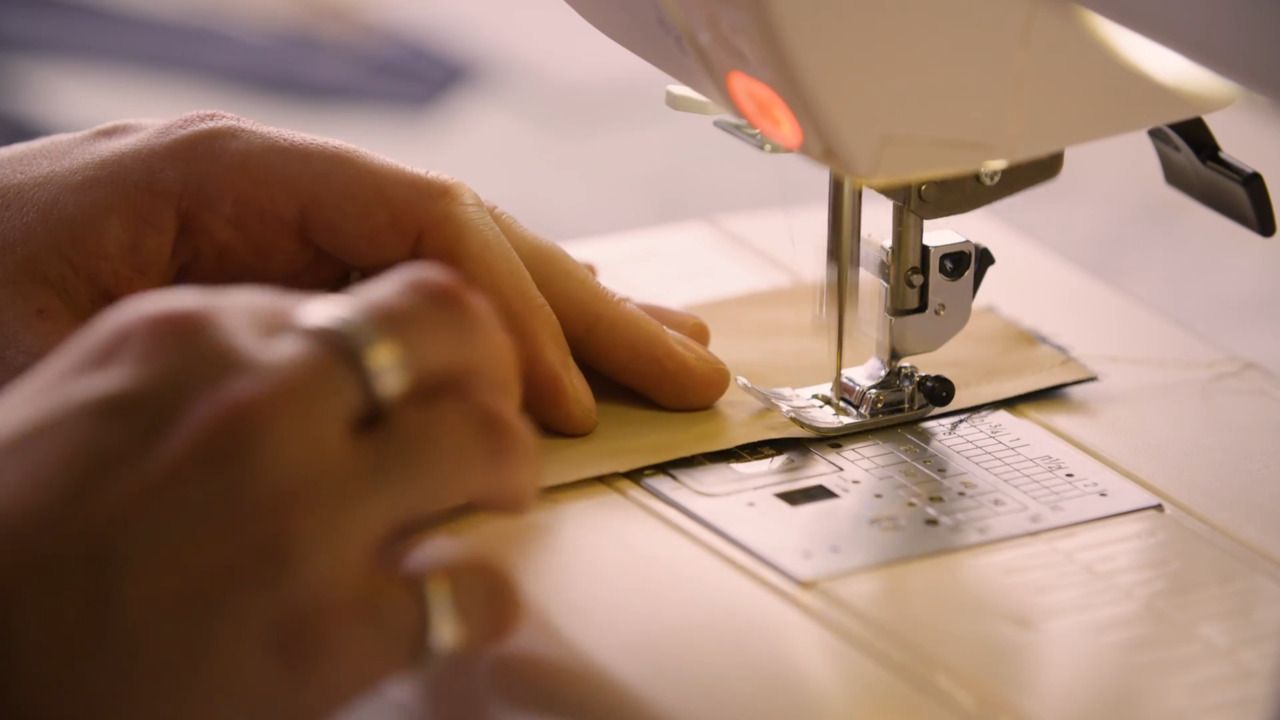
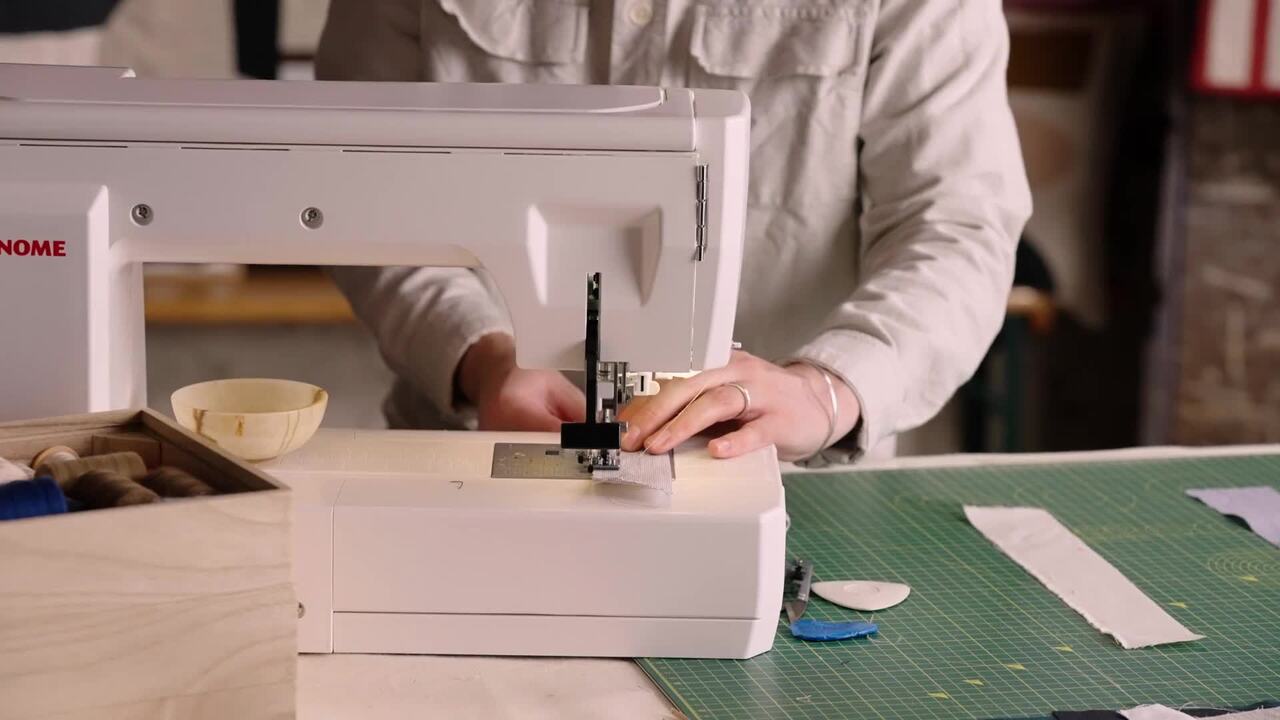
  • Sewing machine
  • Sewing needles and quilting needles
  • Iron and ironing board
  • Craft paper/wrapping paper/large sheet of paper you can use to make a template for your cushion.

Part 1 - Create Your Template

In this lesson you will need:

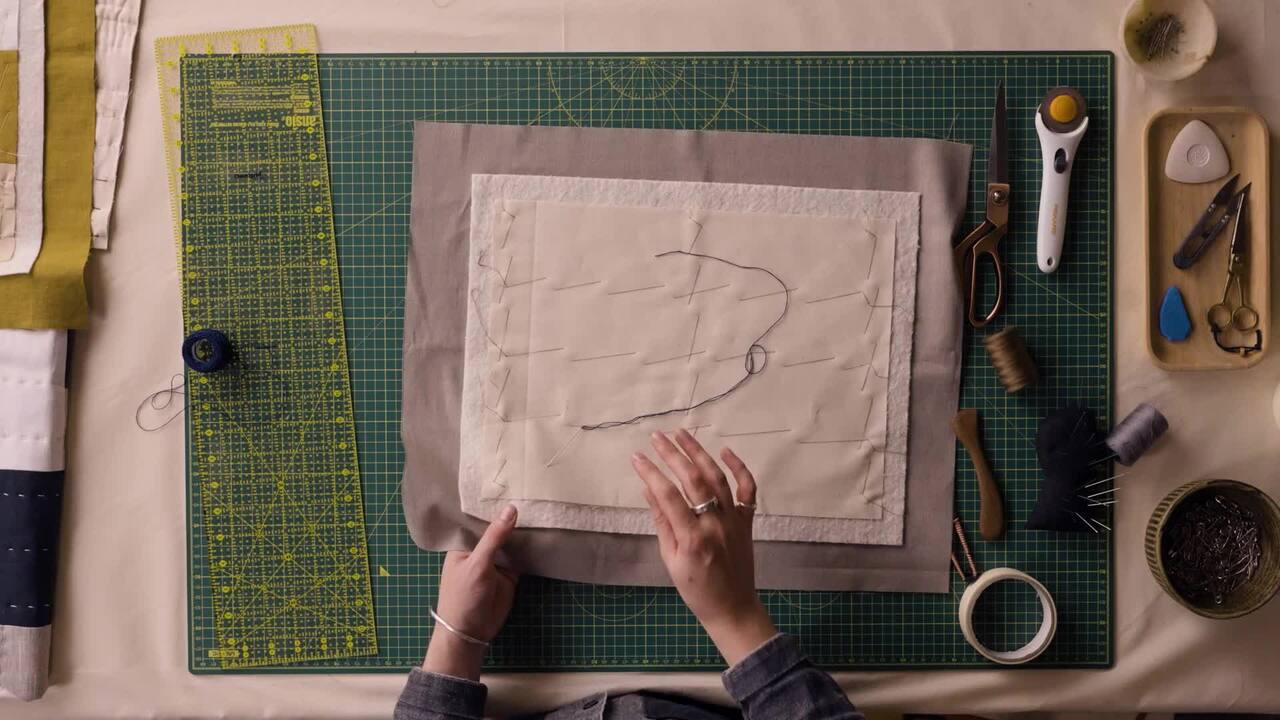
Batting

Quilt top

Quilter's pins

Thread

No 8 Cotton Pearl thread

Sewing machine

Iron

Pressing mat

Scrap fabric for your binding

Rotary cutter

Scissors

Tailor's chalk

  1. The cushion is 50 cm x 50 cm.
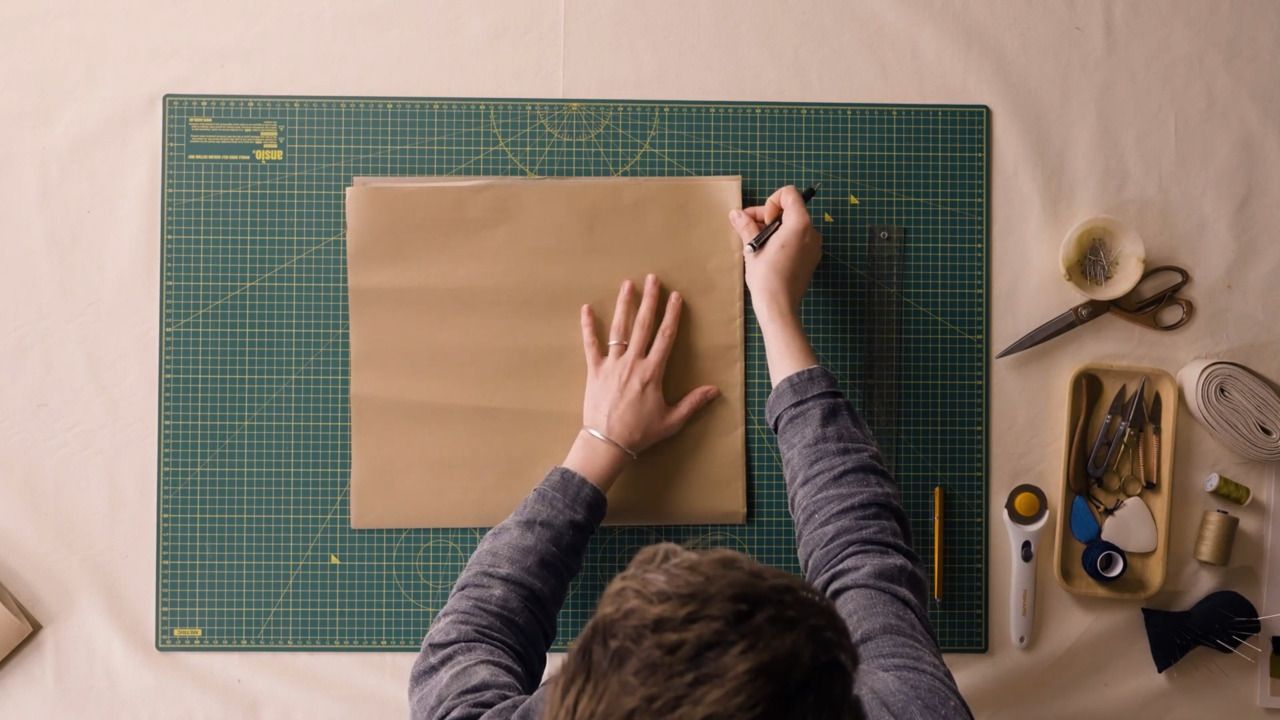
  2. Fold your craft paper in half, lining up your straightest edges, getting a nice crease in the middle.
  3. With the fold you've already created, fold your paper in half again to create a corner. Make sure the corner fold is nice and neat and the paper has been folded into a quarter of its original size.
  4. Using a ruler, measure 25 cm (9⅞in) on either side of your folded paper and mark it with a pencil.
  5. Using your ruler, draw a straight line connecting your 25 cm (9⅞in) marks together.
  6. Following the lines you have drawn, cut out your template.
  7. From the centre line of your template, measure 10 cm (3 15/16 in) down from your centre line. Repeat this on the other side.
  8. Join those two lines together, drawing across the template.
  9. From the 10 cm (3 15/16 in) line, measure 2 cm (13/16 in) down. This will create a seam allowance for the envelope back. Draw a line connecting these two points, and fold the template under this line.

Cut Out Your Cushion Top

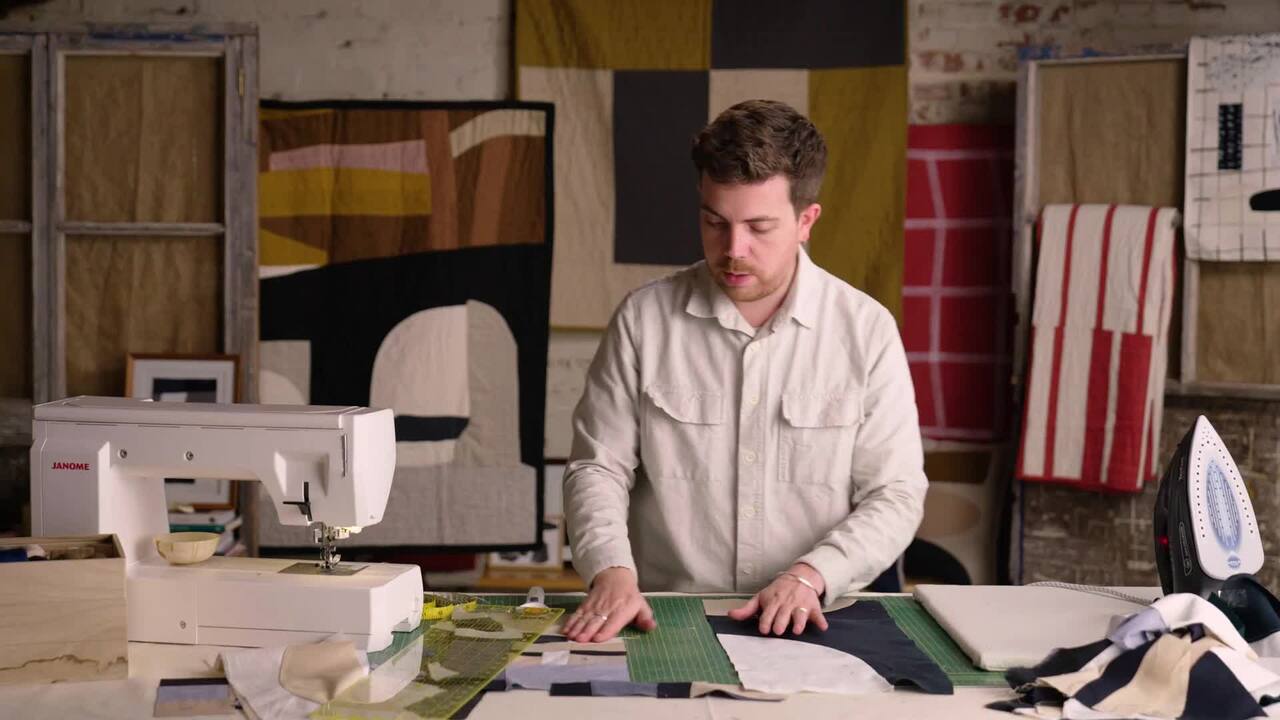
  1. Grab the template you've created and enough fabric to make the cushion top and back, this should be around half a metre square.
  2. Grab some weights to weigh down your template.
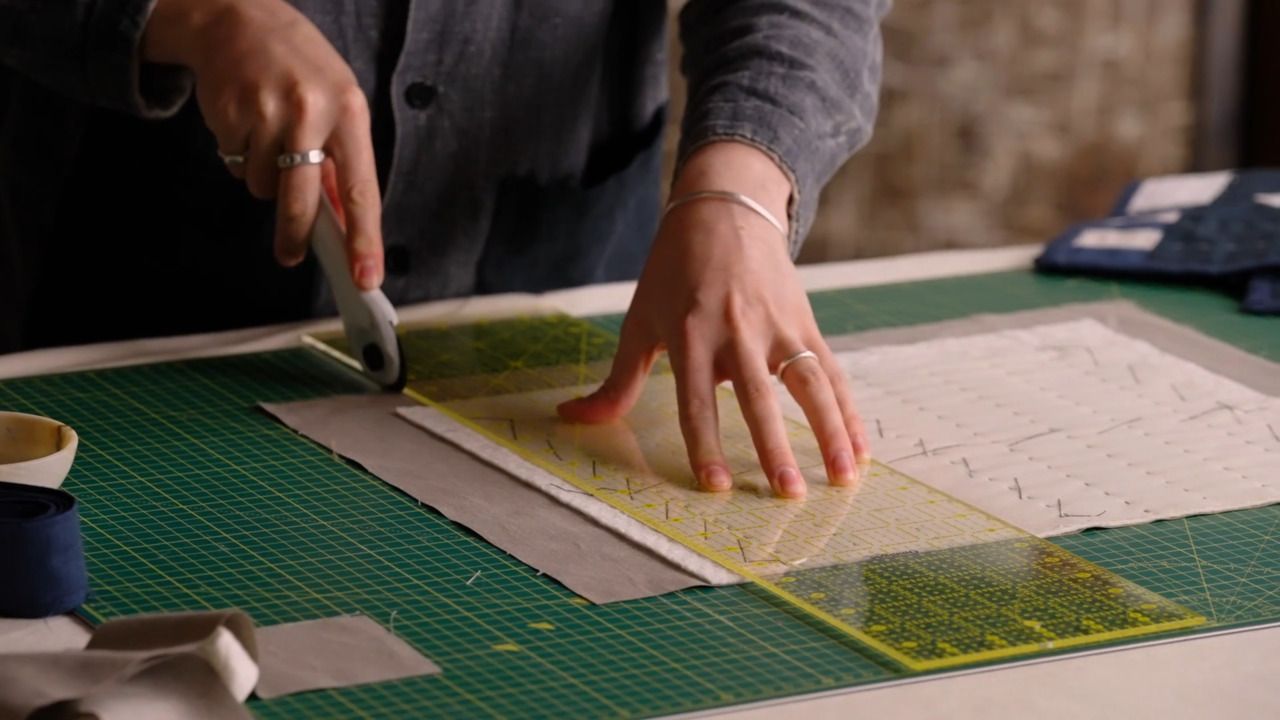
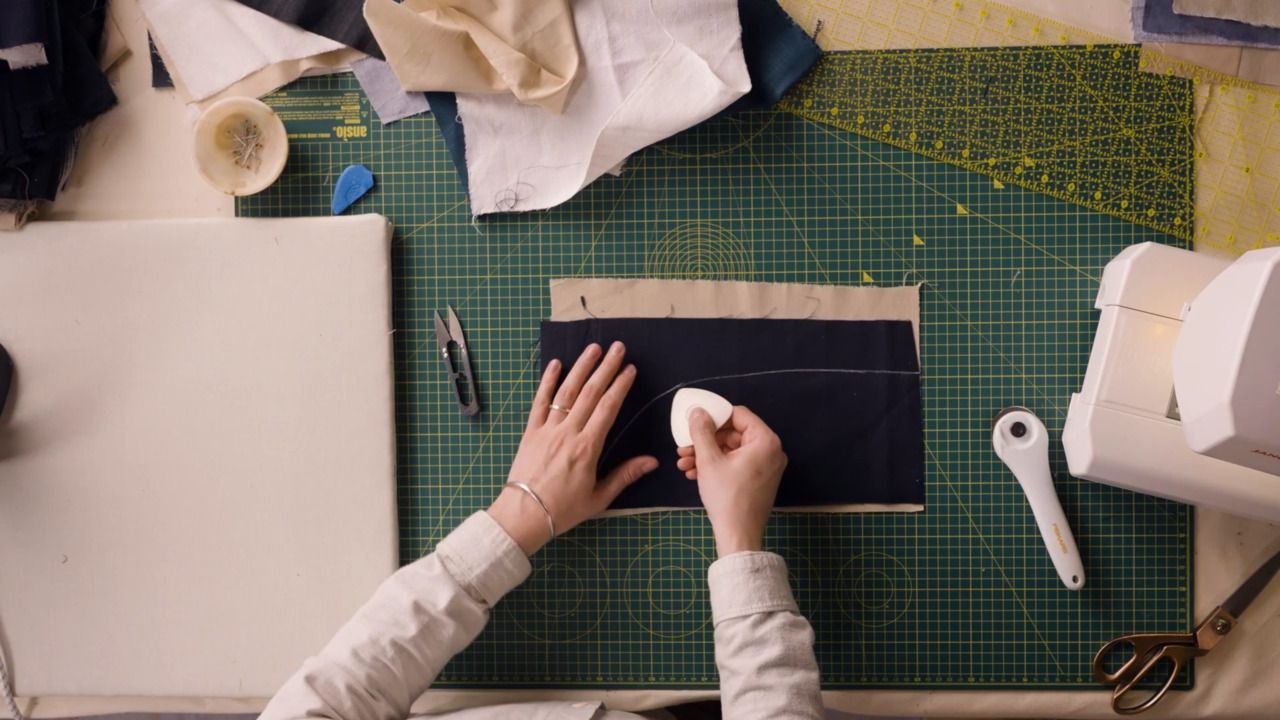
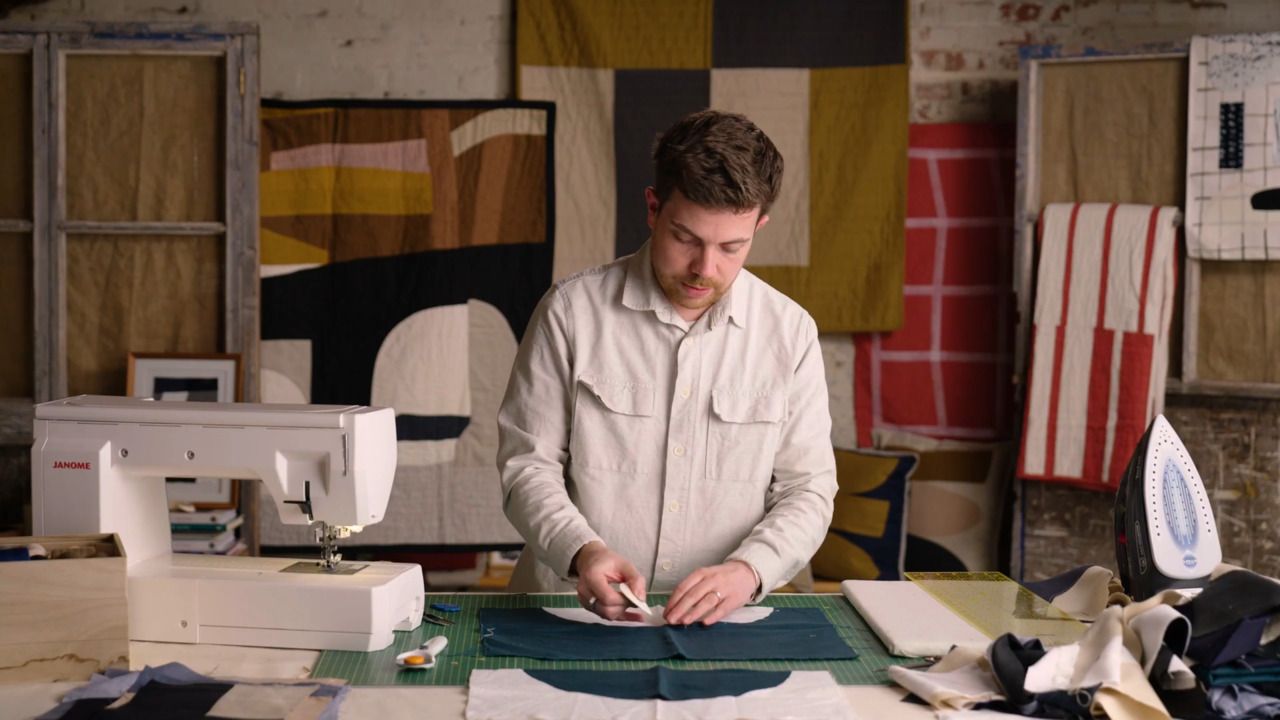
  3. Using a ruler and some chalk, draw an outline around your template on your cushion top. Cut around the template using a rotary cutter.
  4. Remove the weights and your template.

Cut Out the Cushion Backs

  1. Grab a remnant piece of fabric big enough to cut out the backs of your cushion, and fold it in half.
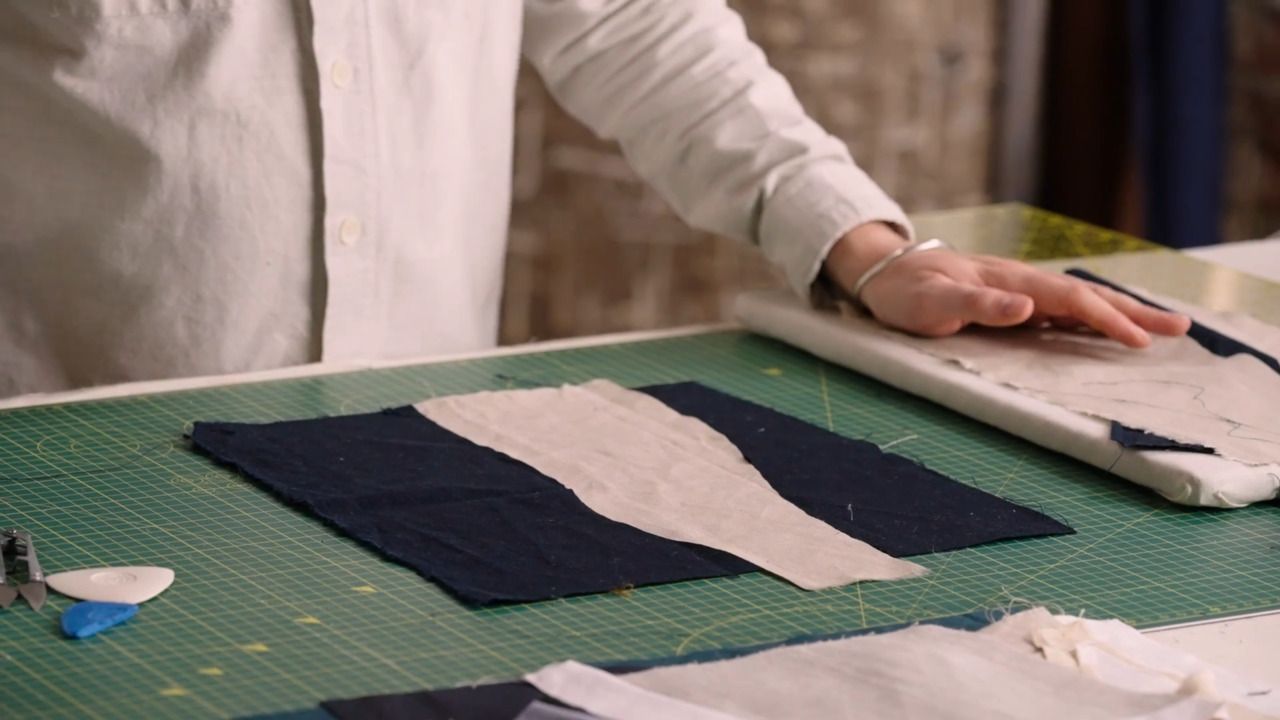
  2. Grab your template and line it up, making sure there is enough fabric around the outside, lining it up as close as possible to the edge of your fabric.
  3. Grab some weights to weigh down your template.
  4. Using a ruler and some chalk, draw an outline around your template on your cushion top.
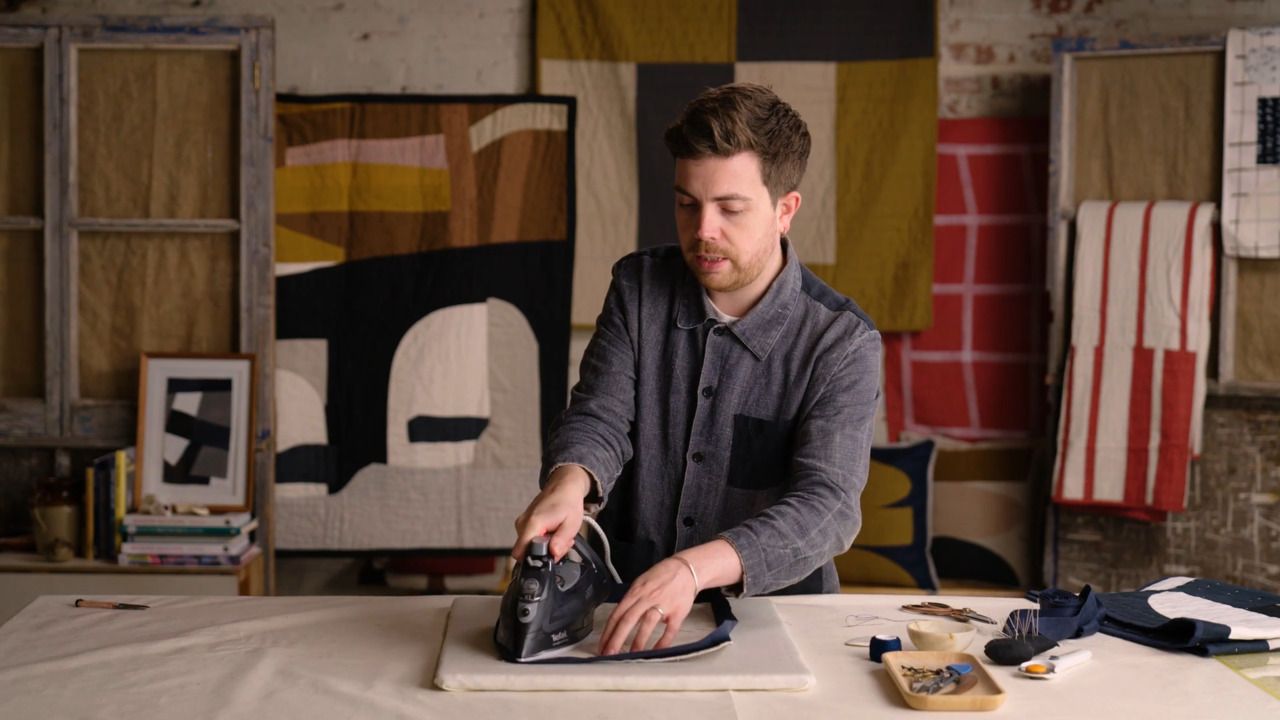
  5. Line up the edges of the fabric, and grab your iron and press the fabric.
  6. Line up the fold of your fabric on your cutting mat to make sure you are getting straight lines. Make sure the warp and weft of your fabric are straight.
  7. Grab your template and line it up, making sure there is enough fabric around the outside, lining it up as close as possible to the edge of your fabric.
  8. Grab some weights to weigh down your template.
  9. Cut around the template using a rotary cutter.

Get the full workbook, video lessons, and more with a Create Academy subscription.

Subscribe to access the full workbook
Access all courses
$30 /month

Access 56+ courses, billed annually

Subscribe Now
Buy this course
$130 one-time

Lifetime access to this course

Buy Course

Already a member? Sign in to watch

Rated 4.7/5 on Trustpilot

437 reviews

Read more

Very good tutorial from a professional garden...

I have subscribed to access all the courses so have watched one on interior design and this one with Butter Wakefield who specialises in small garden design. She ...

Louise Brown

Apr 10, 2026

Time spent well

I love CreateAcademy. I came in for the gardening and floristry courses, but am also watching an interior design one at present. And the photography course is an ...

Wellesley

Apr 1, 2026

What a great investment

What a great investment, I have learned such a lot from the first three courses. My evenings have gone from not being able to find anything that captured my imagi...

sojojo

Mar 30, 2026

I loved this course with Amanda\u2026

I loved this course with Amanda Lindroth! Her approach to decorating is so relaxed and she makes it feel attainable. She explains the reasons behind her decisions...

Elizabeth

Mar 27, 2026

Julius Arthur

Your Instructor

Julius Arthur

British textile artist specialising in handmade quilts and unique textile objects for the home.

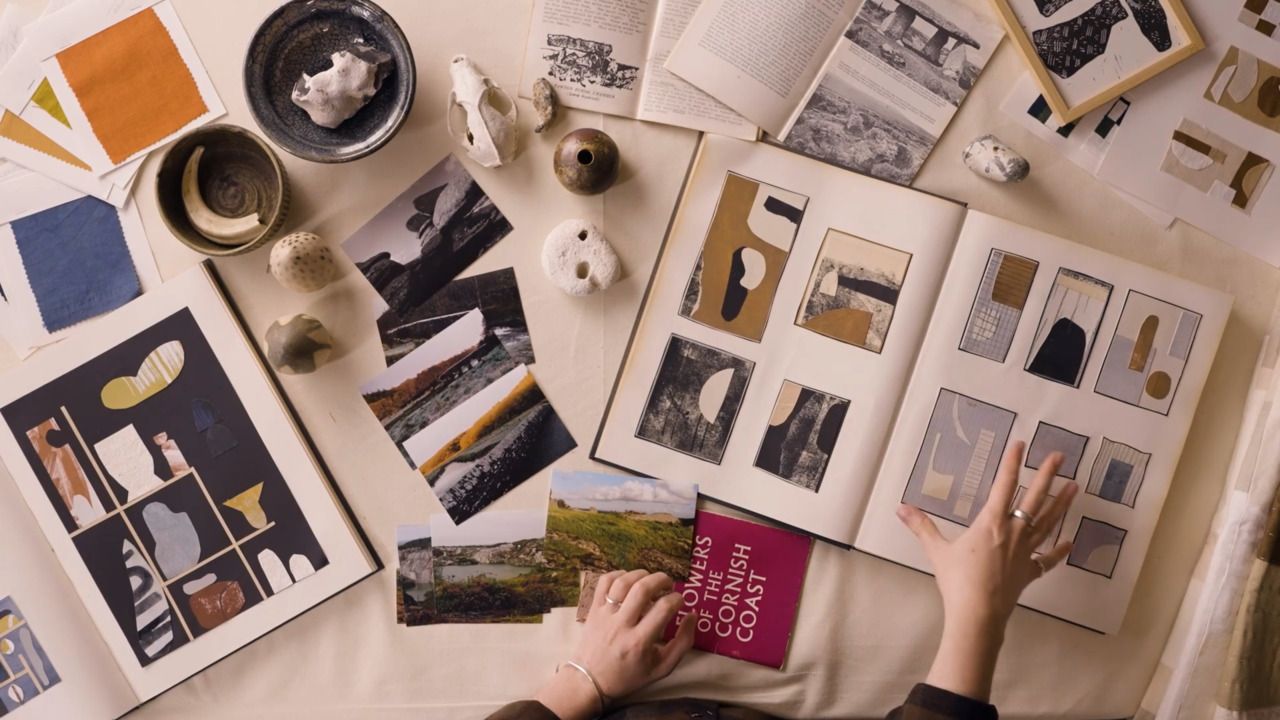
Julius Arthur is a textiles designer specialising in quilts and unique objects for the home. His design practice, House of Quinn, creates small-batch homeware using traditional and age-old craft techniques and practices to cultivate contemporary design narratives onto familiar objects. His work is grounded in uncomplicated - often repurposed - materials and inspired by an abstract view of the places and things around us. Growing up in Cornwall, memories of childhood and a sense of home and belonging intersect in Julius' work. Quilts have become a staple motif in Julius' work - a way of combining materials, connecting through stitch and exploring shape, form and line - and the subject of his book Modern Quilting.
Access to all courses

Get access to unlimited learning with a Create Academy subscription