
Interior and exterior confidence
Create Academy has been such a great resource. I'm in the middle of renovating a bungalow with a very large garden and the courses have offered a wealth of inform...
Harvey
Jun 10, 2026
A Complete Guide to Contemporary Quilting
with JULIUS ARTHUR — British textile artist specialising in handmade quilts and unique textile objects for the home.
Lesson 3 of 27
Subscribe to watch
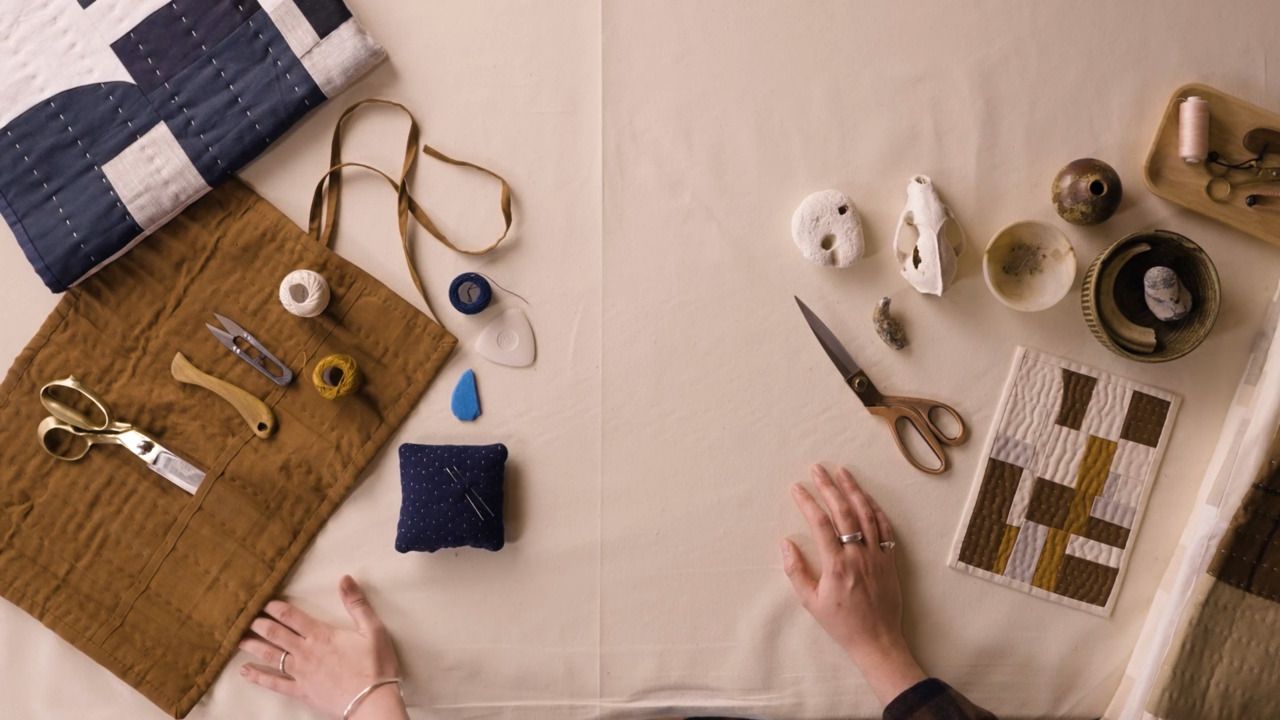
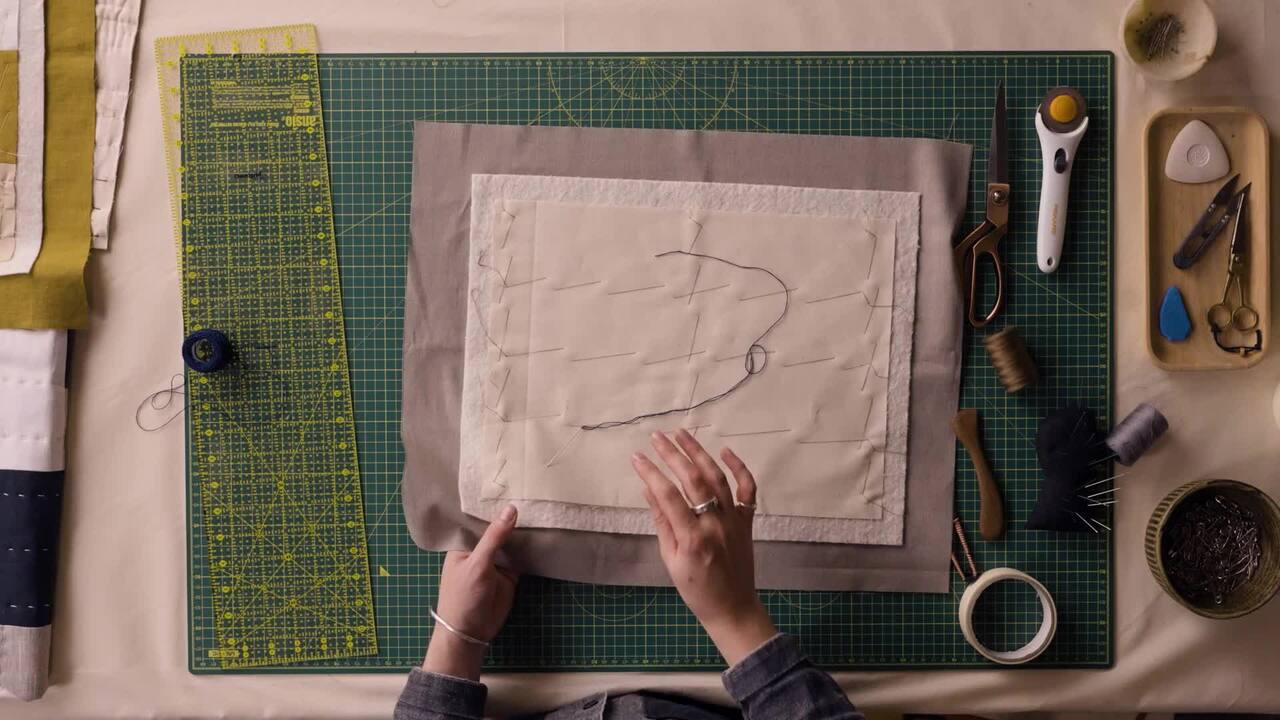
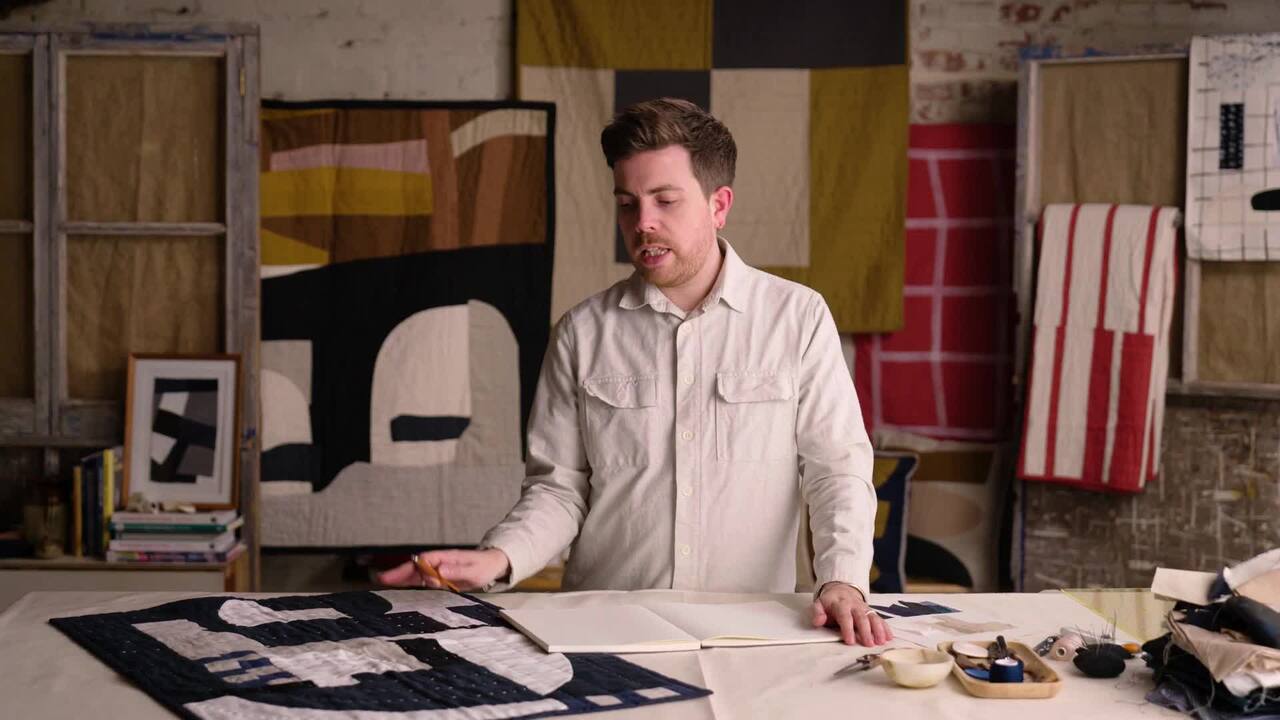
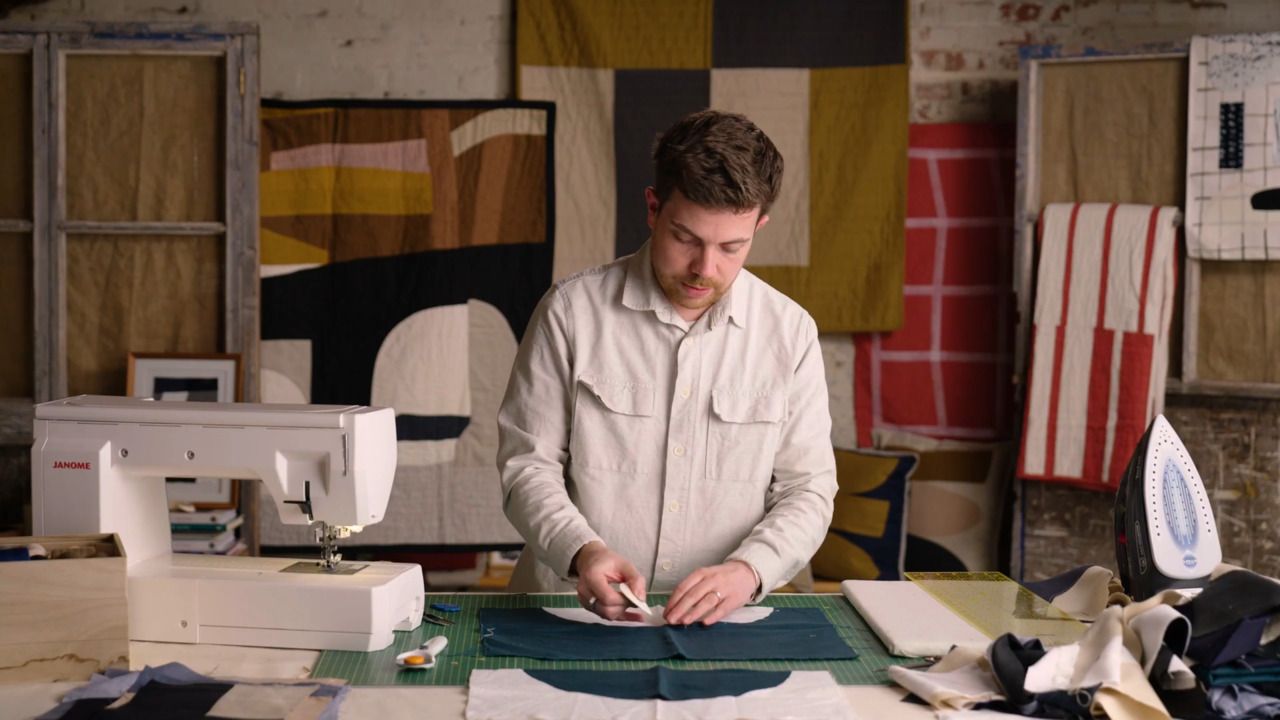
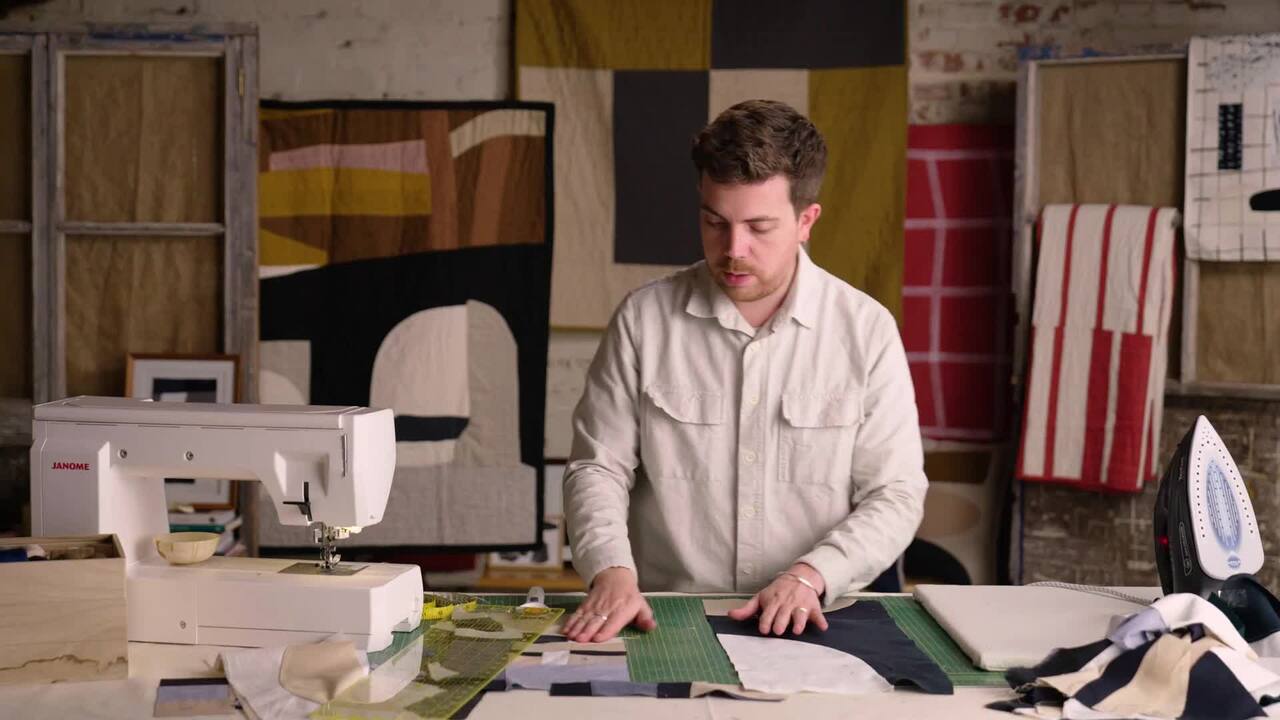
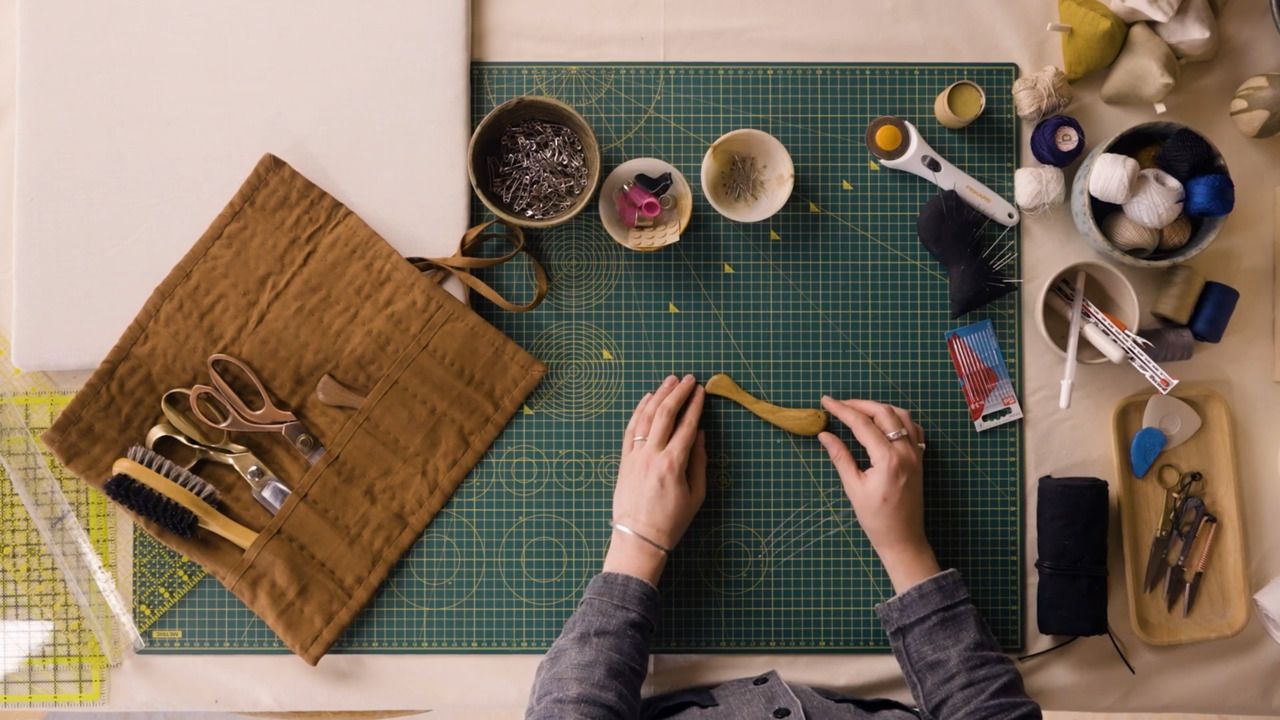
To get you started on your quilting journey, Julius shares with you the basic tools and materials he uses.
Sharp scissors (tailoring or dressmaking scissors)
My scissors have an eight-inch blade, and you don't need anything bigger than that.
Thread snips
Snips will easily and quickly cut a thread when you are hand sewing or at the machine.
Pins
You can use any basic dressmaking pins. The steel pins you find in your local haberdashery are perfect.
Sewing needles
I particularly like the Cotton Darner needles. Cotton Darners are strong hand-sewing needles commonly used for mending and darning cotton or yarn. They have a sharp point and a long eye.
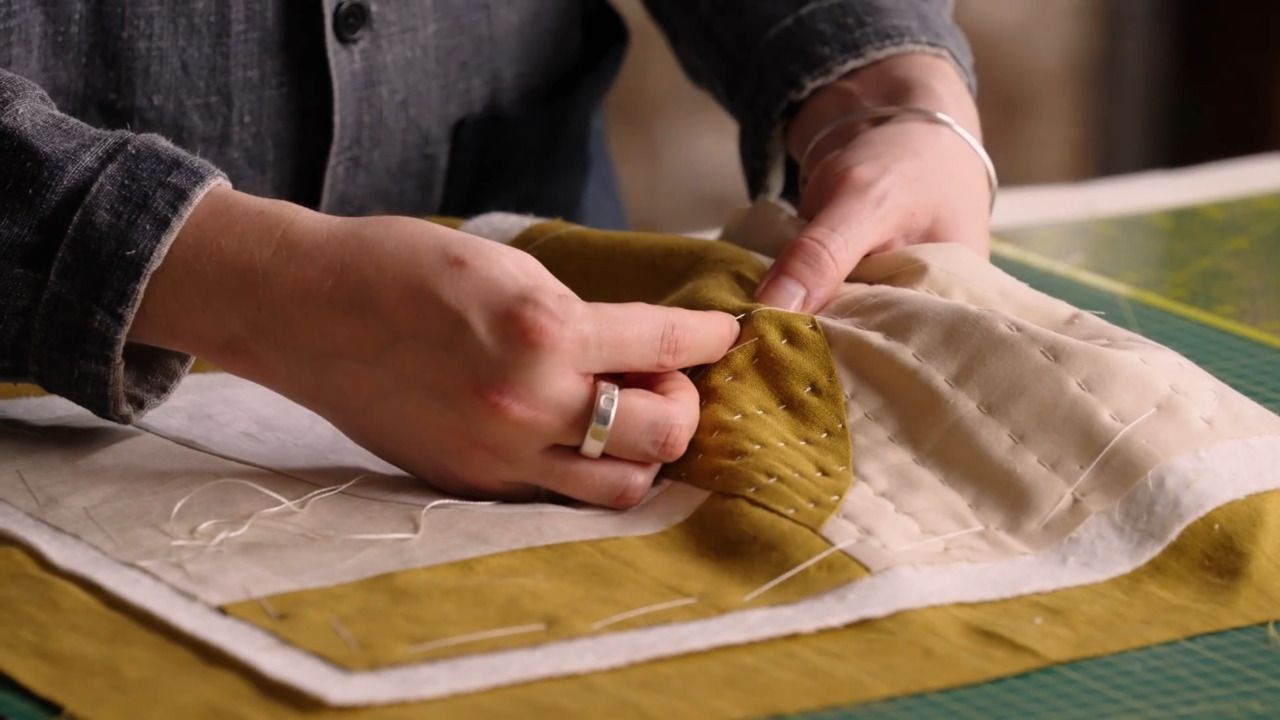
A mixed pack of long darning needles in sizes 3–9 will give you all the needles you need to stitch appliqués, hand quilt, and apply binding. The No. 9 is great for hand appliqué, and the No. 3 is great for hand-quilting stitches.
Marking equipment
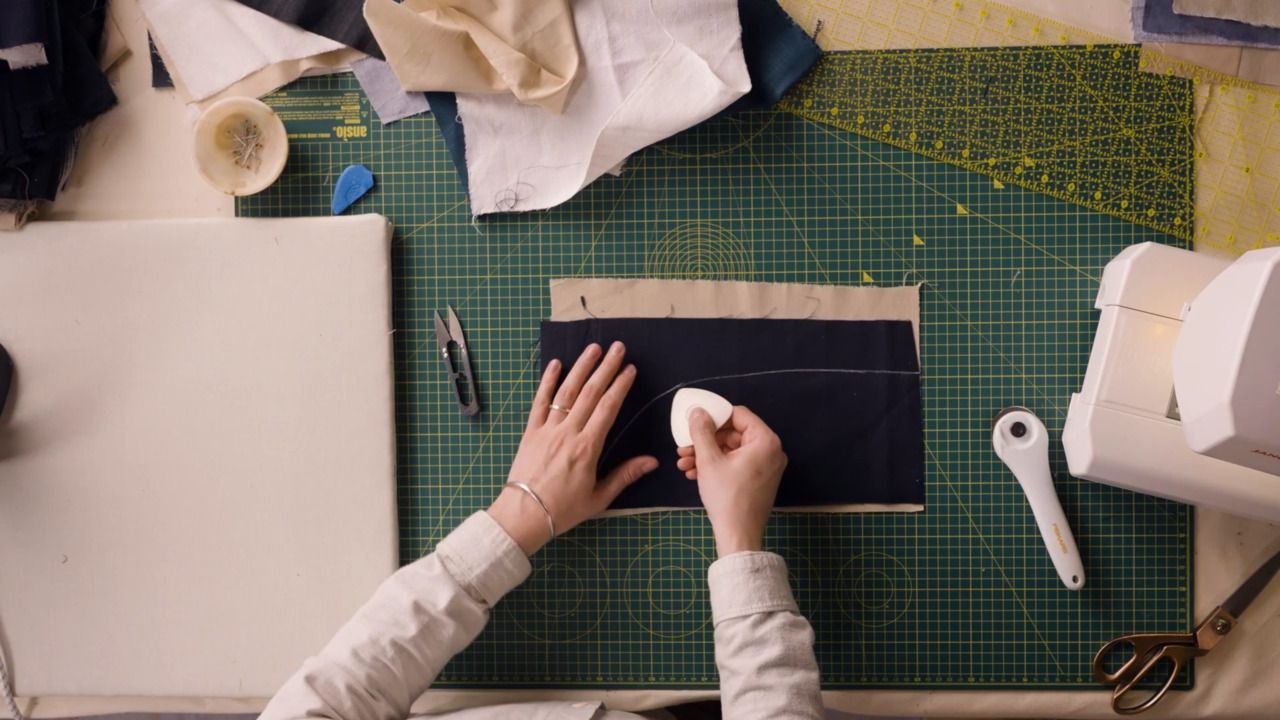
Personally, I use chalk, but you can also buy white tailor's chalk or stick to neutral colours. A chalk pen or chalk marker with a rotary end can also be used. Stick to neutral chalks. Blue chalk on lighter fabrics can stain the fabric and be quite hard to remove.
Quilter's crease/Hera marker
This is really helpful to mark lines in your quilt top. The lines wash out, and you aren't actually drawing on your fabric.
Thimbles
There are many types of thimbles, from leather dots that help protect the end of your fingers to classic thimbles made of metal, leather or silicone.
Quilter's safety pins
Curved pins that are great to have on hand while you are basting.
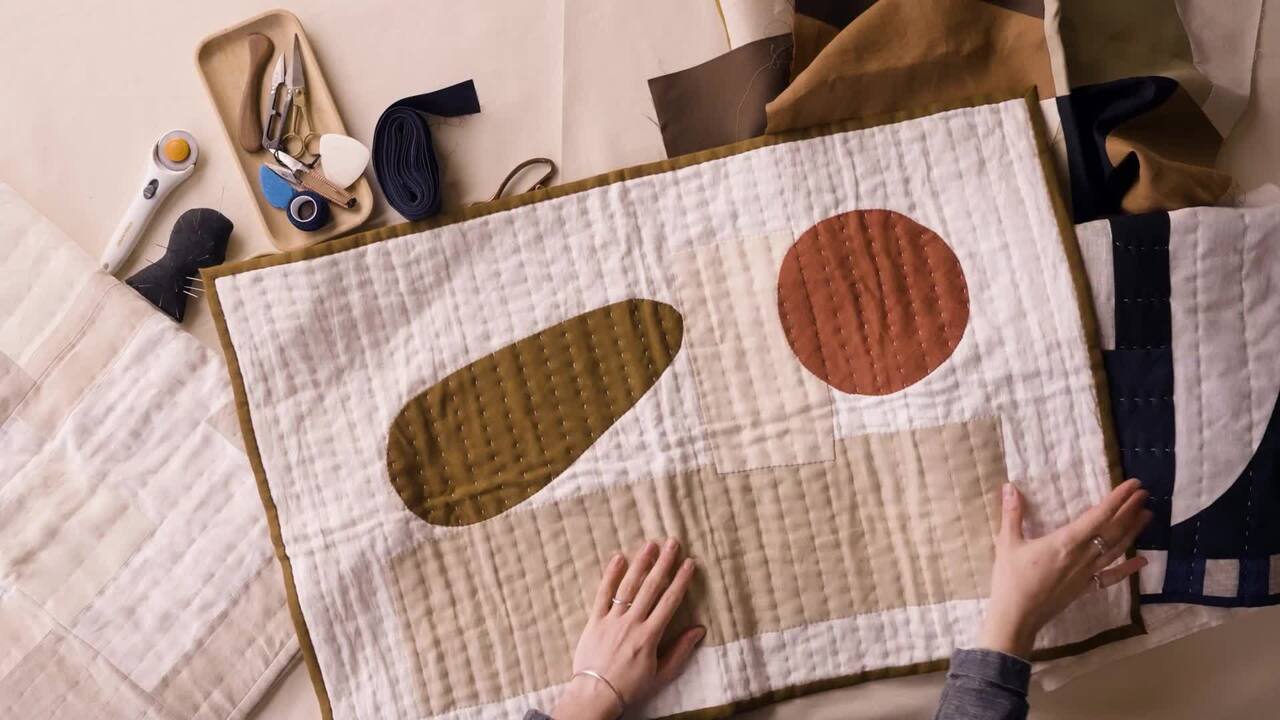
Rotary cutter
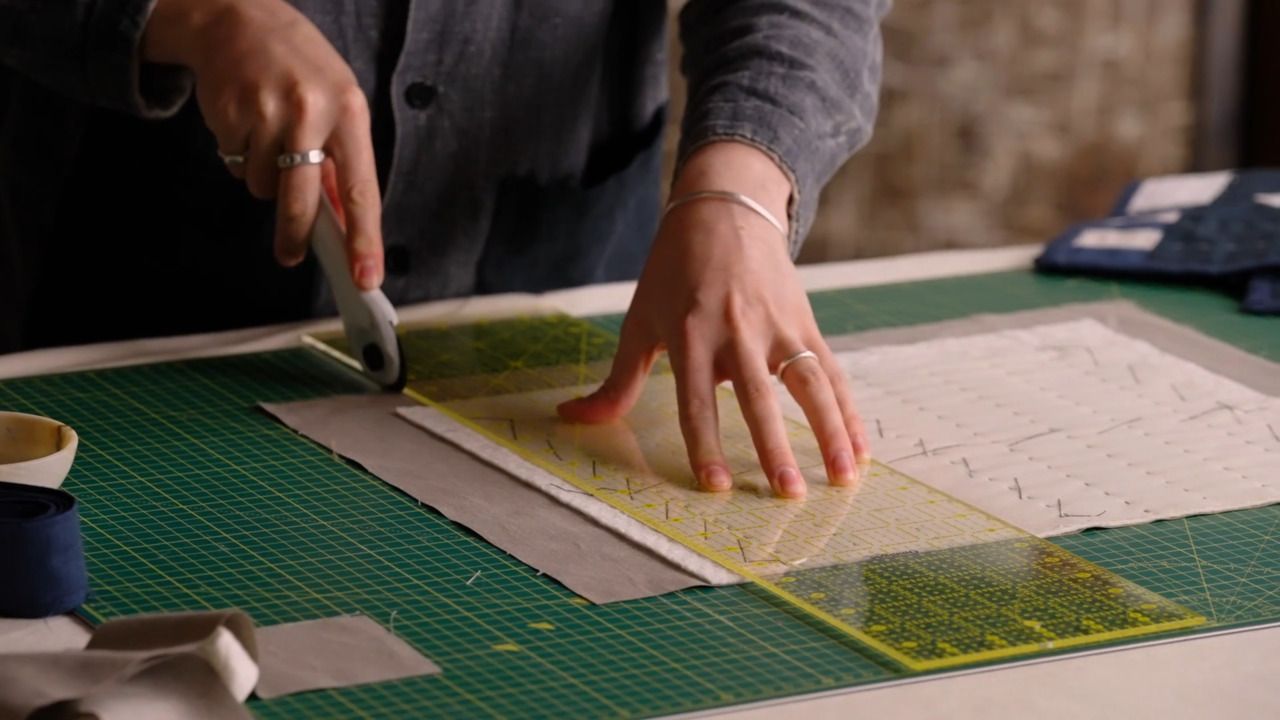
A rotary cutter looks a little like a pizza cutter. It has a sharp blade, and you can push the rotary cutter along the fabric where it will slice your textiles as you go.
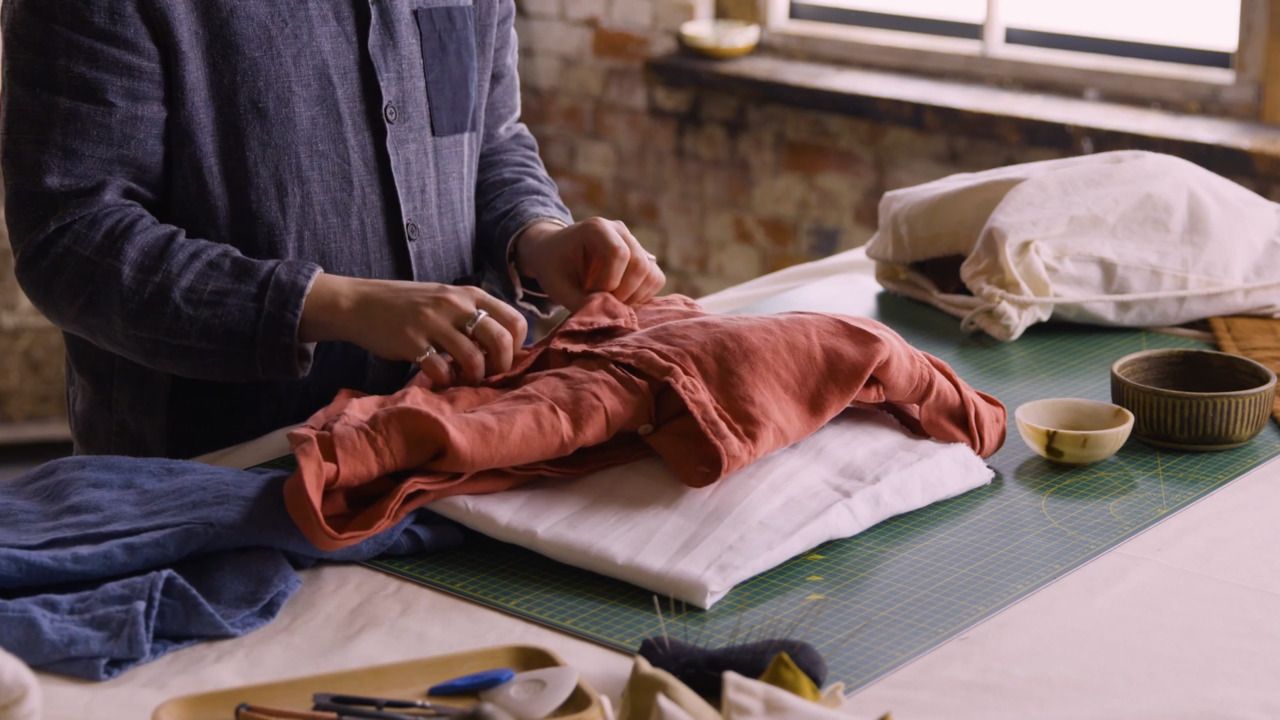
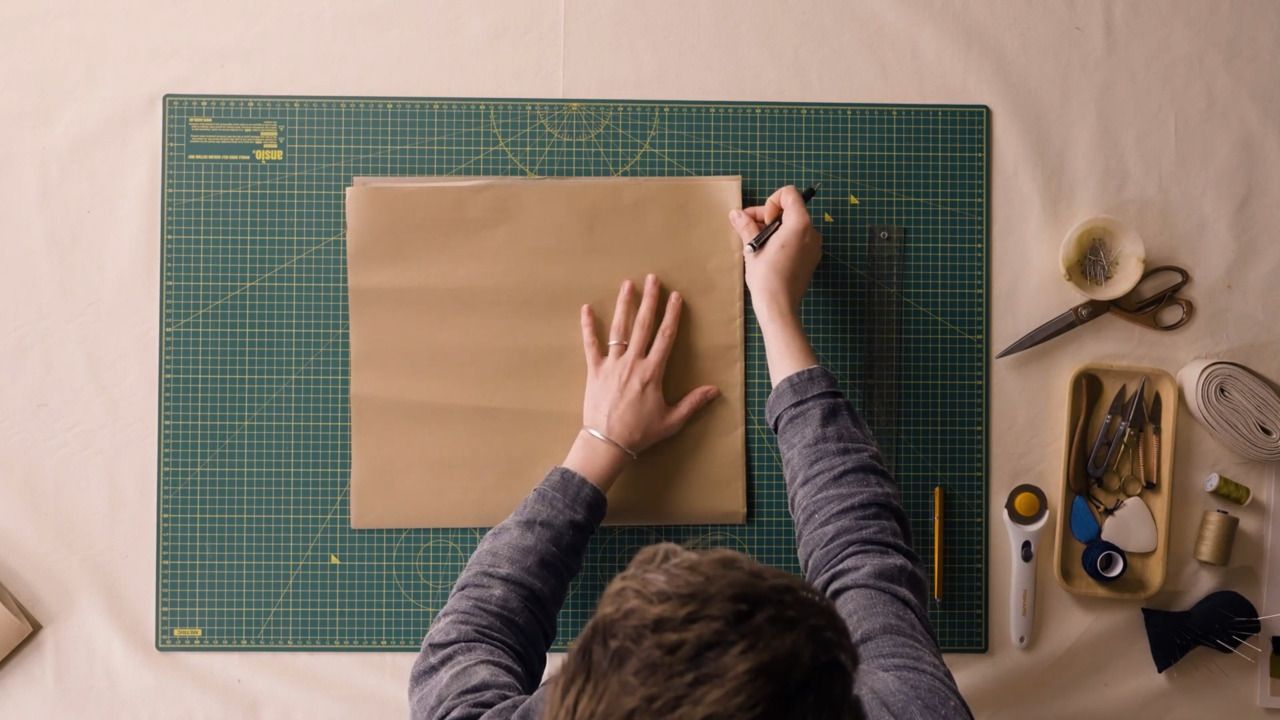
Cutting mat
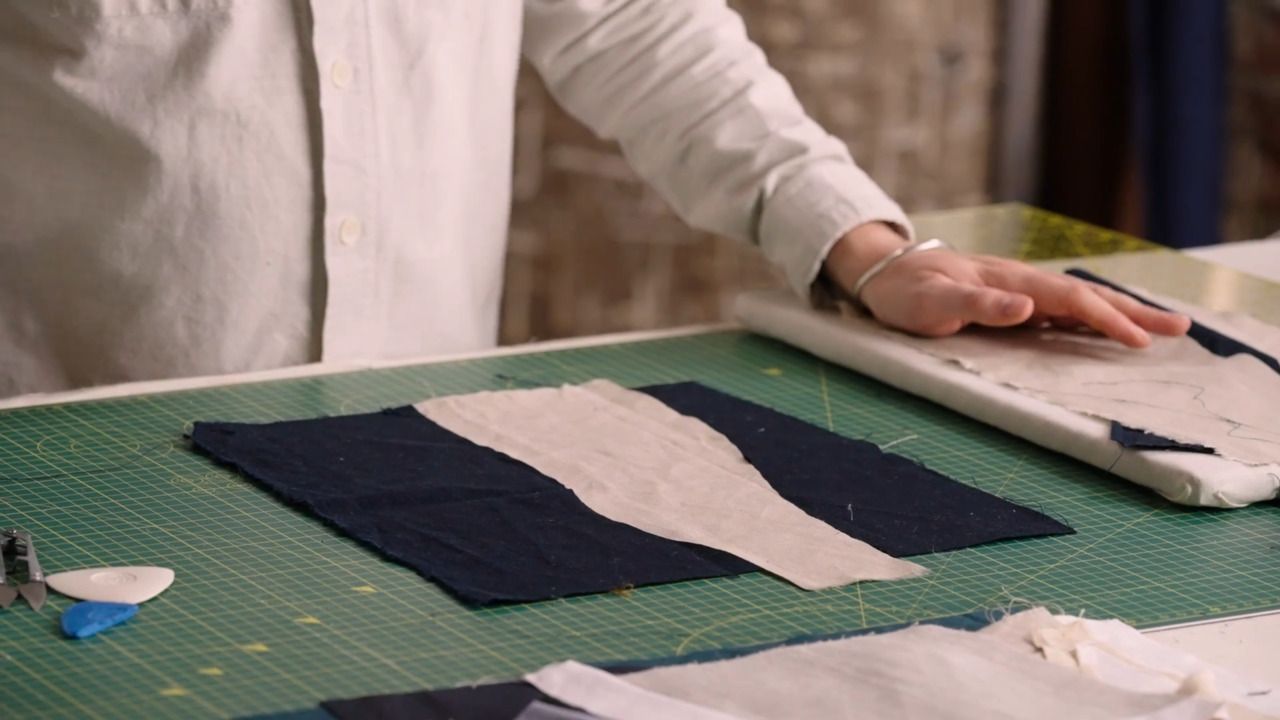
I use an A1-sized cutting mat. If you have the space, go as large as you can to give yourself the maximum area available to work on. The mat I have has both metric and imperial measurements.
Pressing mat
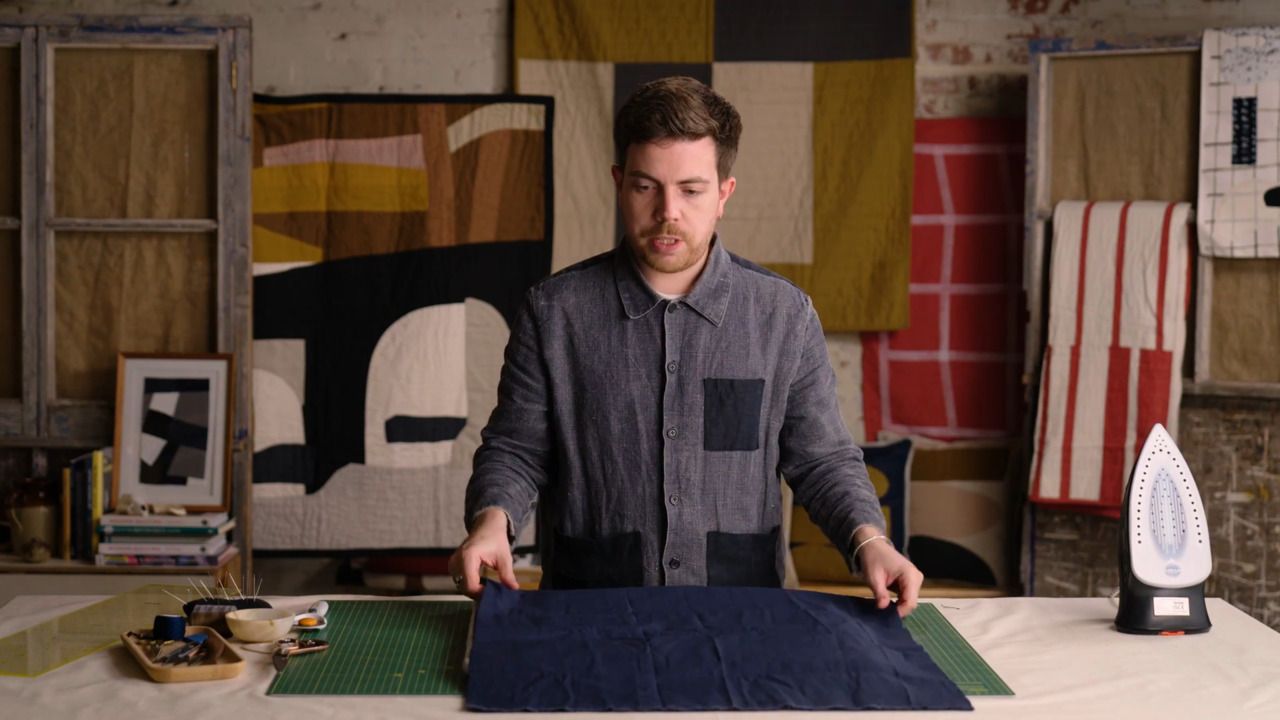
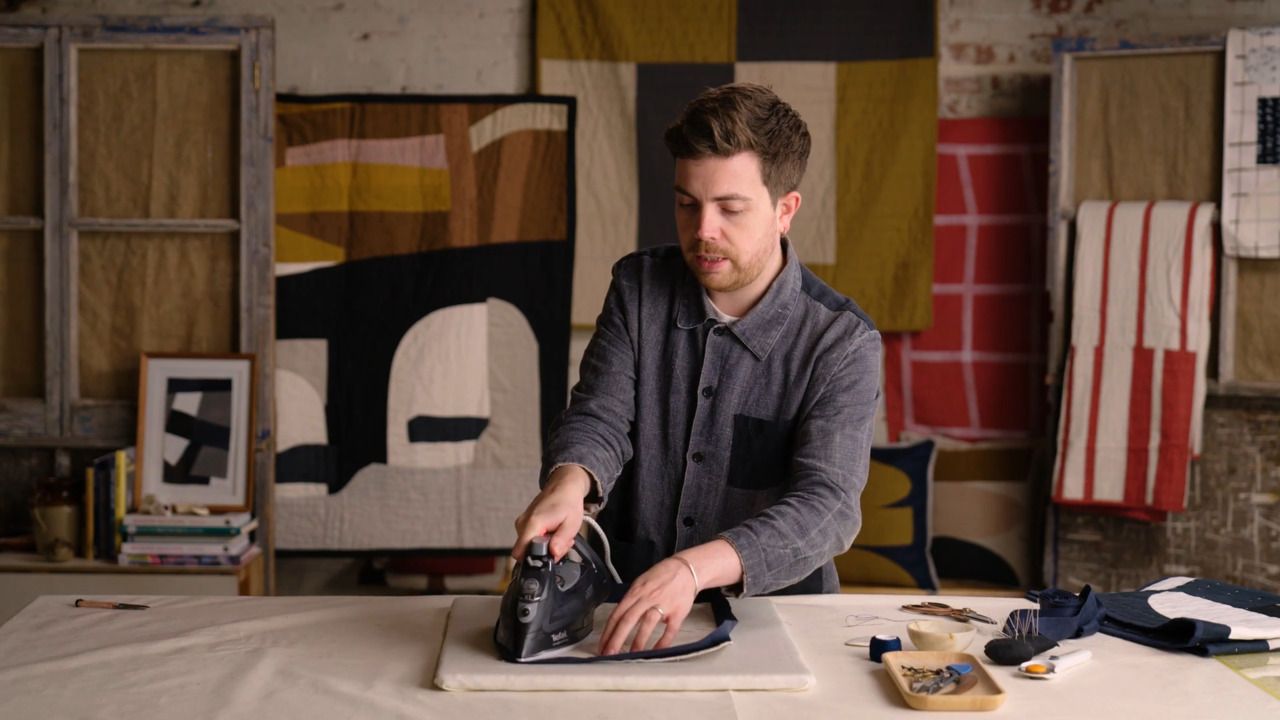
Keeping a pressing mat handy is a great idea. You can have an ironing board to hand or make a tabletop pressing mat. I made my tabletop from waterproof MDF and quilt wadding stapled to the back. As MDF weathers, it becomes more vulnerable to moisture, so I recommend you use waterproof MDF to make your pressing mat last longer.
Ruler
A ruler or a straight edge is really handy to have. You can buy quilting rulers. They have every inch marked on the ruler and are really good for rotary-cutting straight lines.
Thread
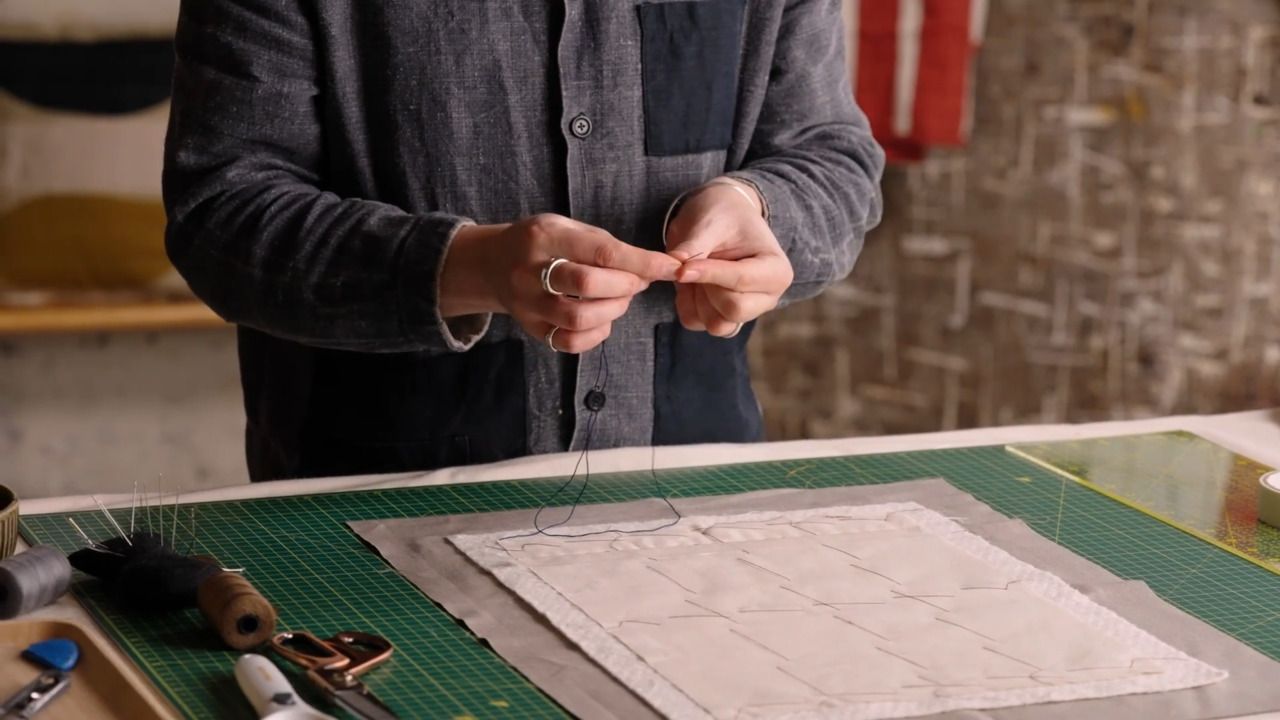
Charity shops and eBay offer a lot of second-hand thread options. Crochet thread is good for hand quilting since it is thicker and easier to see. Cotton pearl thread can also be used instead of crochet thread. There are many colours and sizes available. I use a size 8. Because it's twisted, it won't come apart as you're sewing. It comes in so many colours, and because it's cotton, you can dye it.
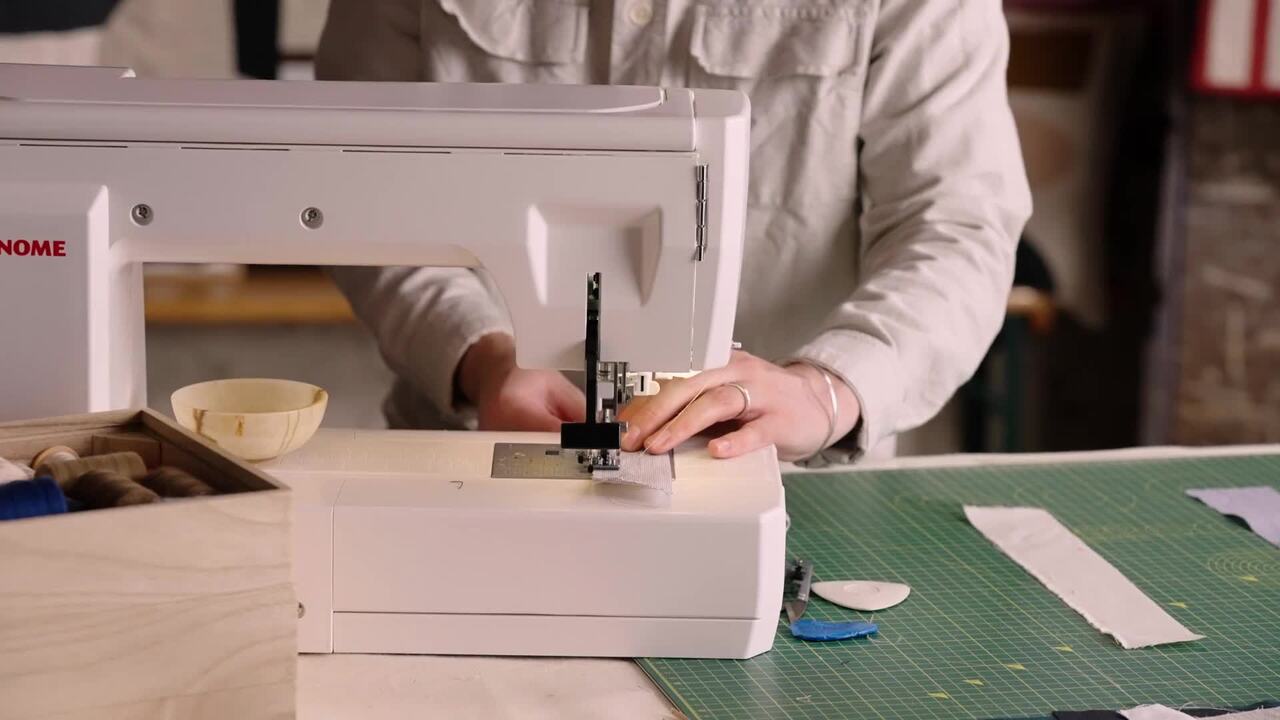
Polyester and cotton threads
Cotton threads can snap more easily, especially on a sewing machine. For hand-stitching, cotton thread is great. You can strengthen your thread with some beeswax. Pass the thread through the beeswax and give it some heat to seal the wax into the thread.
Freezer paper
Paper commonly available at grocery stores can be used to make appliqué patterns. The shiny coating on one side temporarily adheres to the fabric when pressed with a warm iron.
Beeswax
Beeswax is a must-have for strengthening your thread. Take a length of thread 60–90 cm (2–3 ft) long, and pass it through the beeswax once or twice. The thread should cut into the wax slightly. Press your thread between two press cloths and iron on medium heat.
Masking tape
Masking tape can be used for marking stitching guides when quilting, securing backing fabric when constructing, and sticking templates together.
Get the full workbook, video lessons, and more with a Create Academy subscription.
Subscribe to access the full workbookAlready a member? Sign in to watch
491 reviews
Read moreCreate Academy has been such a great resource. I'm in the middle of renovating a bungalow with a very large garden and the courses have offered a wealth of inform...
Harvey
Jun 10, 2026
Absolutely love Create Academy! The instructors are extremely informative, and it is beautifully filmed. Create Academy is great value for money and plan on renew...
SG
May 31, 2026
Butter's creativity is stunning! Her ability to incorporate brilliance in small gardens is magical!
Carla
May 30, 2026
The best adventure. I like all the courses, but my favorite are both Rita Konig interior design courses and Anna Jones. Excellent!
Karolina Kluczewska
May 20, 2026
Create Academy has been such a great resource. I'm in the middle of renovating a bungalow with a very large garden and the courses have offered a wealth of information to dive into and explore new ideas. I'm...
Harvey
Jun 10, 2026
Absolutely love Create Academy! The instructors are extremely informative, and it is beautifully filmed. Create Academy is great value for money and plan on renewing my subscription yearly because there are ...
SG
May 31, 2026
Butter's creativity is stunning! Her ability to incorporate brilliance in small gardens is magical!
Carla
May 30, 2026

Your Instructor
British textile artist specialising in handmade quilts and unique textile objects for the home.
Julius Arthur is a textiles designer specialising in quilts and unique objects for the home. His design practice, House of Quinn, creates small-batch homeware using traditional and age-old craft techniques and practices to cultivate contemporary design narratives onto familiar objects. His work is grounded in uncomplicated - often repurposed - materials and inspired by an abstract view of the places and things around us. Growing up in Cornwall, memories of childhood and a sense of home and belonging intersect in Julius' work. Quilts have become a staple motif in Julius' work - a way of combining materials, connecting through stitch and exploring shape, form and line - and the subject of his book Modern Quilting.
Access to all courses


