Part 7: Binding your quilt

with JULIUS ARTHUR

Lesson 13 of 27

Part 7: Binding your quilt - Video thumbnail
Subscribe now

Get unlimited access to all courses

Access all courses SALE 25% OFF
$22 /month $30

Access 55+ courses, billed annually

Subscribe Now
Buy this course SALE 25% OFF
$98 one-time $130

Lifetime access to this course

Buy Course

Already a member? Sign in

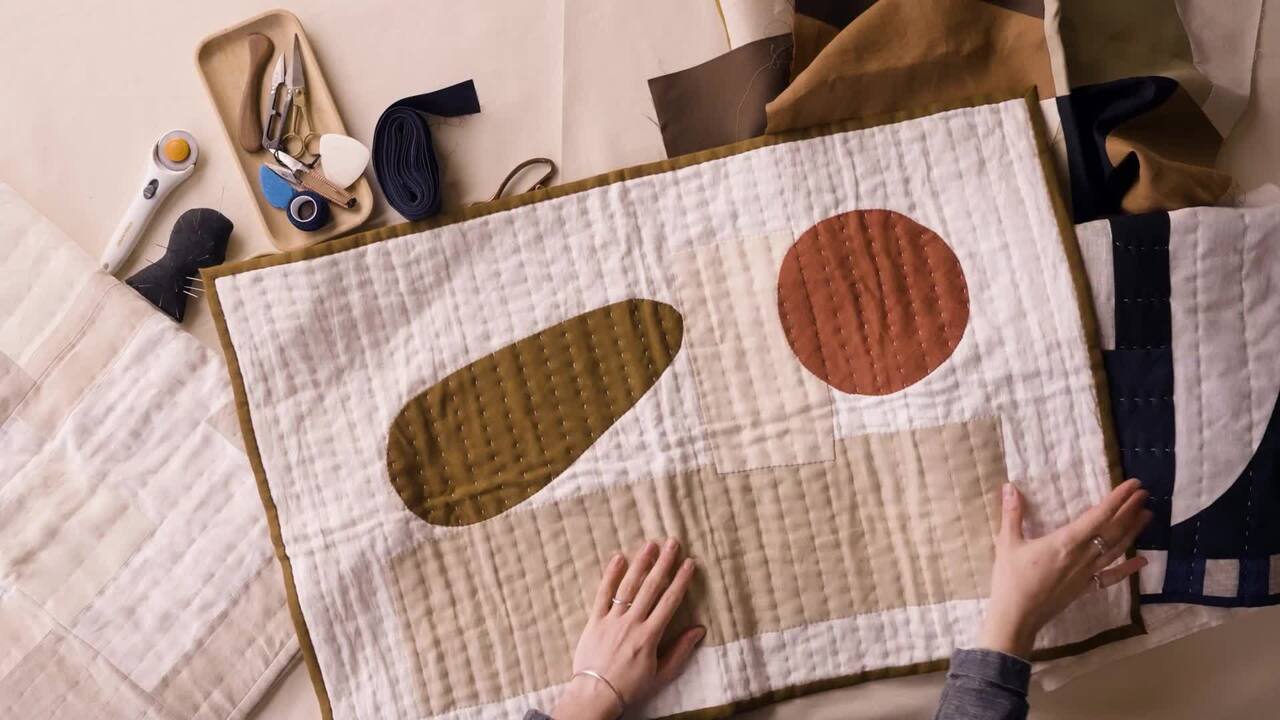
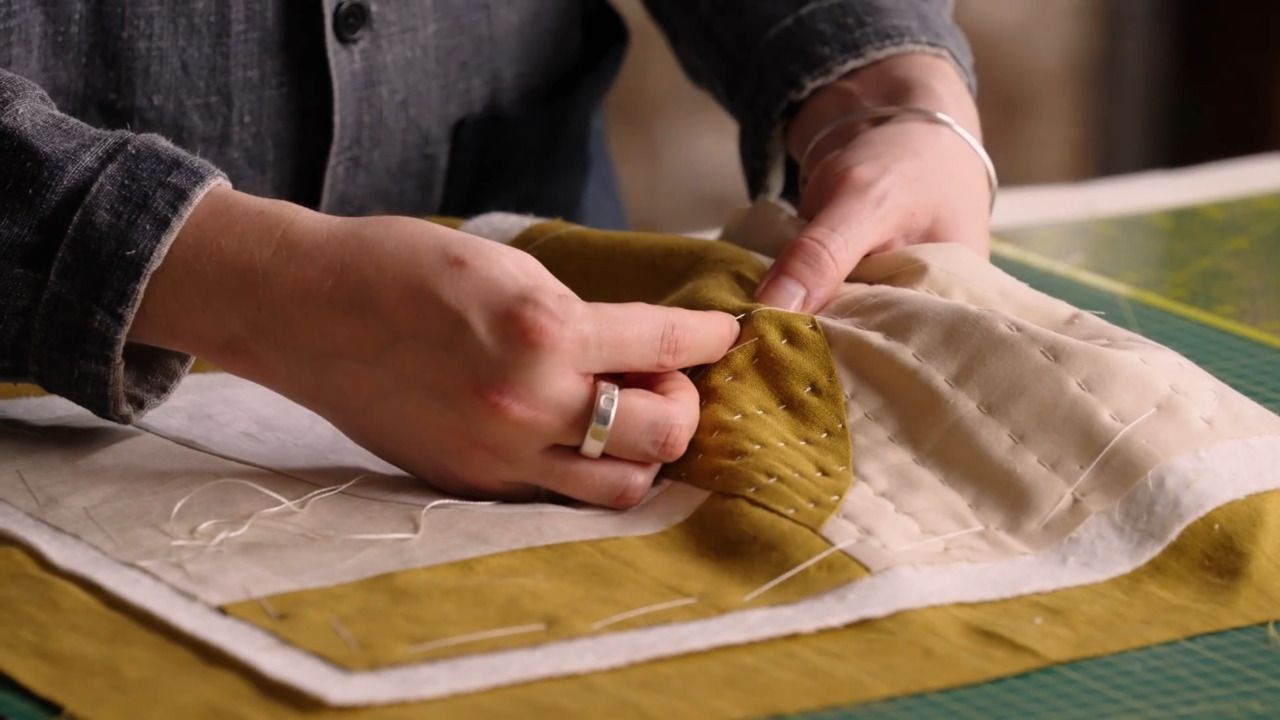
Binding a quilt means covering the raw edges of the quilt sandwich to give the quilt a finished look and protect its edges from wear. Binding is one of the last steps in finishing a quilt.

From the Lesson Workbook

Part 7 - Binding Your Quilt

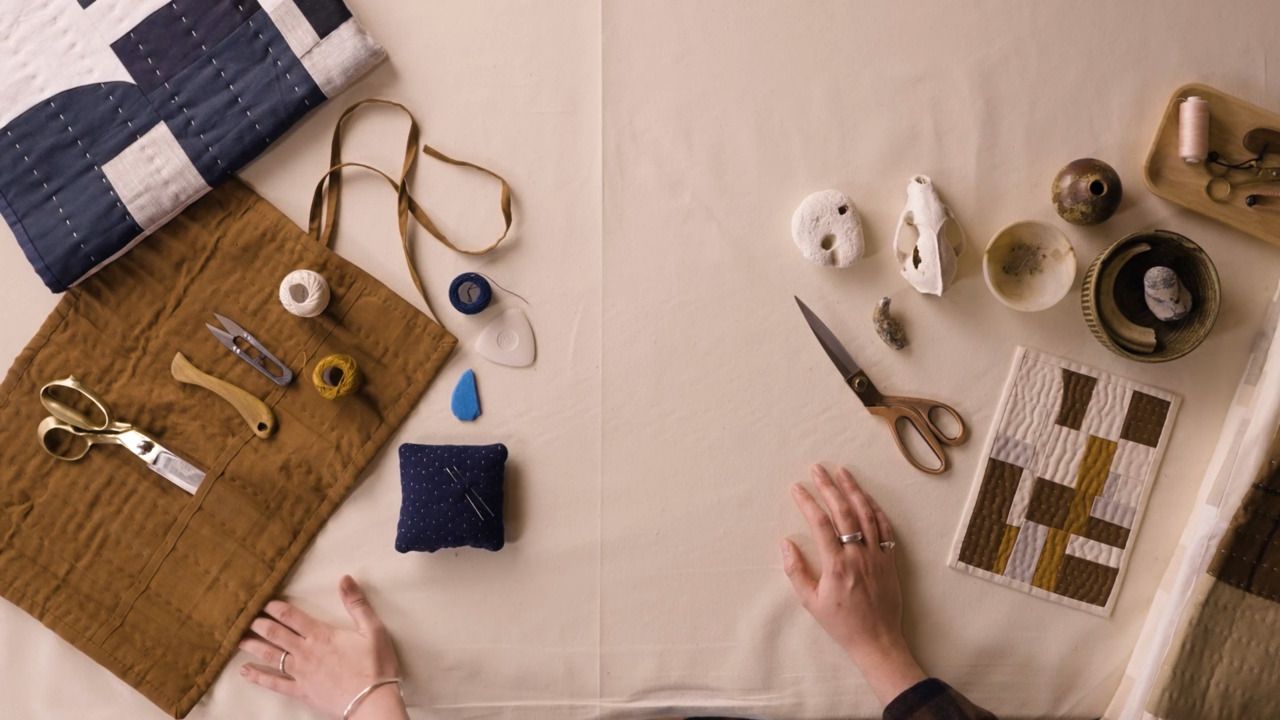
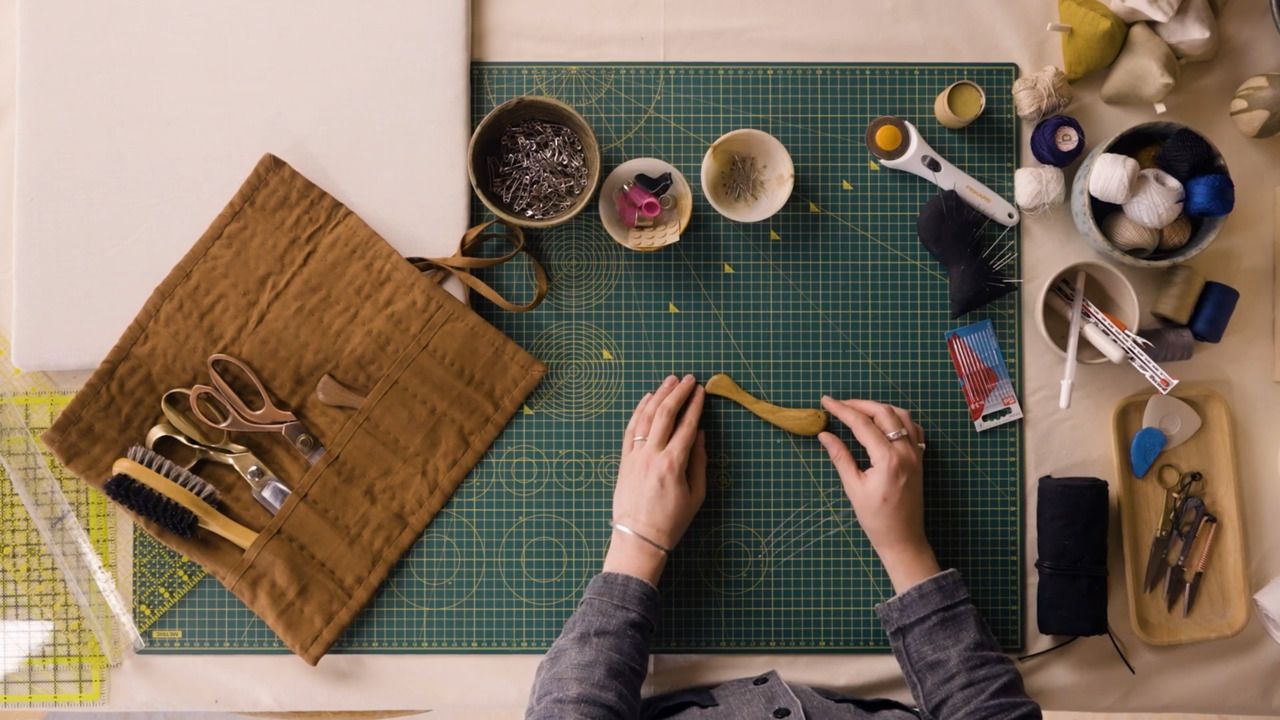
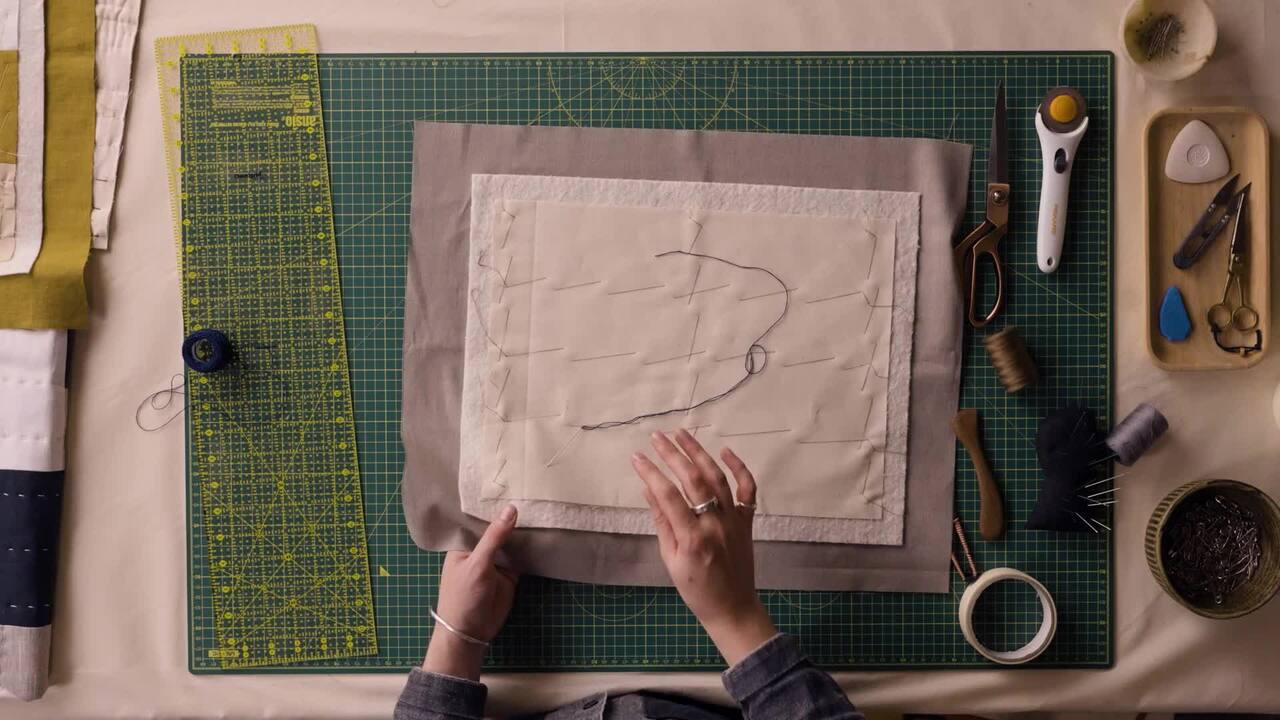
In This Lesson, You Will Need:

  • Batting
  • Quilt top
  • Quilter's pins
  • Thread
  • No 8 cotton pearl thread
  • Sewing machine
  • Iron
  • Pressing mat
  • Scrap fabric for your binding
  • Rotary cutter
  • Scissors

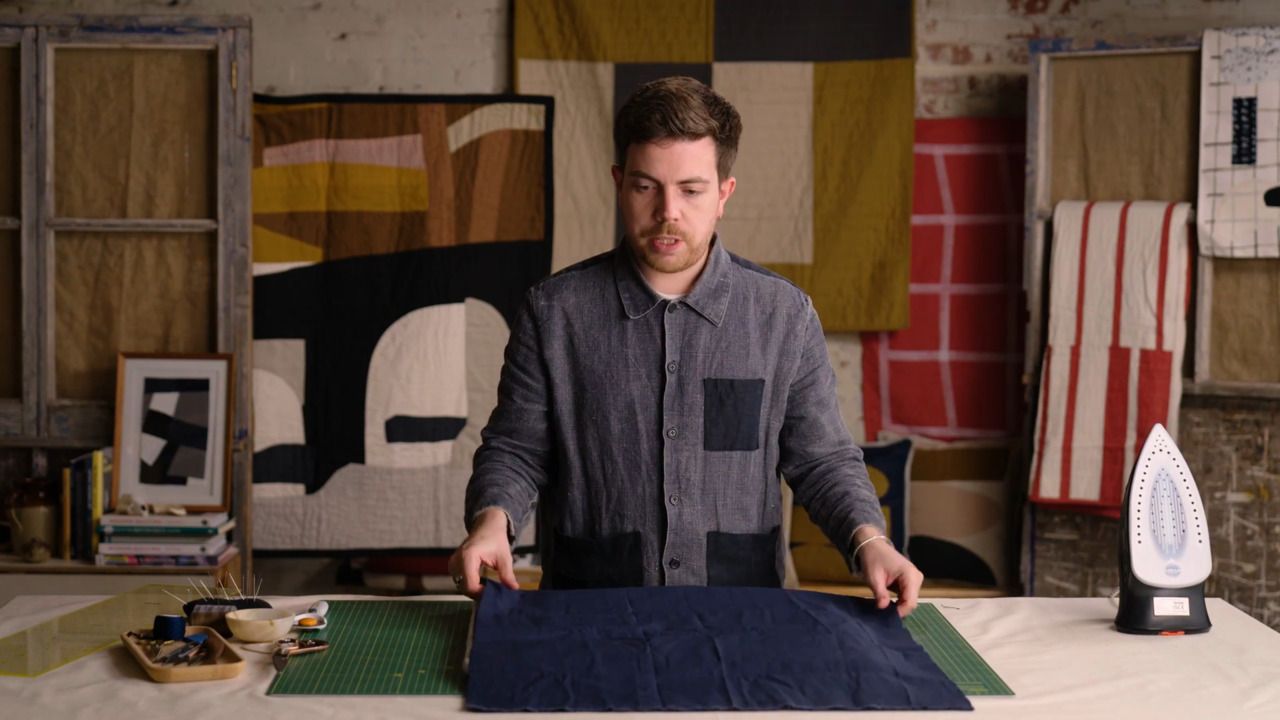
Trim the Wadding and Backing

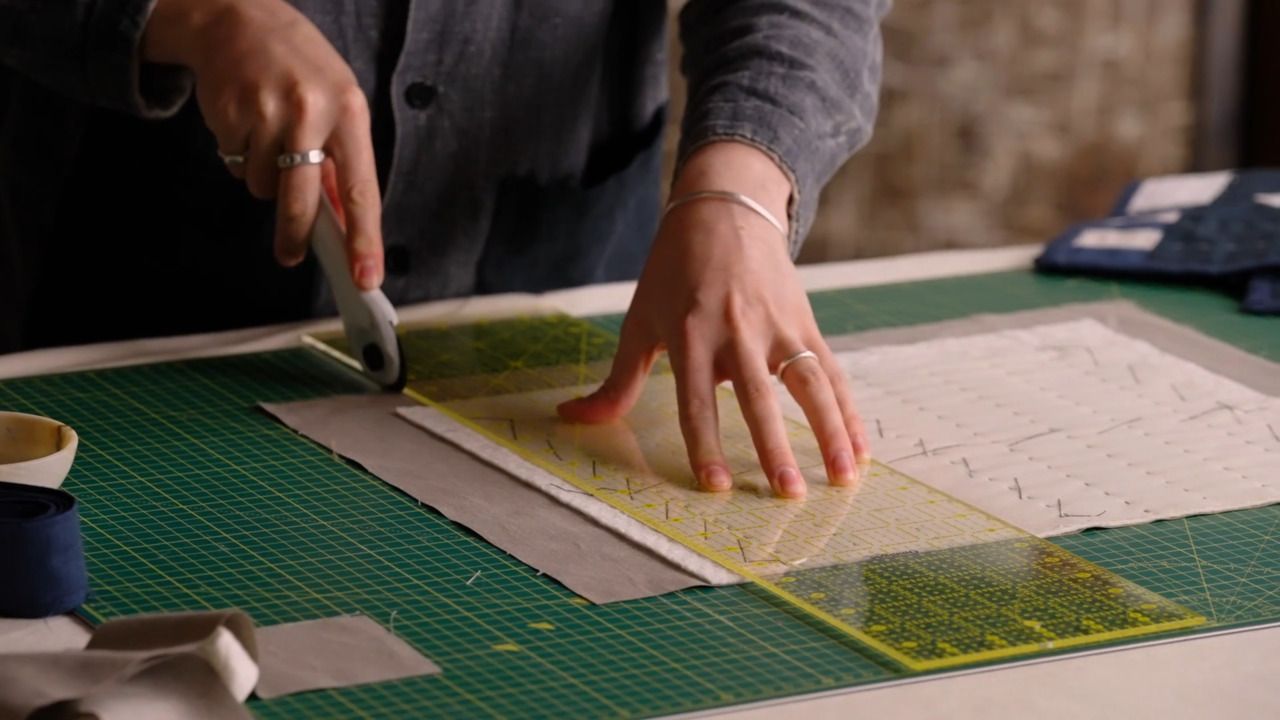
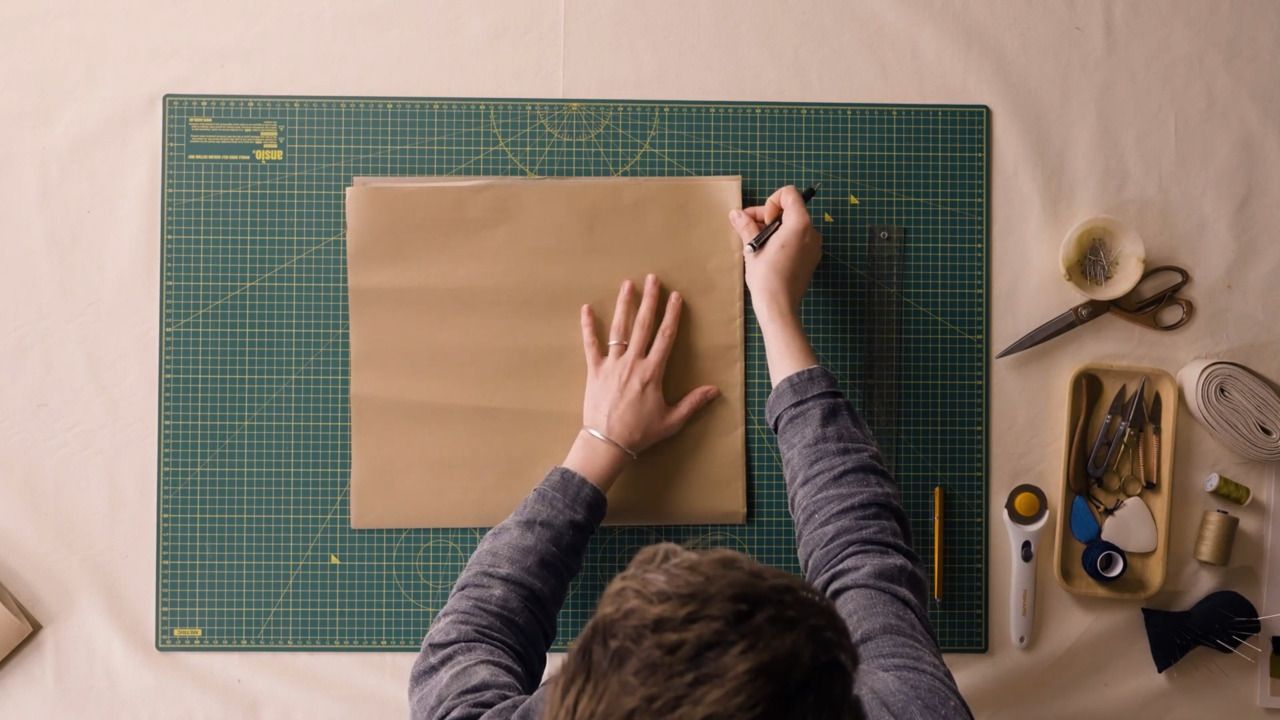
  1. Using a ruler and a rotary cutter, trim the edges of the quilt by cutting any excess wadding (batting) and backing fabric.

Tip: if you have a large quilt, lay it over a table or the floor.

  1. Use the quilt top as your template and the edges of the quilt top as a guide. Trim only the wadding and backing.
  1. Line your ruler up with the edge of your quilt top. Don't trim any of your quilt top unless there are uneven edges.
  1. Line your ruler with the edge of your quilt top and trim the excess.

Pinning Binding Before Sewing

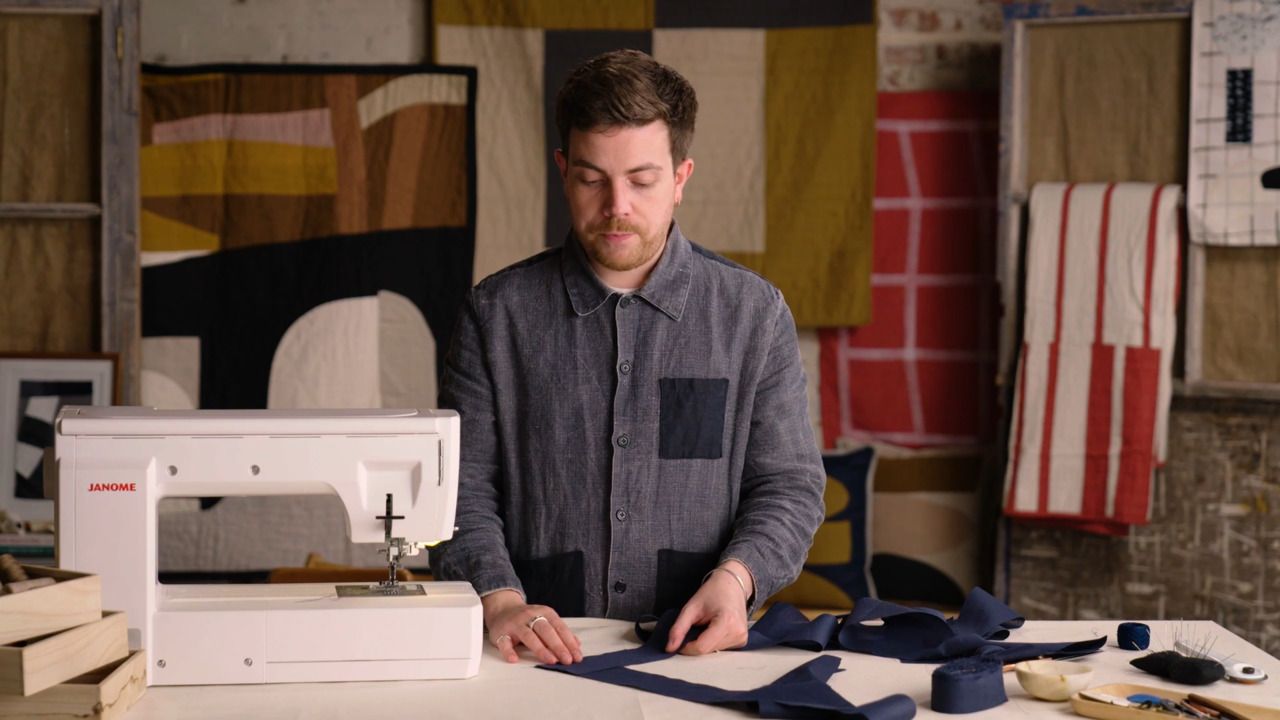
  1. With the right side of the quilt top facing upwards and the right side of the binding facing downwards, align one raw edge of the binding with the raw edge of the quilt, starting from one corner and working along one side.
  1. Line up your binding with the top edge of your quilt.
  1. Attach your binding about three-quarters of the way down, leaving a long tail so there is enough to attach to the other side.
  1. With a sewing machine, sew the binding to the quilt with a 1 cm (⅜ in) seam allowance all the way around.
  1. When you get to the corner, you want to create a nice, neat, mitred edge. If you are using a sewing machine, stop stitching about a centimetre (⅜ in) away from the edge.
  1. Fold the binding away from you and back over itself to create a 45-degree angle.
  1. If you are pinning down, work your way around the edge. Repeat the previous steps for all the remaining corners until you return to the side of the quilt that you started on.

Attaching Binding Without Pins

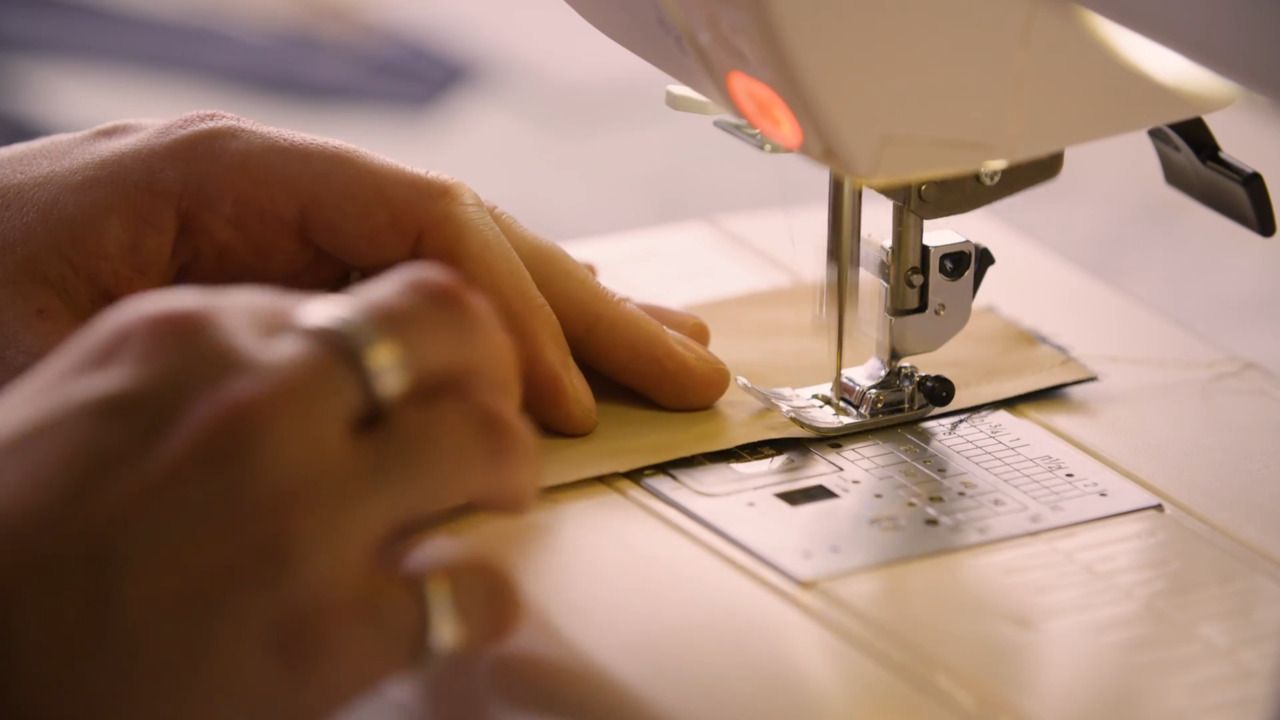
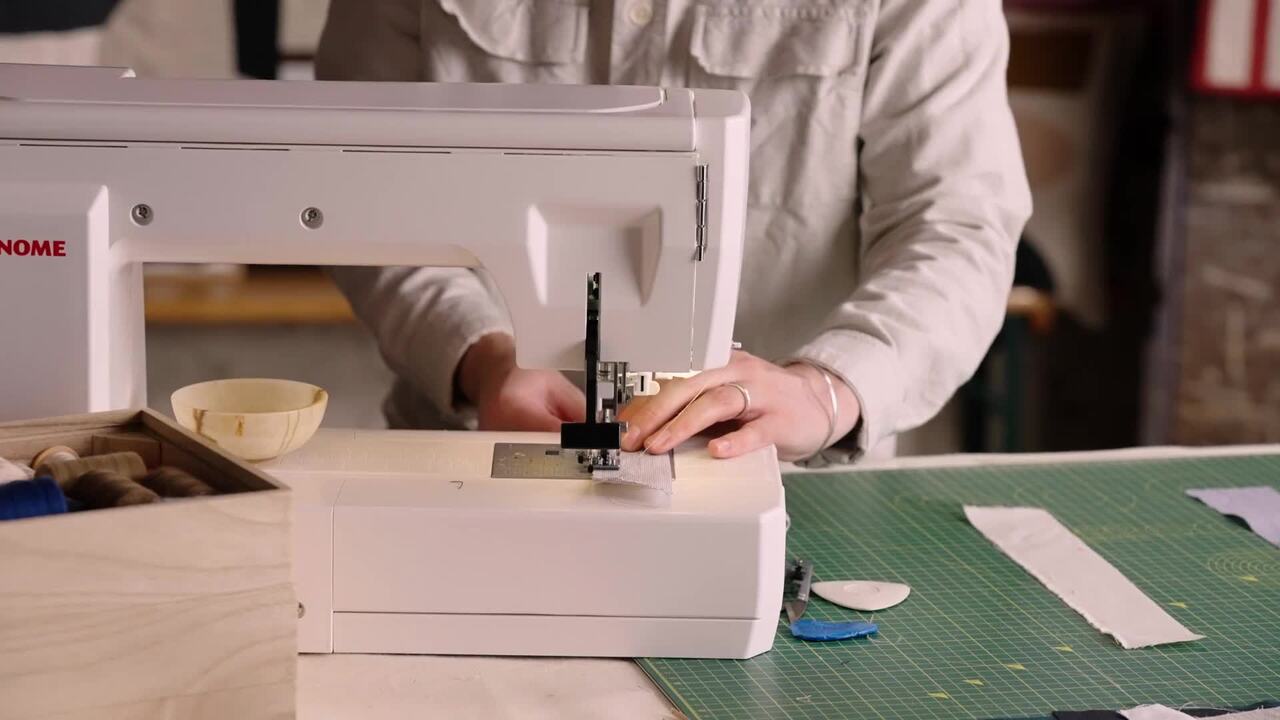
  1. Take your quilt top and bind it over to the sewing machine. Place it under the presser foot.
  1. Start stitching three-quarters of the way down.
  1. Do a small backstitch to secure your binding.
  1. Rotate your quilt top and binding at a 45-degree angle. Take a few stitches towards the corner of your quilt top. I do that by hand, turning the needle handle to do that.
  1. Lift up the presser foot and the needle. Take your work out of the machine and do a 45-degree fold of your binding while on the machine. Take to the presser foot again.
  1. Line your needle up a centimetre away from the edge. With your quilt and binding back under the foot, keep stitching a centimetre away from the edge and keep stitching around the quilt until you get to the following side.
  1. Once you get to the last edge and are sewing your binding down on the same line you began, stitch down 5–10cm (2–4 in) and, top stitching, do a backstitch to seam your binding in place.

Joining the Binding Edges

  1. Starting on the right-hand side of the opening take the tail of the binding and lay it flat, so the edge of the binding lines up with the edge of the quilt. Mark the binding in the same place as the mark on the quilt.
  1. Once you've placed the mark on the binding, measure a seam allowance. The seam allowance is half the measurement of the binding. If the binding is 7.6 cm (3 in), measure 3.8 cm (1½ in) away from the mark created.
  1. Trim the binding along the edge you have marked.
  1. Repeat steps 1–4 on the left-hand side of the binding.
  1. Open out the left-hand side of your binding so the right side of the fabric is facing you. With the binding on your right-hand side, do the opposite, so the inside of the binding is facing you.
  1. Fold your quilt so you have extra space to work. Line up the two cut edges of your binding to create a right angle.
  1. Pin the edges together, lining up the edges. Take the quilt over to machine and sew along the diagonal.

Tip: now is a good time to check that the binding lies flat against the edge of the quilt.

  1. Line the point of your needle up with the points of your bindings, sewing a diagonal line across the binding pieces to join them.
  1. As you sew, take out your pins and slowly sew across the line until you get to the opposite edge.
  1. Remove your binding from the machine and double-check that your binding fits correctly.
  1. Trim away the excess binding fabric at the corner, leaving a 1 cm (⅜ inch) seam allowance.
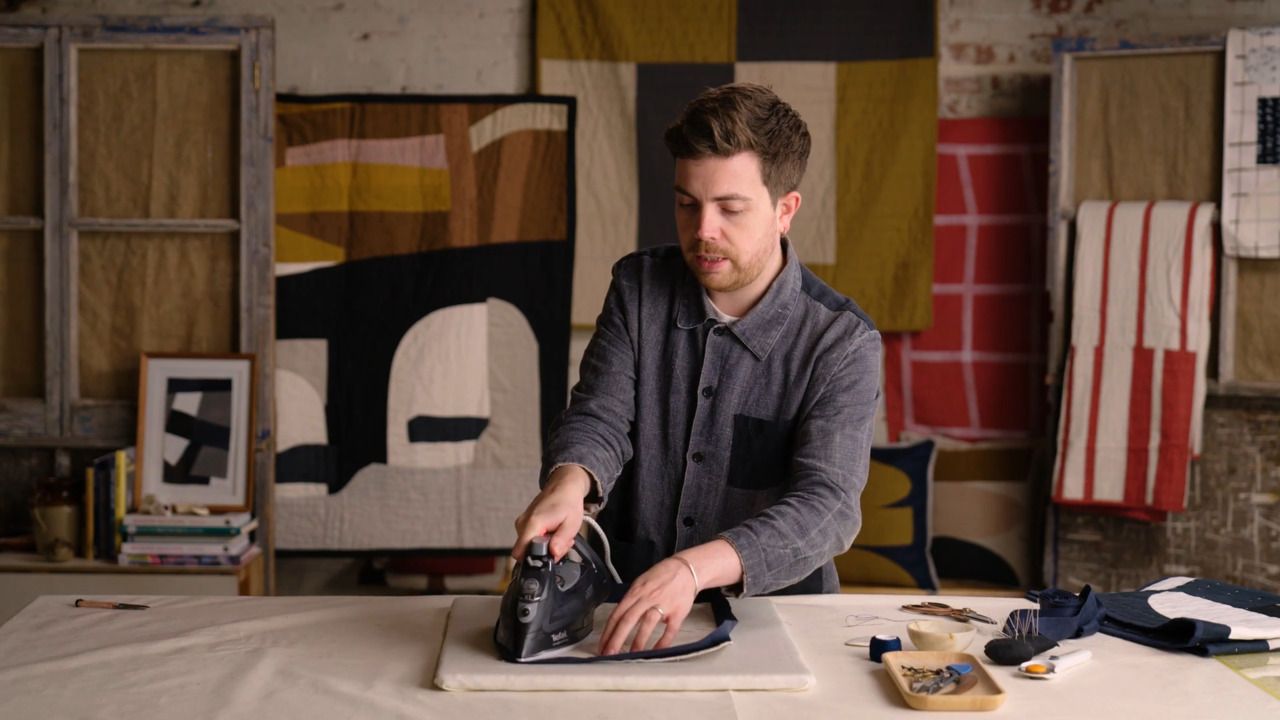
  1. Press the corner seam open and fold the binding back in half.
  1. Take your quilt back to the sewing machine and attach the binding so it's completely finished.
  1. When you get to the end, give it another little back stitch. Then take your quilt out of the machine and trim your thread. The binding is now fully attached.

Get the full workbook, video lessons, and more with a Create Academy subscription.

Subscribe to access the full workbook
Julius Arthur

Your Instructor

Julius Arthur

British textile artist specialising in handmade quilts and unique textile objects for the home.

Julius Arthur is a textiles designer specialising in quilts and unique objects for the home. His design practice, House of Quinn, creates small-batch homeware using traditional and age-old craft techniques and practices to cultivate contemporary design narratives onto familiar objects. His work is grounded in uncomplicated - often repurposed - materials and inspired by an abstract view of the places and things around us. Growing up in Cornwall, memories of childhood and a sense of home and belonging intersect in Julius' work. Quilts have become a staple motif in Julius' work - a way of combining materials, connecting through stitch and exploring shape, form and line - and the subject of his book Modern Quilting.

Access to all courses

Get access to Unlimited learning with a Create Academy subscription