










Interior and exterior confidence
Create Academy has been such a great resource. I'm in the middle of renovating a bungalow with a very large garden and the courses have offered a wealth of inform...
Harvey
Jun 10, 2026
The Ultimate Guide to Vegetarian Cooking
with ANNA JONES — The voice of modern vegetarian cooking. Chef, writer and internationally acclaimed author.
Lesson 30 of 38

Anna walks you through how to eat and shop seasonally and explains how by doing so your cooking both become more flavourful and more in keeping with your environment.
Make sure your fridge and freezer are at the right temperature. It may seem obvious but it's key to keeping things fresh.
Ethylene is a gas hormone that is emitted from particular fruits and vegetables when they are ripening. Some fruit and veg give it off and some are sensitive to it. It's a good idea to try not to store the foods that give it off with the foods that are sensitive to it will cause them to go off quicker. Keeping them separately in your fridge or on your worktop is a good idea. Ethylene gas can be helpful too, you can put an avocado in a paper bag with some bananas and the avocado will ripen quicker - the same with a mango. Know what does give off ethylene and keep them separately but don't worry too much.
Remember this isn't an exhaustive list
Ethylene-producing foods - apples / avocado / banana / honeydew melon / mango / pear / peach / plum / potatoes / strawberries / tomatoes
Ethylene-sensitive foods - asparagus / broccoli / sprouts / carrots / cauliflower / cucumber / herbs / lettuce / onions / squash
Waning vegetables mean they have softened and lost their moisture. Any veg that's looking sad or limp can be immersed in ice or cold water in a bowl in the fridge for 30 minutes and it will bring it back to life. This can be a salad leaf, root vegetable or even a herb.
I try to avoid plastic as much as I can in my kitchen. Leafy vegetables, herbs and fruits will do better if they are covered in the fridge. I use bees/soy wax wraps and old tote bags. I always wash a chop salad leaves to size when I get home. I place a clean tea towel at the bottom and load my vegetable compartment in my fridge with them.
I store soft herbs in glasses filled with a little cold water, as you would cut flowers, and keep them in the milk/bottle compartment in my fridge. This means I am met with an amazing smell every time I open it, it reminds me to use them and they last. The only exception to this is basil which goes black in the fridge.
There are many things that we tend to store in our store cupboard that is actually better suited for the fridge, this is dependent on how hot the climate is where you live. In the summer when it gets hotter many of the things mentioned are better in the fridge. In the summer I store nuts and seeds in the fridge as they have oils in them which go rancid. Flours, maple syrup and condiments should be stored in the fridge in the summer.
Onions and garlic are always better stored outside the fridge in a dark place. Most root vegetables; potato, sweet potato, and squash should always be stored outside the fridge in a cool, dark place. I never store eggs in my fridge.
Potatoes, sweet potatoes - Potatoes need cool, dry humid conditions. They need airflow so store in a cloth bag or bowl and definitely not in plastic. Away from the light is most important.
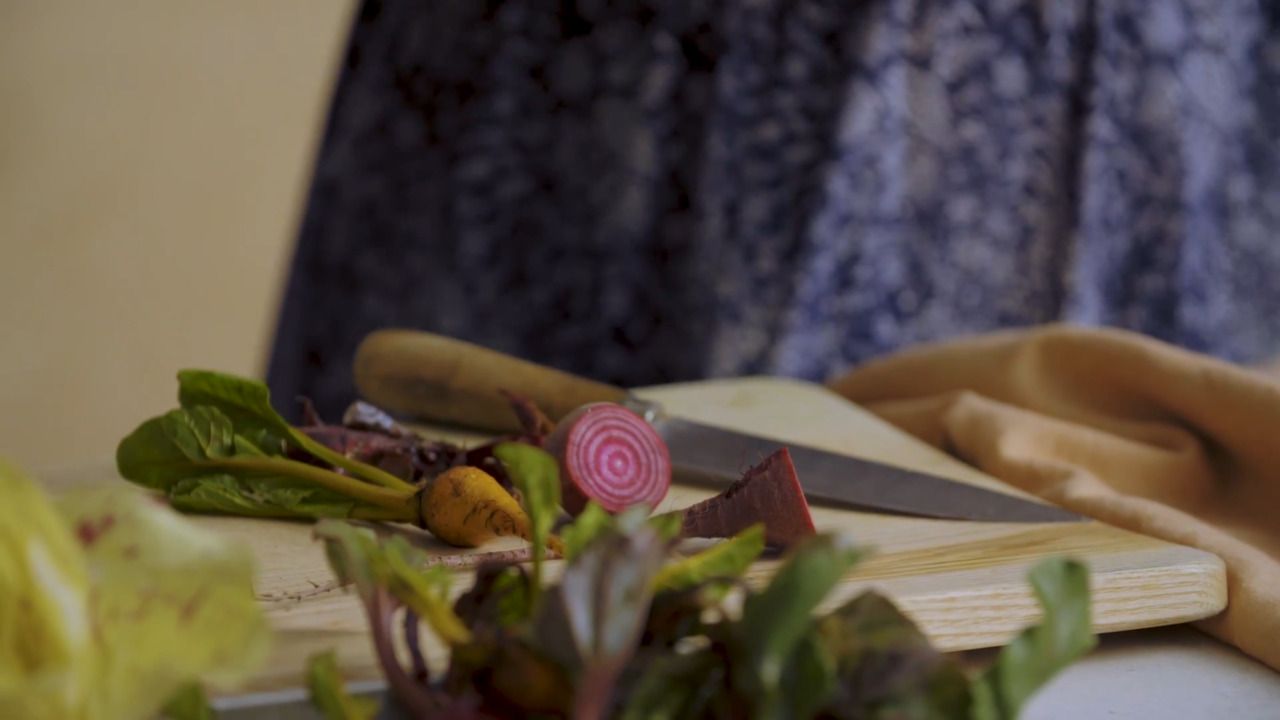
Carrots, parsnips, beets, radishes - store best and keep longest in the fridge in the salad compartment. If they have green tops then take these off as they will keep drawing moisture out of the root. The tops are totally useable so store them as you would herbs.
Brassicas - broccoli and cauliflower and cabbage - store in the fridge naked.
Onions and garlic - like a dry cool place, not the fridge - they do not need to be stored in the dark. Produces ethylene gas so do not store your onions with your potatoes.
Butternut and other squashes - fine at room temp for up to 6 months. Keep away from veg that emits ethylene gas (onions).
Tomatoes - store at room temp - not in the fridge.
Asparagus - like I recommend for herbs, in a glass with a little water like flowers.
Leafy greens - wrap in tea towels or cotton produce or reusable zip lock bags as they will keep fresh for longer.
Apples - ethylene gas-emitting - so store in the fridge separately if possible.
Pears - ethylene gas-emitting - so store in the fridge separately if possible.
Mango - give off and are sensitive to ethylene.
Avocado - they are sensitive to ethylene gas so you can put them next to fruits and veg to speed up ripening but if they are ripe pop them in the fridge away from anything that emits ethylene.
Citrus - I keep what I will use for a week on the counter - the rest I store in the fridge.
STORING FOOD - Wirecutter has an excellent video on how to store fruits and vegetables in the right way It is a great handy guide for those who would like to learn more about storing food. You can watch it here.
SUPPLIERS - Natoora are leading the food system and are pioneering transparency and sustainability in the food supply chain.
Able & Cole are on a mission to help as all life better. They work with farmers, makers and bakers providing quality food.
Oddbox - I love Oddbox, they are passionate about tackling food waste. Up to 40% of all produce in the UK is wasted before it leaves farms. Oddbox seeks to reduce this number partnering with farmers and selling 'odd' vegetables direct to consumer.
Riverford Organic Farmers are an organic farm and UK-wide organic vegetable box delivery company.
Get the full workbook, video lessons, and more with a Create Academy subscription.
Subscribe to access the full workbookAlready a member? Sign in to watch
510 reviews
Read moreCreate Academy has been such a great resource. I'm in the middle of renovating a bungalow with a very large garden and the courses have offered a wealth of inform...
Harvey
Jun 10, 2026
Absolutely love Create Academy! The instructors are extremely informative, and it is beautifully filmed. Create Academy is great value for money and plan on renew...
SG
May 31, 2026
Butter's creativity is stunning! Her ability to incorporate brilliance in small gardens is magical!
Carla
May 30, 2026
The best adventure. I like all the courses, but my favorite are both Rita Konig interior design courses and Anna Jones. Excellent!
Karolina Kluczewska
May 20, 2026
Create Academy has been such a great resource. I'm in the middle of renovating a bungalow with a very large garden and the courses have offered a wealth of information to dive into and explore new ideas. I'm...
Harvey
Jun 10, 2026
Absolutely love Create Academy! The instructors are extremely informative, and it is beautifully filmed. Create Academy is great value for money and plan on renewing my subscription yearly because there are ...
SG
May 31, 2026
Butter's creativity is stunning! Her ability to incorporate brilliance in small gardens is magical!
Carla
May 30, 2026

Your Instructor
The voice of modern vegetarian cooking. Chef, writer and internationally acclaimed author.
Over the past decade, Anna Jones’ endlessly inventive approach to food has made her the voice of modern vegetarian cooking. Her books have been translated into five different languages and sold in 10 different countries, with the most recent ‘One’, being a Sunday Times bestseller and ‘The Modern Cook’s Year’ winning the coveted Observer Food Best Cookbook Award and The Guild of Food Writers Cookery Book Award. Having written well over a thousand recipes, Anna has quickly become the go-to cook for joyful, creative and simple vegetarian recipes.

Access to all courses


