










Interior and exterior confidence
Create Academy has been such a great resource. I'm in the middle of renovating a bungalow with a very large garden and the courses have offered a wealth of inform...
Harvey
Jun 10, 2026
The Ultimate Guide to Vegetarian Cooking
with ANNA JONES — The voice of modern vegetarian cooking. Chef, writer and internationally acclaimed author.
Lesson 9 of 38

Subscribe to watch
Layering flavour doesn’t have to be complex; Anna explains her approach by breaking down flavour into a few key elements.
Flavour is really the backbone of cooking, and the first thing I think about when planning a meal. It is also a complex and multidimensional subject, with lots of layers.
Nik Sharma's Flavour Equation is an amazing read. For him, flavour involves our emotions, taste, smell, texture and sight.
EMOTION - Your emotional state when you try a dish affects how you perceive the flavour.
TASTE - Taste is an instinct - on a basic level it guides us to foods that are safe and to reject those that aren't.
SMELL - Smell is an often forgotten part of cooking. A huge part of how we taste food is actually how we smell it.
TEXTURE - Texture is how food feels in your mouth, from crunchy and chewy to soft and creamy.
SIGHT - We eat with our eyes; the colours and shapes and look of food is crucial in whetting our appetites and building our perception of what we eat. We associate different colours with different flavours.
The majority of the food we eat is somewhat acidic, and a little acidity in our diet is refreshing and energising. Acid is often the simplest flavour to add to cuisine. Acid also cuts through fat - think gherkins in a burger or vinegar on chips
There are a million different types of vinegar. For me cider and red wine vinegar are favourites. A little drizzle of those over a tray of roasted vegetables or new potatoes can really lift a meal and add the unexpected dimension.
Limes are more acidic than lemons. When a stronger bright sourness is needed, go for limes. The juice and zest bring different types of acidity. Grapefruit is another under-used citrus fruit that brings sweetness, acidity and a bit of bitterness. Blood oranges have a lovely gentle acidity.
Sumac has a lemony note to it and is great for adding acidity to your food. Greek yoghurt, natural yoghurt, buttermilk and kefir have a lovely acidity to them. Their sourness comes from the fermentation of bacteria and they add freshness with their acidity. Tamarind has a sweet surprising acidity and pairs well with Thai cooking.
In my kitchen, I have two types of salt. I have coarse sea salt and fine sea salt. I use the more coarse salt for finishing food as it has a cleaner taste. I use the finer sea salt for pasta water and cooking.
Soy sauce is another great way to add saltiness to your food. Capers, cornichons, olives, pickles, stock and miso paste also have a saltiness. Vegetables cook quicker and retain more nutrients when cooked in salted water so I would definitely recommend that.
Try adding salt to sweet food too. I add a little bit of salt to things like my morning porridge but also to anything I bake with chocolate and pretty much any cake I make. Adding salt brings out the sweetness, which means you can add less sugar.
Sweetness is a key part of cooking for me and by that, I don't mean adding loads of sugar. Lots of vegetables naturally have their own inherent sweetness.
I listed sugars that I enjoy using in the store cupboard section, but my favourites are muscovado sugars, which have a deep dark almost black treacle caramel consistency. I also love honey and maple syrup I think they bring a brighter fresher sweetness and I use honey and maple syrup a lot in my cooking.
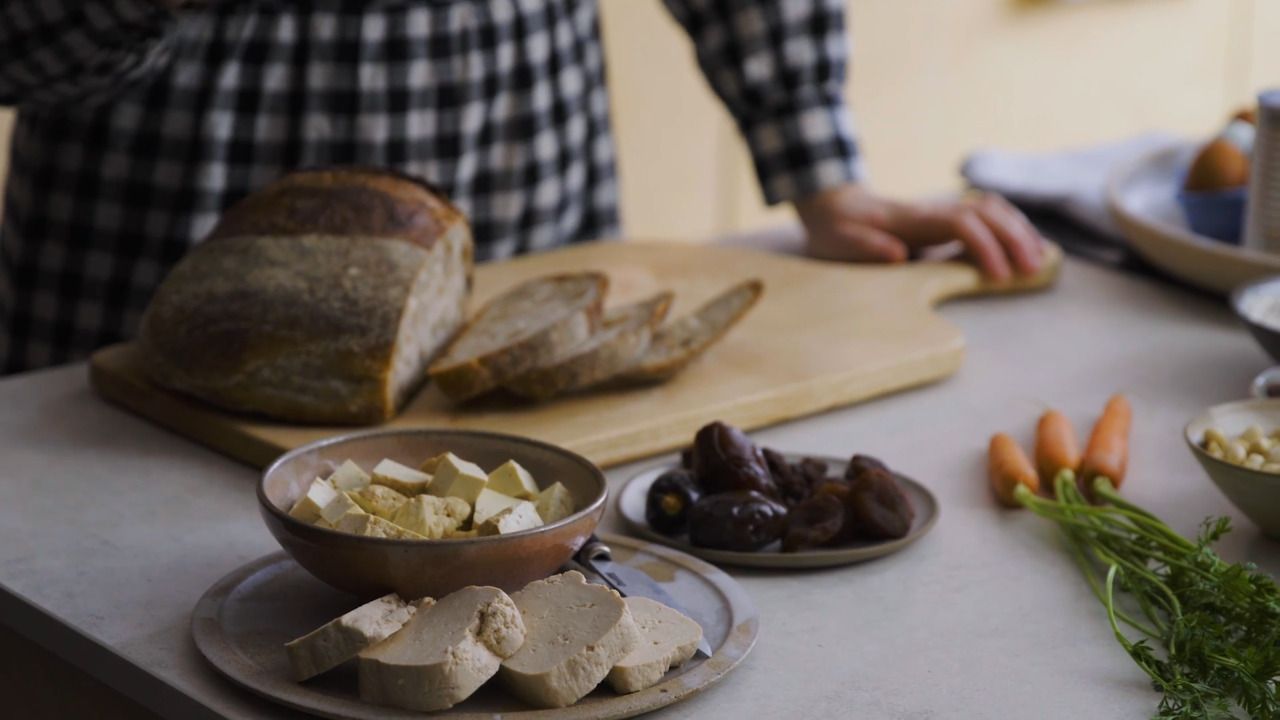
Fruit can also bring sweetness to your food - think about blood oranges in a bitter leaf salad. Also adding dried fruit like chopped up dates can add that rounded sweetness.
Savouriness, or umami in Japanese, is a recently discovered flavour dimension. This is a newly defined taste, but it's really nothing new; it's been around forever. Think grating parmesan over pasta or incorporating ginger, garlic, and onions into soups, broths, and curries.
Seaweed - I like using seaweed to flavour broths and stocks and it also add nutrients.
Miso - A type of fermented soybean paste, it's widely available these days. It is amazing in gravies and dressings.
Parmesan - Most parmesan is not vegetarian, so if you are a strict vegetarian then you should search out a vegetarian Parmesan cheese made without animal rennet. Deep umami flavour here comes from the ageing process - most parmesan is aged for at least 12 months.
Mushrooms - A great way of adding savoury flavour to a dish. Dried mushrooms can be good at adding that umami hit as their flavour is more concentrated than fresh mushrooms.
Soy sauce/Tamari - It's made by fermenting soybeans. I generally use tamari as I think it's less intensely salty and sometimes has a more rounded flavour, but they can be used interchangeably in most recipes.
Marmite - Is great to add to chillis and vegetarian ragus as it brings that roundedness.
Heat or fieriness isn't one of our 5 official tastes, and is actually a protective reaction to something too spicy. Chillies are measured on the Scoville scale which ranges from about 1000 to about 2 million. I've eaten a Dorset Naga (1.6 million Scoville), which is up there on the heat scale and I can confirm that it is quite an intense experience.
Fresh chilli - Always taste a bit from the middle of a chilli before adding it to your food, and remember most of the heat is in the seeds and white pith. Chillies vary hugely in spice and flavour profile. For example, green chillies have a fresh, bright heat, whilst red chillies such as a scotch bonnet have a fruitier, hotter heat.
Dried Chilli - In general dried chillies are hotter than fresh ones. I keep a range of dried chillies in my pantry including standard dried chilli flakes, Kashmiri chilli powder, Turkish chilli or Aleppo pepper and cayenne. I also keep some chipotle paste in my fridge. The best way to counter the burning heat of chilli if you've eaten too much is by drinking milk or eating yoghurt. Drinking water actually make it worse.
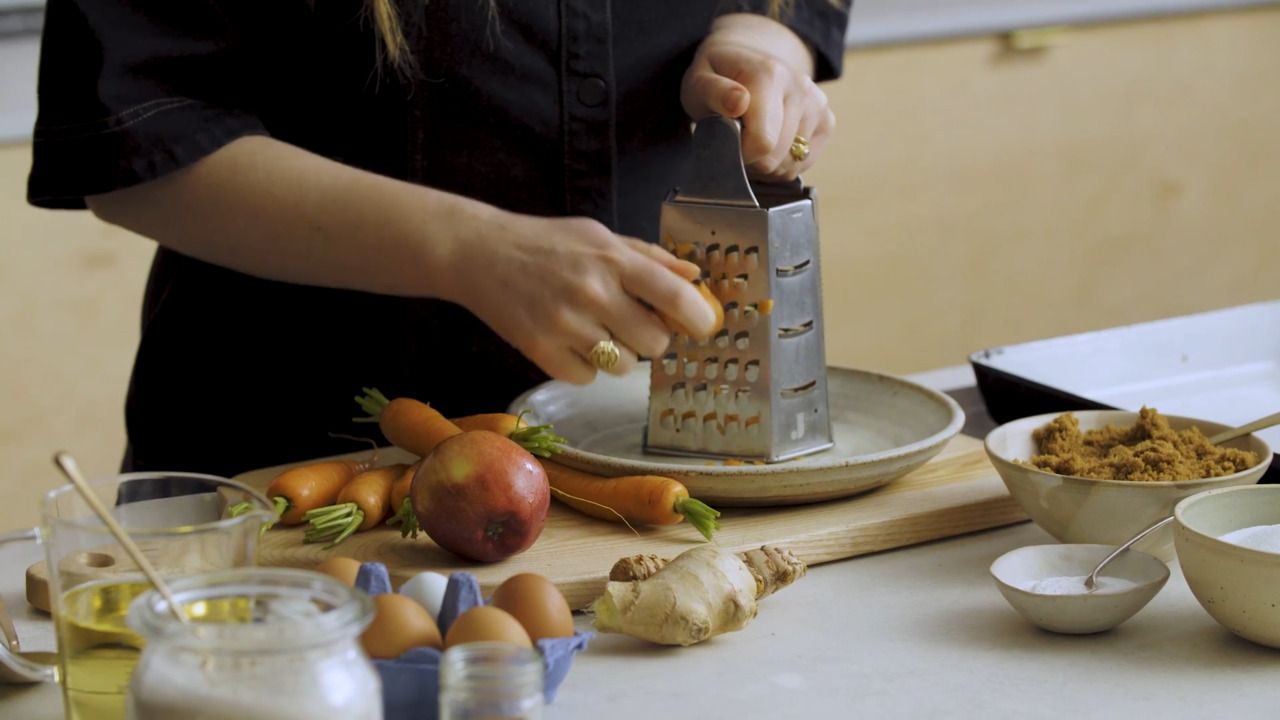
Ginger - Ginger is a favourite way to add heat both to savoury and sweet dishes, such as gingerbread and ginger cake. I enjoy cooking with stem ginger, it has a wonderful blend of sweetness and spiciness.
Peppercorns - Black peppercorns are another brilliant way to add heat. Szecuan peppercorns add a completely different dimension of heat.
The allium family - These vegetables, including shallots, onions, scallions, garlic, leeks, and chives, have a mild heat.
Mustard - A fantastic technique to add spice without overpowering the dish with fire.
Get the full workbook, video lessons, and more with a Create Academy subscription.
Subscribe to access the full workbookAlready a member? Sign in to watch
491 reviews
Read moreCreate Academy has been such a great resource. I'm in the middle of renovating a bungalow with a very large garden and the courses have offered a wealth of inform...
Harvey
Jun 10, 2026
Absolutely love Create Academy! The instructors are extremely informative, and it is beautifully filmed. Create Academy is great value for money and plan on renew...
SG
May 31, 2026
Butter's creativity is stunning! Her ability to incorporate brilliance in small gardens is magical!
Carla
May 30, 2026
The best adventure. I like all the courses, but my favorite are both Rita Konig interior design courses and Anna Jones. Excellent!
Karolina Kluczewska
May 20, 2026
Create Academy has been such a great resource. I'm in the middle of renovating a bungalow with a very large garden and the courses have offered a wealth of information to dive into and explore new ideas. I'm...
Harvey
Jun 10, 2026
Absolutely love Create Academy! The instructors are extremely informative, and it is beautifully filmed. Create Academy is great value for money and plan on renewing my subscription yearly because there are ...
SG
May 31, 2026
Butter's creativity is stunning! Her ability to incorporate brilliance in small gardens is magical!
Carla
May 30, 2026

Your Instructor
The voice of modern vegetarian cooking. Chef, writer and internationally acclaimed author.
Over the past decade, Anna Jones’ endlessly inventive approach to food has made her the voice of modern vegetarian cooking. Her books have been translated into five different languages and sold in 10 different countries, with the most recent ‘One’, being a Sunday Times bestseller and ‘The Modern Cook’s Year’ winning the coveted Observer Food Best Cookbook Award and The Guild of Food Writers Cookery Book Award. Having written well over a thousand recipes, Anna has quickly become the go-to cook for joyful, creative and simple vegetarian recipes.

Access to all courses


