
Interior and exterior confidence
Create Academy has been such a great resource. I'm in the middle of renovating a bungalow with a very large garden and the courses have offered a wealth of inform...
Harvey
Jun 10, 2026
An Expert Guide to Enjoying Wine
with HELEN MCGINN — International wine judge, presenter, acclaimed author. Fortnum & Mason’s ‘Drink Writer of the Year’.
Lesson 3 of 25
Subscribe to watch
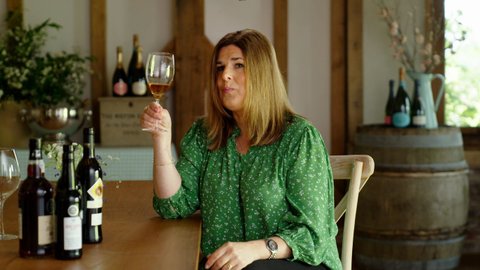
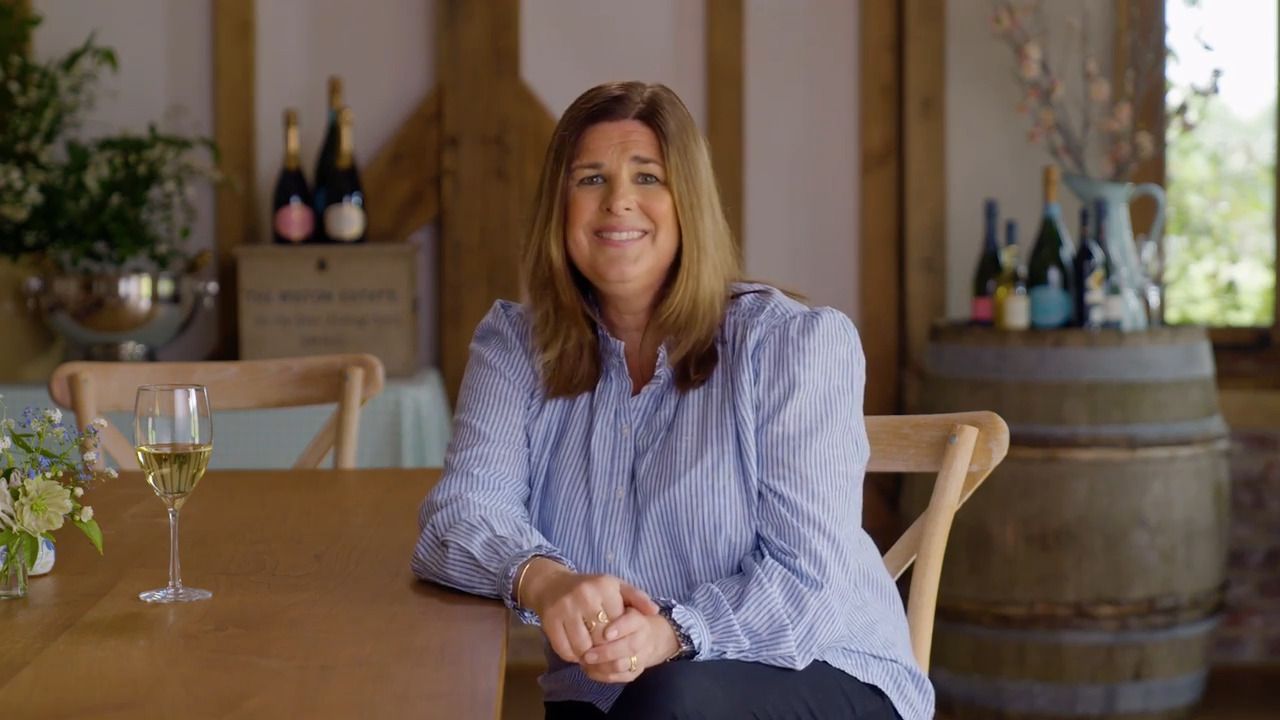
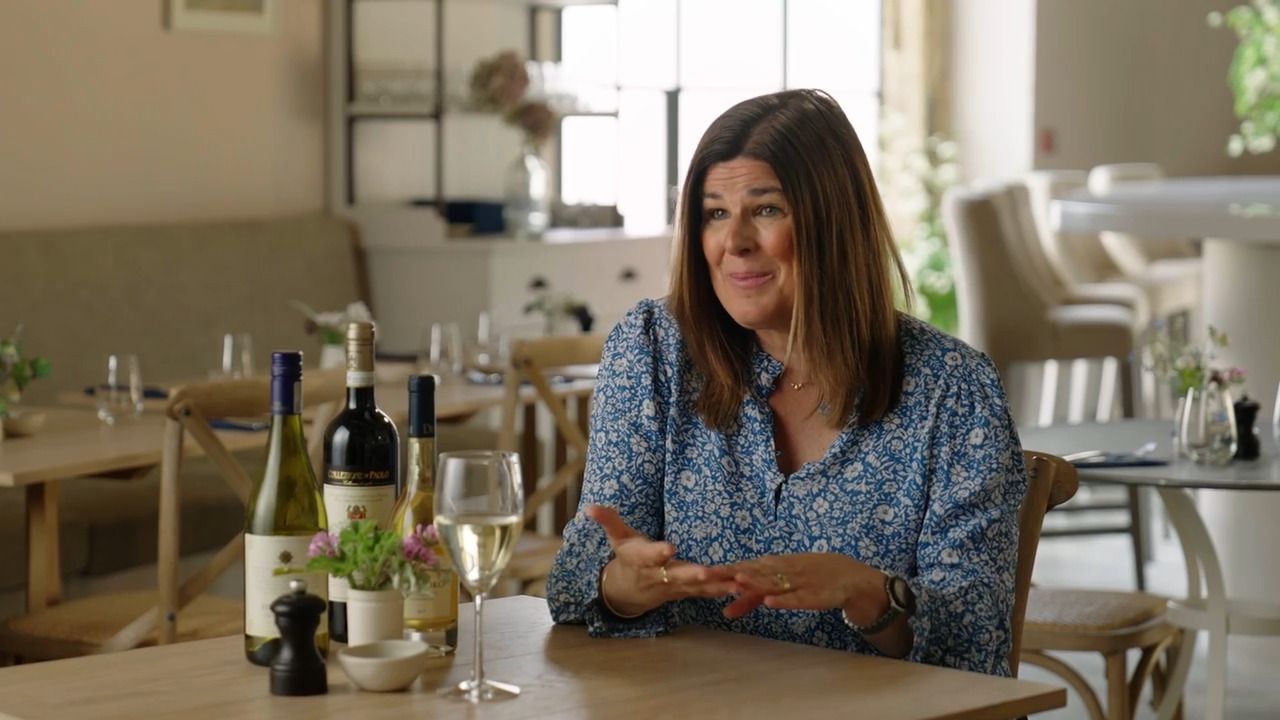
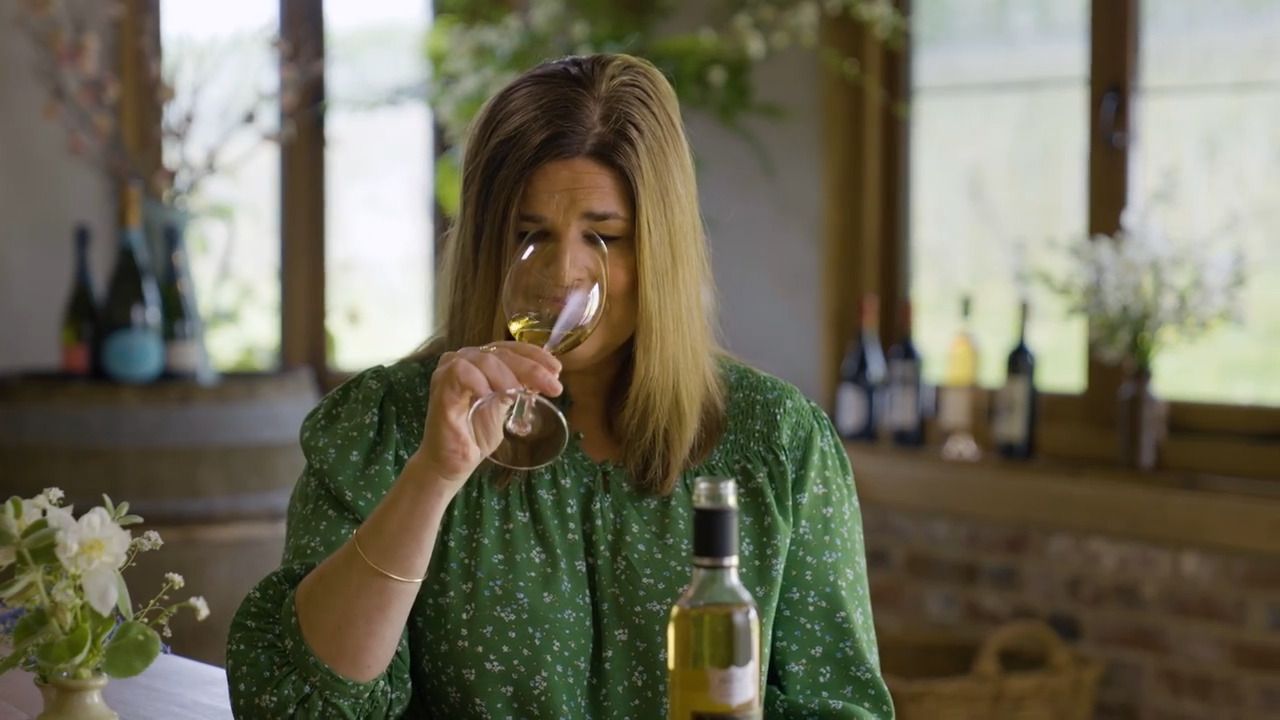
With thousands of different wines out there, it can be difficult to know where to begin. My advice is to start simple and focus on one grape variety at a time, slowly exploring all it has to offer.
With thousands of different wines out there, it can be difficult to know where to begin. My advice is to start simple and focus on one grape variety at a time, slowly exploring all it has to offer.
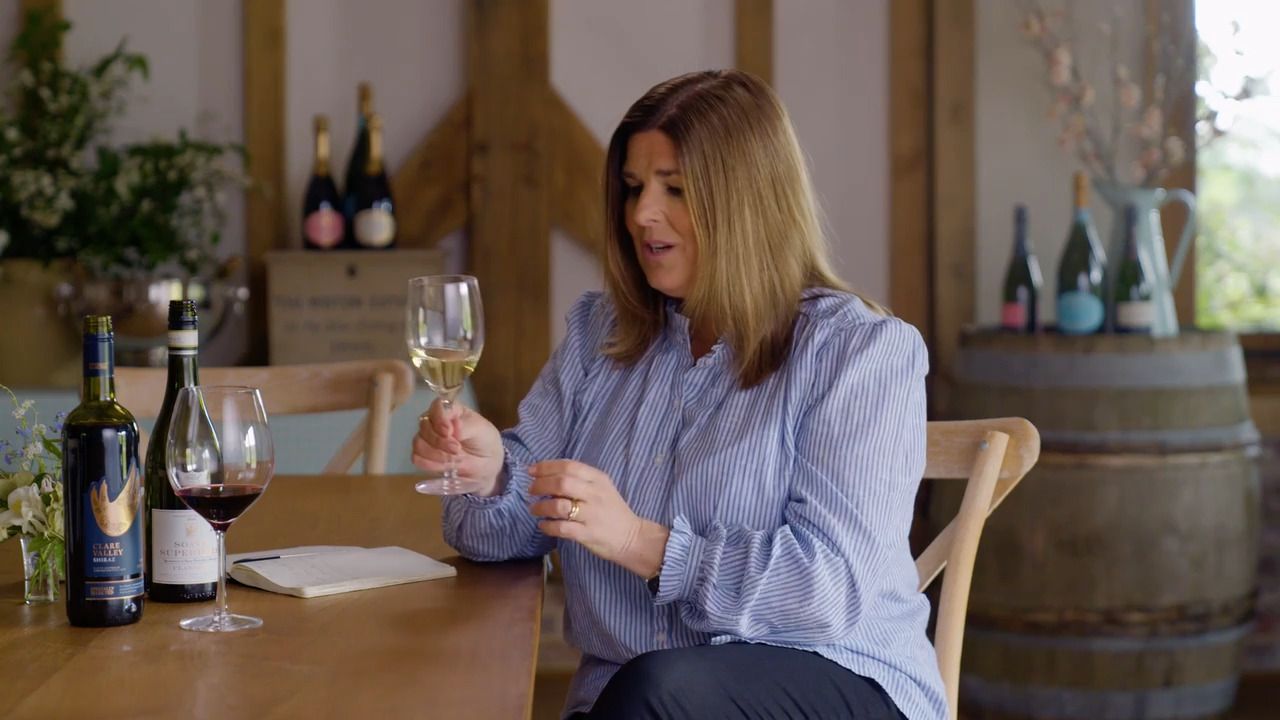
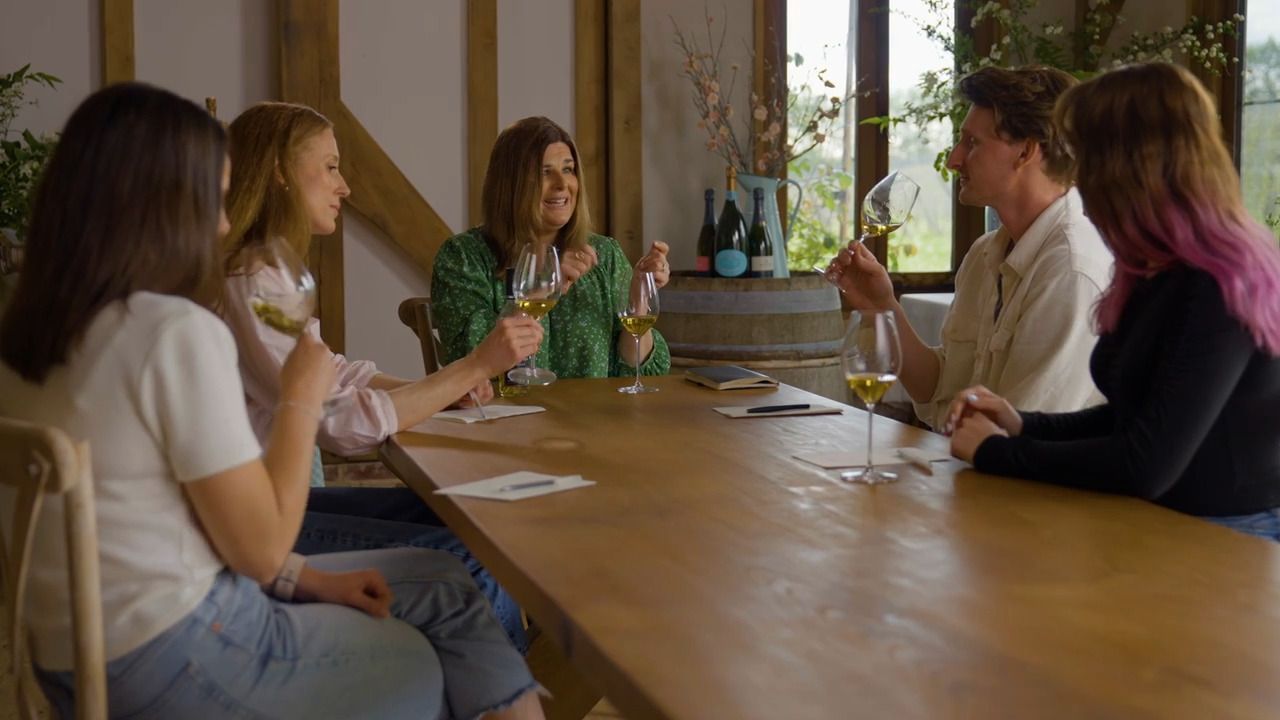
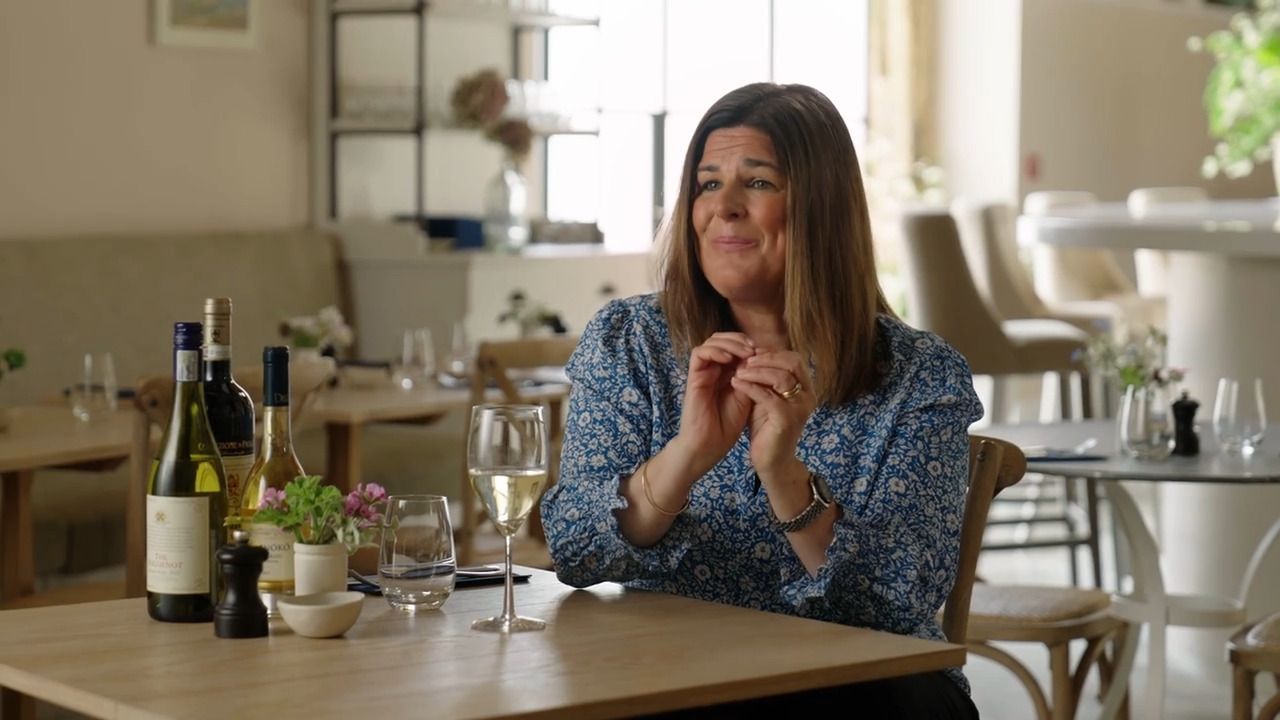
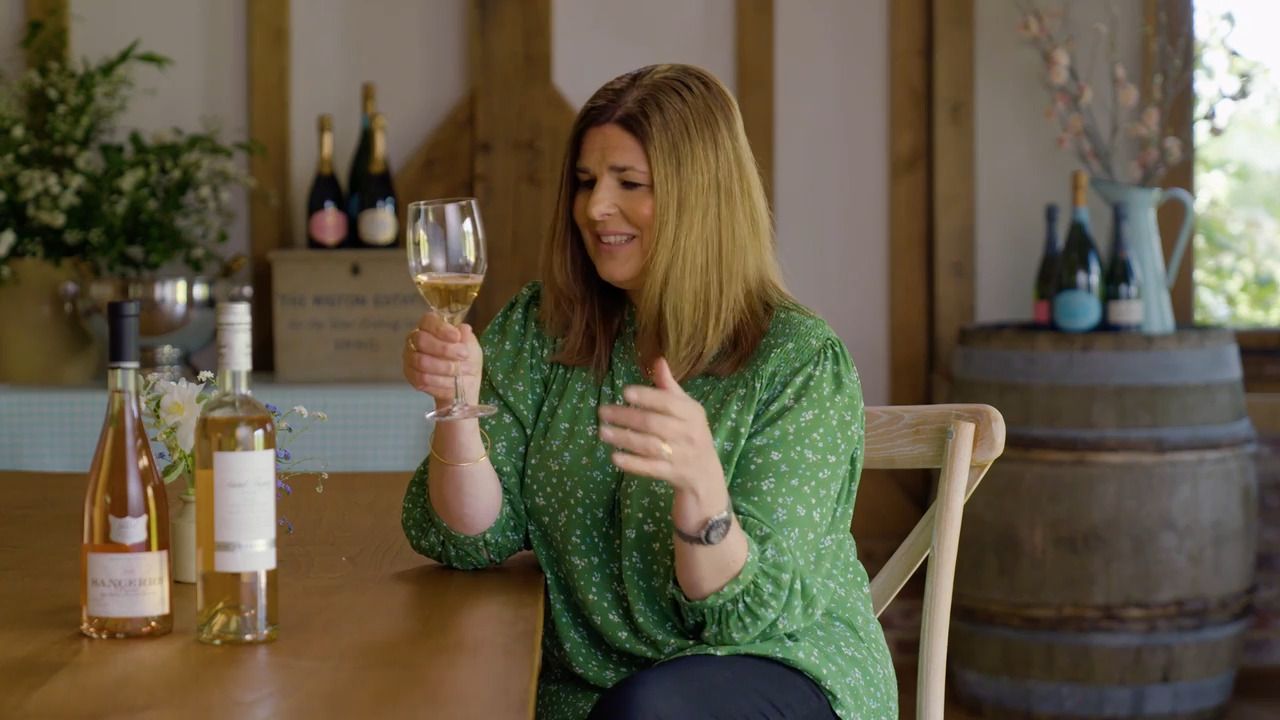
To really learn and appreciate how the grape variety, place and people influence the taste of different wines, you need to taste a couple side by side. You could begin by taking the same grape, but from different countries.
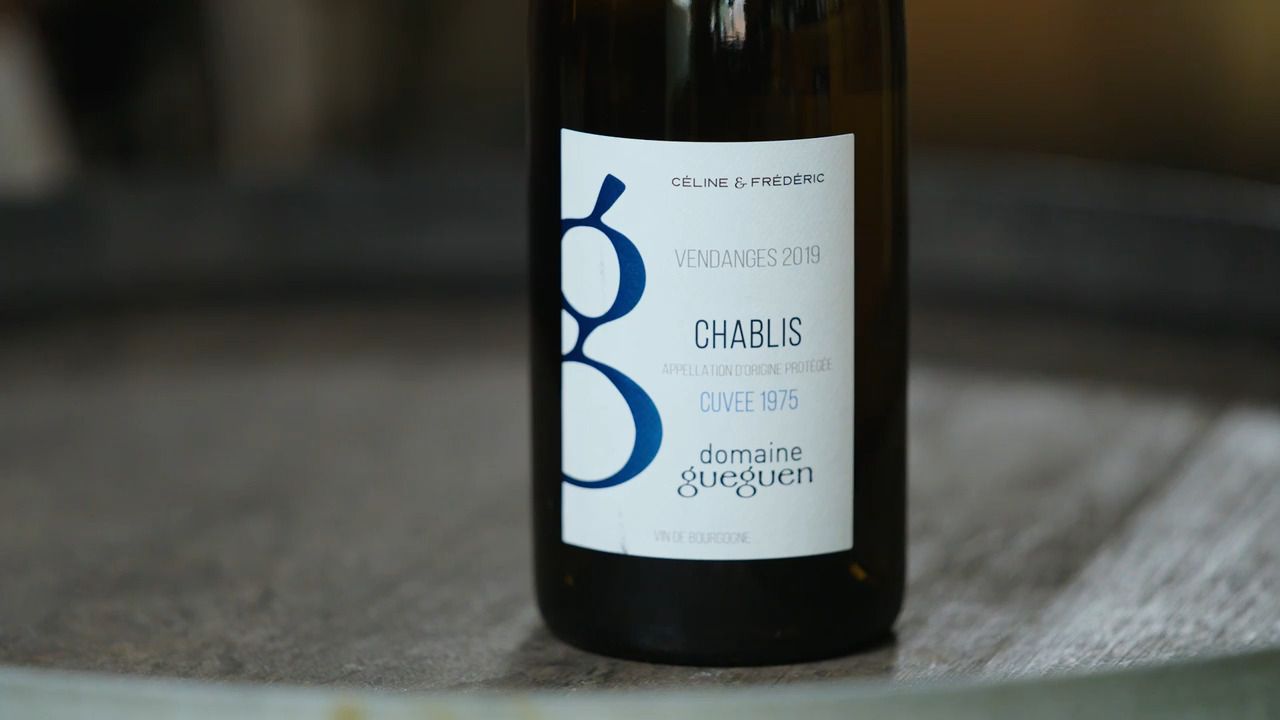
Chardonnay from the Chablis region in Northern France
Cool climate = crisper taste
Chardonnay from California
Warm climate = riper taste
Chardonnay from a cool coastal region in Chile
Marginal climate = a taste that's somewhere in between crisp and ripe
You can also try different grape varieties side by side to see what style you prefer and which grape you gravitate towards.
Cabernet Sauvignon
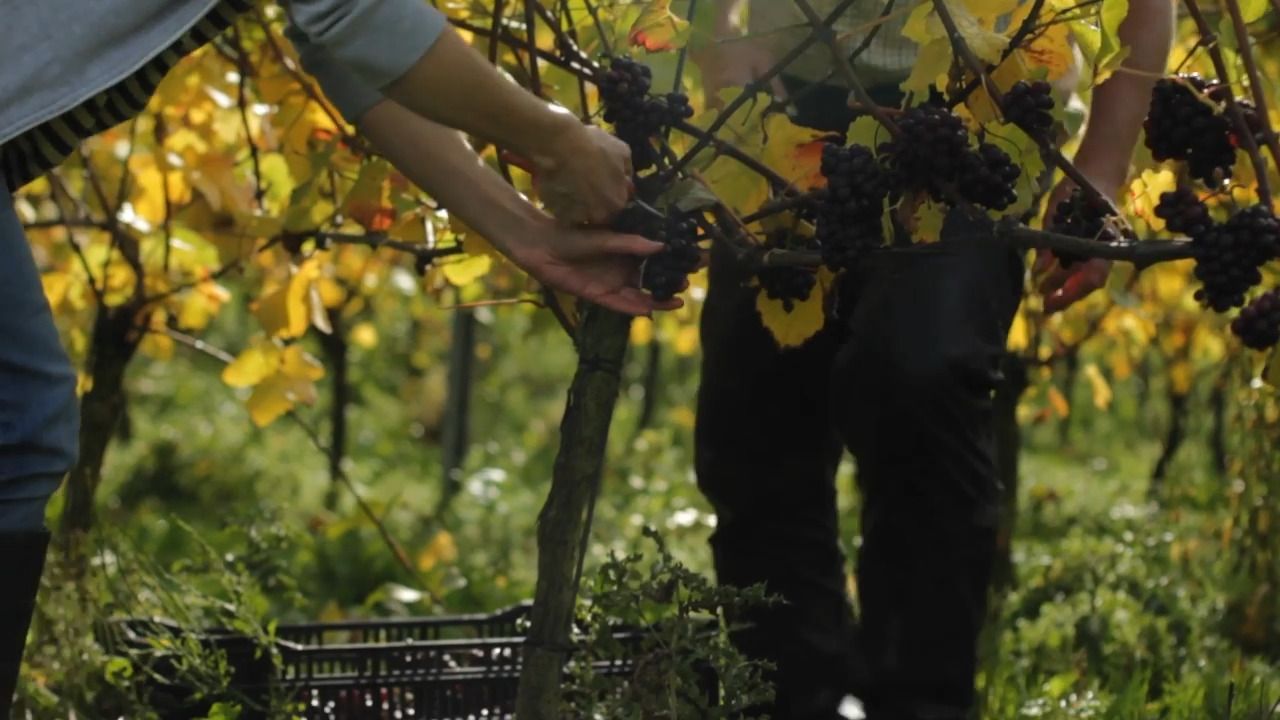
Black grape - thick skin = more tannin for a bolder flavour
Pinot Noir
Black grape - thin skin = less tannin for a lighter flavour
Wherever they are grown, these two grape varieties will always have these key differences.
You can also compare the flavour profiles of different white grape varieties. Going for grapes at opposite ends of the flavour spectrum will allow you to really understand just how different white wines can be.
Sauvignon Blanc
White grape - fresh, aromatic and citrus
Viognier
White grape - peachy, ripe and tropical
By understanding the flavour profile of a wine, you can begin to think about how these could match the different flavours of food.
A light, fresh and lemony white works beautifully with grilled fish and salads, whereas the ripe and peachy style of white can match slightly stronger flavours such as roast chicken or fish pie.
Traditionally, we think of wines as being split into two categories; Old World and New World. This is based on the country in which they're made – Old World being the countries where winemaking originated, and New World describing the countries that started making wine relatively recently.
Old World
France
Spain
Italy
New World
Australia
South Africa
Chile
The difference is now much less defined as the world of wine evolves. In the past, it might have been considered that Old World wine was more refined and subtle, whereas New World wine was thought of as sunnier and riper. However, this is no longer necessarily the case.
Winemakers from both Old and New World countries are increasingly trying new things and planting vineyards in different locations and climates, which has led to big changes in the traditional flavour profiles you might previously have expected.
This means you can now get all sorts of wine from all over the world, meaning there's more fun to be had in discovering what you like.
One of the key differences between Old World wine and New World wine is the rules and regulations that apply in certain countries. In very traditional Old World countries such as France, Spain and Italy, there are very strict rules in place about what can be made, and where.
For example, for a wine to be able to put 'Chablis' on its label, it can only be made in that specific region, can only use grapes from a certified list, and must also abide by rules that dictate the quantities of grapes that can be picked, and when.
New World wines have very few rules and regulations, which actually works in their favour as this means more freedom to experiment with what grows best where.
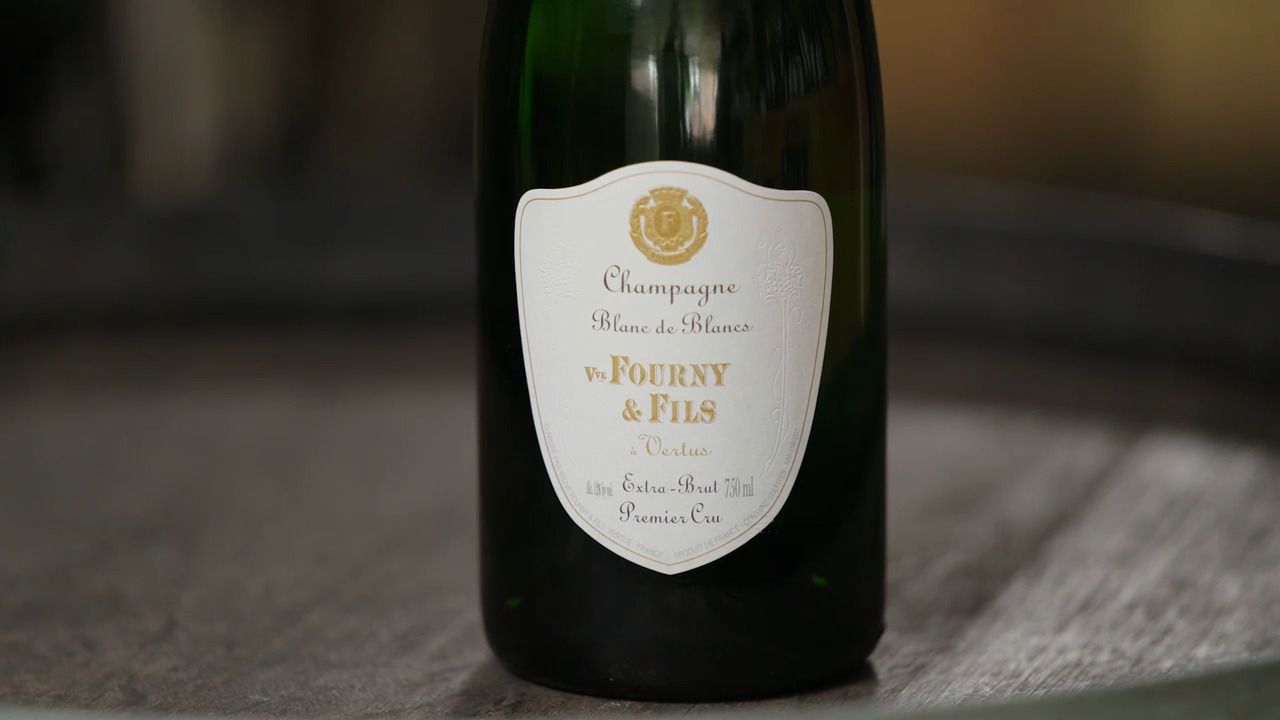
When embarking on your wine discovery journey, it's a good idea to really get your head around the classics – from both the Old and New World. Here are some to get you started…
Old World whites
Chardonnay grape from Burgundy, France
Sancerre - Sauvignon Blanc grape from the Sancerre region in the Loire Valley, France
Old World reds
Chianti - Sangiovese grape from the Chianti region in Tuscany, Italy
Bordeaux - a blend of permitted grape varieties, commonly Cabernet Sauvignon and Merlot from the Bordeaux region in France
New World whites
Chenin Blanc grape from South Africa
Chardonnay from Chile
New World reds
Malbec grape from Argentina
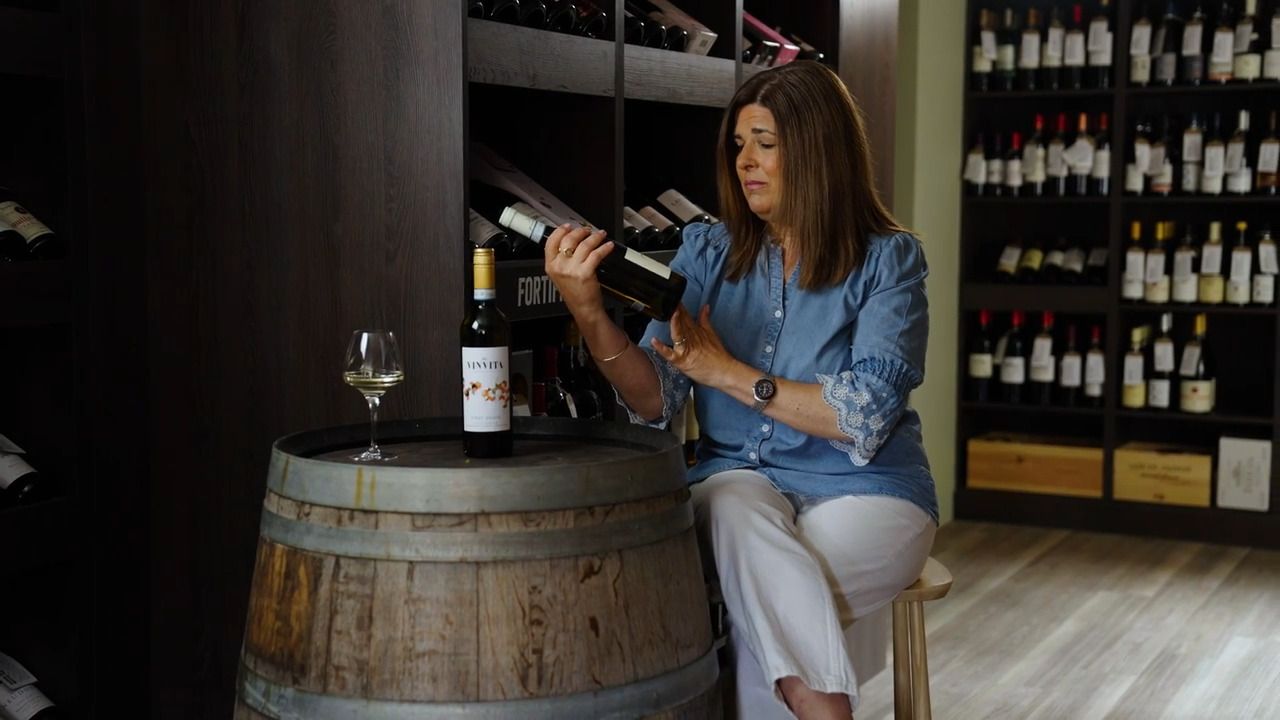
There are certain grape varieties that are grown all over the world and are very familiar to us. If you start by tasting a grape from its traditional homeland, you'll have a good starting point to understand the style and fundamental flavour profile of that particular grape. Then, you can start to explore how that grape tastes when it's grown in another region or country.
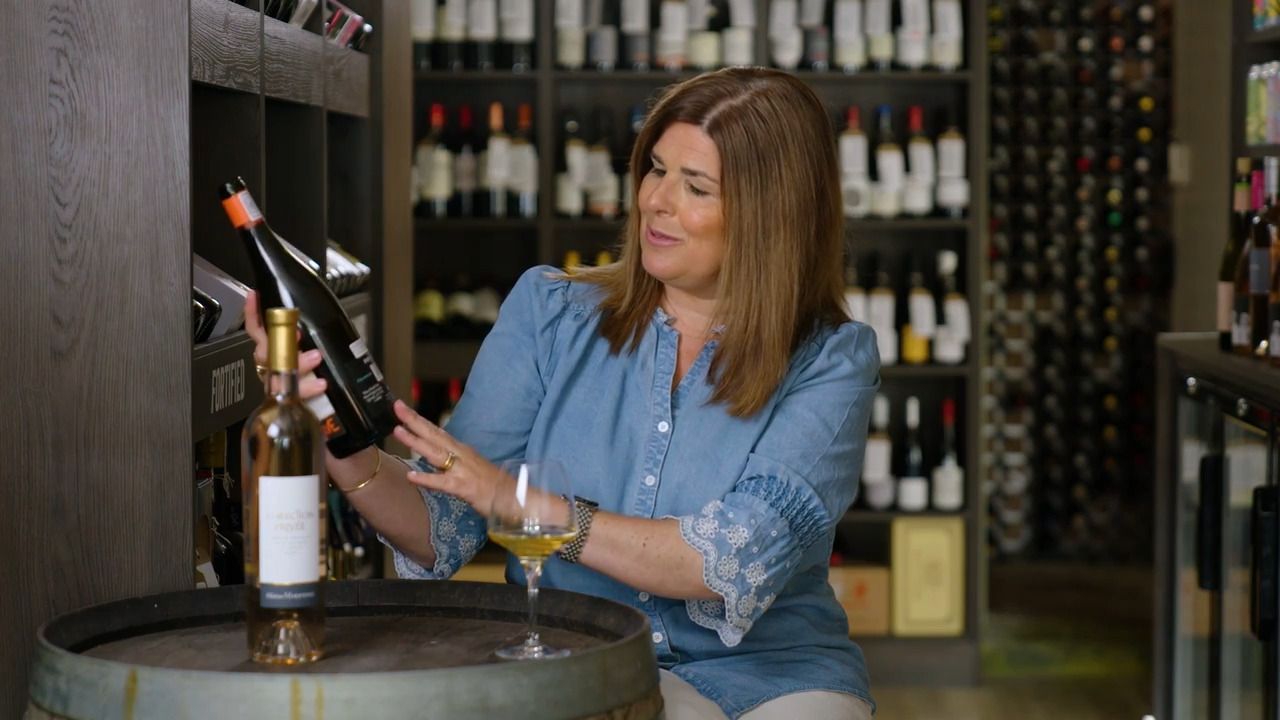
Choose a classic grape that you like, and research where its traditional homeland is. Taste this wine alongside a couple of other wines that use the same grape but are grown in different regions or countries, and compare the flavours.
Get the full workbook, video lessons, and more with a Create Academy subscription.
Subscribe to access the full workbookAlready a member? Sign in to watch
491 reviews
Read moreCreate Academy has been such a great resource. I'm in the middle of renovating a bungalow with a very large garden and the courses have offered a wealth of inform...
Harvey
Jun 10, 2026
Absolutely love Create Academy! The instructors are extremely informative, and it is beautifully filmed. Create Academy is great value for money and plan on renew...
SG
May 31, 2026
Butter's creativity is stunning! Her ability to incorporate brilliance in small gardens is magical!
Carla
May 30, 2026
The best adventure. I like all the courses, but my favorite are both Rita Konig interior design courses and Anna Jones. Excellent!
Karolina Kluczewska
May 20, 2026
Create Academy has been such a great resource. I'm in the middle of renovating a bungalow with a very large garden and the courses have offered a wealth of information to dive into and explore new ideas. I'm...
Harvey
Jun 10, 2026
Absolutely love Create Academy! The instructors are extremely informative, and it is beautifully filmed. Create Academy is great value for money and plan on renewing my subscription yearly because there are ...
SG
May 31, 2026
Butter's creativity is stunning! Her ability to incorporate brilliance in small gardens is magical!
Carla
May 30, 2026

Your Instructor
International wine judge, presenter, acclaimed author. Fortnum & Mason’s ‘Drink Writer of the Year’.
With over a decade of experience sourcing and sampling wines from around the world, it’s safe to say Helen McGinn knows a good bottle. When she moved away from her career as a wine-buyer to raise a family, the requests for recommendations from friends and family persisted and her fascination with good wine remained - so she set up her now award-winning blog ‘The Knackered Mother’s Wine Club’. As well as sharing tips on where to buy the best wine, Helen used her substantial knowledge to help people navigate and understand the complexities of different wines. It’s Helen’s approachable ability to give anyone the confidence to choose and drink better wine that has earnt her a regular seat on ITV’s This Morning and BBC’s Saturday Kitchen. She is also an international wine judge and an author of two novels.
Access to all courses


