


Interior and exterior confidence
Create Academy has been such a great resource. I'm in the middle of renovating a bungalow with a very large garden and the courses have offered a wealth of inform...
Harvey
Jun 10, 2026
An Expert Guide to Enjoying Wine
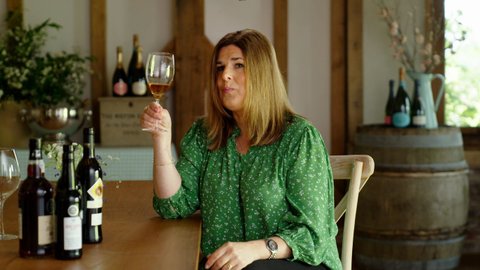
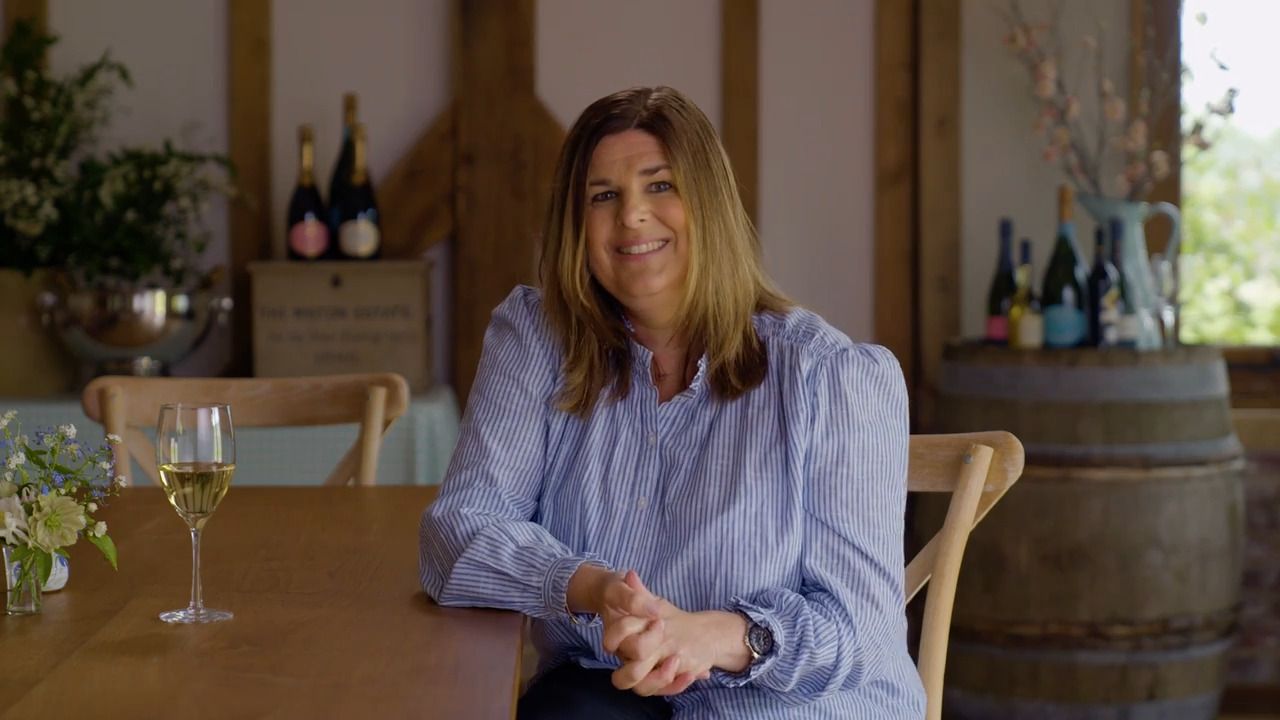
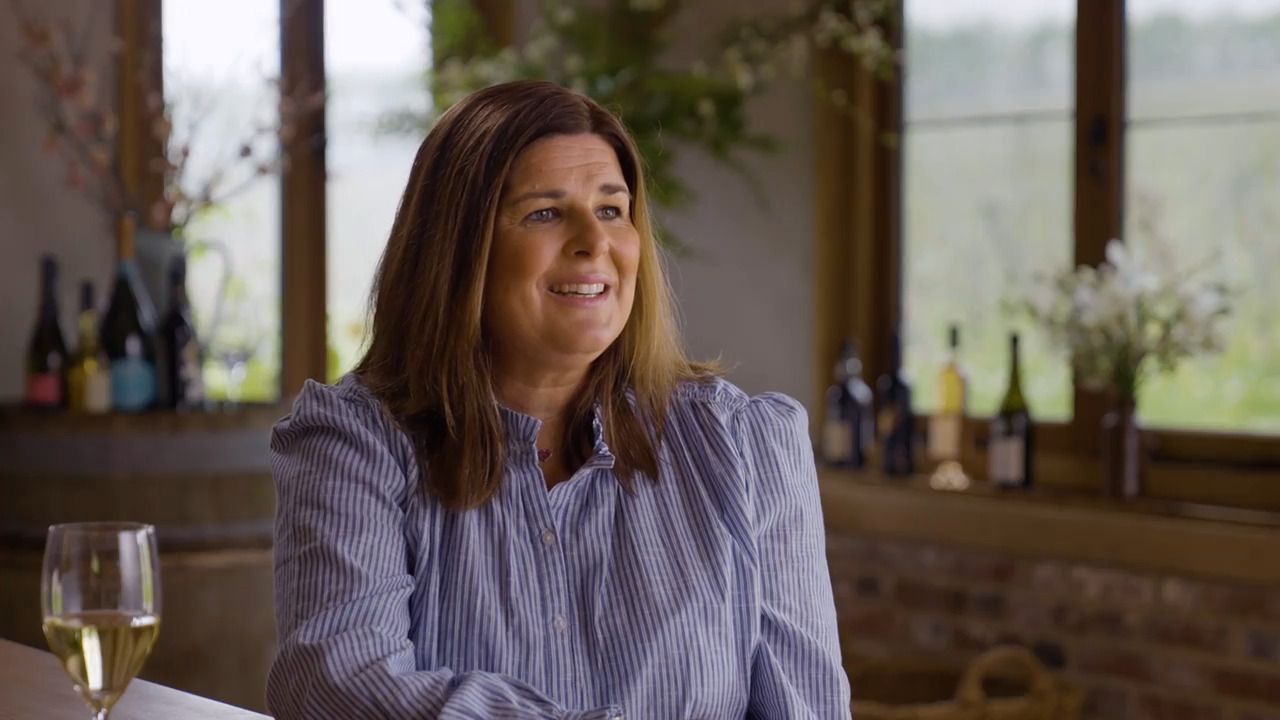
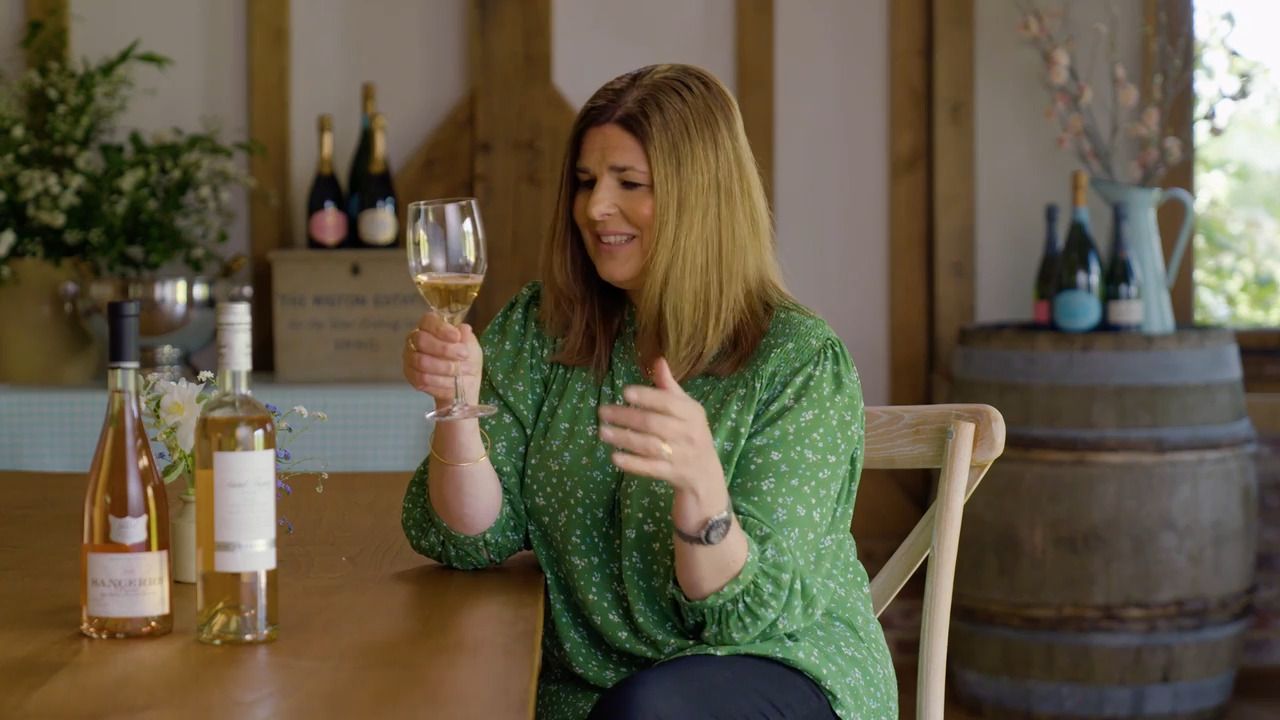
with HELEN MCGINN — International wine judge, presenter, acclaimed author. Fortnum & Mason’s ‘Drink Writer of the Year’.
Lesson 6 of 25
Subscribe to watch
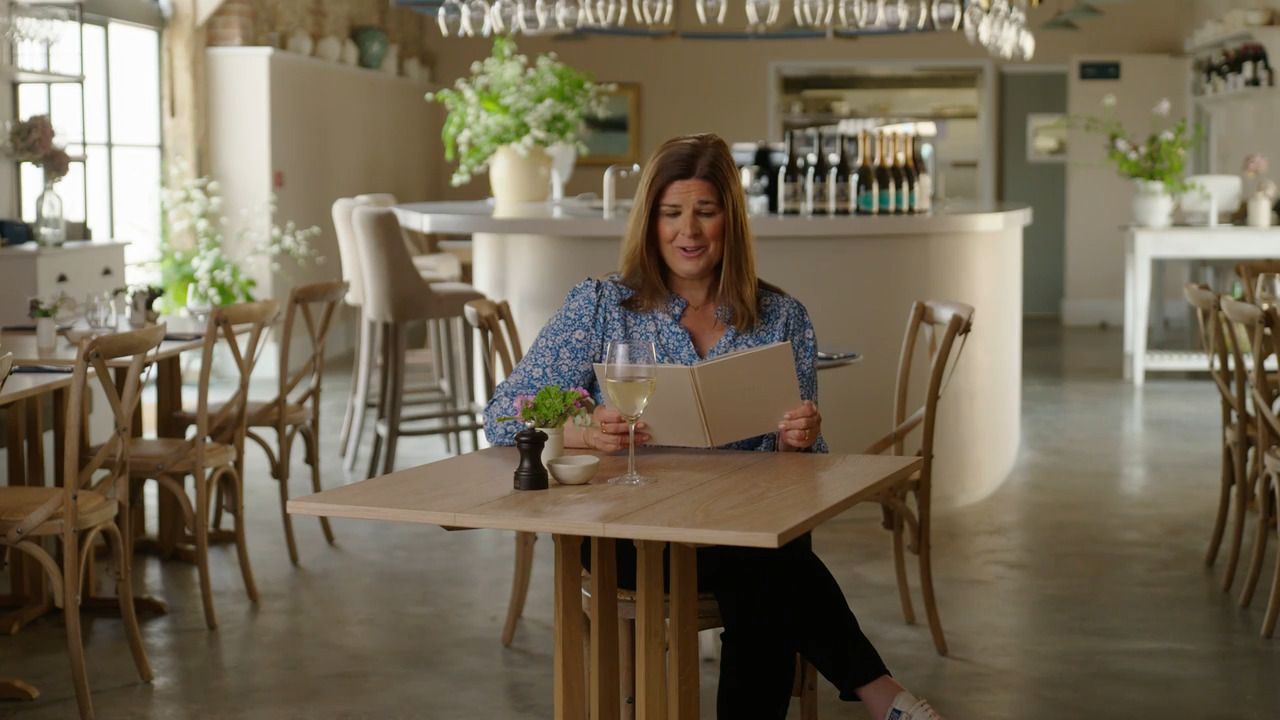
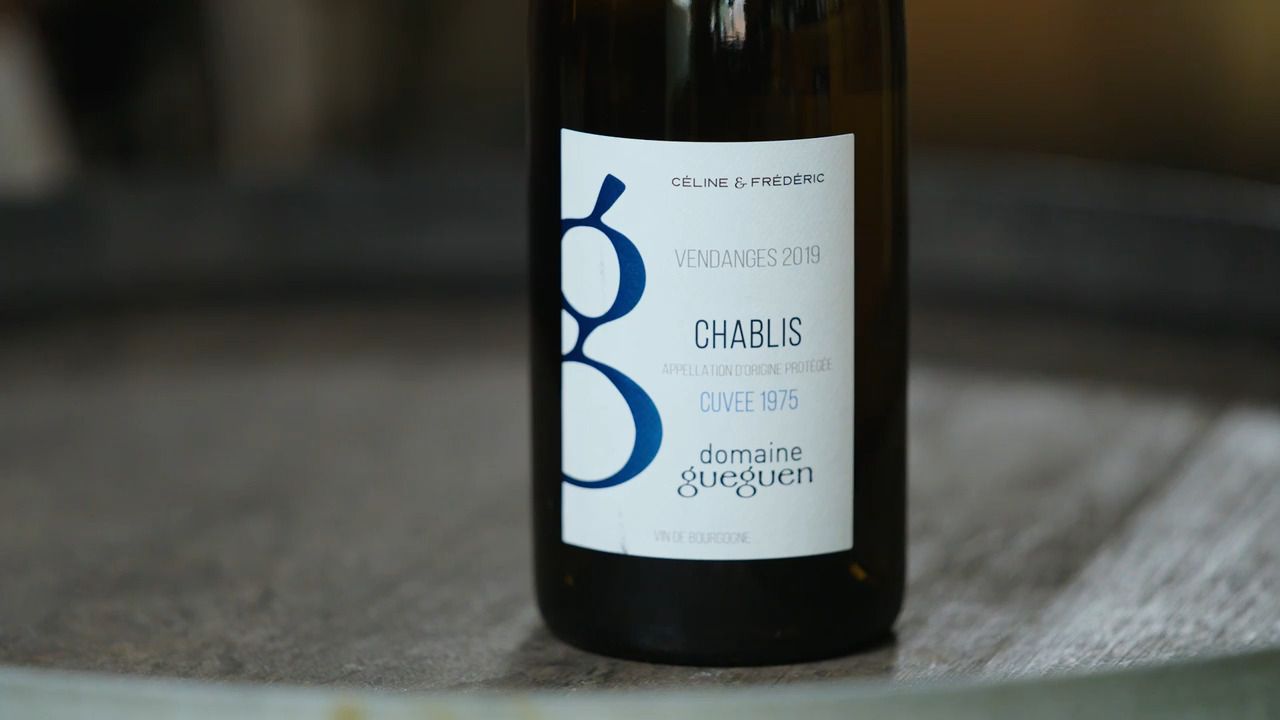
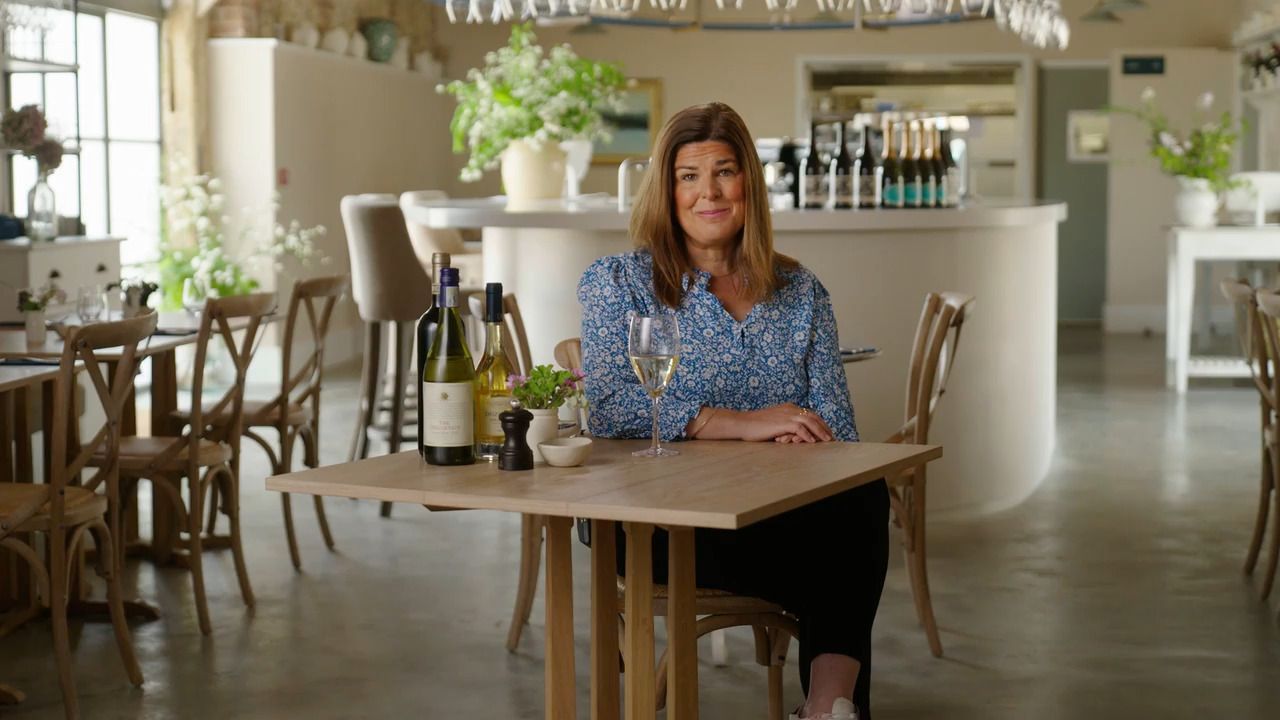
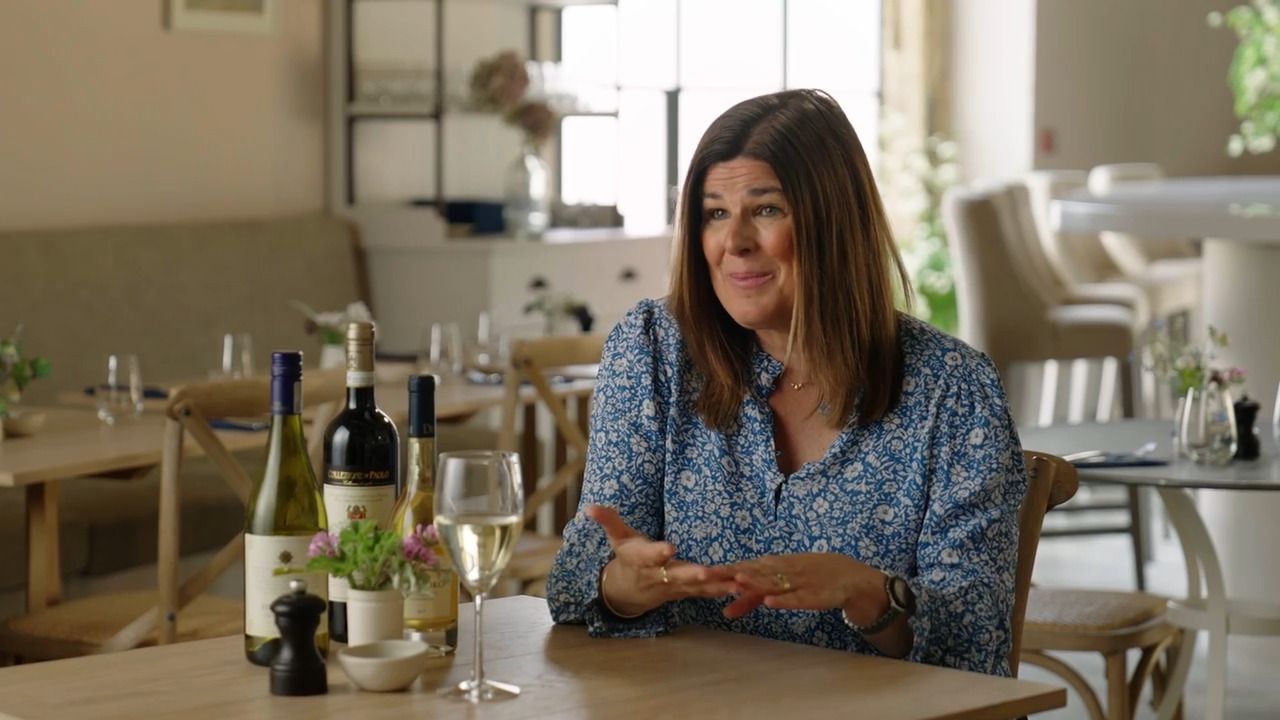
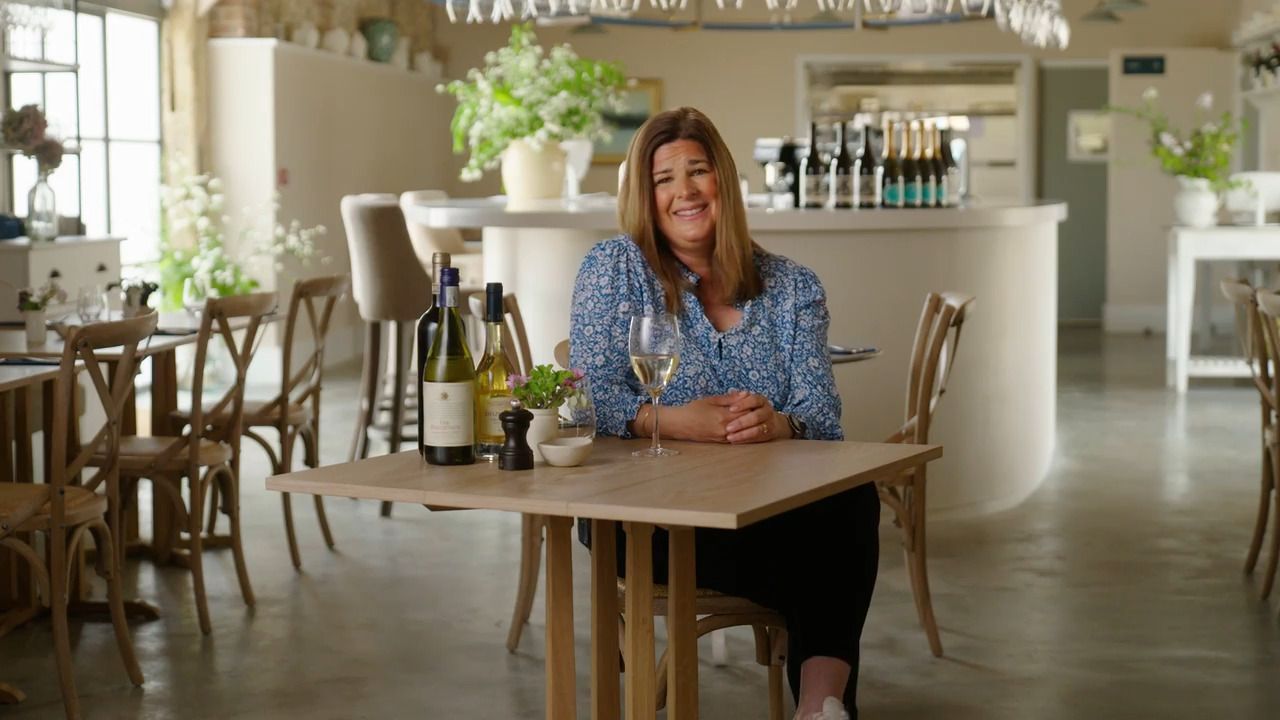
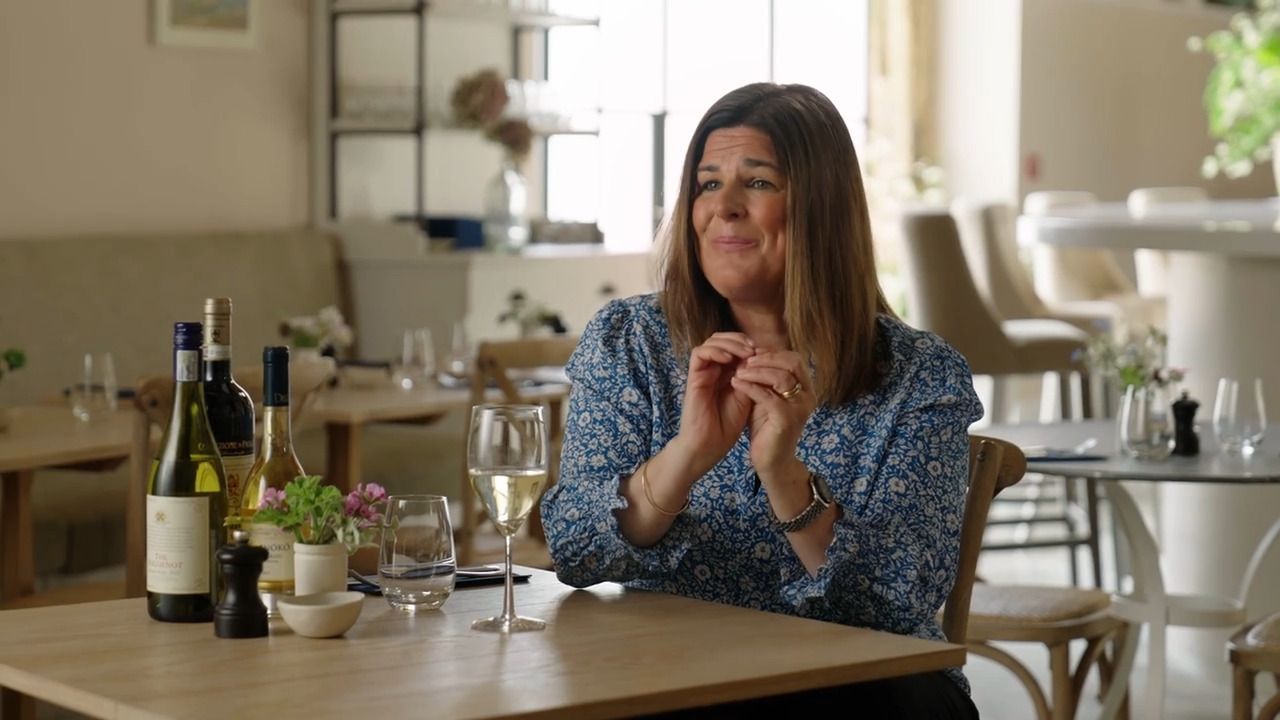
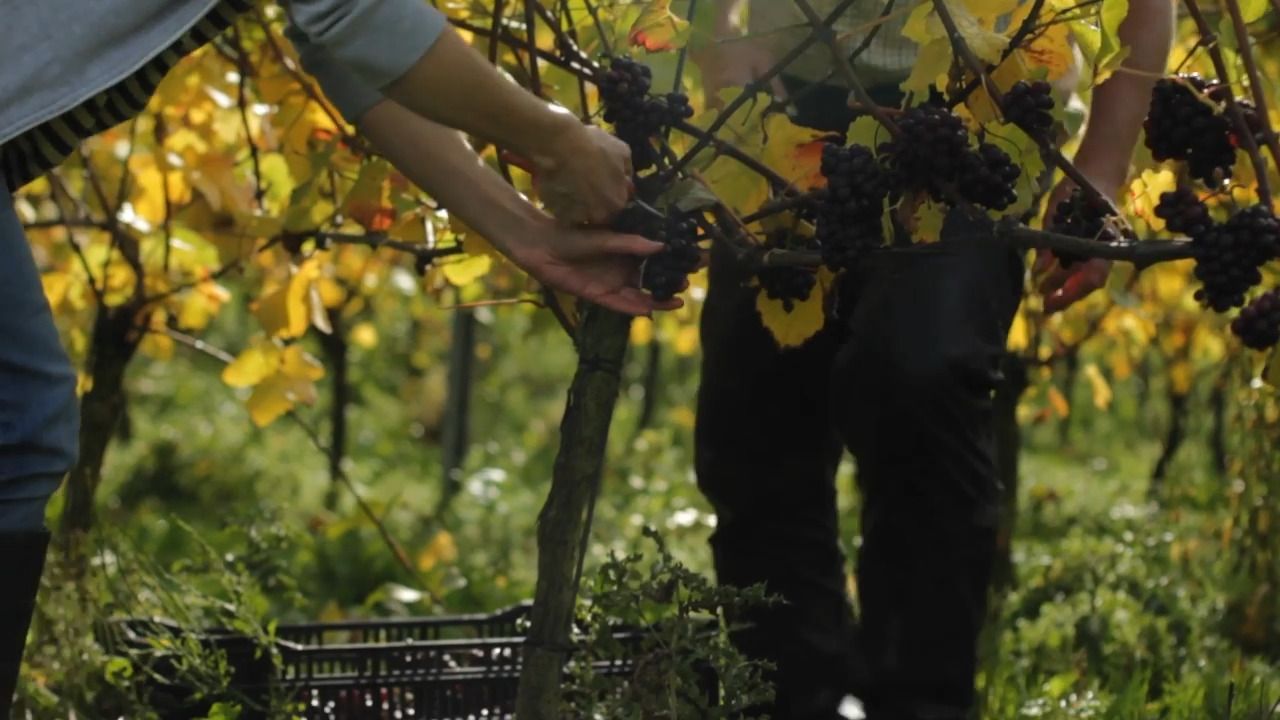
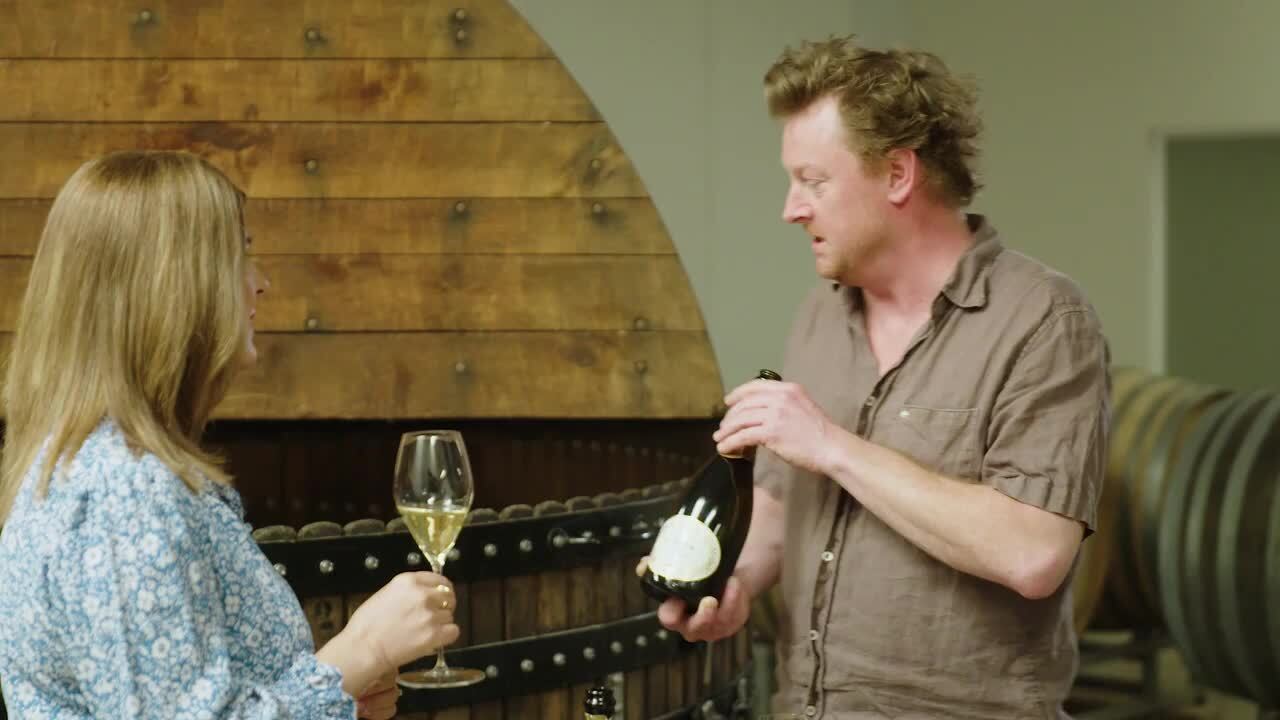
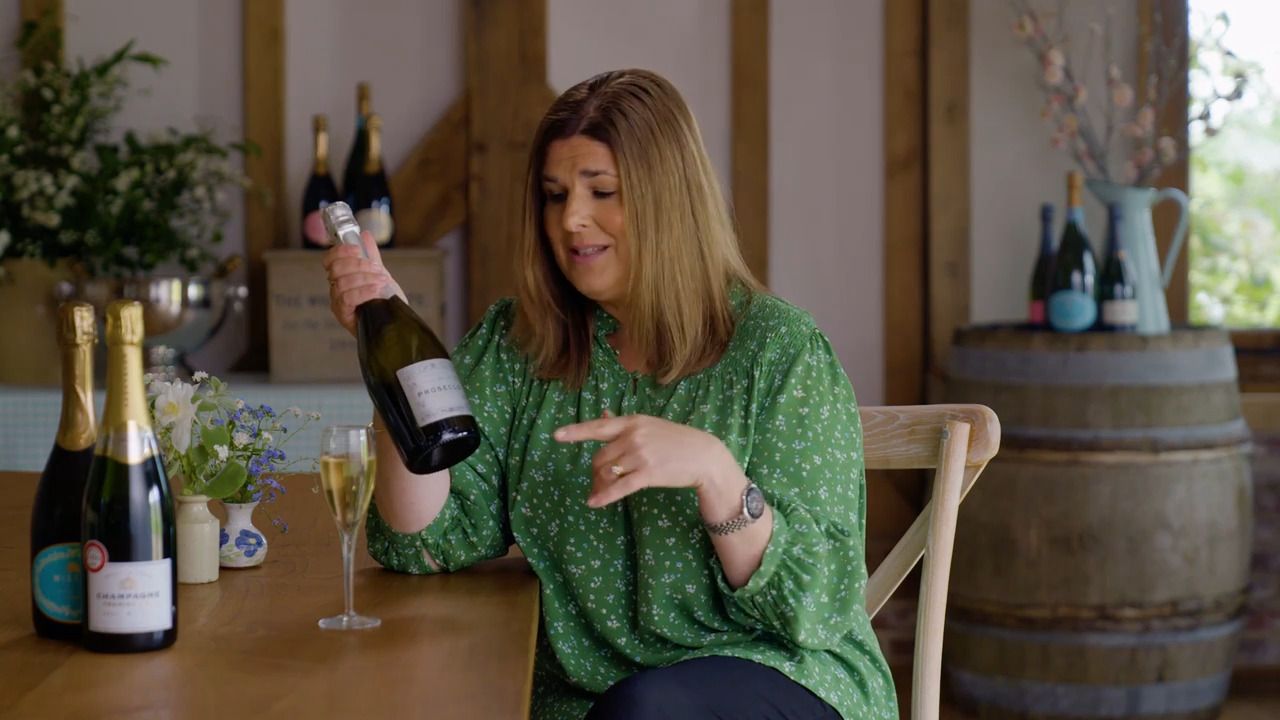
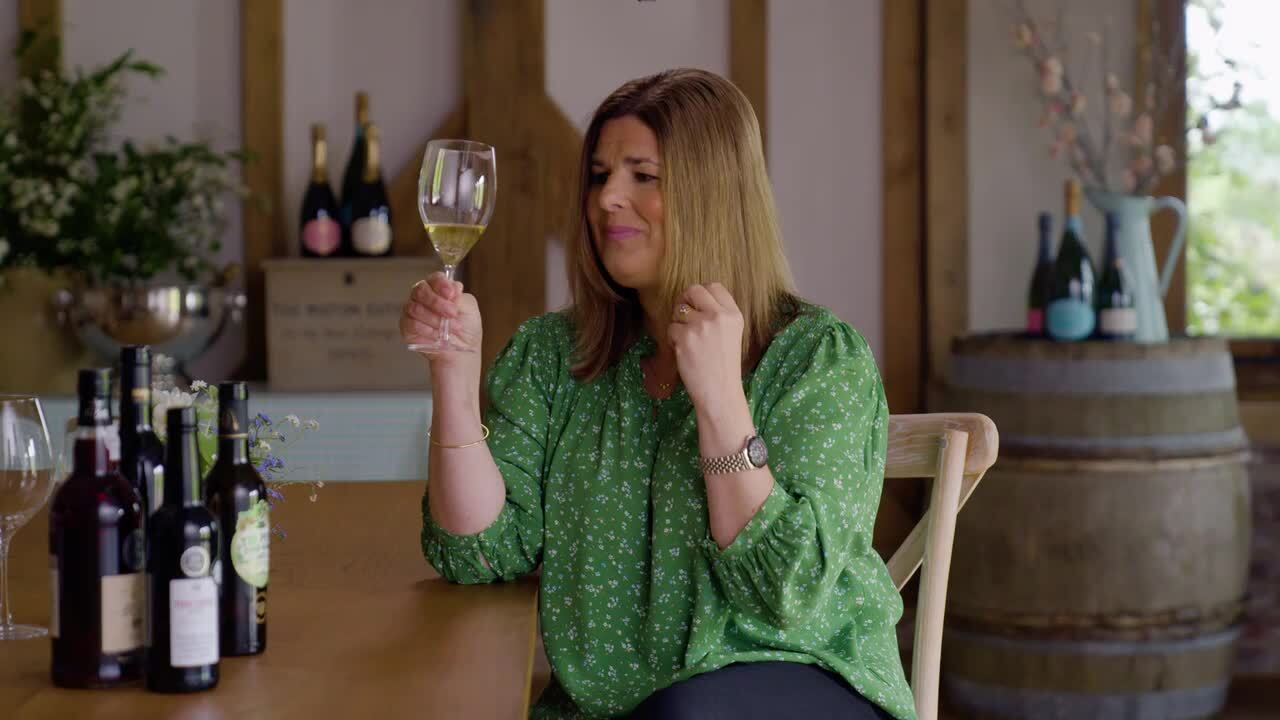
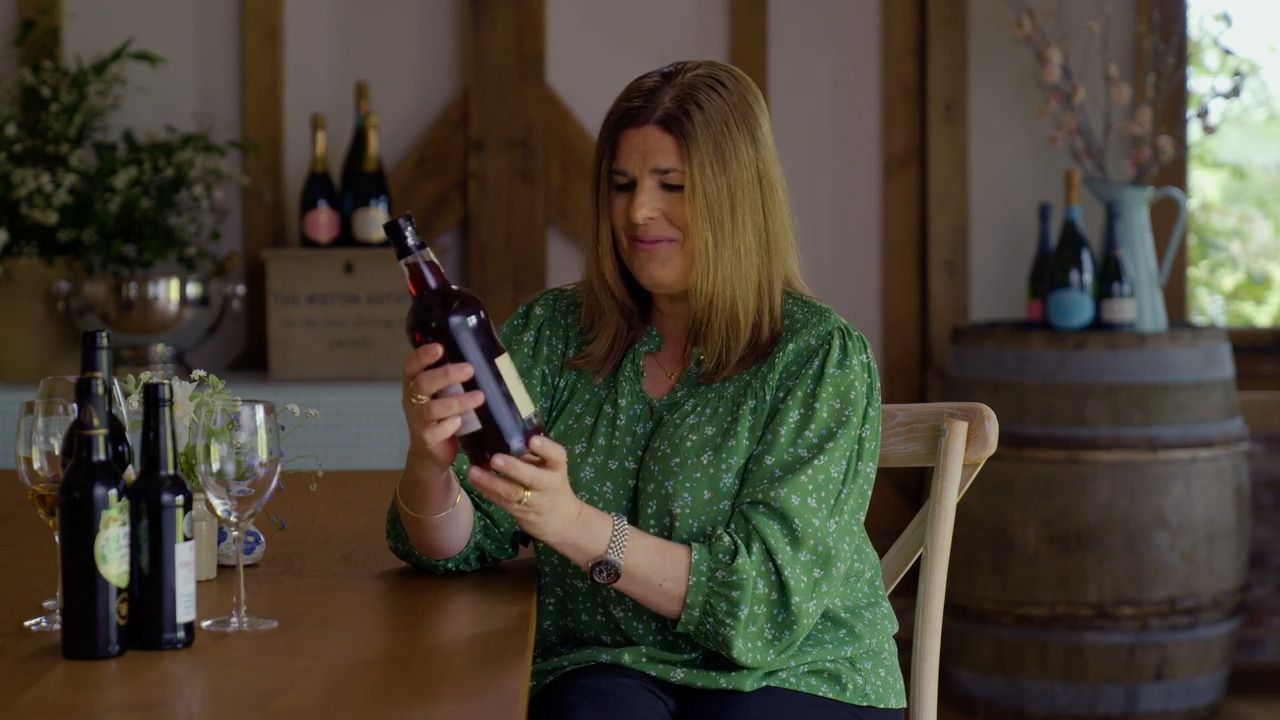
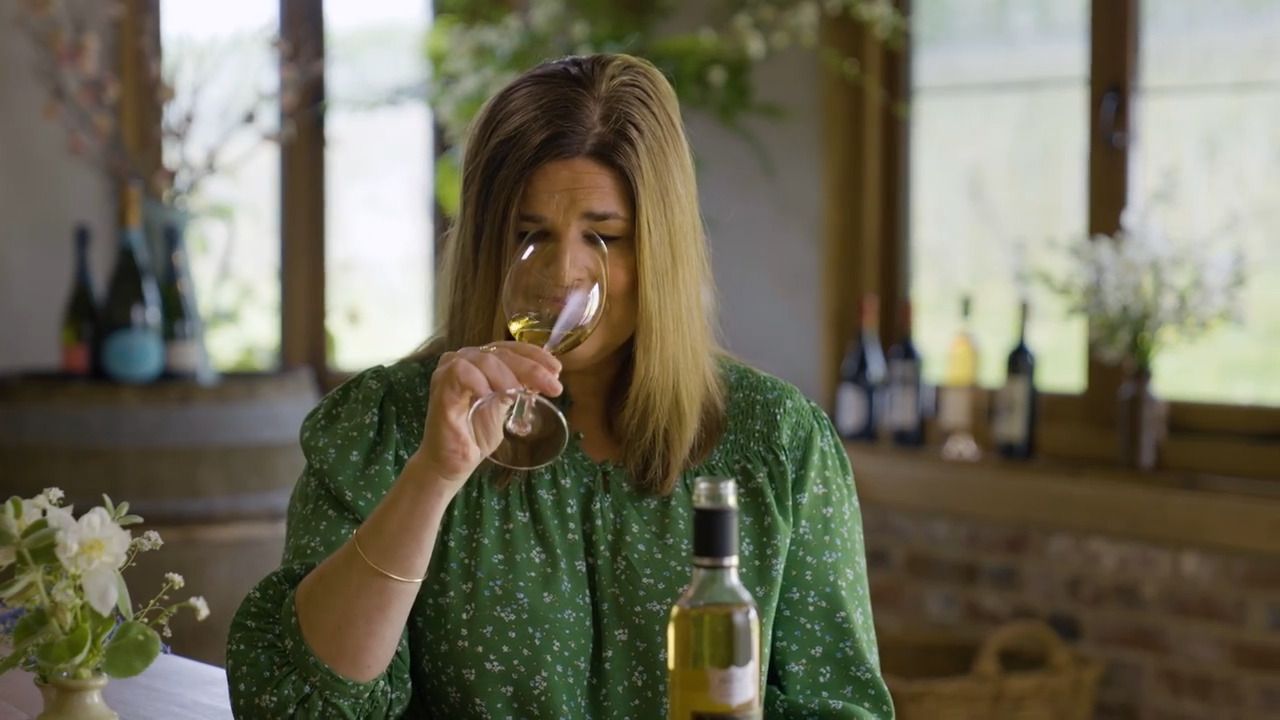
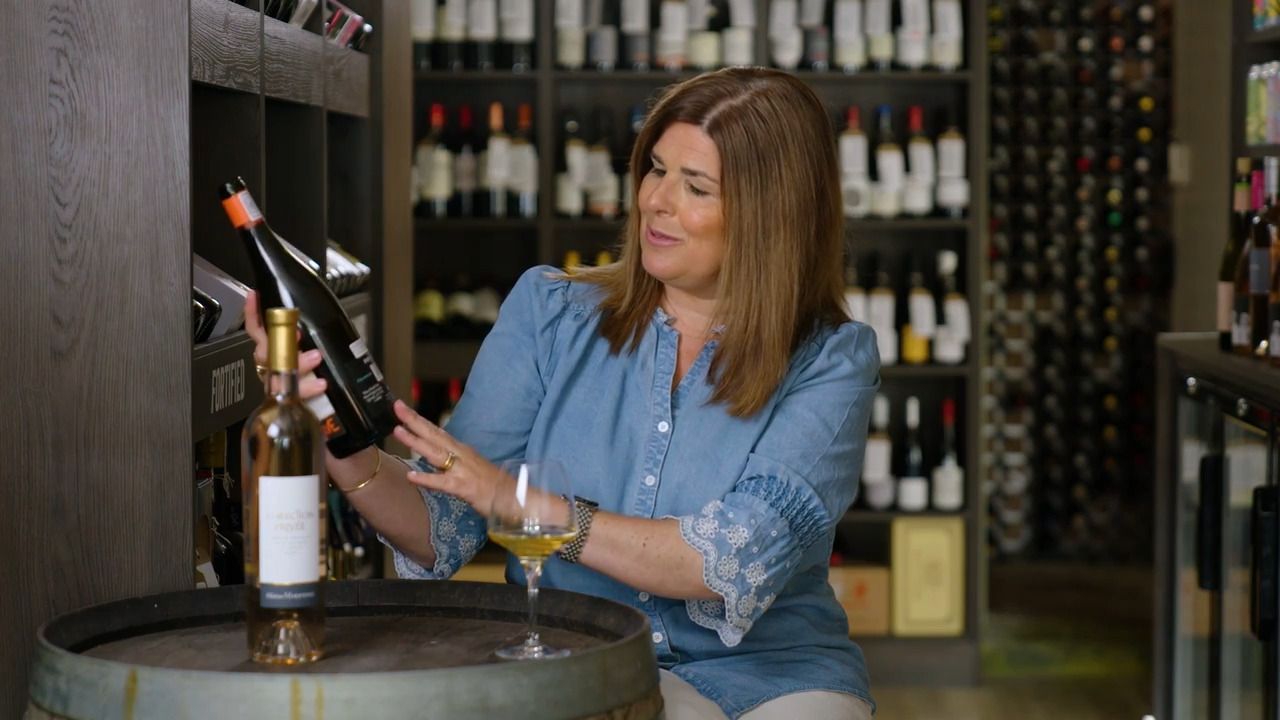
This lesson is an overview of all the main grape varieties and their characteristics – you’ll likely be familiar with a few, and will perhaps recognise a lot of the names from wine labels. Alongside these, I’ll be suggesting a few lesser-known alternatives to try.
This lesson is an overview of all the main grape varieties and their characteristics – you'll likely be familiar with a few, and will perhaps recognise a lot of the names from wine labels. Alongside these, I'll be suggesting a few lesser-known alternatives to try.
You could also try: Carménère - also a grape that's typically planted in Bordeaux, but has recently thrived in Chile too. Makes for a robust red that's perfect for drinking by the fireside.
You could also try: Grenache - particularly good from the Rhône Valley in Southern France and also loves to be grown in South Africa and Australia. Still soft like a Merlot, with a hint of raspberry.
You could also try: Sangiovese - used in many great Tuscan wines, and has a real cherry pop to it. A good amount of tannin and grip, while still offering freshness too.
You could also try: Primitivo (also known as Zinfandel) - grown widely across Southern Italy, and has lots of juicy dark fruit with a nice grip from the tannins, perfect for enjoying with hearty stews.
You could also try: Malbec - a simpler take on this particular style. Originally from Bordeaux in France, but more recently thriving in Argentina, which brings out a vibrancy and ripeness for a really warming flavour.
You could also try: Chenin Blanc - this is a great one to try if you like Chardonnay that's full of juicy fruit. A favourite of mine is Chenin Blanc from older vines in South Africa.
You could also try: Verdejo - from the Rueda region of Spain; similar aromatic quality but with a herbal edge. Or Assyrtiko - from Santorini in Greece; same fresh hit with expressive flavours.
You could also try: Pecorino, Falanghina or Grechetto - all great white grapes to try from Southern Italy.
You could also try: Riesling - still with the same sunshine flavours, but just a little more subtle. Germany makes some amazing Riesling that combines both fruit and freshness. Just like Viognier, Riesling is also a fantastic food wine.
The climate and growing conditions really suit the Pinot Noir grape. The wine produced is perhaps a simpler take than you might be used to, but still retains a lovely light juiciness – and is relatively inexpensive.
Home to some of the most expressive grape varieties, such as the white grape Grüner Veltliner for a hit of peach and pepper, or the black grape Zweigelt, which produces a slightly lighter red wine - perfect if you don't like your flavours too big.
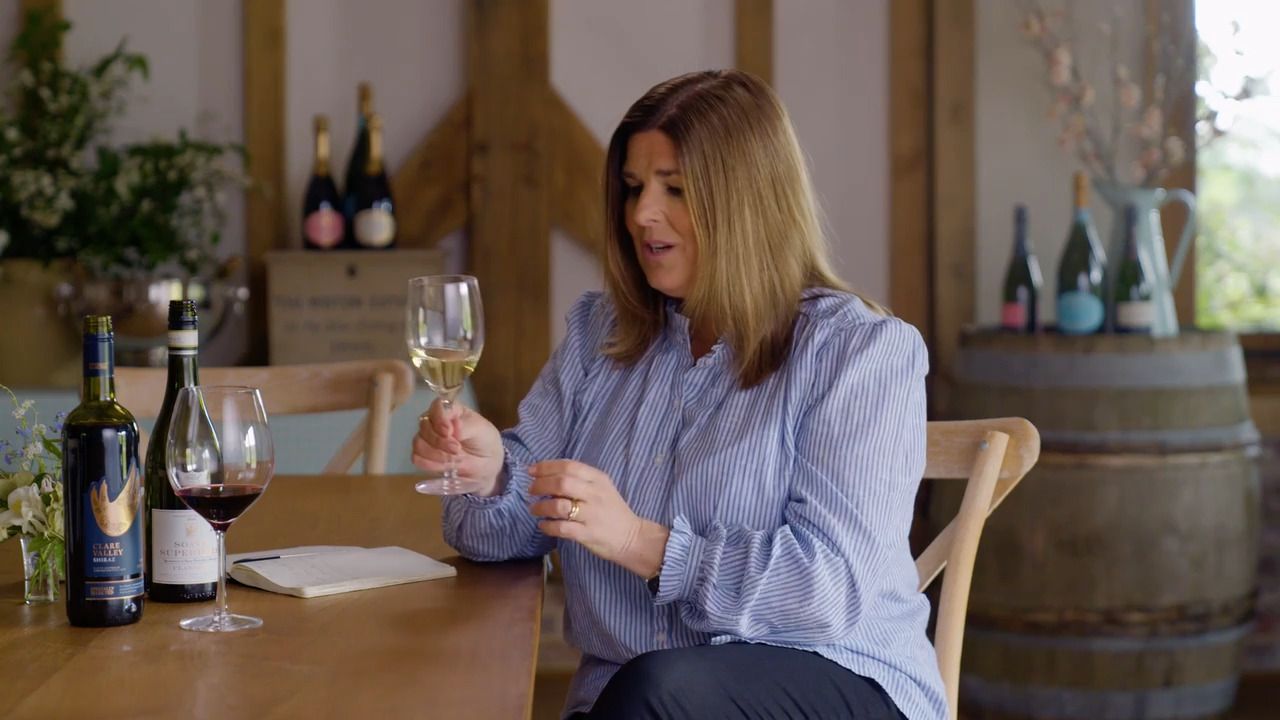
Take a wine that you're familiar with and taste it alongside one of the recommendations for something a little different. Can you taste the impact of a hotter or cooler climate? Can you detect the grape has been grown on older vines, or has the wine perhaps been left to age for longer? Note down any key differences, and think about what you prefer too!
Get the full workbook, video lessons, and more with a Create Academy subscription.
Subscribe to access the full workbookAlready a member? Sign in to watch
491 reviews
Read moreCreate Academy has been such a great resource. I'm in the middle of renovating a bungalow with a very large garden and the courses have offered a wealth of inform...
Harvey
Jun 10, 2026
Absolutely love Create Academy! The instructors are extremely informative, and it is beautifully filmed. Create Academy is great value for money and plan on renew...
SG
May 31, 2026
Butter's creativity is stunning! Her ability to incorporate brilliance in small gardens is magical!
Carla
May 30, 2026
The best adventure. I like all the courses, but my favorite are both Rita Konig interior design courses and Anna Jones. Excellent!
Karolina Kluczewska
May 20, 2026
Create Academy has been such a great resource. I'm in the middle of renovating a bungalow with a very large garden and the courses have offered a wealth of information to dive into and explore new ideas. I'm...
Harvey
Jun 10, 2026
Absolutely love Create Academy! The instructors are extremely informative, and it is beautifully filmed. Create Academy is great value for money and plan on renewing my subscription yearly because there are ...
SG
May 31, 2026
Butter's creativity is stunning! Her ability to incorporate brilliance in small gardens is magical!
Carla
May 30, 2026

Your Instructor
International wine judge, presenter, acclaimed author. Fortnum & Mason’s ‘Drink Writer of the Year’.
With over a decade of experience sourcing and sampling wines from around the world, it’s safe to say Helen McGinn knows a good bottle. When she moved away from her career as a wine-buyer to raise a family, the requests for recommendations from friends and family persisted and her fascination with good wine remained - so she set up her now award-winning blog ‘The Knackered Mother’s Wine Club’. As well as sharing tips on where to buy the best wine, Helen used her substantial knowledge to help people navigate and understand the complexities of different wines. It’s Helen’s approachable ability to give anyone the confidence to choose and drink better wine that has earnt her a regular seat on ITV’s This Morning and BBC’s Saturday Kitchen. She is also an international wine judge and an author of two novels.
Access to all courses


