
Interior and exterior confidence
Create Academy has been such a great resource. I'm in the middle of renovating a bungalow with a very large garden and the courses have offered a wealth of inform...
Harvey
Jun 10, 2026
with WILLOW CROSSLEY — World-renowned florist, author and designer, known as the UK’s ‘Queen of Flowers’.
Lesson 5 of 20
Subscribe to watch
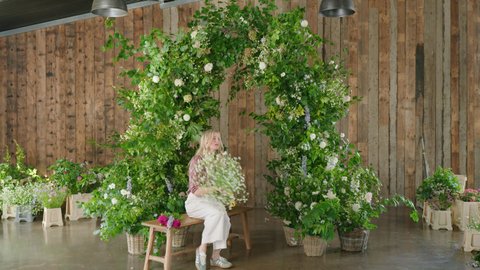
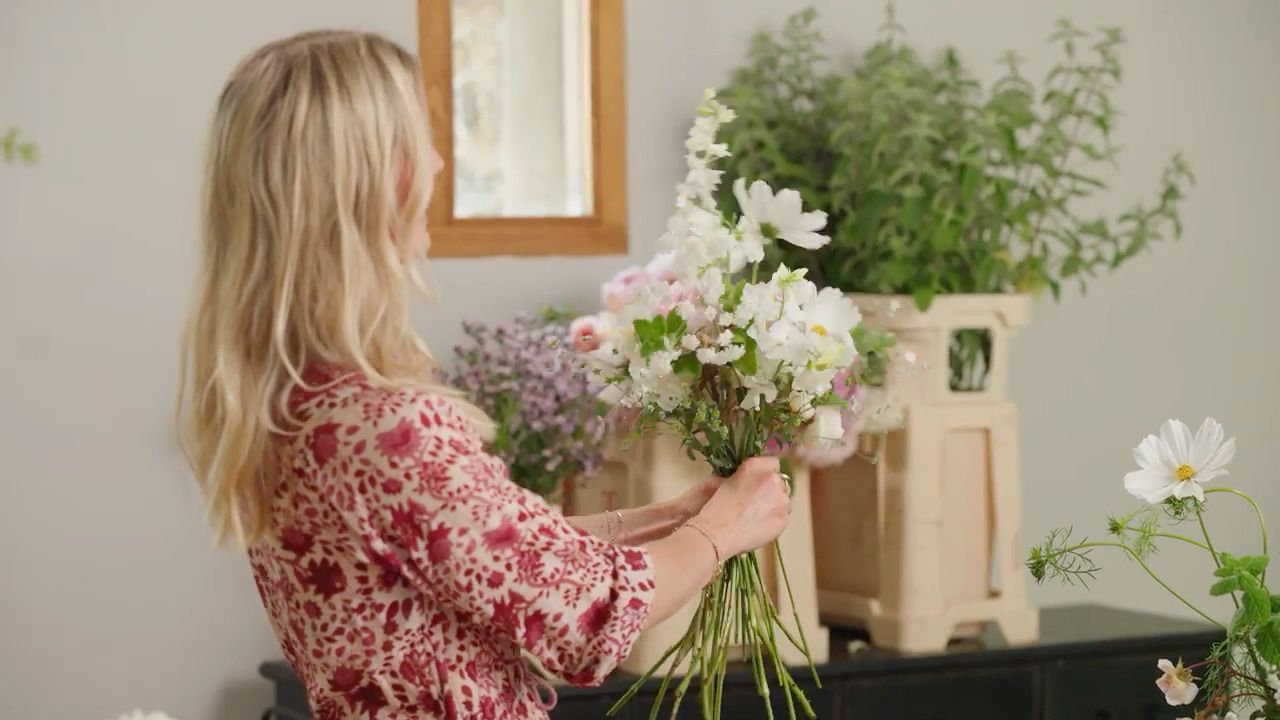
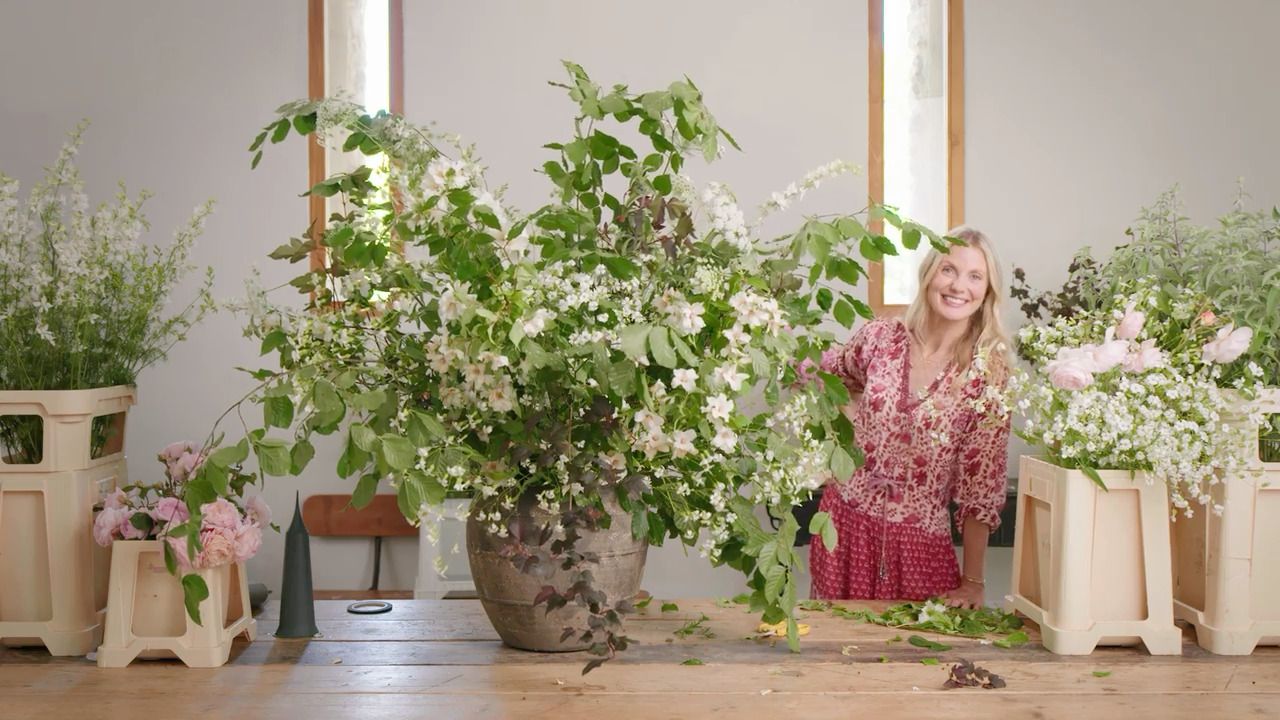
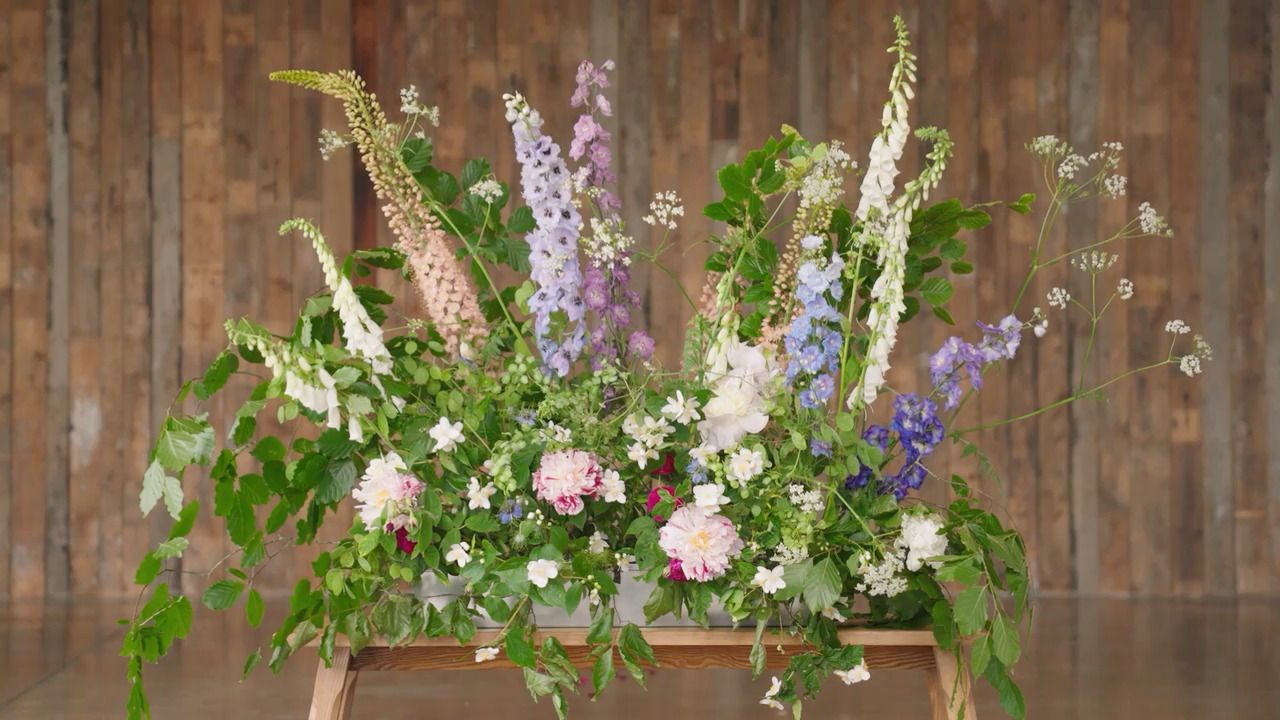
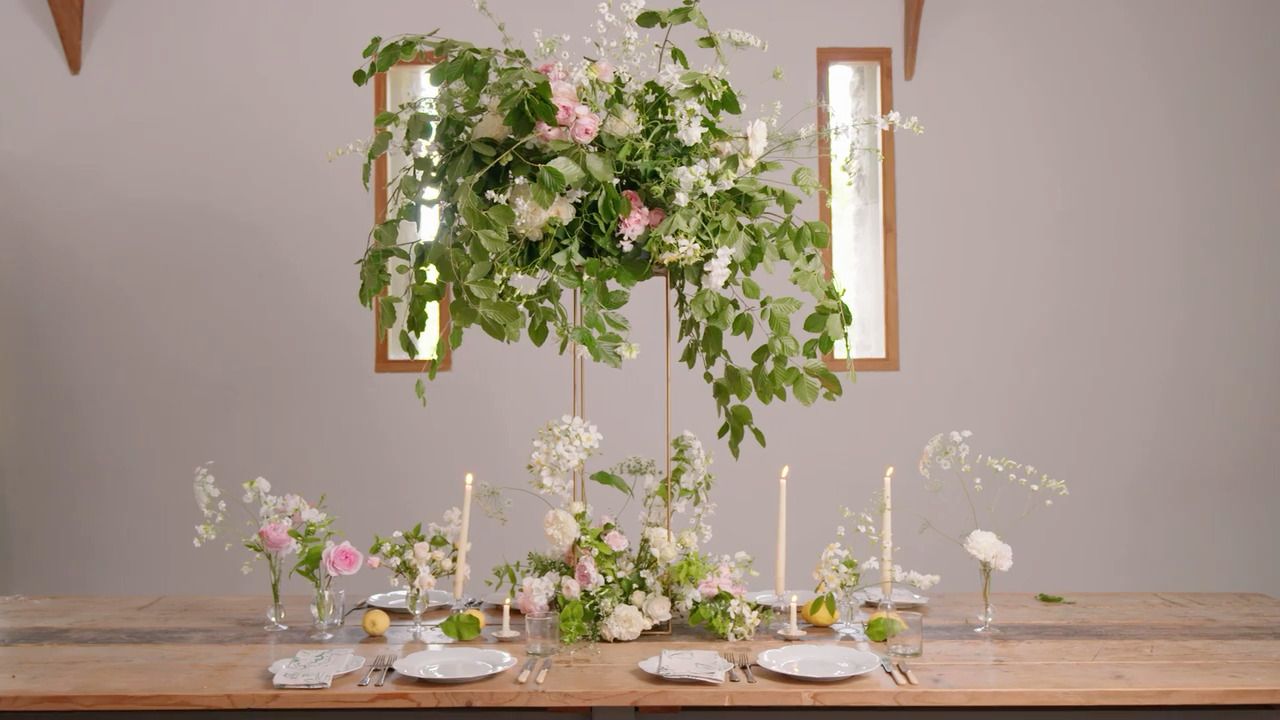
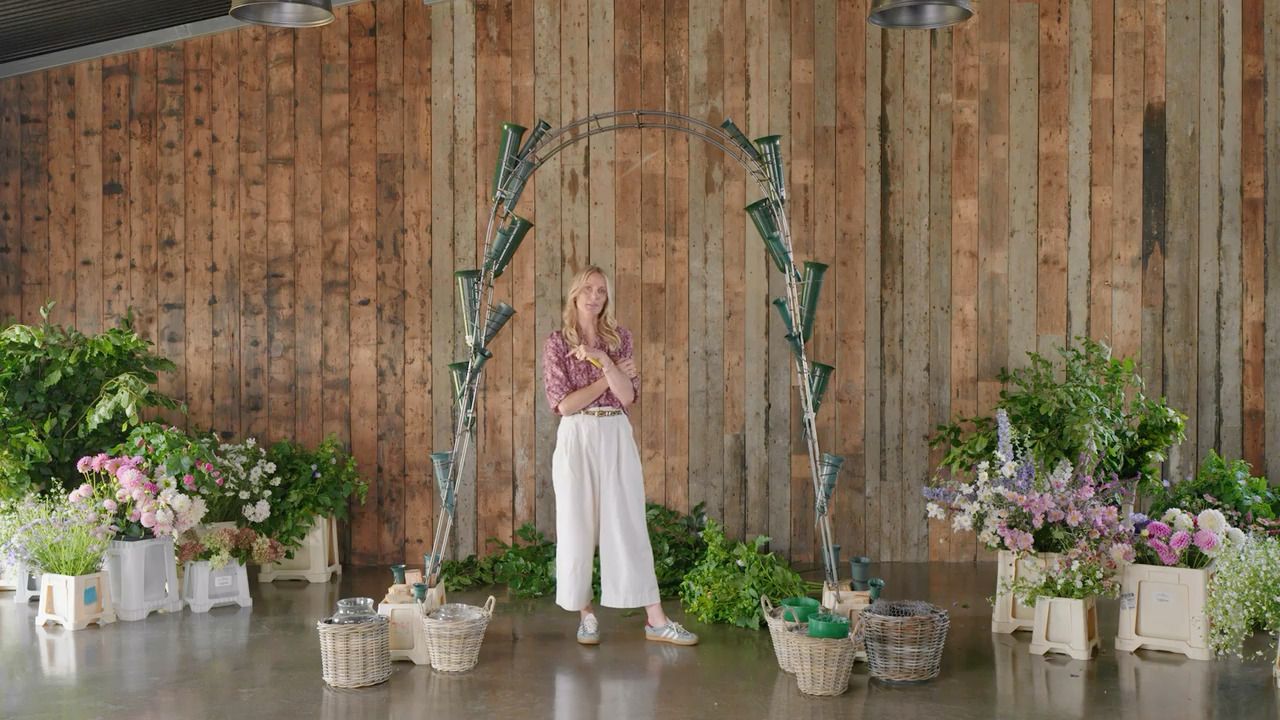
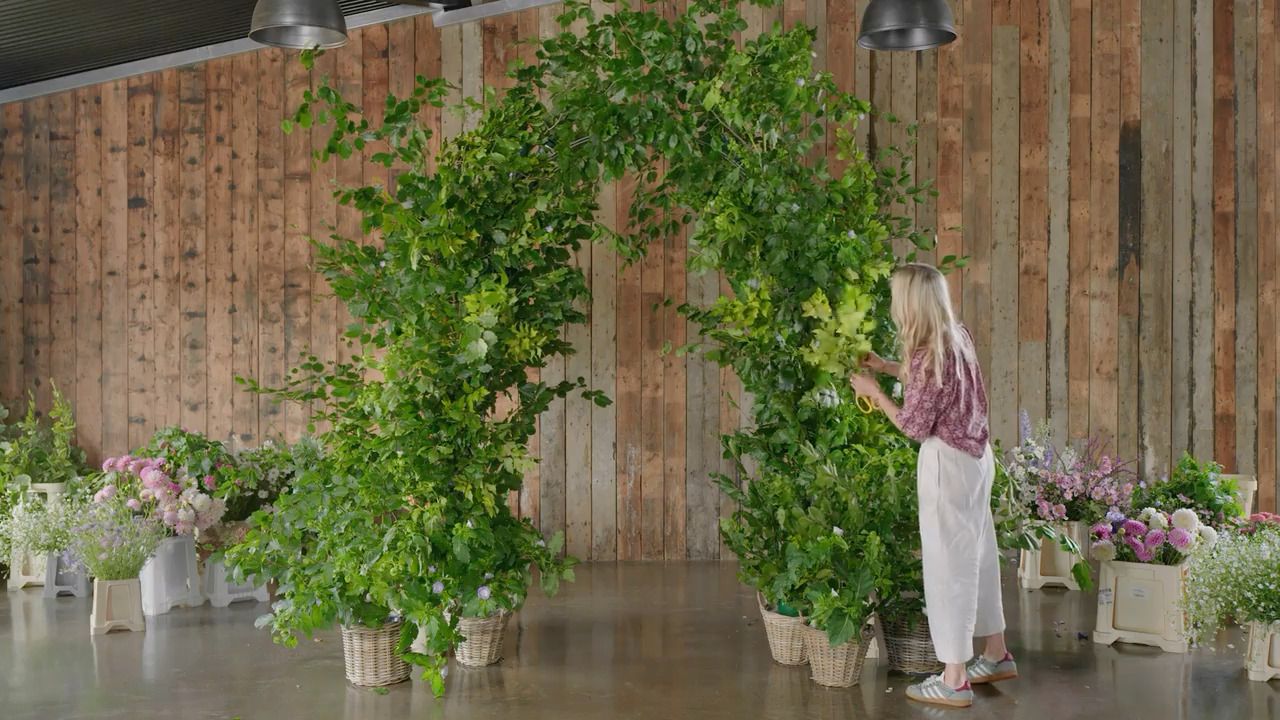
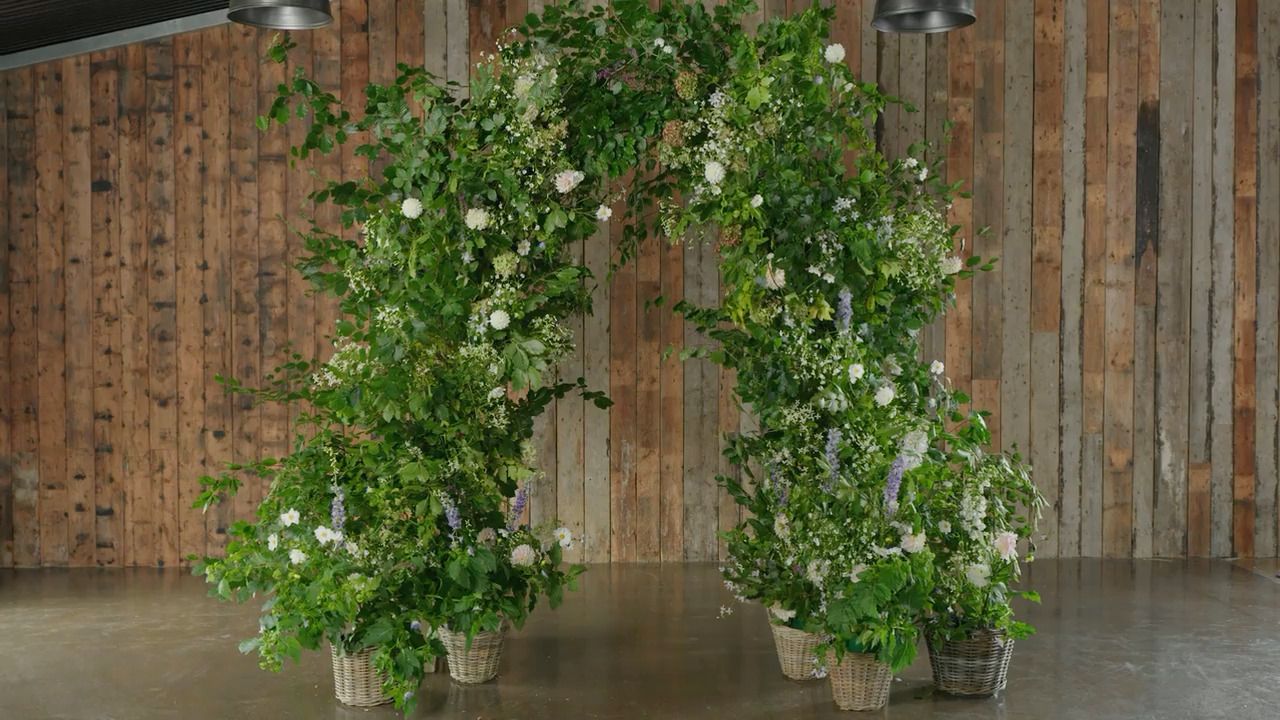
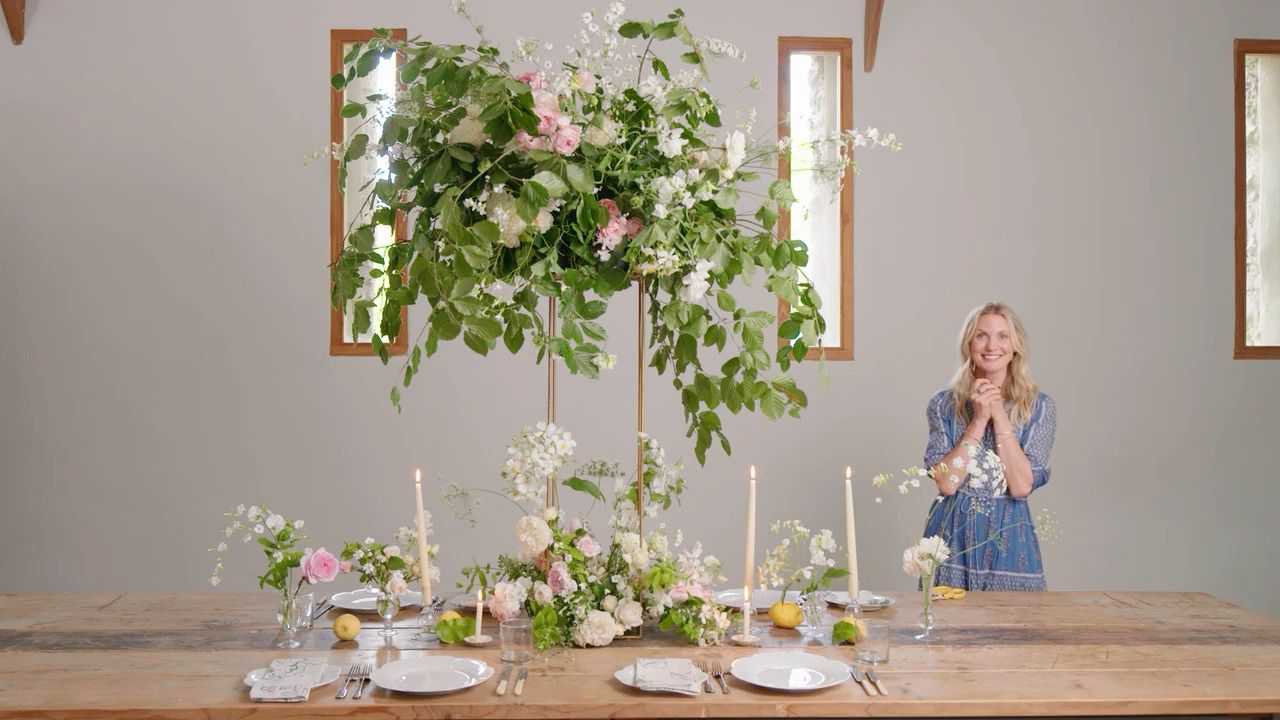
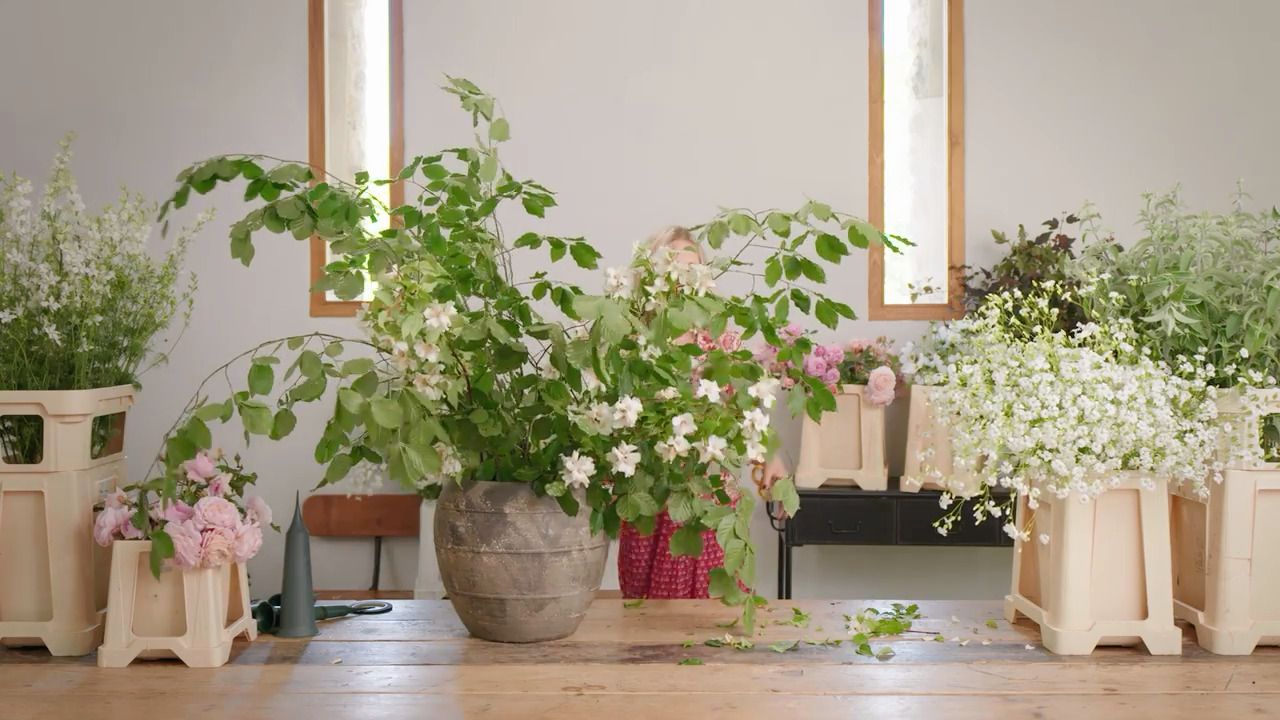
For your next project, Willow will be taking you through how to make a large, oversized arrangement - housed within a stoneware vase or urn. When working on this scale, it’s important to get the framework and structure right.
A large, oversized arrangement is a great way to highlight a focal point at your event; it could be placed on either side of the aisle at a wedding or at the entrance to a party. When working on this scale, it's important to get the framework and structure right.
Step 1
Place the bucket inside your vessel or urn.
Step 2
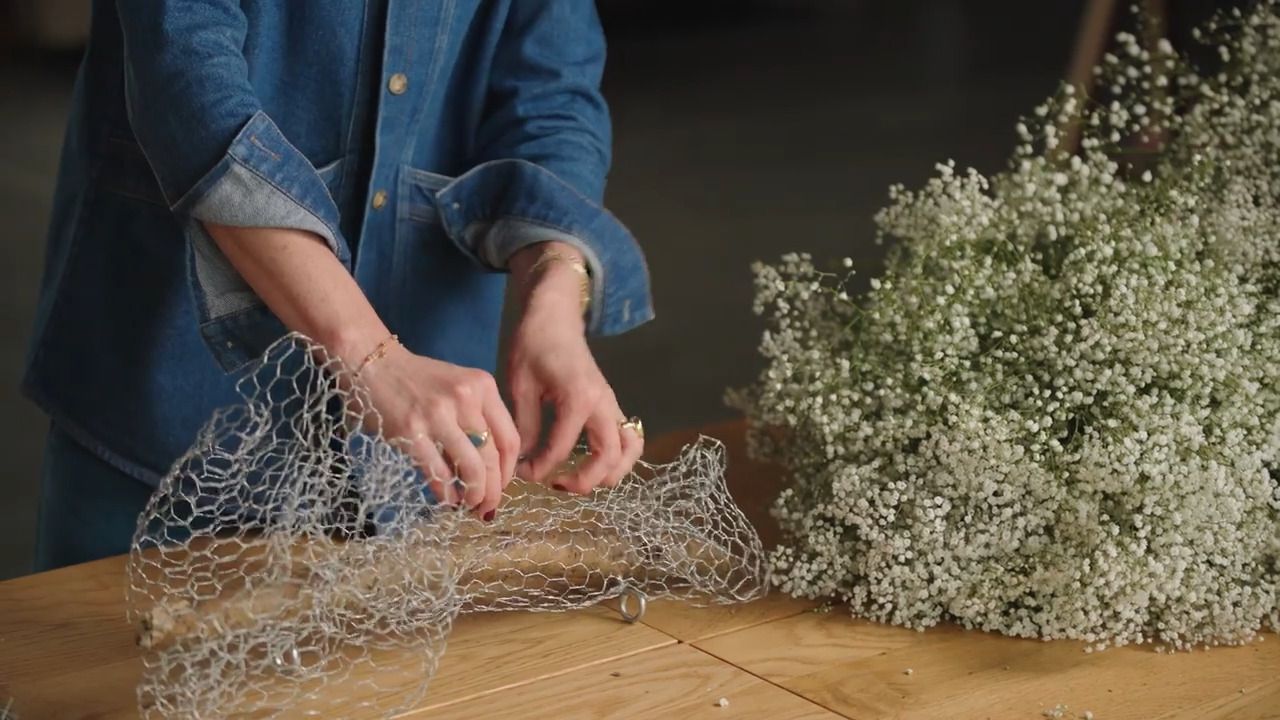
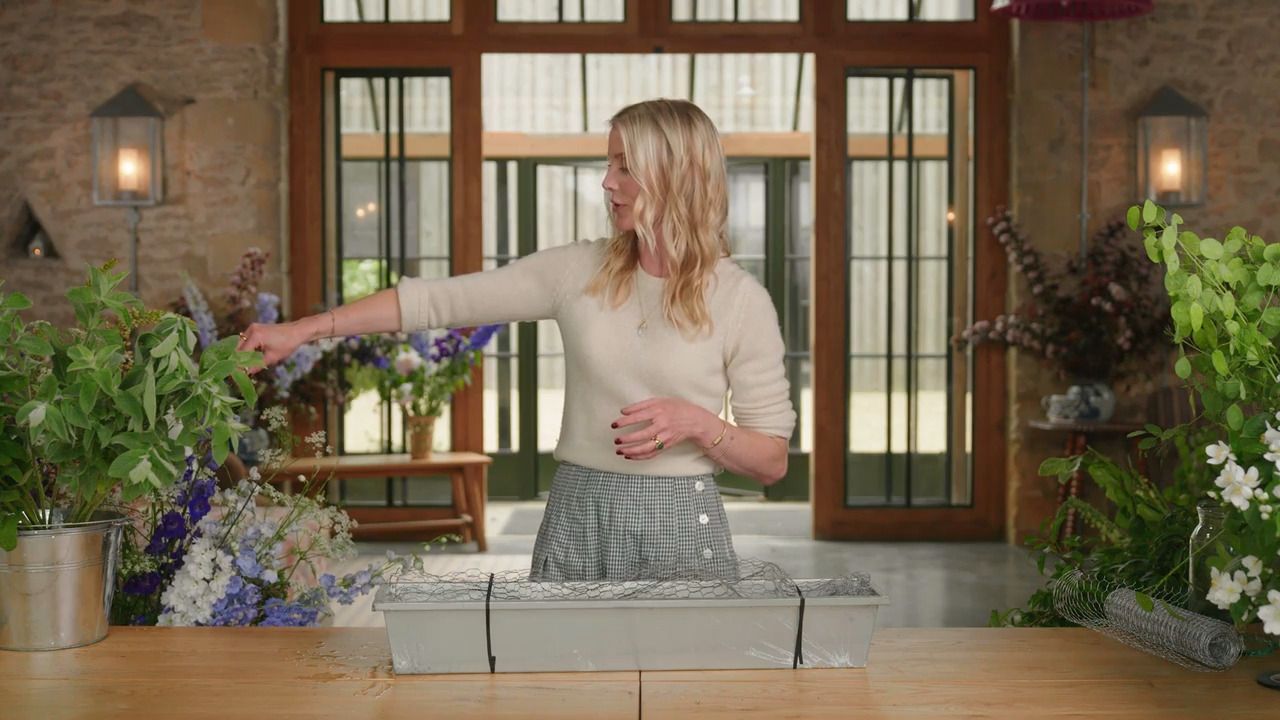
Cut a length of chicken wire, and scrunch it up roughly into a ball shape. Don't compact it too tightly - it should be airy and loose.
Step 3
Push the chicken wire ball down towards the base of the bucket and then manipulate it to fill the bucket evenly. The higher the chicken wire sits within the bucket, the more support it will provide and the taller you will be able to make your arrangement.
Step 4
Fill the bucket with a generous amount of water - making large arrangements means a lot of thirsty stems, so be sure to top up the water periodically.
Step 5
Condition your stems and branches carefully; when working with chicken wire, thorns and burls can make your life difficult. Removing unnecessary leaves is also a good way to extend the vase life of a stem.
Step 6
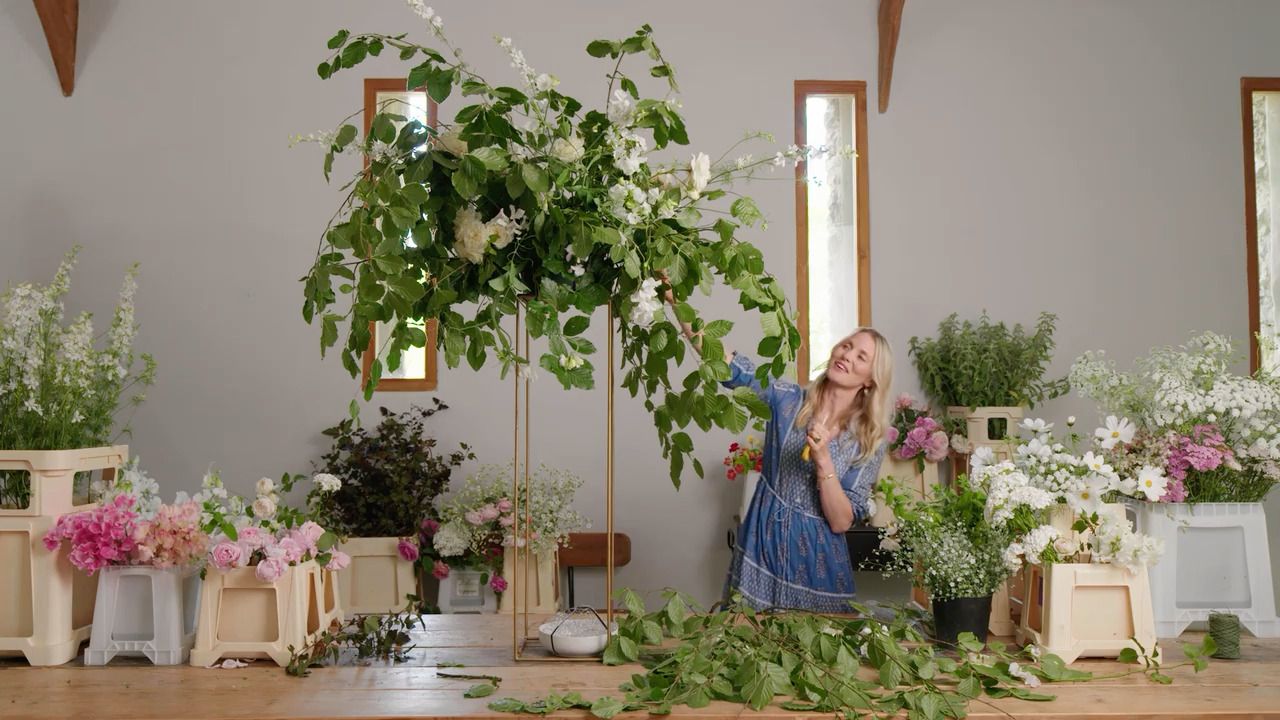
Begin with the foliage, and select the largest, straightest piece you have. Look at the shape of the branch, and assess if it needs to be trimmed or cut back to achieve the look you want. Push it down into the chicken wire to start your arrangement.
Step 7
Continue to select foliage stems and feed them into the chicken wire to build the overall shape of your arrangement.
Step 8
Periodically stand back to assess your arrangement from a variety of distances and angles to make sure it is working from all viewpoints.
Step 9
When you are happy with the amount of your initial foliage and the shape it has created, you can start to add in additional stems.
Floristry Prop Hire Rob Van Helden
Get the full workbook, video lessons, and more with a Create Academy subscription.
Subscribe to access the full workbookAlready a member? Sign in to watch
491 reviews
Read moreCreate Academy has been such a great resource. I'm in the middle of renovating a bungalow with a very large garden and the courses have offered a wealth of inform...
Harvey
Jun 10, 2026
Absolutely love Create Academy! The instructors are extremely informative, and it is beautifully filmed. Create Academy is great value for money and plan on renew...
SG
May 31, 2026
Butter's creativity is stunning! Her ability to incorporate brilliance in small gardens is magical!
Carla
May 30, 2026
The best adventure. I like all the courses, but my favorite are both Rita Konig interior design courses and Anna Jones. Excellent!
Karolina Kluczewska
May 20, 2026
Create Academy has been such a great resource. I'm in the middle of renovating a bungalow with a very large garden and the courses have offered a wealth of information to dive into and explore new ideas. I'm...
Harvey
Jun 10, 2026
Absolutely love Create Academy! The instructors are extremely informative, and it is beautifully filmed. Create Academy is great value for money and plan on renewing my subscription yearly because there are ...
SG
May 31, 2026
Butter's creativity is stunning! Her ability to incorporate brilliance in small gardens is magical!
Carla
May 30, 2026

Your Instructor
World-renowned florist, author and designer, known as the UK’s ‘Queen of Flowers’.
Willow Crossley is a professional floral stylist, creating wild and whimsical arrangements full of colour, pattern and movement for an array of top British brands (Jo Malone, OKA). She is the author of four books and is regularly featured in House & Garden and many other publications. Willow is passionate about the profound impact nature can have on how we feel, and has gained a substantial following for her down-to-earth and inclusive approach to floristry and gardening. Willow firmly advocates a sustainable approach to floristry, working with the seasons and sourcing locally grown stems wherever possible.
Access to all courses


