










Interior and exterior confidence
Create Academy has been such a great resource. I'm in the middle of renovating a bungalow with a very large garden and the courses have offered a wealth of inform...
Harvey
Jun 10, 2026
The Ultimate Guide to Vegetarian Cooking
with ANNA JONES — The voice of modern vegetarian cooking. Chef, writer and internationally acclaimed author.
Lesson 23 of 38

Subscribe to watch
What do you do if you don’t have an ingredient for a recipe? Anna teaches you how ingredients can be swapped, helping you to cook with confidence without a recipe.
If you don't have an ingredient, consider a substitute. This is more appropriate for savoury cooking as baking can often require more precise ingredients. Flavour, texture, and cooking time are all factors to consider when swapping out ingredients.
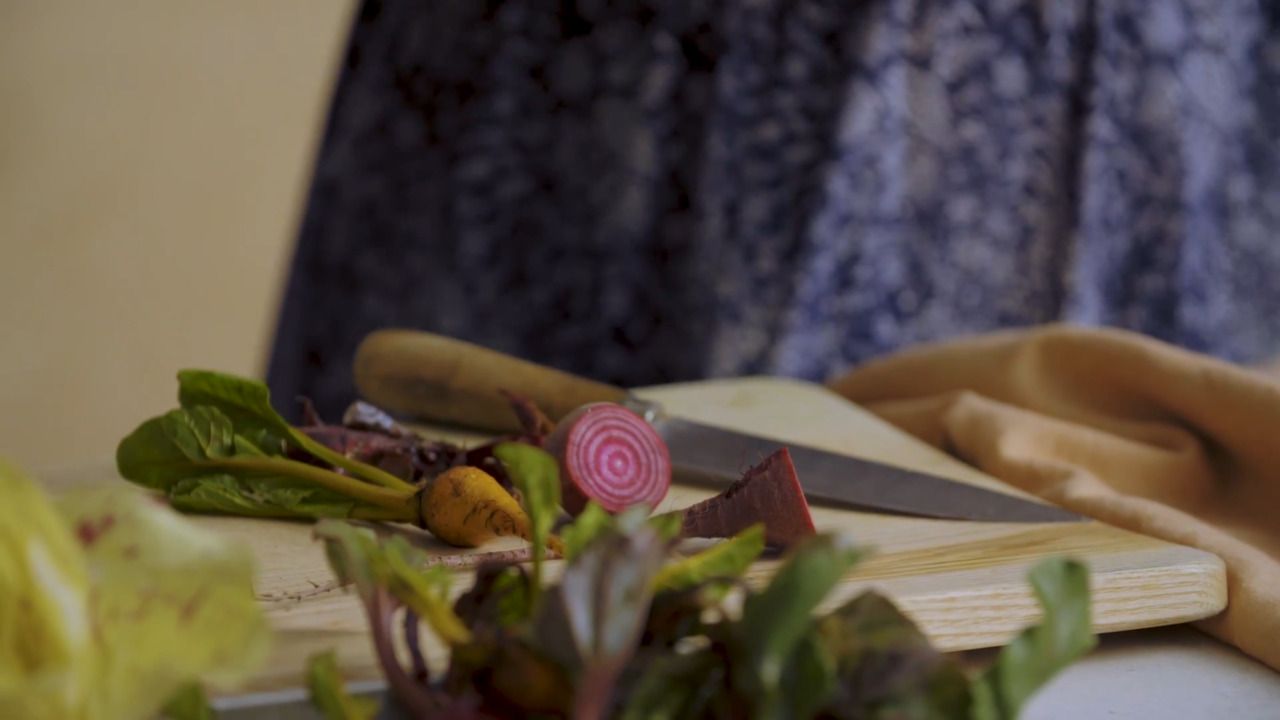
I categorise greens and salads into four main groups.
Includes chard, spinach, and lettuces like cos and romaine. These have similar textures and flavours and are interchangeable in salads and stews.
Includes Chinese cabbage, cabbage, Bok choy and raw kale; the overriding texture is crunch. They are excellent for slaws, broths and soups.
Includes endives, watercress, chickory and rocket. They are powerfully flavoured leaves and greens. You can replace a bitter leaf with another bitter leaf and a peppery leaf for another peppery leaf. For example, you can replace rocket with watercress.
Includes kale, Cavolo Nero and other wintery greens. They normally need to cook for about ten minutes.
In my opinion, spices fall into one of four categories, earthy, floral, peppery and warm. You can normally swap spices within the same group in and out of recipes.
Spices with earthy flavours include turmeric, caraway seeds, cumin seeds and curry powder. Caraway seeds have an aniseedy flavour, whilst cumin has sweet roundedness.
Floral spices bring an aromatic, bright floral feeling. Cardamom, coriander, fennel, saffron, and sumac are all wonderful floral spices. Cardamom has a lemony, aromatic flavour, and can be substituted for coriander seeds. Fennel has a gentle flavour and is often found in Italian cooking. Saffron is difficult to mimic. Sumac is a dried berry with a rich rounded natural flavour.
Spices with a peppery flavour include black and white pepper, mustard seeds, mustard powder, and ground ginger. Black and yellow mustard seeds can be used interchangeably. You can substitute jarred mustard for mustard powder but be mindful of quantities.
Warm spices include various types of dried chillies, chilli flakes, smoked paprika cinnamon, nutmeg, cloves and mace. I recommends swapping chillis for other chillis. Mace, nutmeg, cinnamon and clove can be swapped in and out. Ground cloves are very strong so should be used prudently.
Cooking oil has a high smoke point making it great for toasting and tempering spices and browning food. Coconut oil, sunflower, canola, vegetable, peanut/groundnut and olive oil are all great cooking oils.
Butter and ghee add flavour and creaminess to dishes. Ghee is clarified butter and is often used in South Asian cooking.
Generally, oils with a distinct flavour should not be heated. These include extra virgin olive oil, sesame oil, pumpkin oil, hazelnut oil, walnut oil and avocado oil. It's good to swap within these groups.
Woody hardy herbs are wintery herbs; they are often used in roast dinners. These include bay leaves, rosemary, and thyme, which can cook for a long time in the oven. Sage can be substituted for rosemary. You can substitute sage, rosemary, and thyme.
Fragrant floral herbs such as coriander, basil and Thai basil add flavour and brightness to cooking and are used in Asian, South Asian, and Mexican cuisines. The fragrant floral herbs are a great swap for each other.
Tarragon, chervil, basil, Thai basil, dill, and fennel all have a gentle aniseedy flavour. It is possible to use chervil, tarragon, and dill interchangeably. Parsley is a very reliable neutral flavour.
Families of herbs are a smart way to figure out how to swap herbs in and out.
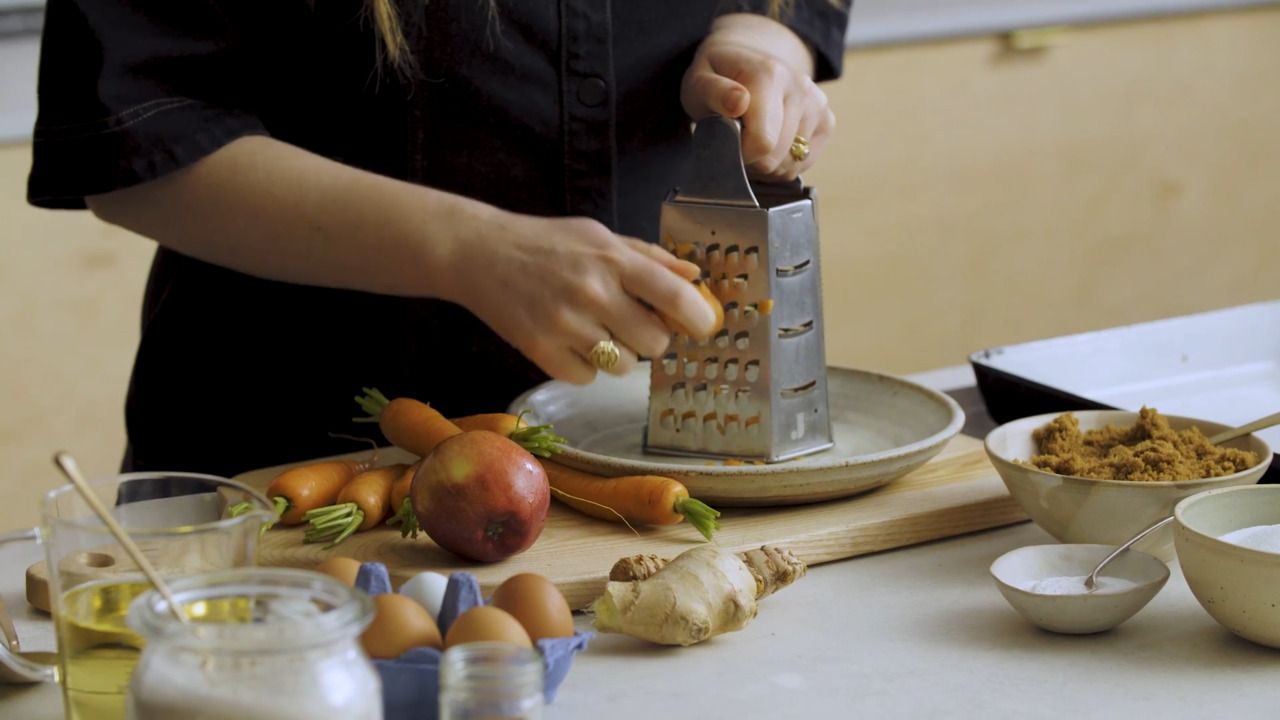
In recipes, root vegetables may be substituted for one another; however, remember the cooking time and vegetable size. Harder root vegetables, such as carrots, need more time to cook than softer root vegetables, such as sweet potatoes.
It's always important to consider how the cooking times can vary when substituting these different root vegetables. Carrots, sweet potatoes, and parsnips are all interchangeable sweet root vegetables. Savoury root vegetables such as celeriac, potato, sweet potato, and turnip can be substituted for one another. Always keep cooking time and vegetable size in mind.
Asparagus, peas, and sugar snap peas are examples of quick-cooking vegetables. When substituting these vegetables for another, consider the colour, flavour, and cooking time.
Salt, Fat, Acid and Heat by Samin Nosrat is a beautifully illustrated book explaining the how's and why's of cooking helping to make you a more confident cook. The NY Times has a great article which you can access here that breaks down the ins and outs of substituting food, giving you some great ideas that you can incorporate into your own kitchen. Bon Appetit food director Carla Lalli outlines her 10 Fundamental Lessons That Will Make You a More Confident Cook, which you can view here. A great article for helping you feel more confident in the kitchen.
I also have a great flexible vegetable soup recipe from my old days working with Jamie Oliver, which you can watch here.
Get the full workbook, video lessons, and more with a Create Academy subscription.
Subscribe to access the full workbookAlready a member? Sign in to watch
510 reviews
Read moreCreate Academy has been such a great resource. I'm in the middle of renovating a bungalow with a very large garden and the courses have offered a wealth of inform...
Harvey
Jun 10, 2026
Absolutely love Create Academy! The instructors are extremely informative, and it is beautifully filmed. Create Academy is great value for money and plan on renew...
SG
May 31, 2026
Butter's creativity is stunning! Her ability to incorporate brilliance in small gardens is magical!
Carla
May 30, 2026
The best adventure. I like all the courses, but my favorite are both Rita Konig interior design courses and Anna Jones. Excellent!
Karolina Kluczewska
May 20, 2026
Create Academy has been such a great resource. I'm in the middle of renovating a bungalow with a very large garden and the courses have offered a wealth of information to dive into and explore new ideas. I'm...
Harvey
Jun 10, 2026
Absolutely love Create Academy! The instructors are extremely informative, and it is beautifully filmed. Create Academy is great value for money and plan on renewing my subscription yearly because there are ...
SG
May 31, 2026
Butter's creativity is stunning! Her ability to incorporate brilliance in small gardens is magical!
Carla
May 30, 2026

Your Instructor
The voice of modern vegetarian cooking. Chef, writer and internationally acclaimed author.
Over the past decade, Anna Jones’ endlessly inventive approach to food has made her the voice of modern vegetarian cooking. Her books have been translated into five different languages and sold in 10 different countries, with the most recent ‘One’, being a Sunday Times bestseller and ‘The Modern Cook’s Year’ winning the coveted Observer Food Best Cookbook Award and The Guild of Food Writers Cookery Book Award. Having written well over a thousand recipes, Anna has quickly become the go-to cook for joyful, creative and simple vegetarian recipes.
Access to all courses


