Indoor Gardening Masterclass

Terrariums - part 1

with JAMES WONG — Ethnobotanist, broadcaster, best-selling author. Youngest winner of RHS Hampton Court Flower Show.

Lesson 13 of 28
Rated 4.7/5 on Trustpilot
|

Learn from the world's best creative minds on Create Academy

Terrariums - part 1 - Video thumbnail

Buy or subscribe to watch

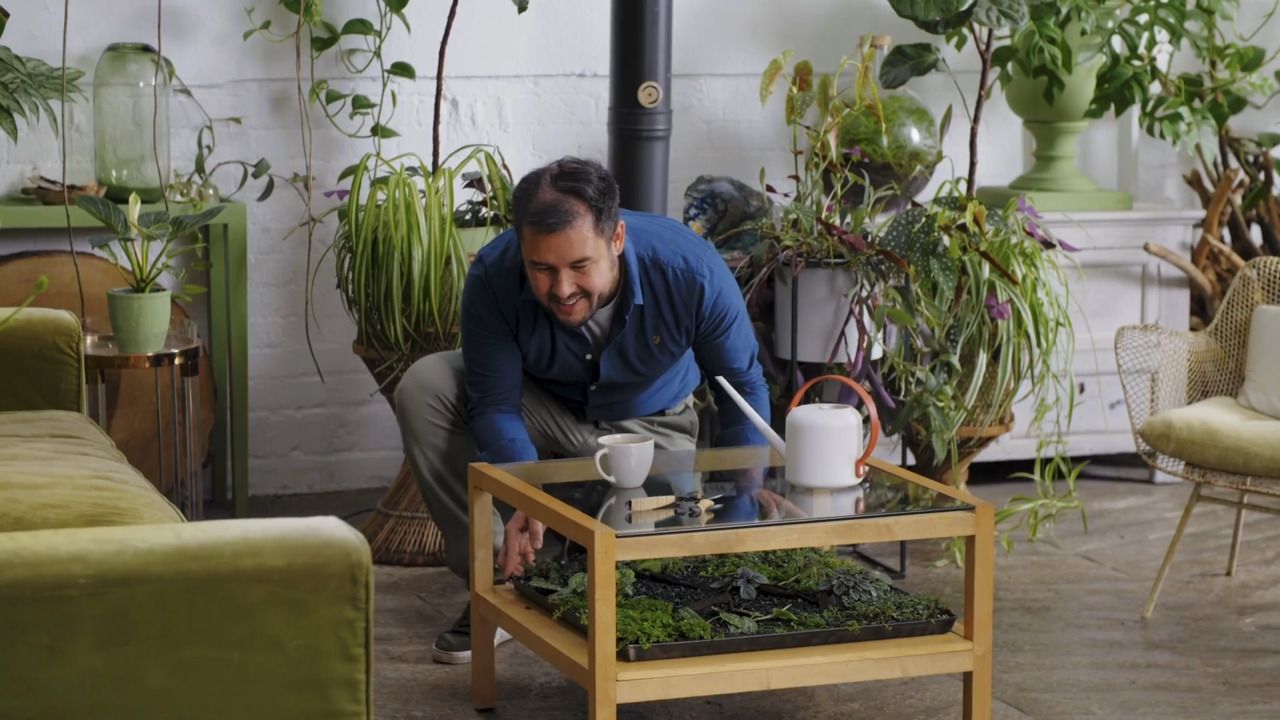
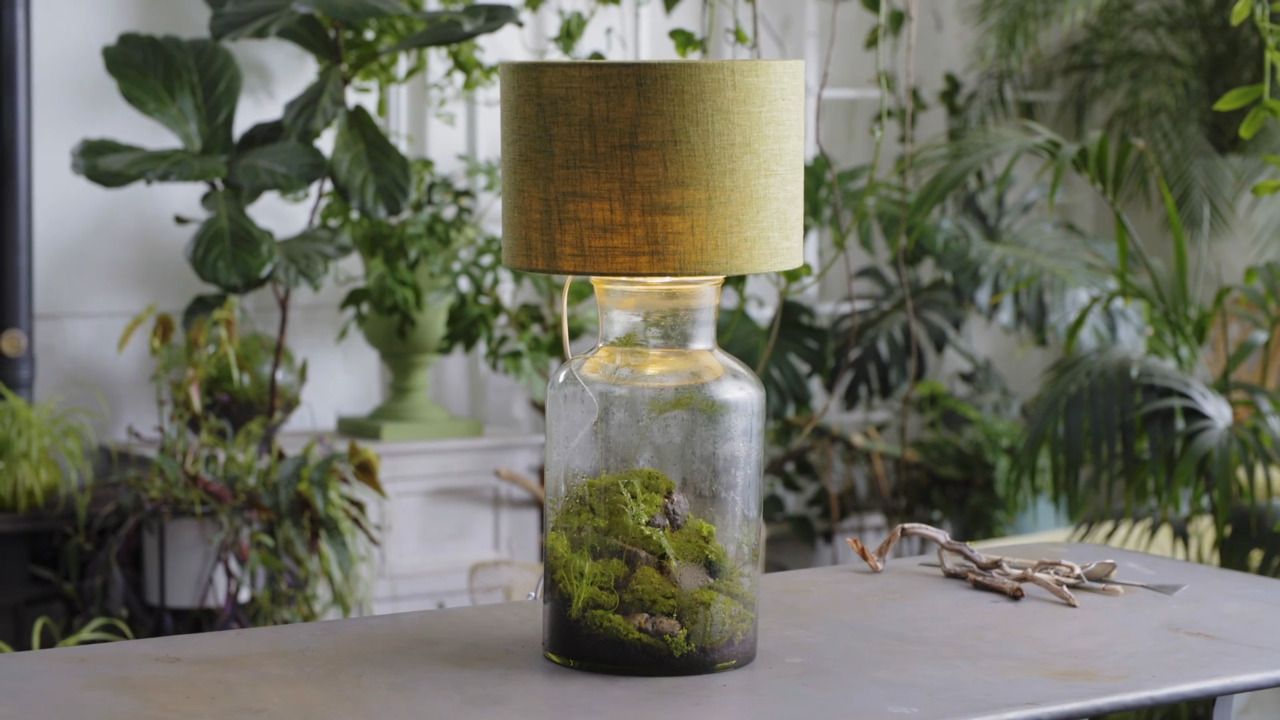
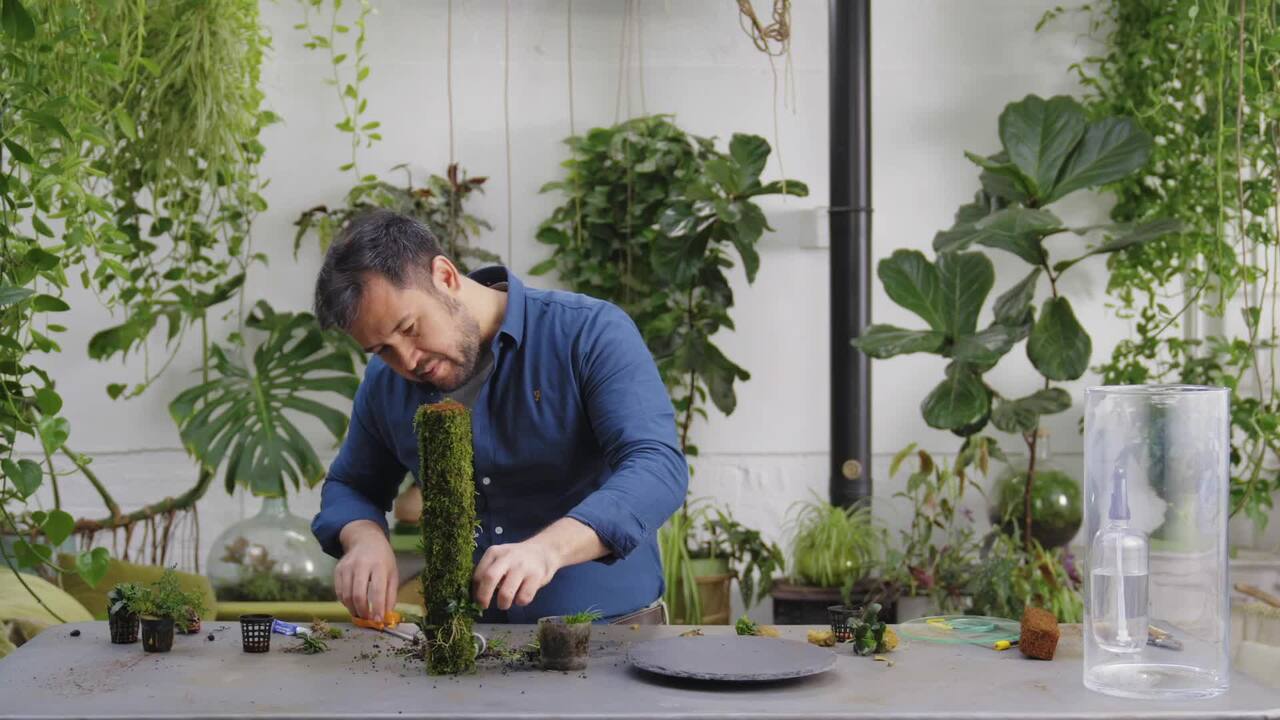
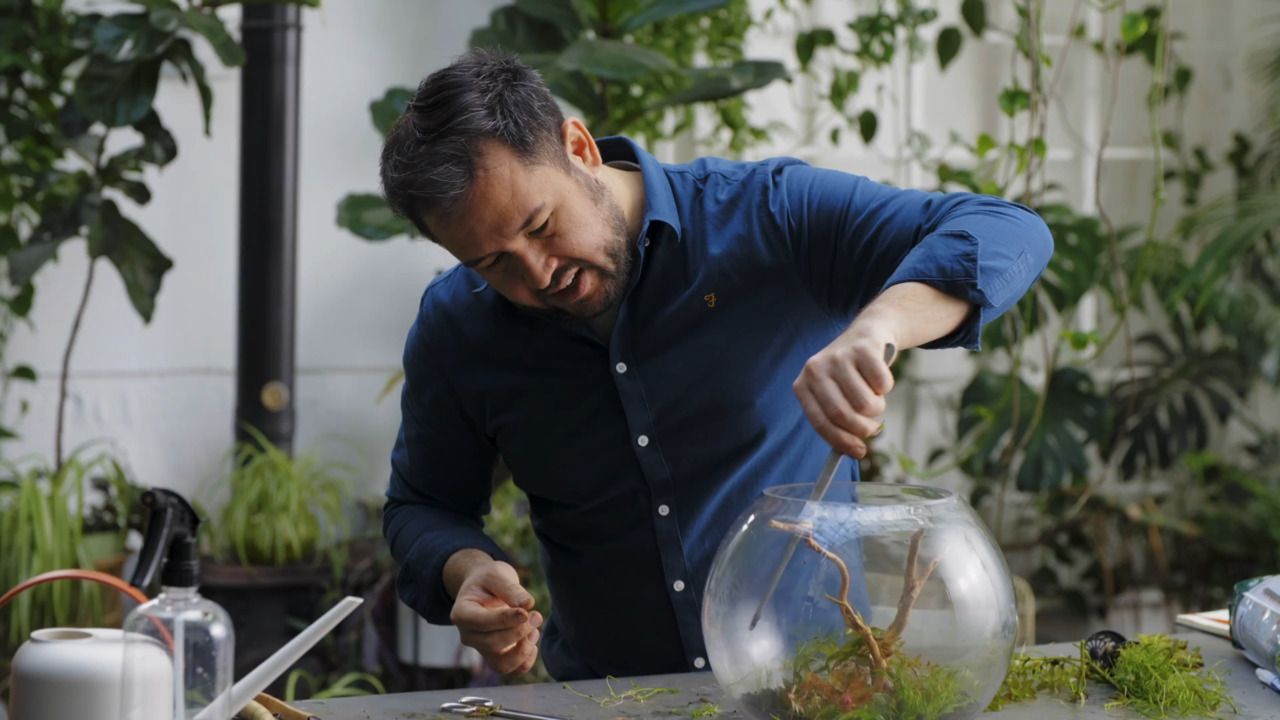
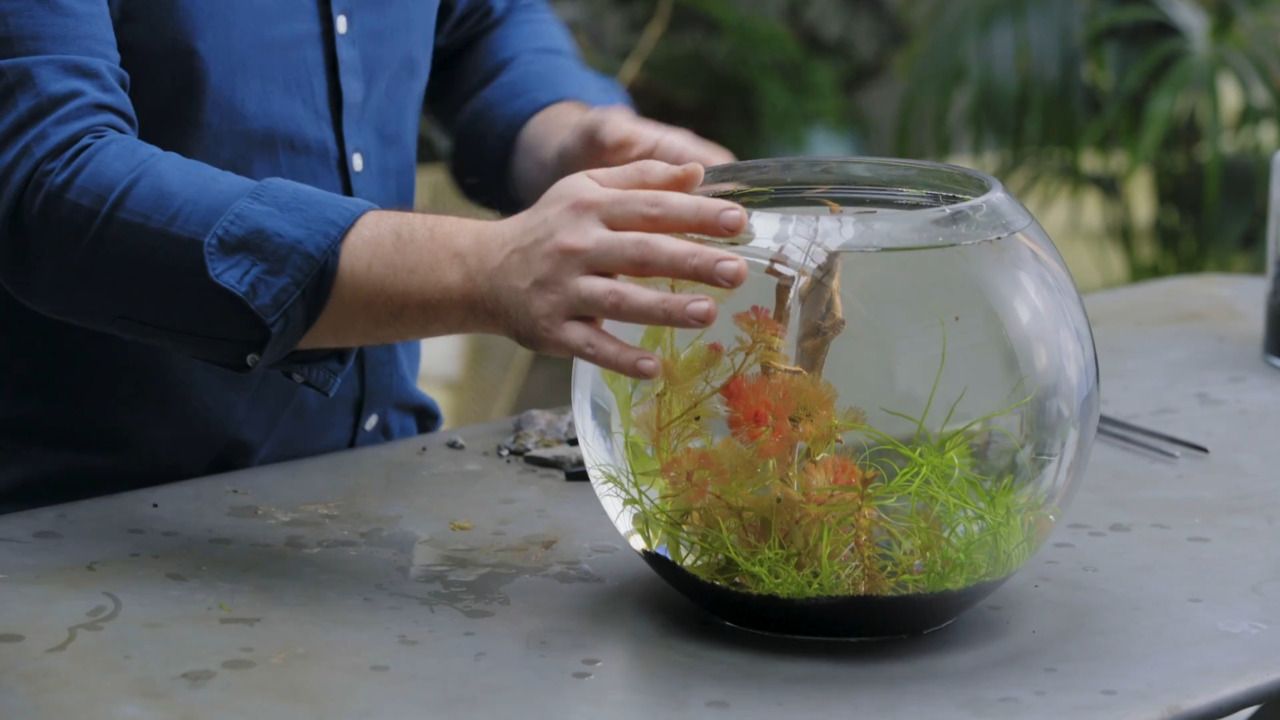
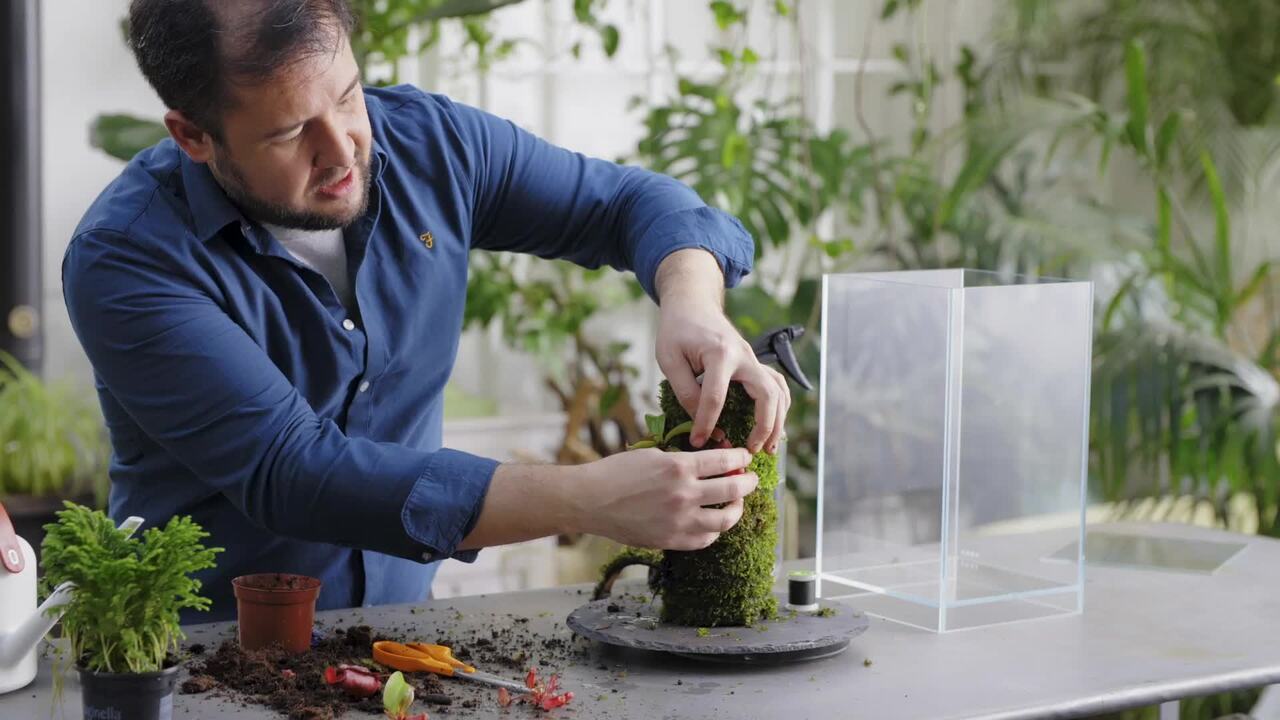
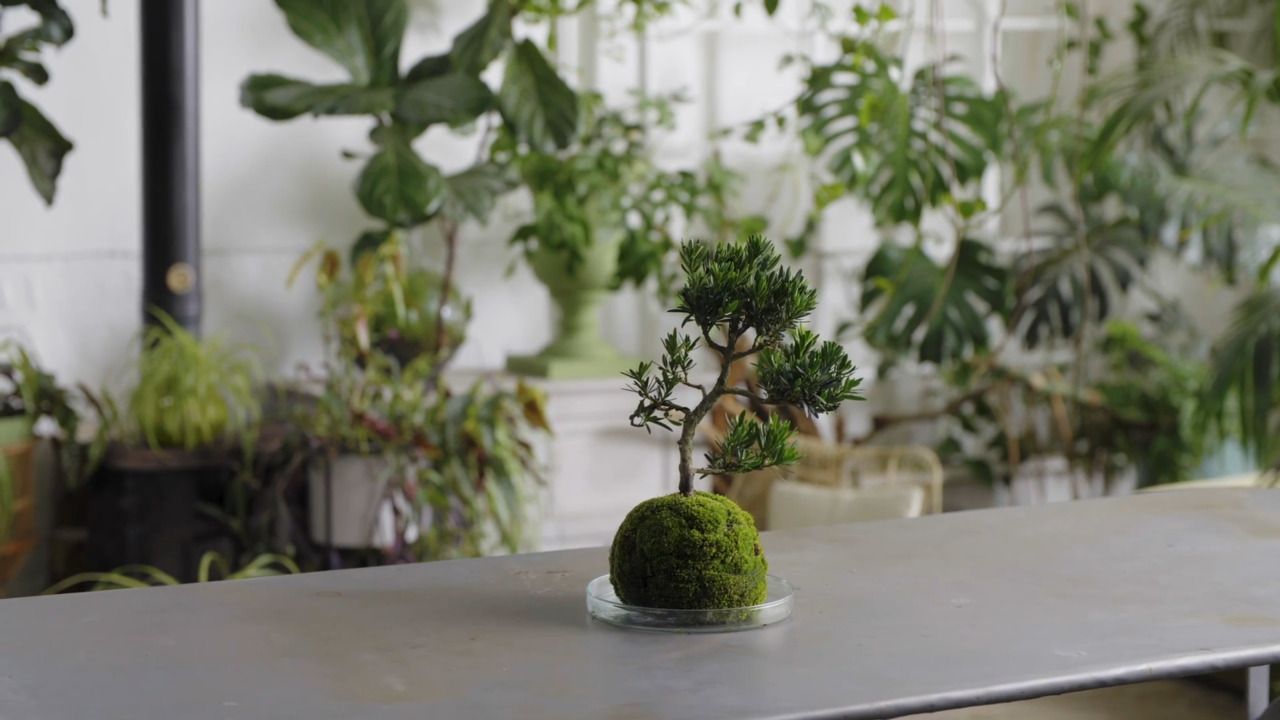
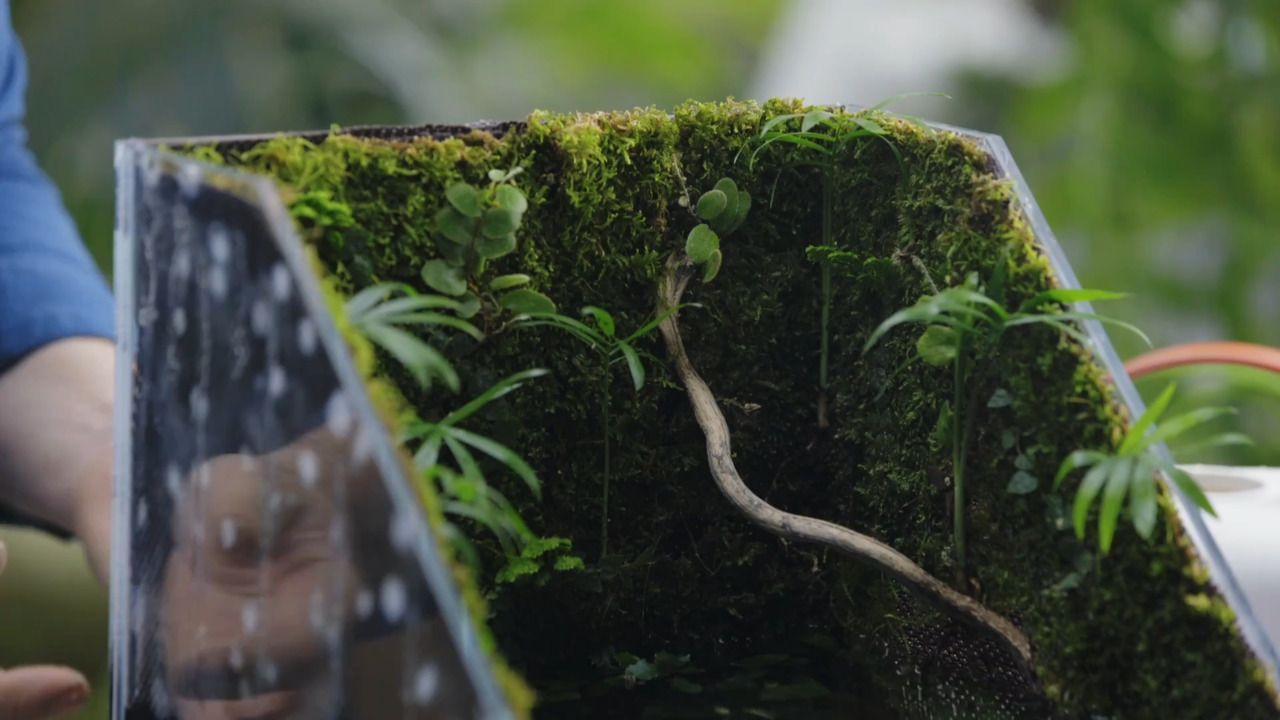
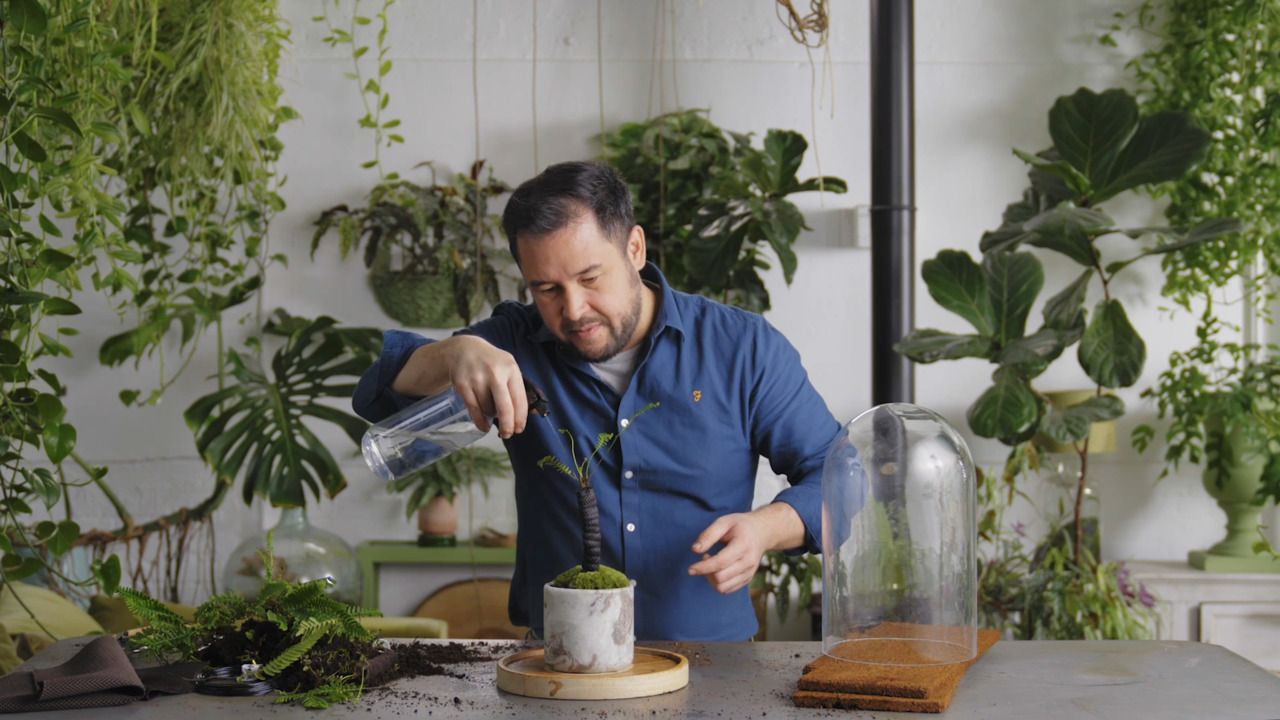
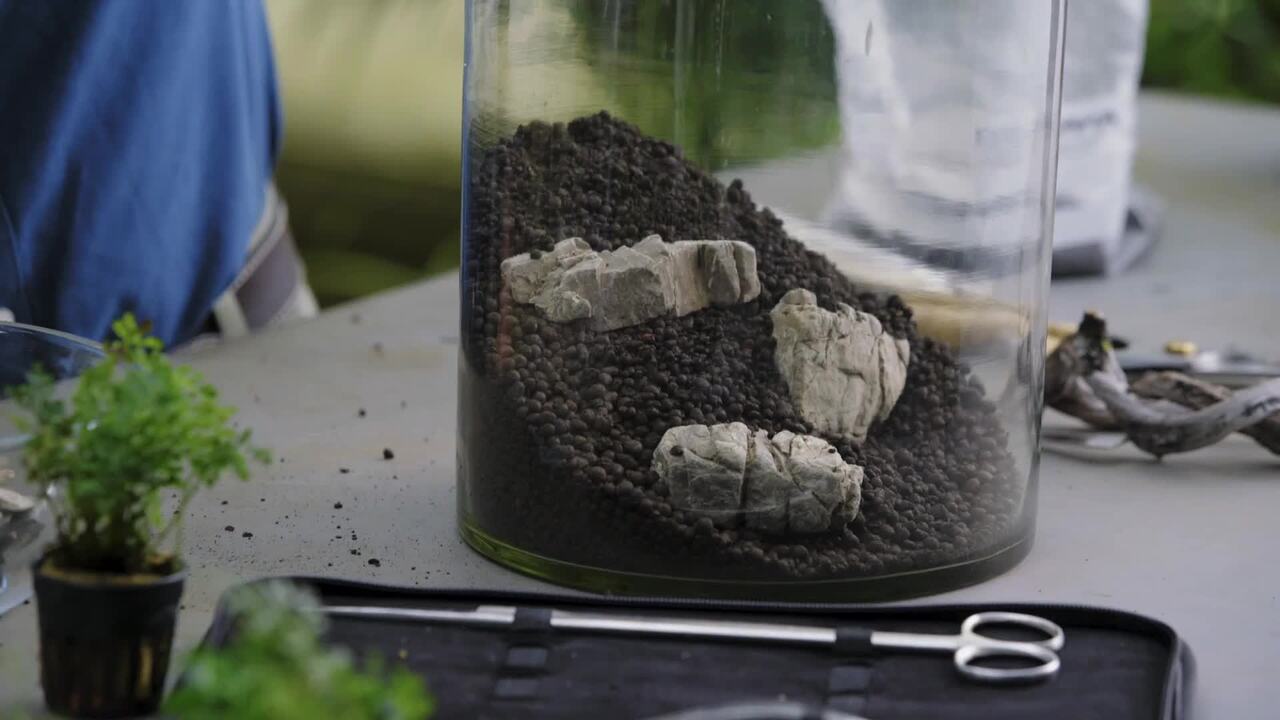
James demonstrates how to make a terrarium that lasts, constructing one with a twist and adding a little bit of light.

From the Lesson Workbook

Terrariums

James perfectly demonstrates how to make a terrarium that lasts, constructing one with a twist and adding a little bit of light.

Equipment used:

  • Sweet Jar
  • Water mister/spray bottle
  • Kurodama bonsai soil
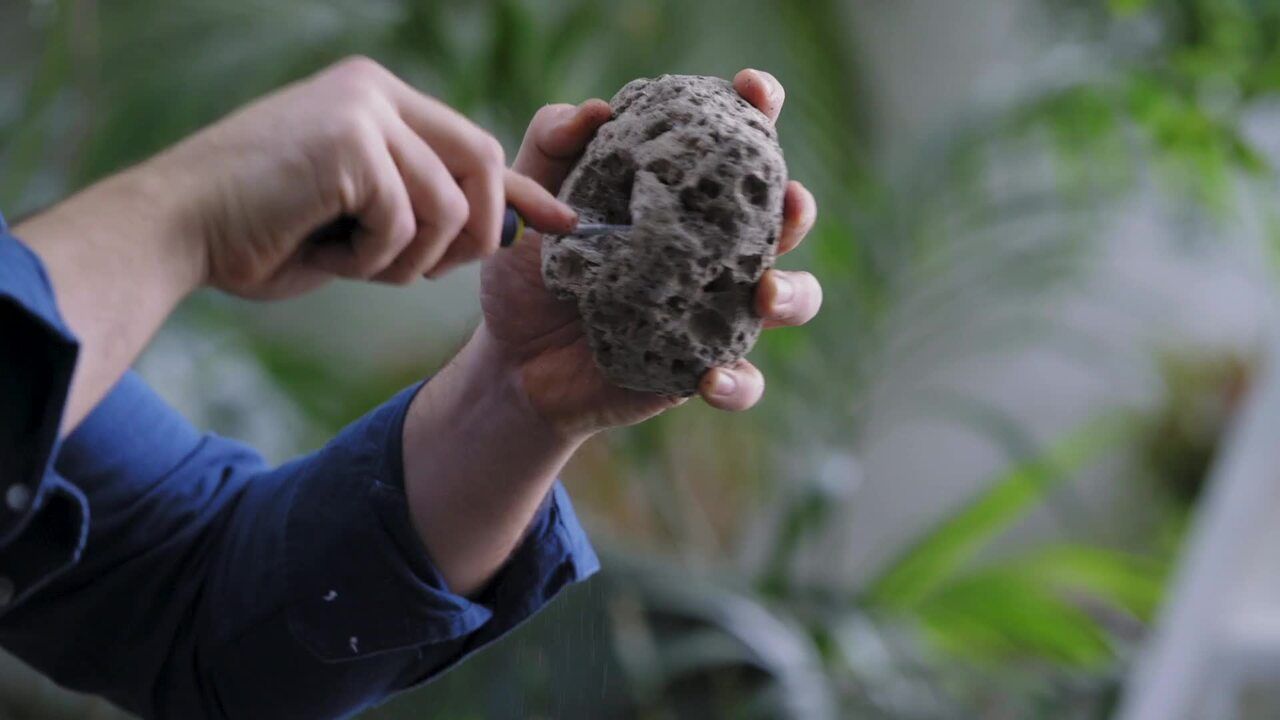
  • Decorative aquarium rocks (Millenium/Seiryu stones)
  • Live woodlice
  • Live springtails
  • Acrylic plastic disc

Plants used:

  • Davallia 'Fine Leaf Form'
  • Biophytum sensitivum 'Little Tree Plant'
  • Leucobryum glaucum 'Bun Moss'
  • Bolbitis heteroclita 'Difformis'
  • Anybias barteri var. nana
  • Hemianthus callitrichoides
  • Lilaeopsis 'Novae Zealandiae'
  • Nepenthes

Lesson Summary

  • Terrariums were not invented as home decor, but were initially a key industrial piece of technology, for the safe transport of valuable crop plants around the world on ships.
  • The number one error in terrarium planting, is when it involves cacti and succulents. A terrarium is the opposite of what these types of plant needs.
  • A terrarium creates a low-light, high-humidity and stable environment. Lowlight loving soil-level species from forests are therefore used in terrariums.
  • A common problem is that young plants of large species are often used, eventually becoming too big for their terrarium home.
  • I recommend creating a mound with the soil. The flatter the surface area, the less planting area is available. Sloping things up plays with perspective.
  • Aquarium supply stores are an excellent choice for terrarium plants, as they are all selected to stay compact. All the plants here make neat additions, but only choose species that are self-supporting out of water.
  • I recommend Aquarium Gardens in the UK for aquarium plants and material supplies.
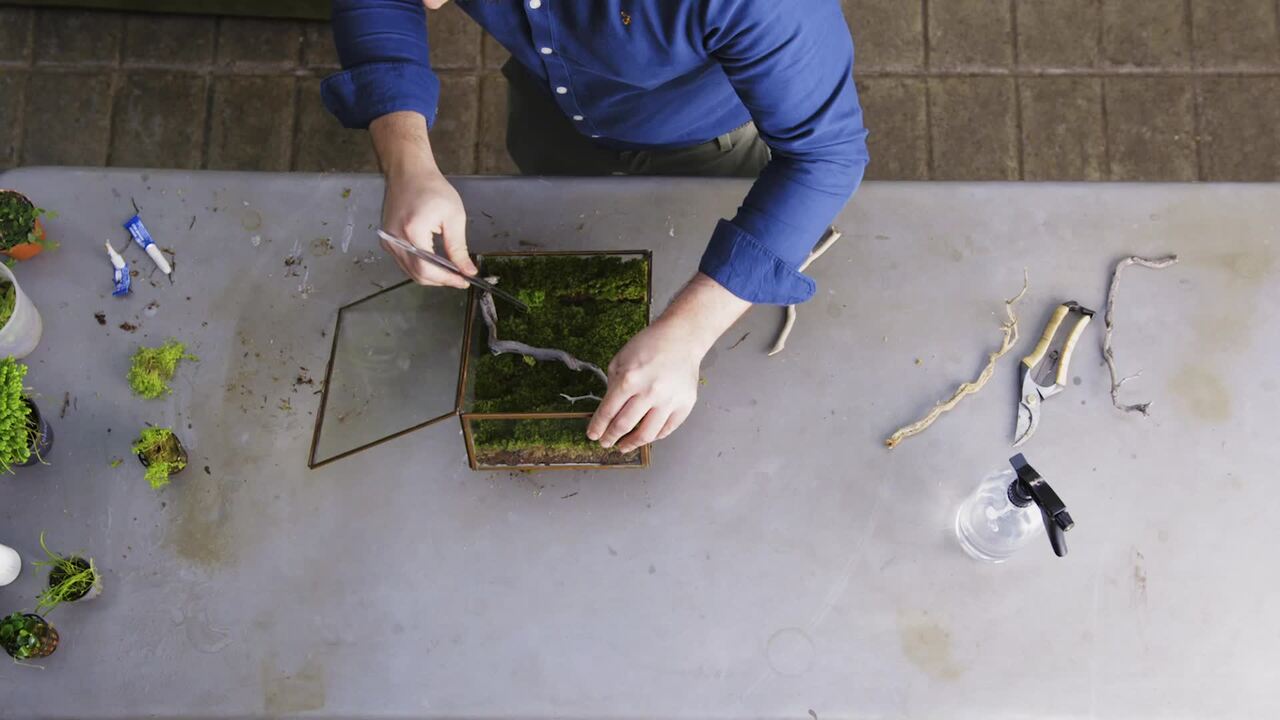
  • I would also recommend larger terrariums as the conditions are far more stable. The simpler the shape the better for a clear view of the plants within, so avoid using geometric containers when creating terrariums.
  • I introduce dwarf tropical woodlice, as they process dead leaves and organic matter. They develop this organic matter into nutrients which plants can use to prevent fungal and bacterial diseases. This results in healthier plants with fewer mould problems in the terrarium.
  • One of the biggest misconceptions is that garden centre plants must be planted directly into a terrarium. In many cases, each pot contains a number of small plants which can be divided and planted seperately.
  • When planting your terrarium, remember that nature does not produce identical plants. Symmetry does not exist in nature.
  • I use Leucobryum glaucum (Bun moss) as a filler in the terrarium because it is low maintenance and flourishes under humid conditions.
  • In London or other hard water areas, mineral water should be used to water the terrarium. This prevents a build up of calcium deposits.
  • At the supermarket, choose mineral water with the lowest mineral content, which is listed on the back of each bottle. I recommend using Volvic in the UK.
  • Water your terrarium with around ten sprays once every two to three weeks.
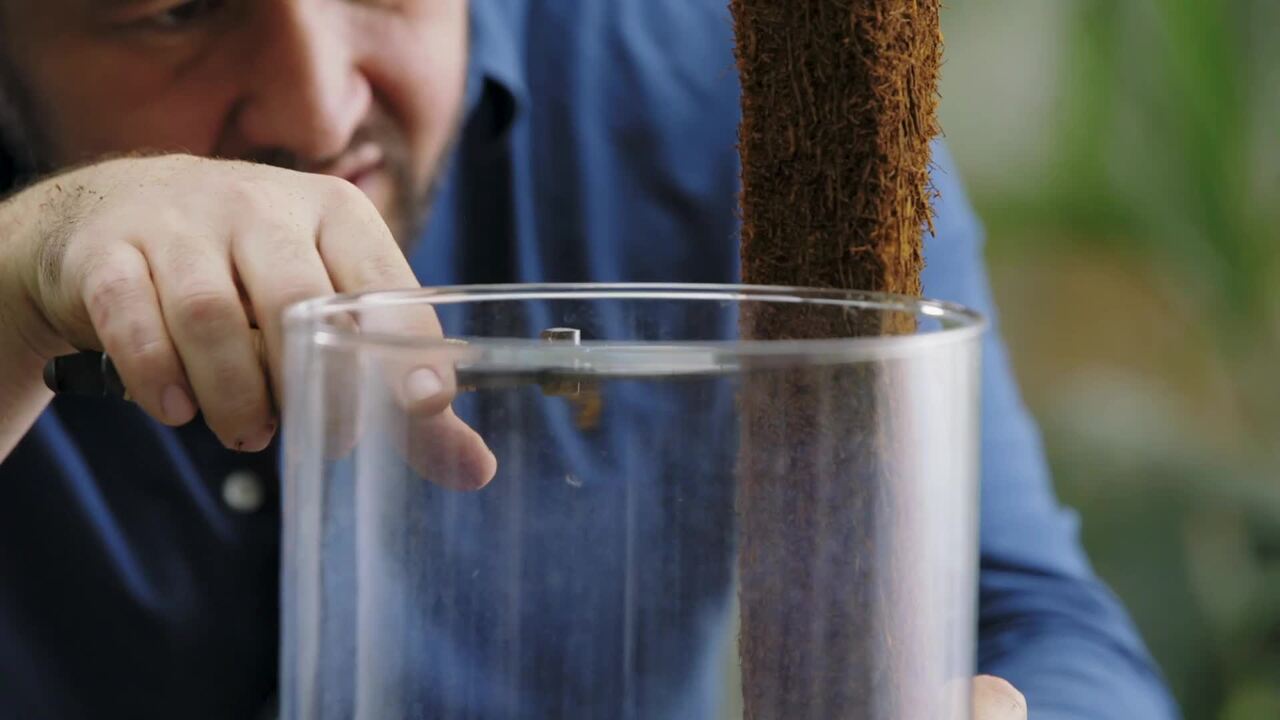
  • I use a clear acrylic lid with holes cut out of it to allow some control of air flow.
  • I recommend a permanent, bright but indirect position such as a north-facing windowsill (in the northern hemisphere). Alternatively, in a brighter room, put the terrarium one to two metres away from the window.
  • You can use a desk lamp to perfectly control the light you get.
  • I bought a bottle lamp-kit. The acrylic holes in the lid are cut to match the holes in the bottle set.
  • I recommend half-mirror bulbs as the light is reflected downwards.
  • The lamp is perfect for a bedside table and even a light alarm clock when a timer is on.
  • Aquarium tweezers enable the practical handling of small, delicate objects.

Your Notes

Write a list of plants that you feel are suitable to go inside a terrarium.

Tip - Low light loving, high humidity plants are best.

Get the full workbook, video lessons, and more with a Create Academy subscription.

Subscribe to access the full workbook
Access all courses
$30 /month

Access 56+ courses, billed annually

Subscribe Now
Buy this course
$107 one-time

Lifetime access to this course

Buy Course

Already a member? Sign in to watch

Rated 4.7/5 on Trustpilot

437 reviews

Read more

Very good tutorial from a professional garden...

I have subscribed to access all the courses so have watched one on interior design and this one with Butter Wakefield who specialises in small garden design. She ...

Louise Brown

Apr 10, 2026

Time spent well

I love CreateAcademy. I came in for the gardening and floristry courses, but am also watching an interior design one at present. And the photography course is an ...

Wellesley

Apr 1, 2026

What a great investment

What a great investment, I have learned such a lot from the first three courses. My evenings have gone from not being able to find anything that captured my imagi...

sojojo

Mar 30, 2026

I loved this course with Amanda\u2026

I loved this course with Amanda Lindroth! Her approach to decorating is so relaxed and she makes it feel attainable. She explains the reasons behind her decisions...

Elizabeth

Mar 27, 2026

James Wong

Your Instructor

James Wong

Ethnobotanist, broadcaster, best-selling author. Youngest winner of RHS Hampton Court Flower Show.

Often referred to as the nation’s favourite botanist; plant scientist and gardening expert James Wong is a self-proclaimed botany geek, award-winning garden designer and a Royal Horticulture Society ambassador. He’s an internationally best-selling author with the inspirational ‘Grow Your Own Drugs’ and ‘Homegrown Revolution’, has presented multiple TV programmes, and is listed by The Sunday Times as one of the Top 20 most influential people in horticulture. James is perhaps the most passionate person in the world about plants; with over 500 houseplants in his tiny London flat.
Access to all courses

Get access to unlimited learning with a Create Academy subscription