Indoor Gardening Masterclass

Indoor gardens

with JAMES WONG — Ethnobotanist, broadcaster, best-selling author. Youngest winner of RHS Hampton Court Flower Show.

Lesson 11 of 28
Rated 4.7/5 on Trustpilot
|

Learn from the world's best creative minds on Create Academy

Indoor gardens - Video thumbnail

Buy or subscribe to watch

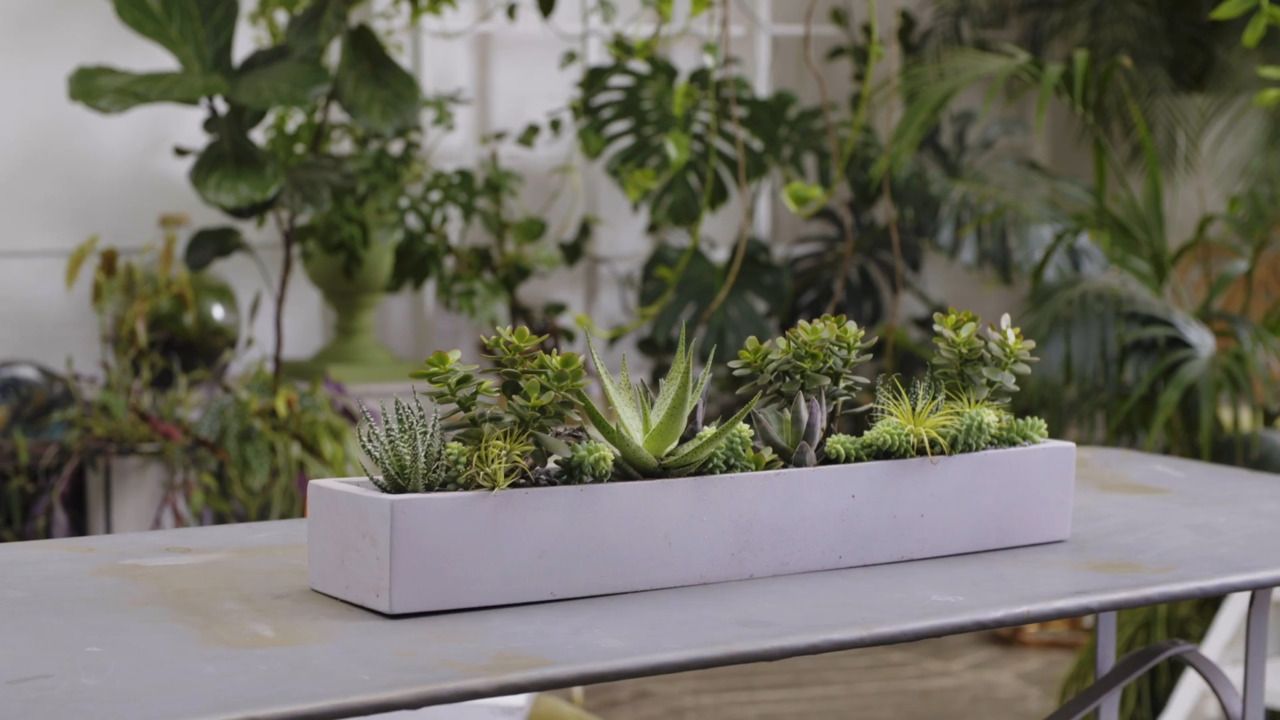
Learn how to create your own indoor garden by mixing plants varieties, creating an atmosphere that transports you to places far and wide.

From the Lesson Workbook

Indoor Gardens

Learn how to create your own indoor garden by mixing plants varieties, creating an atmosphere that transports you to far away places.

Equipment used:

  • 80cm window box planter made from fibre stone
  • Manzanita twig
  • Kurodama bonsai compost
  • Sylva peat-free multi-purpose compost (composted wood)
  • Decorative stones as a mulch/topping around the plants
  • Plastic mixing bowl

Plants used:

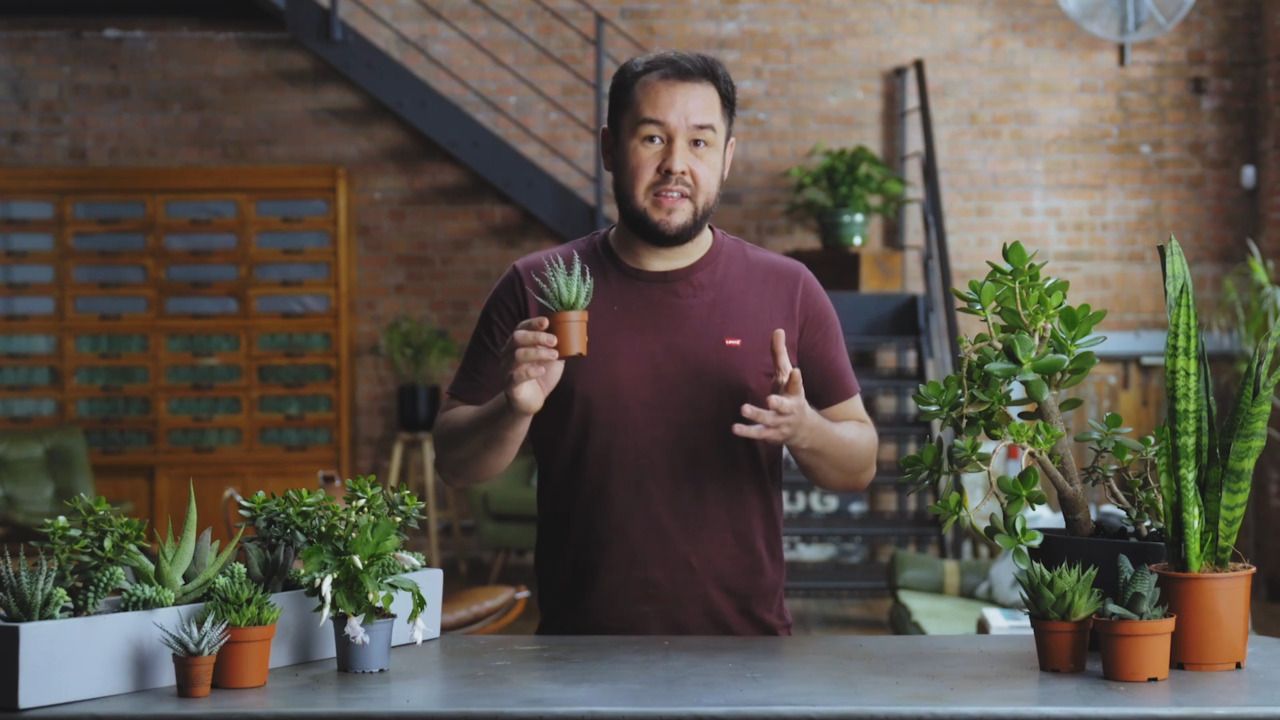
  • Crassula ovata 'Minor'
  • Crassula 'Garnet Lotus'
  • Sedum 'Burrito'
  • Aloe humilis 'Spider Aloe'
  • Aloe 'Silver Edge'
  • Tillandsia ionantha

Lesson Summary

  • Play about with the plants in the window box before adding soil and see what looks the most natural.
  • I like containers that aren't made from a porous material such as ceramic. Materials like terracotta contain lots of tiny holes which dry out too quickly, and thin metal containers can corrode, also fluctuating in temperature too dramatically.
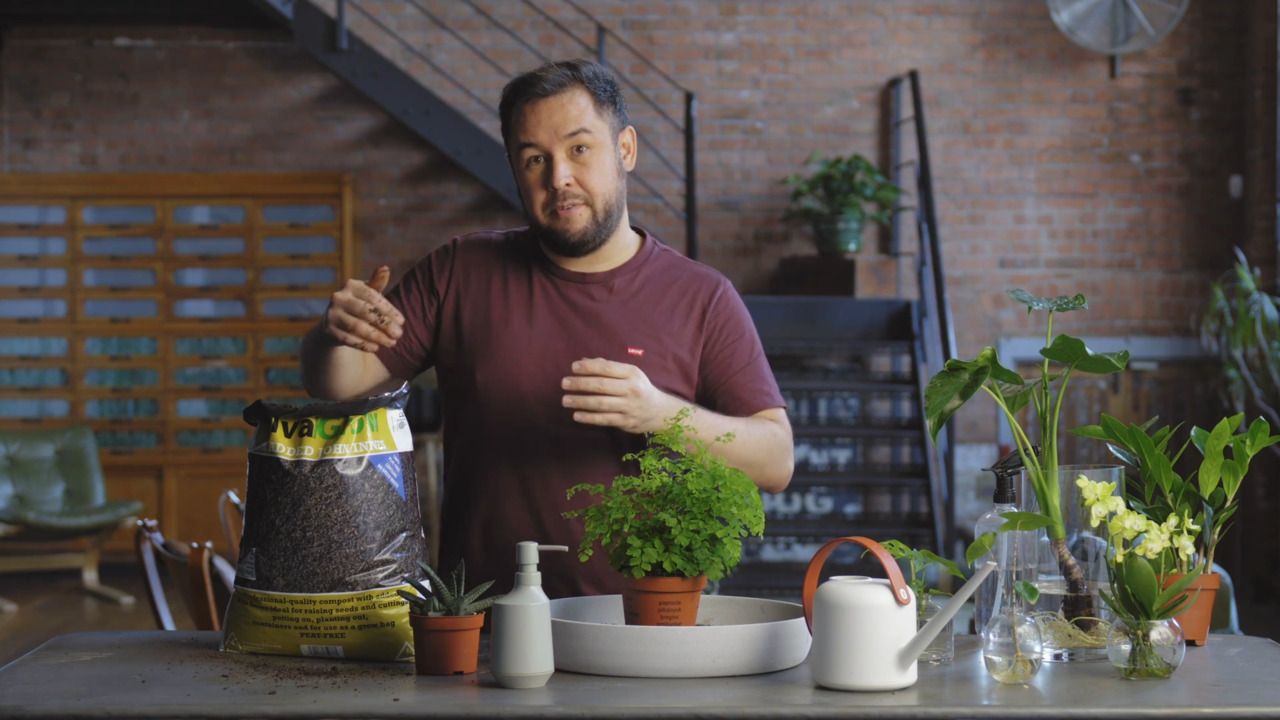
  • I recommend making your own growing medium by simply mixing standard peat-free houseplant compost (plant fibre) with Kurodama soil (expanded clay granules).
  • You can get Kurodama soil from bonsai companies. It is little balls of expanded clay and is great at absorbing excess moisture and aiding drainage.
  • Plant roots require both water and air. Compost straight from the bag is biodegradable, so shrinks over time. By adding a mineral base to your soil, you will ensure your plant roots have greater stability within the potting mix. With cacti, you can even use a 50/50 mix of houseplant soil and Kurodama. For most other plants, I recommend three handfuls of compost to one of Kurodama.
  • If you don't have kurodama, you can use perlite, crushed pumice, horticultural grit or fine pebbles.
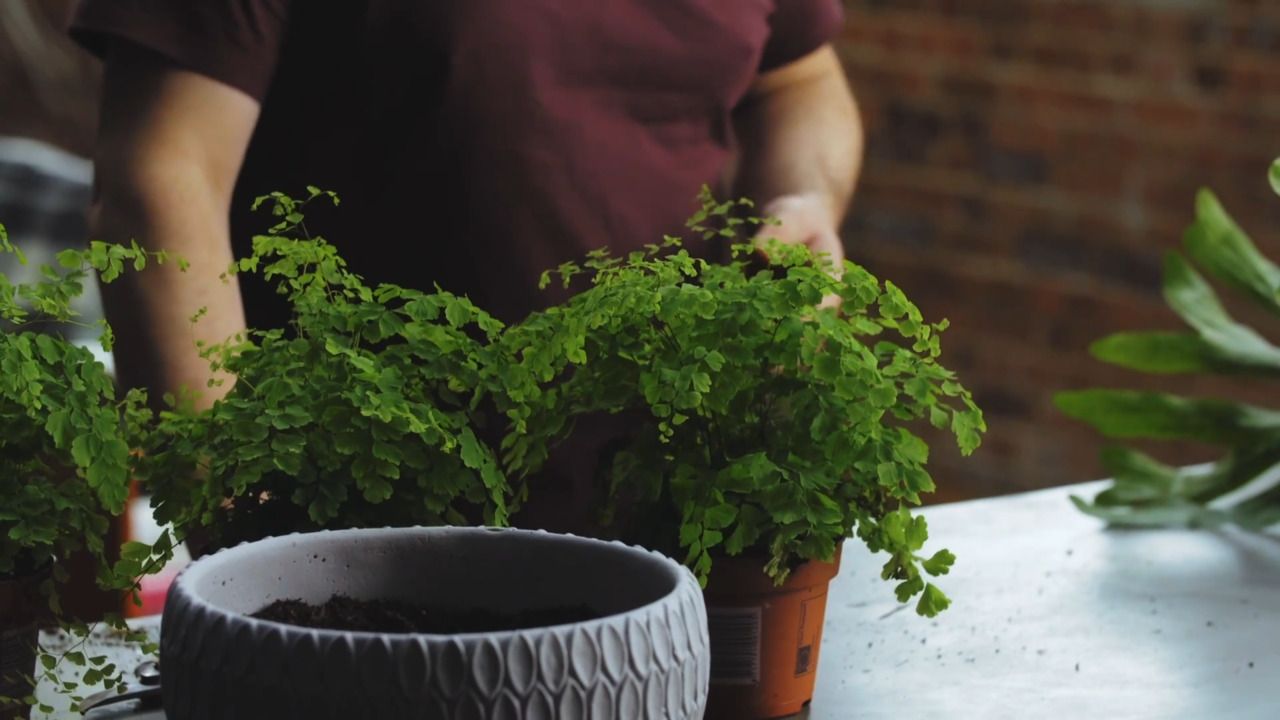
  • Houseplant nurseries will often packs plants together, to make them look more appealing in pots. By separating them out, it will give you two or more plants for the price of one.
  • I try to keep his planting asymmetrical, mimicking nature. For me, keeping things natural and creating odd numbers of things, creates an aesthetically pleasing asymmetrical balance.
  • I recommend removing all the excess soil that sits at the neck/base of the plant.
  • We can create a continuing sense of depth or scale with negative space, as it allows your eye to pause and relax.
  • My number one tip for succulents and cacti, is to place them close to a window, almost touching the glass if possible.
  • A propagation tip is to break leaves off certain succulent plants like Echeveria or Sedum, placing it onto the soil. Leaves will develop small plantlets in time, which can be carefully grown on.
  • A soft paintbrush is good for the finishing touches, dusting the compost off plants and out of cracks.
  • As the roots have been broken up, they will require a good drink of water to rehydrate the plants and help settle the compost.
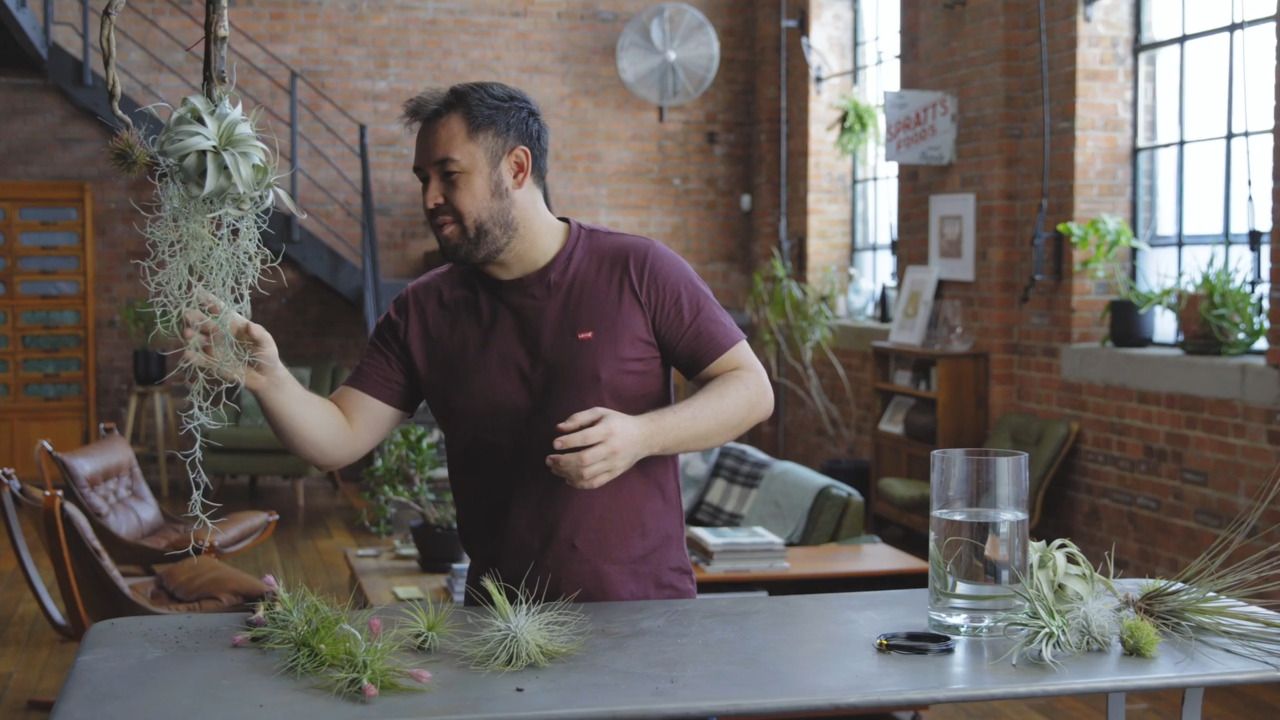
  • Place air plants in between cacti and succulents, for a contrast of texture. The air plants will appreciate the humidity found around the plants.
  • I top-dress the compost, covering it in decorative gravel. This hides the compost, which can look unsightly. It also adds to the illusion of a desert eco-system. This layer also creates a mulch layer, which traps moisture below.

Your Notes

Write a list of your favourite cacti and succulents and create lists of alternative plant combinations for this arrangement. Remember to break plants down into the categories of thriller, spiller and fillers.

Get the full workbook, video lessons, and more with a Create Academy subscription.

Subscribe to access the full workbook
Access all courses SALE 20% OFF
$24 /month $30

Access 56+ courses, billed annually

Subscribe Now
Buy this course SALE 20% OFF
$86 one-time $107

Lifetime access to this course

Buy Course

Already a member? Sign in to watch

Rated 4.7/5 on Trustpilot

437 reviews

Read more

Very good tutorial from a professional garden...

I have subscribed to access all the courses so have watched one on interior design and this one with Butter Wakefield who specialises in small garden design. She ...

Louise Brown

Apr 10, 2026

Time spent well

I love CreateAcademy. I came in for the gardening and floristry courses, but am also watching an interior design one at present. And the photography course is an ...

Wellesley

Apr 1, 2026

What a great investment

What a great investment, I have learned such a lot from the first three courses. My evenings have gone from not being able to find anything that captured my imagi...

sojojo

Mar 30, 2026

I loved this course with Amanda\u2026

I loved this course with Amanda Lindroth! Her approach to decorating is so relaxed and she makes it feel attainable. She explains the reasons behind her decisions...

Elizabeth

Mar 27, 2026

James Wong

Your Instructor

James Wong

Ethnobotanist, broadcaster, best-selling author. Youngest winner of RHS Hampton Court Flower Show.

Often referred to as the nation’s favourite botanist; plant scientist and gardening expert James Wong is a self-proclaimed botany geek, award-winning garden designer and a Royal Horticulture Society ambassador. He’s an internationally best-selling author with the inspirational ‘Grow Your Own Drugs’ and ‘Homegrown Revolution’, has presented multiple TV programmes, and is listed by The Sunday Times as one of the Top 20 most influential people in horticulture. James is perhaps the most passionate person in the world about plants; with over 500 houseplants in his tiny London flat.
Access to all courses

Get access to unlimited learning with a Create Academy subscription