
Interior and exterior confidence
Create Academy has been such a great resource. I'm in the middle of renovating a bungalow with a very large garden and the courses have offered a wealth of inform...
Harvey
Jun 10, 2026
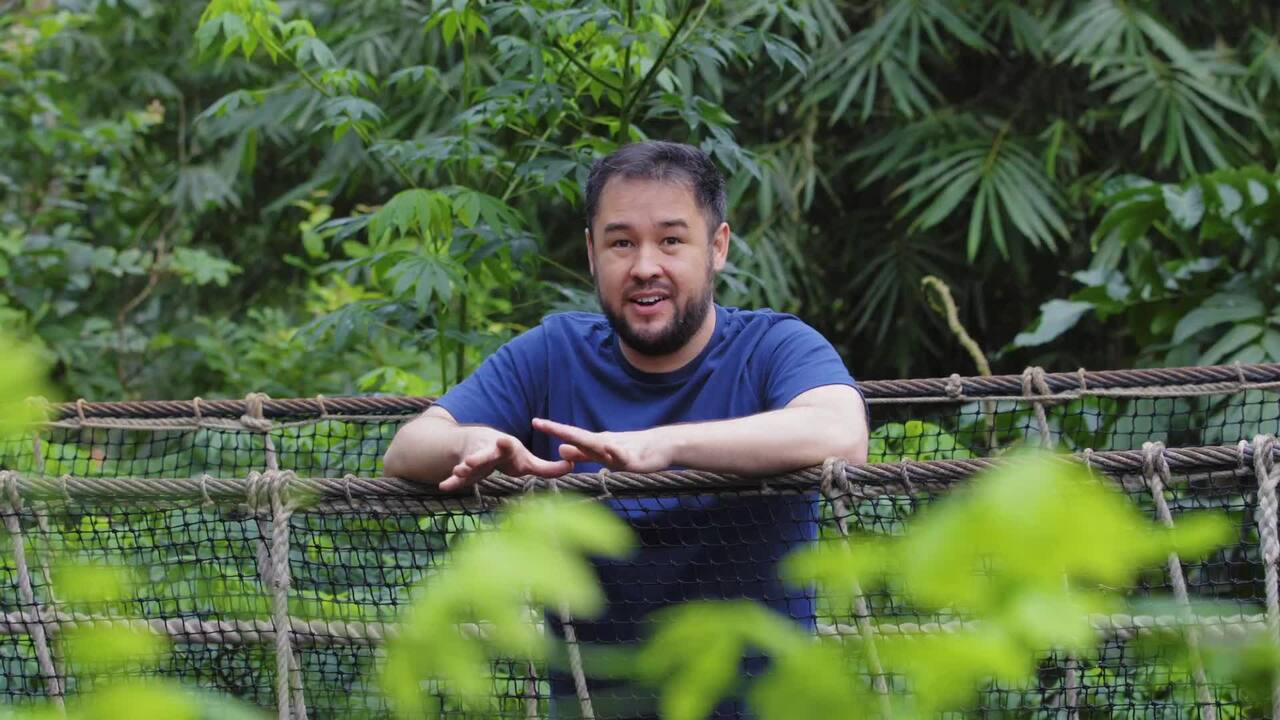
with JAMES WONG — Ethnobotanist, broadcaster, best-selling author. Youngest winner of RHS Hampton Court Flower Show.
Lesson 22 of 28
Subscribe to watch
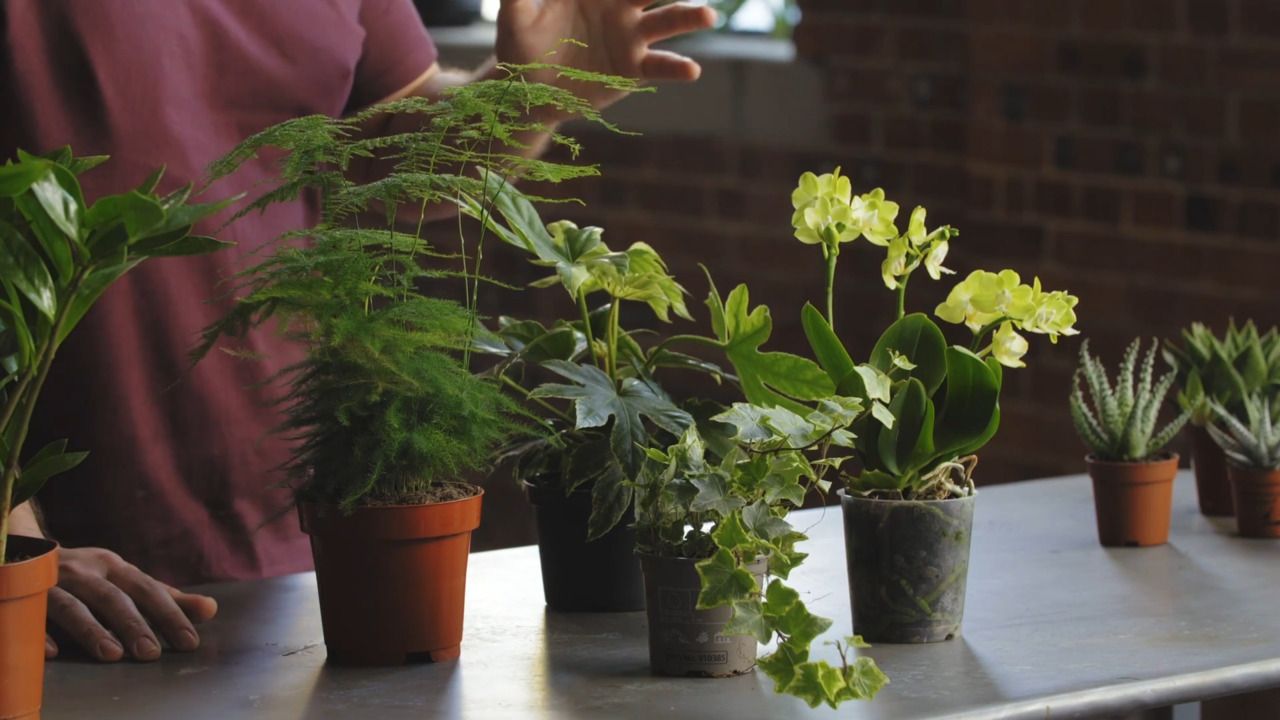
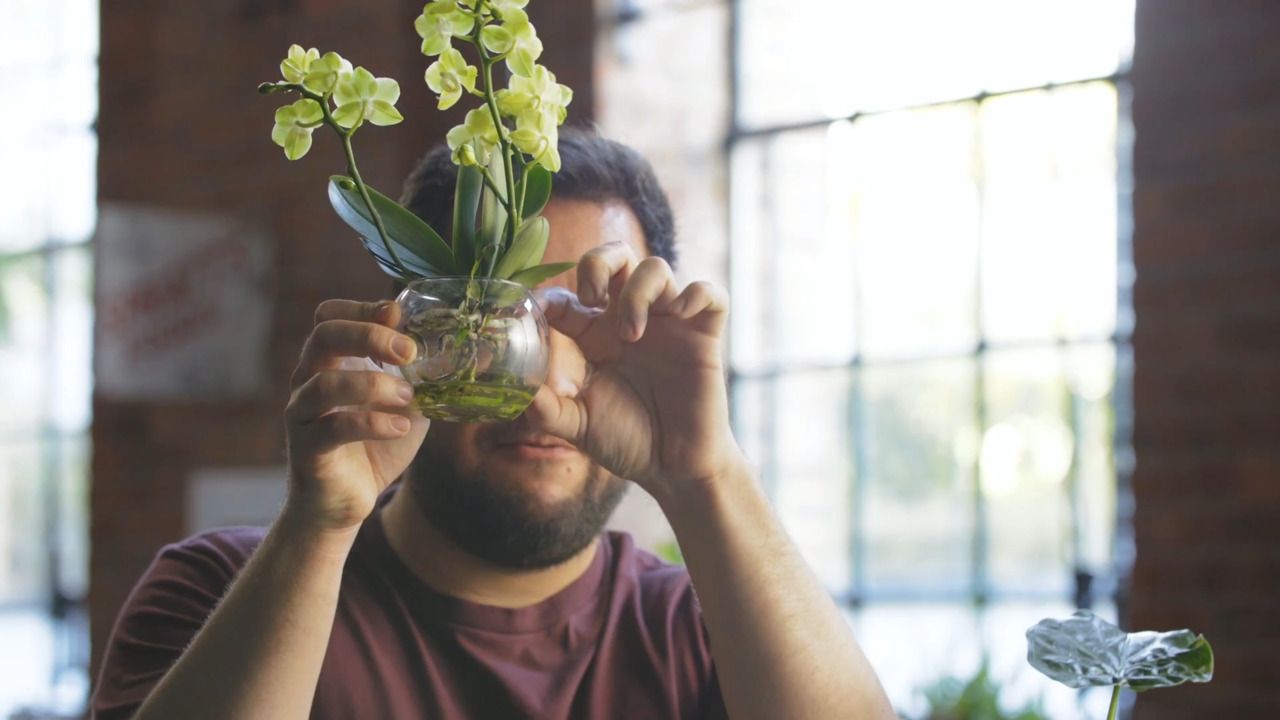
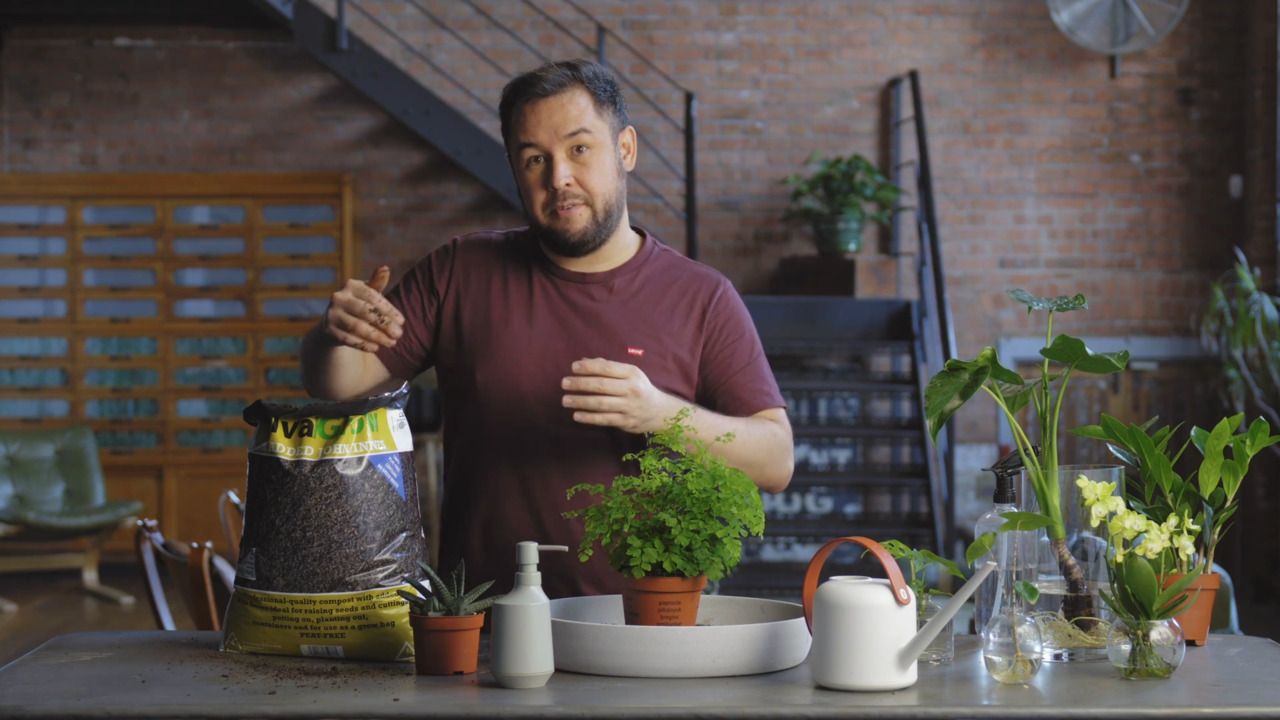
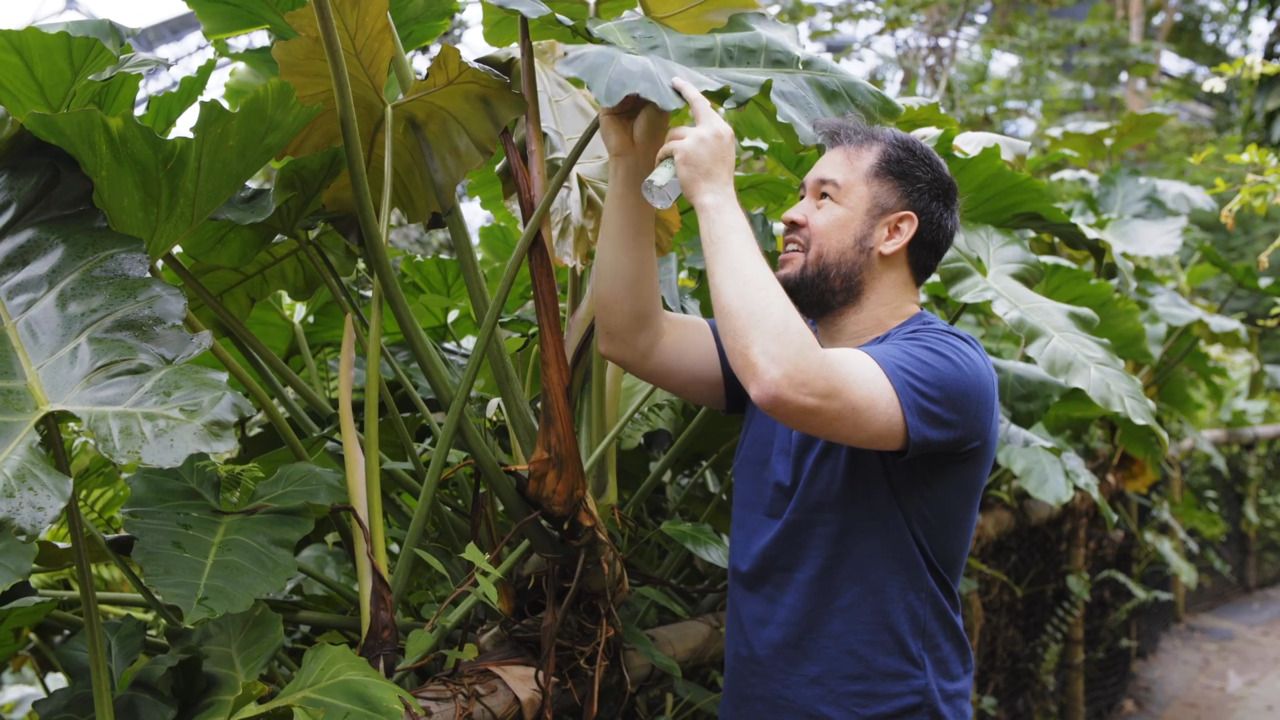
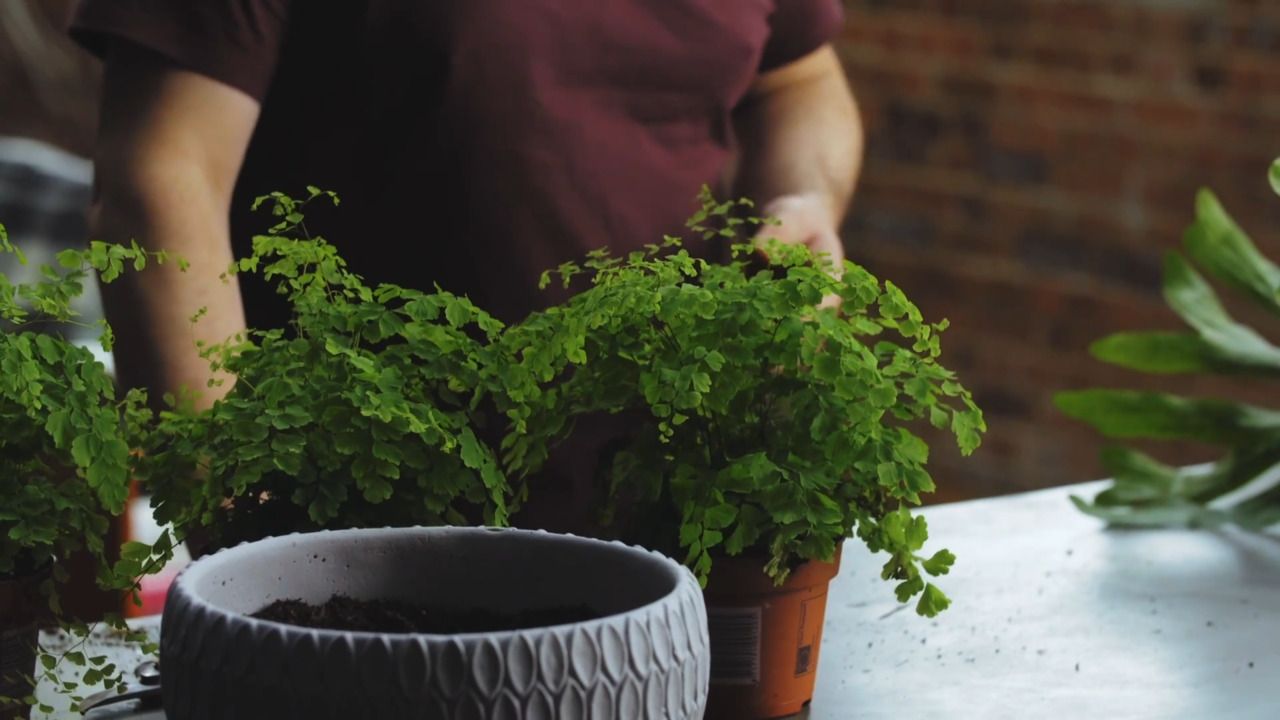
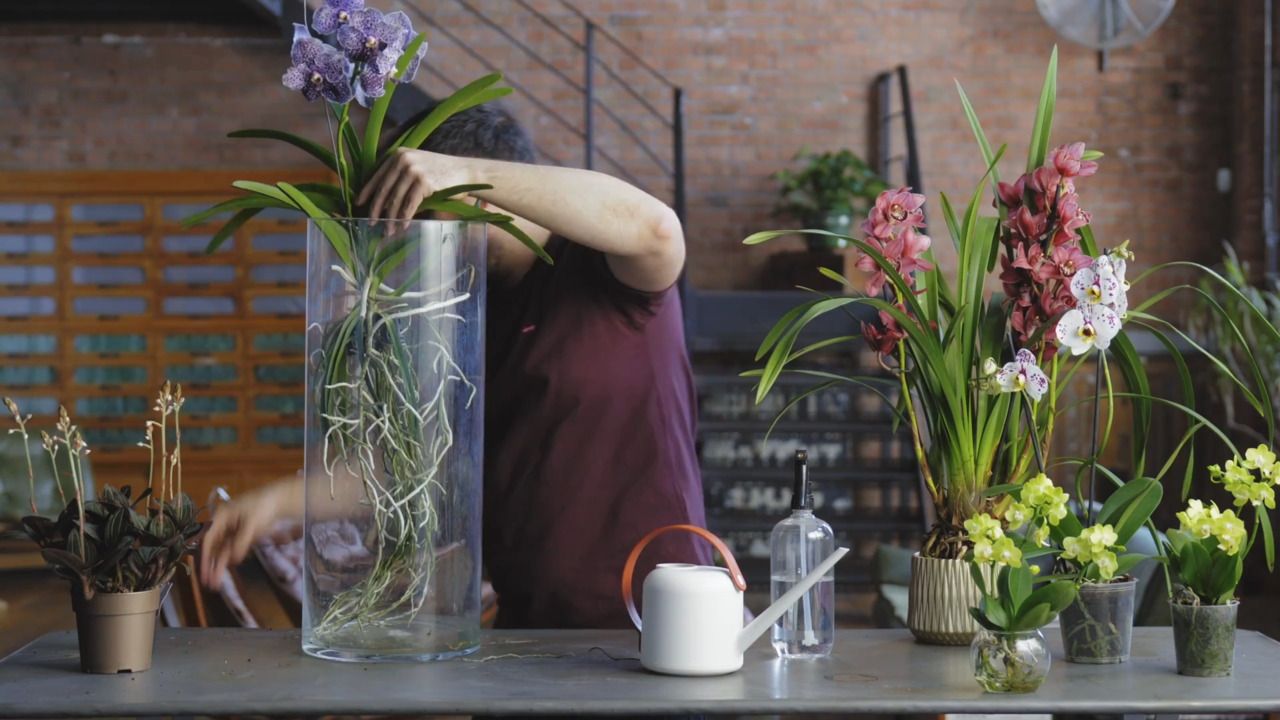
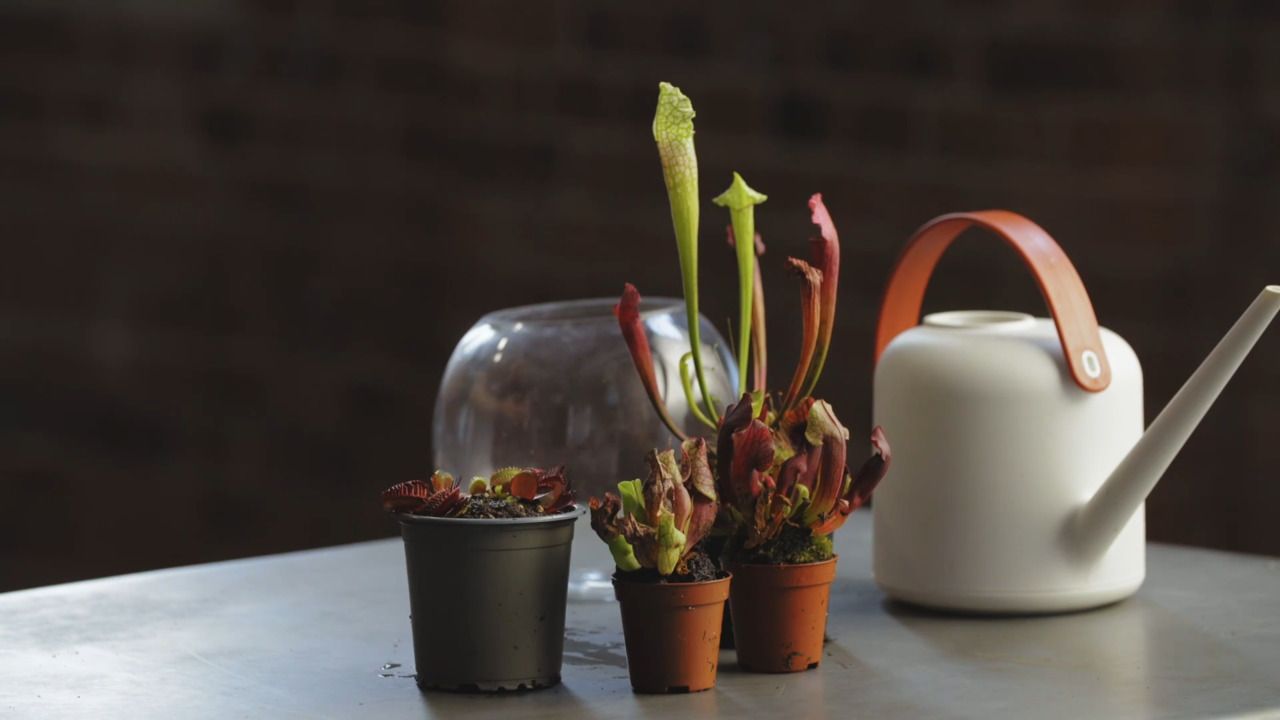
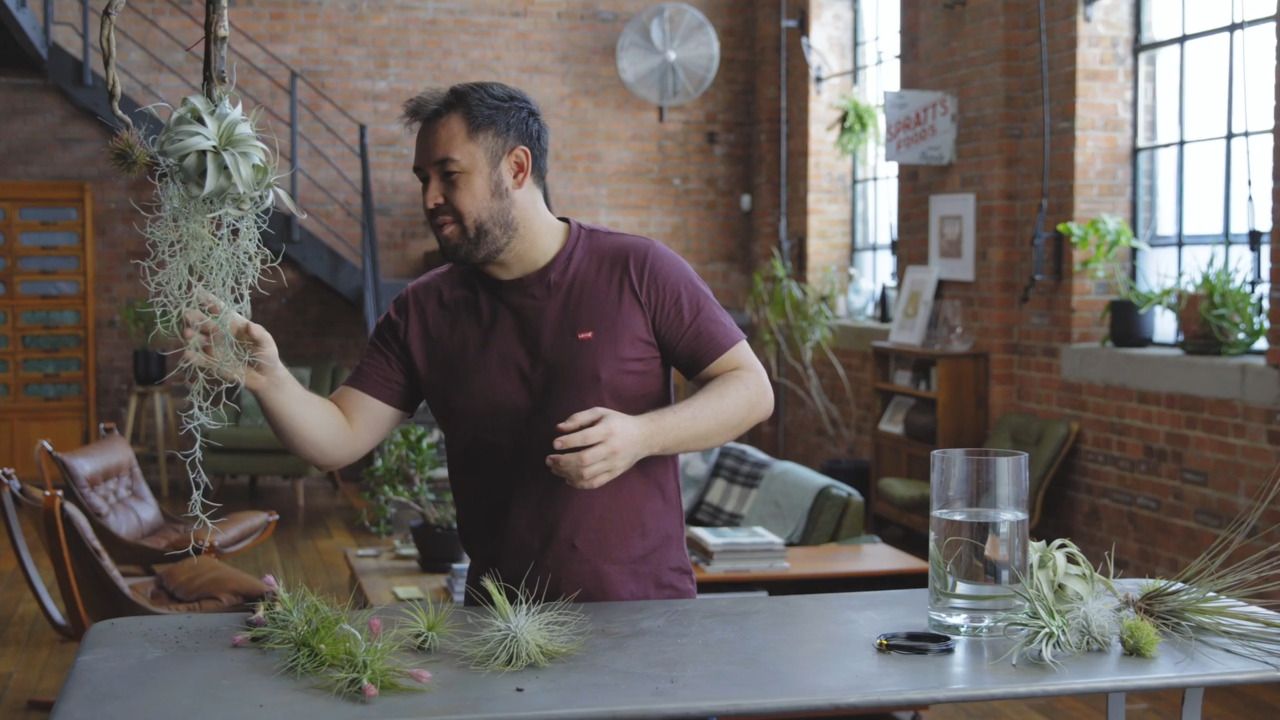
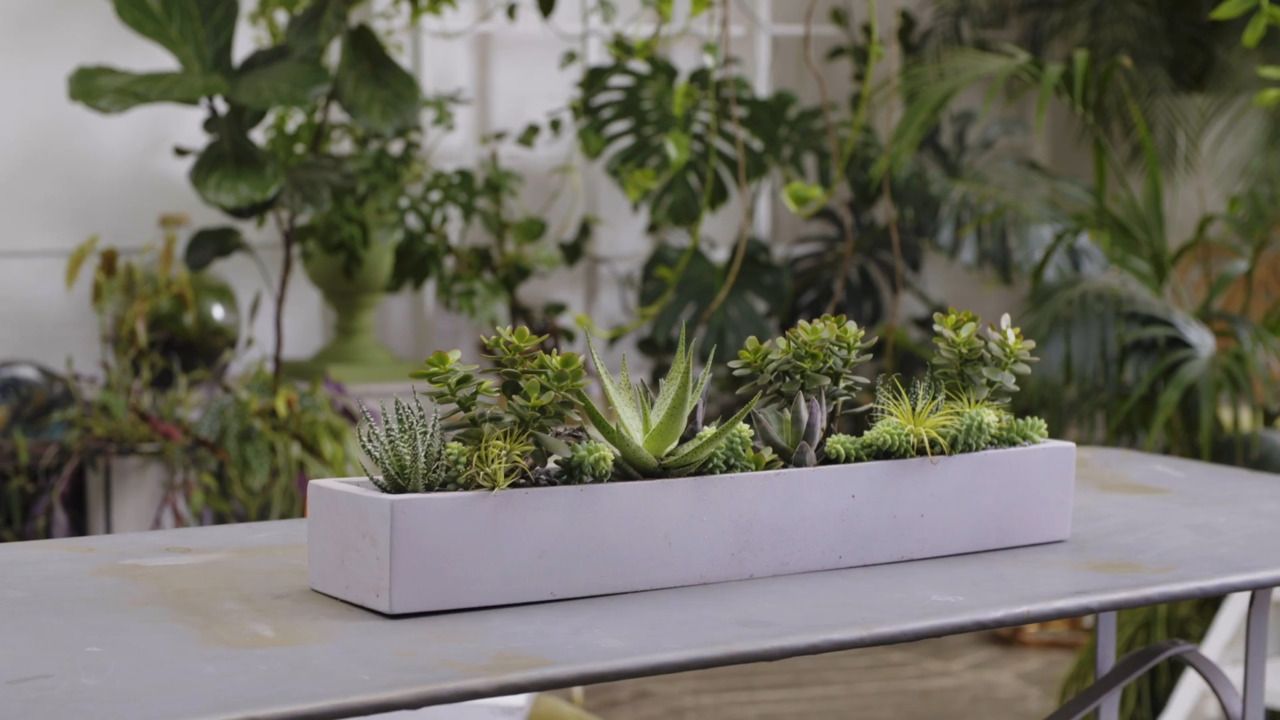
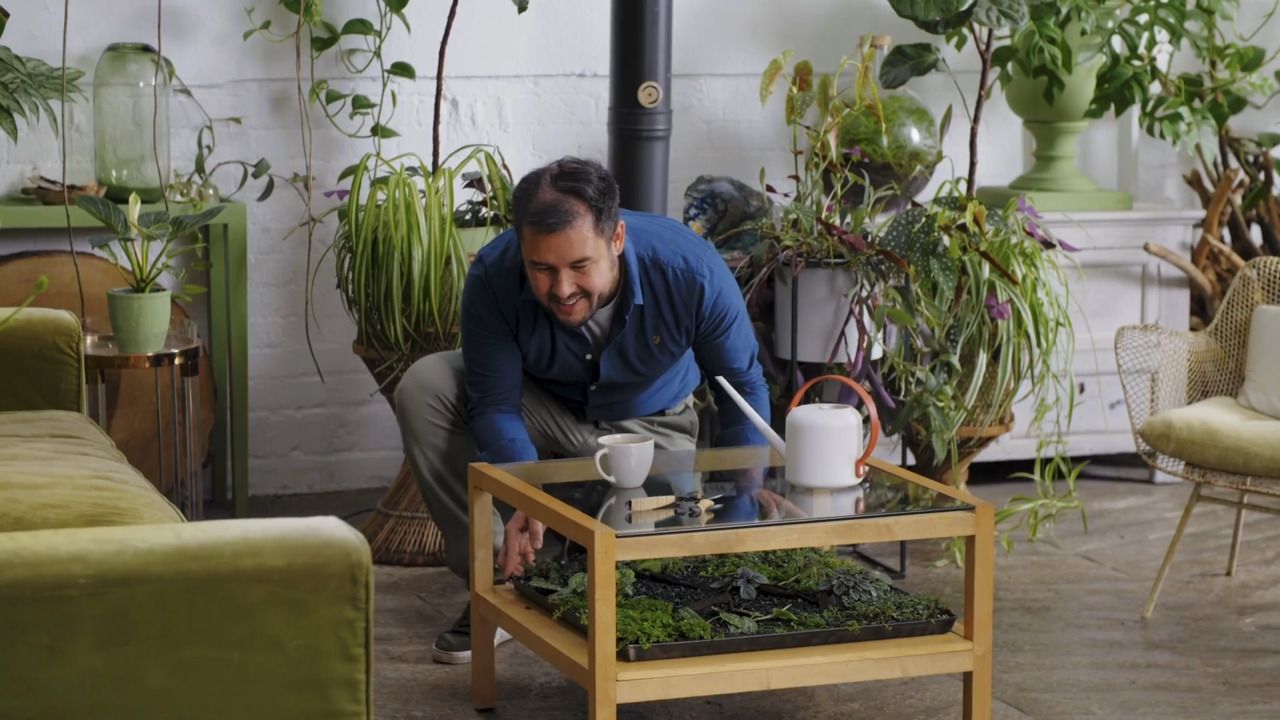
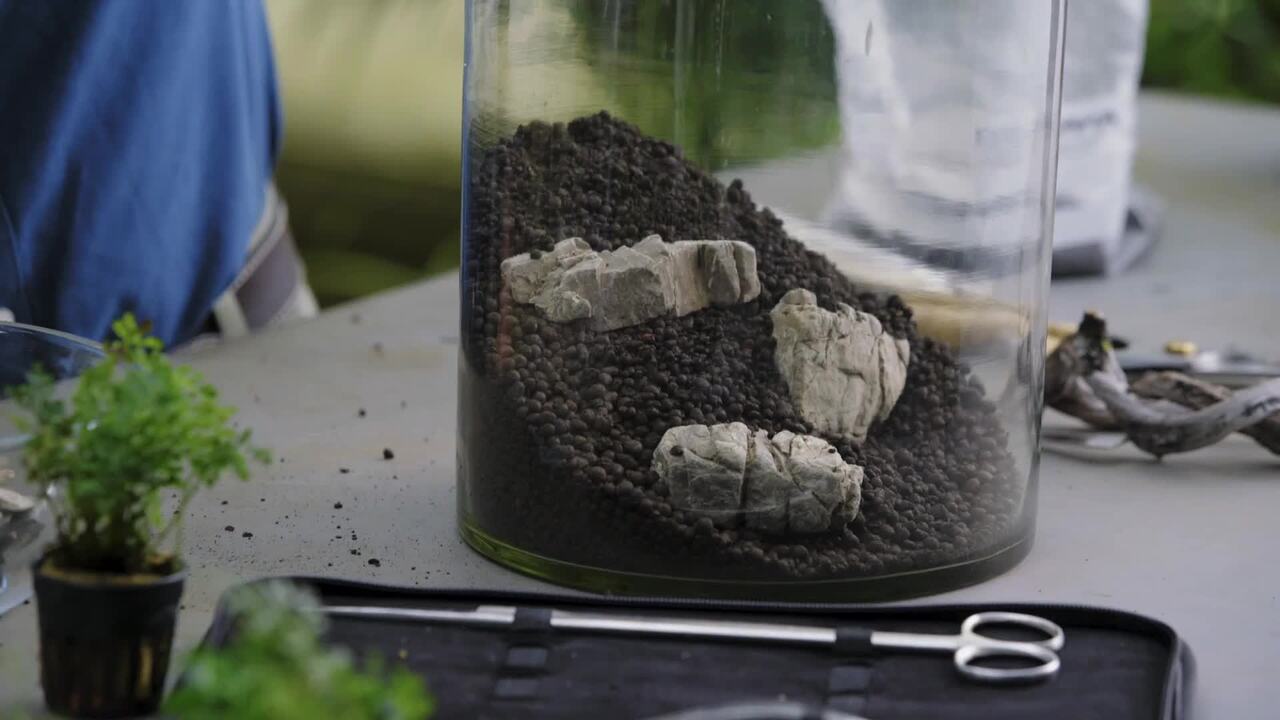
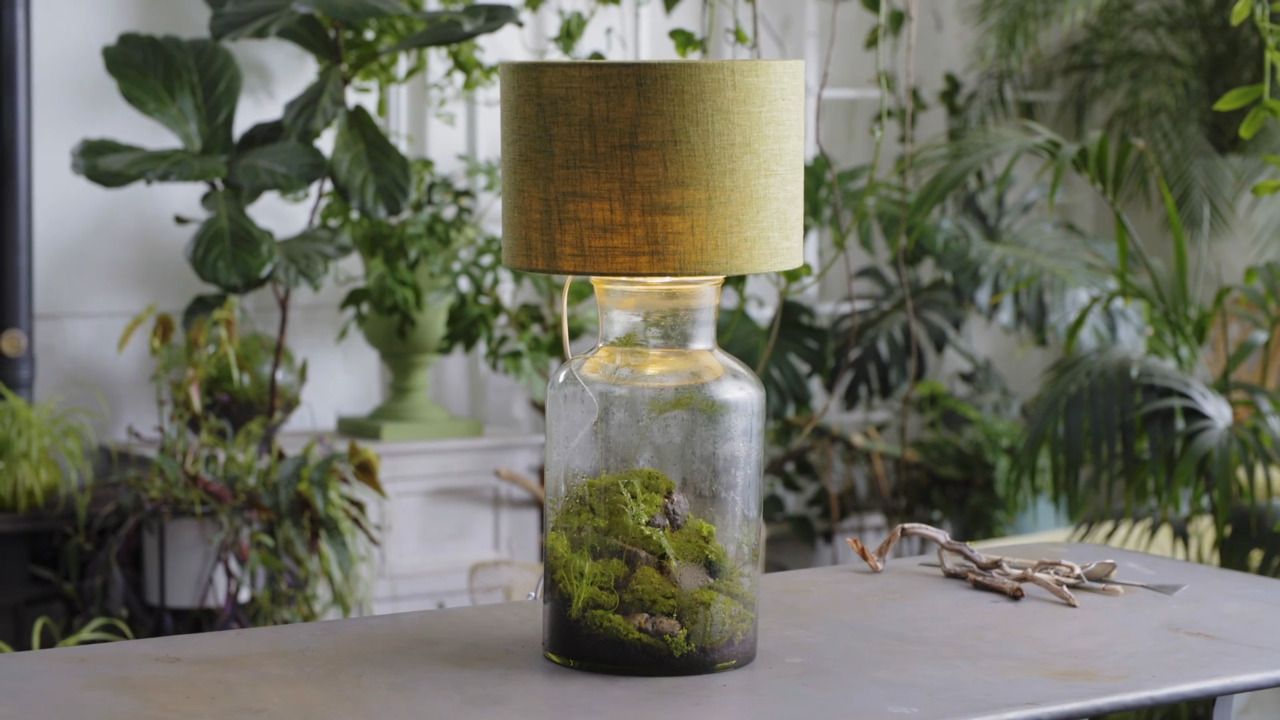
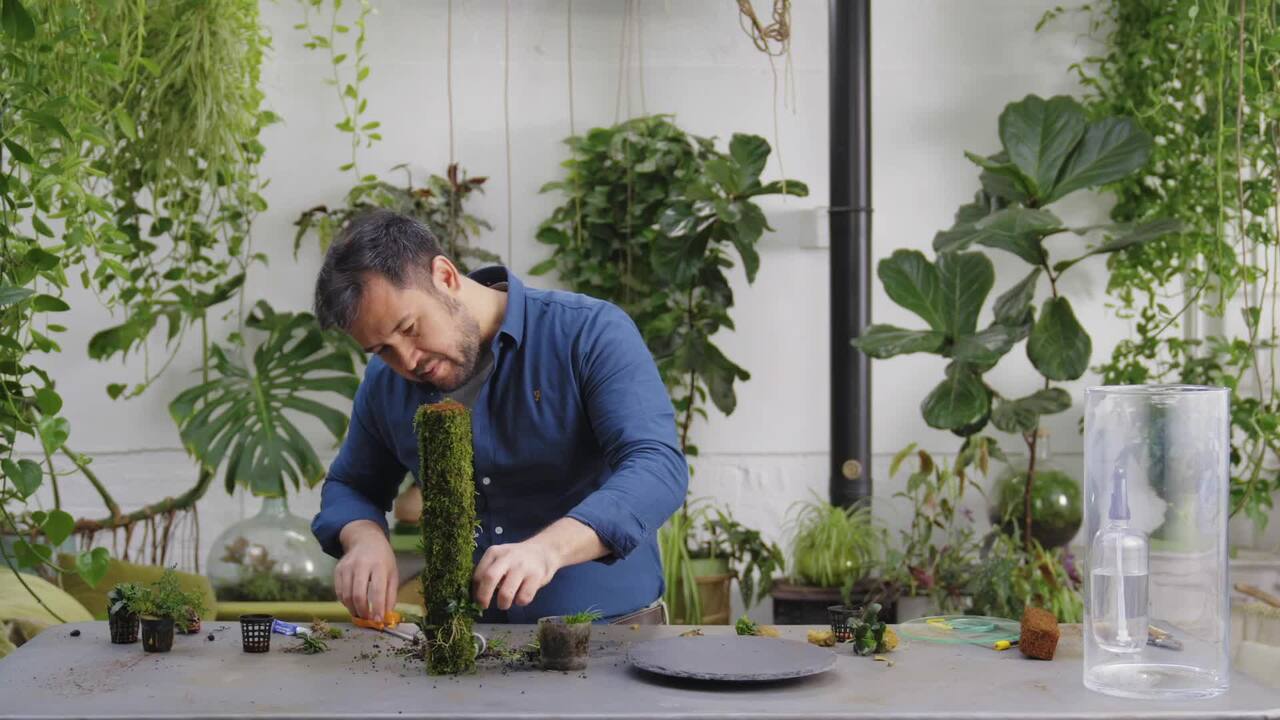
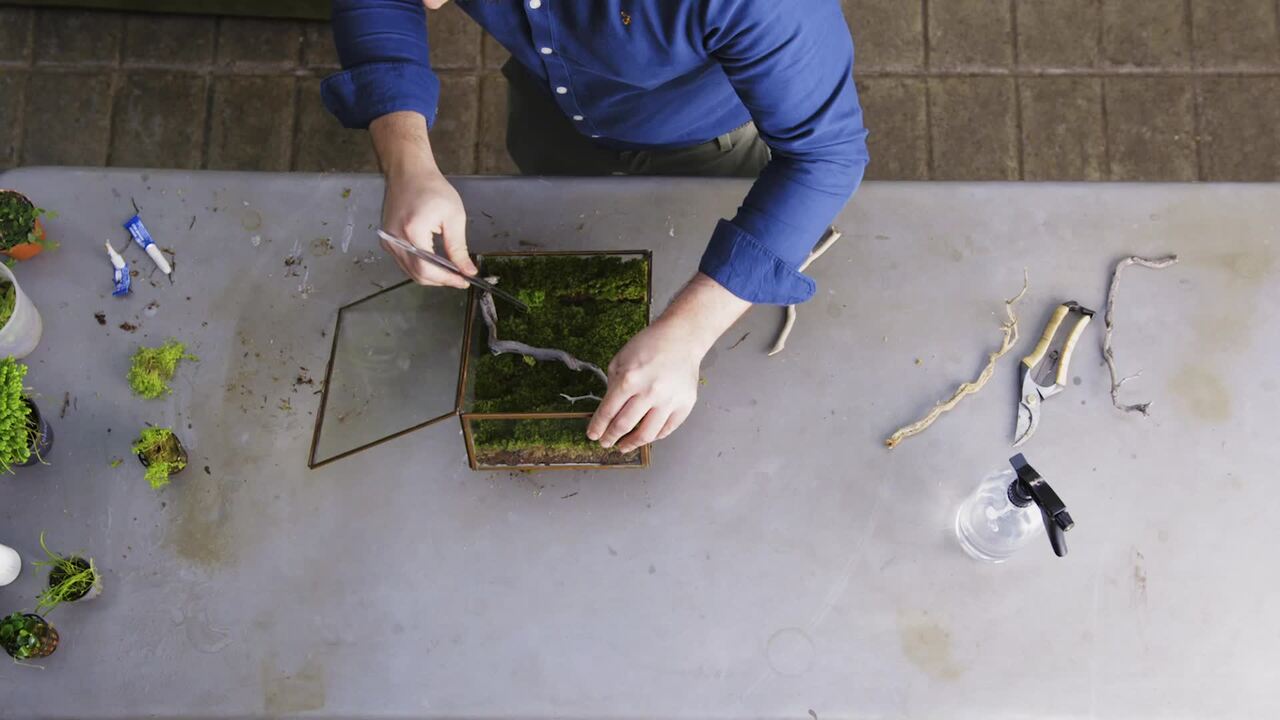
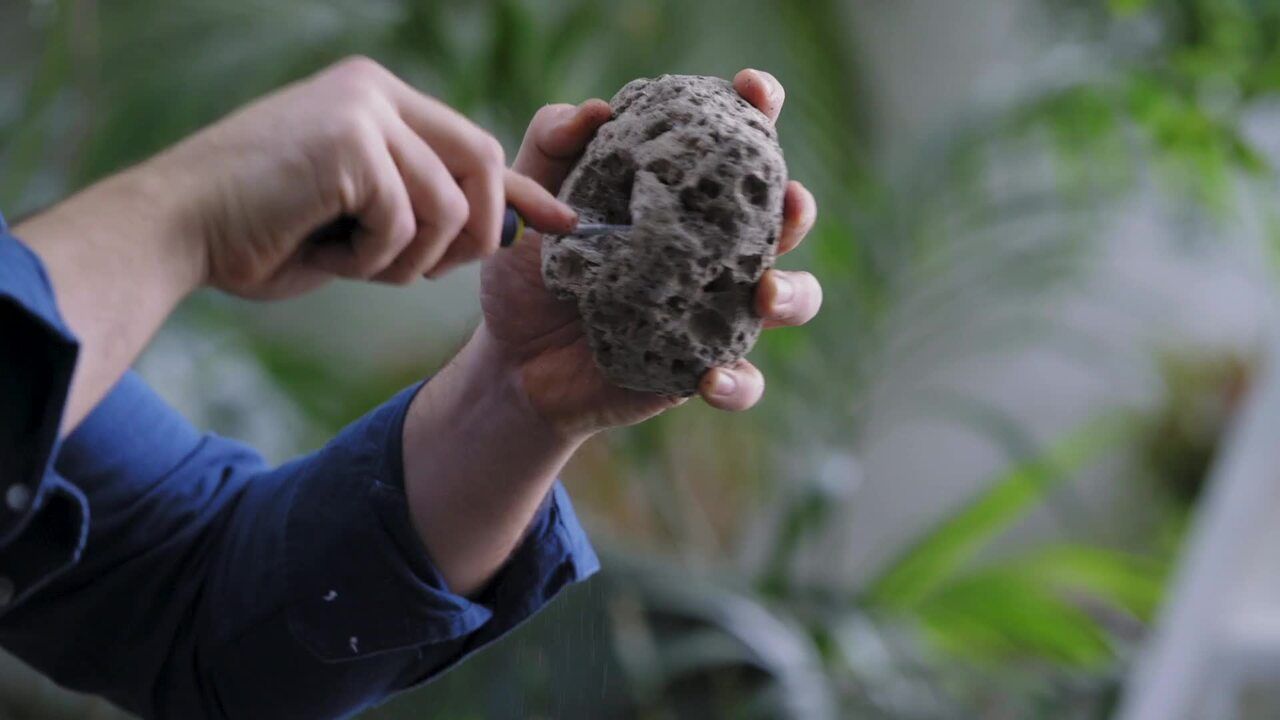
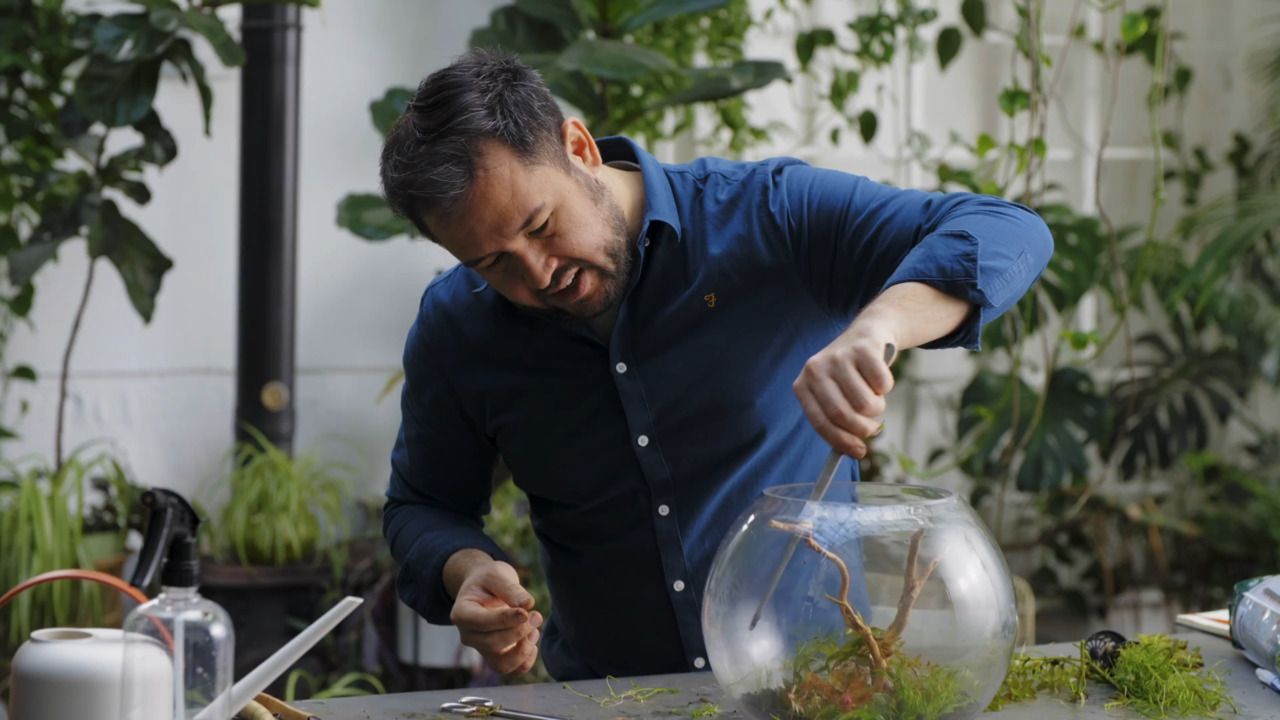
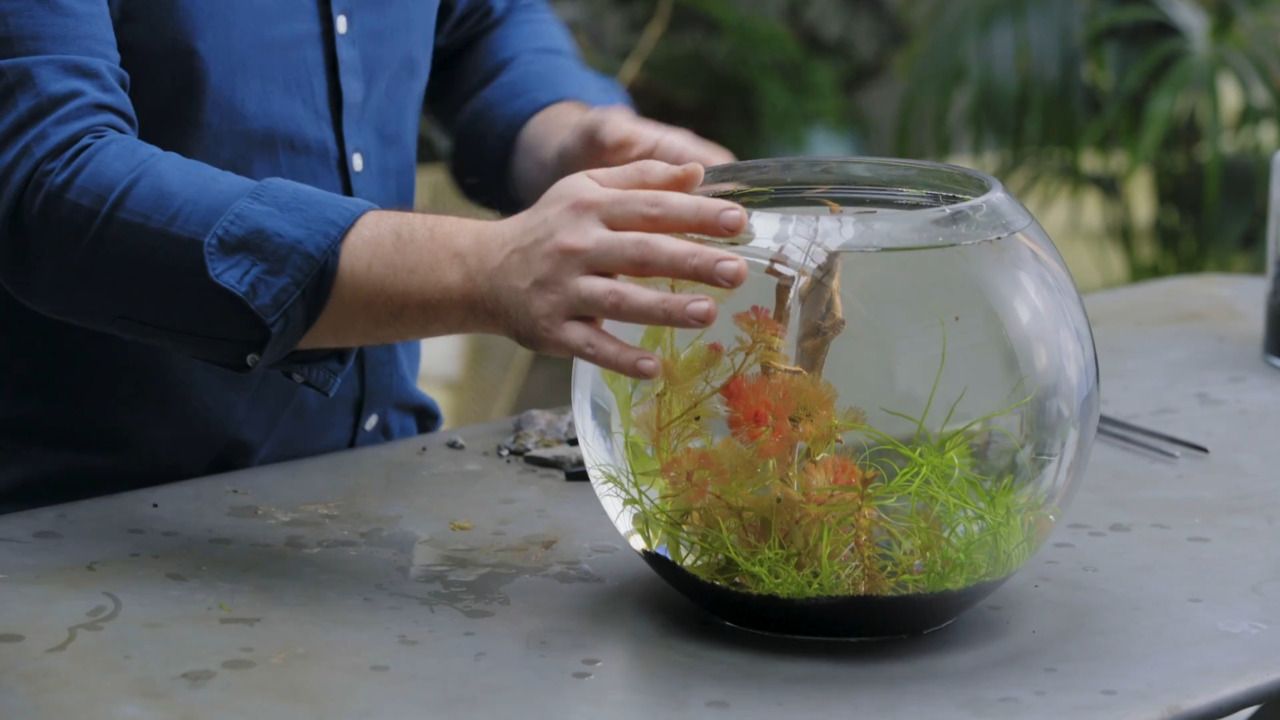
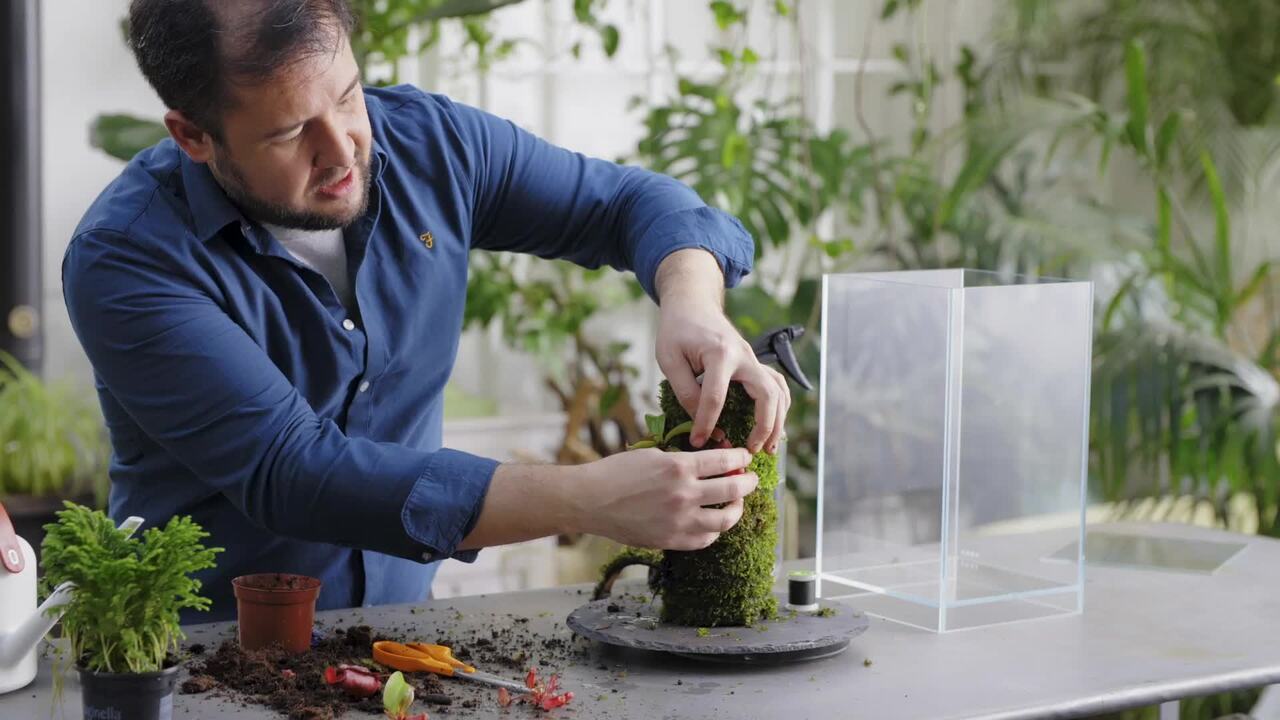
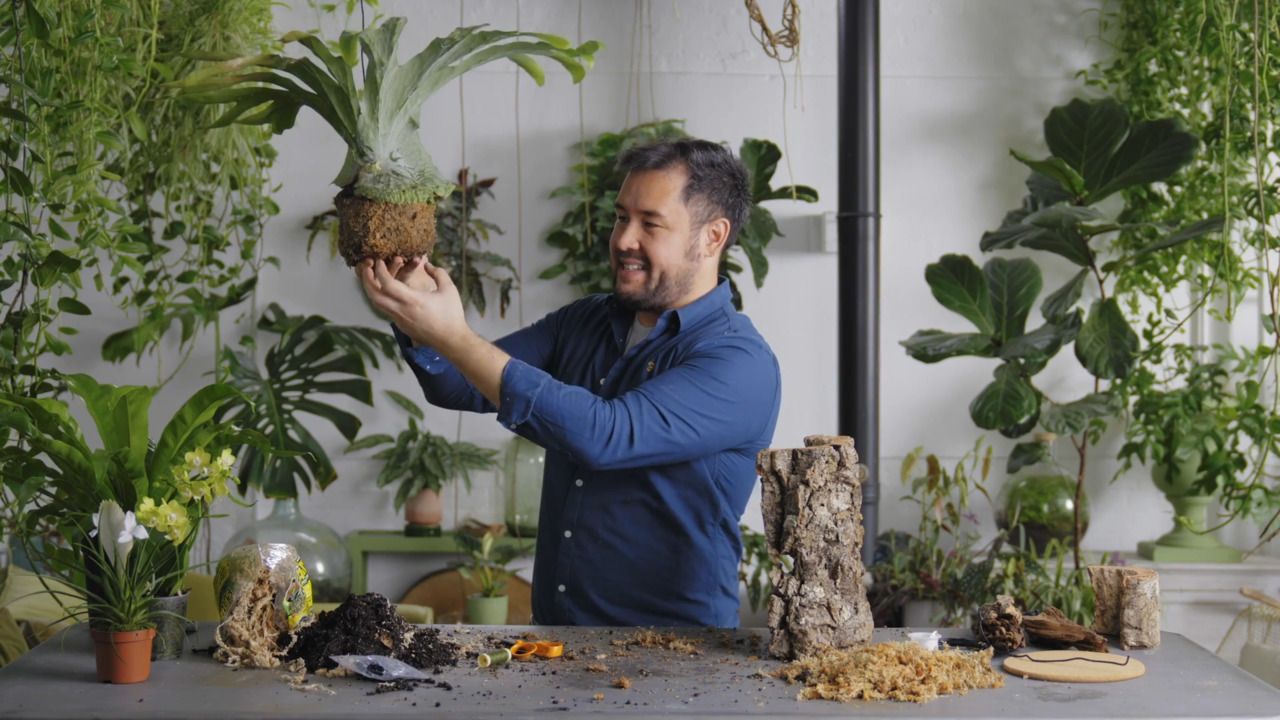
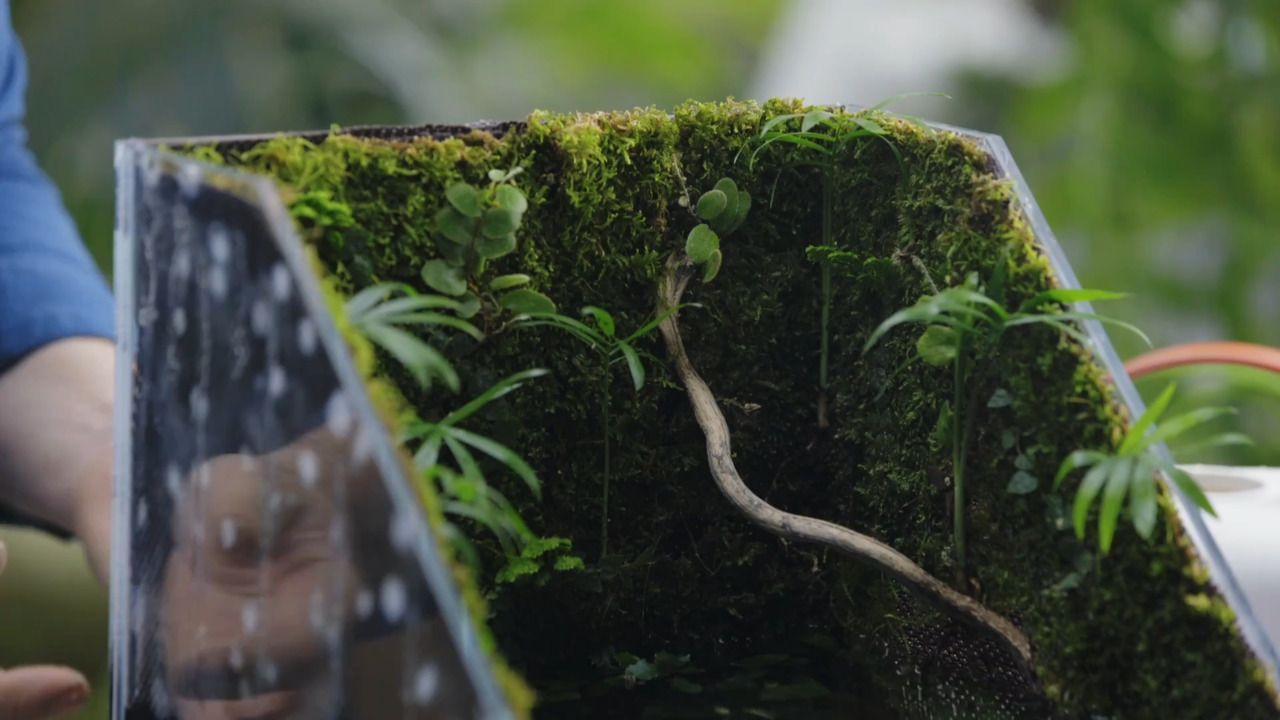
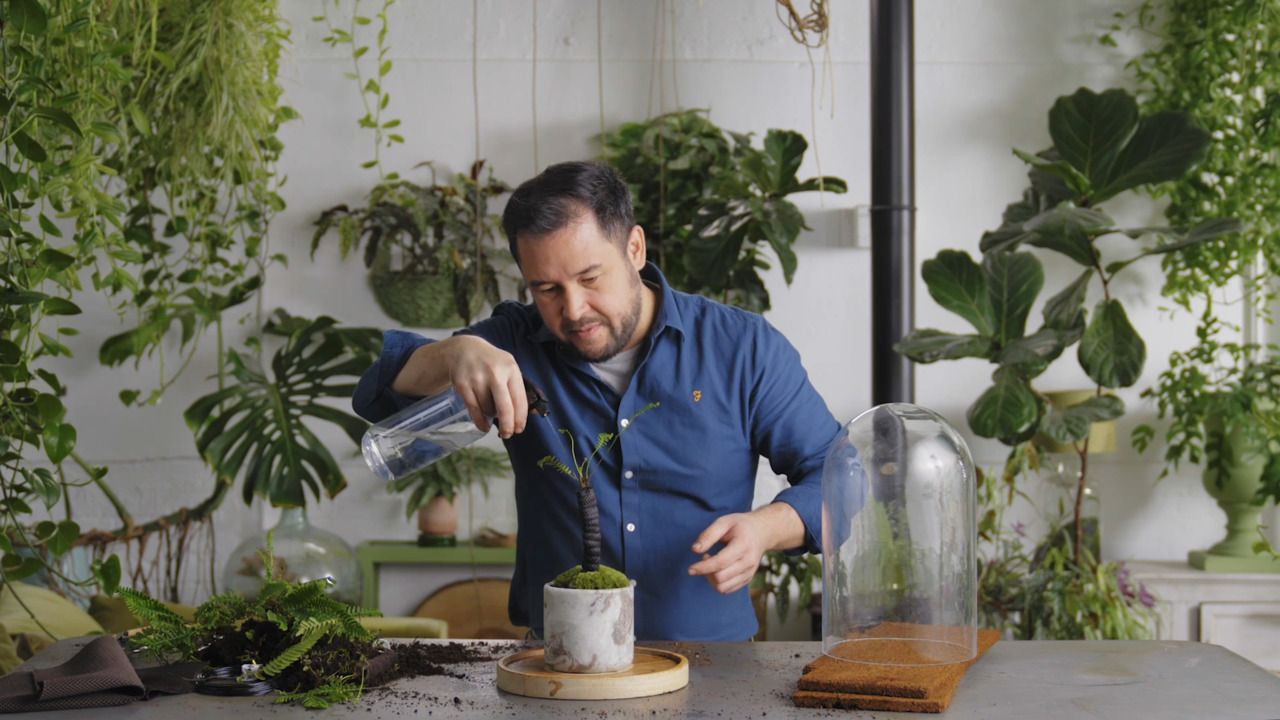
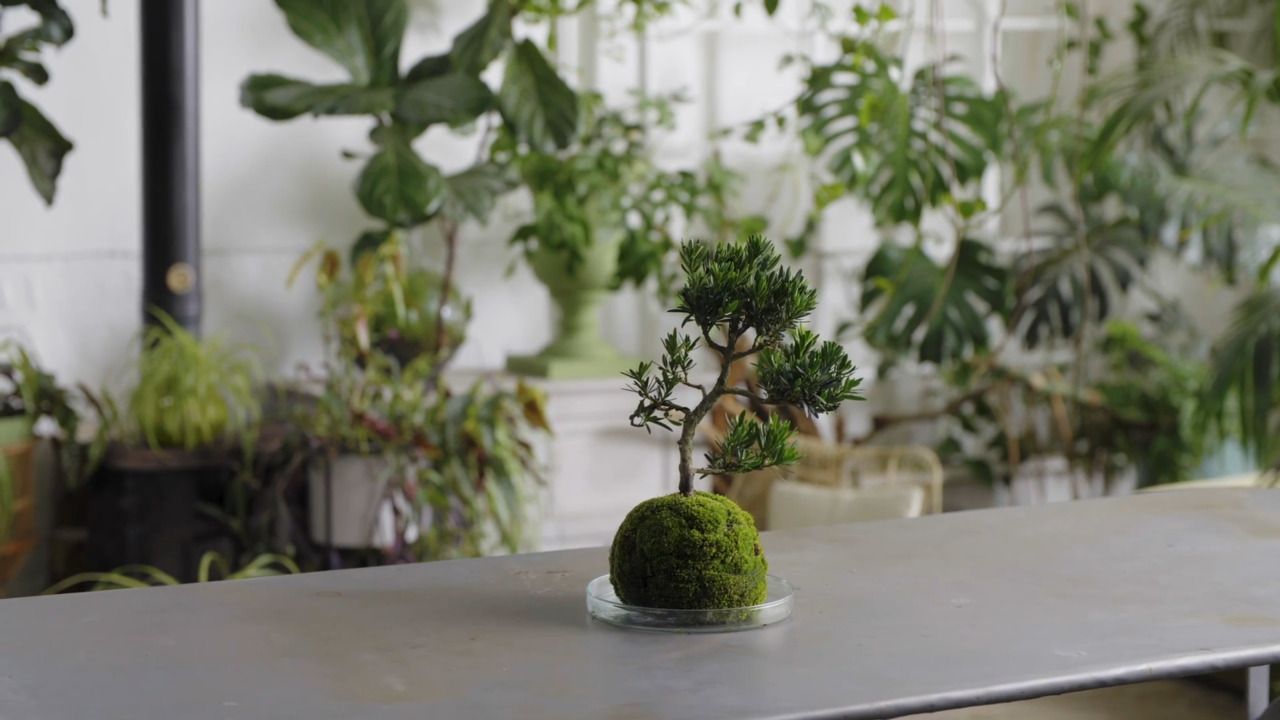
James reveals how to adapt traditional Japanese Kokedama, demonstrating a simple process for those who are not Japanese masters. Create an extraordinary display that is both beautiful and relatively easy to look after.
Get the full workbook, video lessons, and more with a Create Academy subscription.
Subscribe to access the full workbookAlready a member? Sign in to watch
491 reviews
Read moreCreate Academy has been such a great resource. I'm in the middle of renovating a bungalow with a very large garden and the courses have offered a wealth of inform...
Harvey
Jun 10, 2026
Absolutely love Create Academy! The instructors are extremely informative, and it is beautifully filmed. Create Academy is great value for money and plan on renew...
SG
May 31, 2026
Butter's creativity is stunning! Her ability to incorporate brilliance in small gardens is magical!
Carla
May 30, 2026
The best adventure. I like all the courses, but my favorite are both Rita Konig interior design courses and Anna Jones. Excellent!
Karolina Kluczewska
May 20, 2026
Create Academy has been such a great resource. I'm in the middle of renovating a bungalow with a very large garden and the courses have offered a wealth of information to dive into and explore new ideas. I'm...
Harvey
Jun 10, 2026
Absolutely love Create Academy! The instructors are extremely informative, and it is beautifully filmed. Create Academy is great value for money and plan on renewing my subscription yearly because there are ...
SG
May 31, 2026
Butter's creativity is stunning! Her ability to incorporate brilliance in small gardens is magical!
Carla
May 30, 2026

Your Instructor
Ethnobotanist, broadcaster, best-selling author. Youngest winner of RHS Hampton Court Flower Show.
Often referred to as the nation’s favourite botanist; plant scientist and gardening expert James Wong is a self-proclaimed botany geek, award-winning garden designer and a Royal Horticulture Society ambassador. He’s an internationally best-selling author with the inspirational ‘Grow Your Own Drugs’ and ‘Homegrown Revolution’, has presented multiple TV programmes, and is listed by The Sunday Times as one of the Top 20 most influential people in horticulture. James is perhaps the most passionate person in the world about plants; with over 500 houseplants in his tiny London flat.
Access to all courses


