Indoor Gardening Masterclass

Aquascaping - part 2

with JAMES WONG — Ethnobotanist, broadcaster, best-selling author. Youngest winner of RHS Hampton Court Flower Show.

Lesson 20 of 28
Rated 4.7/5 on Trustpilot
|

Learn from the world's best creative minds on Create Academy

Aquascaping - part 2 - Video thumbnail

Buy or subscribe to watch

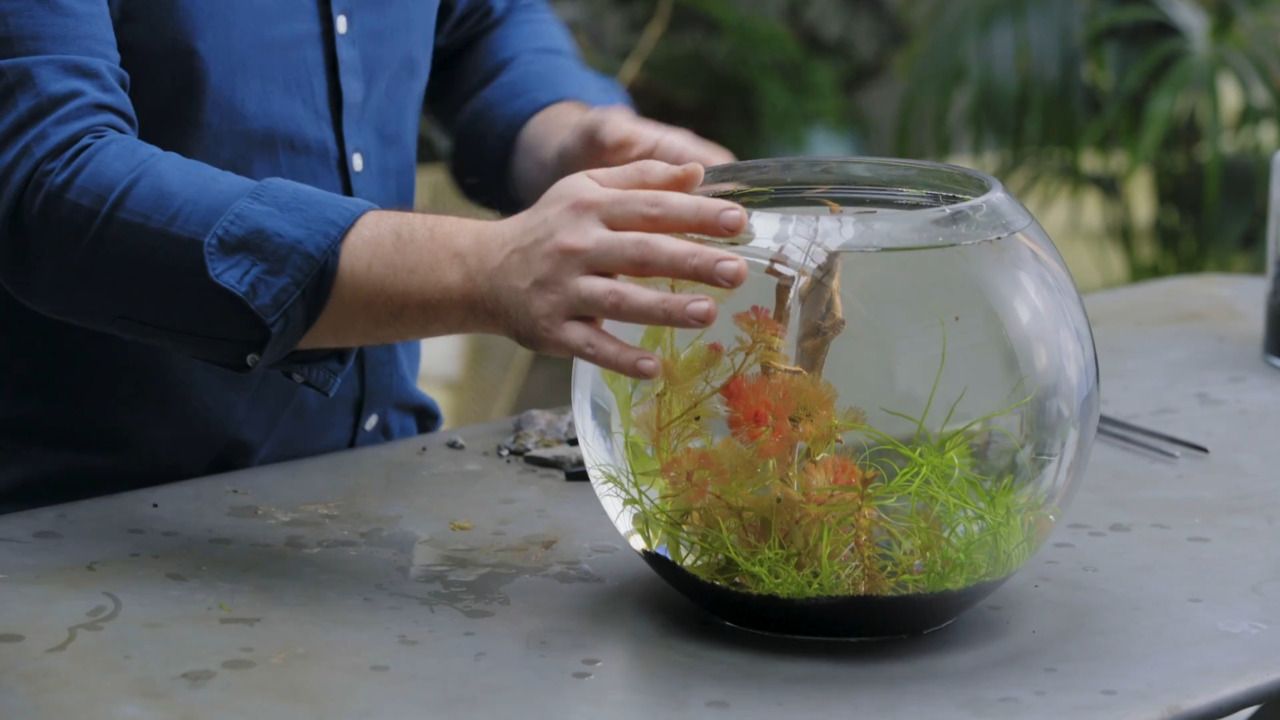
Discover how to build tiny aquatic gardens in the privacy of your own home; as James breaks down his low-tech method of aquascaping.

From the Lesson Workbook

Aquascaping

Discover how to build tiny aquatic gardens in your own home; as James breaks down his low-tech method of aquascaping.

Equipment used:

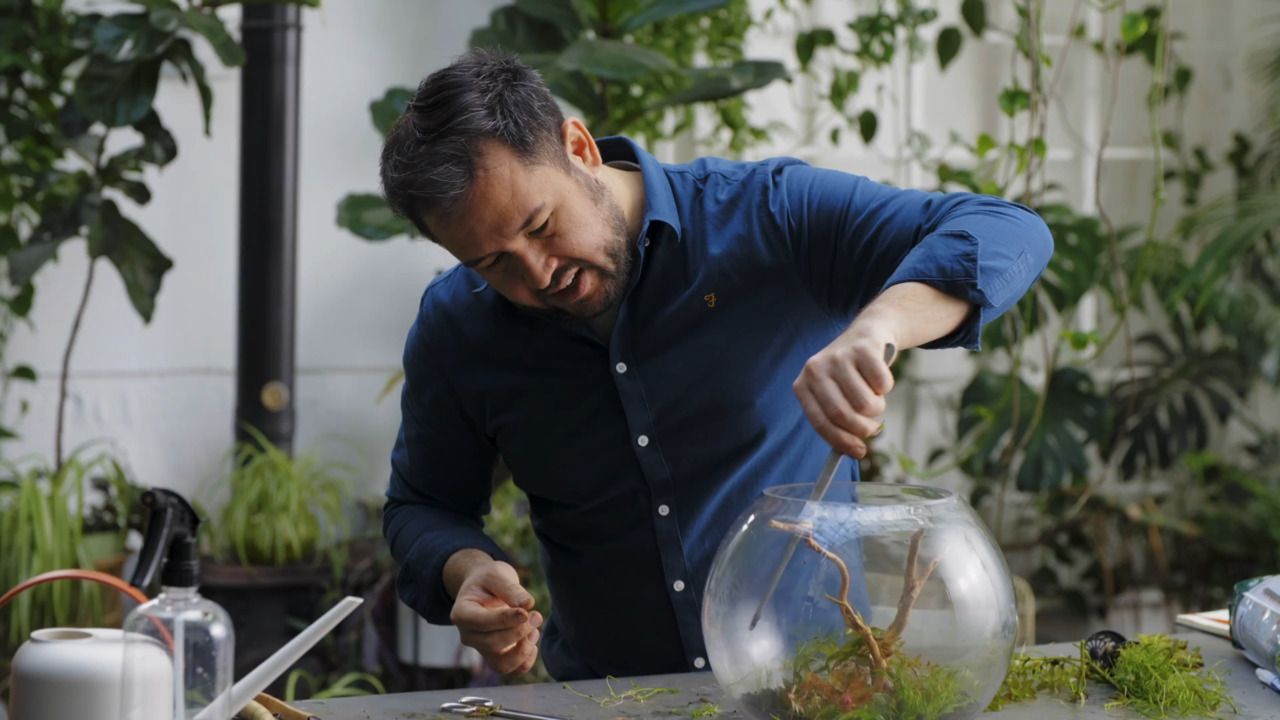
  • 30cm Fish bowl
  • 10-litre bucket
  • Clear hosepipe
  • IKEA desk lamp
  • Daylight bulb
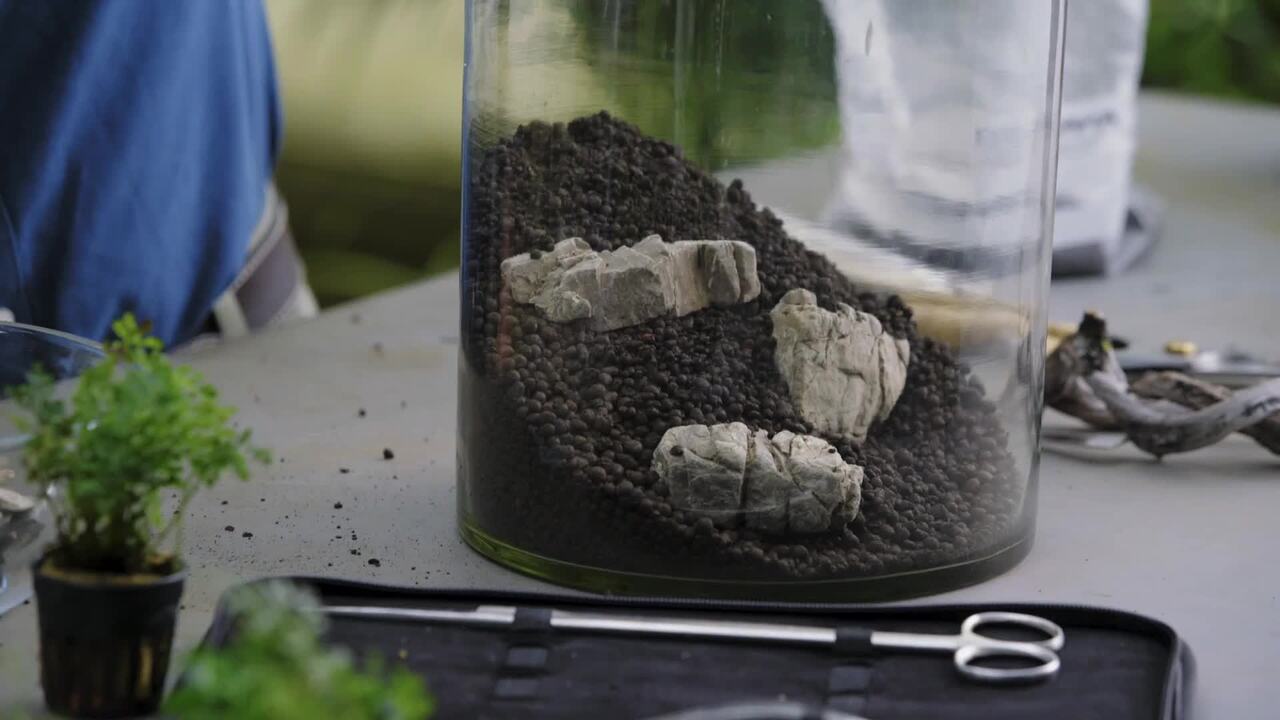
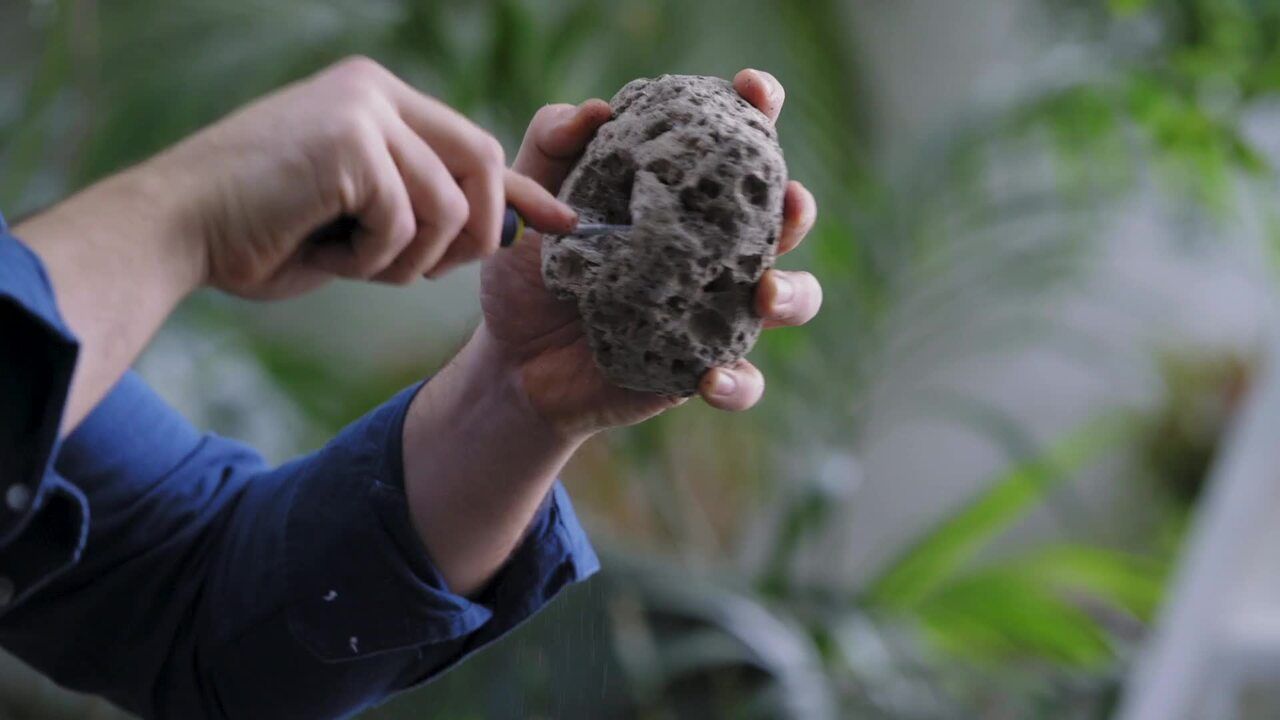
  • Volcanic black sand
  • Manzanita twig
  • Watering can
  • Seiryu stones
  • Aquascaping soil
  • Aquatic tweezers (optional)
  • Aquarium super glue

Plants used:

  • Pogostemon stellatus 'Octopus'
  • Hygrophila polysperma
  • Lilaeopsis 'Novae Zealandiae'
  • Rotala wallichi
  • Cambomba furcata
  • Rotala 'Vietnam'
  • Bucephalandra
  • Hydrocotyle

Lesson Summary

  • If you're an aquascape beginner, it's easier to start with a larger aquascape.
  • The larger the aquascape, the less likely you are to have an algae bloom, and the easier it will be to set up.
  • Bigger vessels are more stable when it comes to light, chemistry and temperature.
  • A minimum of a 30cm fish bowl is recommended (13-15 litres).
  • I have super-glued the driftwood twigs together with the instant superglue.
  • Buy wood from aquascaping shops because they are hardwood, and will not rot underwater.
  • The wood may float in the water, so it is necessary to anchor it at the base.
  • I use aquarium soil, as this gives plants a source of nutrition and minerals that will encourage the plants to root.
  • The baking of the soil prevents the water from getting cloudy.
  • In an aquascape, fish are optional, and creating an underwater garden is the central theme.
  • I love Bucephalandra for aquascaping. Bucephalandra don't like their roots being completely buried in the soil.
  • Aquatic plants need to be underwater at all times.
  • In this arrangement, the filler is Hydrococtyle.
  • The thriller that I have used is Cambomba furcata.
  • Keep aquatic plants misted as you work with them, as they dry out very quickly.
  • I put the small plants in the foreground, and the larger ones in the background.
  • All the aquatic plants come with very few roots, if any, as they will regrow them quickly.
  • Ensure leaves are not buried, as they won't grow and can rot very quickly.
  • The colouration of the plants is genetically determined. However, the ability to produce it depends on environmental conditions.
  • The colour strengthens as the plants mature.
  • Colouration is a stress response caused by two main factors; a lack of fertilizer and a lack of light.
  • Plants will absorb the nutrition from the water, meaning they're going to outcompete for the algae, keeping the water cleaner.
  • I mist the plants regularly to stop them from drying out. I add the aquarium gravel I had previously rinsed.
  • The majority of aquarium plants grow easily. The key issue here is keeping the water clean.
  • I use regular tap water to top up an aquascape.
  • I break the flow of water so that his hand doesn't stir up the gravel.
  • You want the roots to be buried, the top to float.
  • Algae need water, light and nutrition. If you reduce any of these factors, you significantly reduce the rate of algae growth, keeping your water clean.
  • The element that adds the greatest amount of nutrition is fish. Limiting the number of fish will limit the algae.
  • A balanced eco-system is vital when setting up a successful aquascape.
  • To create a balance, set up a siphon by immersing a plastic tube in water.
  • This technique is called 'cycling'.
  • Cycling involves reducing the water in the tank by about 50% and replacing it with water directly from the tap. I recommend doing this every day for the first two weeks of setting up a tank, to slow down the growth rate of the algae. Afterwards, a 50% change in water is recommended once a week or once every other week.
  • You can use a toothbrush to clean algae that might develop on the glass.
  • I uses a daylight table lamp to control the level of light. I set a timer on his lamp for eight hours. Any longer and the algae will grow, any shorter and there won't be enough light for the aquatic plants.

Get the full workbook, video lessons, and more with a Create Academy subscription.

Subscribe to access the full workbook
Access all courses
$30 /month

Access 56+ courses, billed annually

Subscribe Now
Buy this course
$107 one-time

Lifetime access to this course

Buy Course

Already a member? Sign in to watch

Rated 4.7/5 on Trustpilot

437 reviews

Read more

Very good tutorial from a professional garden...

I have subscribed to access all the courses so have watched one on interior design and this one with Butter Wakefield who specialises in small garden design. She ...

Louise Brown

Apr 10, 2026

Time spent well

I love CreateAcademy. I came in for the gardening and floristry courses, but am also watching an interior design one at present. And the photography course is an ...

Wellesley

Apr 1, 2026

What a great investment

What a great investment, I have learned such a lot from the first three courses. My evenings have gone from not being able to find anything that captured my imagi...

sojojo

Mar 30, 2026

I loved this course with Amanda\u2026

I loved this course with Amanda Lindroth! Her approach to decorating is so relaxed and she makes it feel attainable. She explains the reasons behind her decisions...

Elizabeth

Mar 27, 2026

James Wong

Your Instructor

James Wong

Ethnobotanist, broadcaster, best-selling author. Youngest winner of RHS Hampton Court Flower Show.

Often referred to as the nation’s favourite botanist; plant scientist and gardening expert James Wong is a self-proclaimed botany geek, award-winning garden designer and a Royal Horticulture Society ambassador. He’s an internationally best-selling author with the inspirational ‘Grow Your Own Drugs’ and ‘Homegrown Revolution’, has presented multiple TV programmes, and is listed by The Sunday Times as one of the Top 20 most influential people in horticulture. James is perhaps the most passionate person in the world about plants; with over 500 houseplants in his tiny London flat.
Access to all courses

Get access to unlimited learning with a Create Academy subscription