

Interior and exterior confidence
Create Academy has been such a great resource. I'm in the middle of renovating a bungalow with a very large garden and the courses have offered a wealth of inform...
Harvey
Jun 10, 2026
The Fundamentals of Garden Design
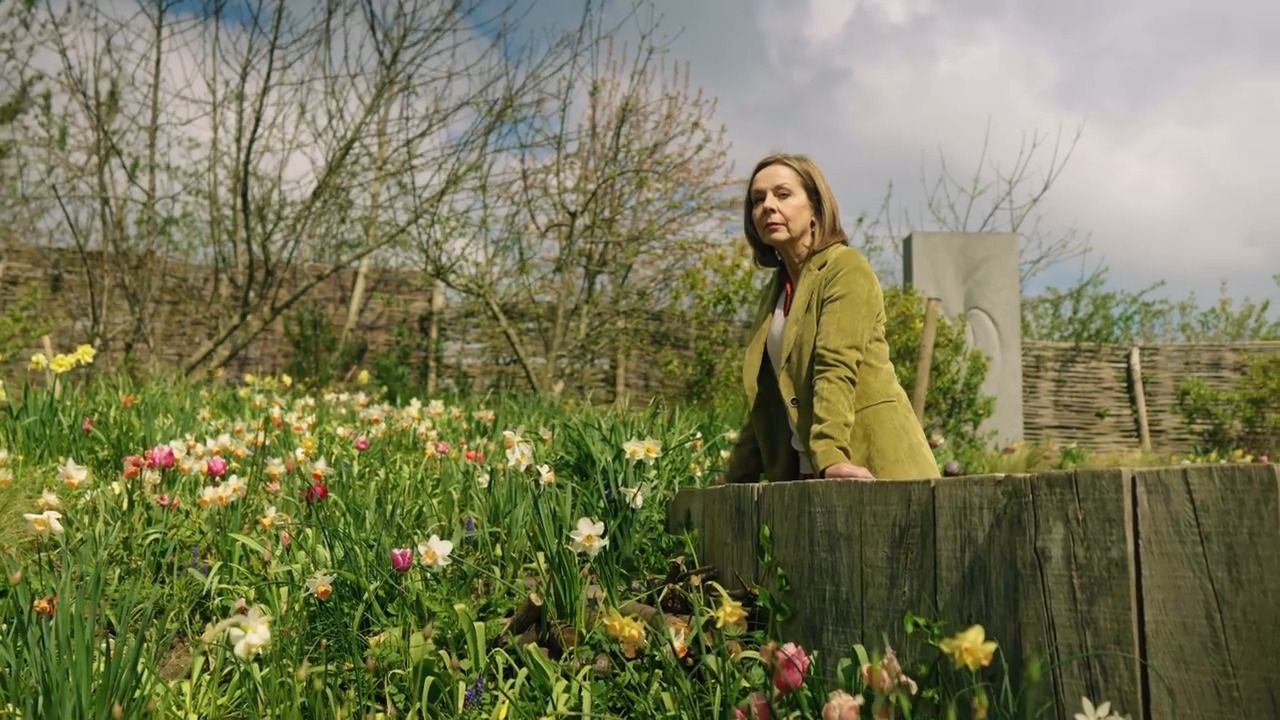
with JO THOMPSON — A distinguished British garden designer and plantswoman
Lesson 8 of 22
Subscribe to watch
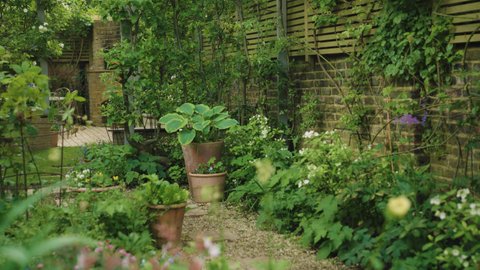
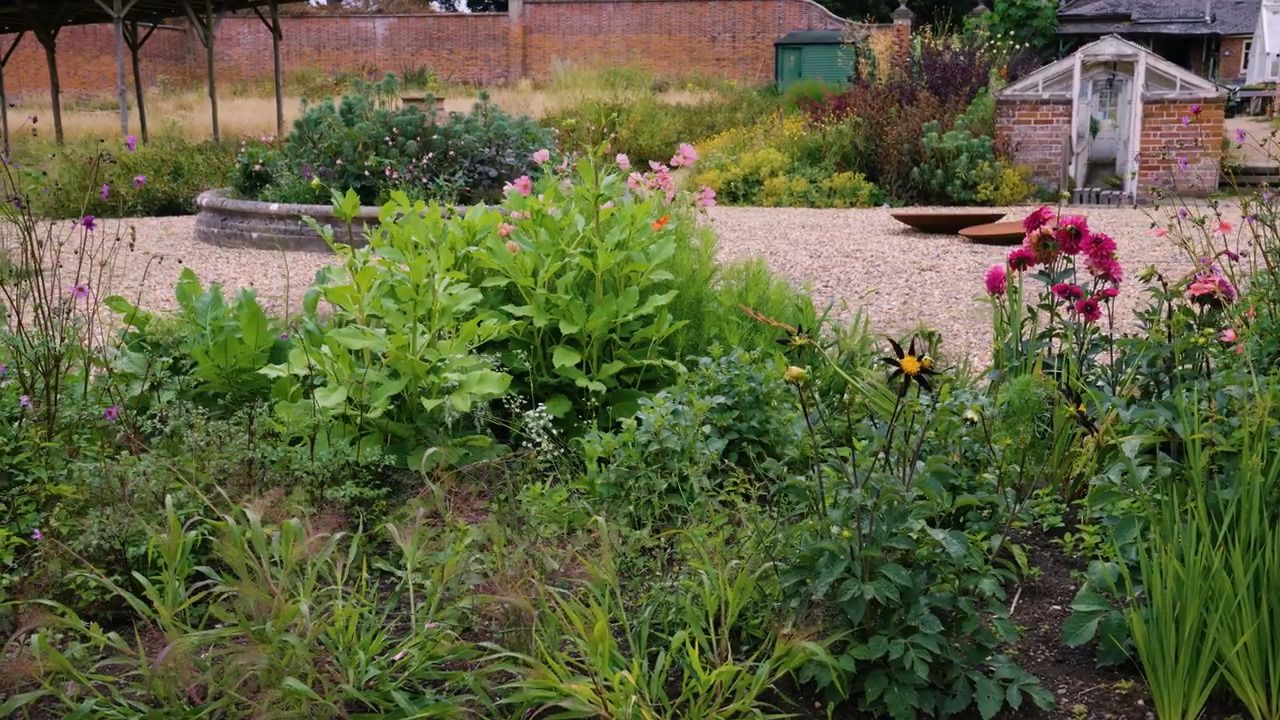
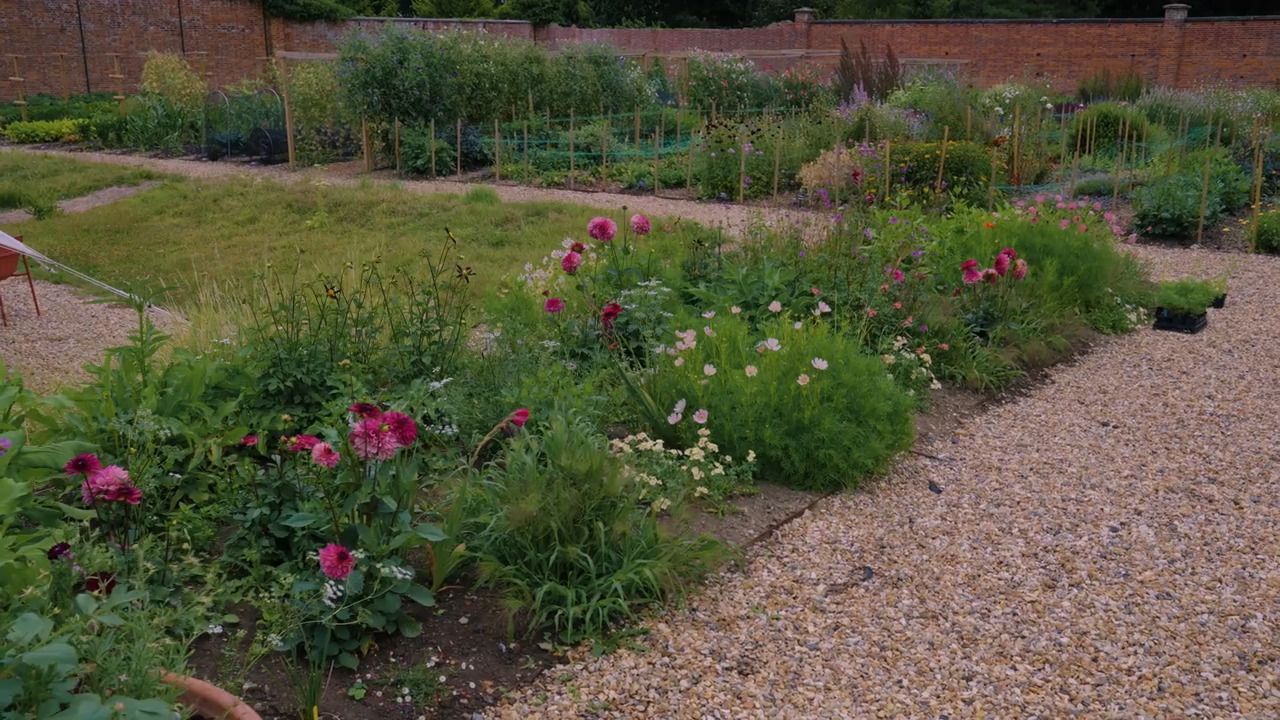
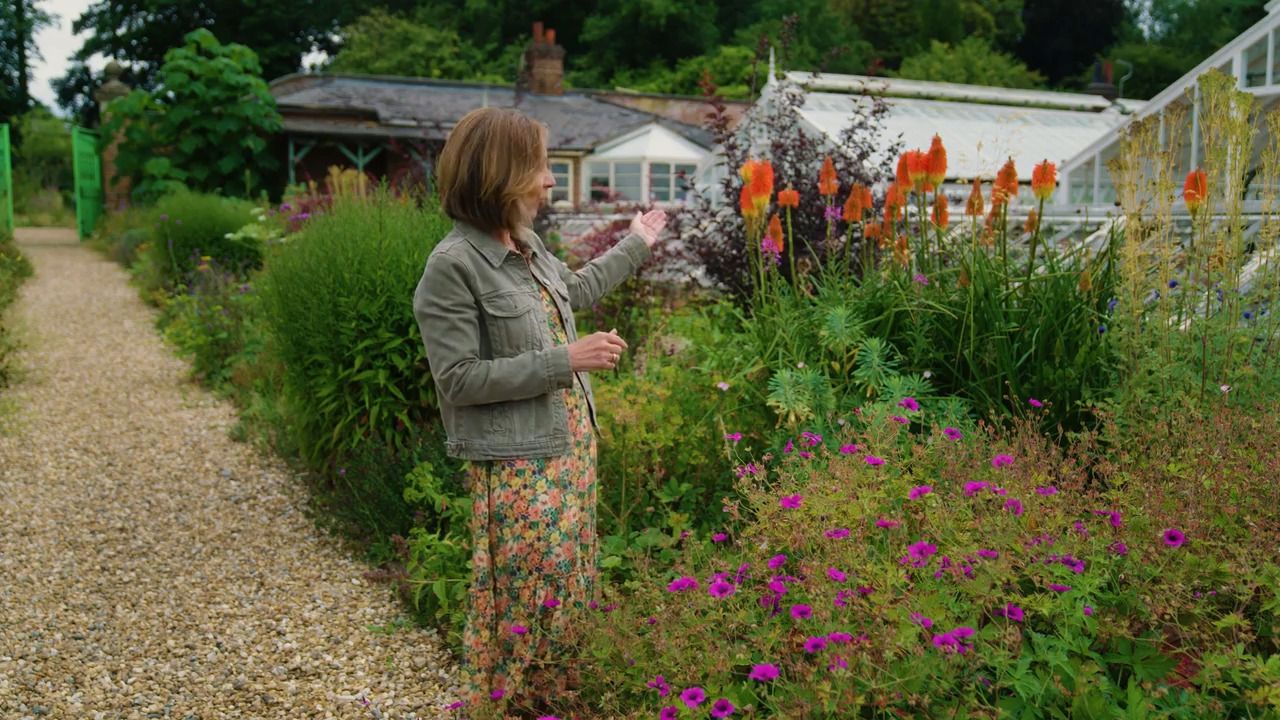
In this lesson we discover some of Jo’s go-to perennials and discover how she uses these to create maximum interest, as well as provision for pollinators.
In this lesson we'll look in more detail at some of my go-to border plants and how I use these plants to create maximum interest, as well as provision for pollinators.
Two of my stalwart plants:
Tall perennials don't always need to be planted at the back of the border.
Remember to keep some seedheads.
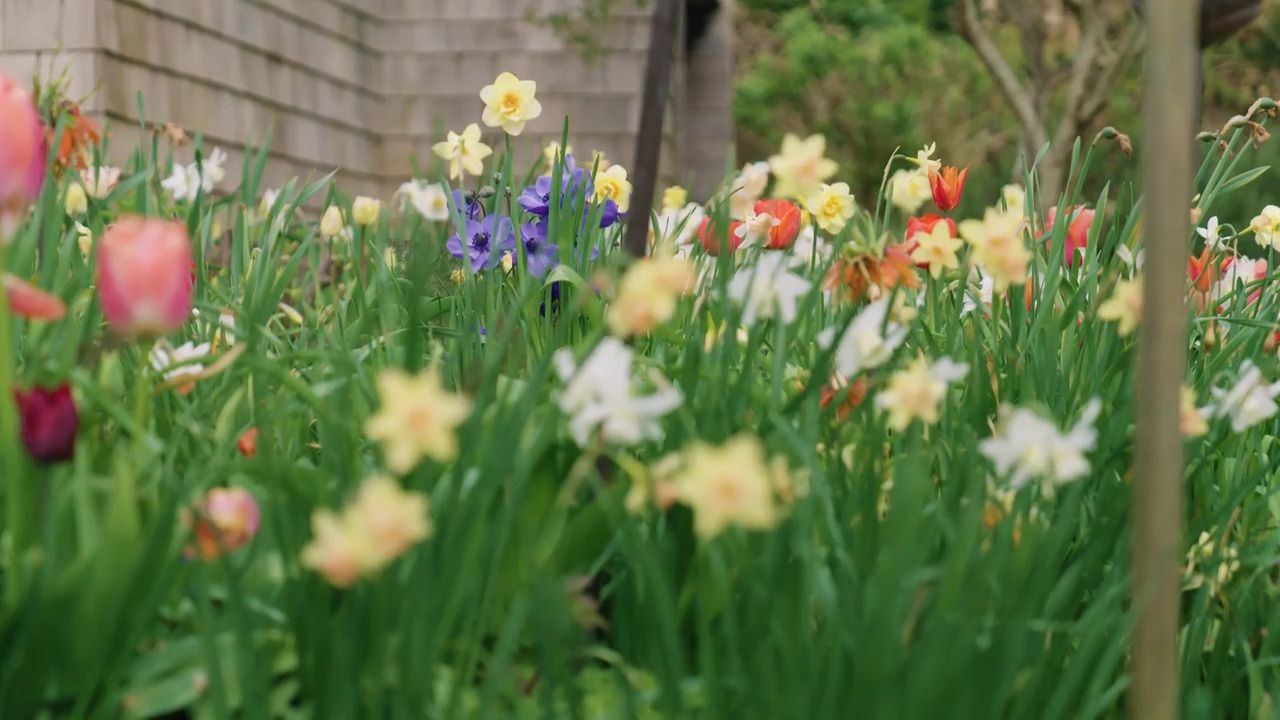
I take inspiration from natural forms found in the wild to create a relaxed, romantic feel.
Irises are good for the front of the border as they love to bake in sunshine. Their upright spear-like leaves give great structure in the planting even after flowering has finished.
There are lots of varieties of euphorbia, and these are great for giving permanent evergreen structure.
Hardy geraniums are one of my border essentials.
Red hot pokers then continue the colour with their bright orange vertical spikes.
While watching your border you'll want to pull out pernicious weeds such as bindweed, but some weeds can actually be beautiful.
Echinops is another plant bees absolutely love, with its blue globe flowers.
There are thousands of perennials to choose from, which can be overwhelming.
Note down everything that you like and then reduce it down to the things you really love and will grow well in the conditions you have – right plant, right place is key.
Achillea species and cultivars
Common yarrow
Hardy herbaceous perennial
Asteraceae
Allium species and cultivars
Onions, garlic and ornamental onions
Bulbous hardy perennials
Amaryllidaceae
Anthemis species and cultivars
Chamomile or marguerite
Mostly hardy perennials, some are annuals
Asteraceae
Anthriscus sylvestris
Cow parsley
Hardy herbaceous perennial
Apiaceae
Berberis species and cultivars
Barberry
Hardy deciduous and evergreen shrubs
Berberidaceae
Chamaenerion angustifolium
Rosebay willowherb
Hardy herbaceous perennial
Onagraceae
Echinops species and cultivars
Globe thistles
Mostly hardy herbaceous perennials; some are annuals or biennials
Asteraceae
Euphorbia characias subsp. wulfenii
Mediterranean spurge
Hardy or half-hardy evergreen subshrub
Euphorbiaceae
Geranium species and cultivars
Cranesbills
Hardy perennials
Geraniaceae
Geranium 'Anne Polkard'
Cranesbill 'Anne Polkard'
Hardy perennial
Geraniaceae
Geranium 'Patricia'
Cranesbill 'Patricia'
Hardy perennial
Geraniaceae
Iris species and cultivars
Irises
Deciduous hardy perennials from bulbs or rhizomes
Iridaceae
Kniphofia species and cultivars
Red hot pokers
Hardy evergreen or herbaceous perennials
Asphodelaceae
Physocarpus opulifolius cultivars
Ninebark
Hardy deciduous shrubs
Rosaceae
Salvia nemorosa 'Caradonna'
Balkan clary
Hardy herbaceous perennial
Lamiaceae
Salvia nemorosa 'Ostfriesland'
Balkan clary
Hardy herbaceous perennial
Lamiaceae
Verbena bonariensis
Purple top
Herbaceous hardy perennial
Verbenaceae
Get the full workbook, video lessons, and more with a Create Academy subscription.
Subscribe to access the full workbookAlready a member? Sign in to watch
491 reviews
Read moreCreate Academy has been such a great resource. I'm in the middle of renovating a bungalow with a very large garden and the courses have offered a wealth of inform...
Harvey
Jun 10, 2026
Absolutely love Create Academy! The instructors are extremely informative, and it is beautifully filmed. Create Academy is great value for money and plan on renew...
SG
May 31, 2026
Butter's creativity is stunning! Her ability to incorporate brilliance in small gardens is magical!
Carla
May 30, 2026
The best adventure. I like all the courses, but my favorite are both Rita Konig interior design courses and Anna Jones. Excellent!
Karolina Kluczewska
May 20, 2026
Create Academy has been such a great resource. I'm in the middle of renovating a bungalow with a very large garden and the courses have offered a wealth of information to dive into and explore new ideas. I'm...
Harvey
Jun 10, 2026
Absolutely love Create Academy! The instructors are extremely informative, and it is beautifully filmed. Create Academy is great value for money and plan on renewing my subscription yearly because there are ...
SG
May 31, 2026
Butter's creativity is stunning! Her ability to incorporate brilliance in small gardens is magical!
Carla
May 30, 2026

Your Instructor
A distinguished British garden designer and plantswoman
Jo Thompson is a distinguished British garden designer and plantswoman, who has garnered widespread acclaim and recognition for her exceptional expertise in horticulture. Jo is the winner of four Gold and five Silver Gilt medals from the RHS Chelsea Flower Show, as well as the coveted People's Choice award at the RHS Chatsworth Flower Show in 2017. As a member of the RHS Gardens Committee and Garden Advisor for RHS Rosemoor, and an RHS Shows Judge, Jo plays a significant role in shaping the horticultural landscape. She gives regular lectures on her work, including tutoring at The London College of Garden Design, and is a Fellow of the Landscape Institute and a Registered Member of the Society of Garden Designers. Jo is also the author of two books - The New Romantic Garden and The Gardener’s Palette.
Access to all courses


