

Interior and exterior confidence
Create Academy has been such a great resource. I'm in the middle of renovating a bungalow with a very large garden and the courses have offered a wealth of inform...
Harvey
Jun 10, 2026
The Fundamentals of Garden Design
with JO THOMPSON — A distinguished British garden designer and plantswoman
Lesson 16 of 22
Subscribe to watch
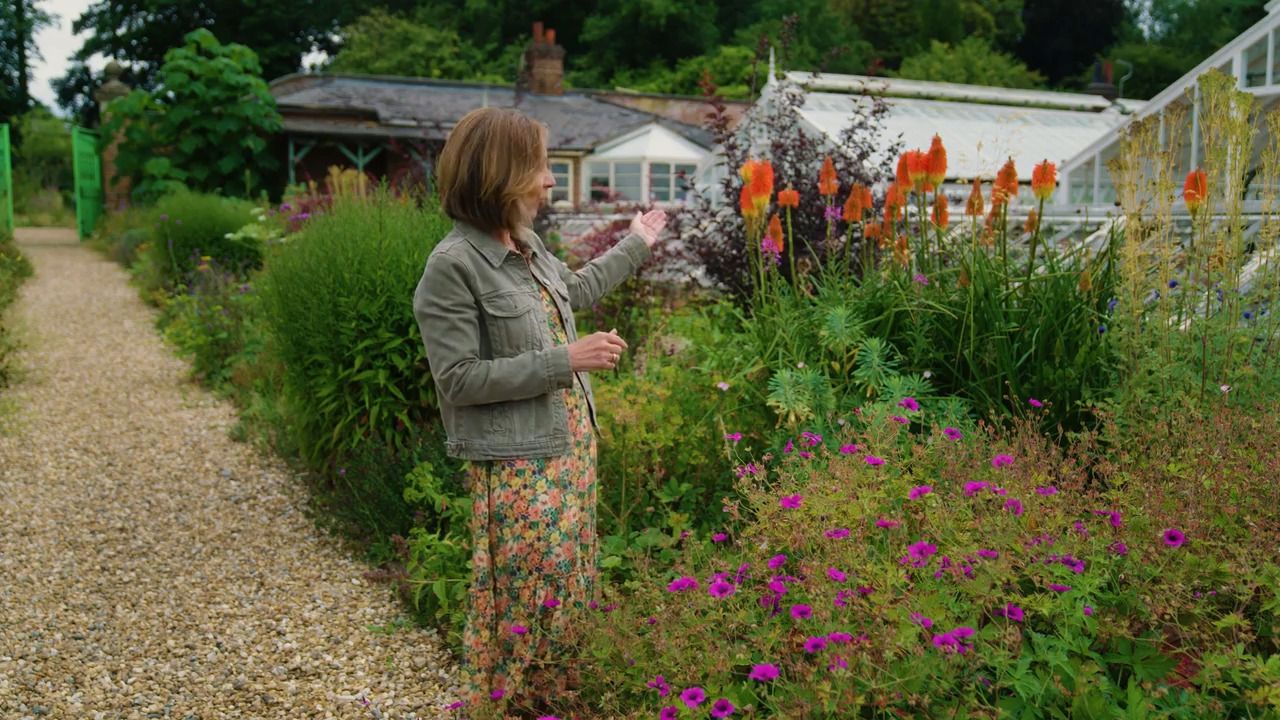
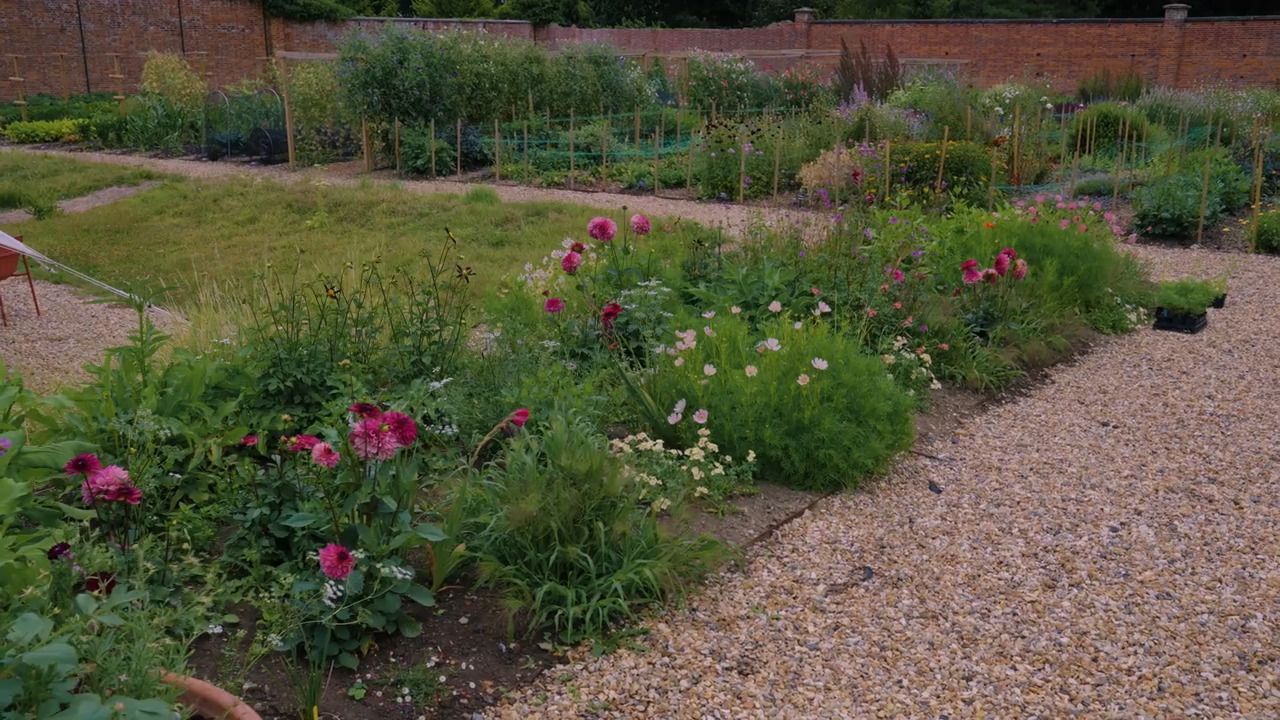
You finish your tour of the London project as Jo takes us through the planting, and also reminds us how gardens shift and mature with time.
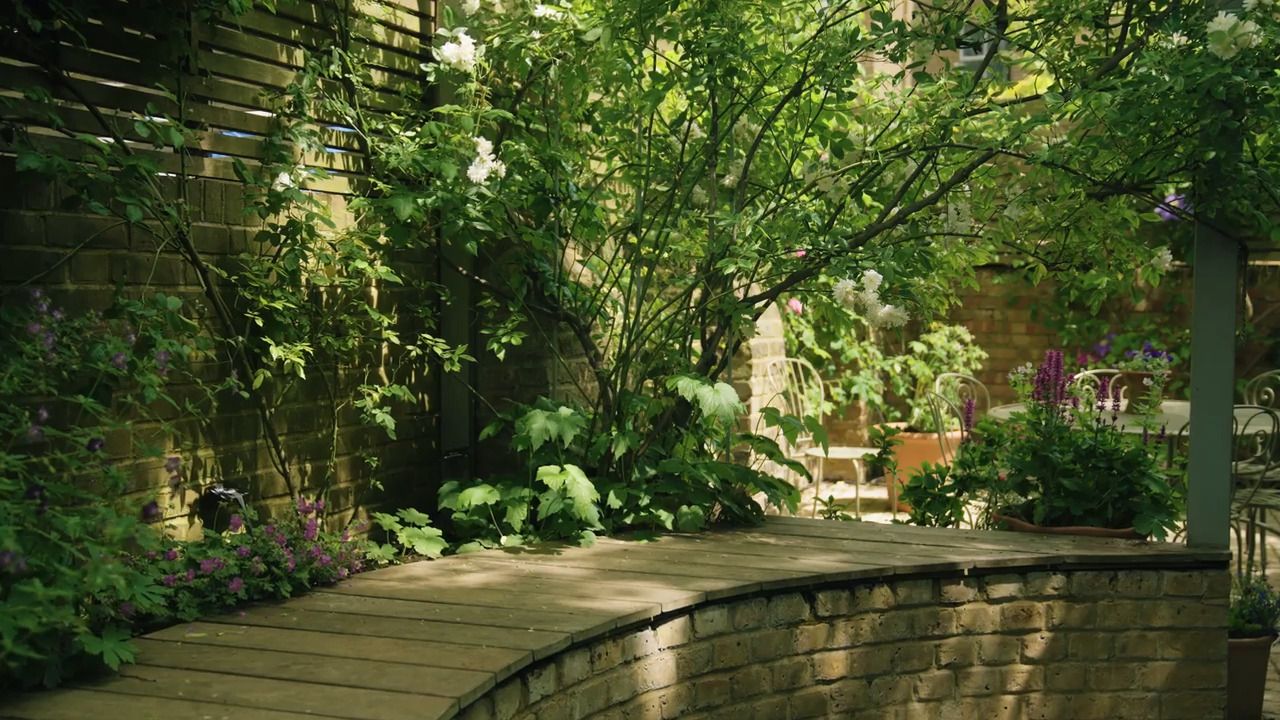
With the London garden as an example, we'll cover a range of practical considerations in this lesson, including choosing materials, arranging pots and borders, choosing the right plants for the right place, and how your garden will change over time.
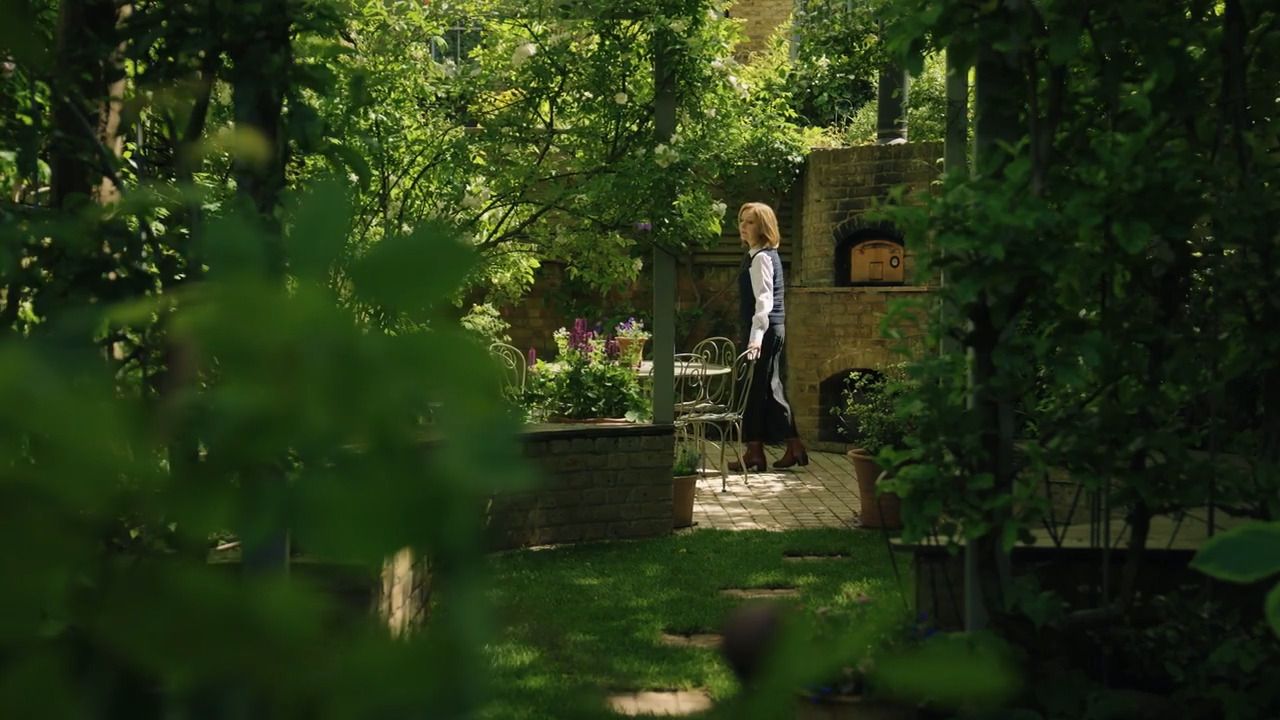
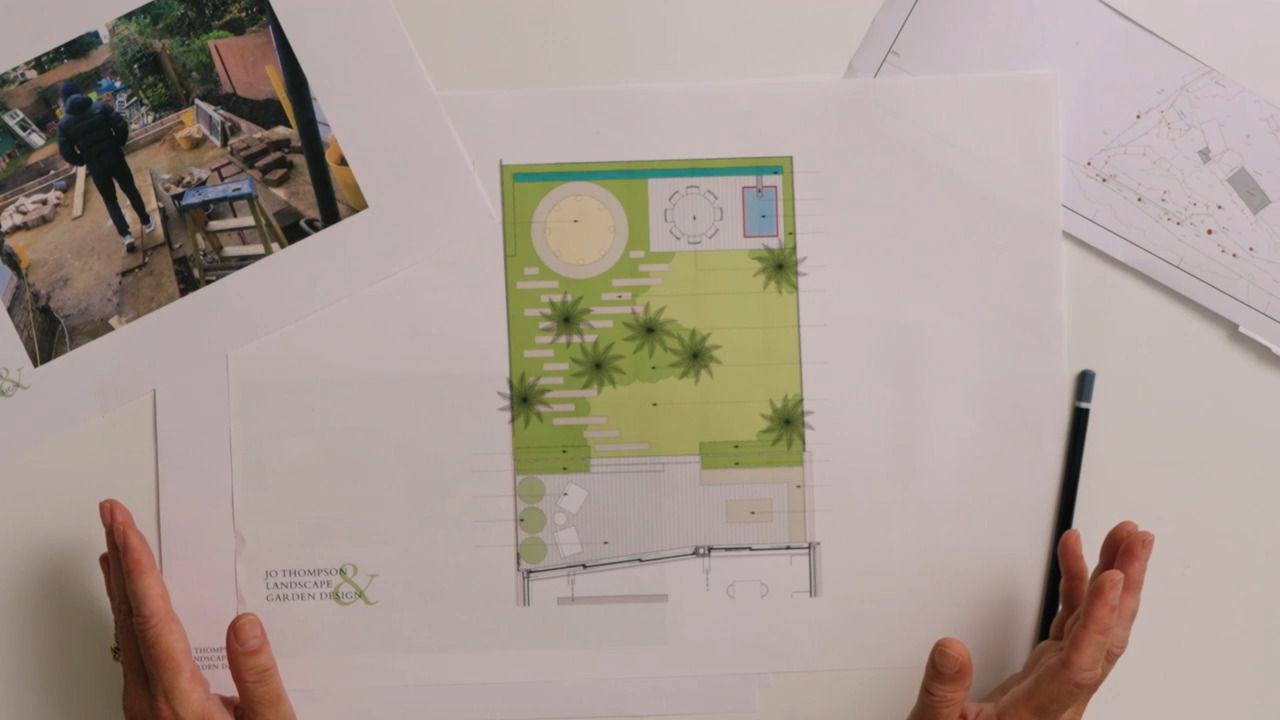
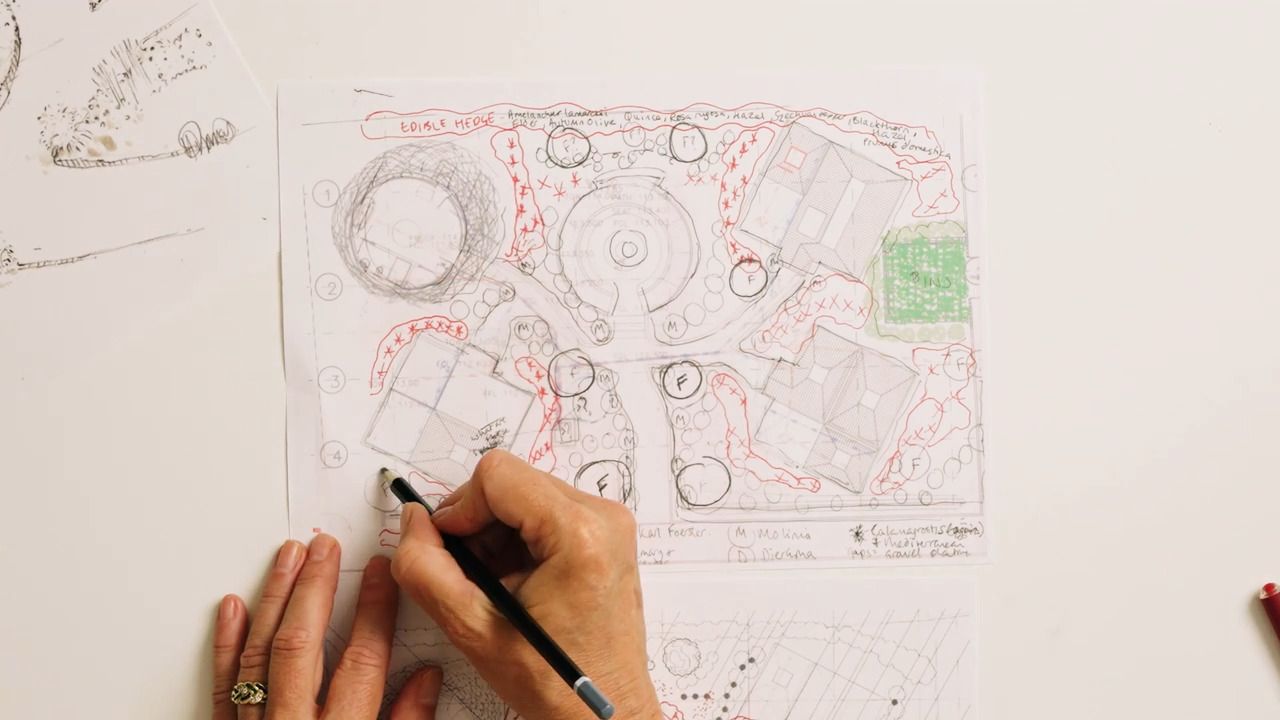
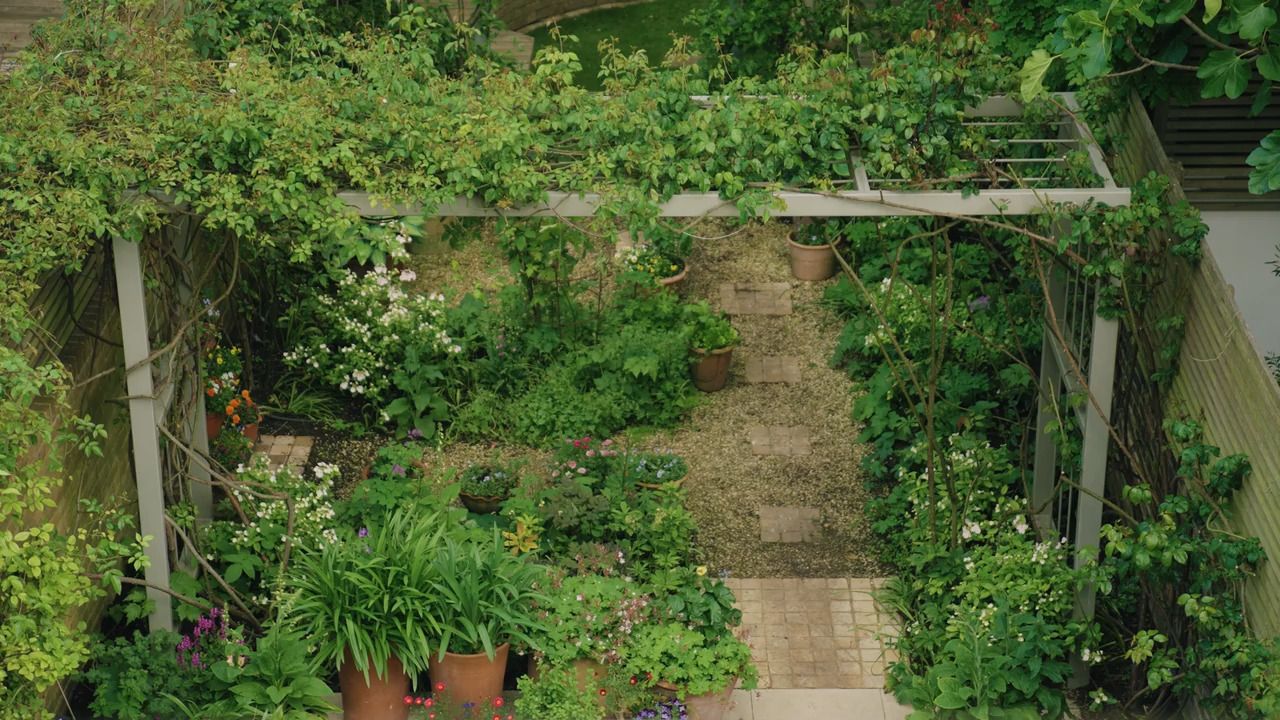
This is a small garden in a city, divided into four areas:
This suits a large family as there are lots of different areas to be. Staggered hedging down the length of the garden means you might not be able to see each other.
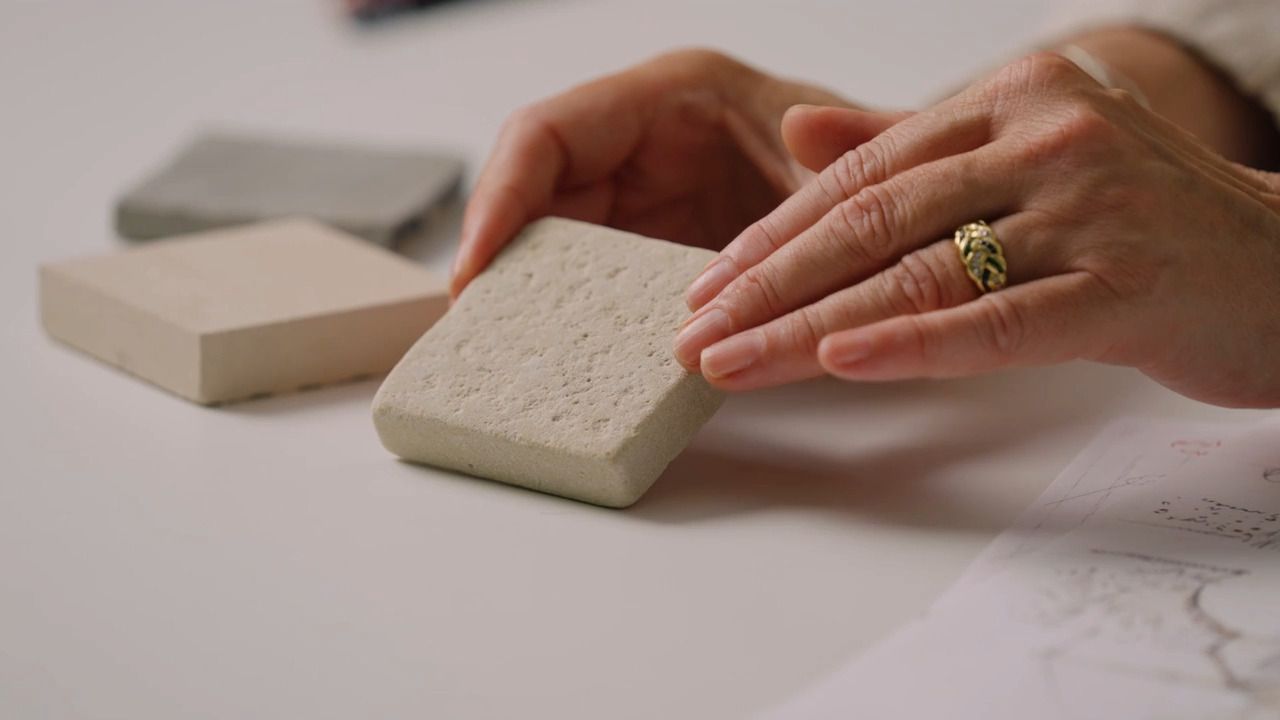
Materials were chosen to match those in the house:
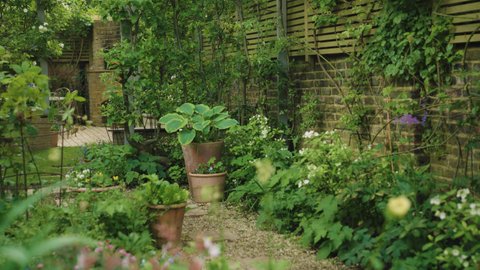
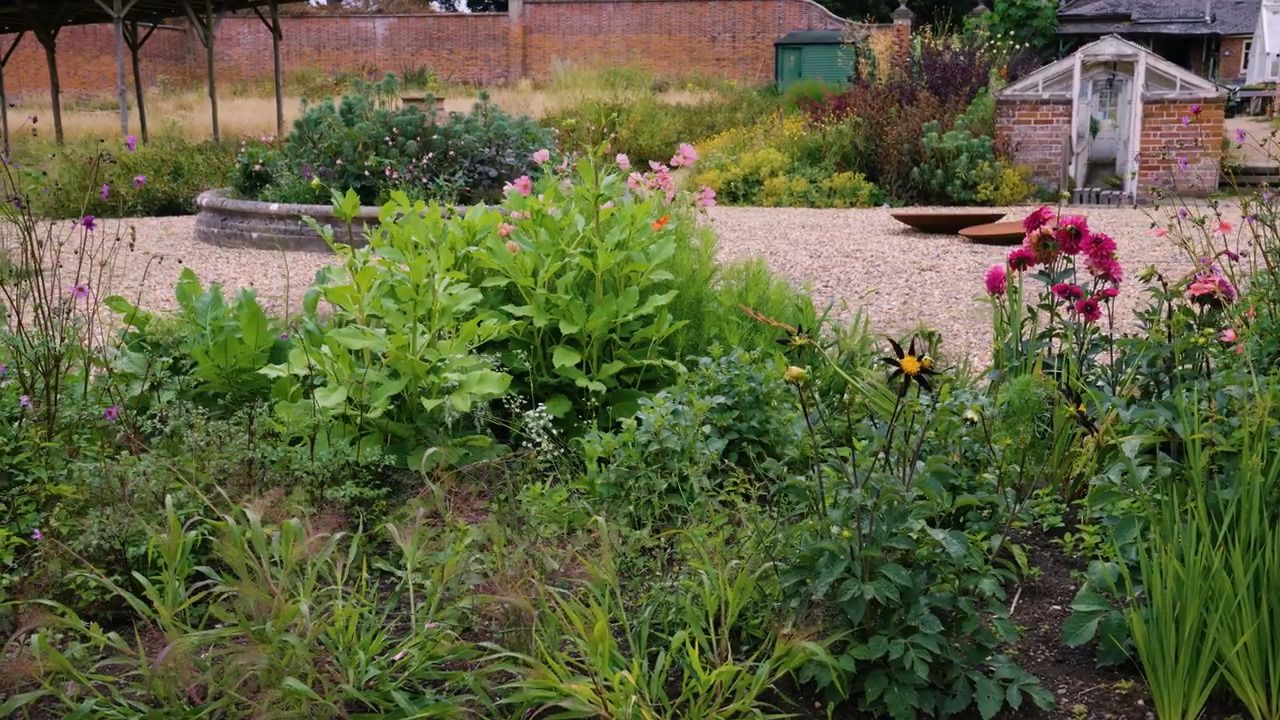
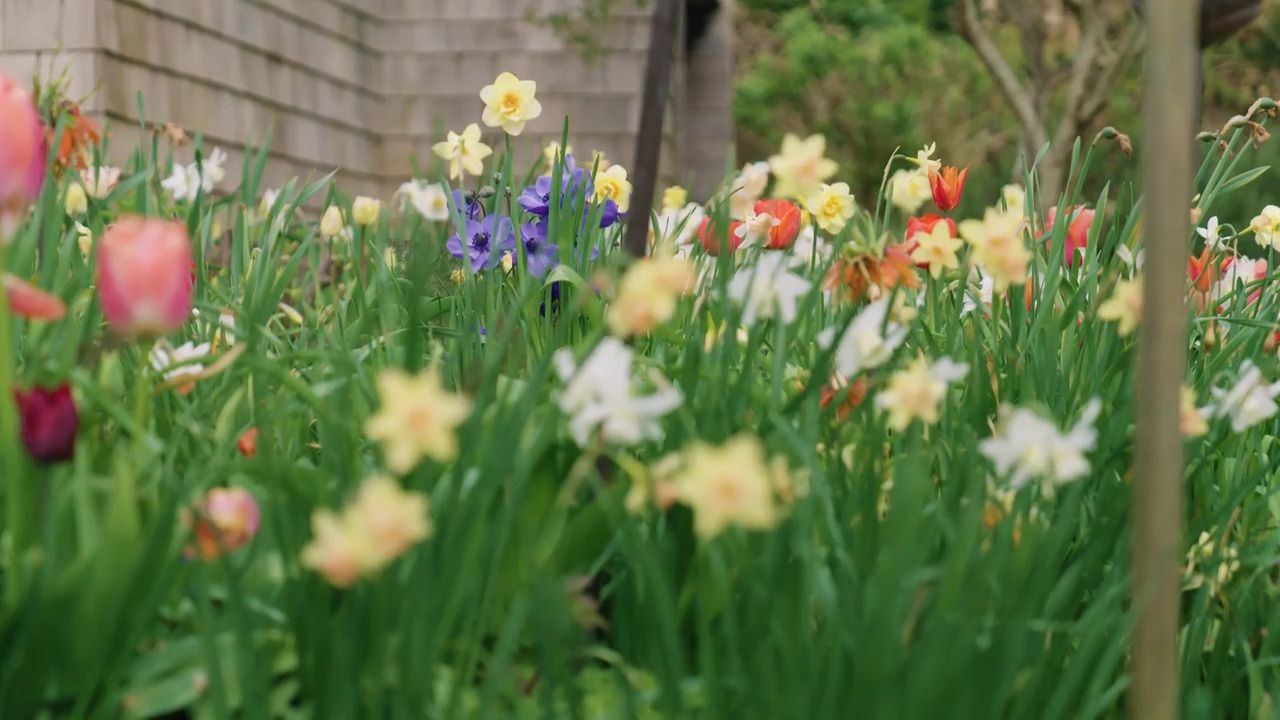
The next section is a flower-filled area with beds, roses on the boundaries, and a gravel path through. A neighbouring tree means I've planted for shade.
When the garden was created it was lighter and there were more sun-loving plants. As it's become shadier, we've introduced shade lovers such as hostas and martagon lily.
Planting is never finished – plants grow, situations change – so always be prepared to adjust to make your garden just right.
Sometimes plants might not do exactly what they say on the label, so be prepared for surprises.
This garden has all conditions – some sun, some shade, some dappled shade – so it's important to have some versatile plants that are happy to be planted in all of those areas to give continuity.
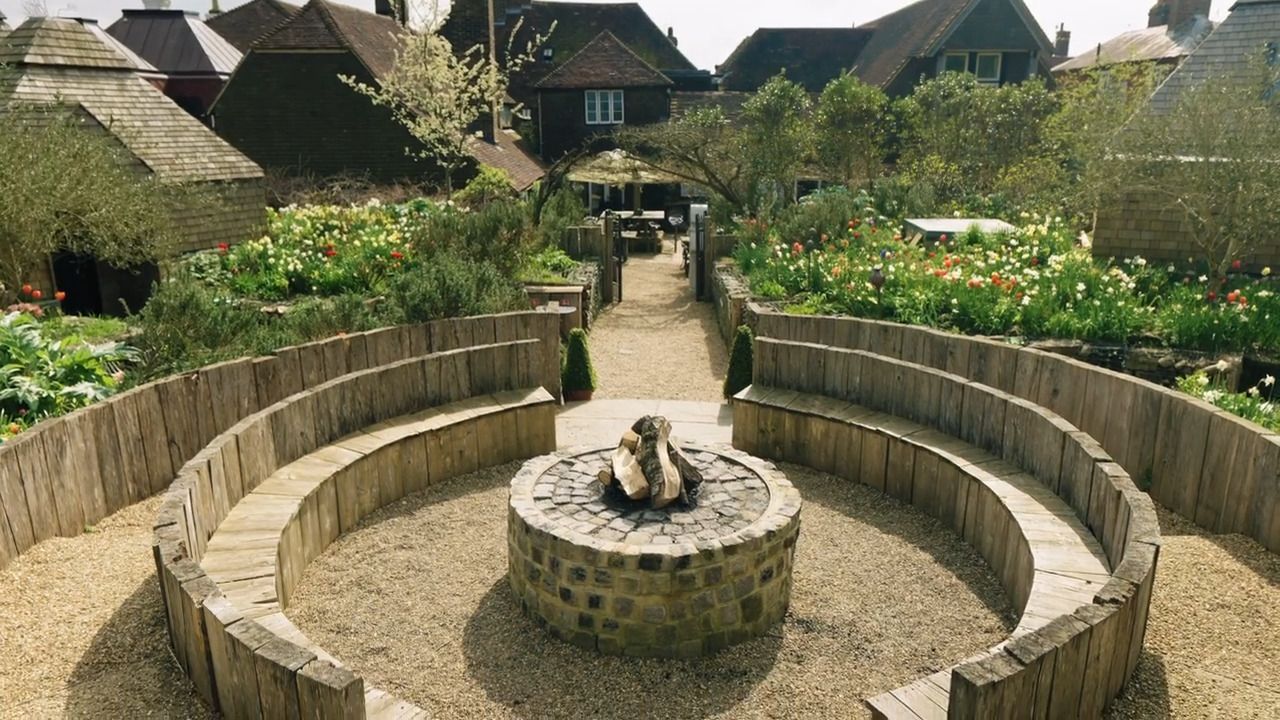
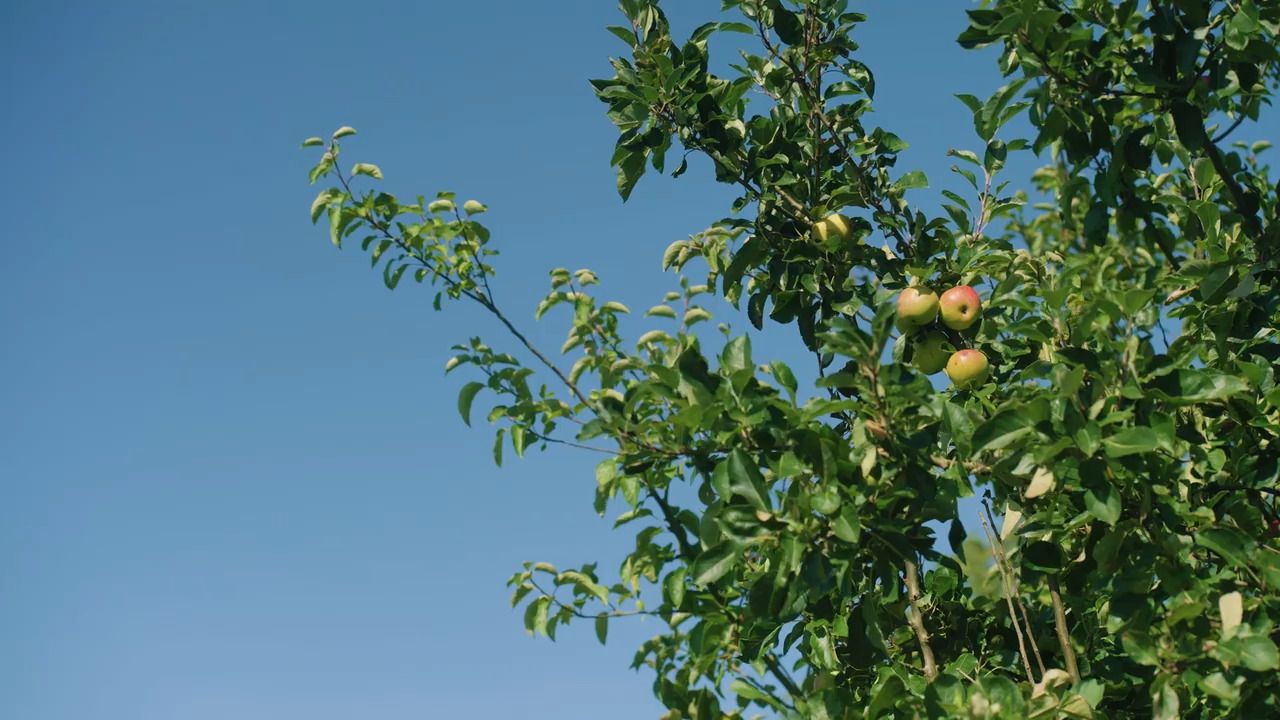
The third (seating) area is disguised by a staggered hedge of pleached apples – two types to allow pollination. They are climbing up one of the metal frames.
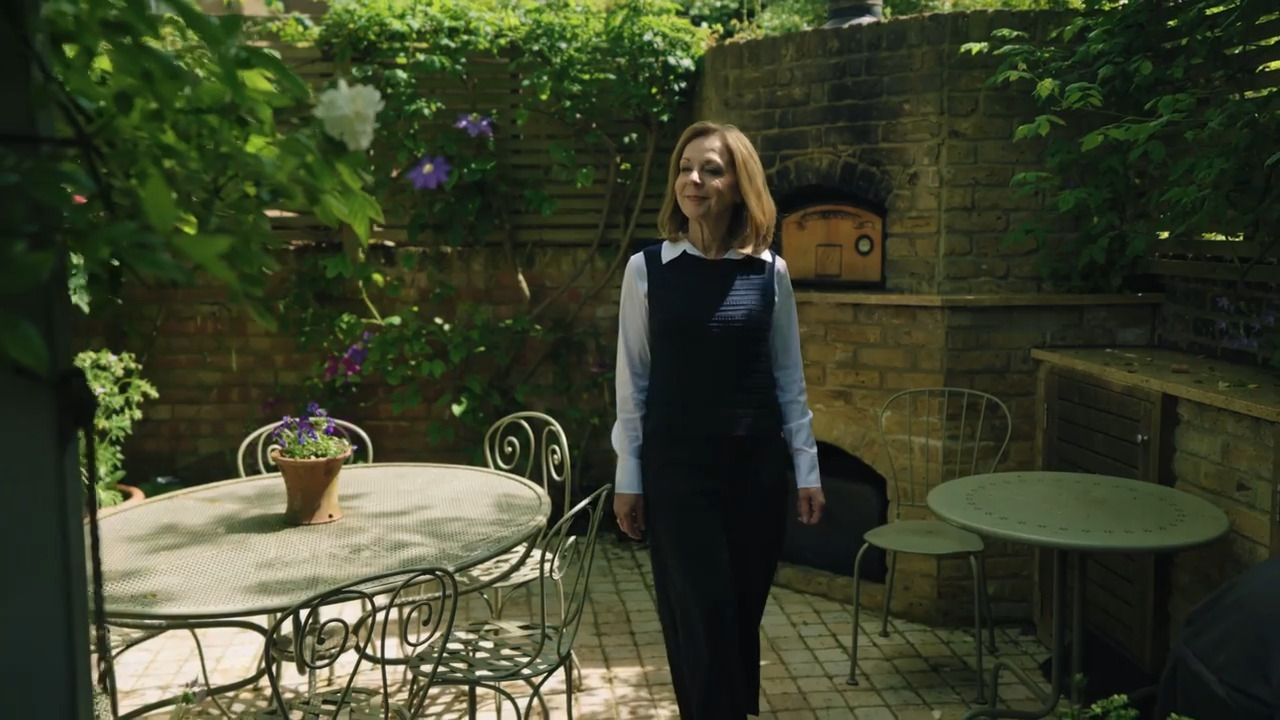
The final area is a cooking area with pizza oven, table and chairs.
This garden faces east west, so the terrace at one end catches the morning sun, and the terrace at the other end catches the evening sun.
Height is key in a small garden – you have so much more space than your ground plan.
When designing your landscaping, view the garden from inside the house to work out where your path should go. Make sure you can see the first part of the journey when you look out.
Hard landscaping is the first thing that goes in so it's important to get right. After that, focus on the plants to soften the hard landscaping.
Make sure you give your plants enough space, as well as the people using the garden.
Pots furnish a space, so allow room for them at the design stage. These can be added to over the years to give a sense of space.
Remember the practicalities at the early stage:
When you first build your garden the hard landscaping will look really obvious.
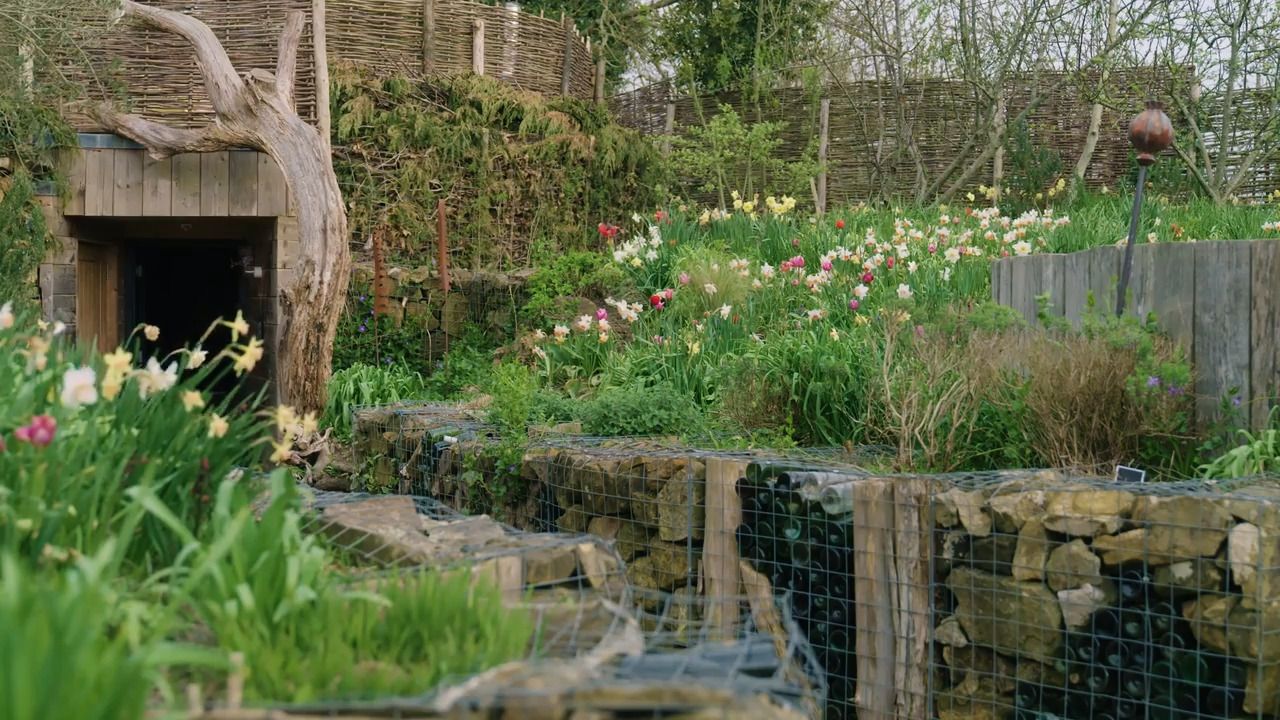
Bear with it because plants will grow and soften it and the materials will weather and fade, making the hard landscaping drop into the background.
You can buy plants at all different sizes, so depending on budget, you can have a range of plants at different stages to give your garden a feeling of being there for some time already.
Astrantia species and cultivars
Astrantia, masterwort
Hardy herbaceous perennials
Apiaceae
Brunnera macrophylla cultivars
Siberian bugloss
Hardy herbaceous perennials
Boraginaceae
Clematis species and cultivars
Clematis
Mostly hardy or half-hardy, deciduous or evergreen climbers; some are shrubs or herbaceous perennials
Ranunculaceae
Hosta species and cultivars
Plantain lilies
Hardy herbaceous perennials
Asparagaceae
Geranium species and cultivars
Cranesbills
Hardy perennials
Geraniaceae
Hydrangea species and cultivars
Hydrangeas
Hardy deciduous or evergreen shrubs or climbers
Hydrangeaceae
Lilium martagon
Martagon lily, Turk's cap lily
Hardy herbaceous perennial from a bulb
Liliaceae
Malus domestica cultivars
Apples
Hardy deciduous trees
Rosaceae
Robinia pseudoacacia
False acacia or black locust
Deciduous hardy tree
Fabaceae
Rosa species, hybrids and cultivars
Roses
Hardy deciduous or semi-evergreen shrubs or scrambling climbers
Rosaceae
Thalictrum species and cultivars
Meadow rue
Hardy herbaceous perennials
Ranunculaceae
Get the full workbook, video lessons, and more with a Create Academy subscription.
Subscribe to access the full workbookAlready a member? Sign in to watch
491 reviews
Read moreCreate Academy has been such a great resource. I'm in the middle of renovating a bungalow with a very large garden and the courses have offered a wealth of inform...
Harvey
Jun 10, 2026
Absolutely love Create Academy! The instructors are extremely informative, and it is beautifully filmed. Create Academy is great value for money and plan on renew...
SG
May 31, 2026
Butter's creativity is stunning! Her ability to incorporate brilliance in small gardens is magical!
Carla
May 30, 2026
The best adventure. I like all the courses, but my favorite are both Rita Konig interior design courses and Anna Jones. Excellent!
Karolina Kluczewska
May 20, 2026
Create Academy has been such a great resource. I'm in the middle of renovating a bungalow with a very large garden and the courses have offered a wealth of information to dive into and explore new ideas. I'm...
Harvey
Jun 10, 2026
Absolutely love Create Academy! The instructors are extremely informative, and it is beautifully filmed. Create Academy is great value for money and plan on renewing my subscription yearly because there are ...
SG
May 31, 2026
Butter's creativity is stunning! Her ability to incorporate brilliance in small gardens is magical!
Carla
May 30, 2026

Your Instructor
A distinguished British garden designer and plantswoman
Jo Thompson is a distinguished British garden designer and plantswoman, who has garnered widespread acclaim and recognition for her exceptional expertise in horticulture. Jo is the winner of four Gold and five Silver Gilt medals from the RHS Chelsea Flower Show, as well as the coveted People's Choice award at the RHS Chatsworth Flower Show in 2017. As a member of the RHS Gardens Committee and Garden Advisor for RHS Rosemoor, and an RHS Shows Judge, Jo plays a significant role in shaping the horticultural landscape. She gives regular lectures on her work, including tutoring at The London College of Garden Design, and is a Fellow of the Landscape Institute and a Registered Member of the Society of Garden Designers. Jo is also the author of two books - The New Romantic Garden and The Gardener’s Palette.
Access to all courses


