


Interior and exterior confidence
Create Academy has been such a great resource. I'm in the middle of renovating a bungalow with a very large garden and the courses have offered a wealth of inform...
Harvey
Jun 10, 2026
The Fundamentals of Garden Design
with JO THOMPSON — A distinguished British garden designer and plantswoman
Lesson 18 of 22
Subscribe to watch
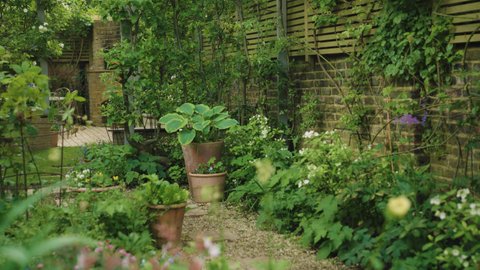
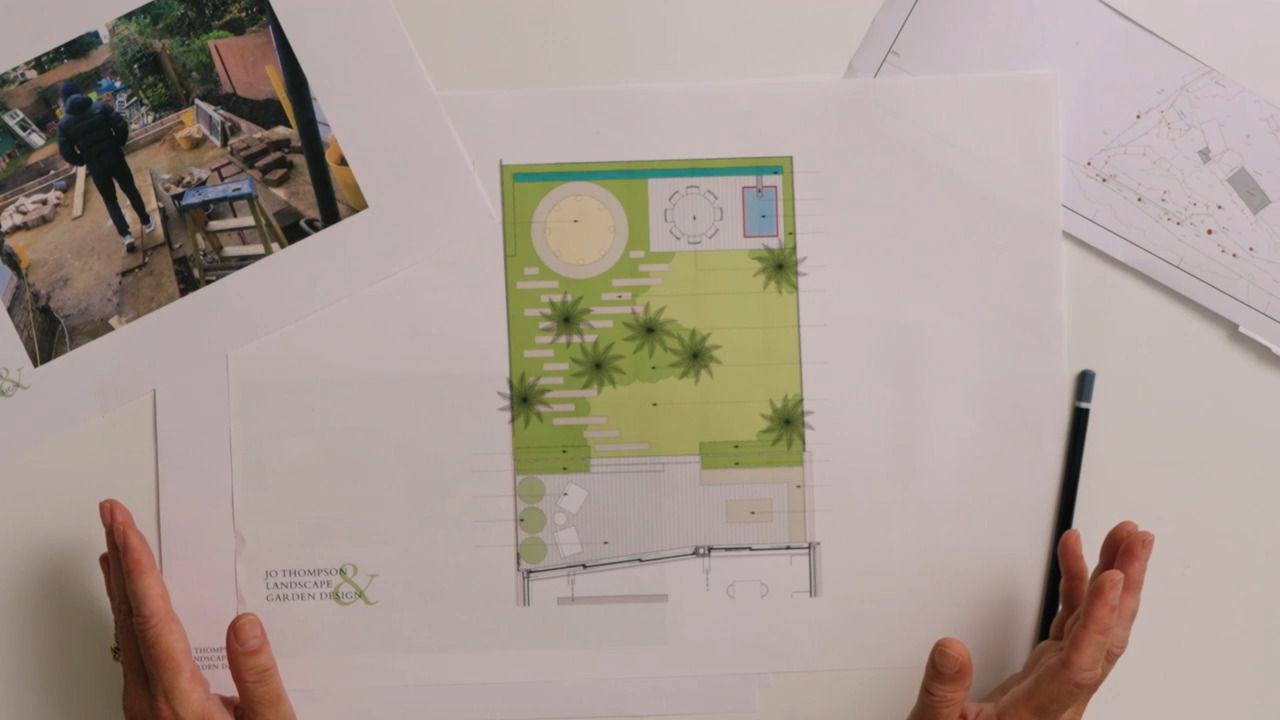
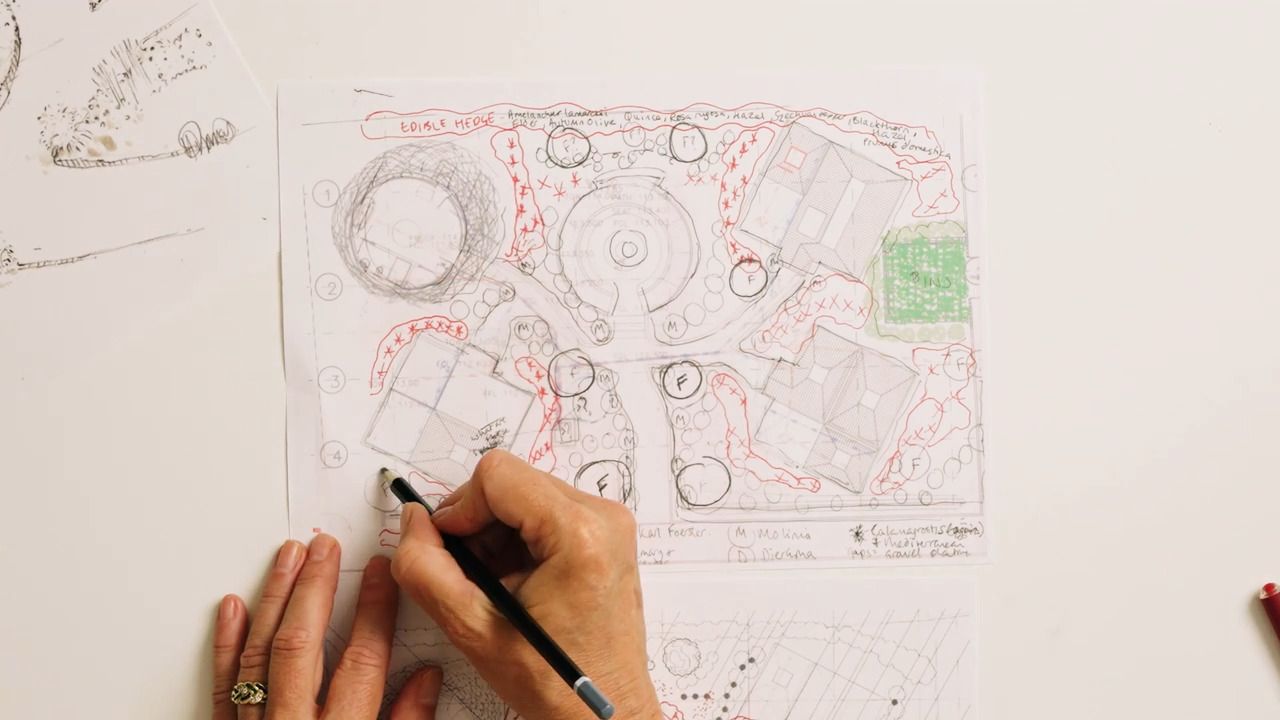
The journey around your garden is central to the experience of being in it. This lesson explores how to lay out your garden to create flow, discusses how to create interest through changes in level, and explores material choices in more depth.
The journey around your garden is central to the experience of being in it. Now we'll look at how to lay out your garden to create flow, discuss how to create interest through changes in level, and explore material choices in more depth.
These are some key elements to include in your garden's layout:
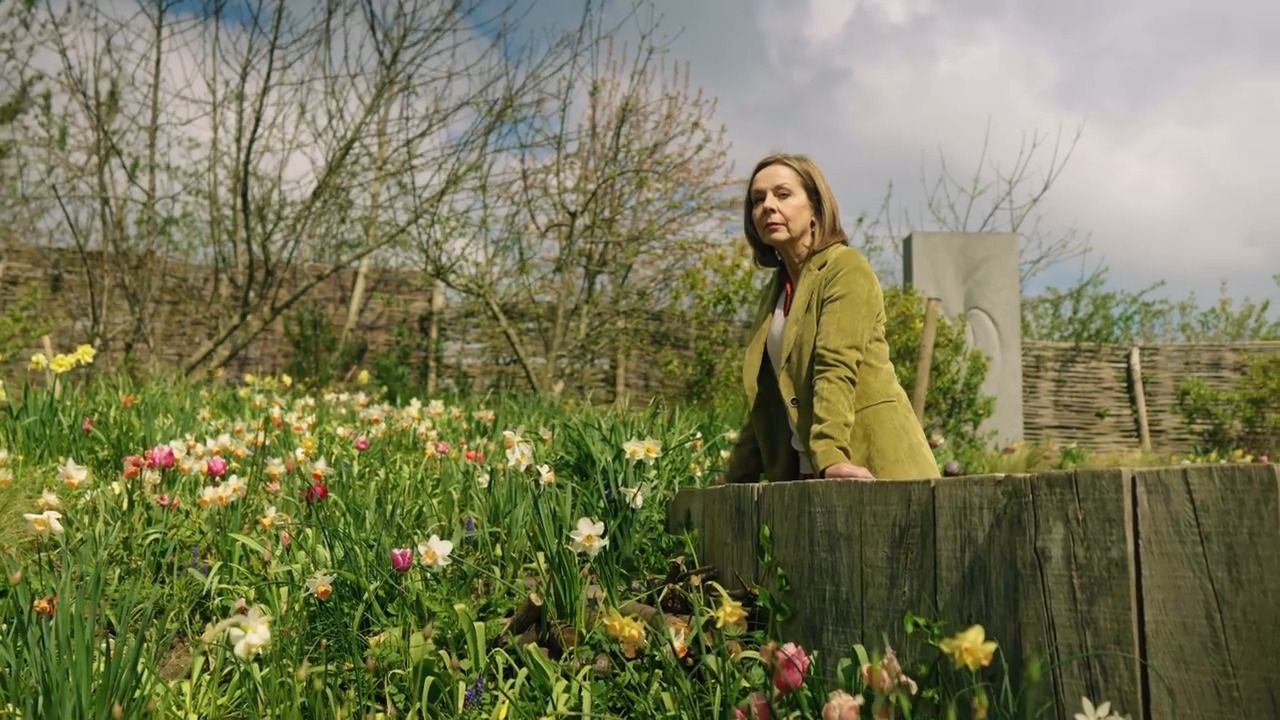
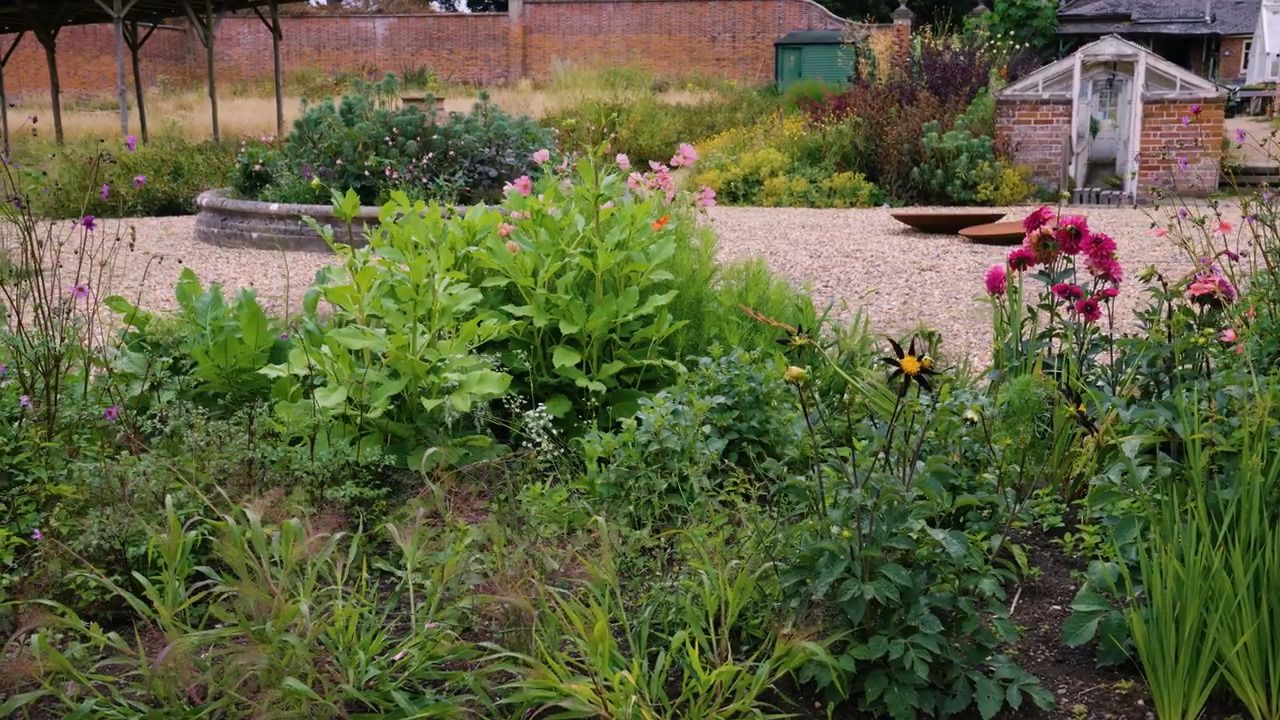
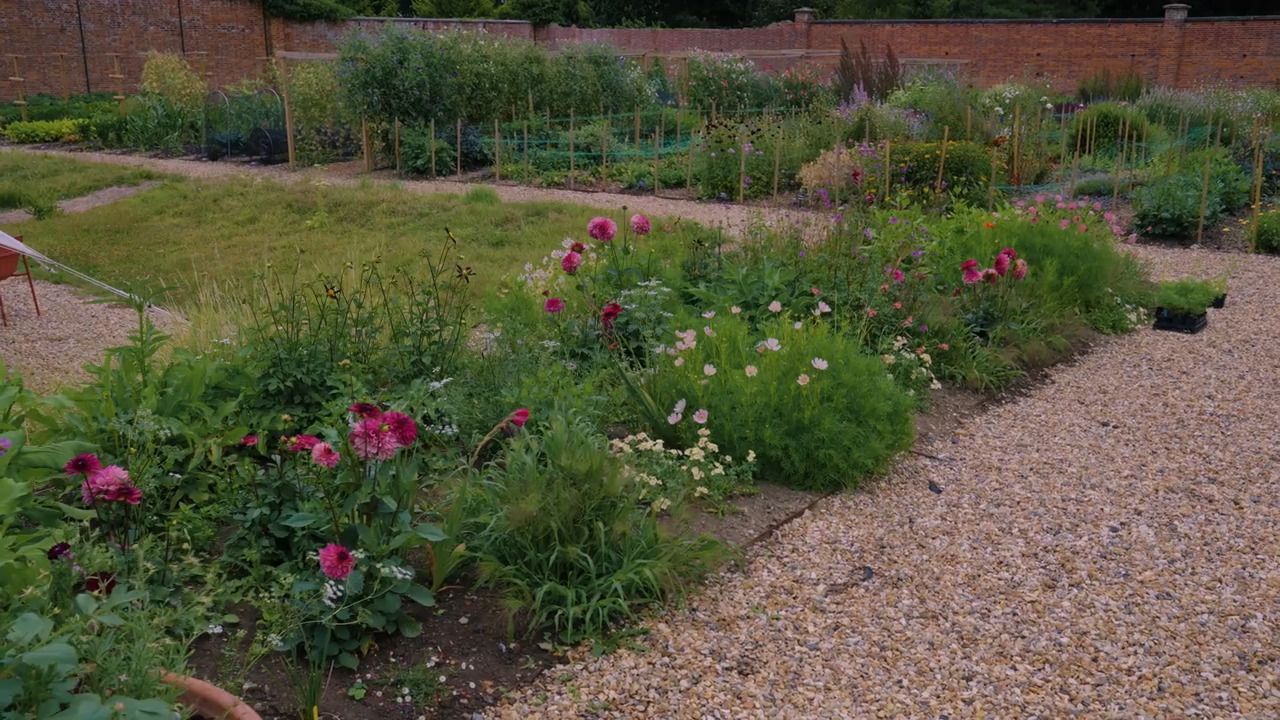
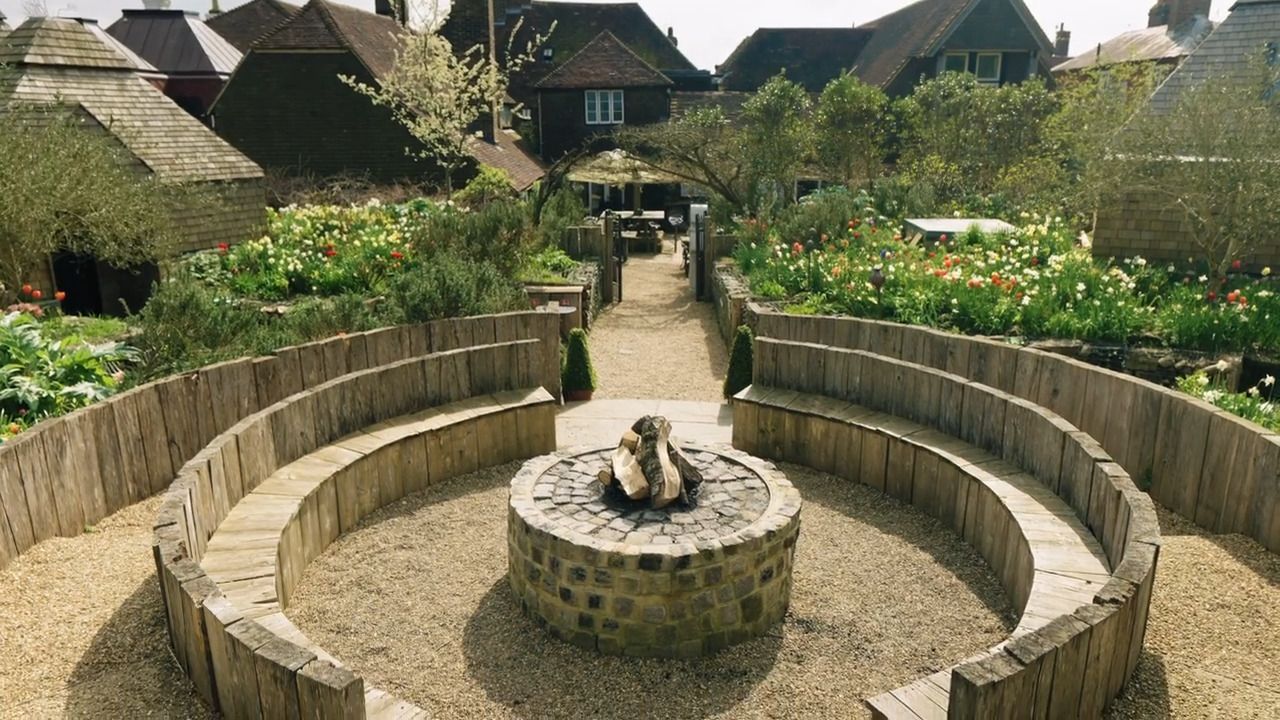
Here's how I've incorporated these at The Bell:
If you have a garden room, studio or shed, consider sinking it into a corner so as to not make it a main feature, either by changing the levels or using planting so that it's revealed as a surprise.
Remember the flow around the garden in your design. The journey is really important to:
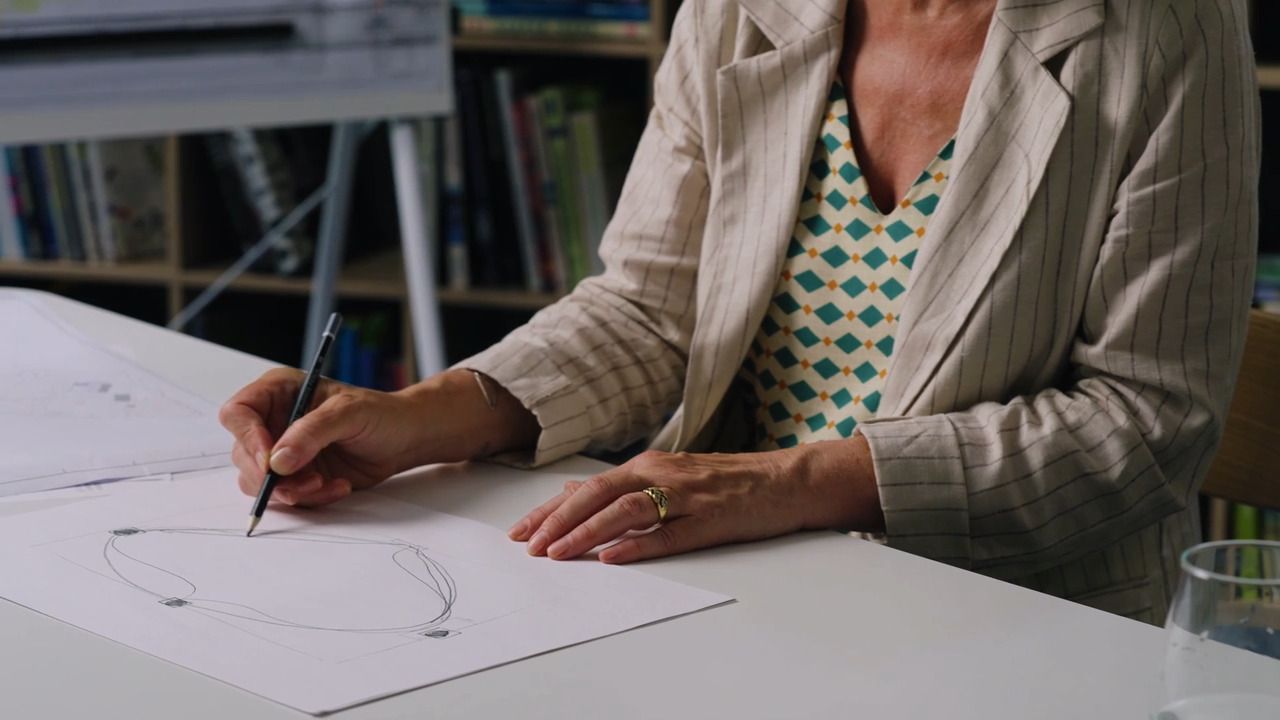
How to create your journey:
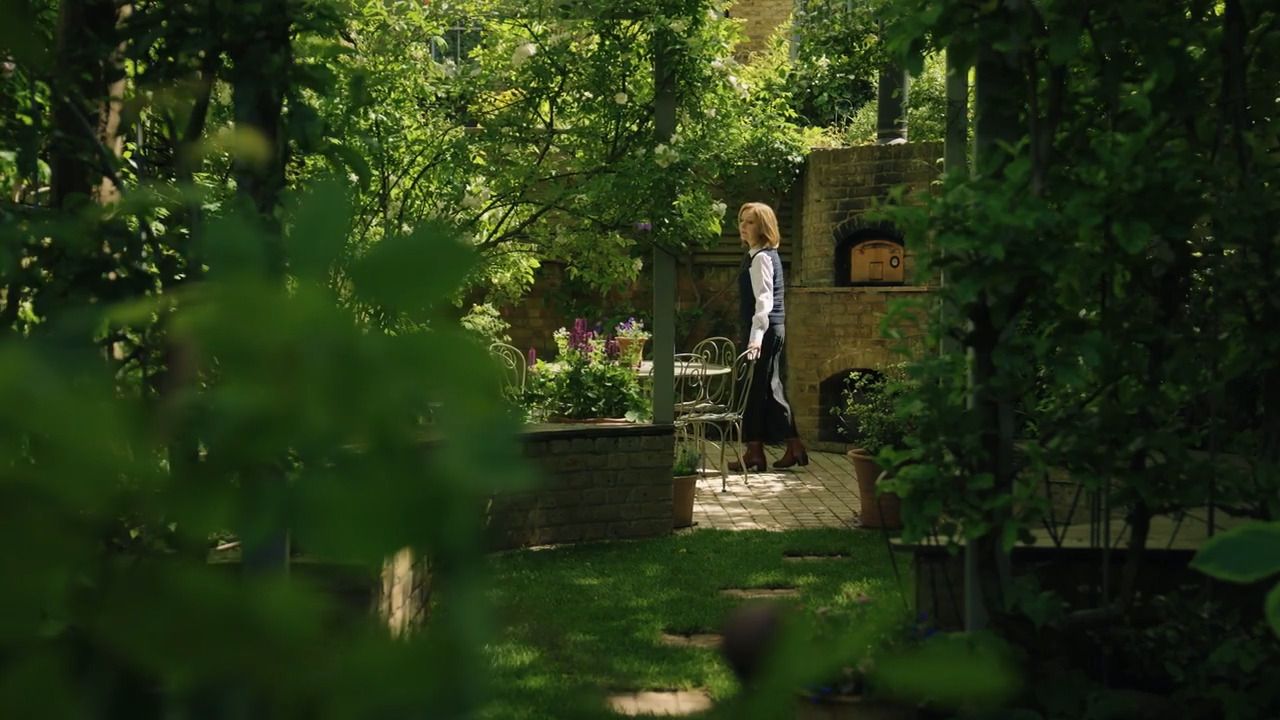
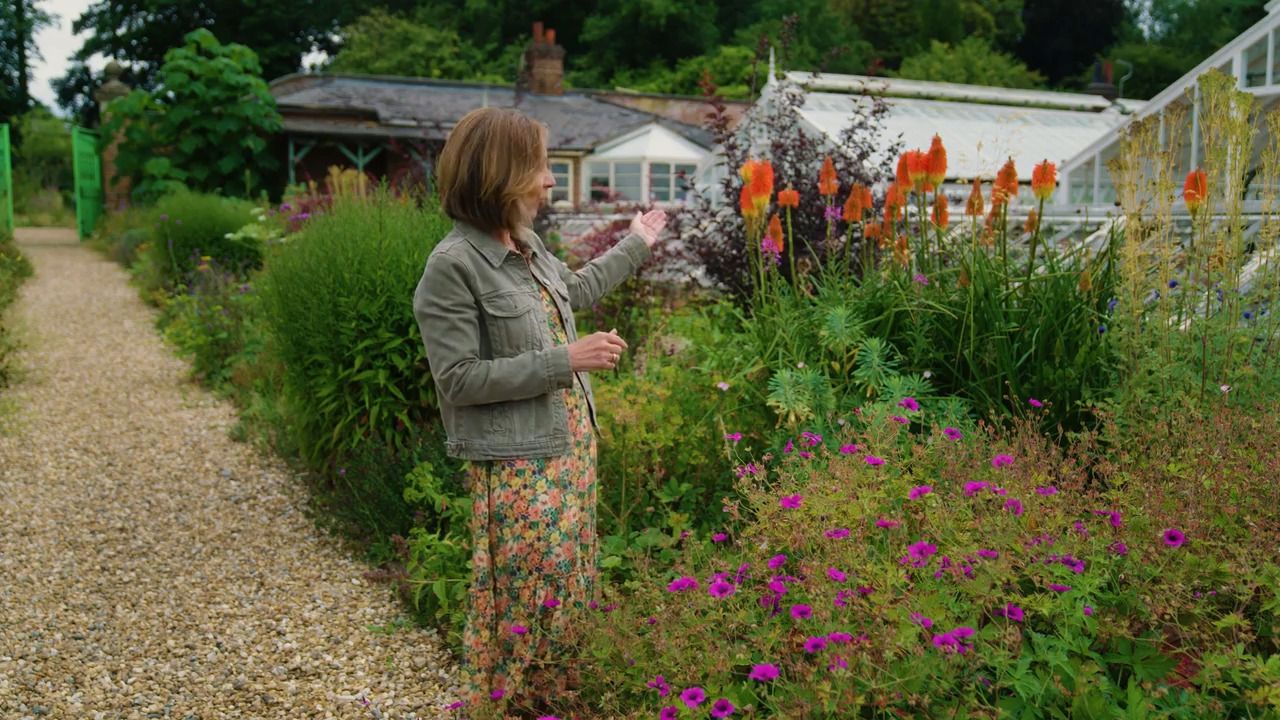
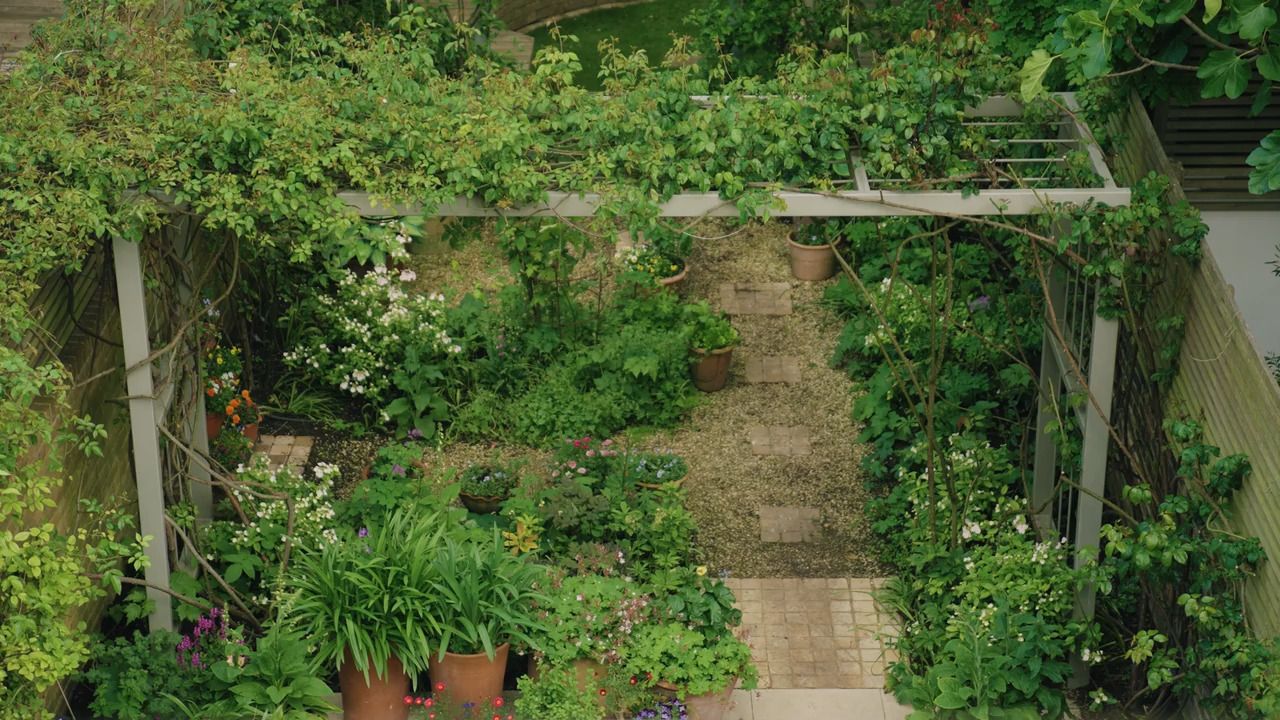
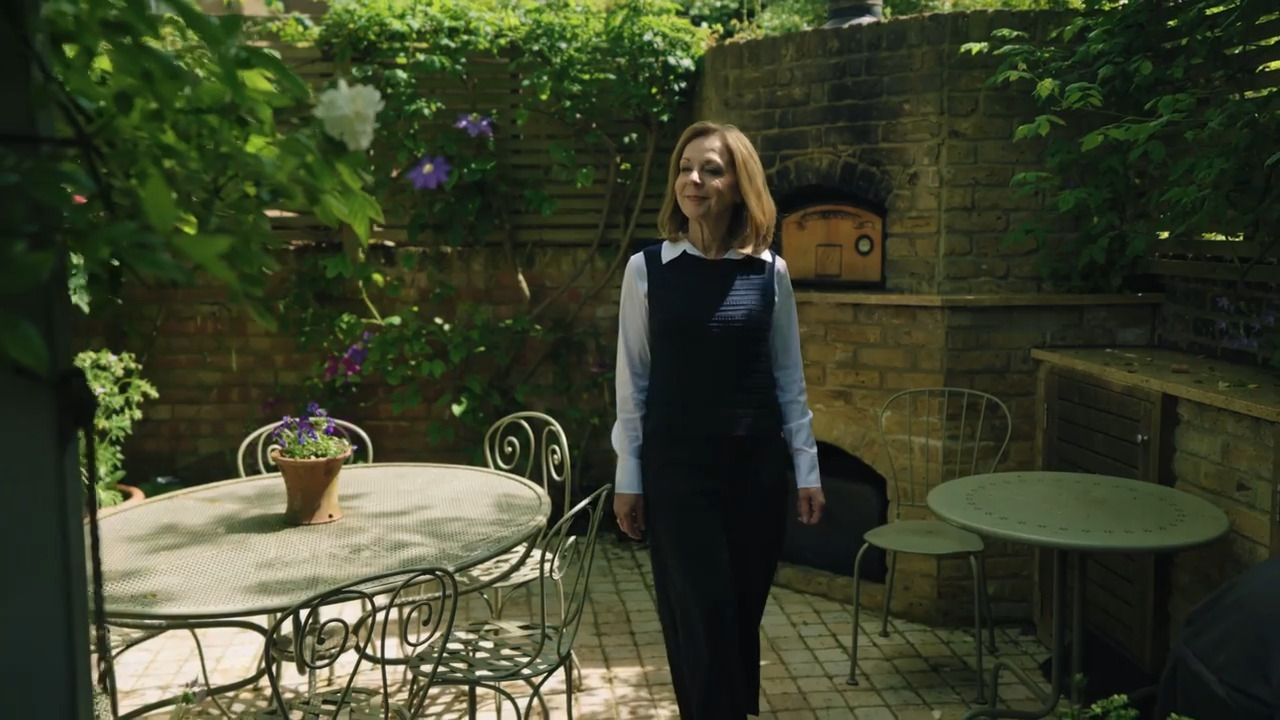
At The Bell we have seating areas, a terrace and blurred areas in between, with gaps painted in with planting.
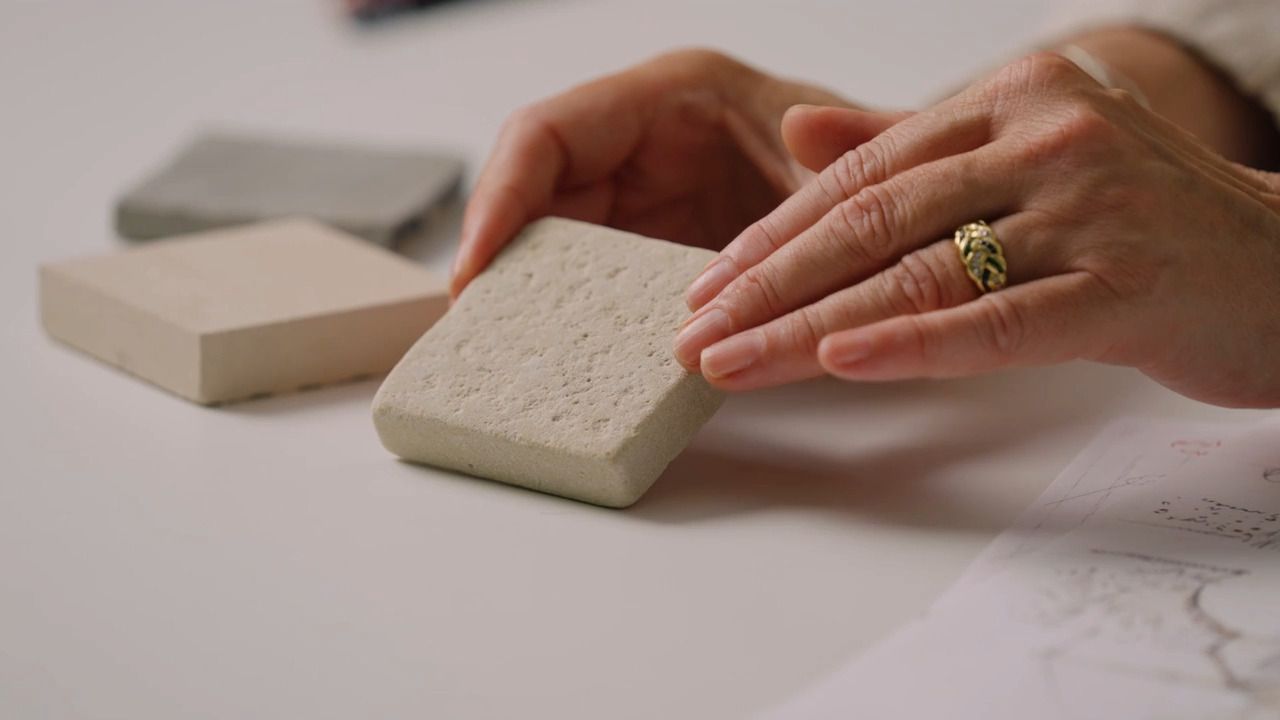
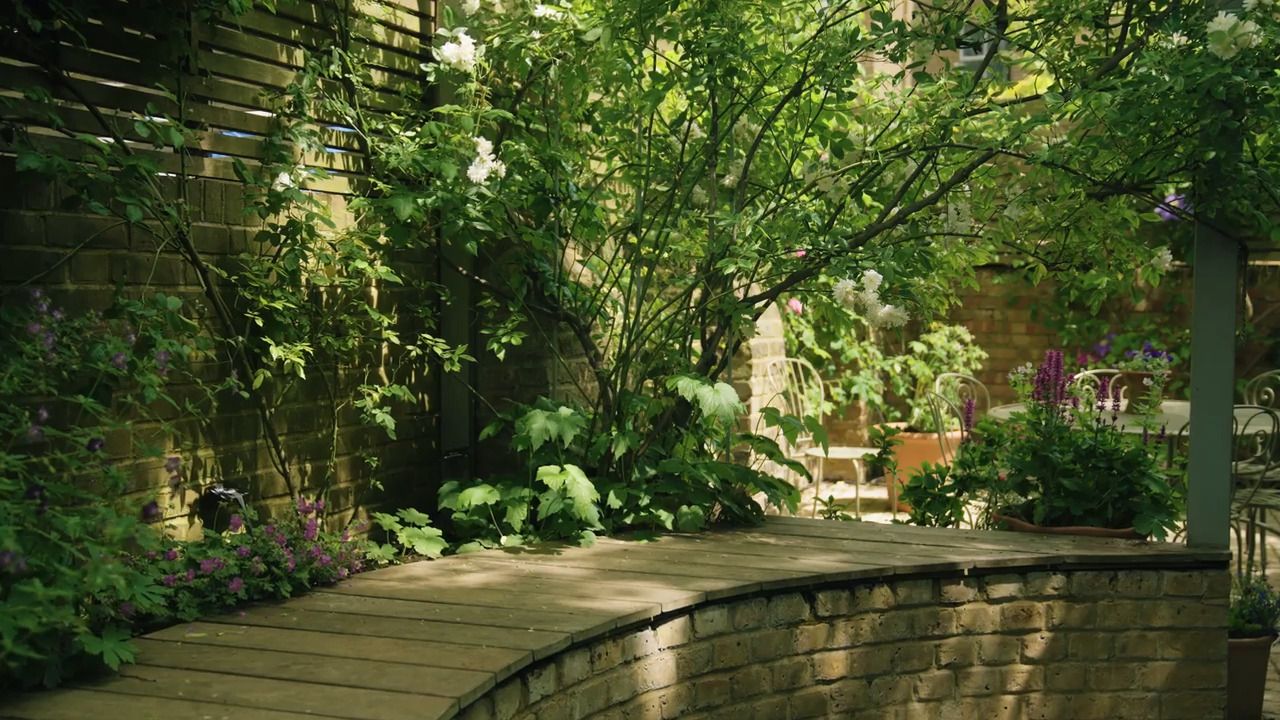
When choosing materials, look at what's around you, and consider what environment you are in.
There's a soft, weatherworn feel to these materials. If this was a city garden I might look for more contemporary-feeling materials.
Re-using materials or finding materials nearby to use in your garden adds to the sense of place that is key in bringing atmosphere to your garden.
Keep in mind that you shouldn't see more than three different materials in any one space.
Look at surrounding buildings and your own house – what materials are there?
Clay pavers are an excellent material to use in the garden and work really well with brick.
In country gardens I often use stone, gravel and weathered wood.
In a city garden I use less gravel and look at lighter stone that may be cut in a more uniform way to give a more ordered feel.
Keep these three things in mind when designing the route around your garden:
Having all these three things will make you want to use the path.
Changes in height are a great way to create interest in a small garden.
In this garden, the path travels upwards along steps and slopes to a highest point at the seating area, then gently travels down.
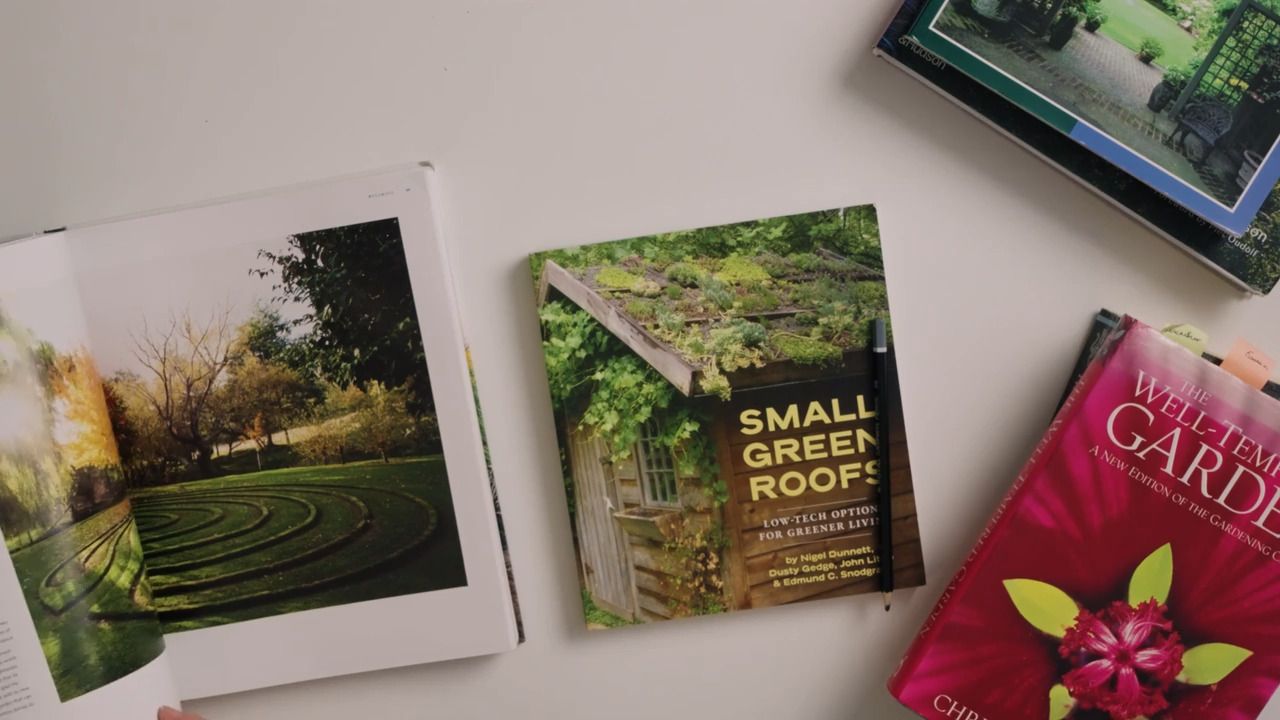
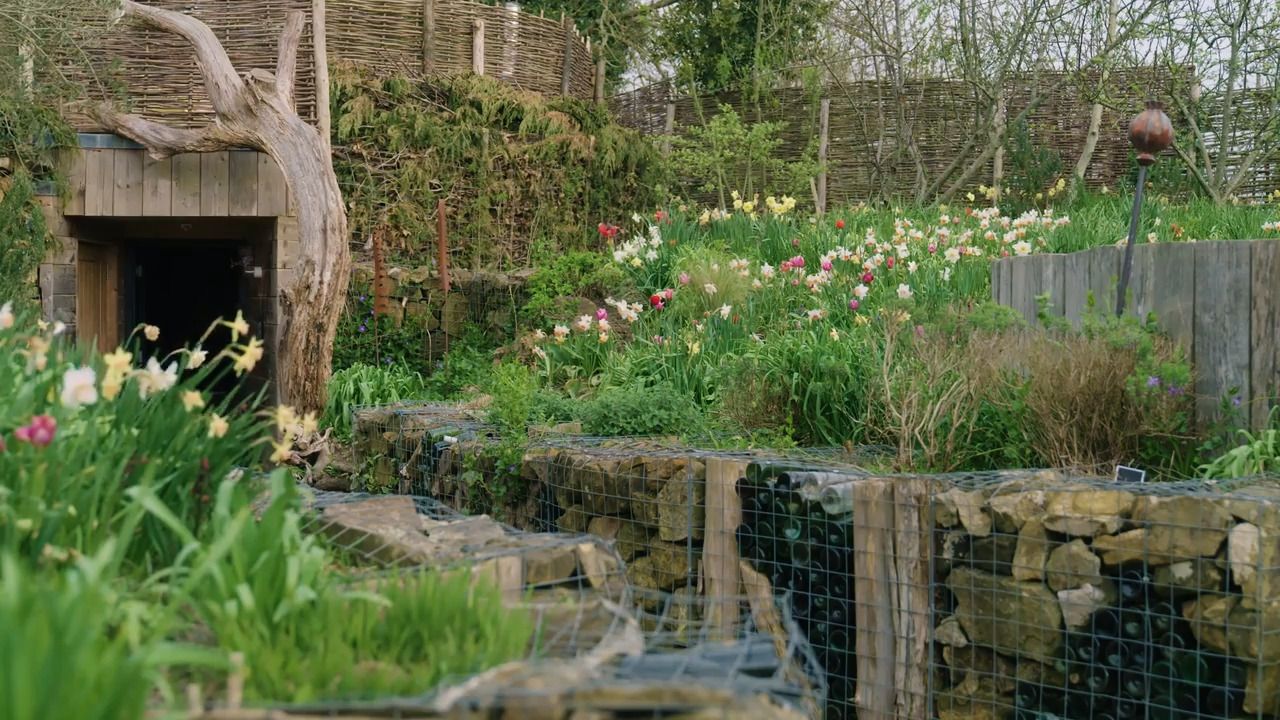
Raised beds can be made from brick or stone, but gabion walls can be a cheaper or more creative method.
Get the full workbook, video lessons, and more with a Create Academy subscription.
Subscribe to access the full workbookAlready a member? Sign in to watch
491 reviews
Read moreCreate Academy has been such a great resource. I'm in the middle of renovating a bungalow with a very large garden and the courses have offered a wealth of inform...
Harvey
Jun 10, 2026
Absolutely love Create Academy! The instructors are extremely informative, and it is beautifully filmed. Create Academy is great value for money and plan on renew...
SG
May 31, 2026
Butter's creativity is stunning! Her ability to incorporate brilliance in small gardens is magical!
Carla
May 30, 2026
The best adventure. I like all the courses, but my favorite are both Rita Konig interior design courses and Anna Jones. Excellent!
Karolina Kluczewska
May 20, 2026
Create Academy has been such a great resource. I'm in the middle of renovating a bungalow with a very large garden and the courses have offered a wealth of information to dive into and explore new ideas. I'm...
Harvey
Jun 10, 2026
Absolutely love Create Academy! The instructors are extremely informative, and it is beautifully filmed. Create Academy is great value for money and plan on renewing my subscription yearly because there are ...
SG
May 31, 2026
Butter's creativity is stunning! Her ability to incorporate brilliance in small gardens is magical!
Carla
May 30, 2026

Your Instructor
A distinguished British garden designer and plantswoman
Jo Thompson is a distinguished British garden designer and plantswoman, who has garnered widespread acclaim and recognition for her exceptional expertise in horticulture. Jo is the winner of four Gold and five Silver Gilt medals from the RHS Chelsea Flower Show, as well as the coveted People's Choice award at the RHS Chatsworth Flower Show in 2017. As a member of the RHS Gardens Committee and Garden Advisor for RHS Rosemoor, and an RHS Shows Judge, Jo plays a significant role in shaping the horticultural landscape. She gives regular lectures on her work, including tutoring at The London College of Garden Design, and is a Fellow of the Landscape Institute and a Registered Member of the Society of Garden Designers. Jo is also the author of two books - The New Romantic Garden and The Gardener’s Palette.
Access to all courses


