














Interior and exterior confidence
Create Academy has been such a great resource. I'm in the middle of renovating a bungalow with a very large garden and the courses have offered a wealth of inform...
Harvey
Jun 10, 2026
A Definitive Guide to Decorating
with NINA CAMPBELL — World-renowned interior and textile designer. House & Garden Lifetime Achievement Award.
Lesson 5 of 39

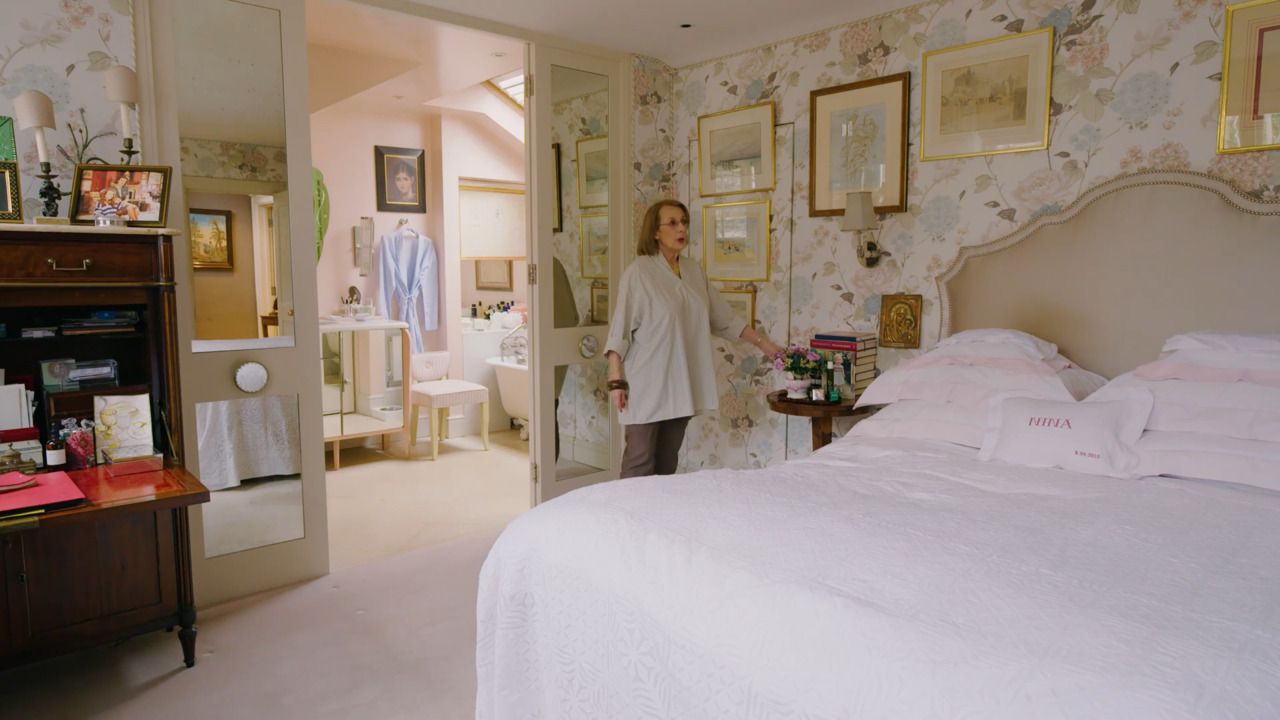
From setting the budget to establishing the brief and getting the bones of the project figured out, Nina clearly lays out the process she abides by for every one of her projects.
There are a few different stages to the process of interior design: from setting the budget, to establishing the brief and getting the bones of the project figured out. It's important to follow the right sequence of steps to ensure everything runs smoothly.
Whether you're working for a client or working for yourself, it's important to have clarity and honesty around the budget you have to work with from the very beginning.
If you're working for a client, discussions around fees and how you will charge for your time should also be had at the start of the process and agreed upon before any work is undertaken.
Part of establishing the budget is also working out how you want to apportion it. It's worth thinking about the areas you want to spend money on, and the parts where you might be able to save.
You want to be as accurate as you can when setting timescales, as this works to avoid disappointment. It's helpful for everyone involved to understand how long the project will take, and the different phases within it.
With budgets and timescales agreed, you can set up the initial session with your client and carry out a site visit. During this meeting, you should have an in-depth conversation about their desires, needs and requirements, as this is essential to establishing your brief. It's also incredibly useful to ascertain what a client doesn't like, too.
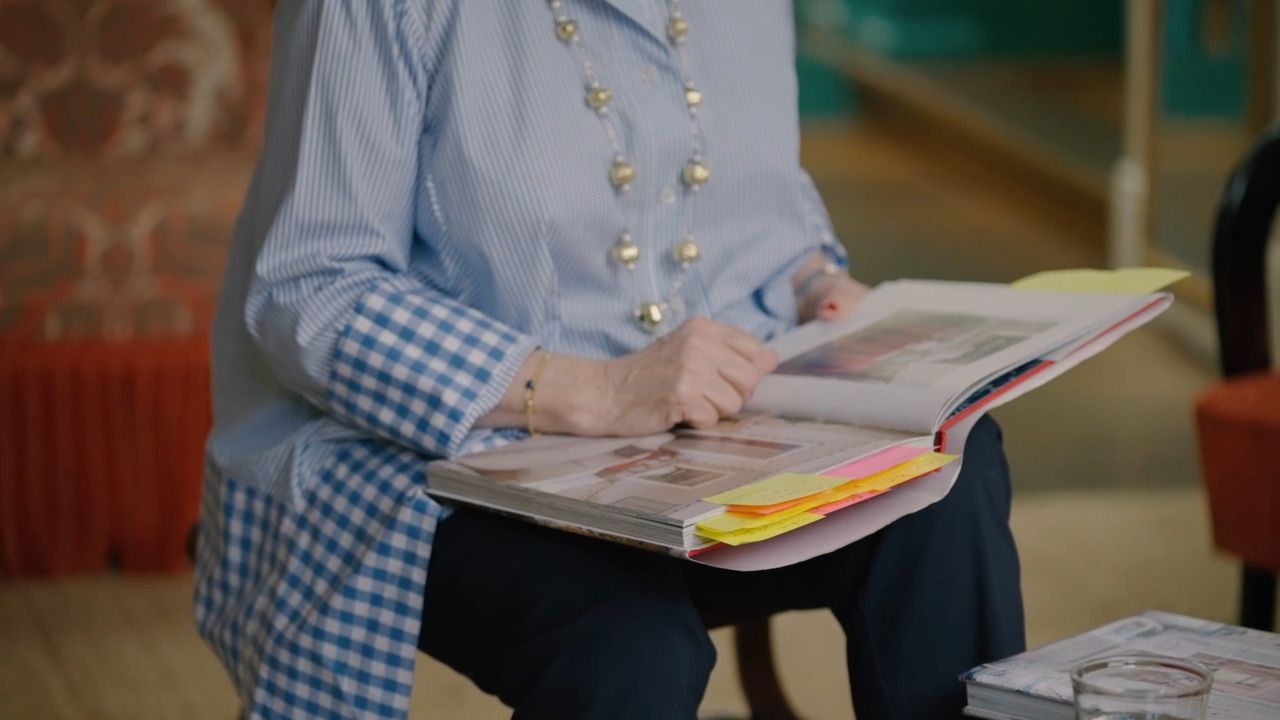
It's a good idea to go through some samples at this early stage and present some initial ideas, as gauging a client's reaction to different fabrics and colours can help to steer the direction of the whole project.
Rather than having a very long and tiring first session with your client, I would suggest breaking it down into two shorter meetings. This makes the information easier to digest and gives the client time to reflect on your ideas.
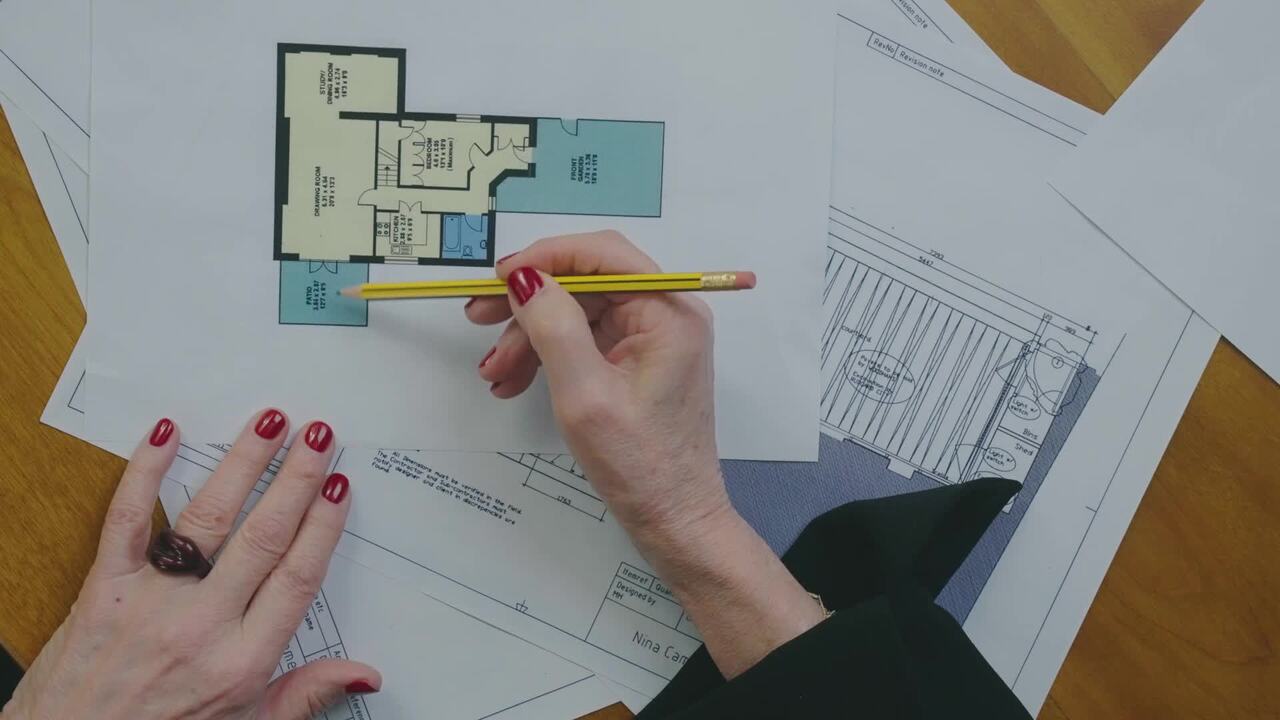
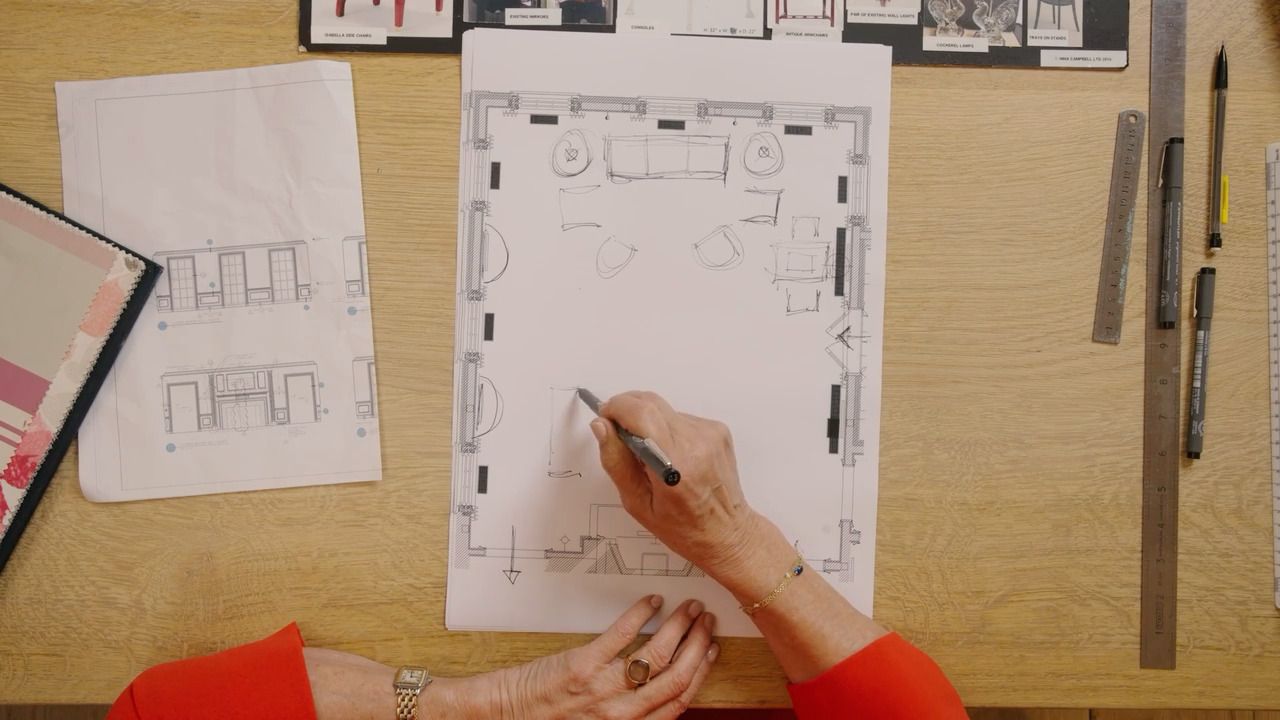
Before you start finalising colour schemes or furniture choices, working on a floor plan is crucial. The amount of work you will need to do on the floor plan depends on the scale of the project. For a large renovation, you may need to work closely with architects at the very start to establish the correct flow between rooms.
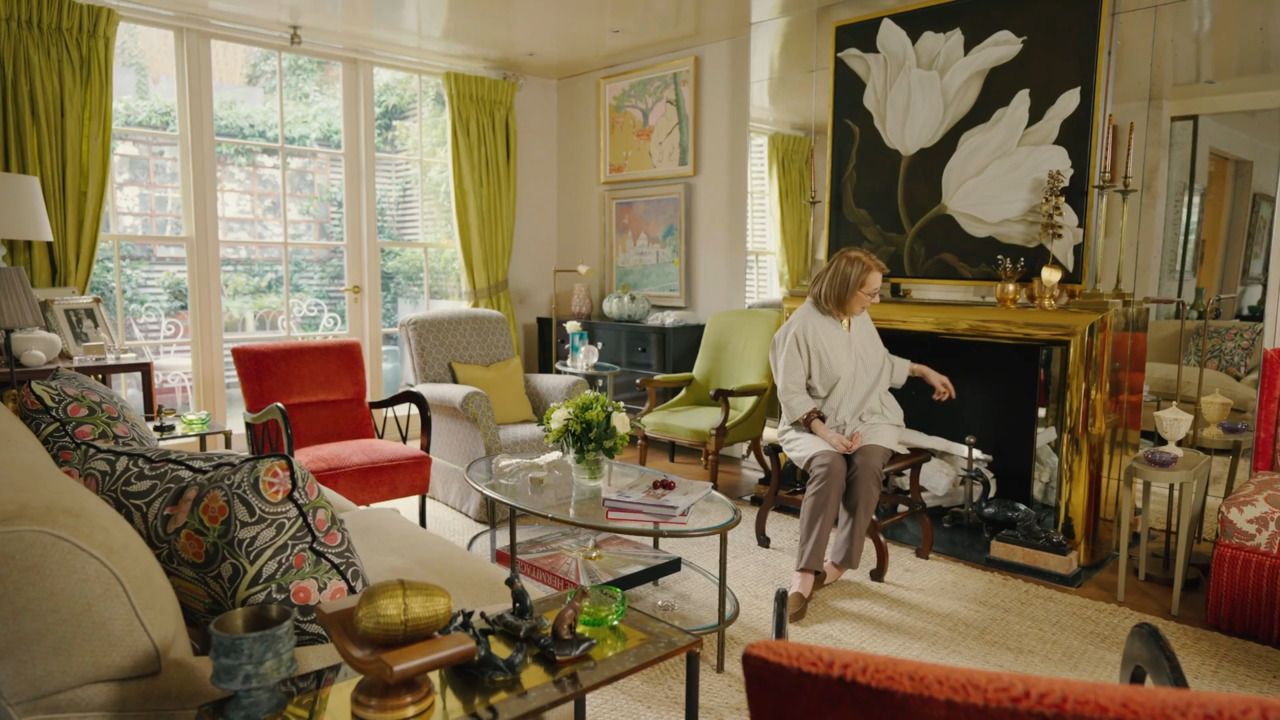
If the project is smaller and you are redesigning a few rooms, a floor plan will help you work out the placement of furniture, which directly impacts the positioning of lighting and plug sockets. This is particularly essential in a living room, as you want a layout and seating arrangement that's optimal for conversation and relaxation.
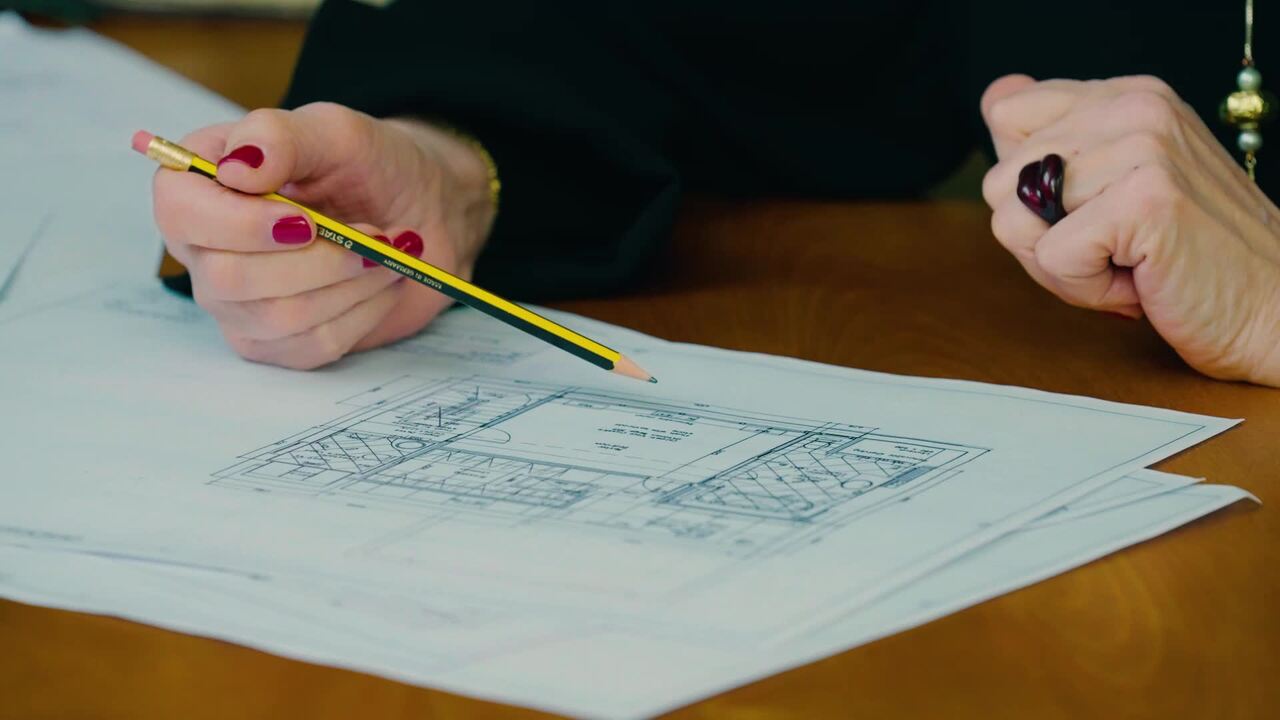
Once the floor plan has been established, you will need to think about the type of hard surfaces you want to install, whether you're painting or using wallpaper, and whether you're going to lay hardwood floor or carpet. Drawing up the elevations will also help you and the client to really envision the space.
Getting the bones of the project right is so important, and you should invest plenty of time in these stages. Only when these are completely right should you move on to creating colour schemes and mood boards.
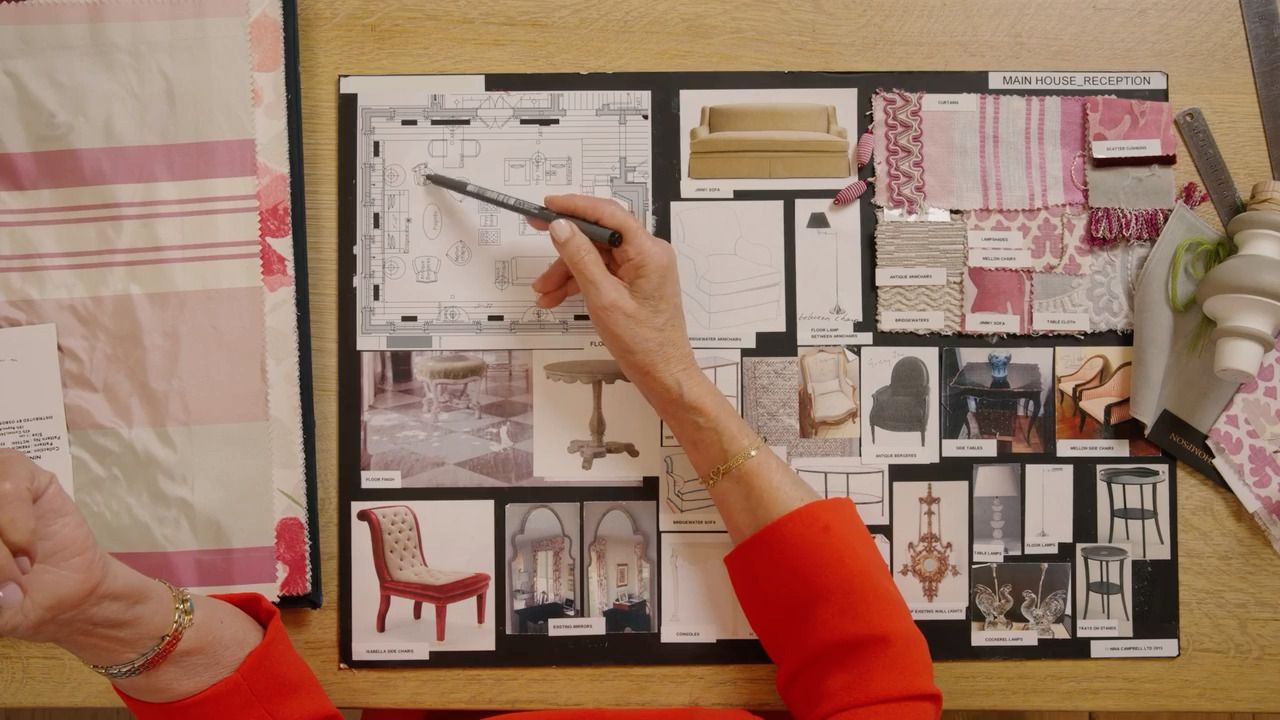
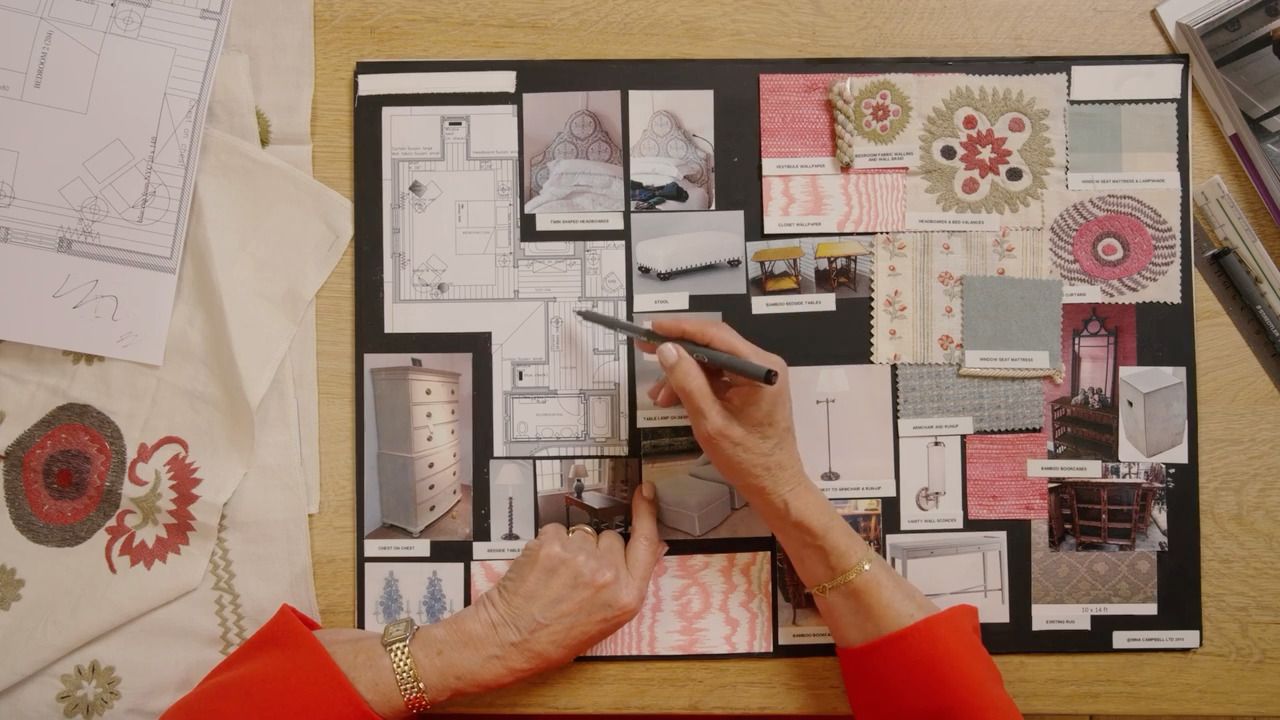
While working on these aspects of the design, I like to have a box for each room set up - into which, I collect fabric and wallpaper samples and colour swatches that I think might work in the space. This means that when it comes to mood boarding and colour scheming, I already have lots to work with.
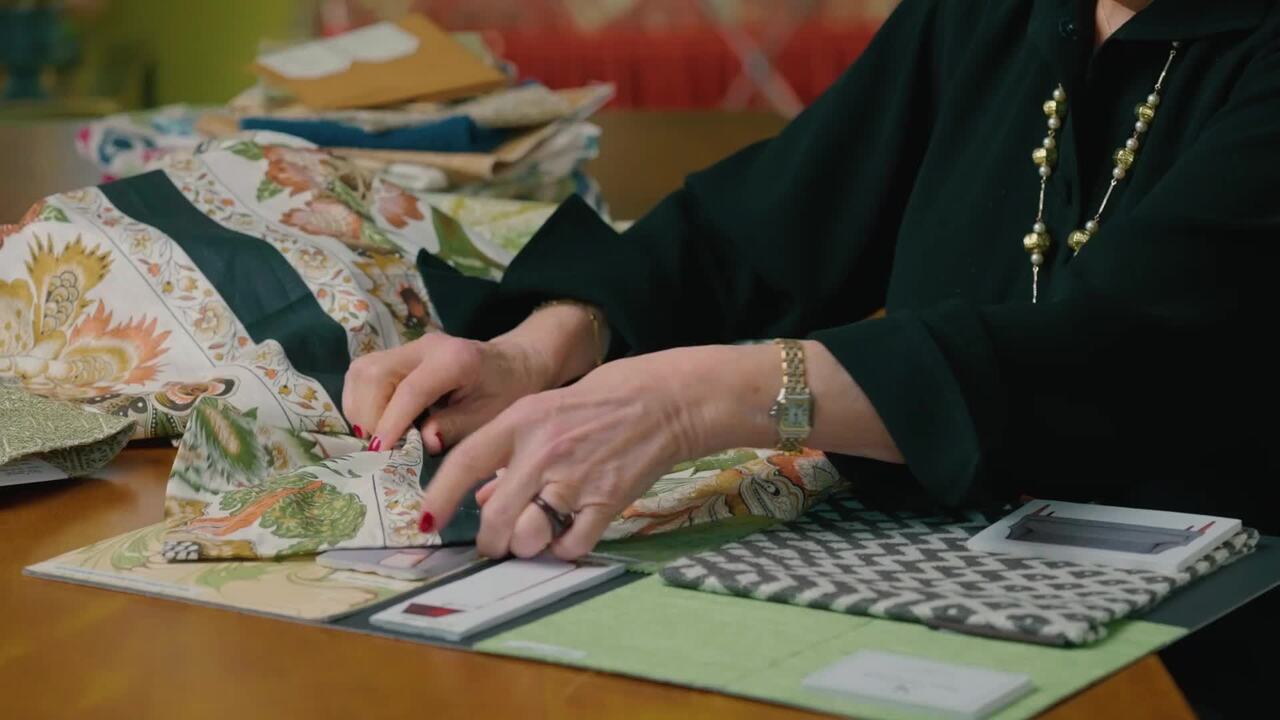
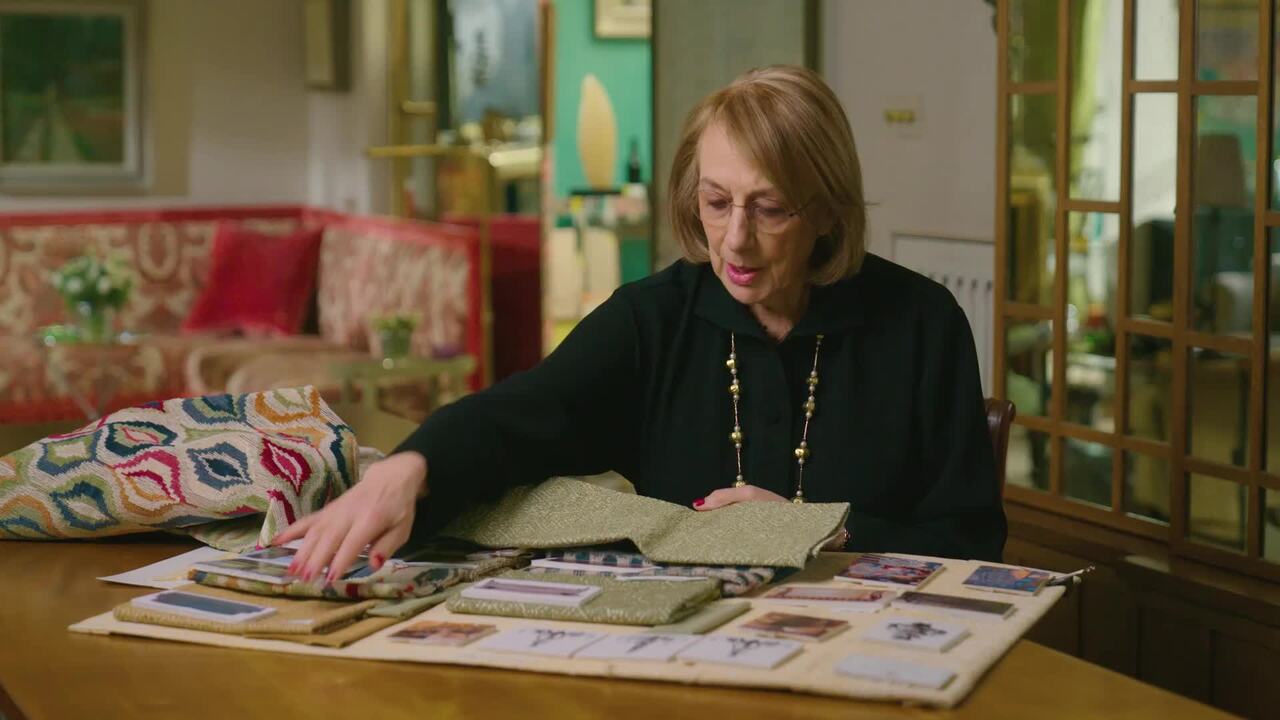
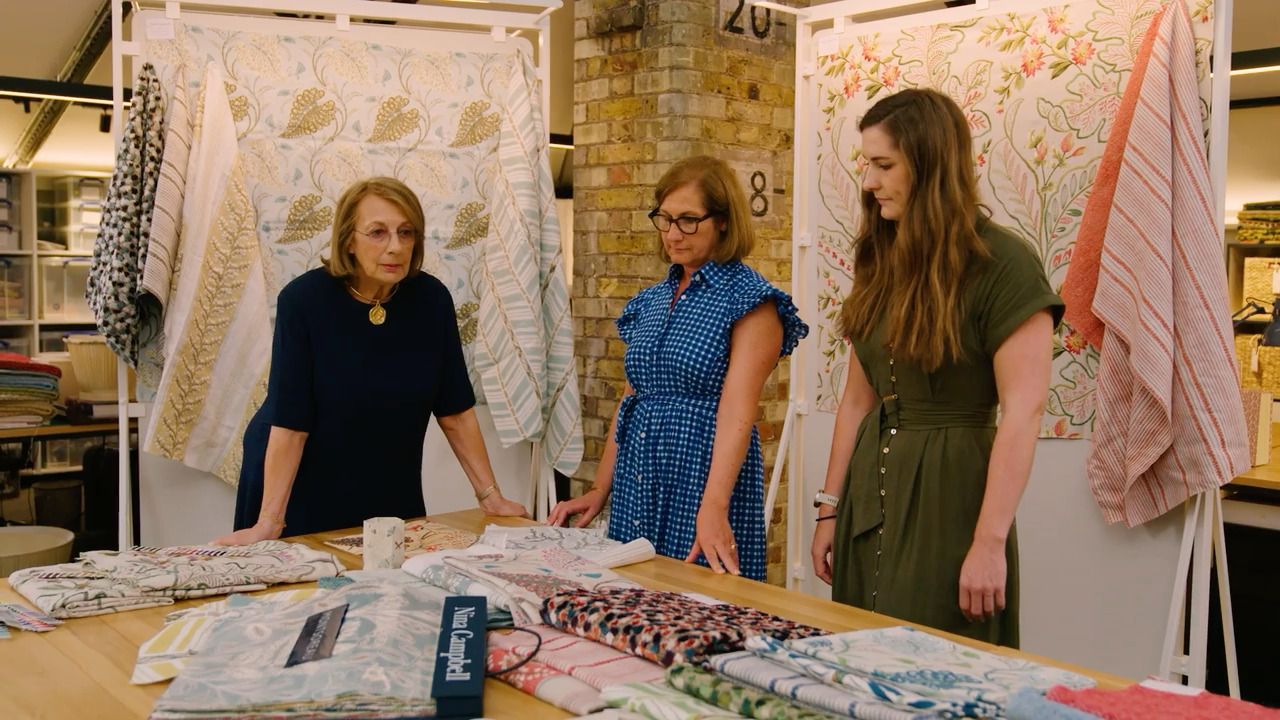
When presenting mood boards and ideas for decorating schemes to the client, I will label up each swatch with a description of exactly where it is going. I also like to have a larger sample of every fabric to hand - this means it can not only be seen really clearly but also handled as well, so the texture can be experienced fully.
Working closely alongside the architect, builder and other contractors from the beginning will ensure that all the clients' needs are met - whether that's adequate storage space or the correct positioning of lighting.
Undertake regular site visits to oversee each aspect of the project and ensure that the plans are being carried out correctly. Building up a good working relationship with all contributors involved is key to making sure that everything runs smoothly.
Get the full workbook, video lessons, and more with a Create Academy subscription.
Subscribe to access the full workbookAlready a member? Sign in to watch
510 reviews
Read moreCreate Academy has been such a great resource. I'm in the middle of renovating a bungalow with a very large garden and the courses have offered a wealth of inform...
Harvey
Jun 10, 2026
Absolutely love Create Academy! The instructors are extremely informative, and it is beautifully filmed. Create Academy is great value for money and plan on renew...
SG
May 31, 2026
Butter's creativity is stunning! Her ability to incorporate brilliance in small gardens is magical!
Carla
May 30, 2026
The best adventure. I like all the courses, but my favorite are both Rita Konig interior design courses and Anna Jones. Excellent!
Karolina Kluczewska
May 20, 2026
Create Academy has been such a great resource. I'm in the middle of renovating a bungalow with a very large garden and the courses have offered a wealth of information to dive into and explore new ideas. I'm...
Harvey
Jun 10, 2026
Absolutely love Create Academy! The instructors are extremely informative, and it is beautifully filmed. Create Academy is great value for money and plan on renewing my subscription yearly because there are ...
SG
May 31, 2026
Butter's creativity is stunning! Her ability to incorporate brilliance in small gardens is magical!
Carla
May 30, 2026

Your Instructor
World-renowned interior and textile designer. House & Garden Lifetime Achievement Award.
British decorator Nina Campbell is undeniably one of the world’s most respected and influential interior designers of our time. In her 50 years in the industry, she has accumulated an unparalleled list of clients and design expertise. Nina’s enthusiasm and interest in design and interiors was developed when, at the age of 19, she went to work for John Fowler at the prestigious Sybil Colefax & John Fowler. Shortly afterwards, she set up her eponymous decorating business, where one of her first commissions was to design a castle in Scotland. Renowned for her contagious wit, brilliant sense of style and her unmistakably rich and elegant colour palette, Nina’s designs appeal to both young and old and sit well in both contemporary and traditional interiors. She continues to work on notable projects - both commercial and residential - across the globe, with both new clients and those who return across the generations.

Access to all courses


