




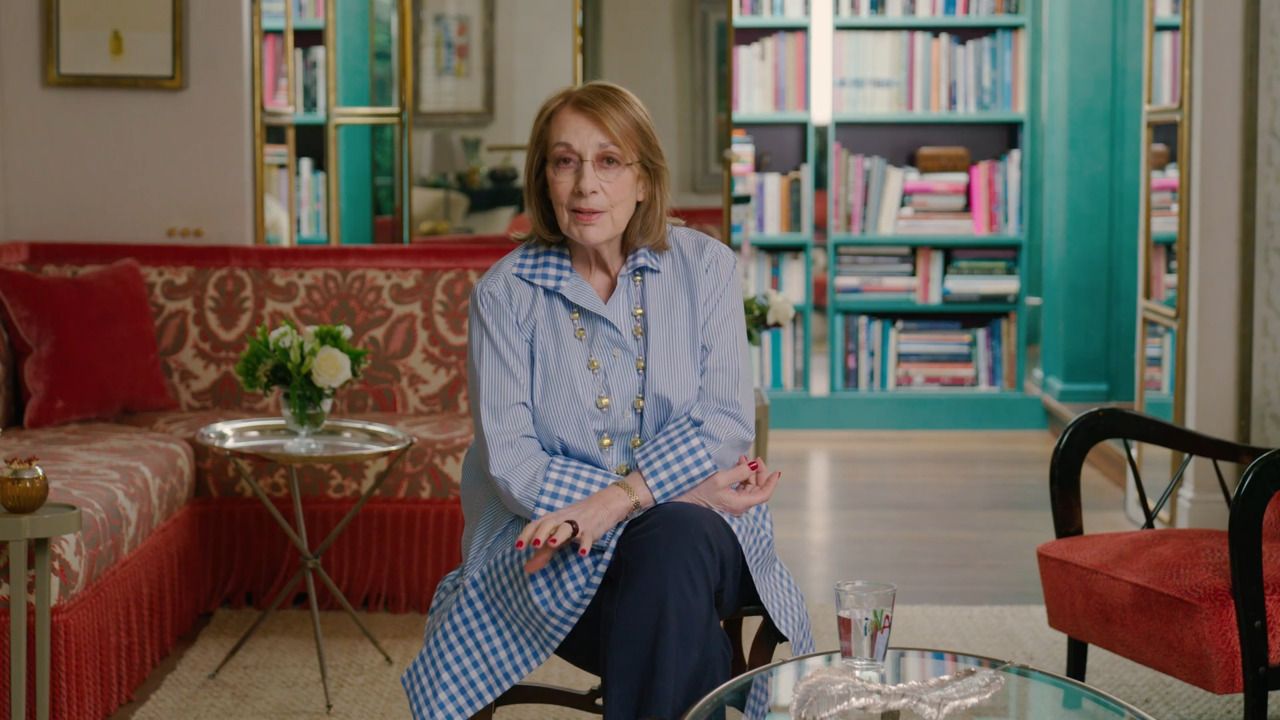



Interior and exterior confidence
Create Academy has been such a great resource. I'm in the middle of renovating a bungalow with a very large garden and the courses have offered a wealth of inform...
Harvey
Jun 10, 2026
A Definitive Guide to Decorating
with NINA CAMPBELL — World-renowned interior and textile designer. House & Garden Lifetime Achievement Award.
Lesson 7 of 39
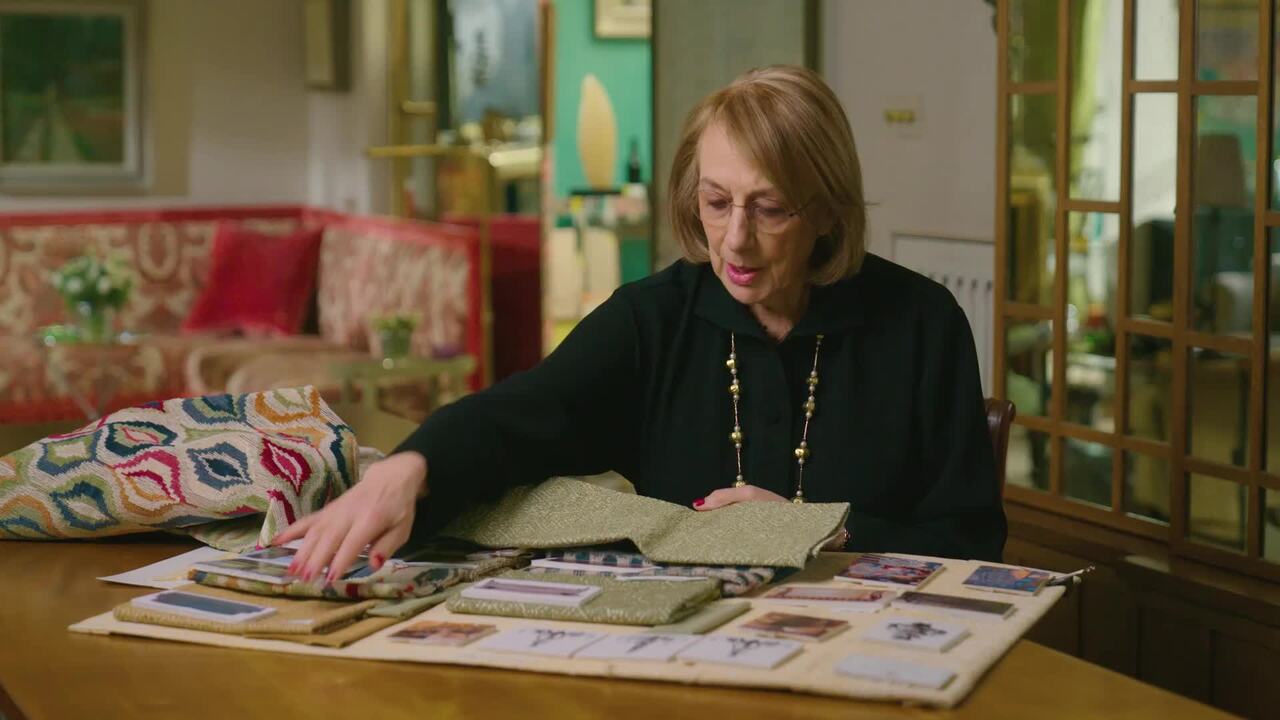
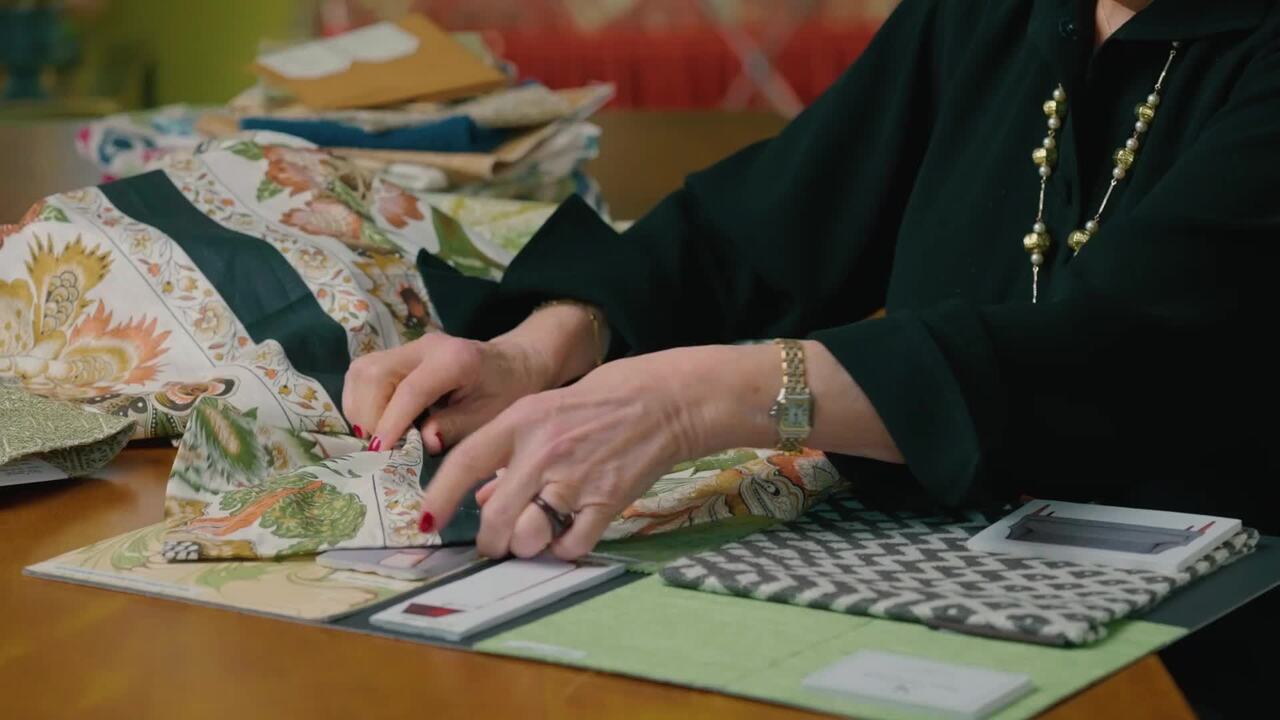
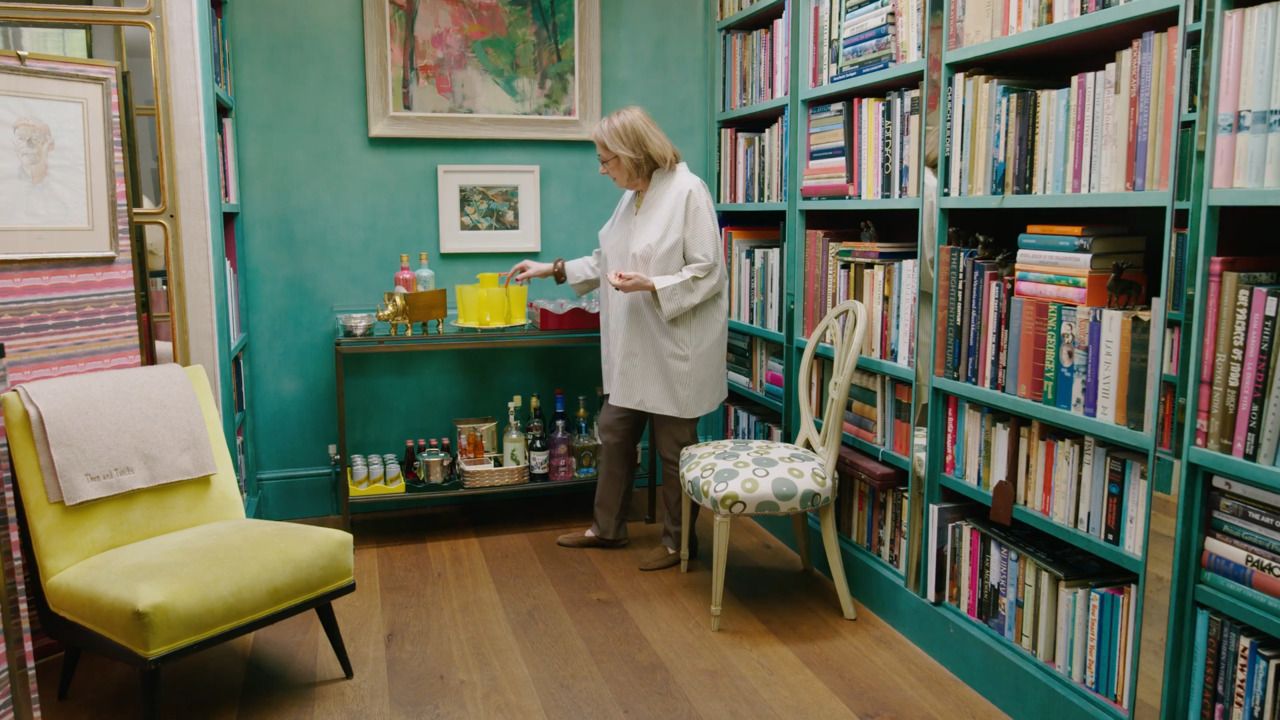
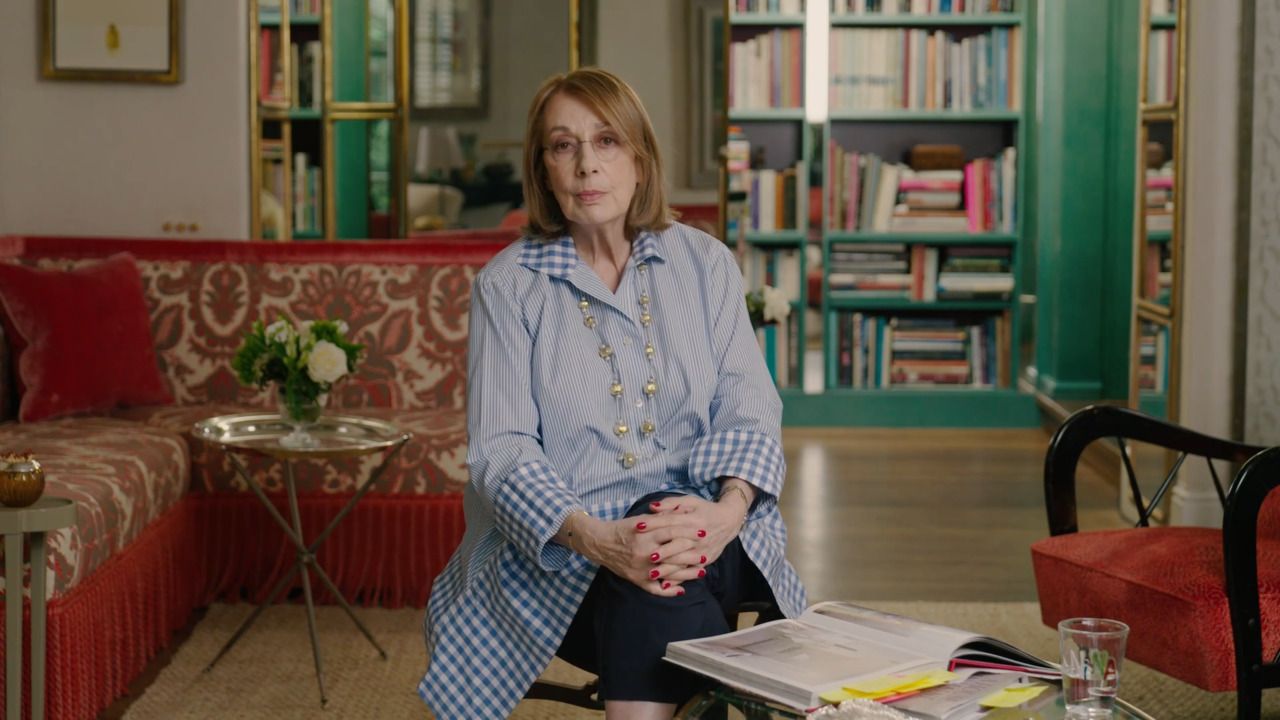
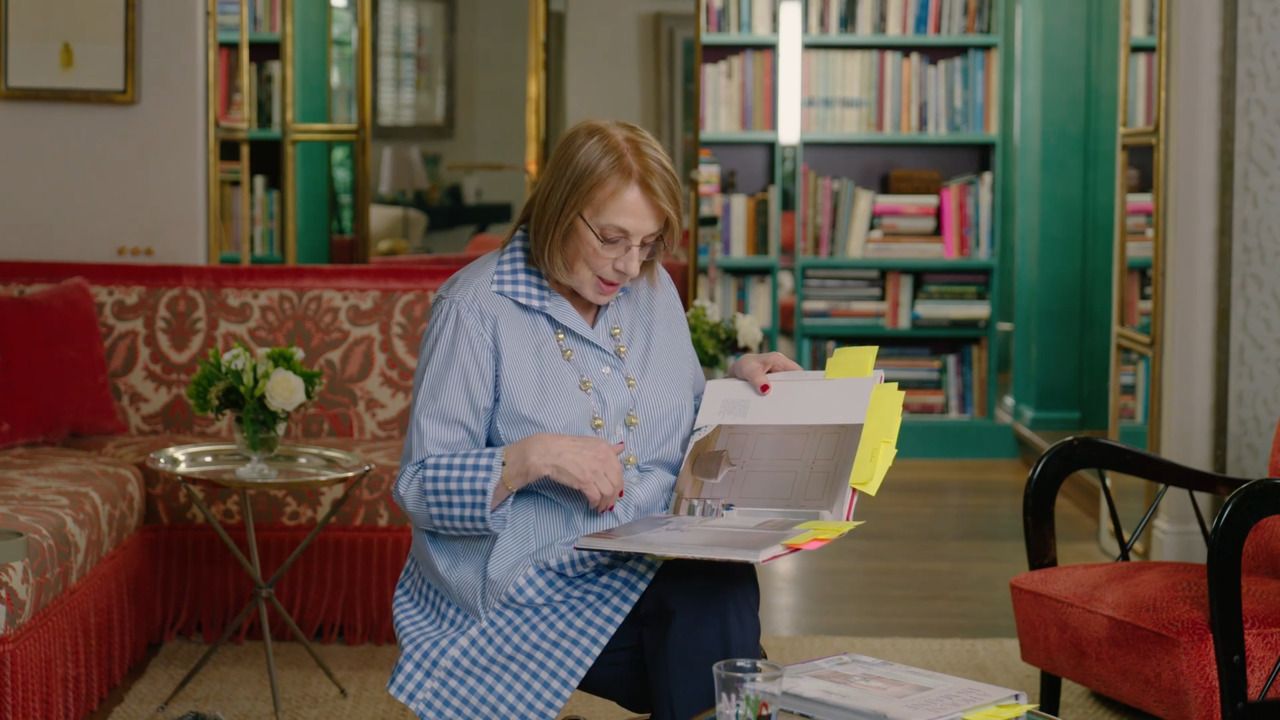
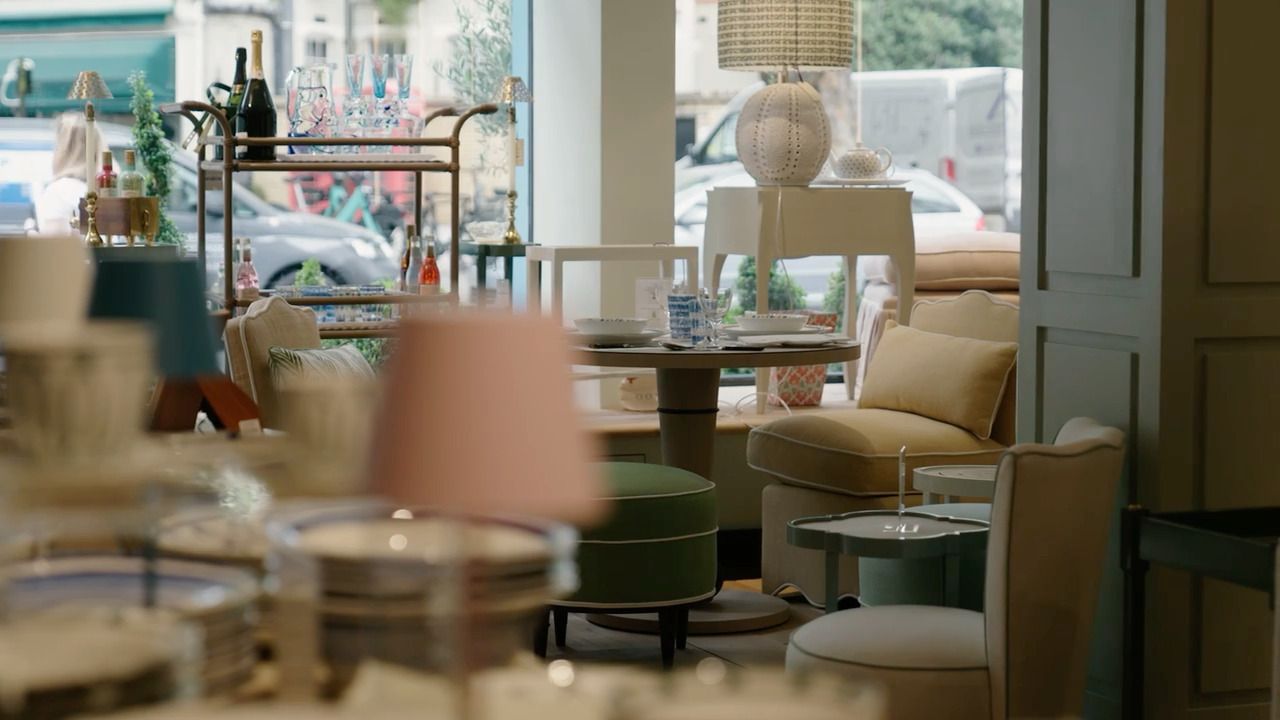
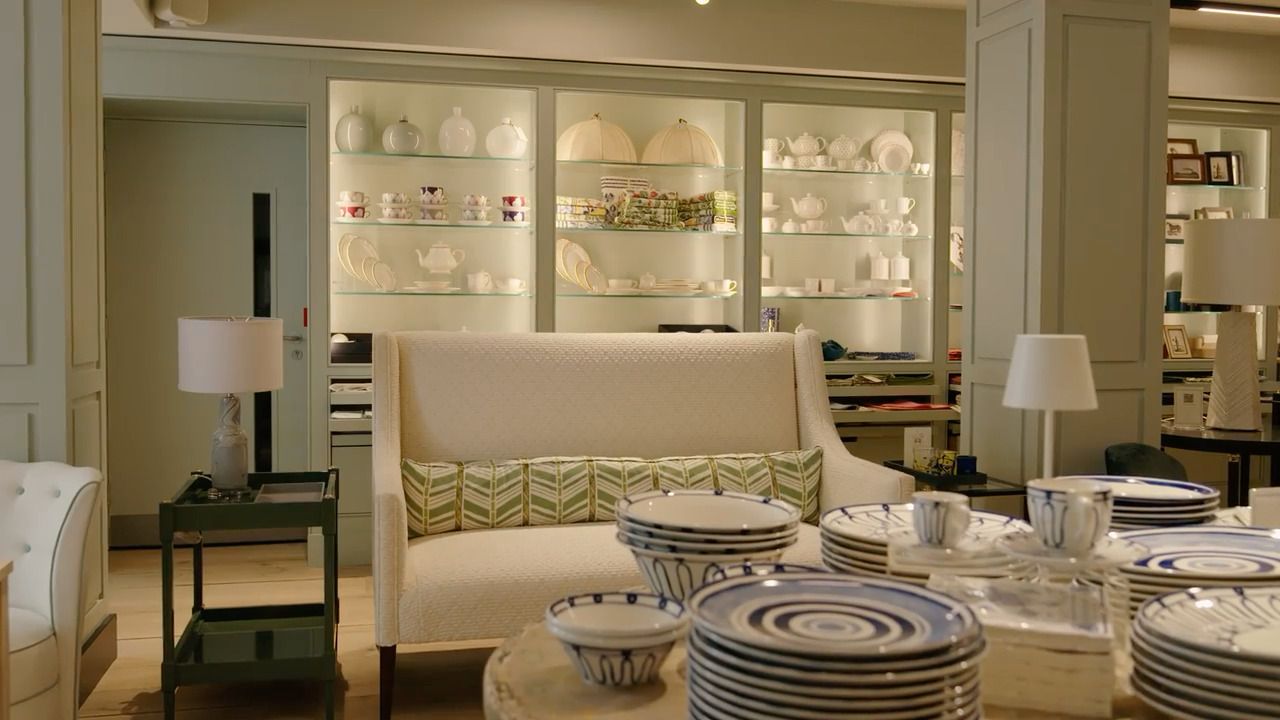
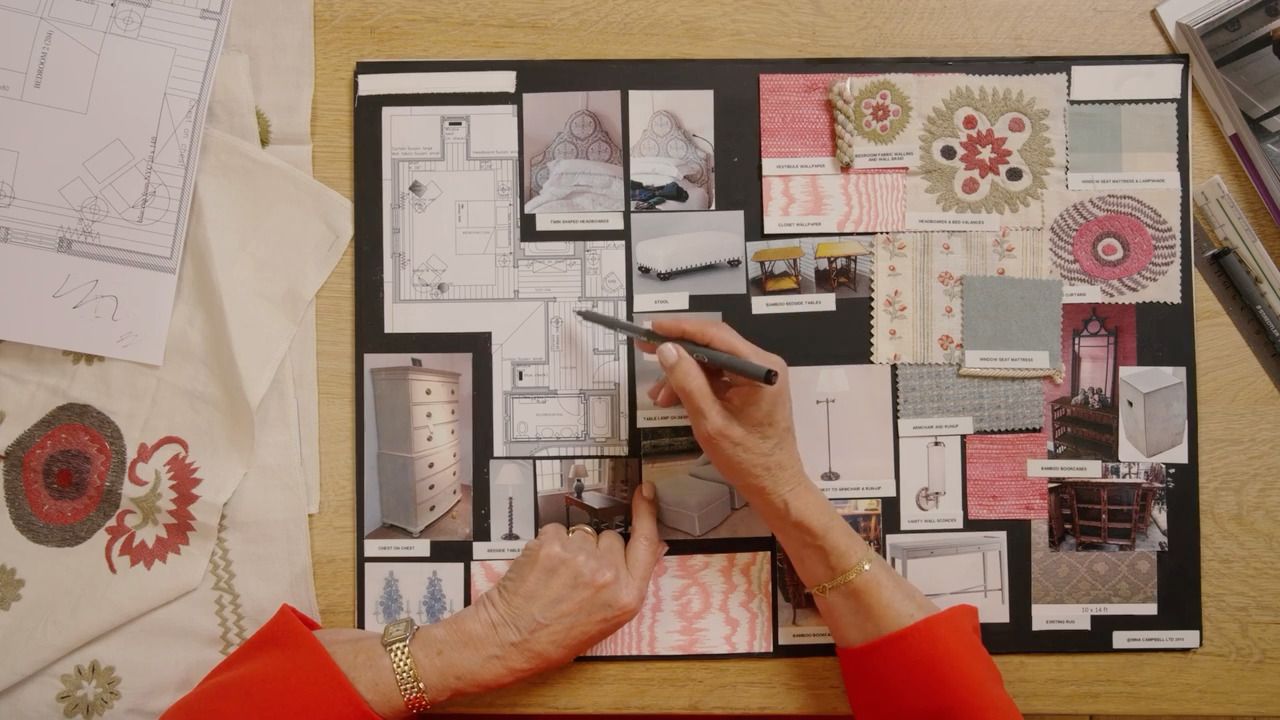
Join Nina as she offers a practical demonstration of how she creates mood boards and uses them to refine and perfect a decorating scheme.
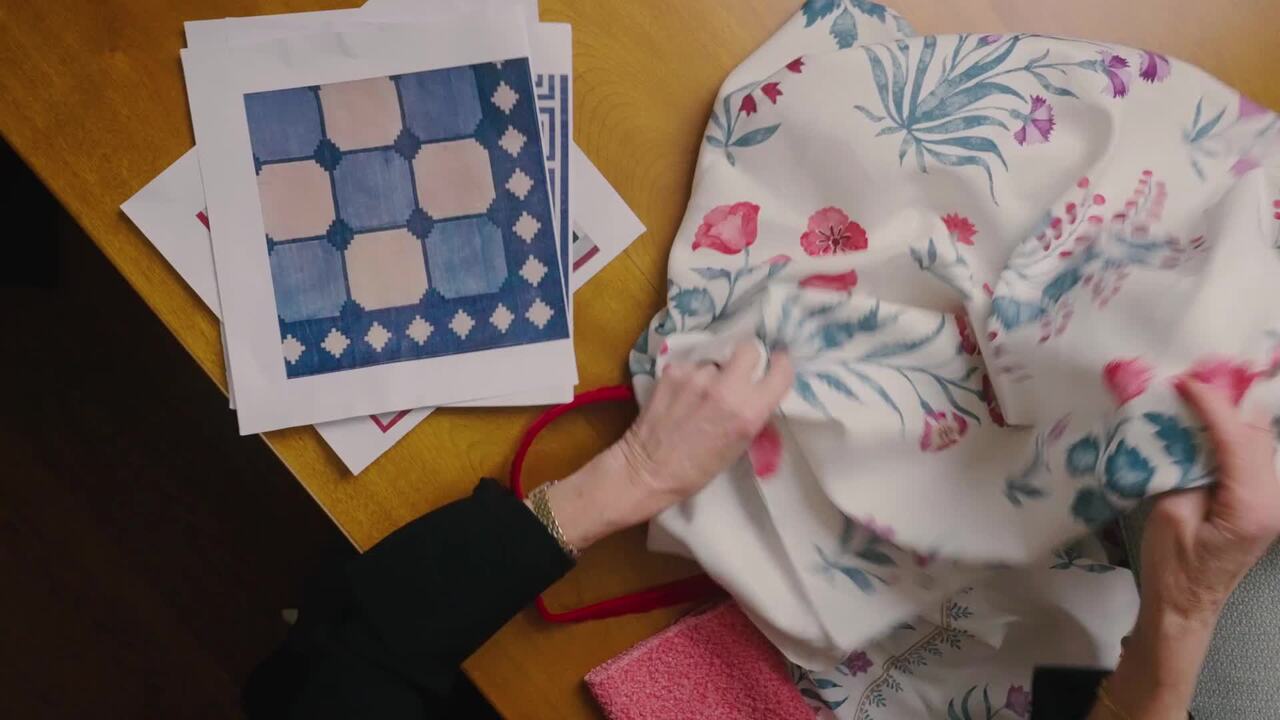
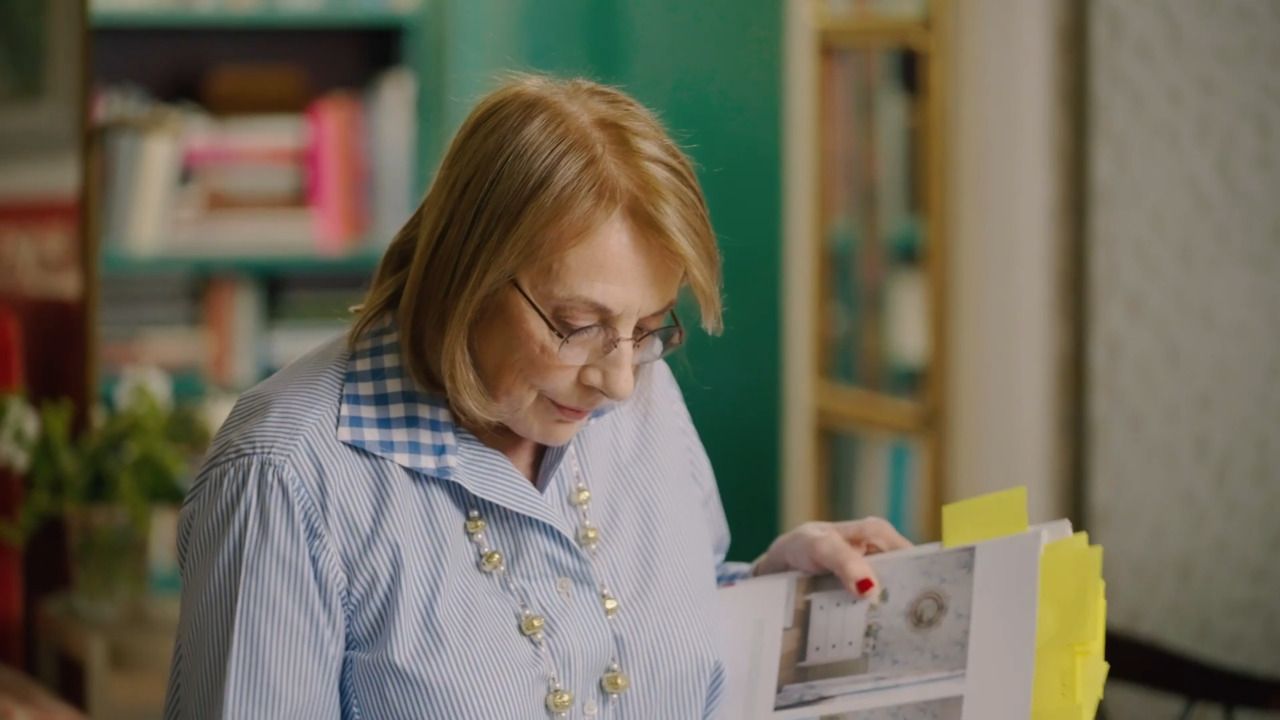
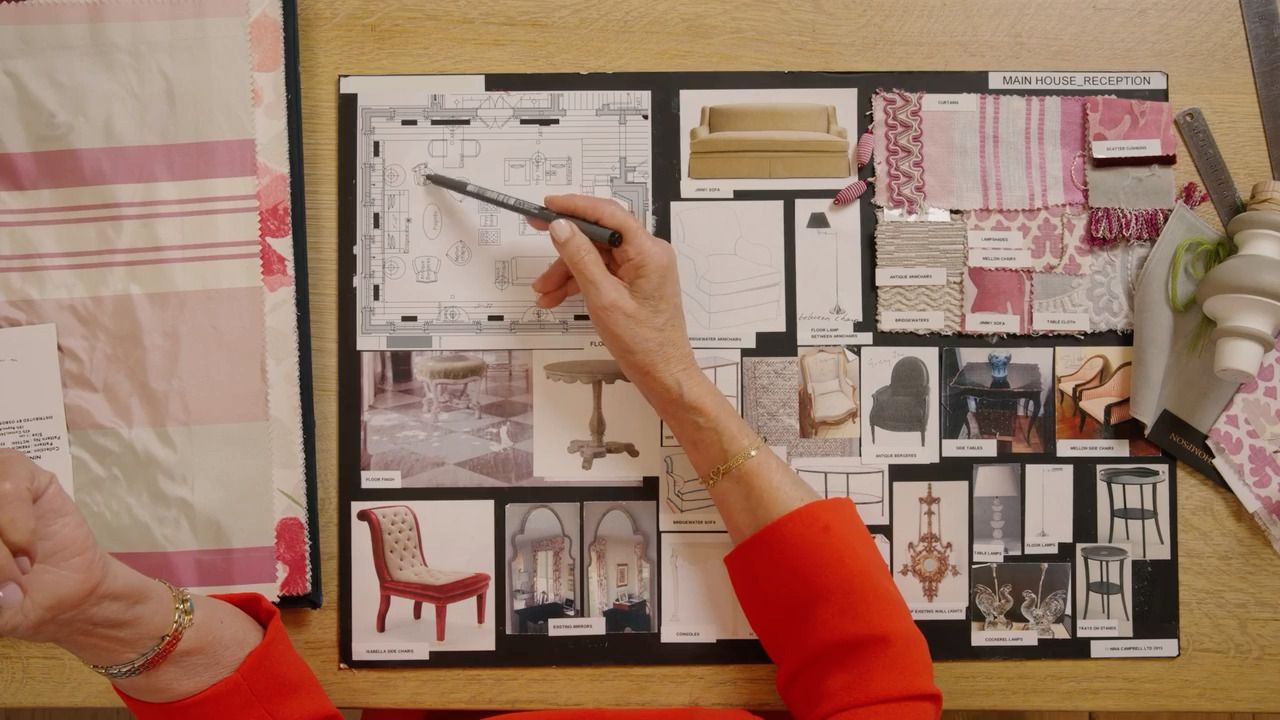
When working on any room scheme, I like to get every element down onto a board so that I can see how everything works together. This will include fabric, wallpaper and paint swatches, as well as images of the furniture that's been chosen.
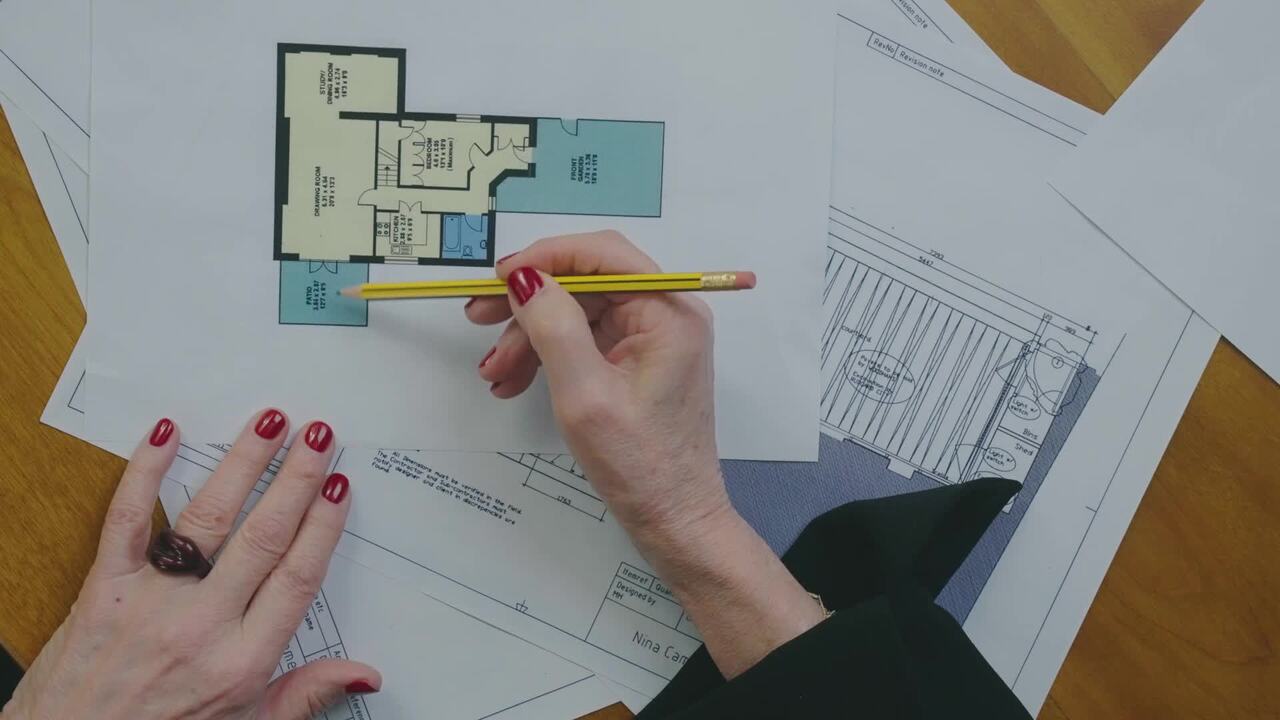
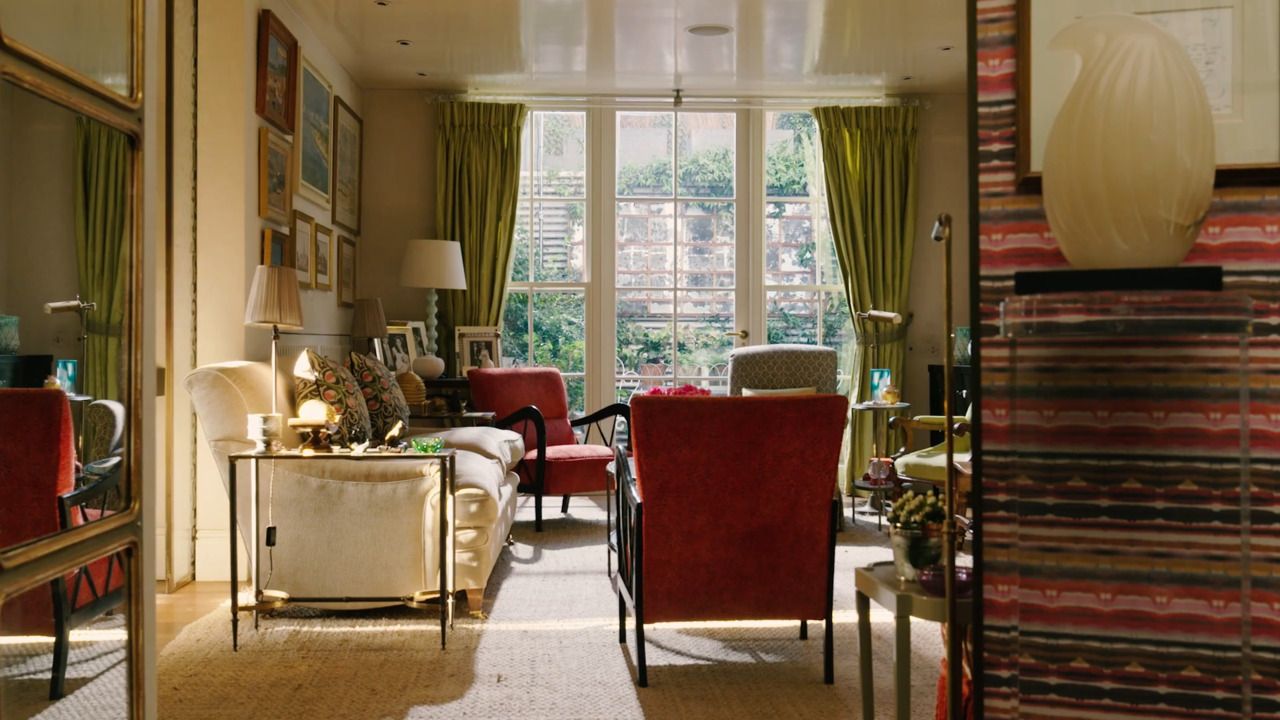
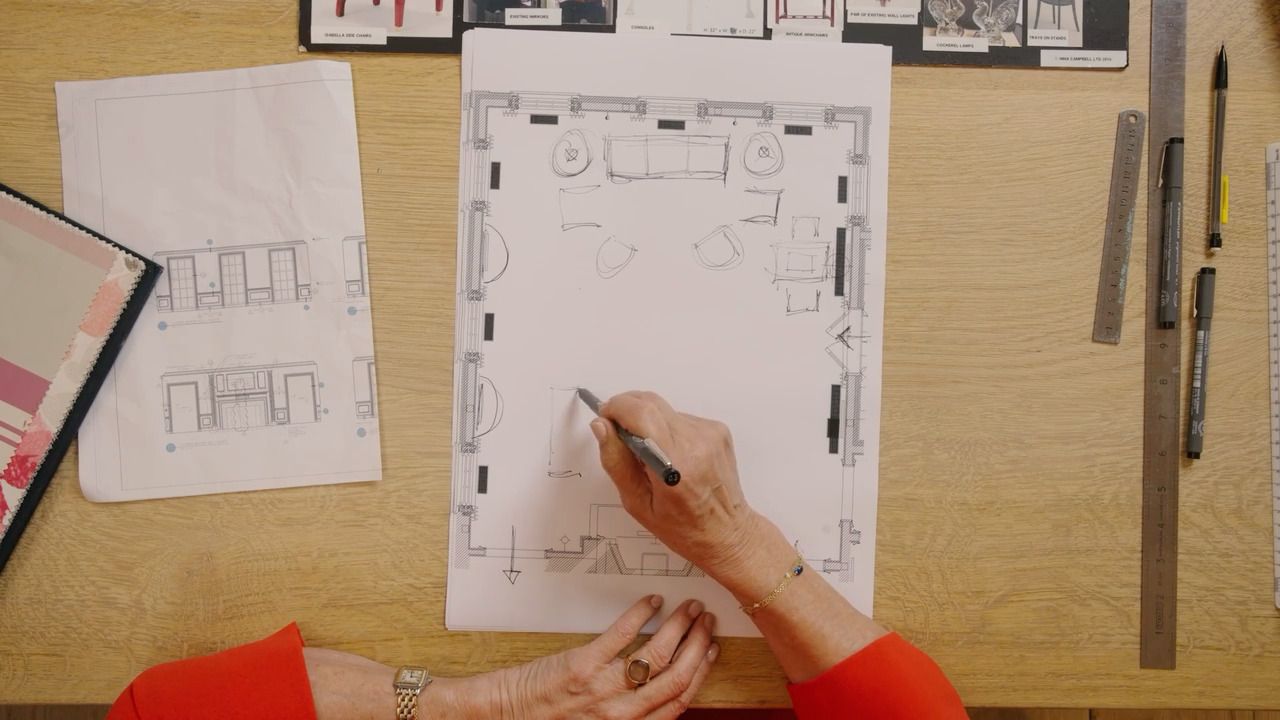
The floor plan of a room is crucial, and will inform all of your decorating choices. Getting to grips with how the room will be laid out to support its function should be the first thing you do. Consider where the architectural elements are - such as doors, windows and fireplaces - and think about how this will impact how someone journeys through a room, or where seating areas can be placed.
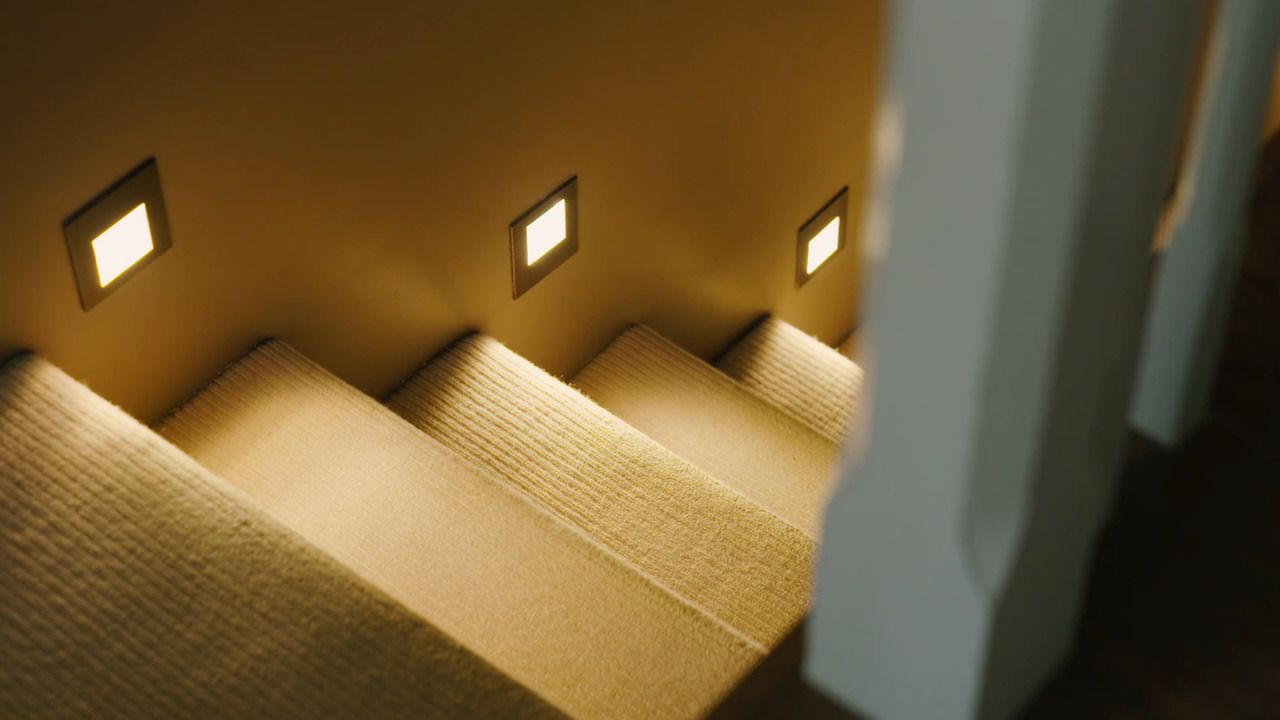
Where you position your lighting should support the layout you've designed - table lamps next to chairs, for example, and ceiling lights centralised within zones. Elevations are extremely helpful in determining the heights of elements within a room, especially if you are using pendant lighting.
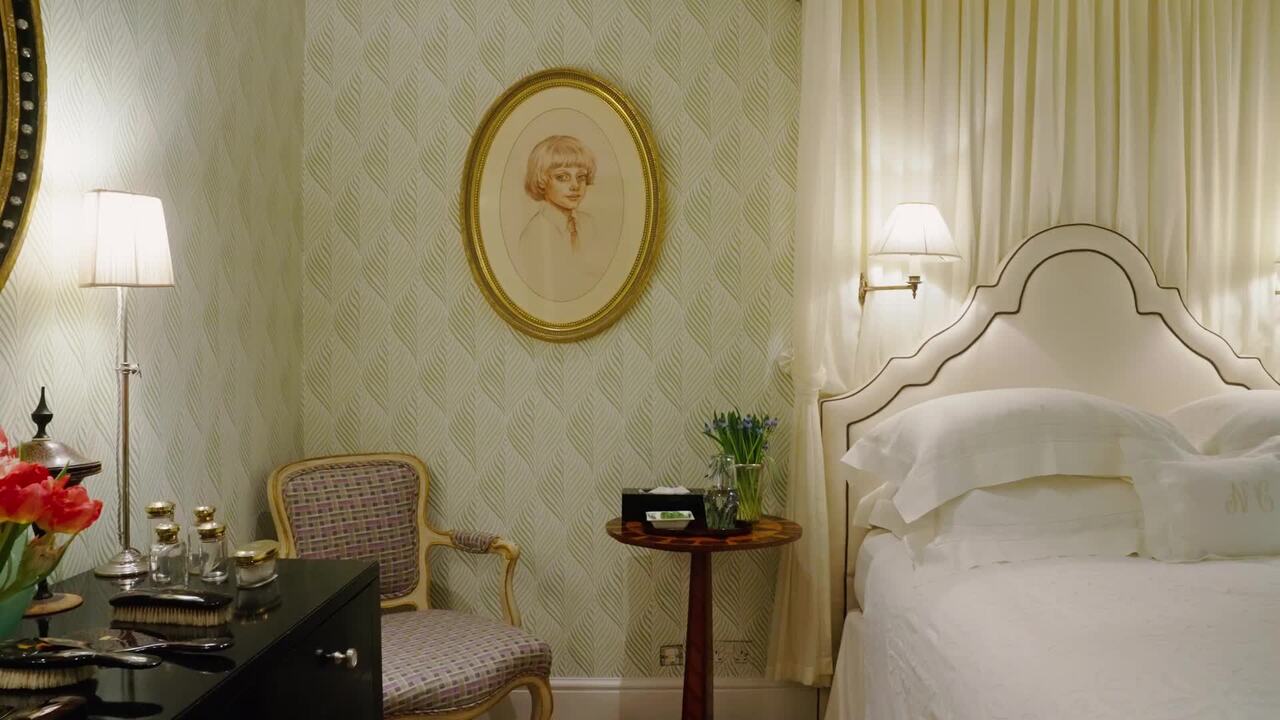
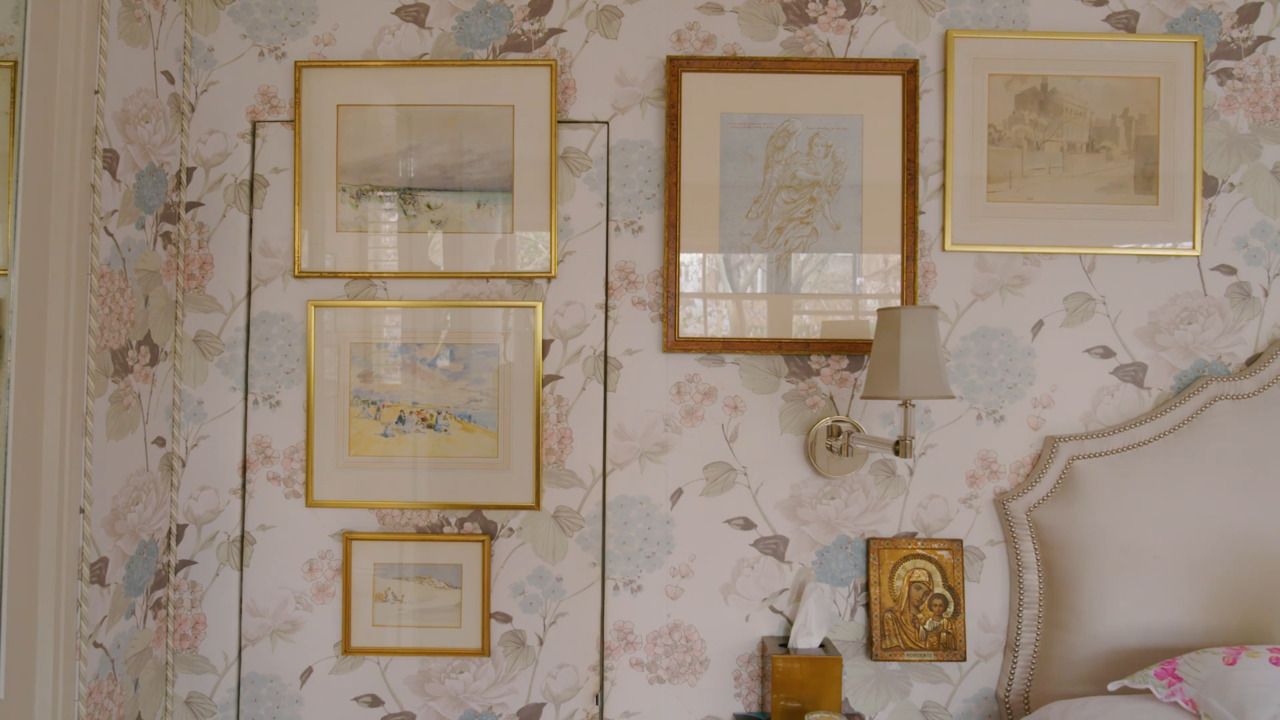
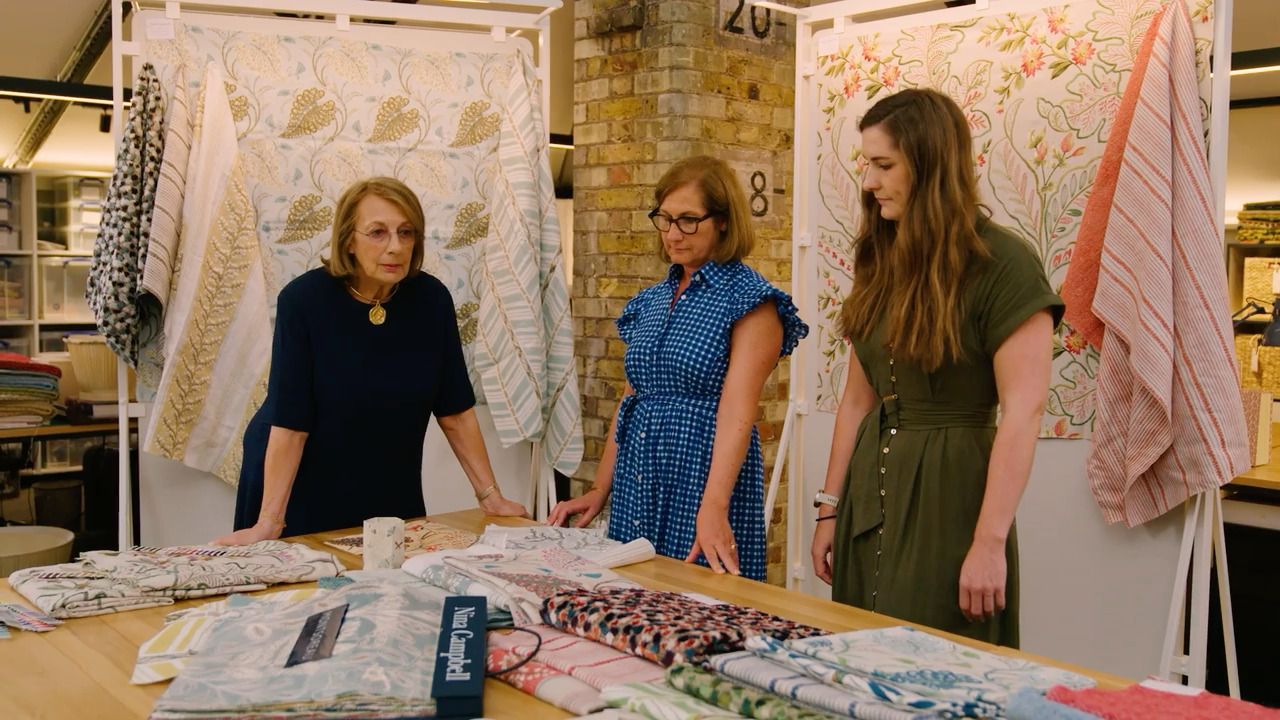
Fabrics can make for a wonderful wall treatment, especially if your walls aren't in good condition. They are also a brilliant way to help sound-proof a room.
Consider the balance of pattern, and try to make sure your scheme isn't too busy. Choosing the same pattern for your curtain fabric and your wall treatment will have a calmer effect on the eye.
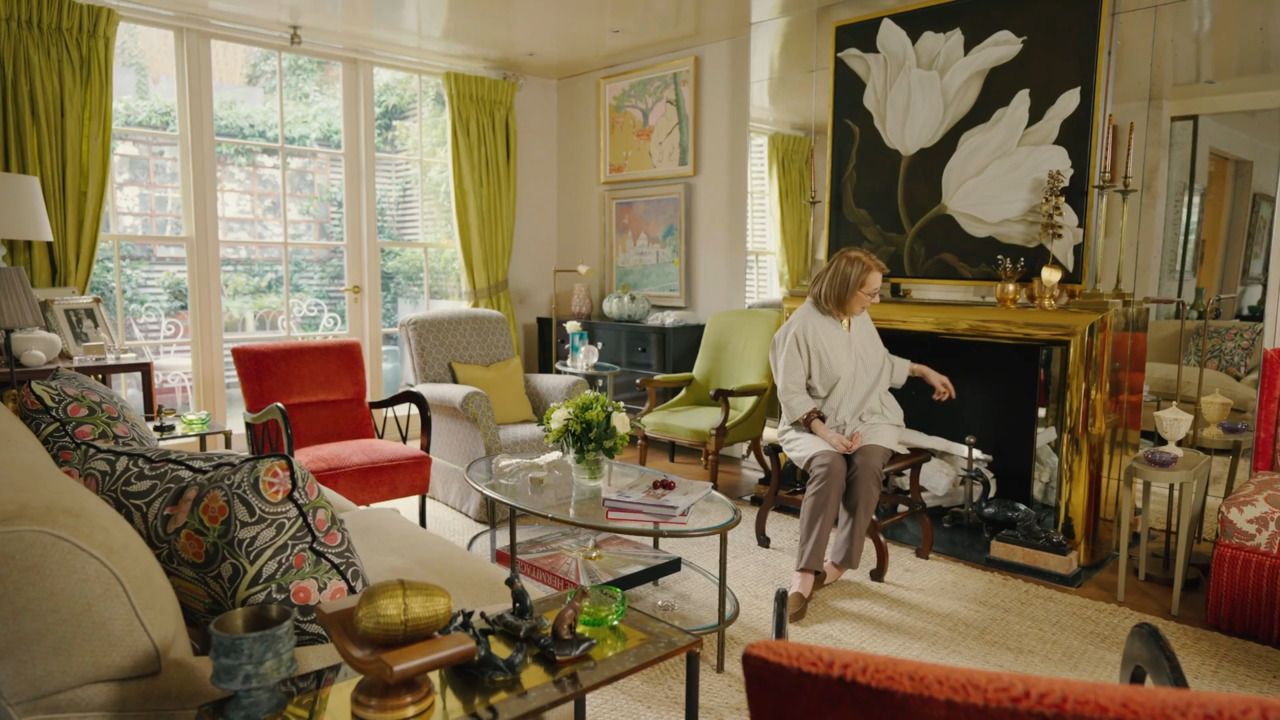
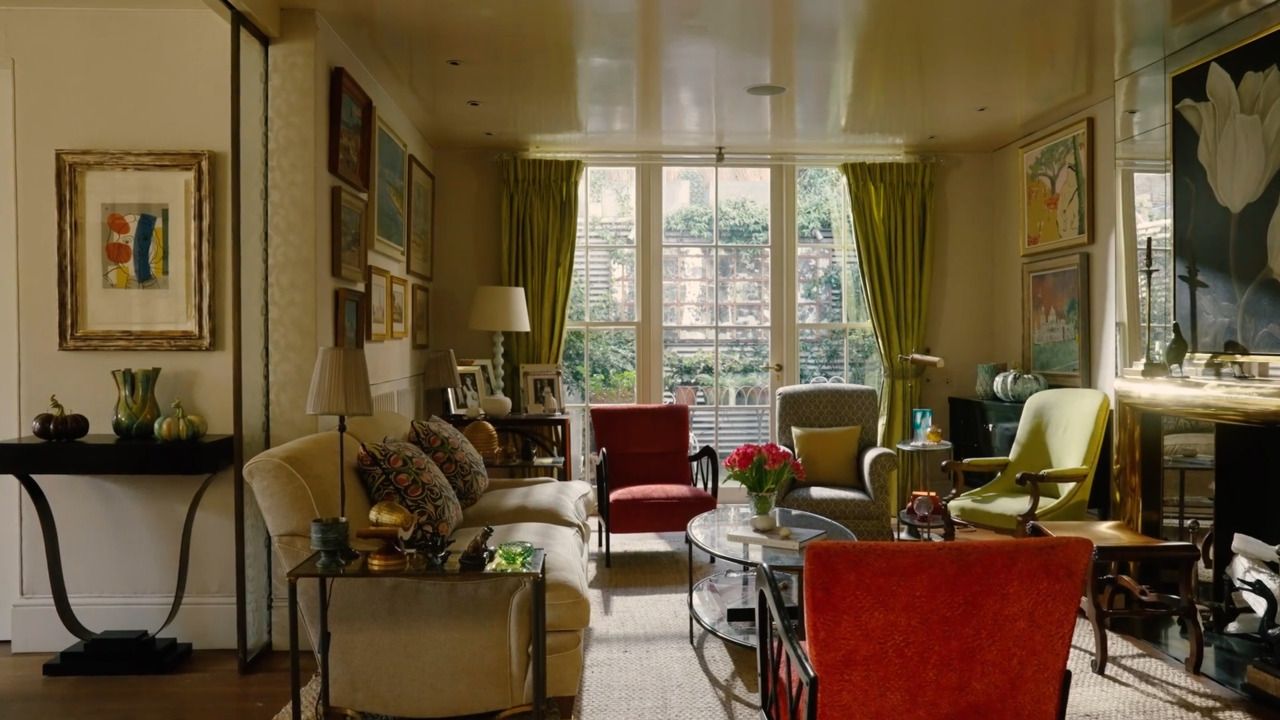
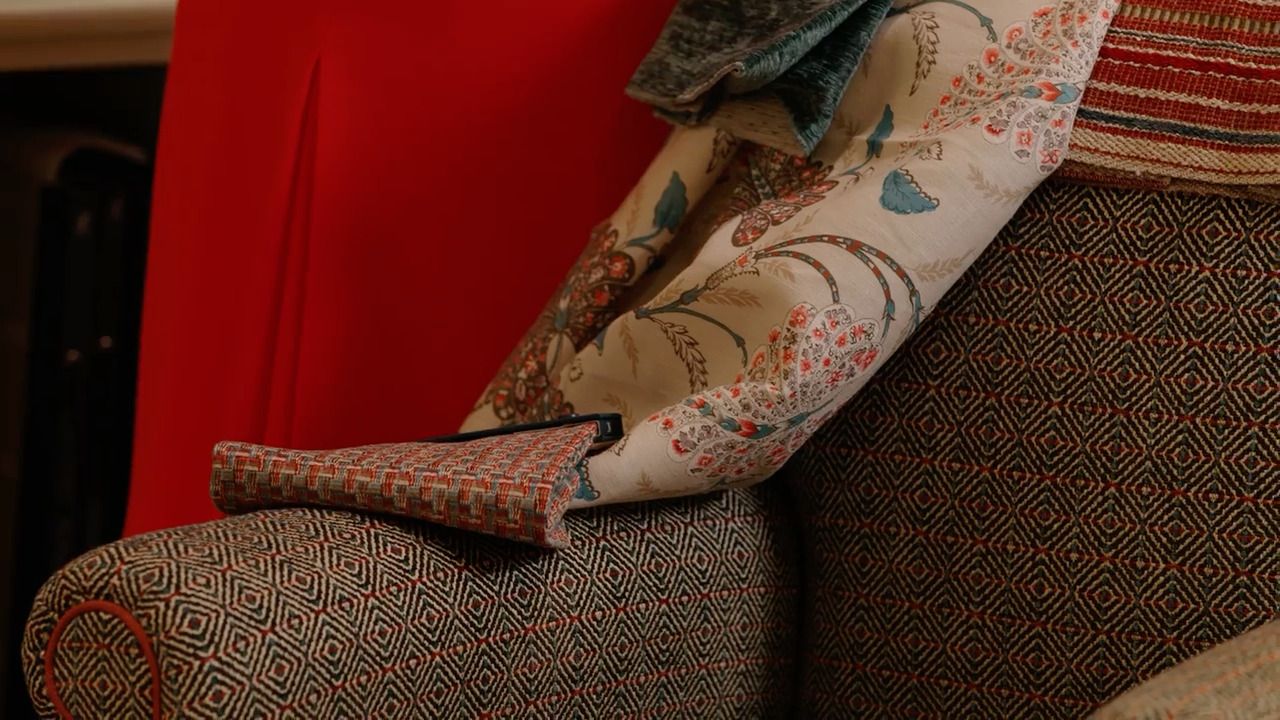
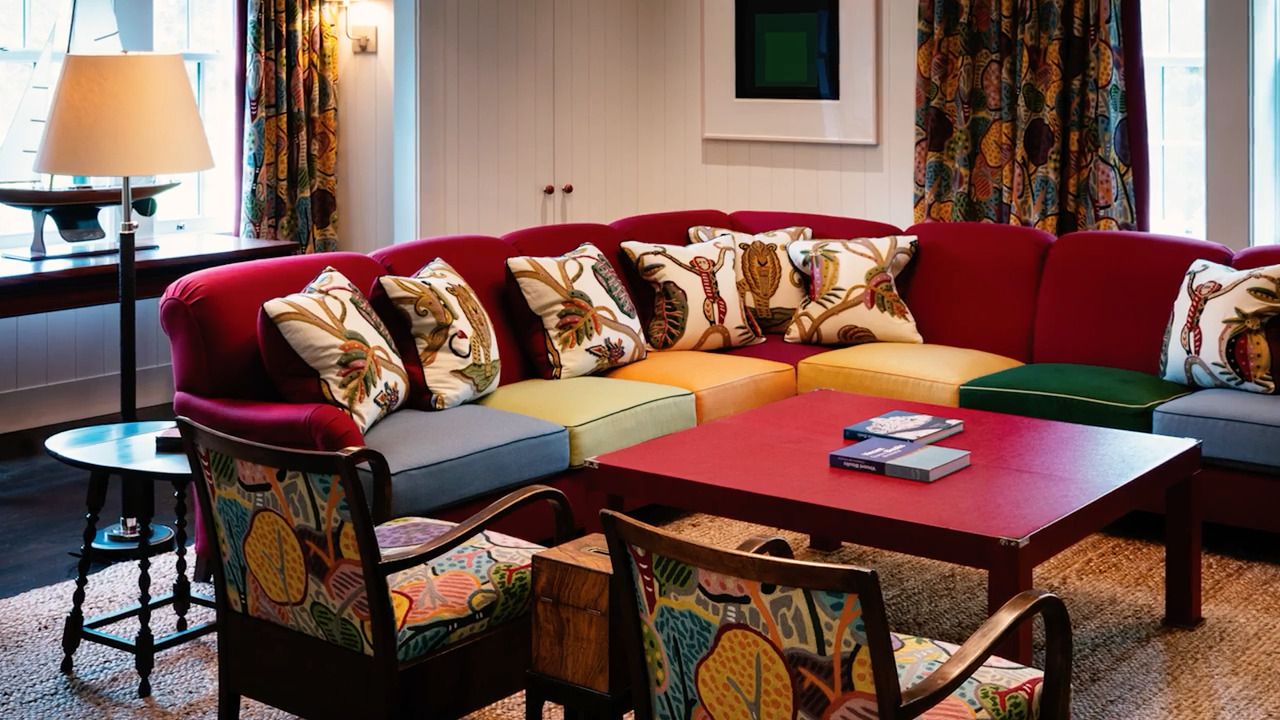
It's a good idea to upholster your largest pieces in a plainer fabric; I like to call these 'background fabrics', as they can set the stage for bolder fabrics. I would then use smaller chairs to introduce statement prints or 'accent fabrics'. These more interesting and colourful patterns can help to bring in accents of colour that you can then pick up on with other elements throughout the room.
I would also recommend introducing a fabric that feels slightly unusual or unexpected, to prevent your scheme from feeling too contrived. It should still pick up on a few colours that exist within the scheme but be different enough that it prevents the overall look from becoming overly harmonised. This links back to the quote I mentioned in an earlier lesson: 'Nothing matches, but everything goes together'.
When it comes to upholstery in particular, creating a moodboard is extremely helpful in allowing you to see how the scheme might come together as a whole. I like to include a swatch of the fabric, as well as an image of the piece of furniture it's intended for, to assist with the visualisation.
A moodboard is also a great way to spot where the scheme might be imbalanced, or lacking something, allowing you to rectify this in advance.
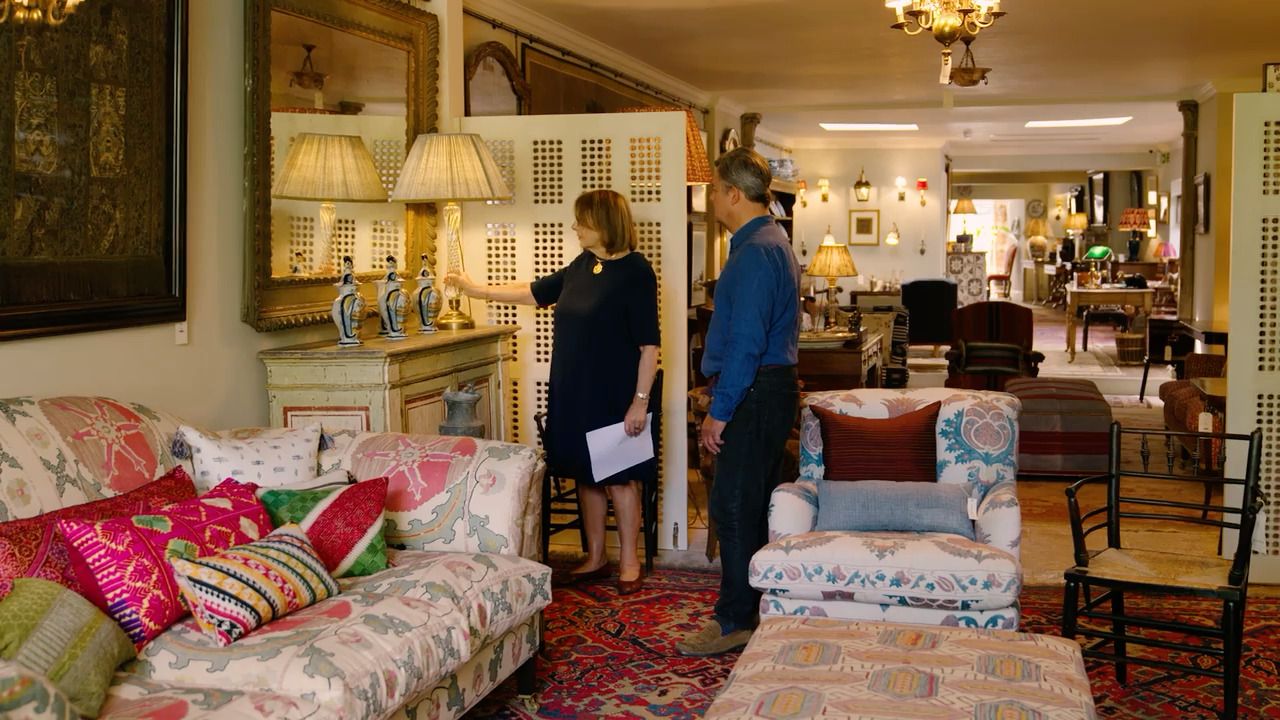
Being able to touch the fabrics and get a sense of how they will feel in the room is also invaluable, and it can be useful to keep a track of the different textures you have going on.
Take a picture of the moodboard so that when you go shopping for the room, you have it to hand.
Get the full workbook, video lessons, and more with a Create Academy subscription.
Subscribe to access the full workbookAlready a member? Sign in to watch
510 reviews
Read moreCreate Academy has been such a great resource. I'm in the middle of renovating a bungalow with a very large garden and the courses have offered a wealth of inform...
Harvey
Jun 10, 2026
Absolutely love Create Academy! The instructors are extremely informative, and it is beautifully filmed. Create Academy is great value for money and plan on renew...
SG
May 31, 2026
Butter's creativity is stunning! Her ability to incorporate brilliance in small gardens is magical!
Carla
May 30, 2026
The best adventure. I like all the courses, but my favorite are both Rita Konig interior design courses and Anna Jones. Excellent!
Karolina Kluczewska
May 20, 2026
Create Academy has been such a great resource. I'm in the middle of renovating a bungalow with a very large garden and the courses have offered a wealth of information to dive into and explore new ideas. I'm...
Harvey
Jun 10, 2026
Absolutely love Create Academy! The instructors are extremely informative, and it is beautifully filmed. Create Academy is great value for money and plan on renewing my subscription yearly because there are ...
SG
May 31, 2026
Butter's creativity is stunning! Her ability to incorporate brilliance in small gardens is magical!
Carla
May 30, 2026

Your Instructor
World-renowned interior and textile designer. House & Garden Lifetime Achievement Award.
British decorator Nina Campbell is undeniably one of the world’s most respected and influential interior designers of our time. In her 50 years in the industry, she has accumulated an unparalleled list of clients and design expertise. Nina’s enthusiasm and interest in design and interiors was developed when, at the age of 19, she went to work for John Fowler at the prestigious Sybil Colefax & John Fowler. Shortly afterwards, she set up her eponymous decorating business, where one of her first commissions was to design a castle in Scotland. Renowned for her contagious wit, brilliant sense of style and her unmistakably rich and elegant colour palette, Nina’s designs appeal to both young and old and sit well in both contemporary and traditional interiors. She continues to work on notable projects - both commercial and residential - across the globe, with both new clients and those who return across the generations.

Access to all courses


