

Interior and exterior confidence
Create Academy has been such a great resource. I'm in the middle of renovating a bungalow with a very large garden and the courses have offered a wealth of inform...
Harvey
Jun 10, 2026
A Complete Guide to Contemporary Quilting
with JULIUS ARTHUR — British textile artist specialising in handmade quilts and unique textile objects for the home.
Lesson 5 of 27
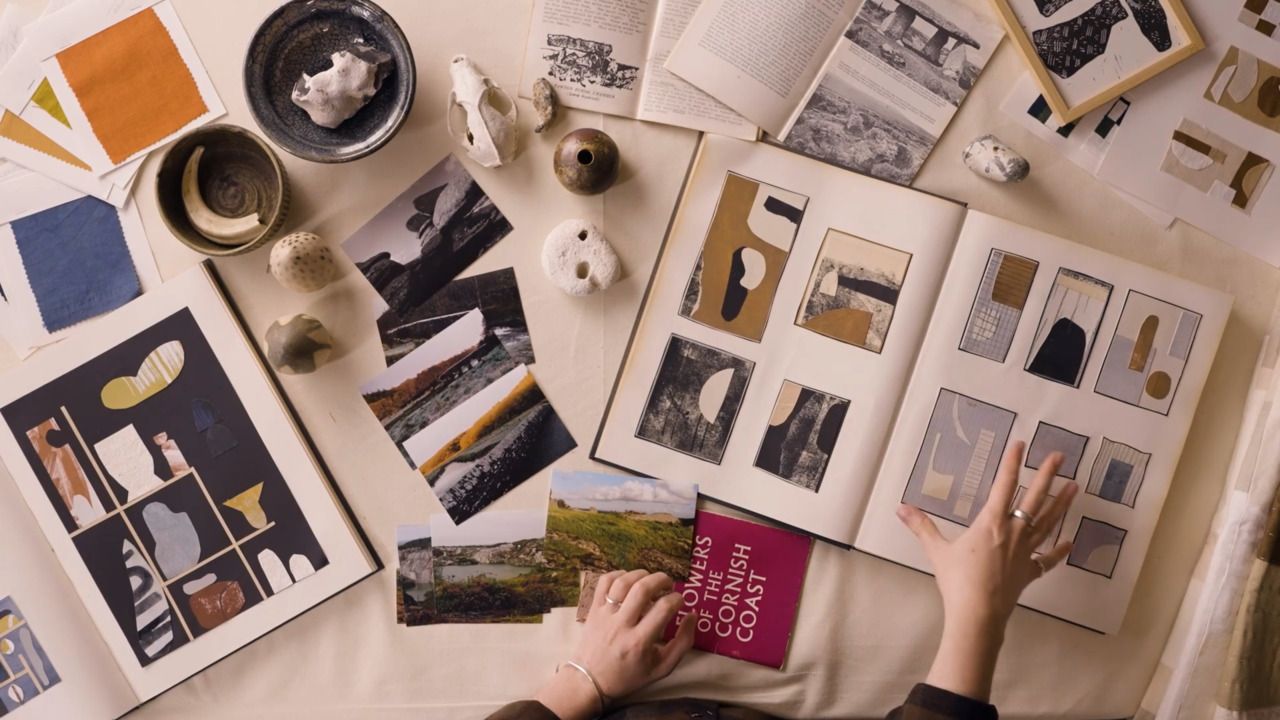
Learn where Julius finds inspiration, from visiting places to objects, in this lesson. Discover how to find inspiration and tap into your own creativity.
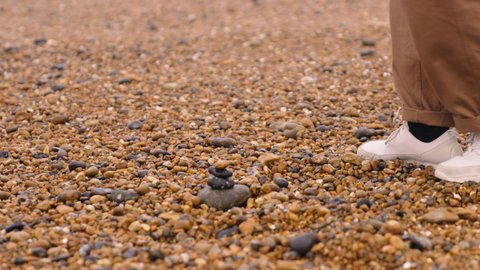
It's important to pull out references that resonate with you. When I'm looking for inspiration, I like to go to objects and places that are personally meaningful.
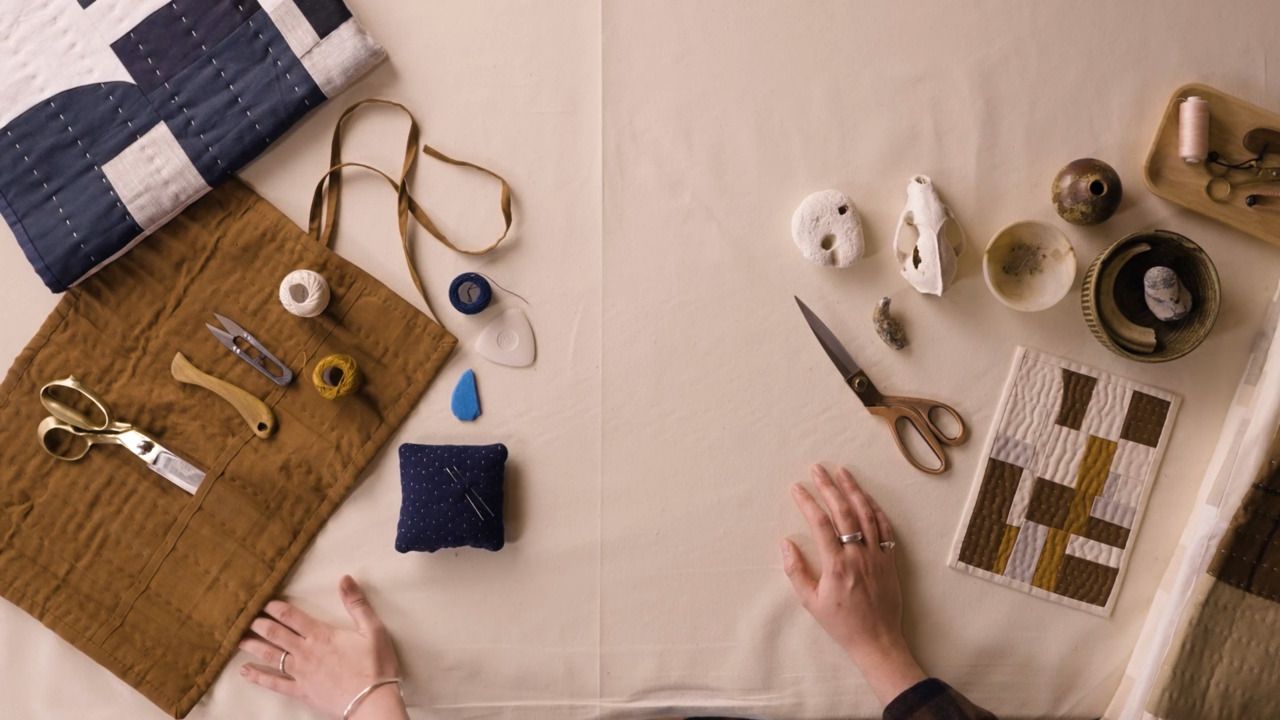
I love collecting things. Thinking about where objects come from and the stories they have attached to them creates real reverberations.
I adore having items that have been passed down through our family or that have played a role in our family history. They are normally simple items like ceramic bowls. The shapes and colours of prints may find their way into the work you create. Take a look around. You probably have items in your home that you haven't even considered. Colour, shape, and pattern can all be found in them.
Going to antique markets and car boot sales is always fun. Even if you don't buy anything, it's always great to see the shapes and forms around you.
You might find objects that spark a memory. You might see things that your grandparents had in their house. Something that gives you a sense of connection is a great inspiration for personalising the things you are creating.
My Cornish heritage really influences my work. Thinking about your past and your heritage can be valuable for you, too. Think of things your family has done in the past. You may build shape and colour from those references and bring them into your work.
My dad's photography has influenced some of my work. I've pulled the colour palettes and shapes. It can be a literal interpretation or just looking at the shapes. It's all about connection and how you can bring that into your work.
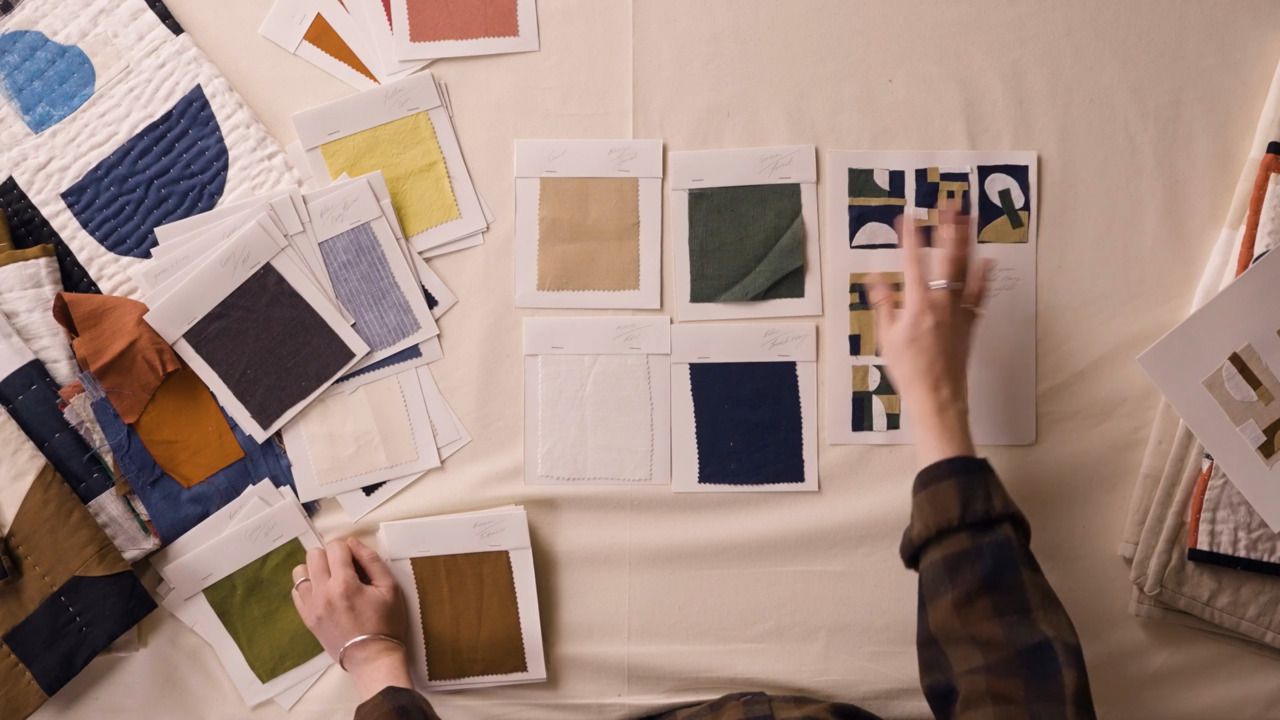
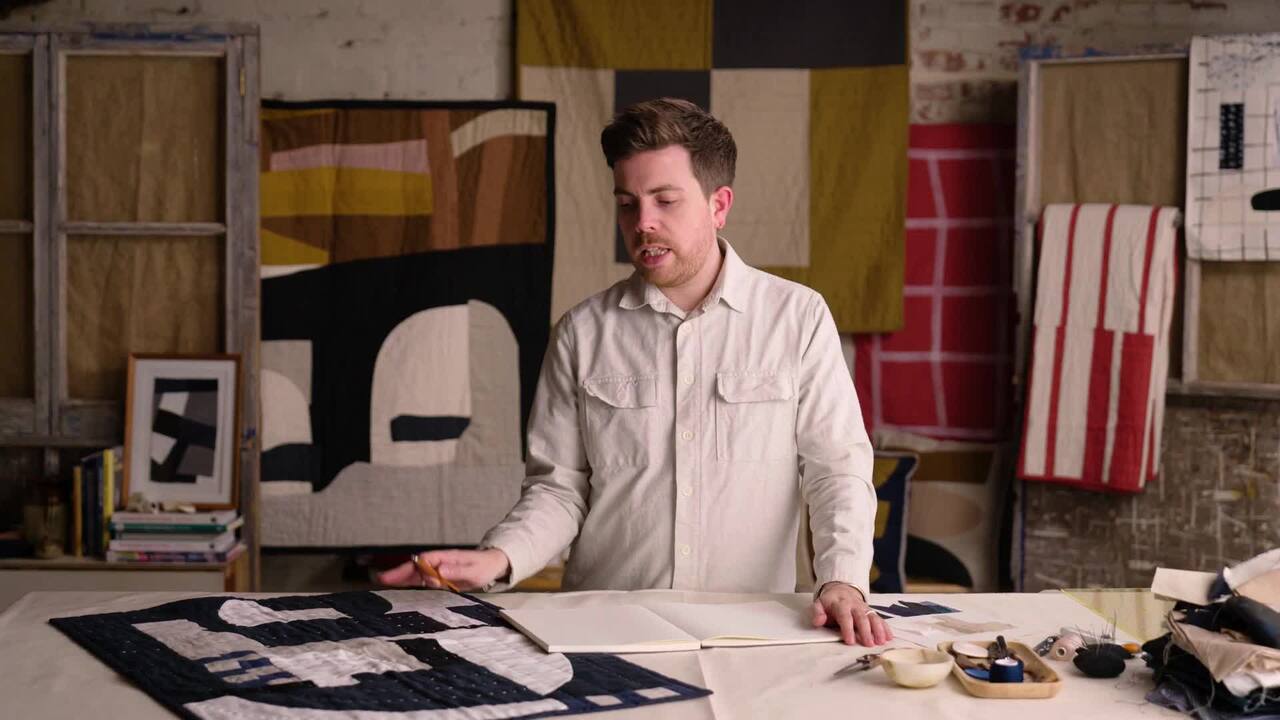
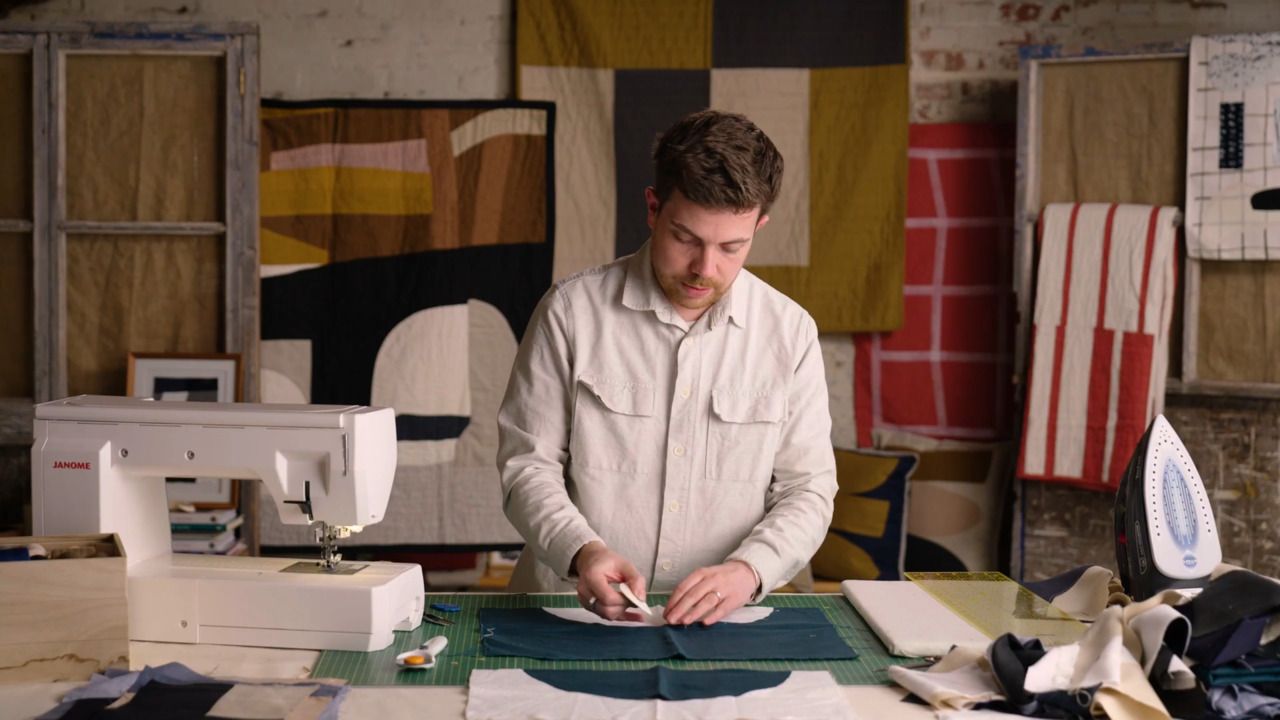
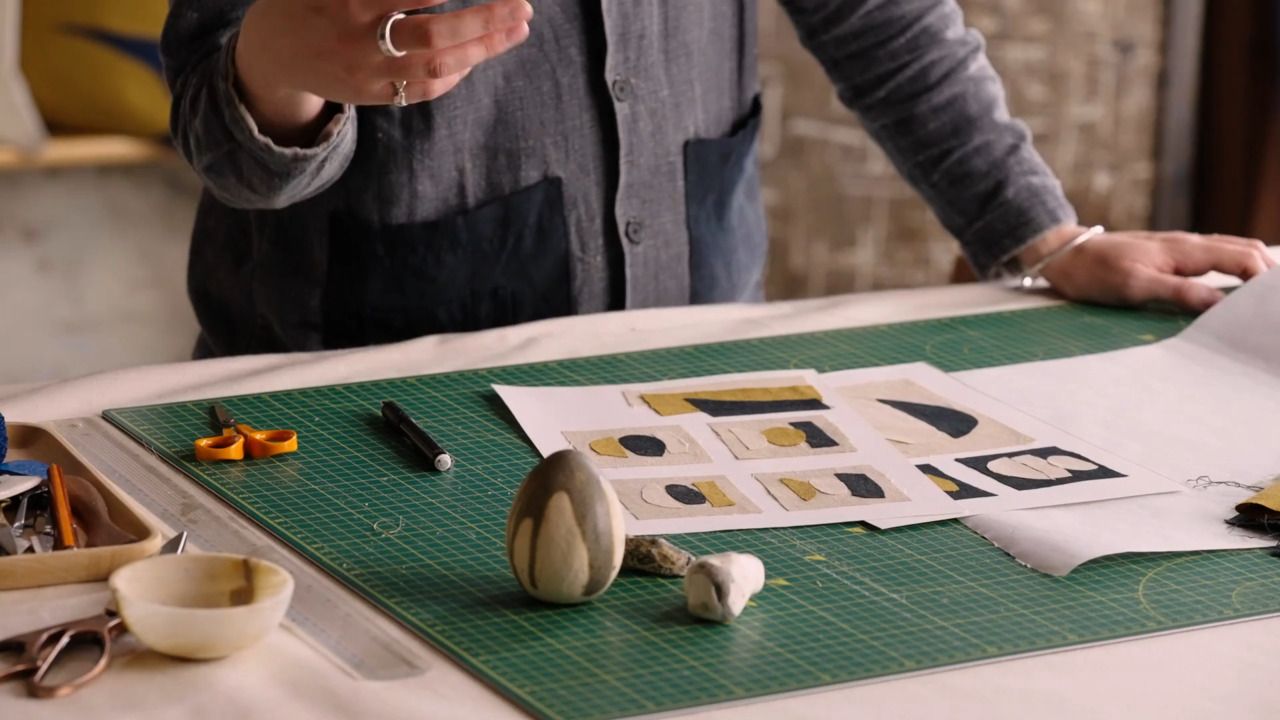
Visiting places like museums and galleries is always great for inspiration. I work with collage to work with shape, line and form. Document the things from the colours to the shapes and forms. I cut things out and reinvent their shapes. You can bring colourways in from those inspirations. Think about movement and then bring that into your work. Putting your ideas into sketchbooks is a great way to record your points of reference.
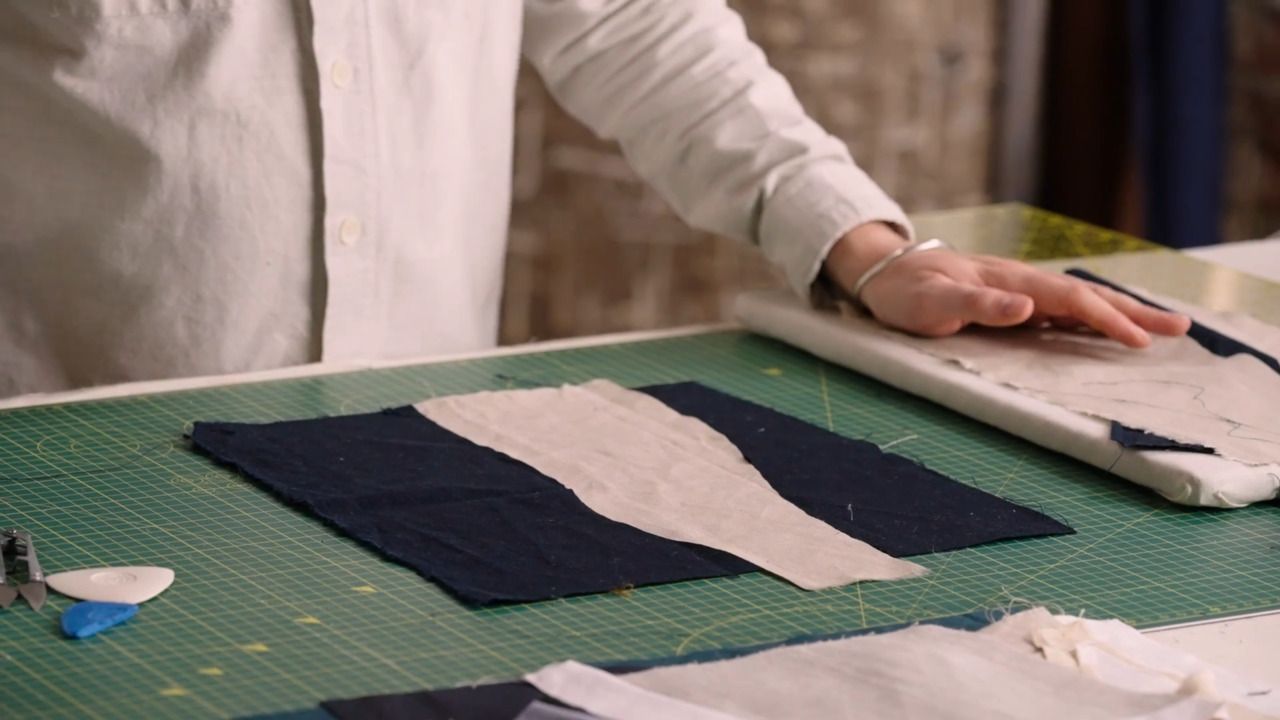
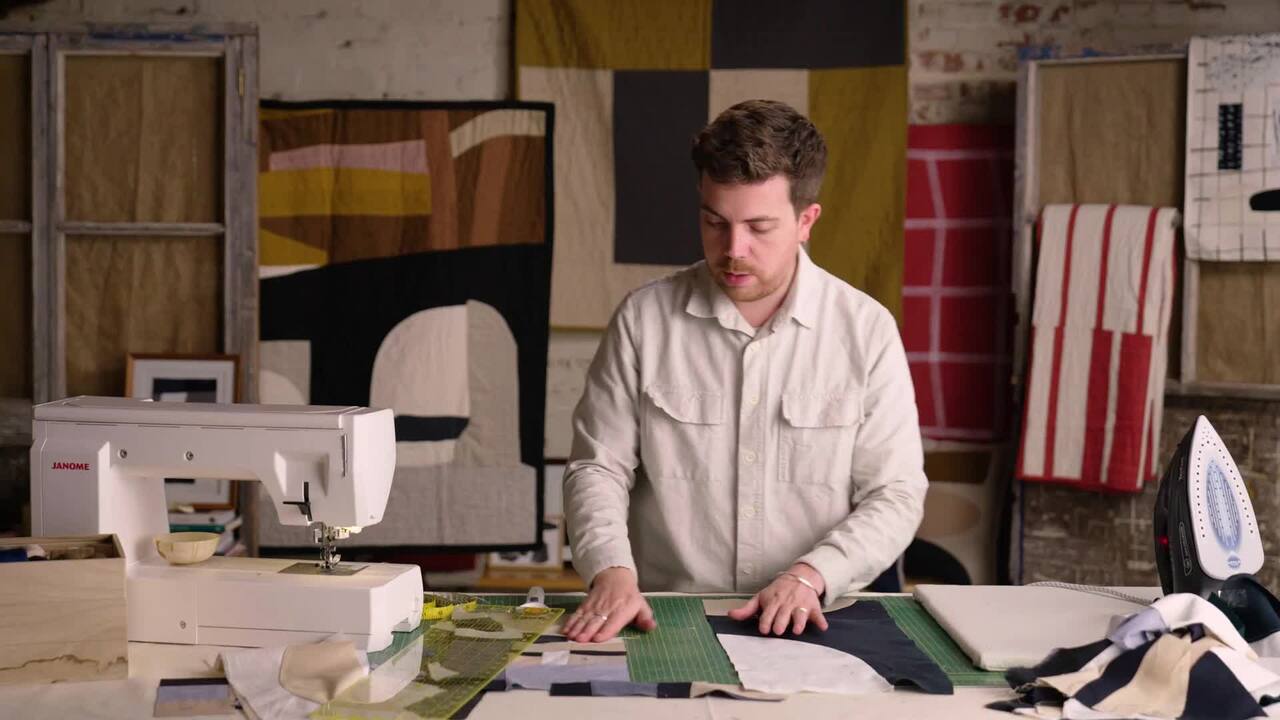
With collage, I use borrowed shapes and colours. Cutting out shapes of different coloured paper or painting paper is an interesting way to experiment with colour. I use that process to design vignettes or proposals for quilts. It is a lovely way to think about shapes in your photos and how they will relate to your quilt and textiles work.
If you are feeling stuck for inspiration, exploring words and using creative prompts is always encouraging. At the end of this lesson, we have a list of creative prompts to help you get started with your next project. You can start feeding off the words and making a map of other words that relate to each other.
You can bring in your inspiration directly by using shapes – quite literally – and where you go with that inspiration doesn't have to be flowery. You can really home in and do something simple to start your process.
'Rituals', 'connections' and 'environment' are great words to start with. Ritual can be something as simple as how you start your day. Let yourself be influenced and inspired by the things around you. Use those words and build up connections and little word maps. Make a list of things that inspire you. This should spark the process – a journey that started with a very simple word that you analyse and break down into many parts.
Inspiration is all around us. It doesn't always have to come from a physical object. You can look inwards, reflecting on memories and connections to family, friends and other people in your life.
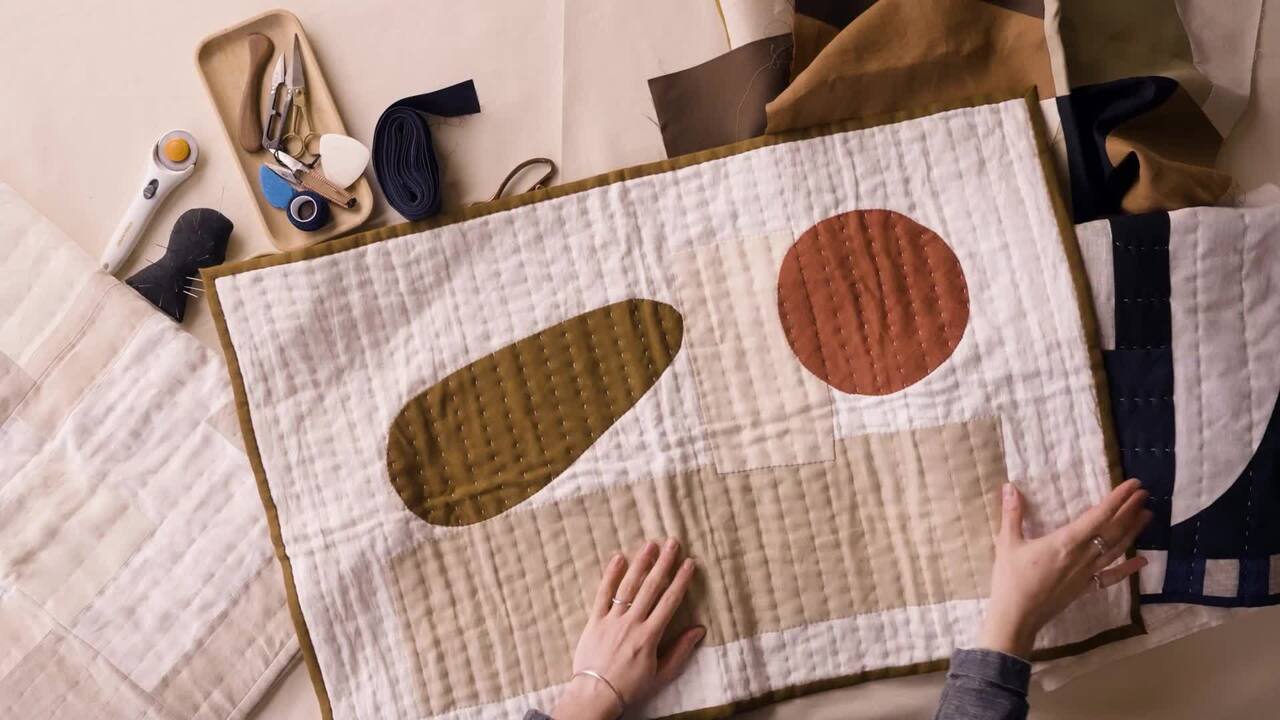
You can use shape, colour, form and texture to bring inspiration into your work. Really analyse what you have in front of you. You can take shapes, colours and forms and use those to build up compositions, then use appliqué and patchwork to translate what you are seeing into your work. It's really pleasing and creative!
Experiment with the different methods of sparking inspiration and discover what method is best for you. The following assignments will help you find your inspiration. Choose what speaks personally to you.
Go out into the world and look at things. Find an object that piques your interest. It can be the most mundane thing, from a piece of wall art to an interesting ceramic. Create a design centred around this single object.
Go to different places, from museums to shops, with a sketchbook in your hand. What lines, designs, and colours do you see? Take numerous photographs of the elements that catch your eye. You can use these to inform your work later.
Below is a list of 10 words that can help you get started on your inspiration journey.
Begin to explore what comes to mind when you think of this word.
Begin to explore what comes to mind when you think of this word.
Begin to explore what comes to mind when you think of this word.
Begin to explore what comes to mind when you think of this word.
Begin to explore what comes to mind when you think of this word.
Begin to explore what comes to mind when you think of this word.
Begin to explore what comes to mind when you think of this word.
Begin to explore what comes to mind when you think of this word.
Begin to explore what comes to mind when you think of this word.
Begin to explore what comes to mind when you think of this word.
Get the full workbook, video lessons, and more with a Create Academy subscription.
Subscribe to access the full workbookAlready a member? Sign in to watch
510 reviews
Read moreCreate Academy has been such a great resource. I'm in the middle of renovating a bungalow with a very large garden and the courses have offered a wealth of inform...
Harvey
Jun 10, 2026
Absolutely love Create Academy! The instructors are extremely informative, and it is beautifully filmed. Create Academy is great value for money and plan on renew...
SG
May 31, 2026
Butter's creativity is stunning! Her ability to incorporate brilliance in small gardens is magical!
Carla
May 30, 2026
The best adventure. I like all the courses, but my favorite are both Rita Konig interior design courses and Anna Jones. Excellent!
Karolina Kluczewska
May 20, 2026
Create Academy has been such a great resource. I'm in the middle of renovating a bungalow with a very large garden and the courses have offered a wealth of information to dive into and explore new ideas. I'm...
Harvey
Jun 10, 2026
Absolutely love Create Academy! The instructors are extremely informative, and it is beautifully filmed. Create Academy is great value for money and plan on renewing my subscription yearly because there are ...
SG
May 31, 2026
Butter's creativity is stunning! Her ability to incorporate brilliance in small gardens is magical!
Carla
May 30, 2026

Your Instructor
British textile artist specialising in handmade quilts and unique textile objects for the home.
Julius Arthur is a textiles designer specialising in quilts and unique objects for the home. His design practice, House of Quinn, creates small-batch homeware using traditional and age-old craft techniques and practices to cultivate contemporary design narratives onto familiar objects. His work is grounded in uncomplicated - often repurposed - materials and inspired by an abstract view of the places and things around us. Growing up in Cornwall, memories of childhood and a sense of home and belonging intersect in Julius' work. Quilts have become a staple motif in Julius' work - a way of combining materials, connecting through stitch and exploring shape, form and line - and the subject of his book Modern Quilting.
Access to all courses


