
Interior and exterior confidence
Create Academy has been such a great resource. I'm in the middle of renovating a bungalow with a very large garden and the courses have offered a wealth of inform...
Harvey
Jun 10, 2026
Spotlight on Hand Built Pottery
with FREYA BRAMBLE-CARTER — Contemporary ceramicist
Lesson 5 of 9
Subscribe to watch
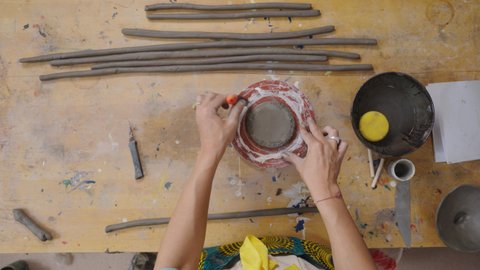
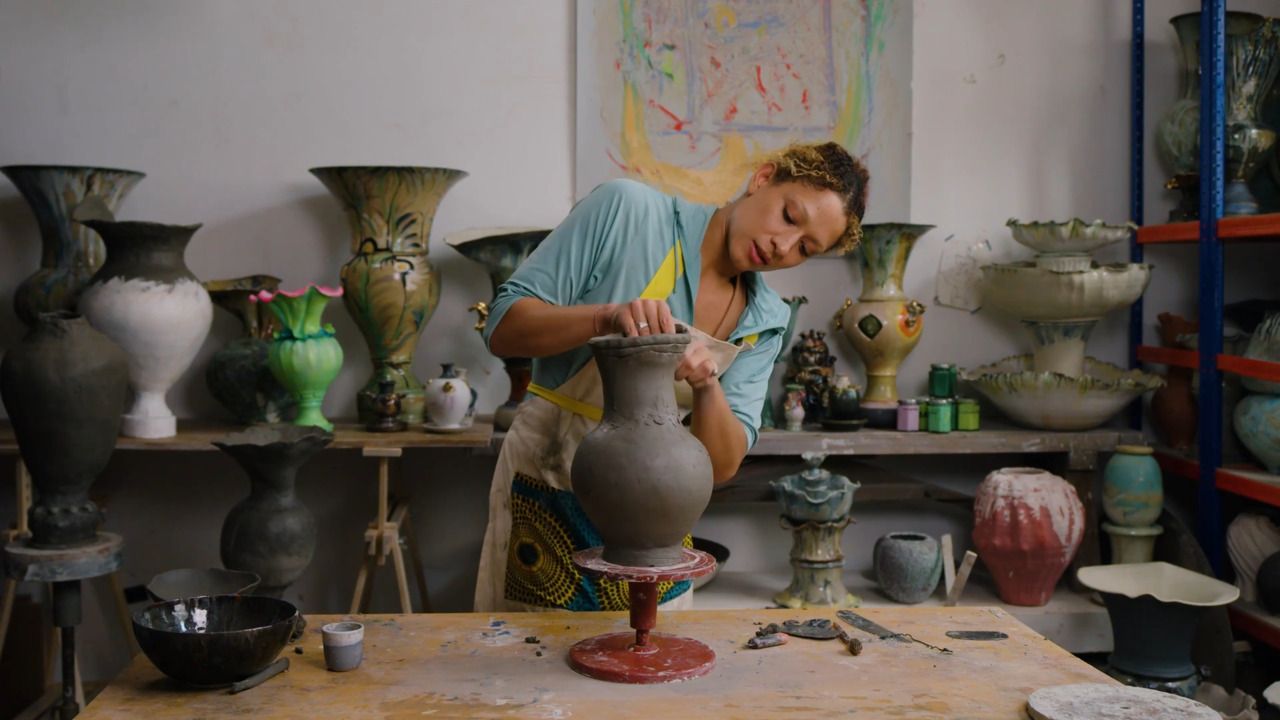
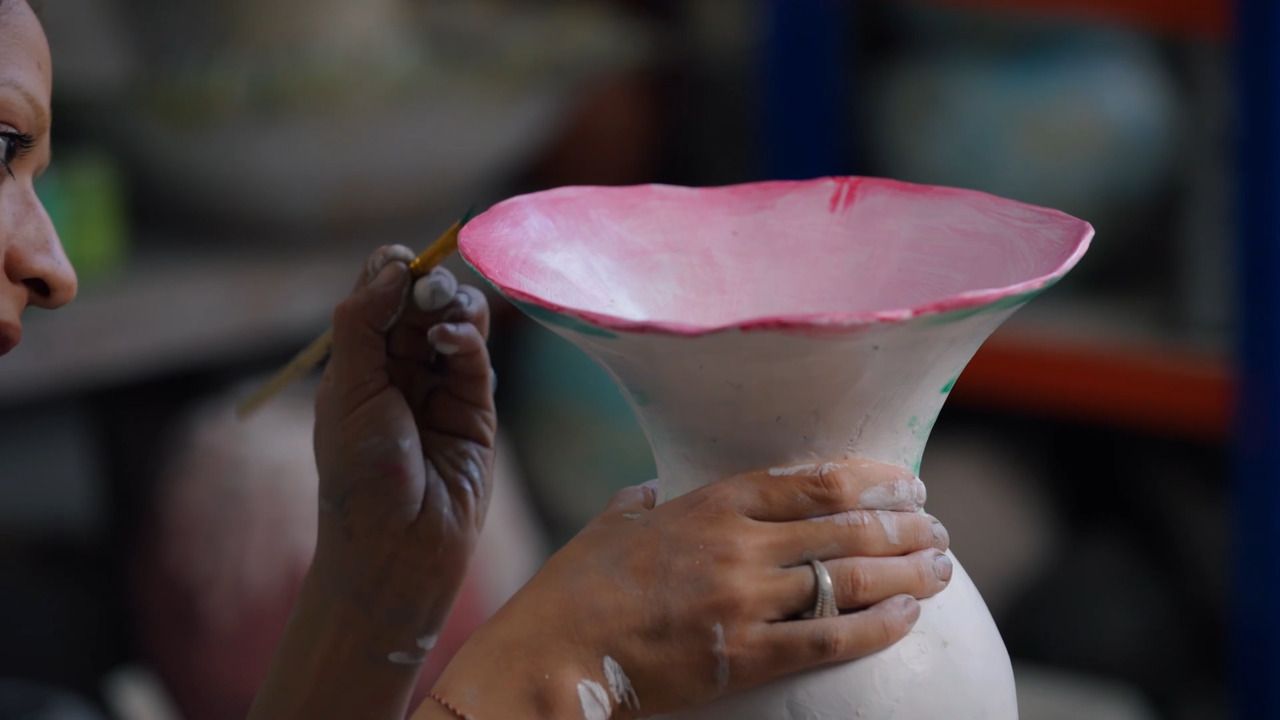
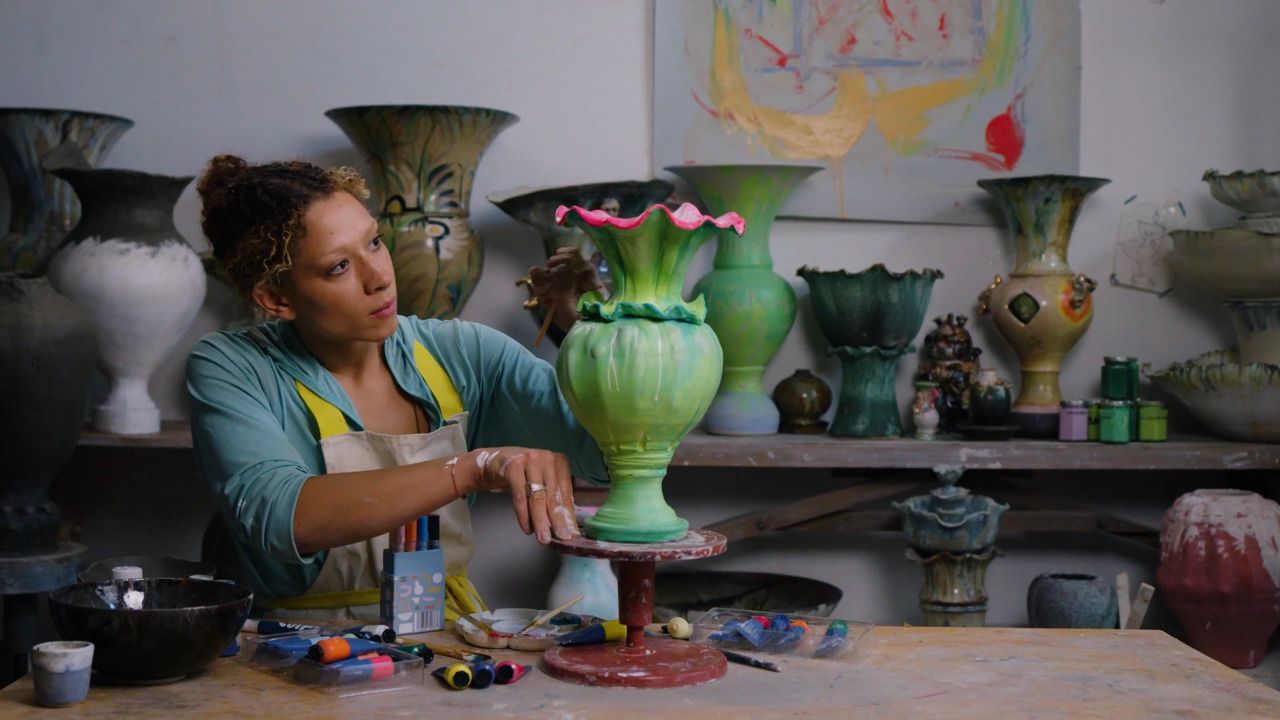
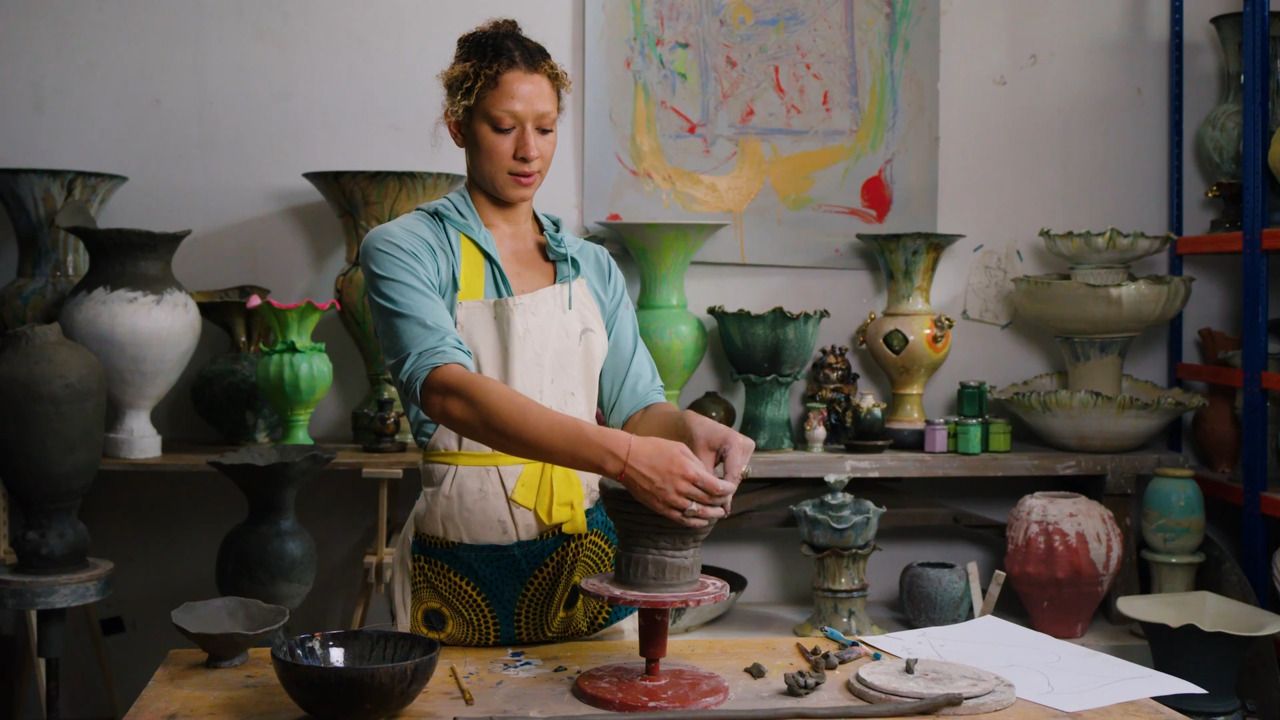
This lesson focuses on the core technique of hand-building: stacking and blending coils to shape the body of the vase. Freya demonstrates how to attach coils securely, smooth the surface, and gradually sculpt the form. With her gentle, rhythmic approach, she encourages learners to trust the pace of their own creativity and embrace the meditative nature of this ancient method.
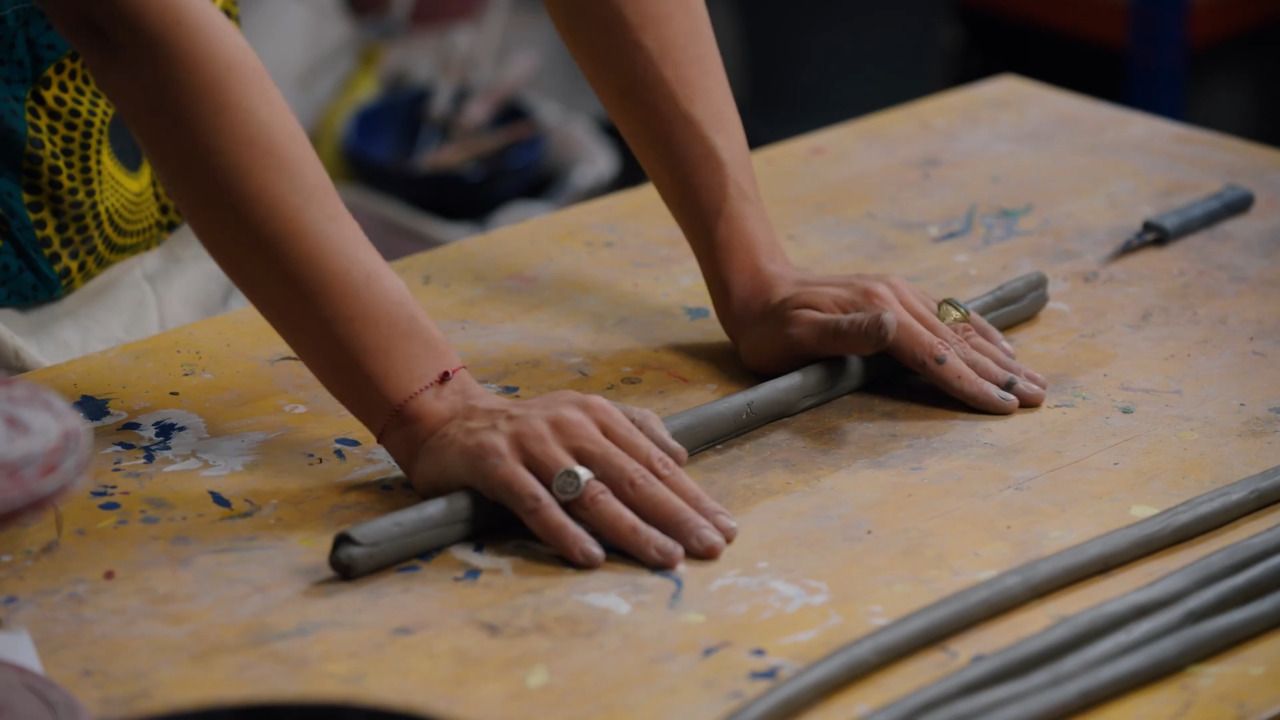
Now that we've got our base and coils ready, it's time to start the real building - layer by layer, we'll shape our pot by joining coils and blending them as we go. This is the heart of hand building with clay, and one of my favourite parts of the process.
We begin by attaching the first coil to the base. I always use my firmest coil for this - like the trunk of a tree, it needs strength to support everything above.
How to stick it on properly:
Cross-hatching locks the textures together. Water is the magic that binds them.
Make sure the base and first coil are firmly joined - press it on so you can hear little air bubbles escape. That's a good sign, it's bonding well.
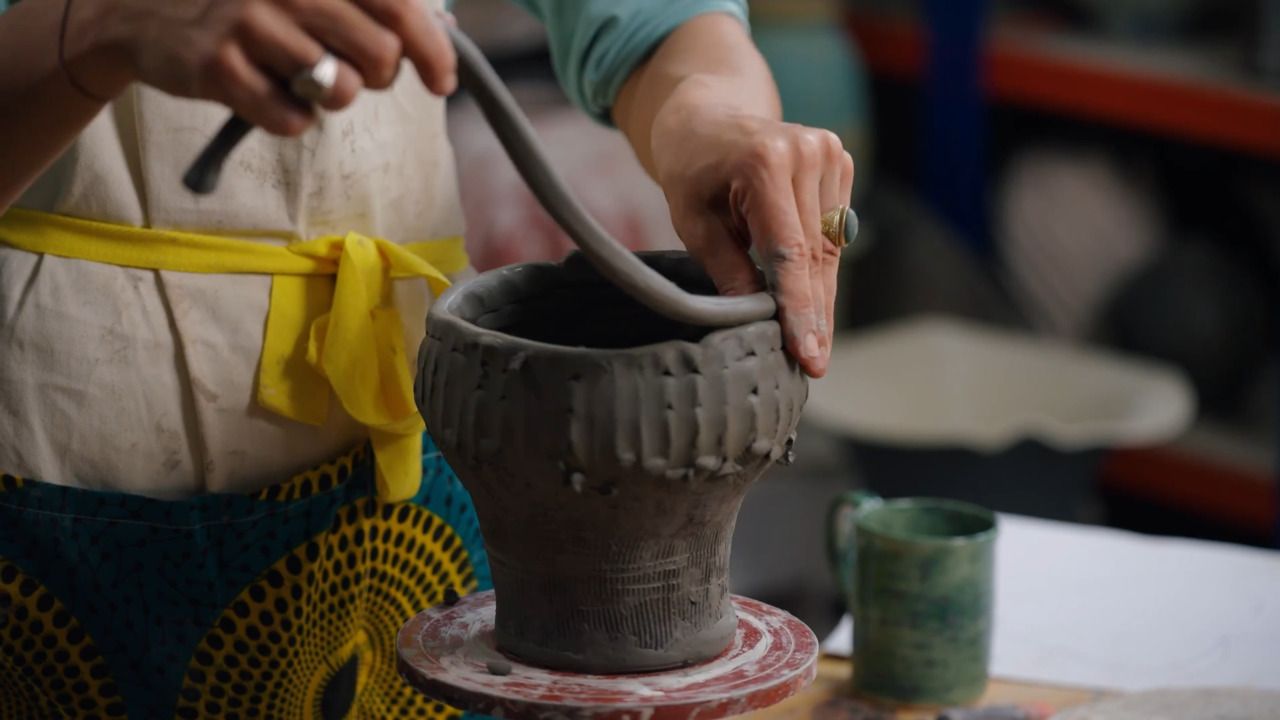
As you stack the coils:
You'll notice a rhythm forming: score, moisten, press, blend.
It's a gentle push and roll - not thinning the coil, just locking it in.
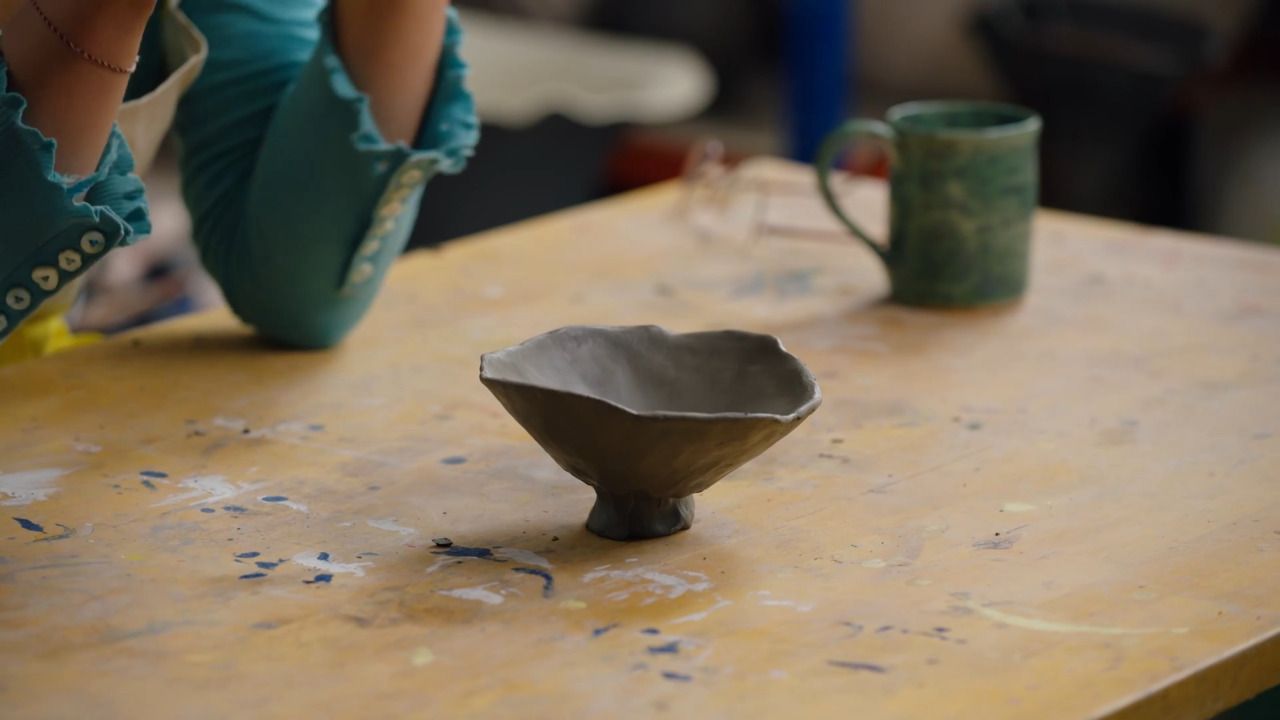
This is the stage where your form starts to emerge. I wanted mine to flare out gently, so I leaned my coils slightly outward as I went.
You can:
Both methods work - it just depends on your style and patience!
Some of the best coil builders I know do one ring at a time - it's meditative, slow, and stunning.
Once you've stacked a few coils:
If your pot is starting to curve or flare, pause to let it firm up before adding more coils. This helps it hold its shape and stops it from slumping.
Posture matters! As you build:
There's something about this process that feels ancient. Coiling connects you to clay in such a primal way - one ring at a time, you're creating a form that holds space, maybe even memory. The act of joining, layer by layer, is like building a story.
Every pot has it's own pace - trust yours.
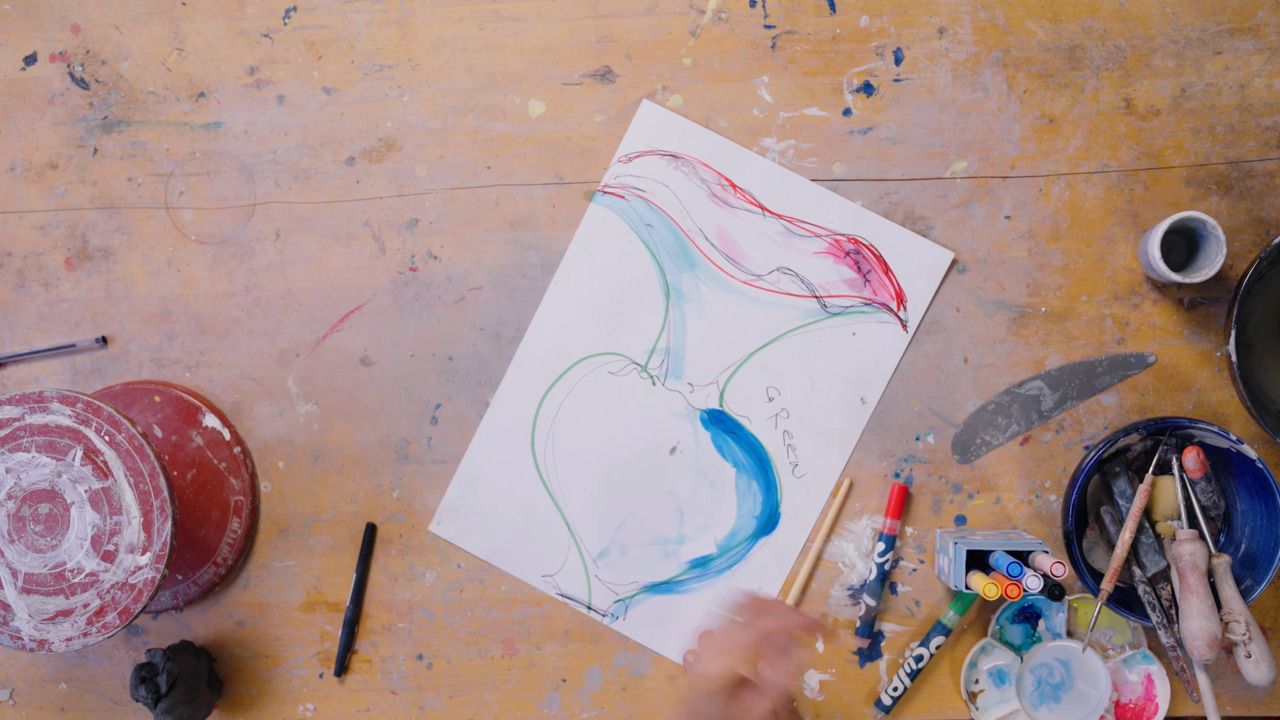
Next time, we'll look at smoothing and refining the shape, and how to plan your form if you want to change direction mid-build. For now, take it slow, feel your clay, and enjoy this rhythm.
Get the full workbook, video lessons, and more with a Create Academy subscription.
Subscribe to access the full workbookAlready a member? Sign in to watch
491 reviews
Read moreCreate Academy has been such a great resource. I'm in the middle of renovating a bungalow with a very large garden and the courses have offered a wealth of inform...
Harvey
Jun 10, 2026
Absolutely love Create Academy! The instructors are extremely informative, and it is beautifully filmed. Create Academy is great value for money and plan on renew...
SG
May 31, 2026
Butter's creativity is stunning! Her ability to incorporate brilliance in small gardens is magical!
Carla
May 30, 2026
The best adventure. I like all the courses, but my favorite are both Rita Konig interior design courses and Anna Jones. Excellent!
Karolina Kluczewska
May 20, 2026
Create Academy has been such a great resource. I'm in the middle of renovating a bungalow with a very large garden and the courses have offered a wealth of information to dive into and explore new ideas. I'm...
Harvey
Jun 10, 2026
Absolutely love Create Academy! The instructors are extremely informative, and it is beautifully filmed. Create Academy is great value for money and plan on renewing my subscription yearly because there are ...
SG
May 31, 2026
Butter's creativity is stunning! Her ability to incorporate brilliance in small gardens is magical!
Carla
May 30, 2026

Your Instructor
Contemporary ceramicist
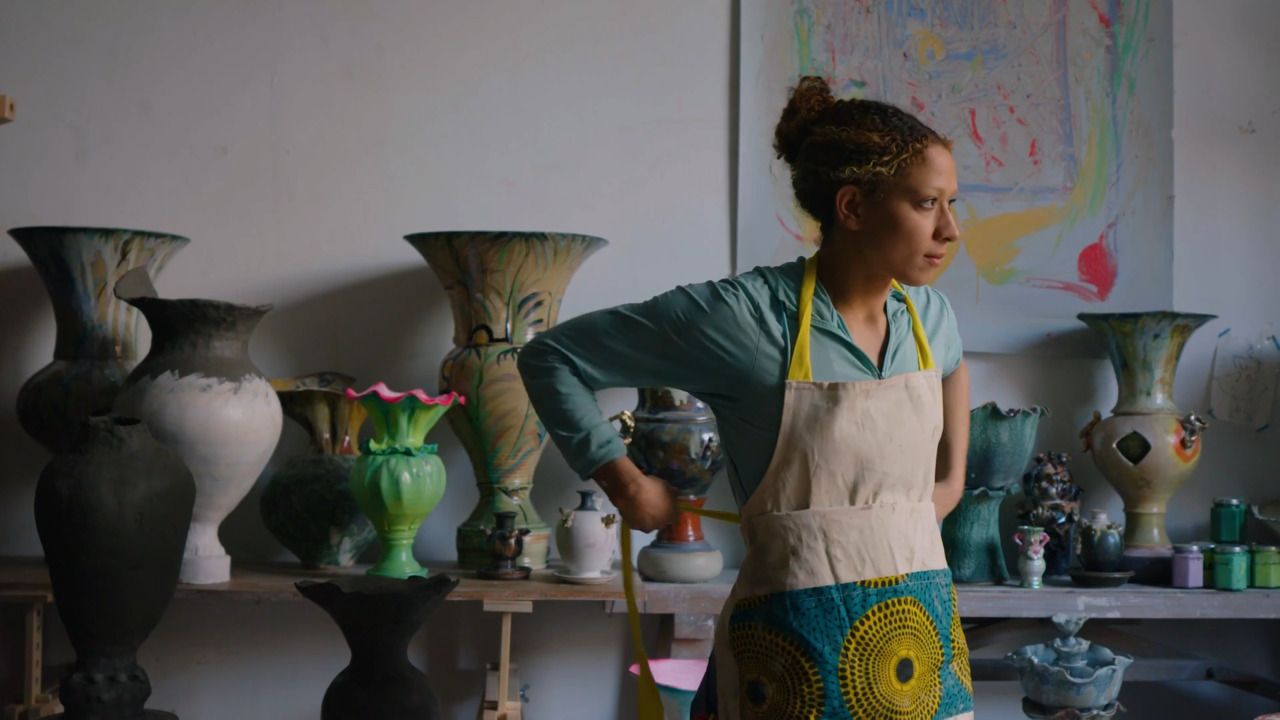
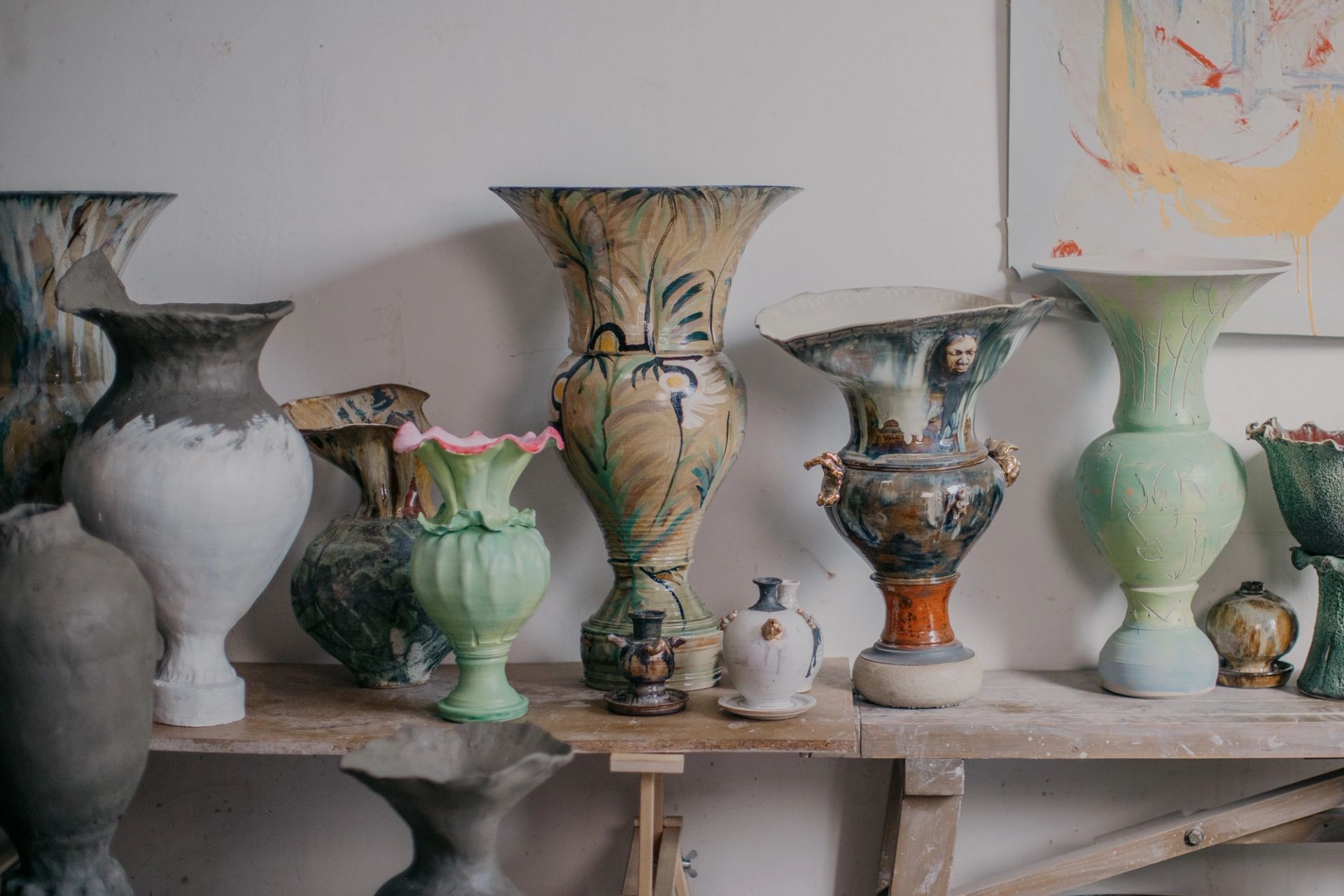
Freya is a ceramicist based in East London. She studied fine art at Chelsea College of Arts while also learning the craft of clay under the guidance of her father, Chris Bramble, a ceramic artist and teacher with over 30 years of experience with whom she shares studio space at Kingsgate Workshops in London. Freya creates tableware as well as larger sculptural vases. Her work incorporates contemporary designs, strongly inspired by the ethos of beauty and nature.
Access to all courses


