
Interior and exterior confidence
Create Academy has been such a great resource. I'm in the middle of renovating a bungalow with a very large garden and the courses have offered a wealth of inform...
Harvey
Jun 10, 2026
Subscribe to watch
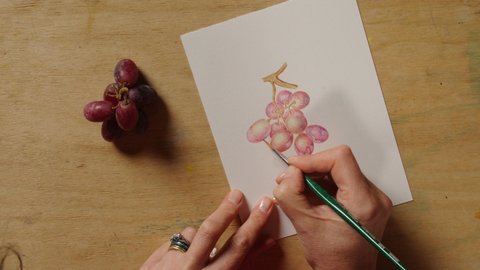
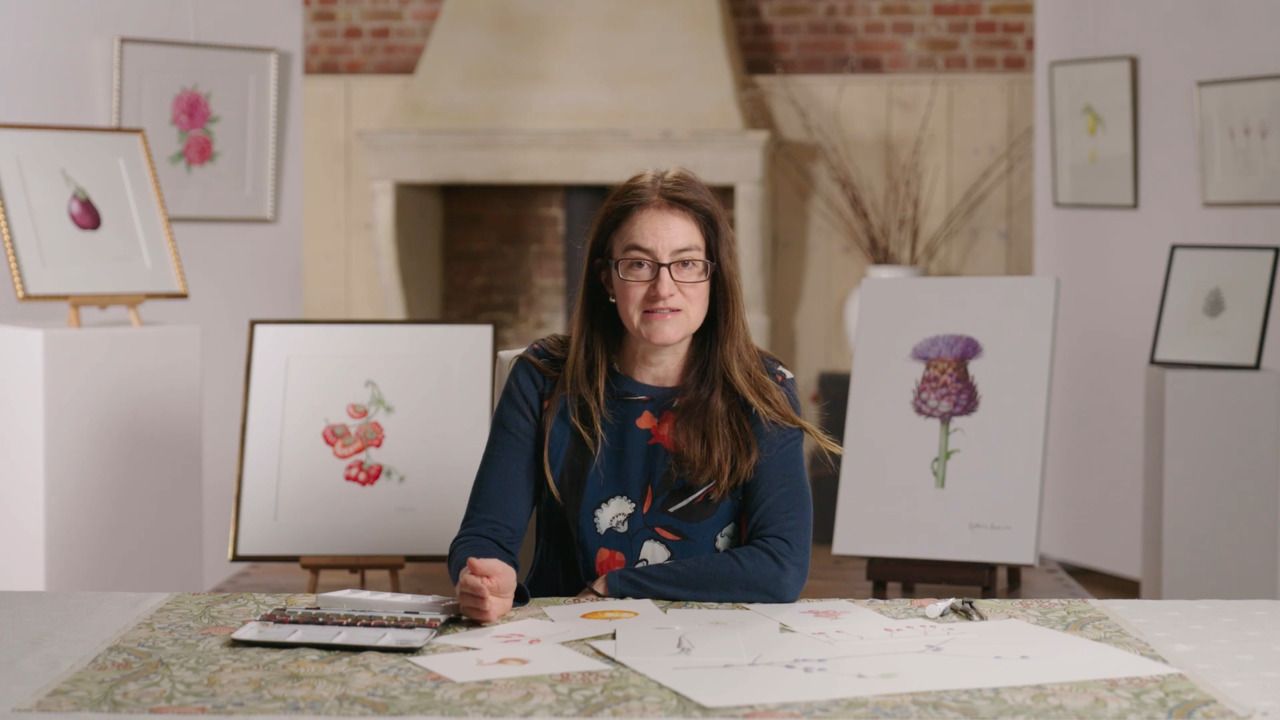
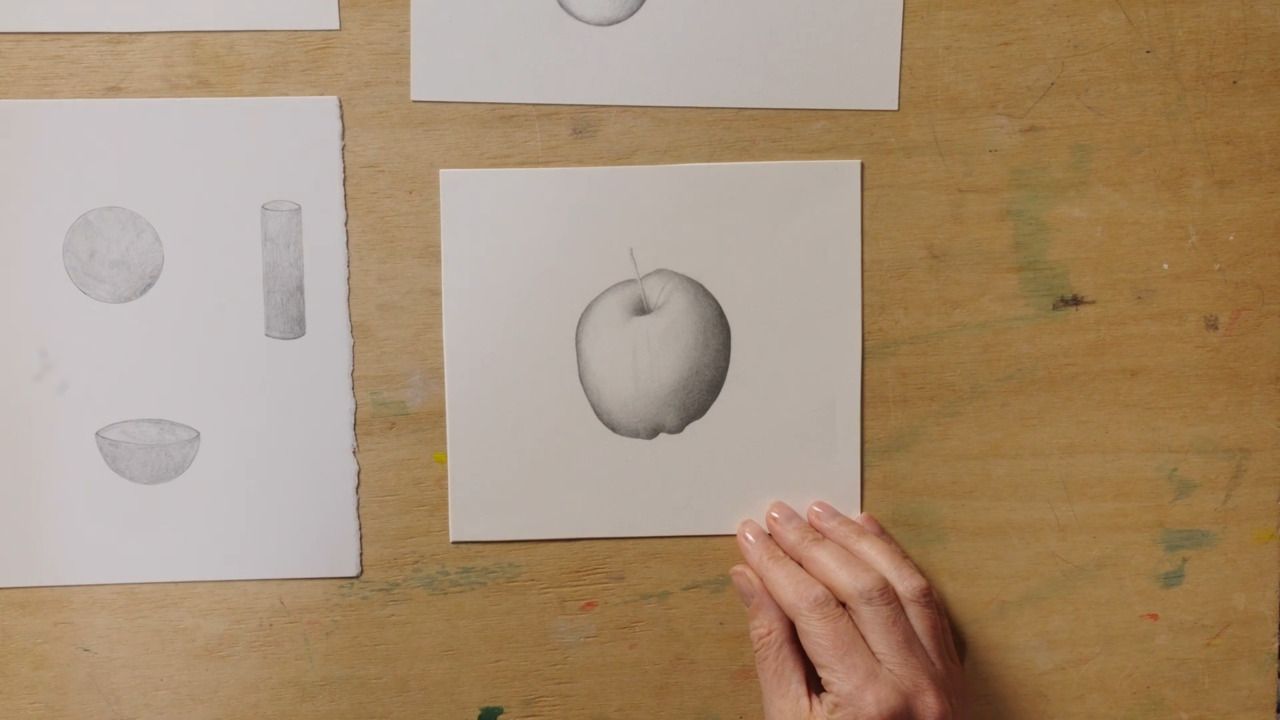
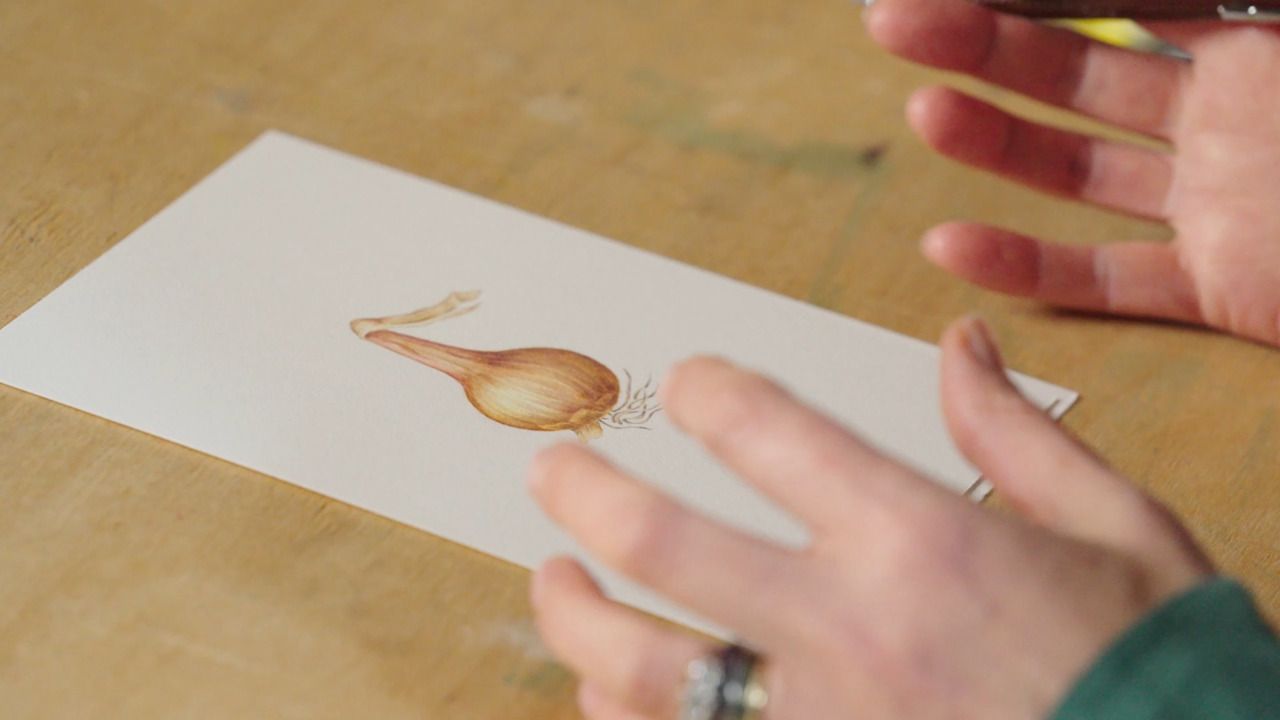
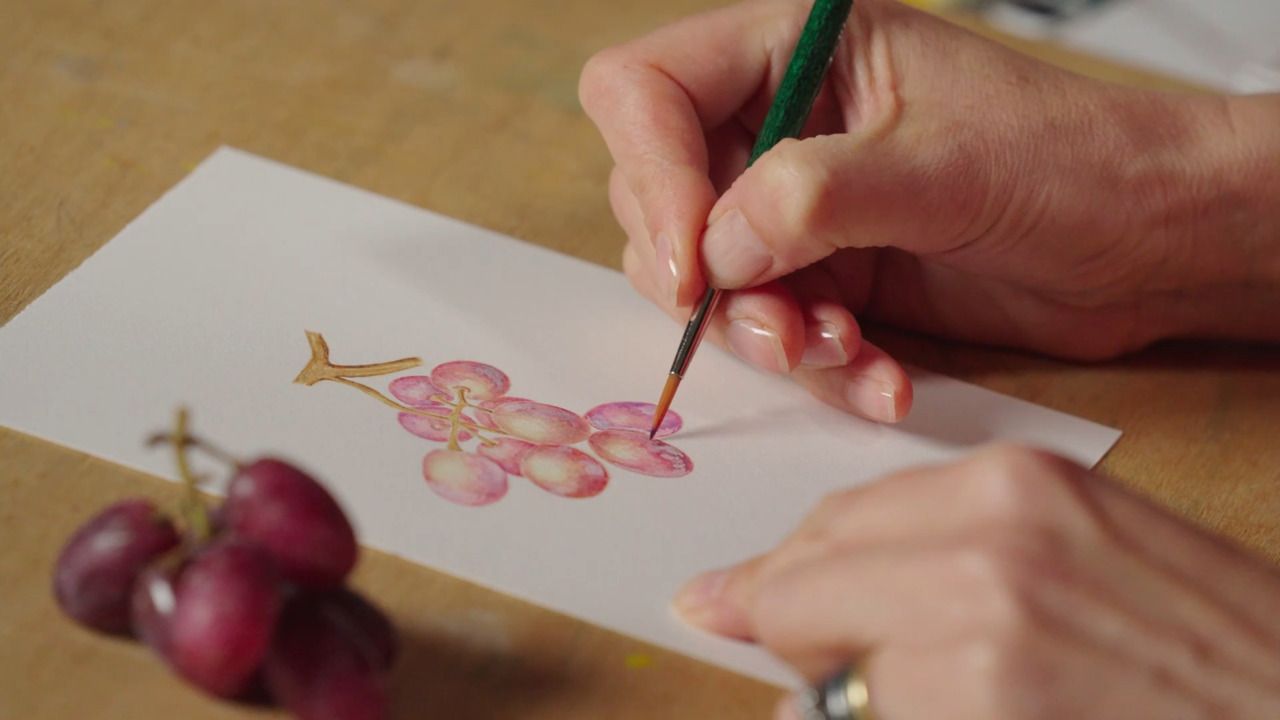
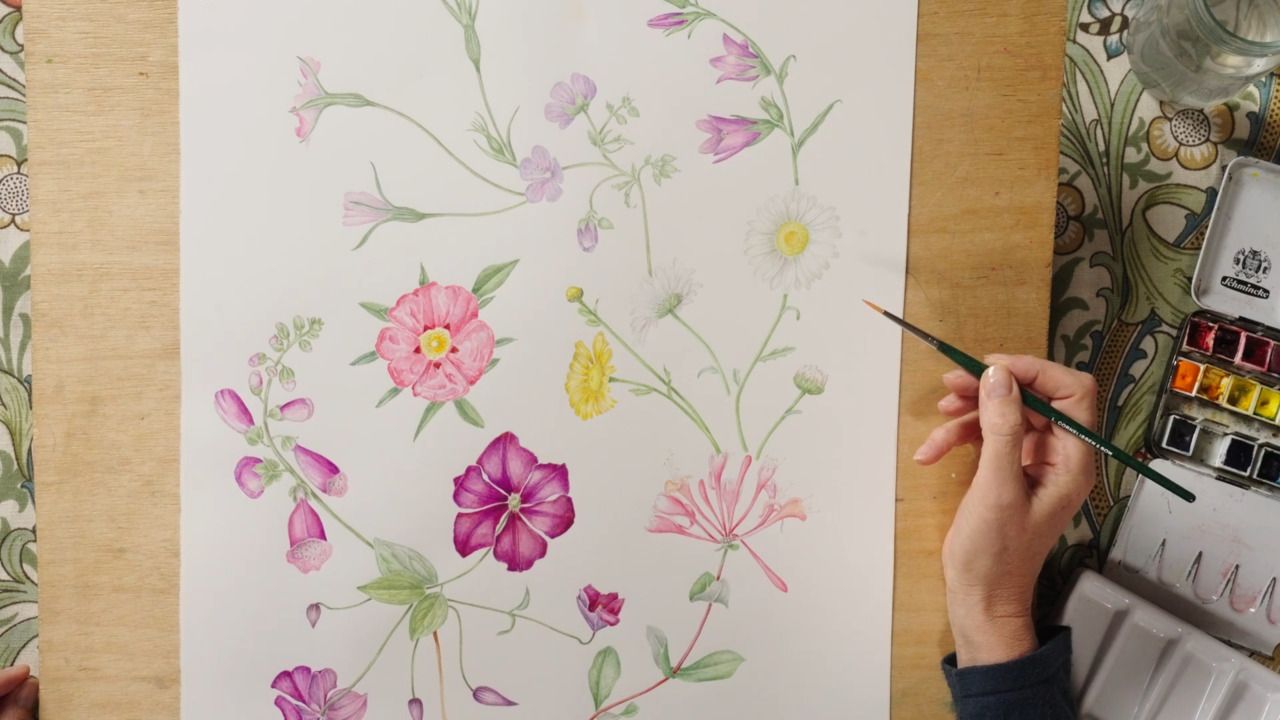
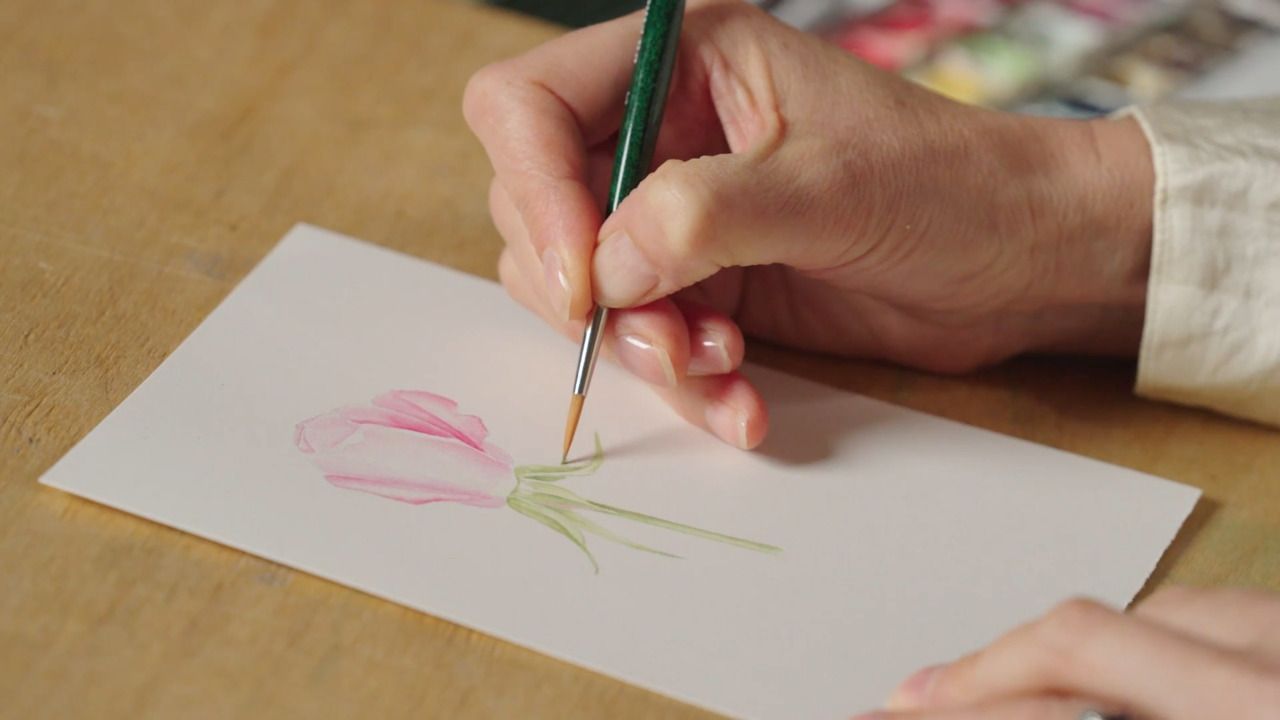
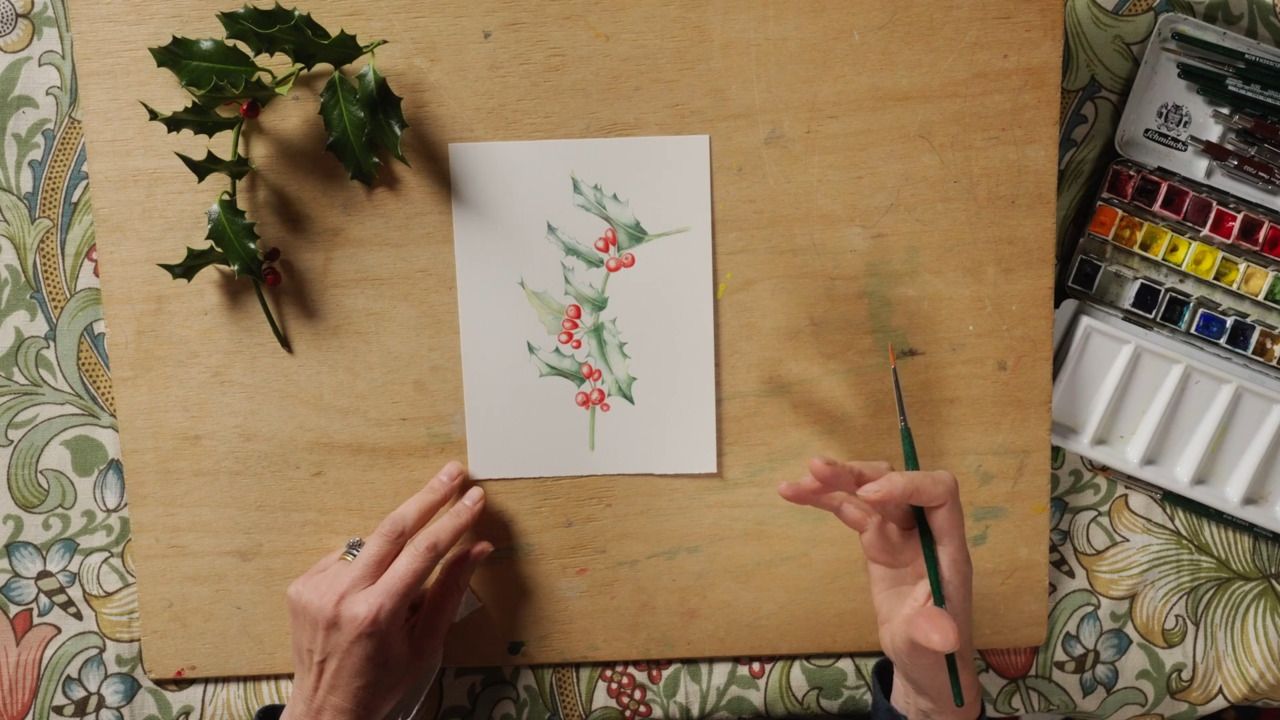
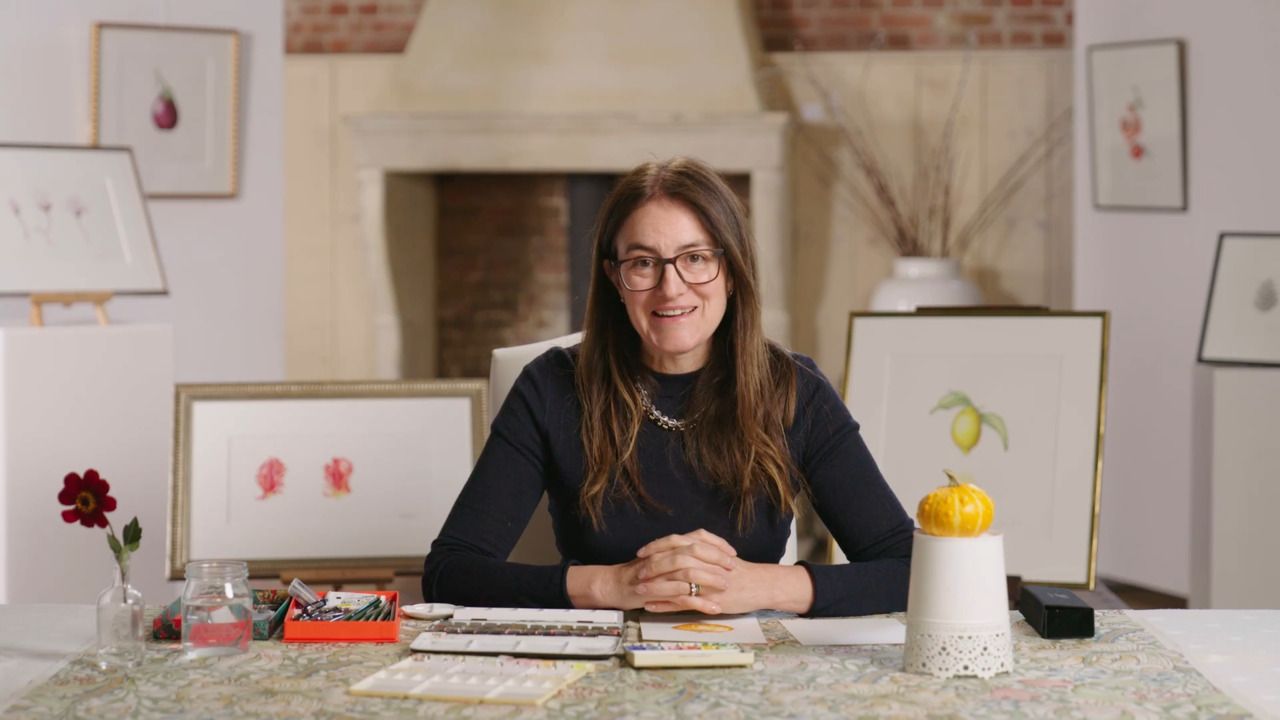
Watercolour is the medium used in this course, and the good news is that you really don’t need a lot of equipment to begin painting. Katharine shares specific recommendations to make getting started a little easier.
Part of the difficulty in starting can be knowing what tools are best. The good news is, you really don't need a lot of equipment to begin painting - and I'll be sharing specific recommendations to make getting started a little easier.
I always use the Winsor & Newton Professional watercolour range in the half-pan size.
The colours I use in this course are:
To buy all of these colours in one go can be quite a substantial outlay financially, and one you might not feel ready to commit to if you are just starting. If this is the case and you can only manage a few, I would consider these to be the essentials:
Another more affordable alternative to try is the Winsor & Newton Cotman watercolour range, which has the same colours, but the quality is not as high.
For one of the lessons, I will also be using White Gouache paint, which can be found in most art shops.
Brush
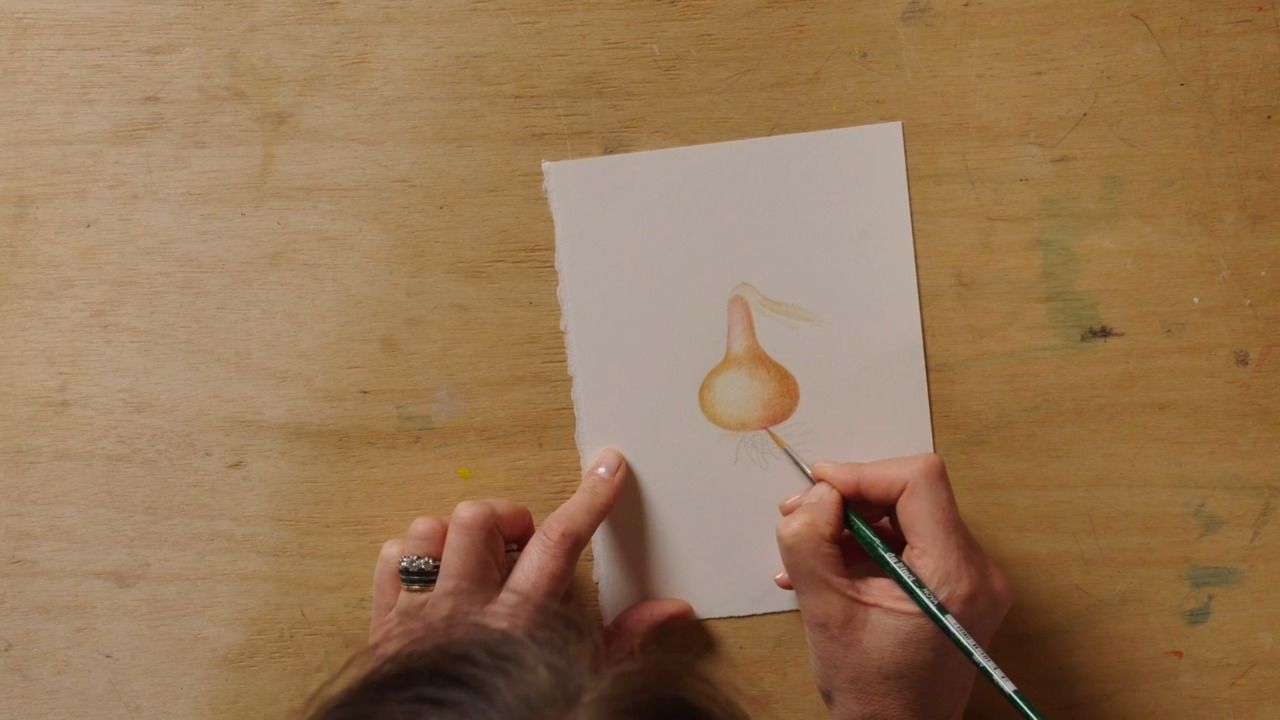
My brush of choice is an acrylic size 3, and I use the Da Vinci Nova 5570.
Pencil
I use a propelling pencil in size 0.3 or 0.5 with HB leads - something like this from Ken Bromley.
Putty rubber
The Faber-Castell one is very good.
Divider
This is brilliant for measuring specimens and getting the scale right - I use this one by Ecobra.
Ceramic palette
A plastic palette can separate your paints; a ceramic palette is much better. A saucer or plate you already have could work well too.
Kitchen roll
For blotting and wiping your brush to prevent it from being too wet.
Jar
To house your water while painting.
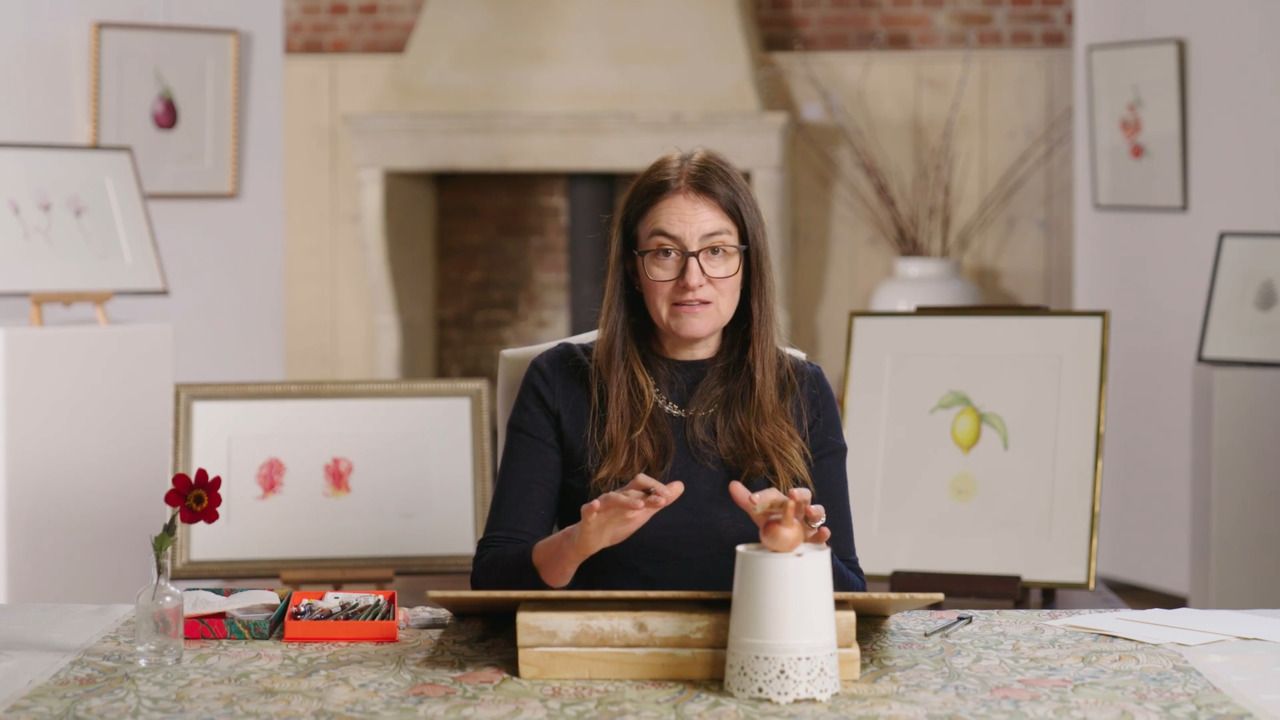
Something to hold your specimen
Could be an upside down jam jar or plant pot that acts as a plinth, or a vase for flowers.
I like the Arches watercolour paper. Opt for 300gsm weight (140lbs), and the hot pressed finish - this ensures the paper is extremely smooth which is ideal for the type of painting we'll be doing.
You can buy it in gummed blocks. Either choose the smallest size, or buy bigger sheets and cut them down yourself.
Get the full workbook, video lessons, and more with a Create Academy subscription.
Subscribe to access the full workbookAlready a member? Sign in to watch
491 reviews
Read moreCreate Academy has been such a great resource. I'm in the middle of renovating a bungalow with a very large garden and the courses have offered a wealth of inform...
Harvey
Jun 10, 2026
Absolutely love Create Academy! The instructors are extremely informative, and it is beautifully filmed. Create Academy is great value for money and plan on renew...
SG
May 31, 2026
Butter's creativity is stunning! Her ability to incorporate brilliance in small gardens is magical!
Carla
May 30, 2026
The best adventure. I like all the courses, but my favorite are both Rita Konig interior design courses and Anna Jones. Excellent!
Karolina Kluczewska
May 20, 2026
Create Academy has been such a great resource. I'm in the middle of renovating a bungalow with a very large garden and the courses have offered a wealth of information to dive into and explore new ideas. I'm...
Harvey
Jun 10, 2026
Absolutely love Create Academy! The instructors are extremely informative, and it is beautifully filmed. Create Academy is great value for money and plan on renewing my subscription yearly because there are ...
SG
May 31, 2026
Butter's creativity is stunning! Her ability to incorporate brilliance in small gardens is magical!
Carla
May 30, 2026

Your Instructor
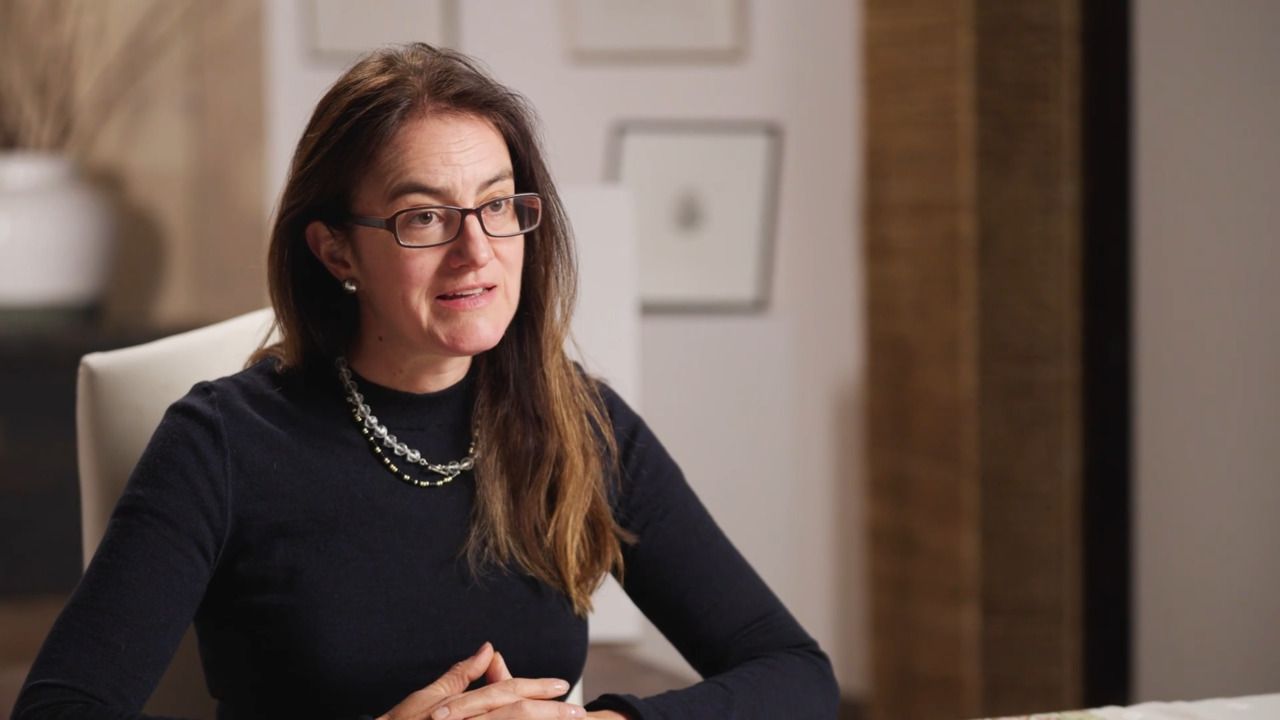
Leading British botanical artist
Katharine Amies is a leading British botanical artist. Katharine's work seeks to capture the intimate essence of plants in a manner that photographs, despite their detail, fail to convey. Katharine trained at the Chelsea Physic Garden in 2000. Her work is represented in the Shirley Sherwood Collection of Botanical Art at Kew Gardens which is the largest collection of contemporary botanical art in the world.
Access to all courses


