Indoor Gardening Masterclass

Plant care - water

with JAMES WONG — Ethnobotanist, broadcaster, best-selling author. Youngest winner of RHS Hampton Court Flower Show.

Lesson 3 of 28
Rated 4.7/5 on Trustpilot
|

Learn from the world's best creative minds on Create Academy

Plant care - water - Video thumbnail

Buy or subscribe to watch

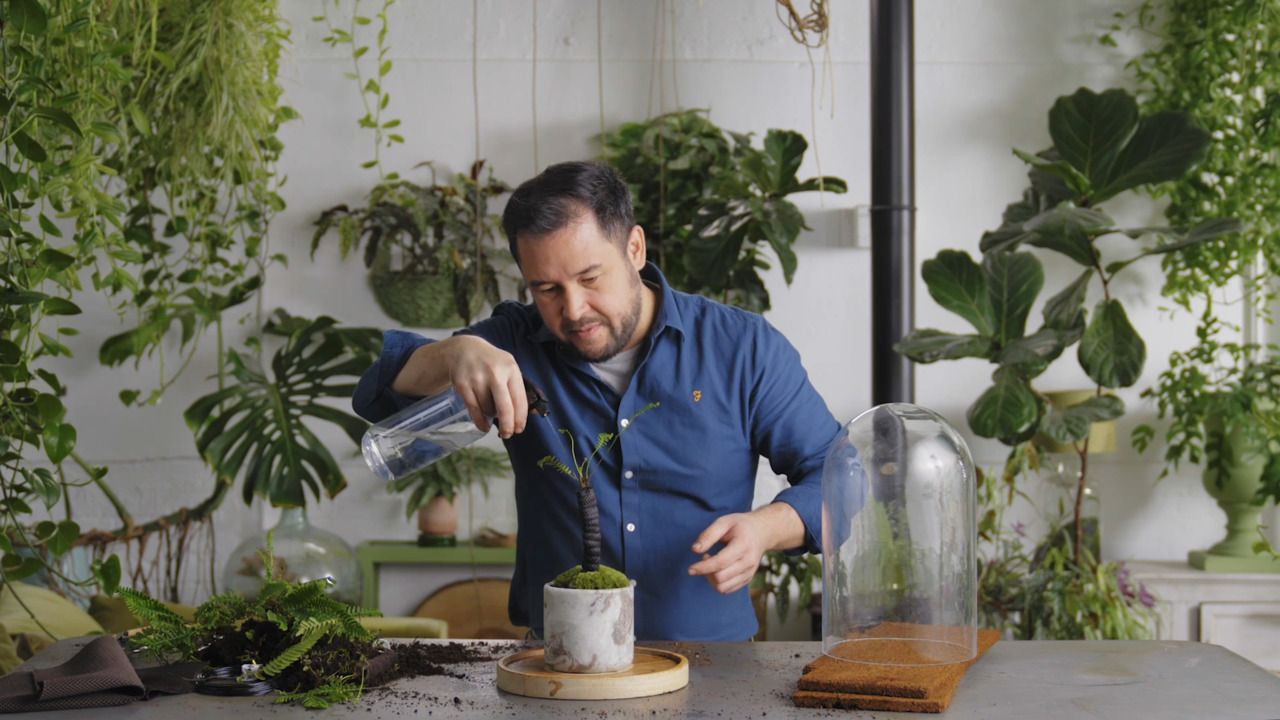
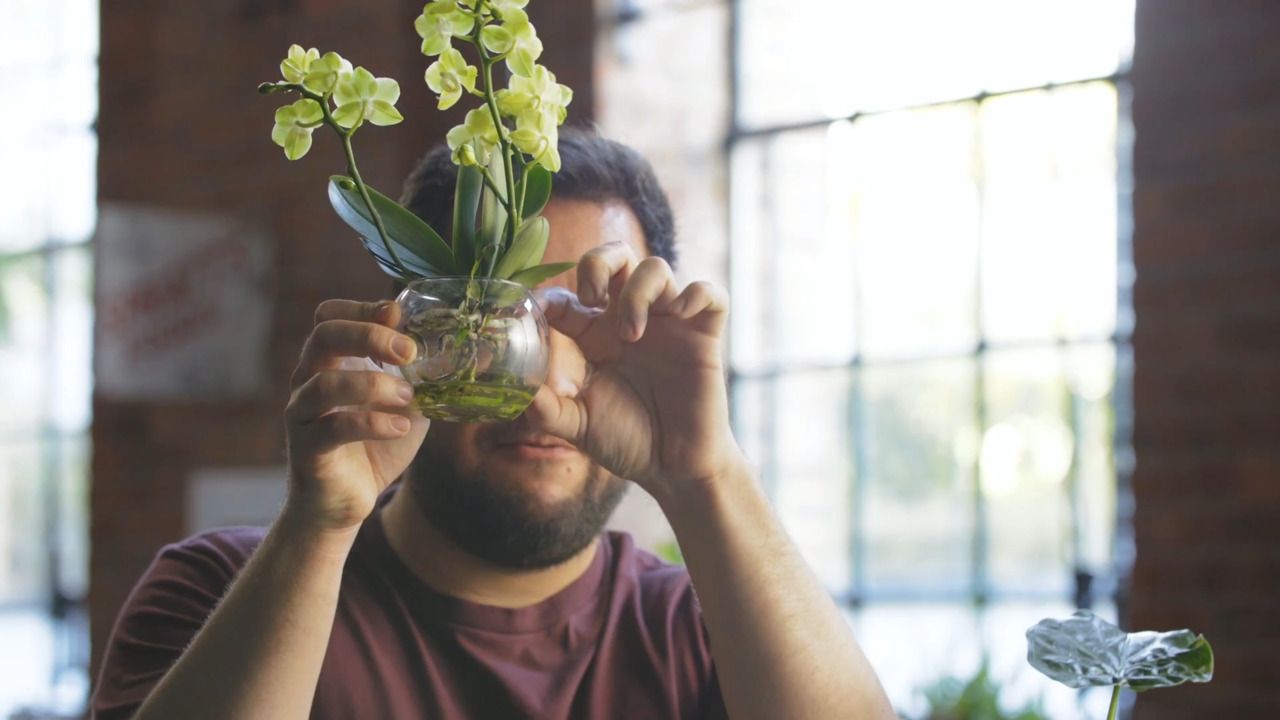
As overwatering is the number one cause of houseplant death, James explains how to determine how much water is enough, including how to keep plants watered when you are away.

From the Lesson Workbook

Plant Care - Water

  • Water is the second most important environmental factor needed by plants.
  • Plants have adapted to need varying levels of water. Compost is one of the greatest indicators of whether your plant needs water.
  • The amount of water required is based on a range of factors, from air temperature to light levels, species, growth rate, potting material and the pot the plant is in.
  • Chocolatey-brown coloured, moist-to-the-touch soil is the perfect amount of water for the vast majority of house plants. When it dries out, it becomes dusty in texture and colour. The compost should then go chocolatey-brown again after watering.
  • Stick your finger an inch down into the compost, if it feels slightly cooler and damper that's the perfect amount. If it feels dry, add water.
  • Sink chopsticks into a plant pot and pull out. Generally, if you see that the chopsticks are stained with moisture by roughly an inch or two, then the plant does not need watering. If it comes out completely clean, it needs watering.
  • When watering, I recommend that the soil be soaked, allowing the water to run through the bottom of the pot. Do not let the plant sit in this excess water.
  • The difference between plants with low watering needs, and plants with high watering needs, is how much they dry out between watering.
  • The other key giveaway is the weight. Compost acts like a sponge holding the water. Recently watered plants are heavier. The compost will be dustier and significantly lighter when they are dry and need water.
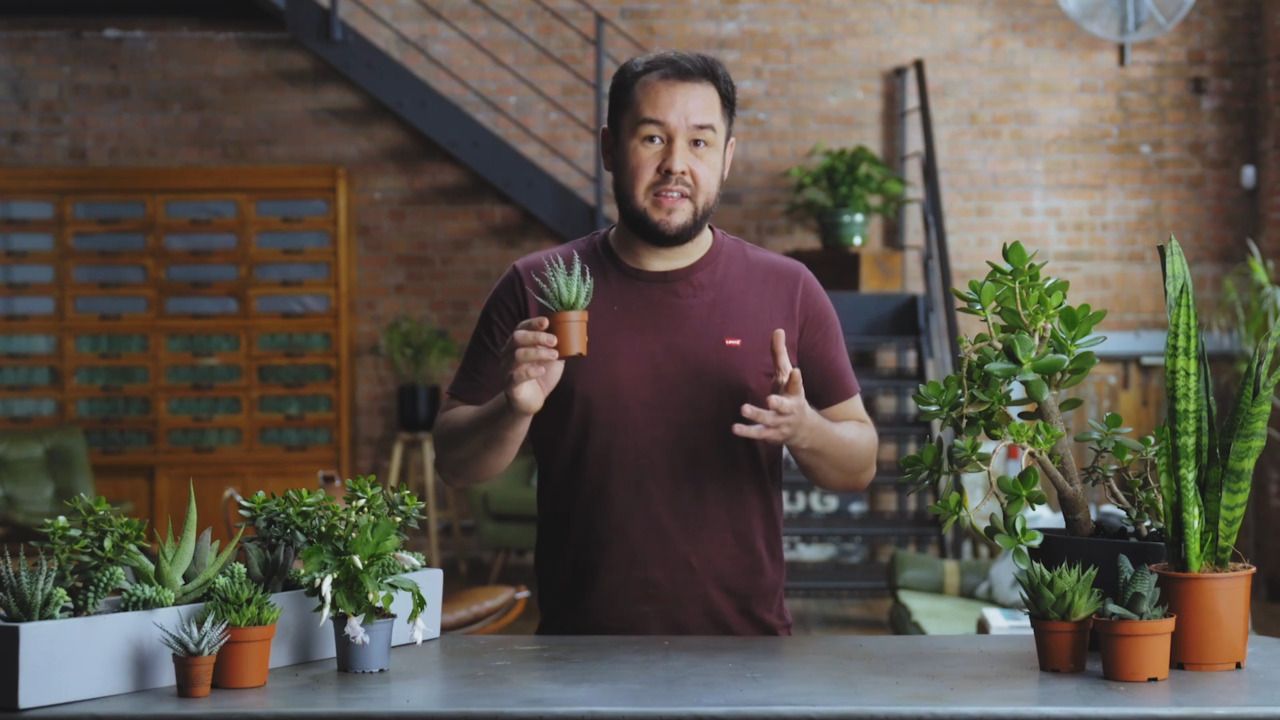
  • Succulents have swollen leaves packed with a gel that helps them retain water.
  • Plants with very thick, chunky, leathery leaves and a thicker base need watering less regularly. Leaves with a glossy sheen are designed to hamper water loss as they have a waxy, water-resistant layer.
  • The origin of the plant is a very good clue to knowing how much water it'll need. Dry, desert lands like Namibia have plants that generally need high levels of light and low levels of water. Wetland areas, swamps and rainforests as found in places like Borneo are home to plants that generally require slightly lower light and higher humidity and watering.
  • The number one cause of failure in houseplants is overwatering, if in doubt, underwatering is preferable to overwatering.
  • Consistently overwatering results in a potting medium that lacks air. The roots will quickly develop fungal and bacterial problems. Once this happens, the plant will not be able to take up water. Often the above ground symptoms of underwatering and overwatering are similar.
  • When the potting medium is extremely dry it can become hydrophobic and water cannot penetrate the root ball. Wetting agents (dish soap, hand wash) can break the surface and penetrate the root ball. A dish soap like Ariel in the UK, or Dawn's Ultra in America will work. Add a few drops of wetting agent to two or three litres of water so that the whole pot is saturated. Leave for about 10 minutes, and it will soak the water up.

Are you giving your plants too much love? Delete the plant apps and get back to basics. Set aside a day a week in winter, and two days a week in summer, to check if your plants need watering. Plants don't live to strict schedules, only water your plants if they need it.

Get the full workbook, video lessons, and more with a Create Academy subscription.

Subscribe to access the full workbook
Access all courses
$30 /month

Access 56+ courses, billed annually

Subscribe Now
Buy this course
$107 one-time

Lifetime access to this course

Buy Course

Already a member? Sign in to watch

Rated 4.7/5 on Trustpilot

437 reviews

Read more

Very good tutorial from a professional garden...

I have subscribed to access all the courses so have watched one on interior design and this one with Butter Wakefield who specialises in small garden design. She ...

Louise Brown

Apr 10, 2026

Time spent well

I love CreateAcademy. I came in for the gardening and floristry courses, but am also watching an interior design one at present. And the photography course is an ...

Wellesley

Apr 1, 2026

What a great investment

What a great investment, I have learned such a lot from the first three courses. My evenings have gone from not being able to find anything that captured my imagi...

sojojo

Mar 30, 2026

I loved this course with Amanda\u2026

I loved this course with Amanda Lindroth! Her approach to decorating is so relaxed and she makes it feel attainable. She explains the reasons behind her decisions...

Elizabeth

Mar 27, 2026

James Wong

Your Instructor

James Wong

Ethnobotanist, broadcaster, best-selling author. Youngest winner of RHS Hampton Court Flower Show.

Often referred to as the nation’s favourite botanist; plant scientist and gardening expert James Wong is a self-proclaimed botany geek, award-winning garden designer and a Royal Horticulture Society ambassador. He’s an internationally best-selling author with the inspirational ‘Grow Your Own Drugs’ and ‘Homegrown Revolution’, has presented multiple TV programmes, and is listed by The Sunday Times as one of the Top 20 most influential people in horticulture. James is perhaps the most passionate person in the world about plants; with over 500 houseplants in his tiny London flat.
Access to all courses

Get access to unlimited learning with a Create Academy subscription