





Interior and exterior confidence
Create Academy has been such a great resource. I'm in the middle of renovating a bungalow with a very large garden and the courses have offered a wealth of inform...
Harvey
Jun 10, 2026
Cut and Come Again Masterclass
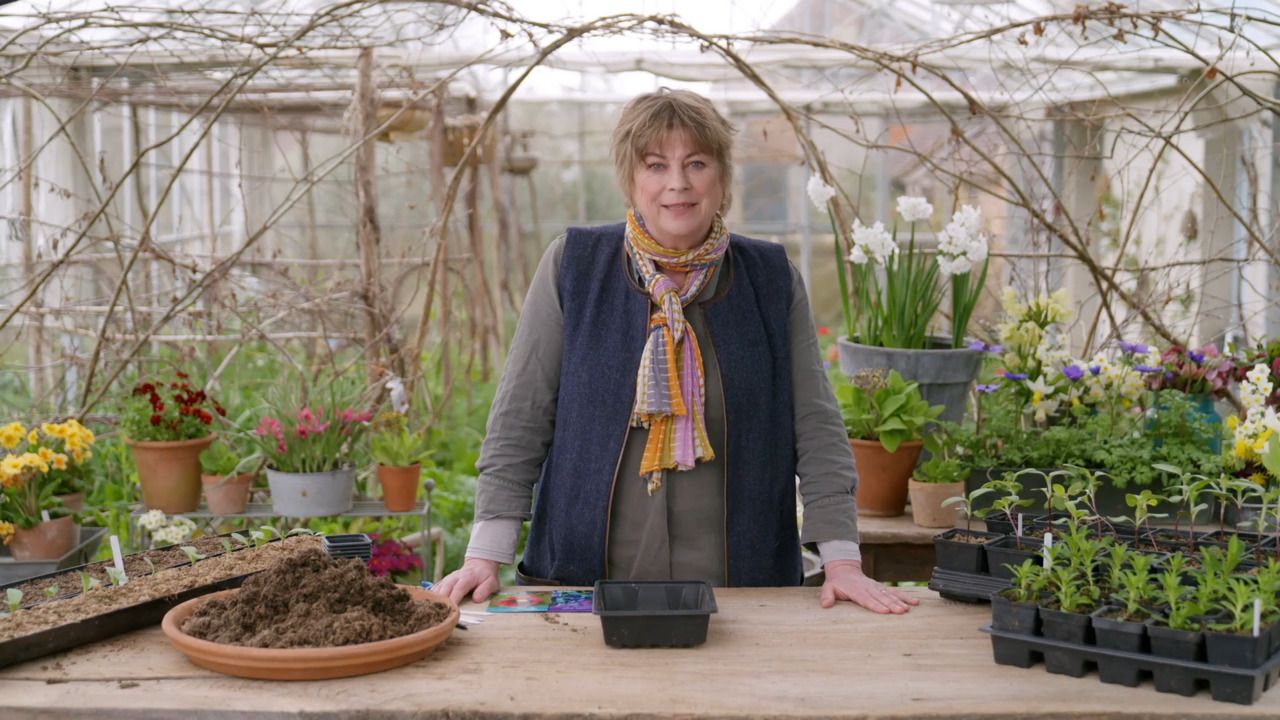
with SARAH RAVEN — Acclaimed English gardener, cook and writer. Host of the UK’s No.1 gardening podcast.
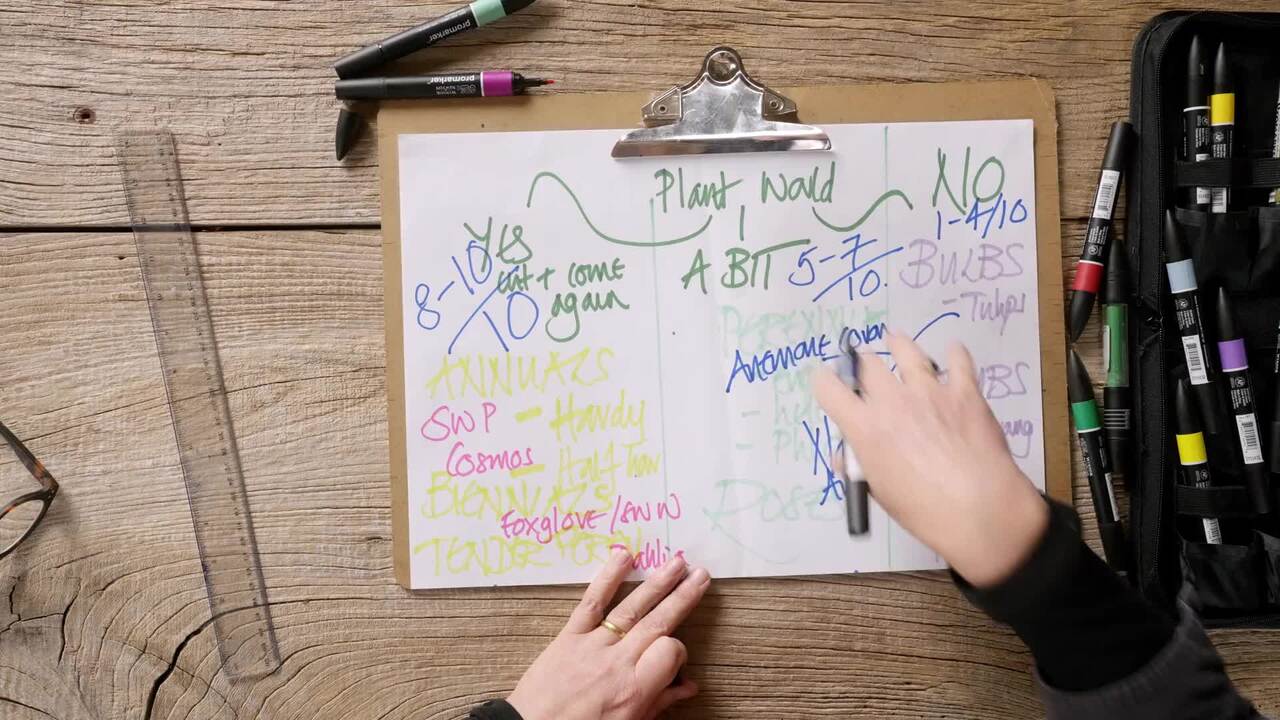
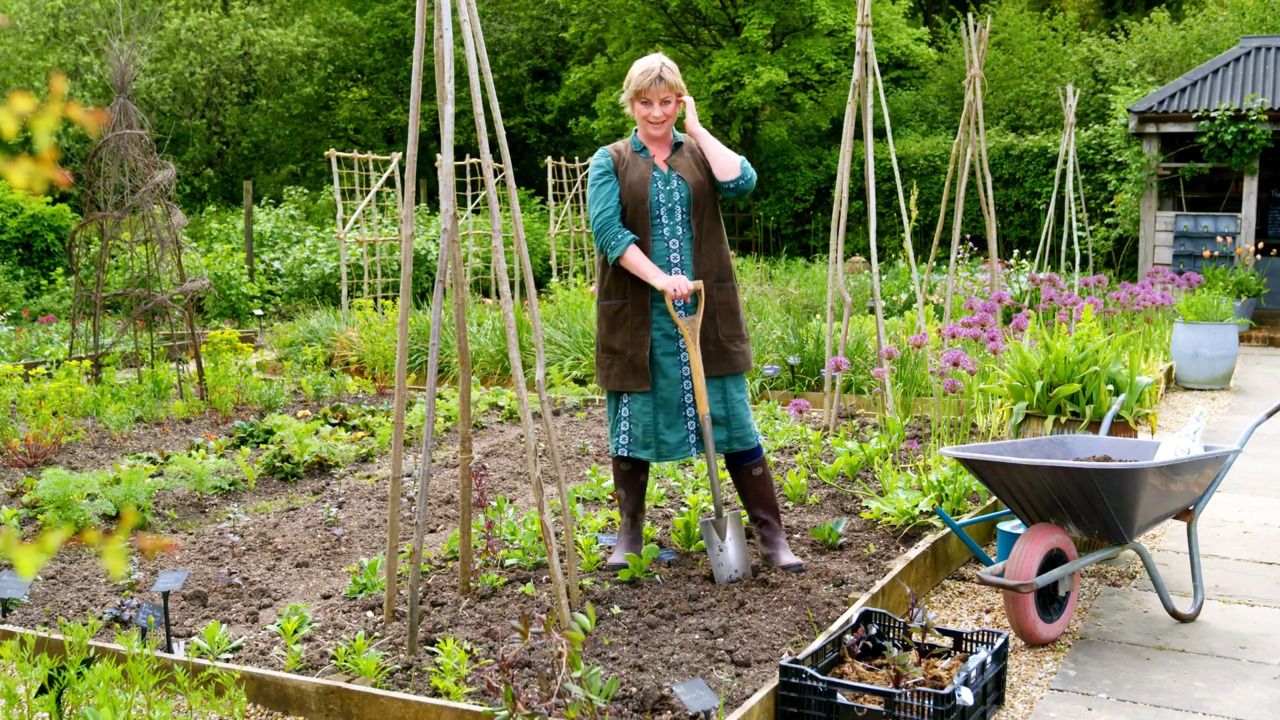
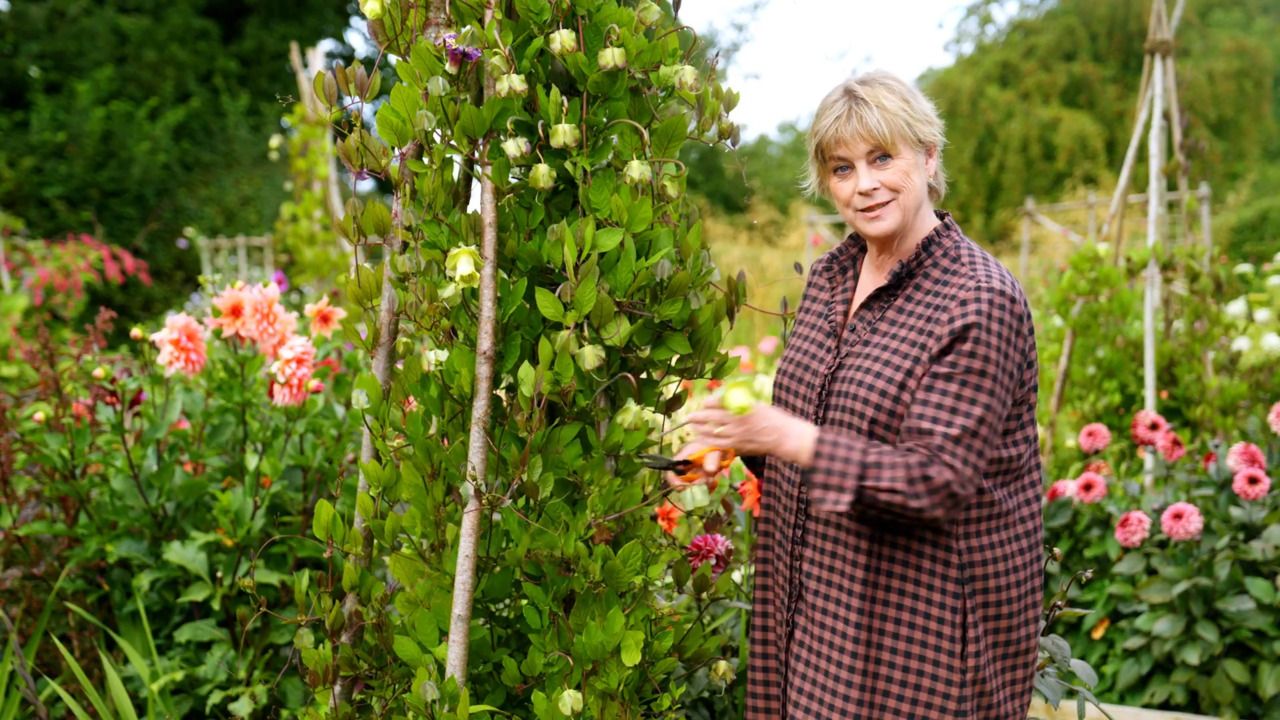
What makes cut-and-come-agains so magical? The more you pick, the more they flower. In this lesson, you’ll discover the difference between hardy annuals, biennials and tender perennials.
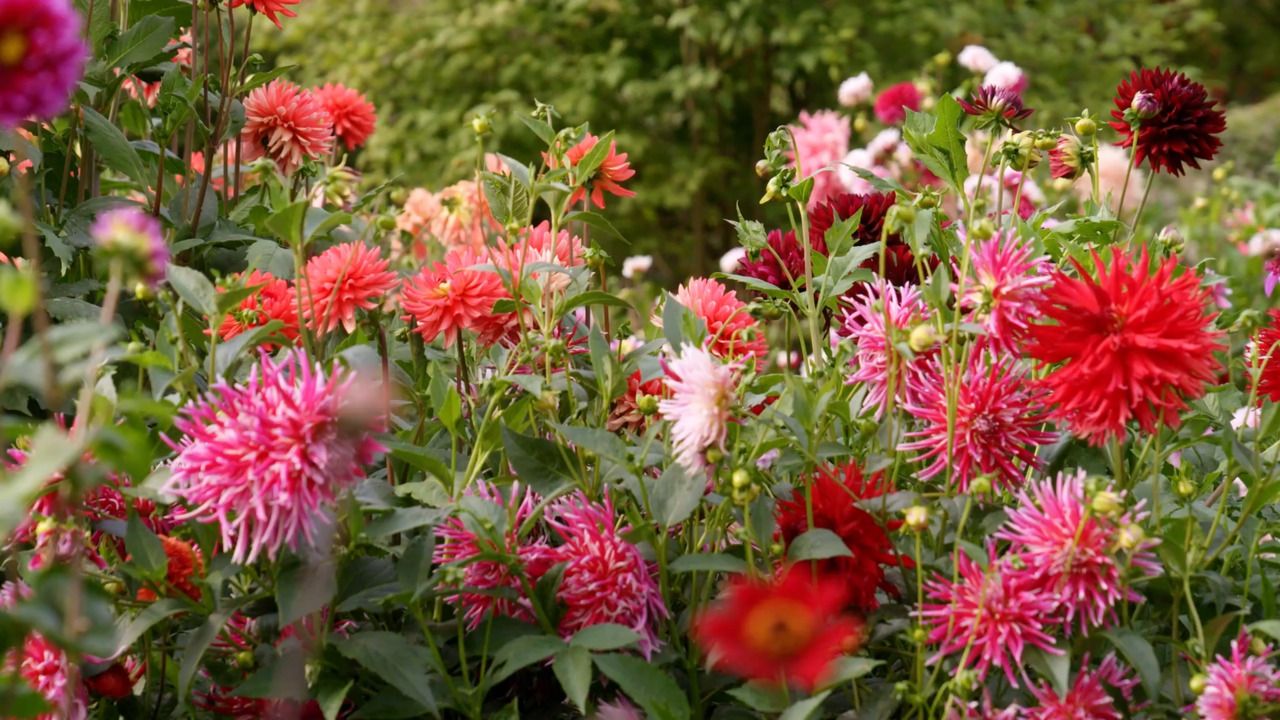
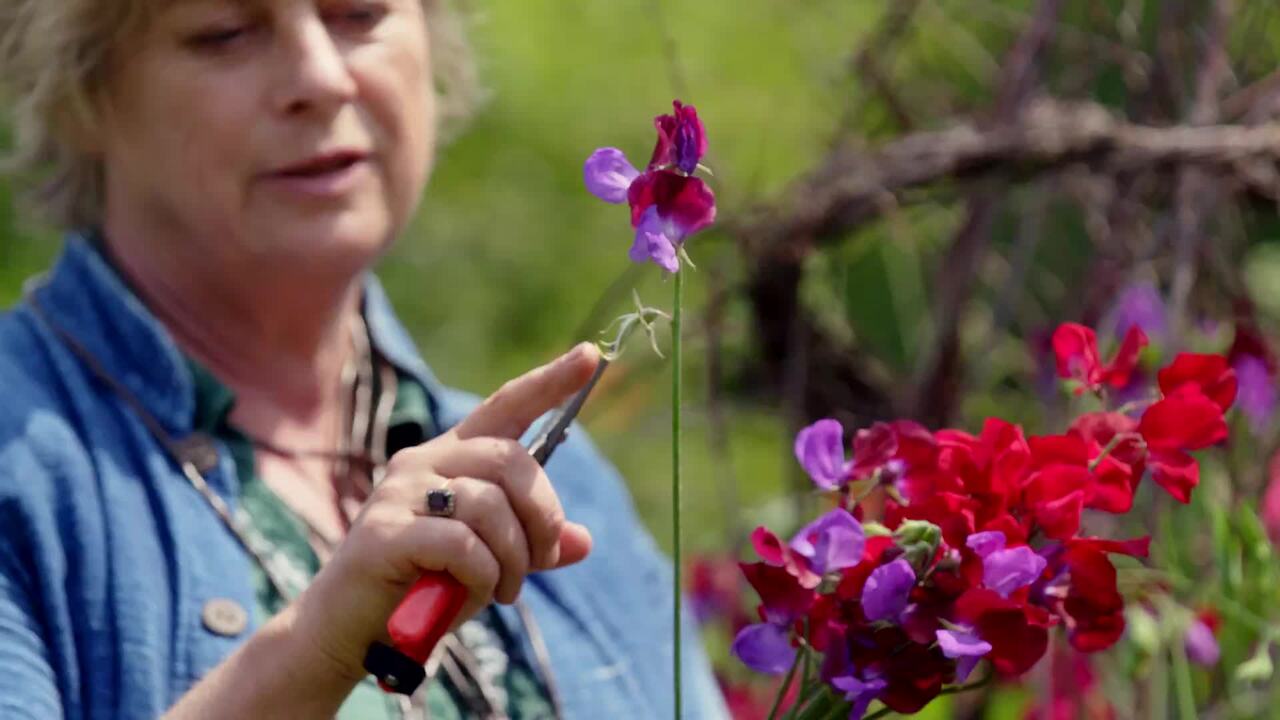
Quite simply, a cut-and-come-again plant has flowers that can be removed and then new flowers will grow in their place. This happens thanks to the branching habit of some flower species such as cosmos and dahlias.
When you cut a flower in the right place on these particular plants, you are removing apical dominance. This means that you are removing the dominance of the central stem over the side shoots. If a flower is removed correctly then axillary buds will form and you will promote the growth of two or more new flowers simply by cutting one off.
To do this successfully though, you need to cut your stems in the right place, but by doing so, you will perpetuate your harvest, so that the more you pick, the more your plants will flower.
Not all flowers are cut and come again though. Things like peonies and tulips will only produce one flower per year, but are still grown by many florists due to their beauty and popularity.
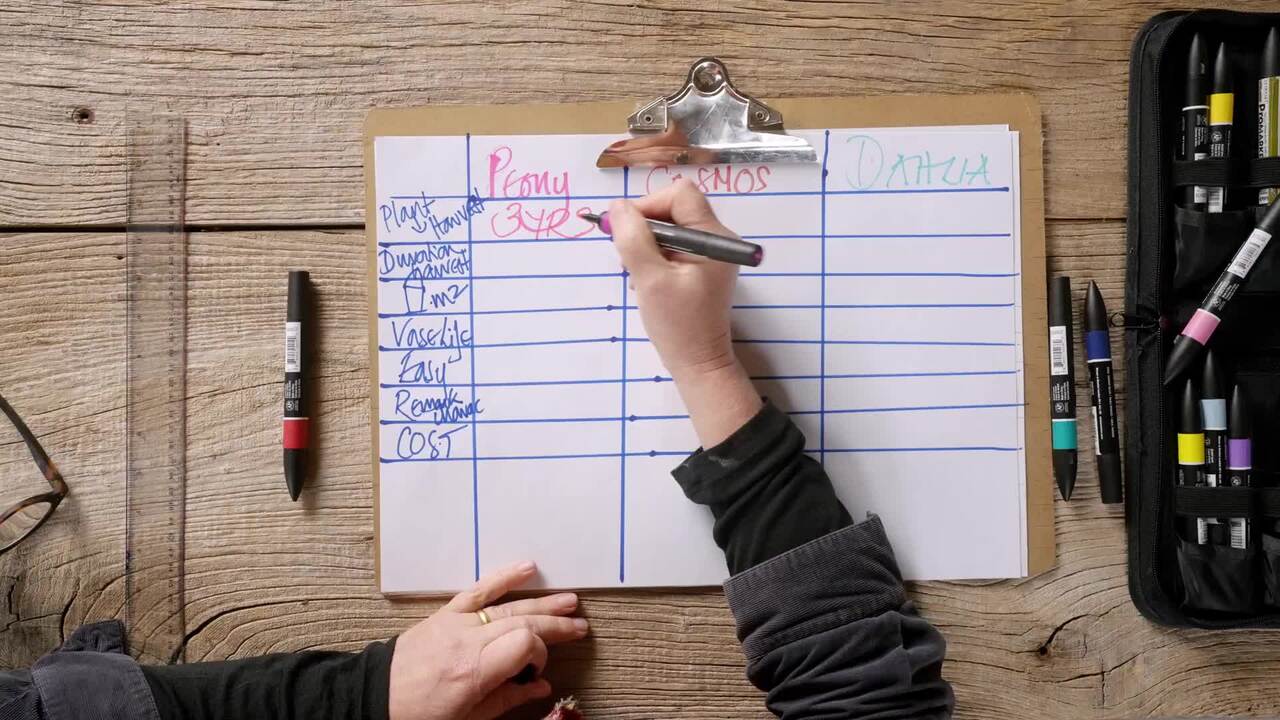
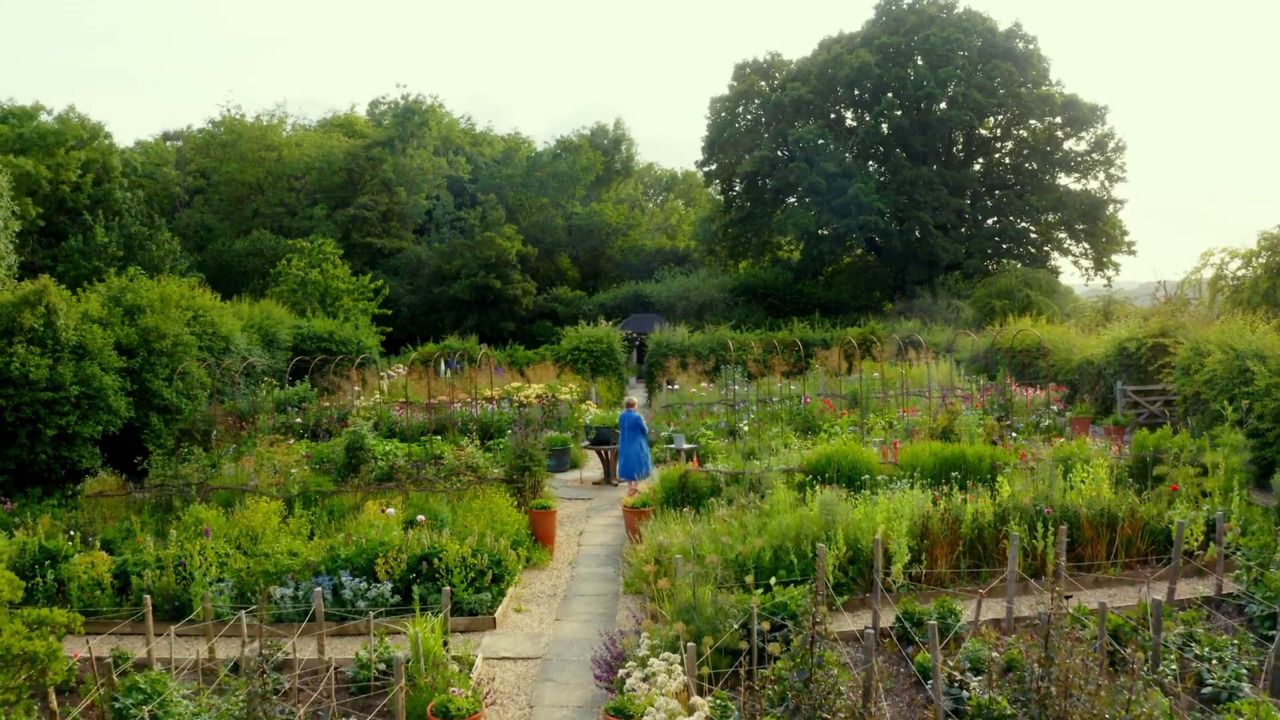
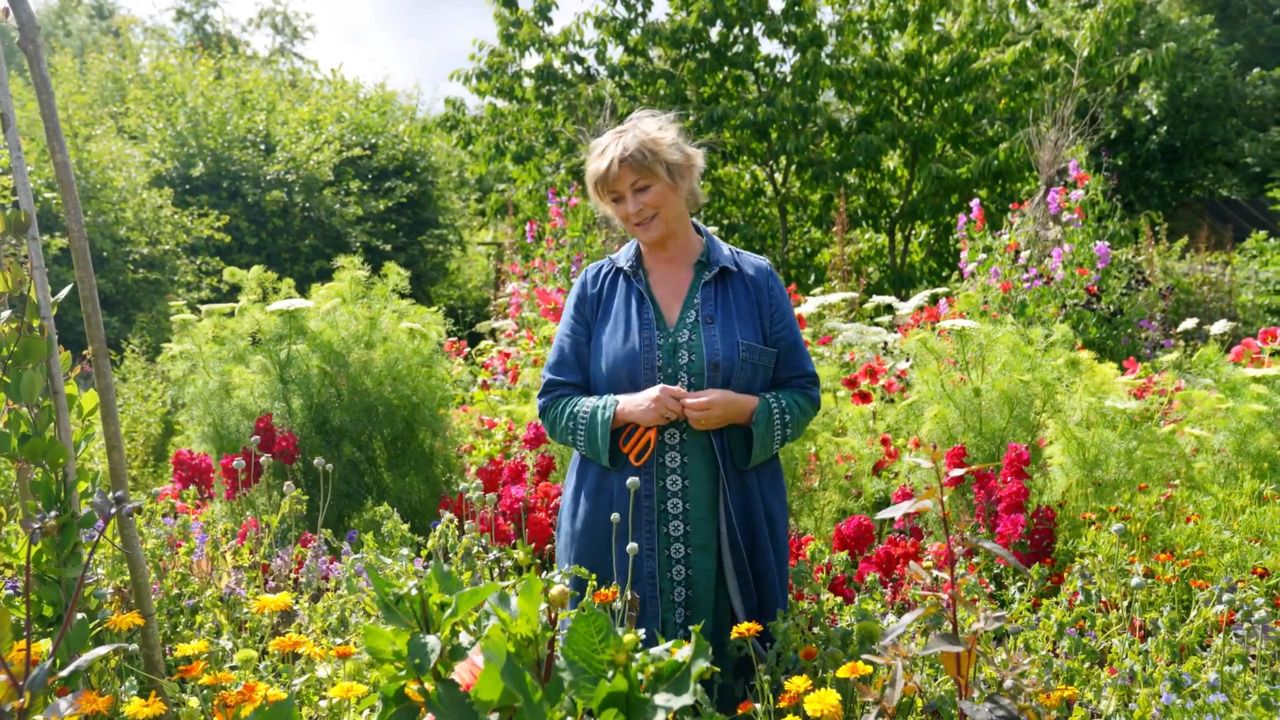
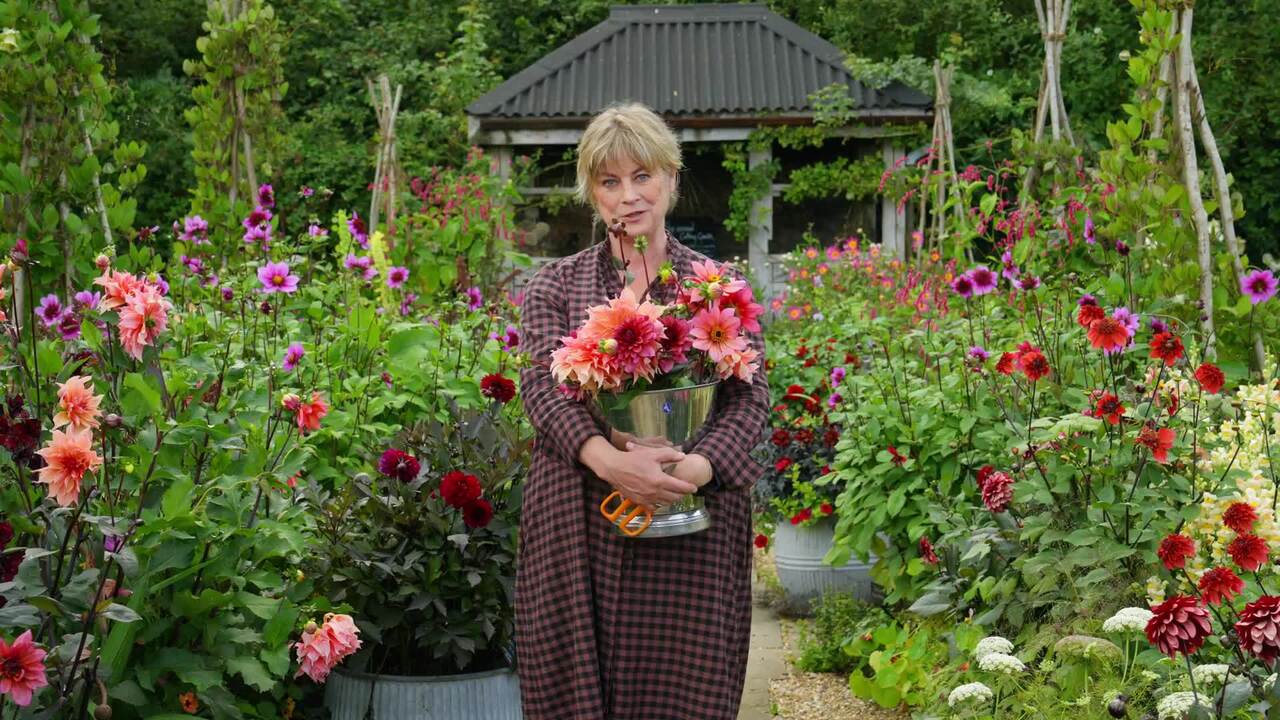
70-80% of my flower farm here at Perch Hill is 'cut and come again'. From hardy annuals to tender perennials, most of the flowers I grow score between 8/10 and 10/10 on the productivity chart.
Hardy annuals are plants that go through their whole life cycle in one year but can survive the harsher winter months.
For instance, a poppy seed that has been sown in September can grow into a seedling in the autumn and survive outdoors until the following year when it will flower.
The poppy actually benefits from overwintering as it has the chance to lay down strong roots and will also flower a bit earlier and often grow taller than a seed that has been sown in the spring.
Half-hardy annuals also go through their whole life cycle in one year, but won't be able to survive the colder winter months.
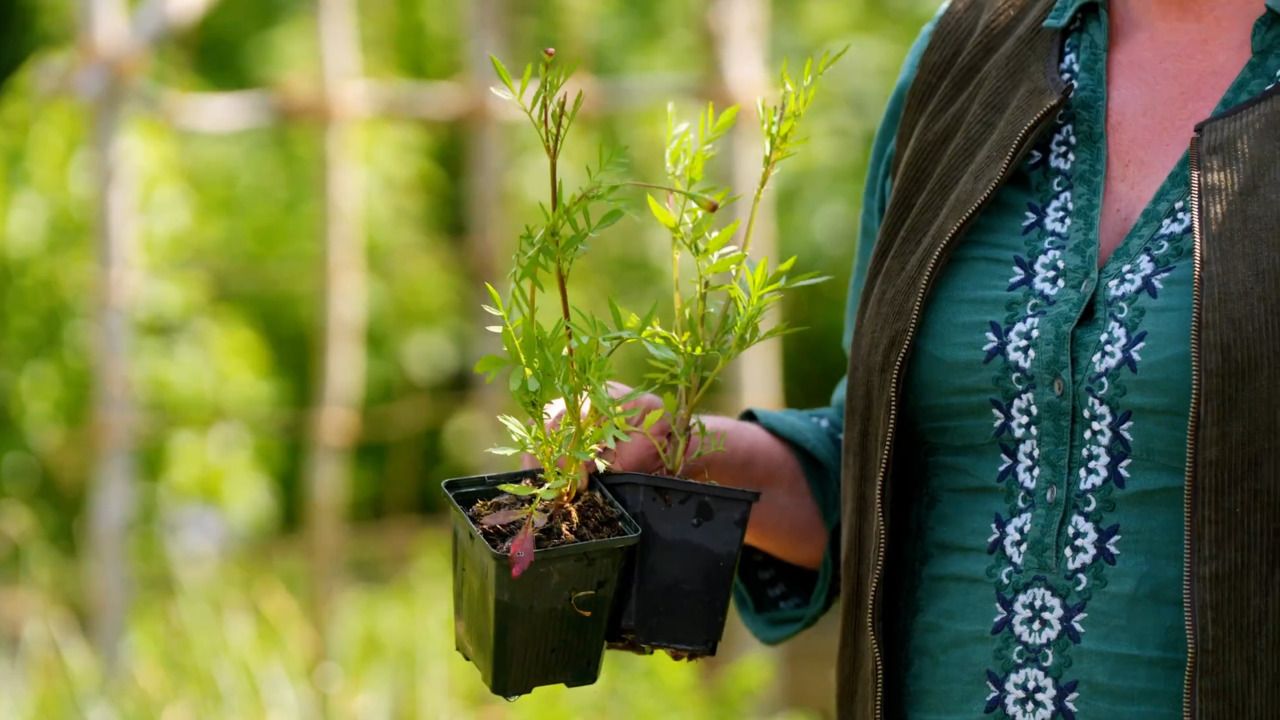
Examples of half hardy annuals include cosmos, zinnias and snapdragons and these need to be sown undercover in March or April and then planted out when all risk of frost has passed.
They will then grow and flower throughout the summer months but will die as soon as the first winter frosts hit.
Biennial plants need to grow for a whole year before they will flower the following season. Biennials need to be sown in May, June or July and they will then flower in April, May or June the following year.
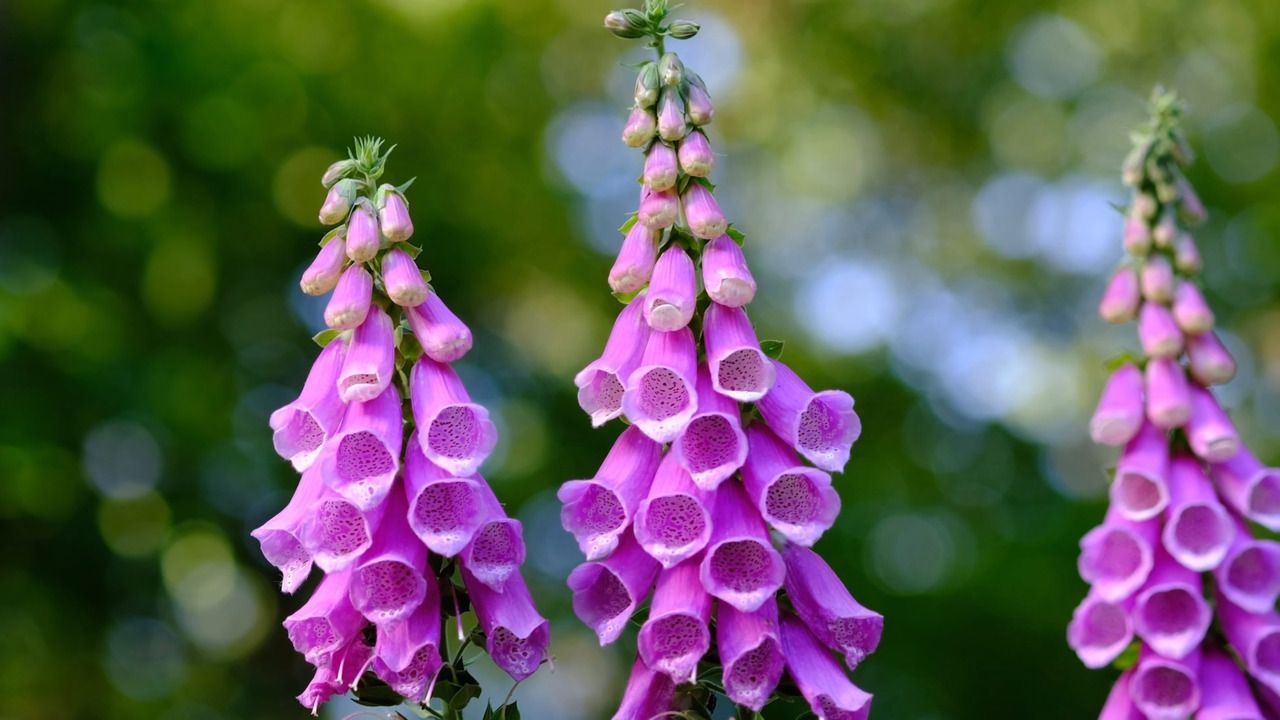
Examples of biennials include wallflowers, honesty and foxgloves. Once they have flowered they should be taken out, or you can leave them to self-seed if you want to grow more.
Herbaceous perennials are plants that last for many years, but will die back each winter. After their foliage has died back they may look like they are dead, but they will produce new growth the following spring.
Phlox is an example of a herbaceous perennial.
Perennials are plants that will live for a number of years and have their leaves above the ground all year round. Unlike tender perennials they do not die back.
An example of a hardy perennial is a hellebore.
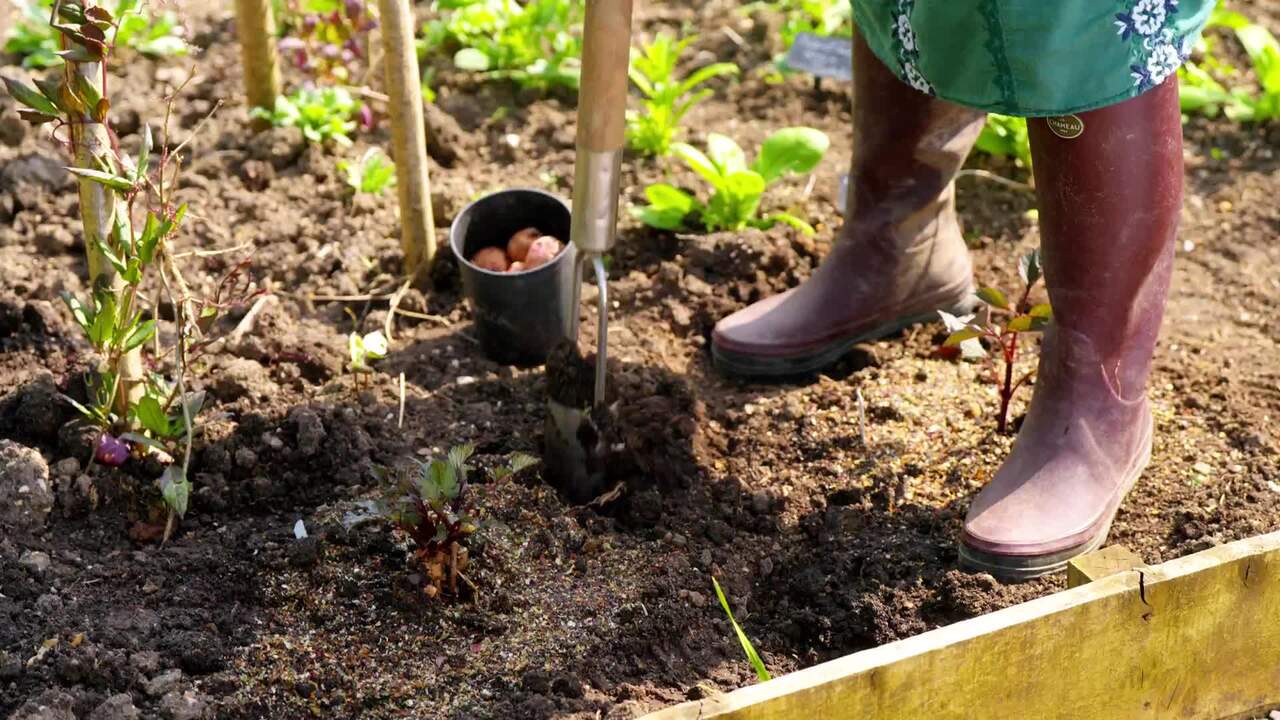
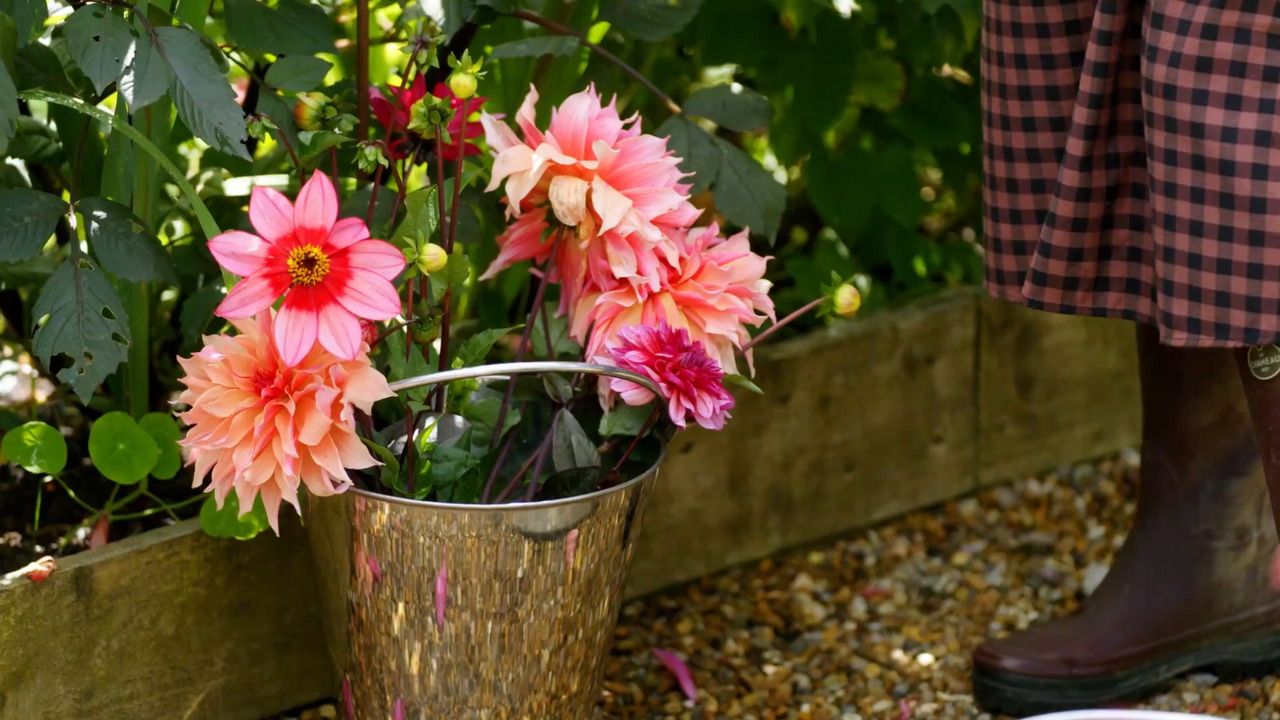
Because of climate change and warming temperatures in the UK, dahlia tubers, which once had to be lifted at the end of season, can now be left in the ground.
In order to protect the dahlia tubers, once the plants have turned in November, cut them back to the ground. You then need to cover the underground tubers in a thick layer of mulch, around eight inches over each dahlia crown.
Get the full workbook, video lessons, and more with a Create Academy subscription.
Subscribe to access the full workbookAlready a member? Sign in to watch
Sign up or log in to keep watching
By continuing, you agree to our Terms of Use and Privacy Policy.
491 reviews
Read moreCreate Academy has been such a great resource. I'm in the middle of renovating a bungalow with a very large garden and the courses have offered a wealth of inform...
Harvey
Jun 10, 2026
Absolutely love Create Academy! The instructors are extremely informative, and it is beautifully filmed. Create Academy is great value for money and plan on renew...
SG
May 31, 2026
Butter's creativity is stunning! Her ability to incorporate brilliance in small gardens is magical!
Carla
May 30, 2026
The best adventure. I like all the courses, but my favorite are both Rita Konig interior design courses and Anna Jones. Excellent!
Karolina Kluczewska
May 20, 2026
Create Academy has been such a great resource. I'm in the middle of renovating a bungalow with a very large garden and the courses have offered a wealth of information to dive into and explore new ideas. I'm...
Harvey
Jun 10, 2026
Absolutely love Create Academy! The instructors are extremely informative, and it is beautifully filmed. Create Academy is great value for money and plan on renewing my subscription yearly because there are ...
SG
May 31, 2026
Butter's creativity is stunning! Her ability to incorporate brilliance in small gardens is magical!
Carla
May 30, 2026

Your Instructor
Acclaimed English gardener, cook and writer. Host of the UK’s No.1 gardening podcast.
Sarah Raven is a renowned English gardener, cook and award-winning author. She is an inspirational and passionate teacher - combining her decades of experience with her scientific approach to growing (she is medically trained) - and has been running cooking, flower arranging and gardening courses at Perch Hill, her 90-acre farm in East Sussex, and around the UK for over 30 years. She has written for a host of major publications - including House & Garden, The Saturday Telegraph, Country Living, Gardens Illustrated, Gardeners’ World Magazine and The English Garden - and presented on TV shows including Gardeners' World and BBC’s Great British Garden Revival. Her gardening and cookery books have won numerous awards including ‘Best Specialist Gardening Book’ for The Cutting Garden and ‘Cookery Book of the Year’ for Sarah Raven's Garden Cookbook. Sarah is married to the writer Adam Nicolson, Vita Sackville-West's grandson. She also has an online shop that is a brilliant destination for plants, bulbs, seeds, tools and all things garden.

Access to all courses


