

Interior and exterior confidence
Create Academy has been such a great resource. I'm in the middle of renovating a bungalow with a very large garden and the courses have offered a wealth of inform...
Harvey
Jun 10, 2026
Cut and Come Again Masterclass
with SARAH RAVEN — Acclaimed English gardener, cook and writer. Host of the UK’s No.1 gardening podcast.
Lesson 7 of 48
Subscribe to watch
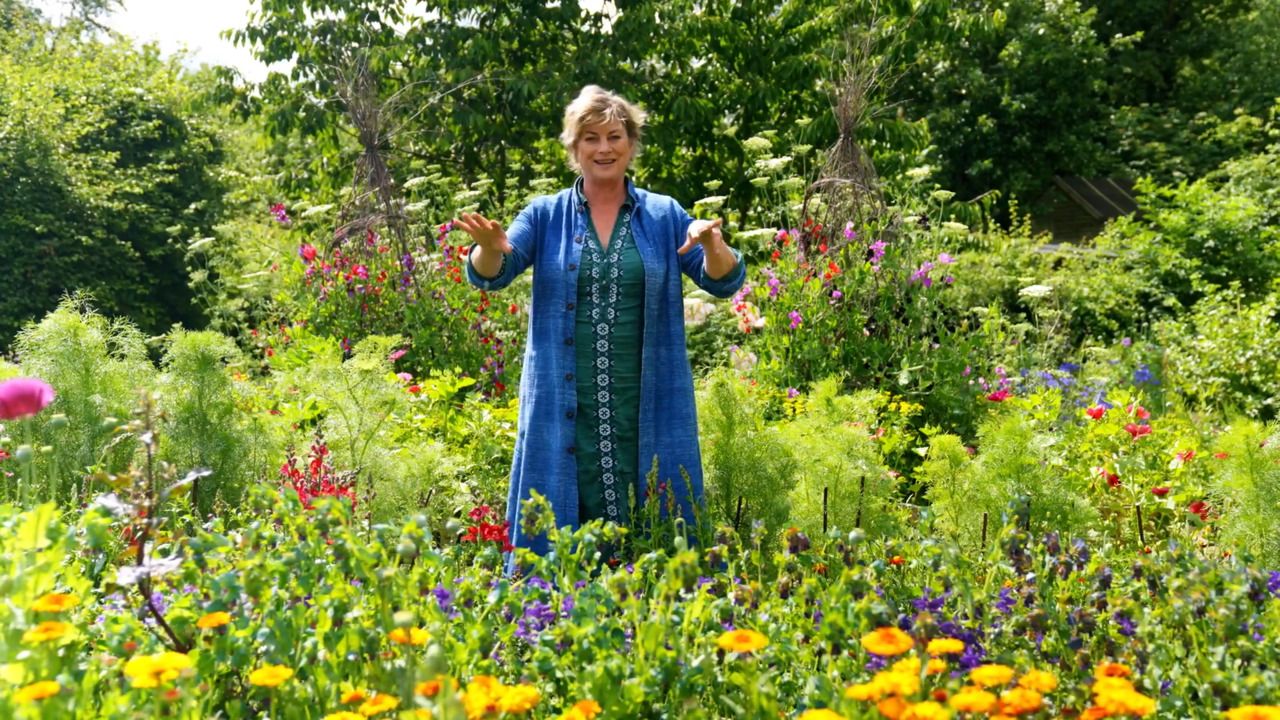
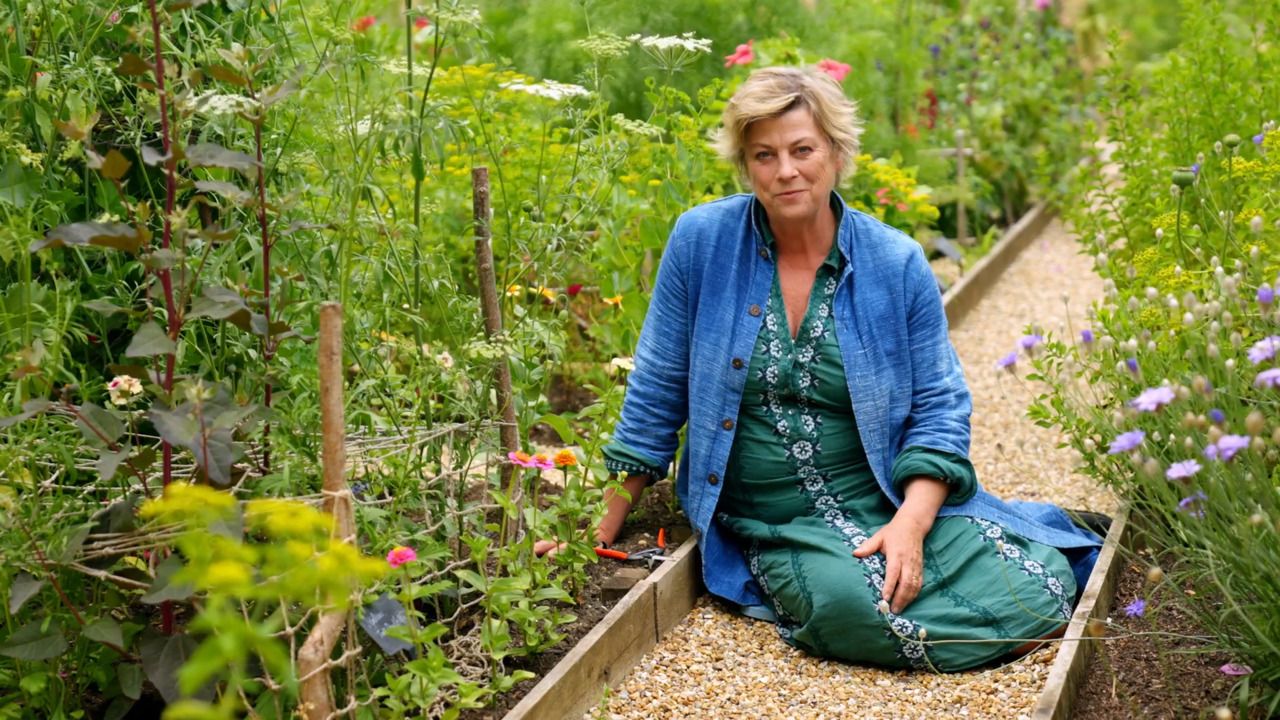
In this lesson, you’ll learn how to identify your soil type and discover the conditions you need to grow cut flowers successfully.
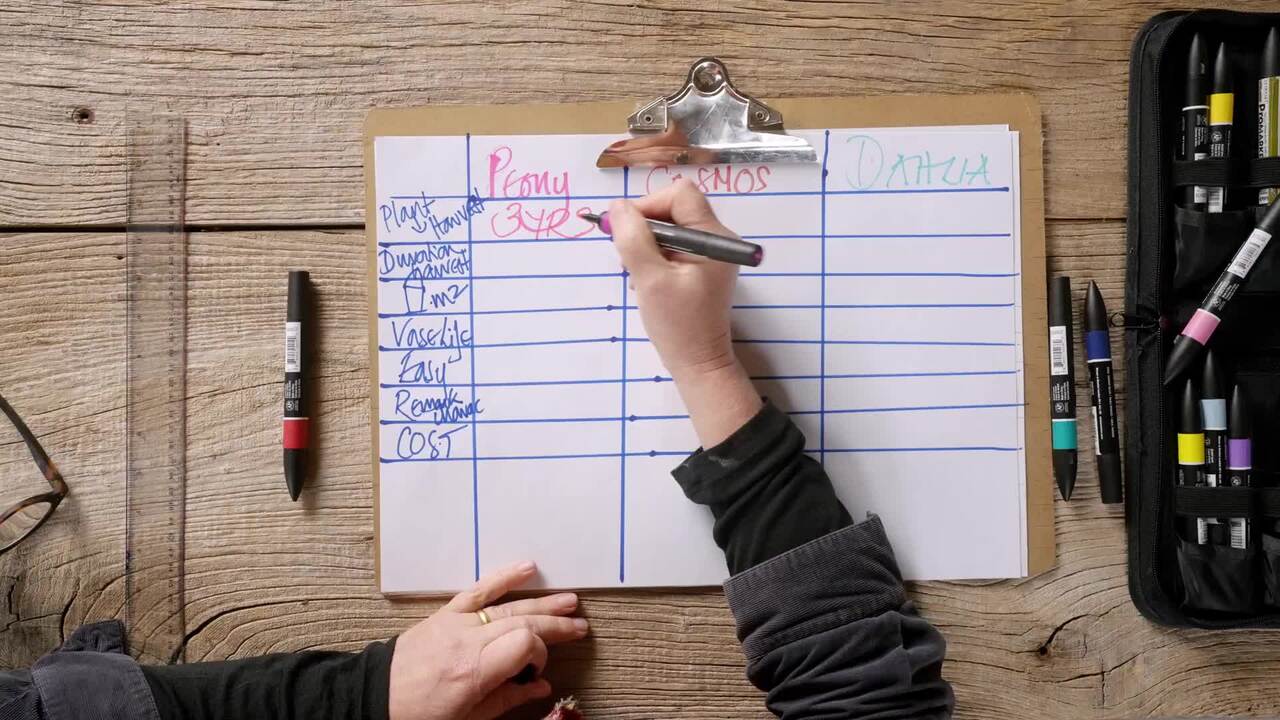
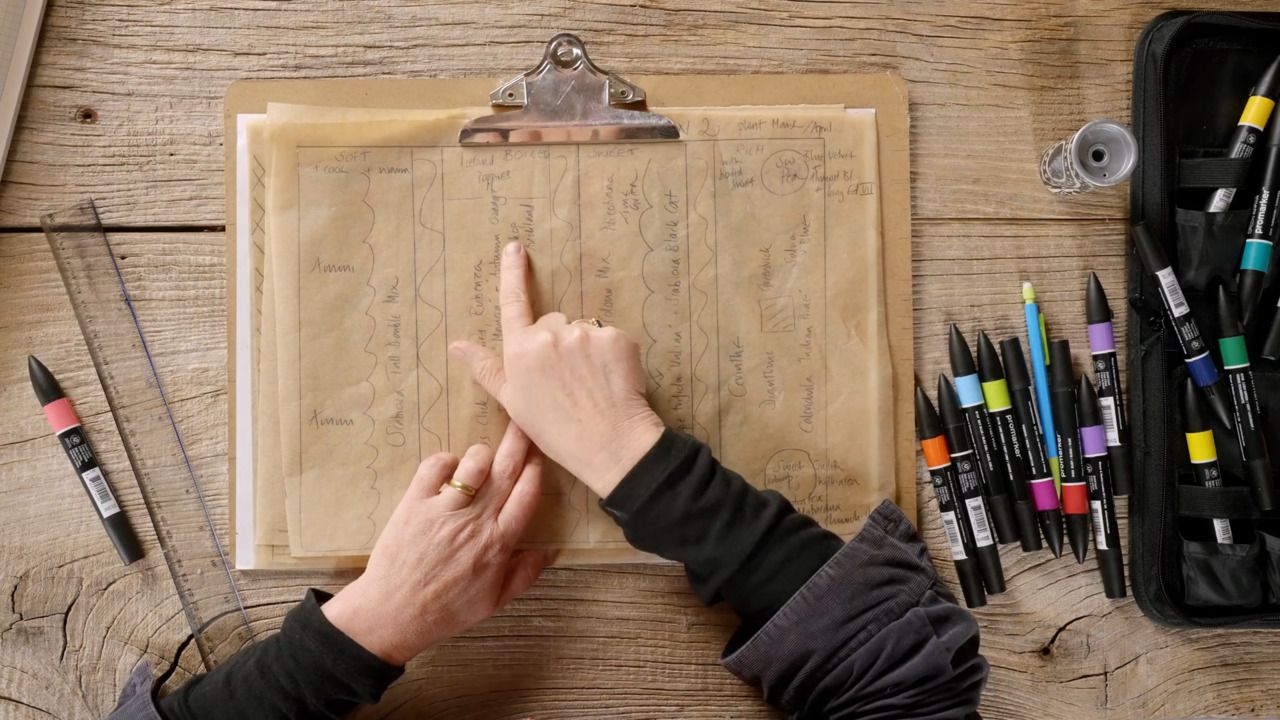
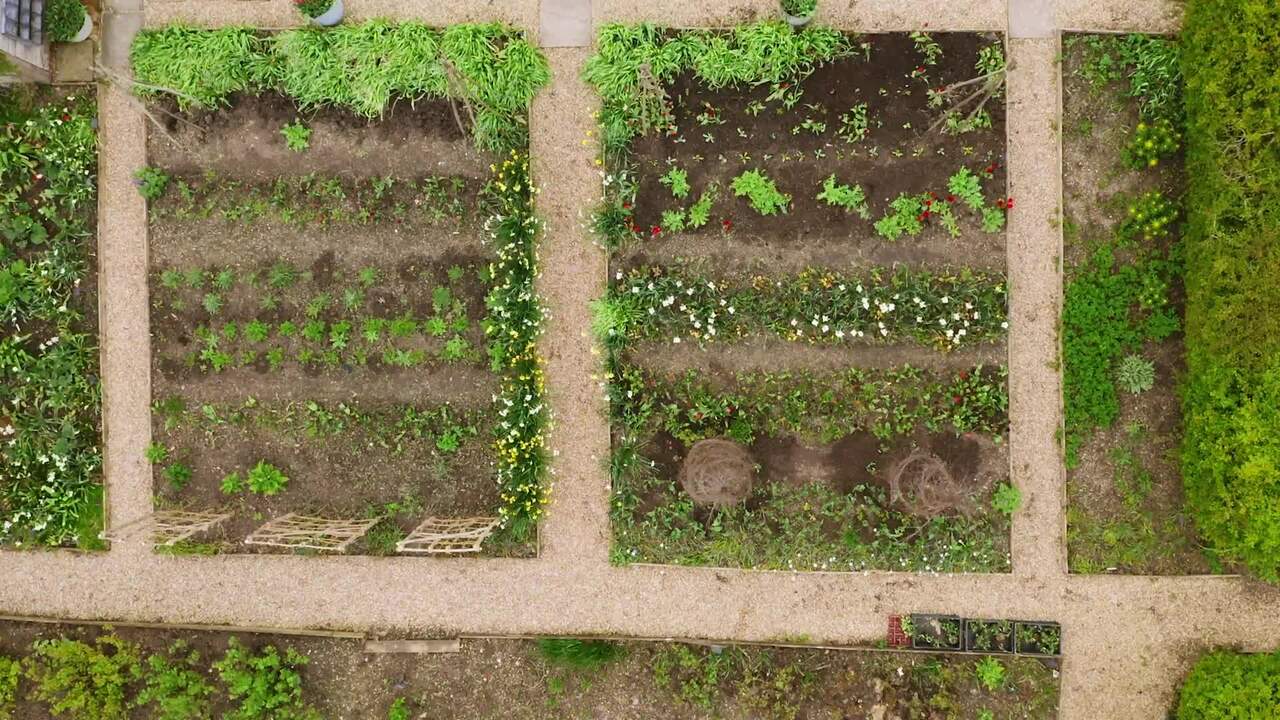
Designing your garden in the winter makes things much easier when the warmer months roll around. From your design you can then create a sowing plan, which will help you to see what you should be doing each month. A sowing plan will also help you to get the most out of your plot and use your space as efficiently as possible.
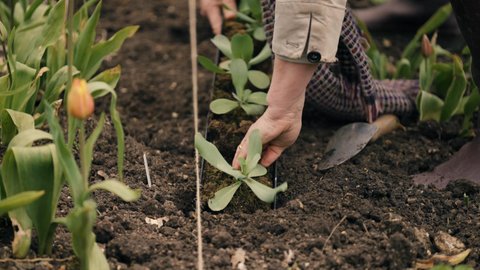
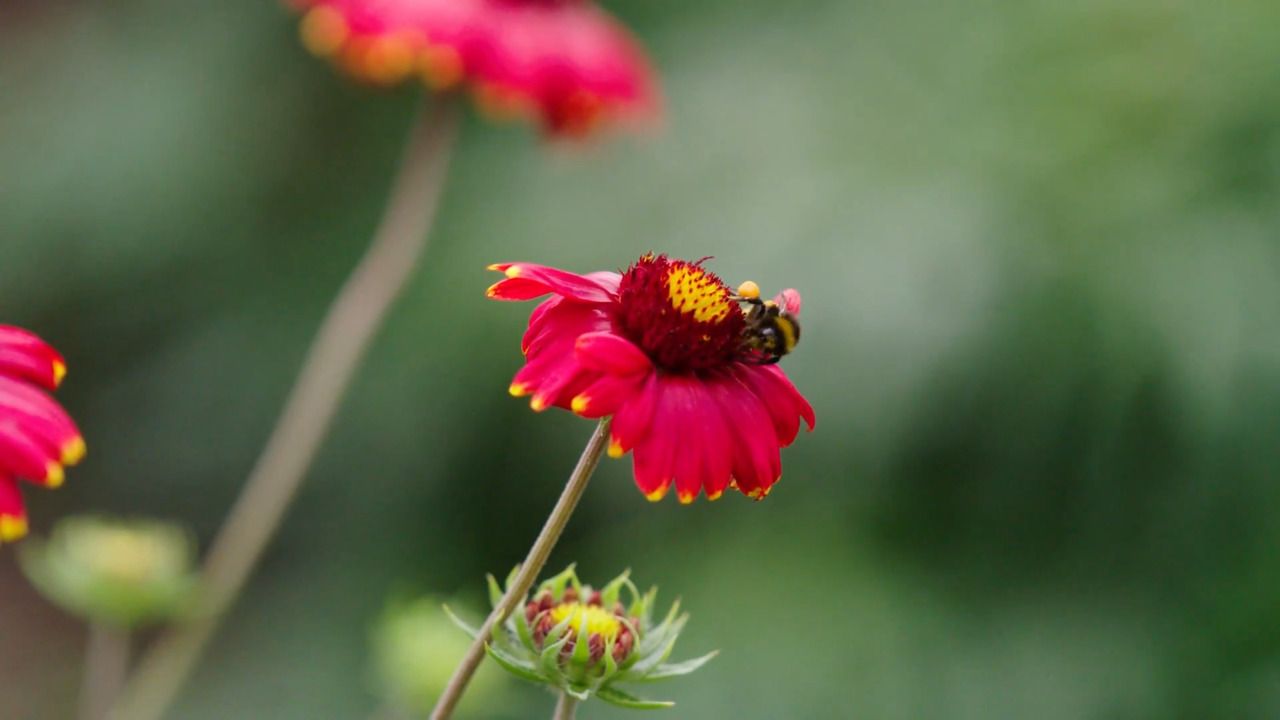
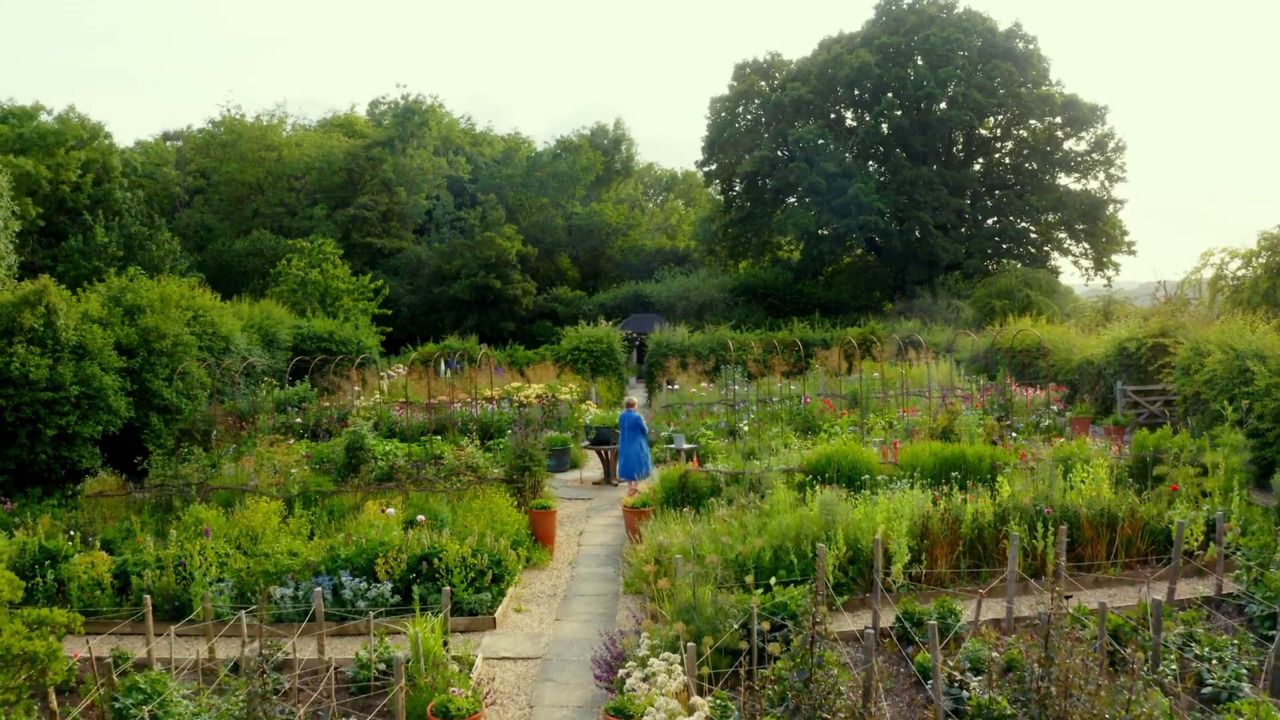
In order to make the most of your cut flower patch, you also need to put it in the right part of your garden. Annuals make their food from the sun, so if you put them in the shade they won't be very productive. Choose the sunniest spot in your garden for your cut flower patch and you will get good results, year after year.
The way in which you garden in the first few years will be dependent on the type of soil you have. If you're lucky enough to have a rich, loamy soil then you won't have to do much soil improvement, but if your soil is heavy clay or chalk, you will have to put in more groundwork.
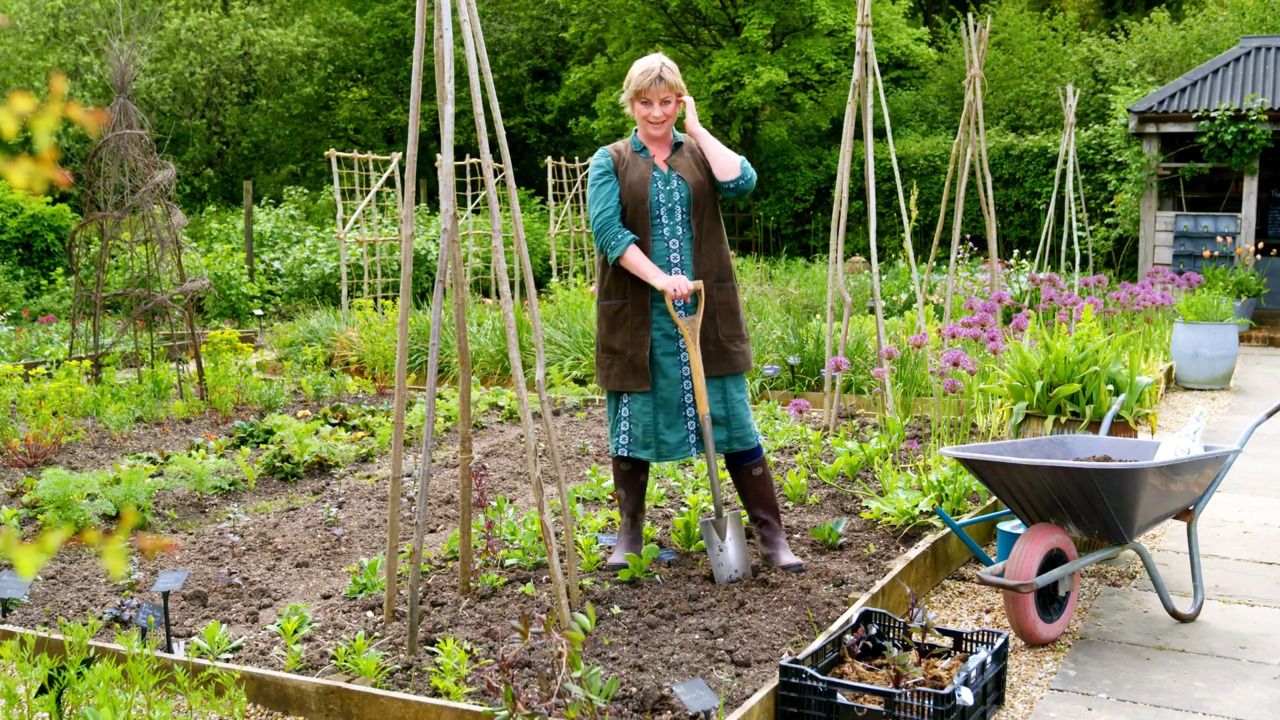
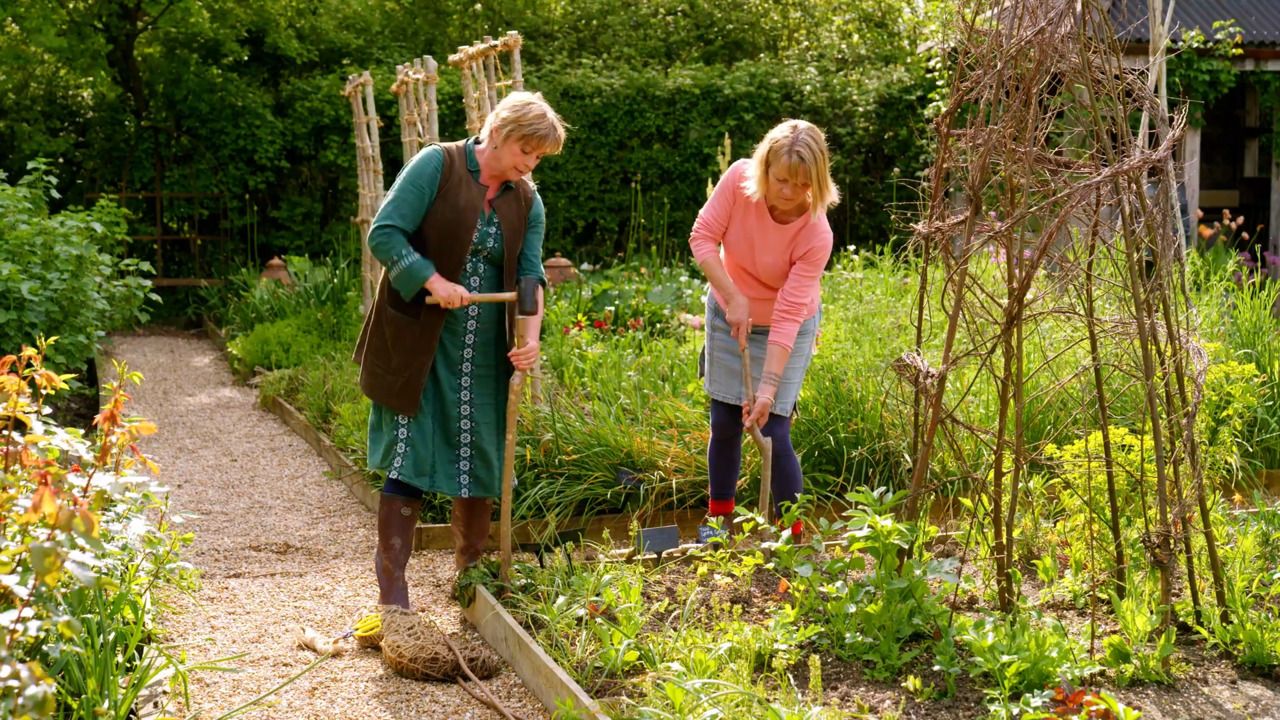
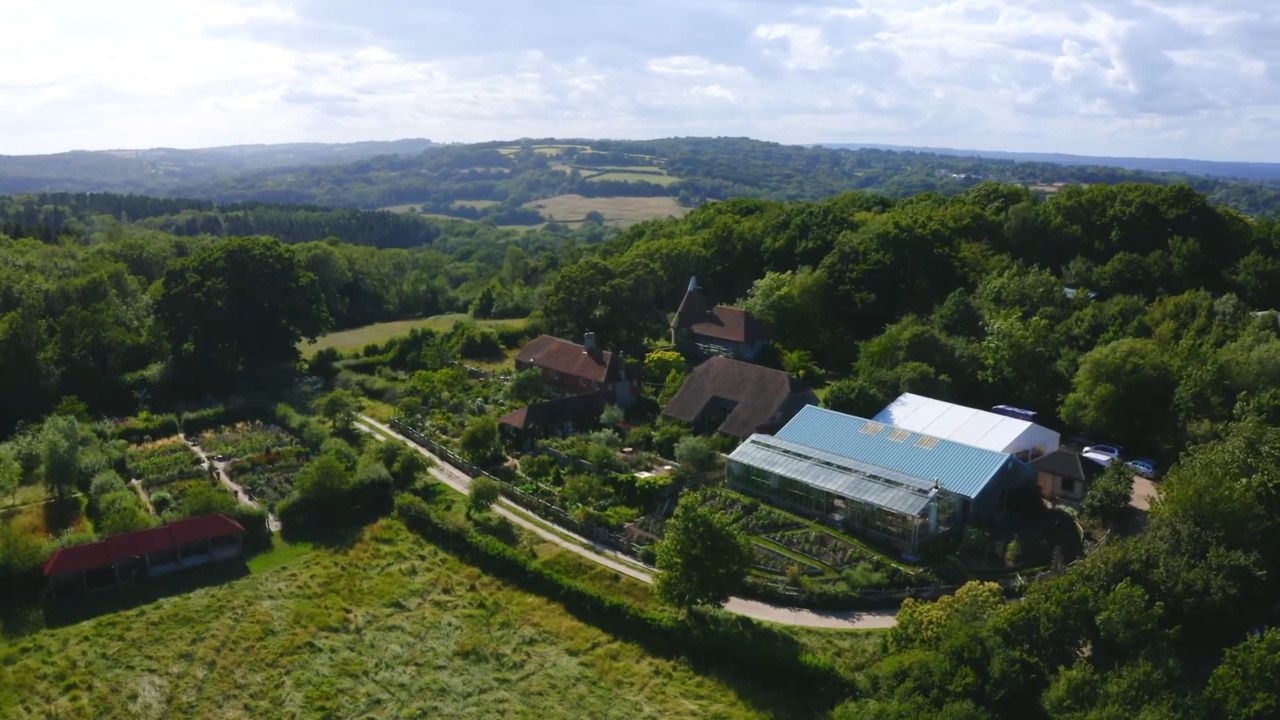
Perch Hill sits on heavy clay, in the first five years of our cut flower garden we regularly dug organic matter into our soil, as well as horticultural grit to add drainage.
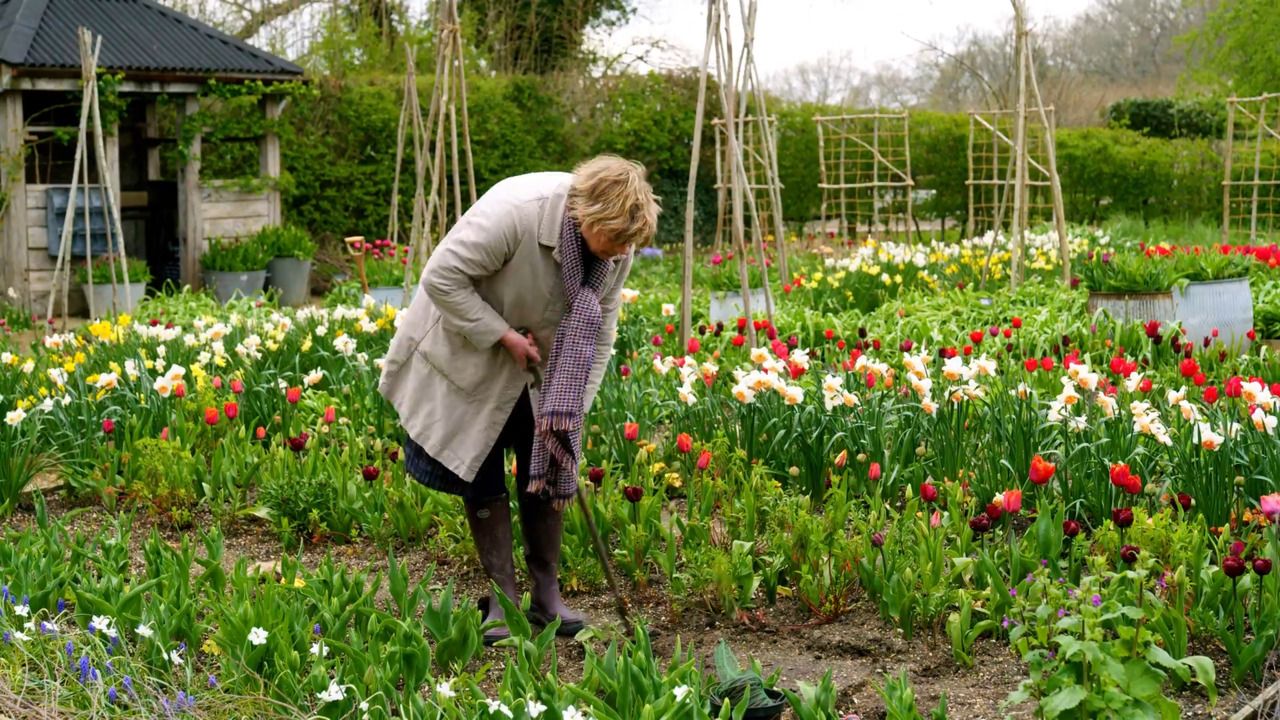
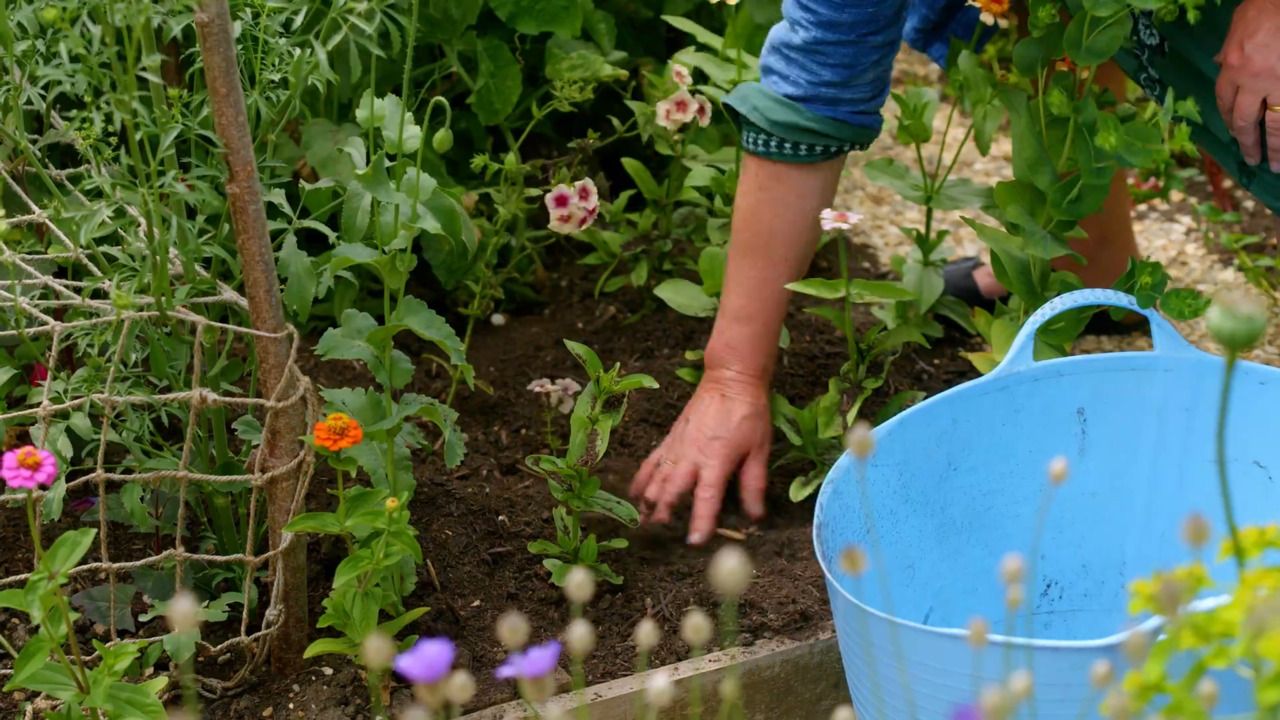
Now, we are able to use the no-dig method as our soil is now very workable as it's been built up over 15 years. We still mulch regularly though, but now we leave it up to the worms to draw it down into the soil below.
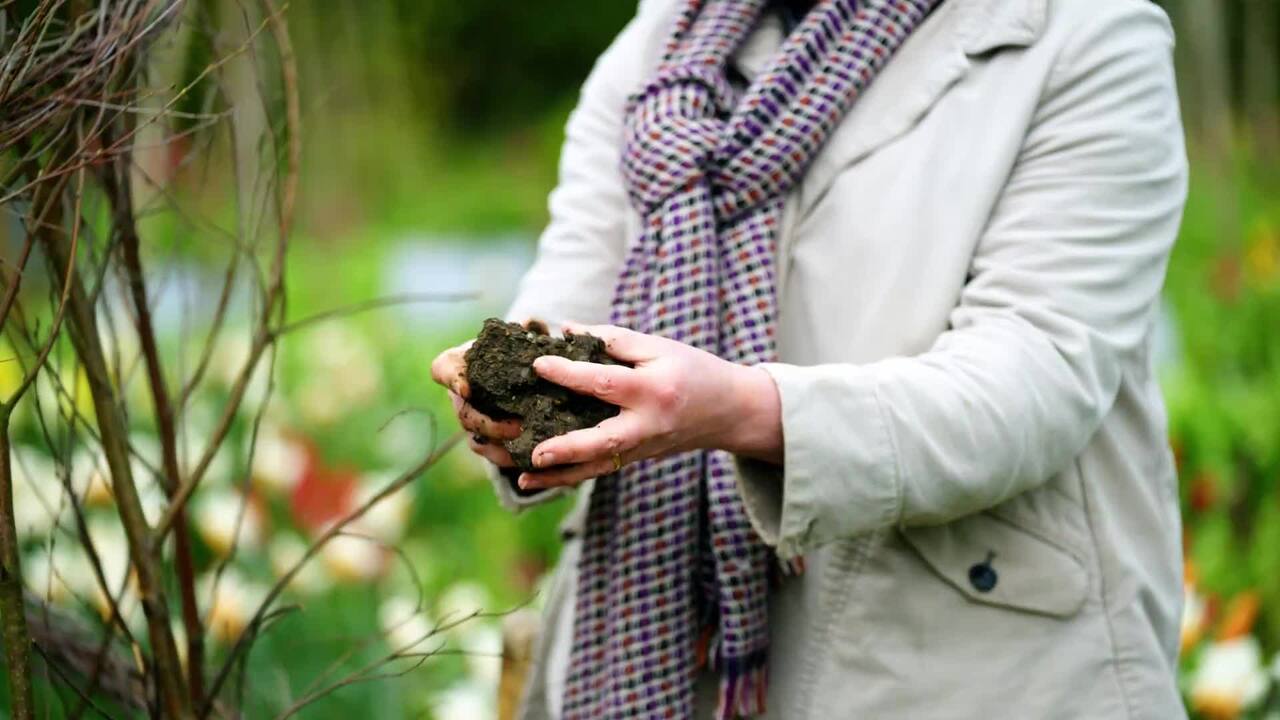
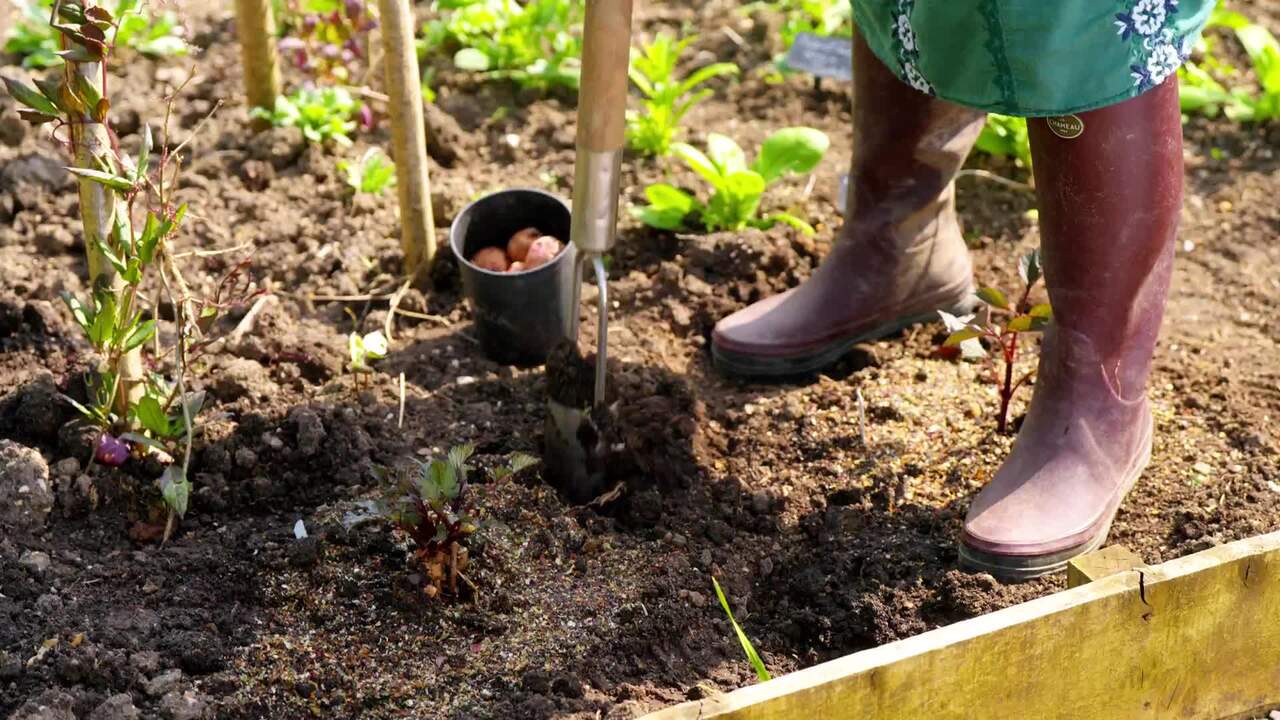
To discover more about your soil, dig a hole in your garden and see if you can physically see what type of soil you have. If you can see chalk or heavy clay, then this is a clear indication of your soil type.
If it is less clear cut, pick up your soil and feel it. Does it feel gritty or slimy? If it's gritty then your soil is sand based, if it's slimy then you probably have a clay base.
If your soil is heavy clay then consider raising the level of your beds so you can add in more organic matter. This means you'll be planting into lighter topsoil, composed of organic matter, rather than heavy clay.
While the no-dig method is better for the structure of the soil, we weren't able to start doing this from day one due to the heaviness of the clay.
It is only after building up our topsoil by regularly digging in organic matter that we have been able to improve it. This means we are now able to garden with more sustainable principles in mind.
Get the full workbook, video lessons, and more with a Create Academy subscription.
Subscribe to access the full workbookAlready a member? Sign in to watch
491 reviews
Read moreCreate Academy has been such a great resource. I'm in the middle of renovating a bungalow with a very large garden and the courses have offered a wealth of inform...
Harvey
Jun 10, 2026
Absolutely love Create Academy! The instructors are extremely informative, and it is beautifully filmed. Create Academy is great value for money and plan on renew...
SG
May 31, 2026
Butter's creativity is stunning! Her ability to incorporate brilliance in small gardens is magical!
Carla
May 30, 2026
The best adventure. I like all the courses, but my favorite are both Rita Konig interior design courses and Anna Jones. Excellent!
Karolina Kluczewska
May 20, 2026
Create Academy has been such a great resource. I'm in the middle of renovating a bungalow with a very large garden and the courses have offered a wealth of information to dive into and explore new ideas. I'm...
Harvey
Jun 10, 2026
Absolutely love Create Academy! The instructors are extremely informative, and it is beautifully filmed. Create Academy is great value for money and plan on renewing my subscription yearly because there are ...
SG
May 31, 2026
Butter's creativity is stunning! Her ability to incorporate brilliance in small gardens is magical!
Carla
May 30, 2026

Your Instructor
Acclaimed English gardener, cook and writer. Host of the UK’s No.1 gardening podcast.
Sarah Raven is a renowned English gardener, cook and award-winning author. She is an inspirational and passionate teacher - combining her decades of experience with her scientific approach to growing (she is medically trained) - and has been running cooking, flower arranging and gardening courses at Perch Hill, her 90-acre farm in East Sussex, and around the UK for over 30 years. She has written for a host of major publications - including House & Garden, The Saturday Telegraph, Country Living, Gardens Illustrated, Gardeners’ World Magazine and The English Garden - and presented on TV shows including Gardeners' World and BBC’s Great British Garden Revival. Her gardening and cookery books have won numerous awards including ‘Best Specialist Gardening Book’ for The Cutting Garden and ‘Cookery Book of the Year’ for Sarah Raven's Garden Cookbook. Sarah is married to the writer Adam Nicolson, Vita Sackville-West's grandson. She also has an online shop that is a brilliant destination for plants, bulbs, seeds, tools and all things garden.
Access to all courses


.jpg)