

Interior and exterior confidence
Create Academy has been such a great resource. I'm in the middle of renovating a bungalow with a very large garden and the courses have offered a wealth of inform...
Harvey
Jun 10, 2026
Handsewn Lampshade Masterclass
with CHLOE JONASON — Designer and soft furnishing expert specialising in vintage textiles and hand-crafted homewares.
Lesson 13 of 21
Subscribe to watch
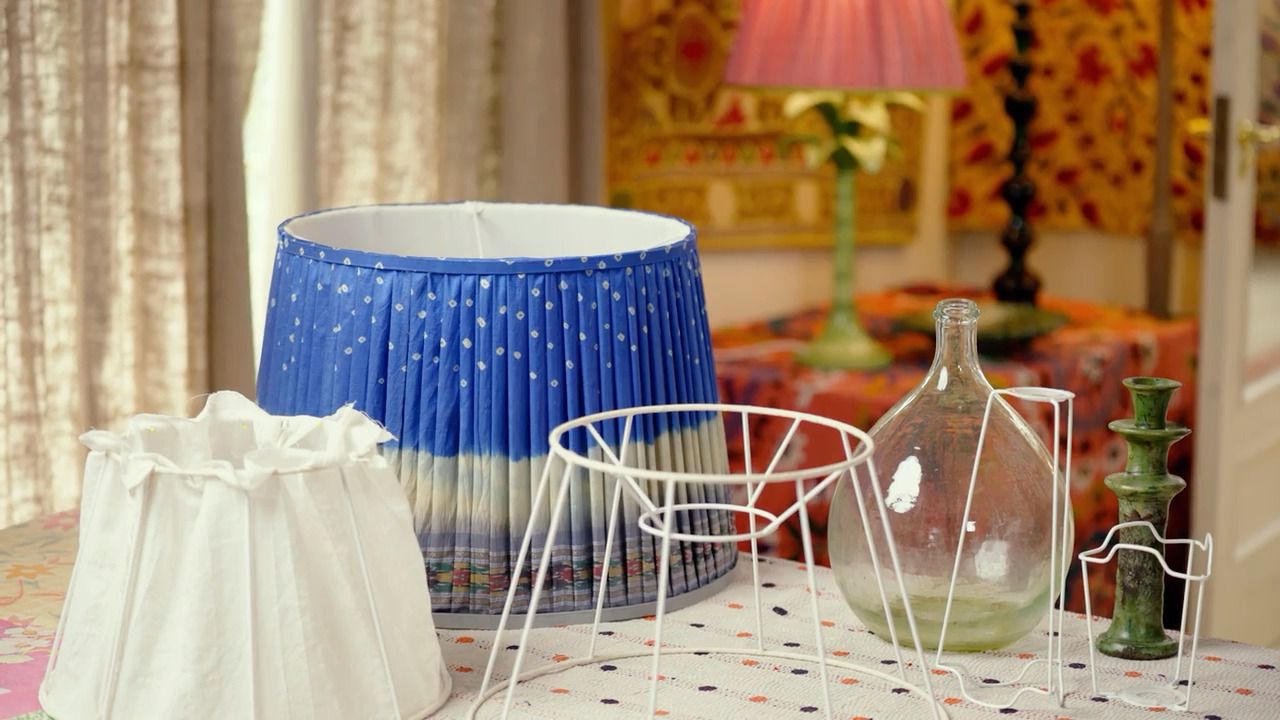
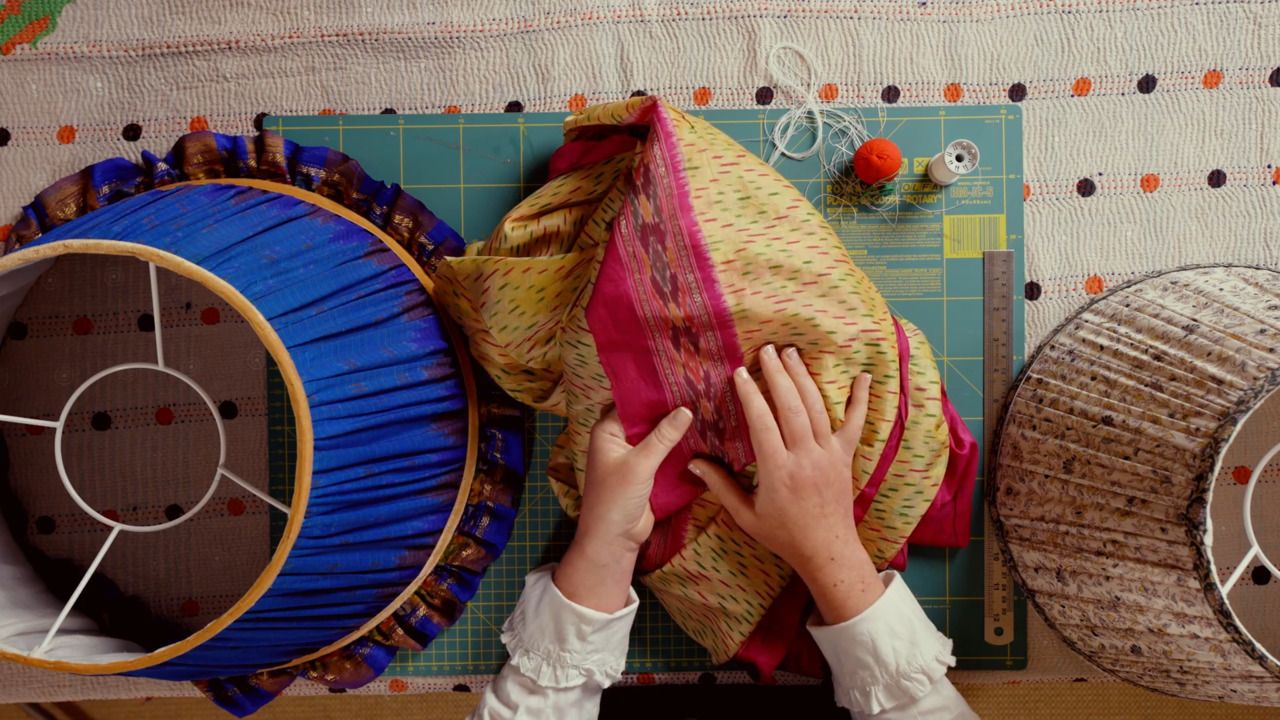
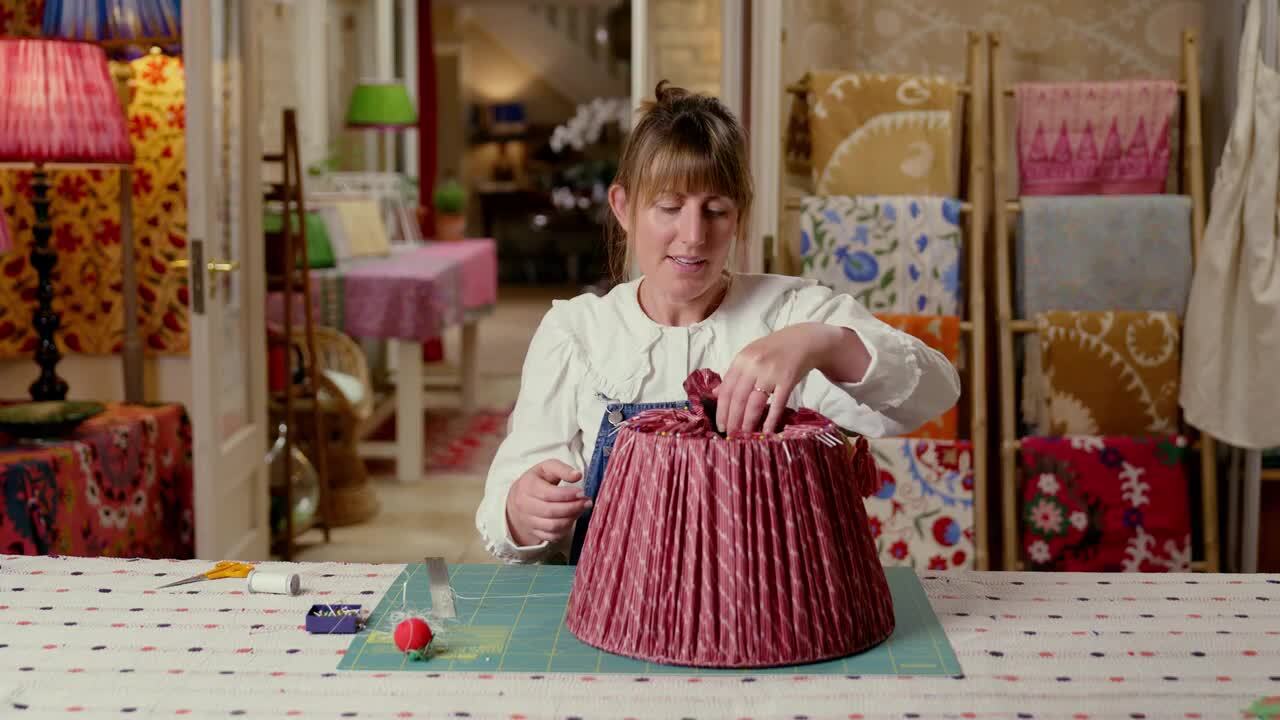
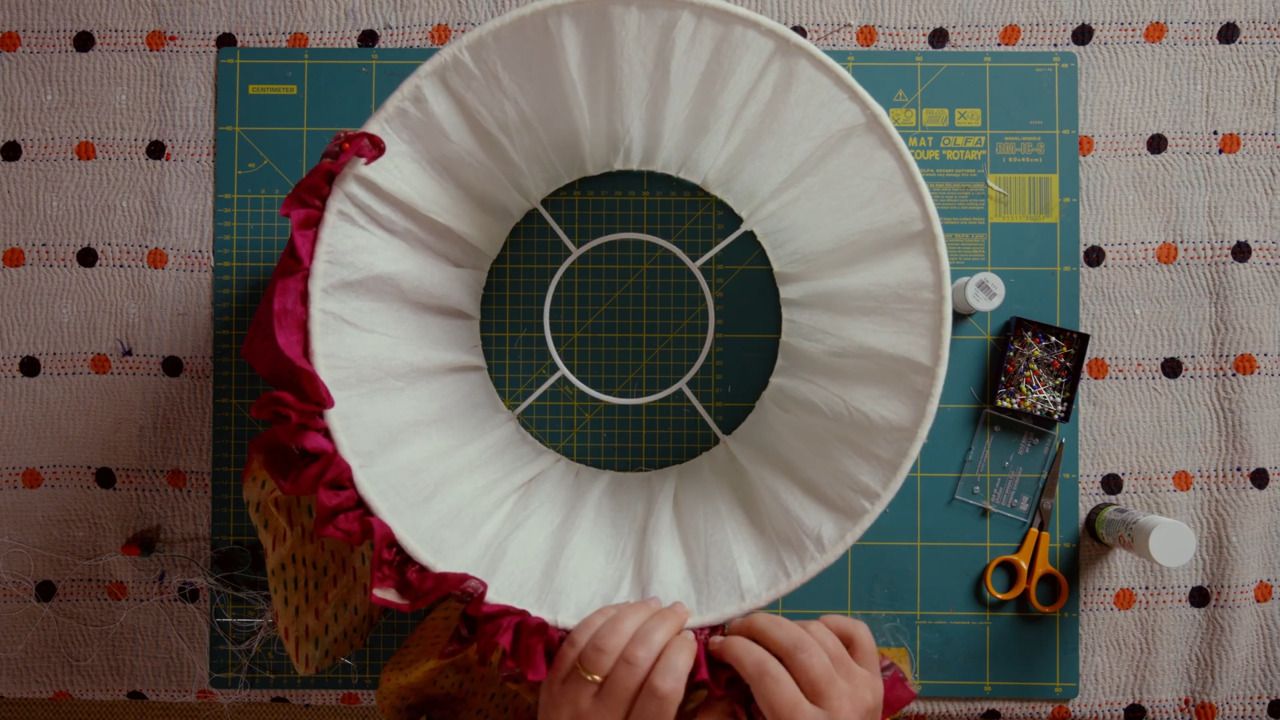
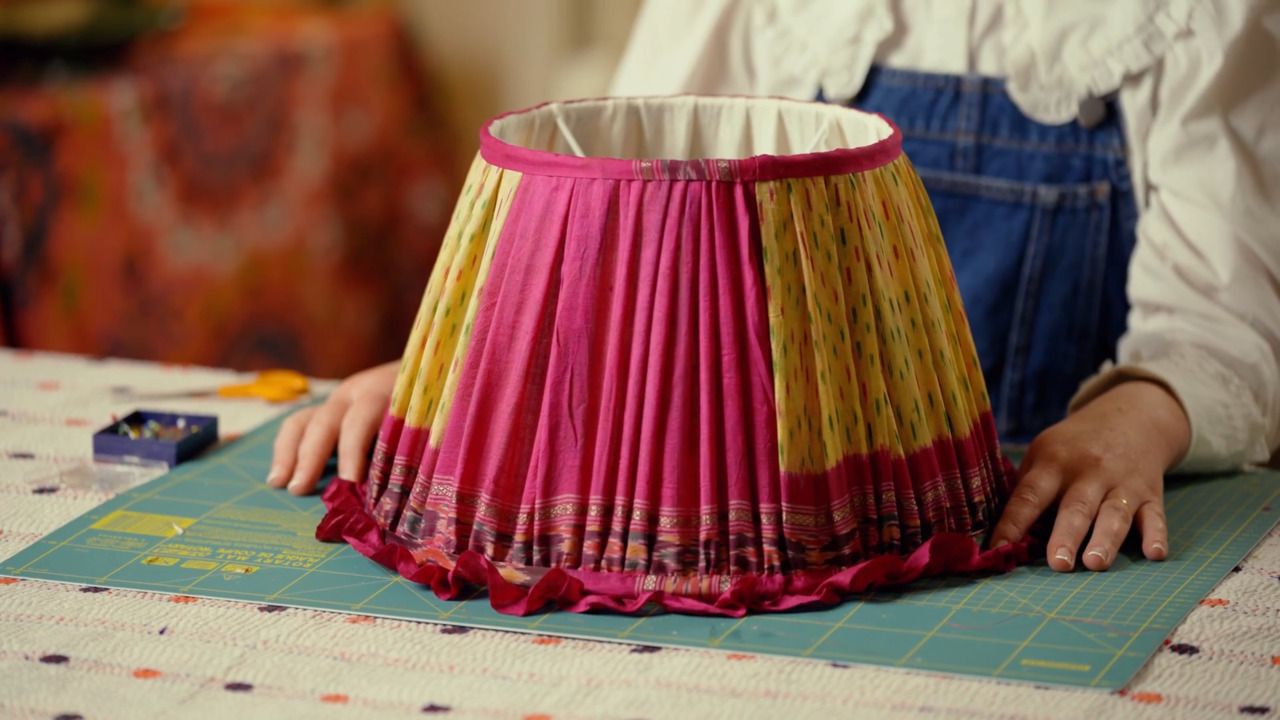
With your fabric now fully prepped, it’s time to turn our attention towards getting the lampshade frame bound and ready.
With your fabric now fully prepped, it's time to turn our attention towards getting the lampshade frame bound and ready.
Step 1
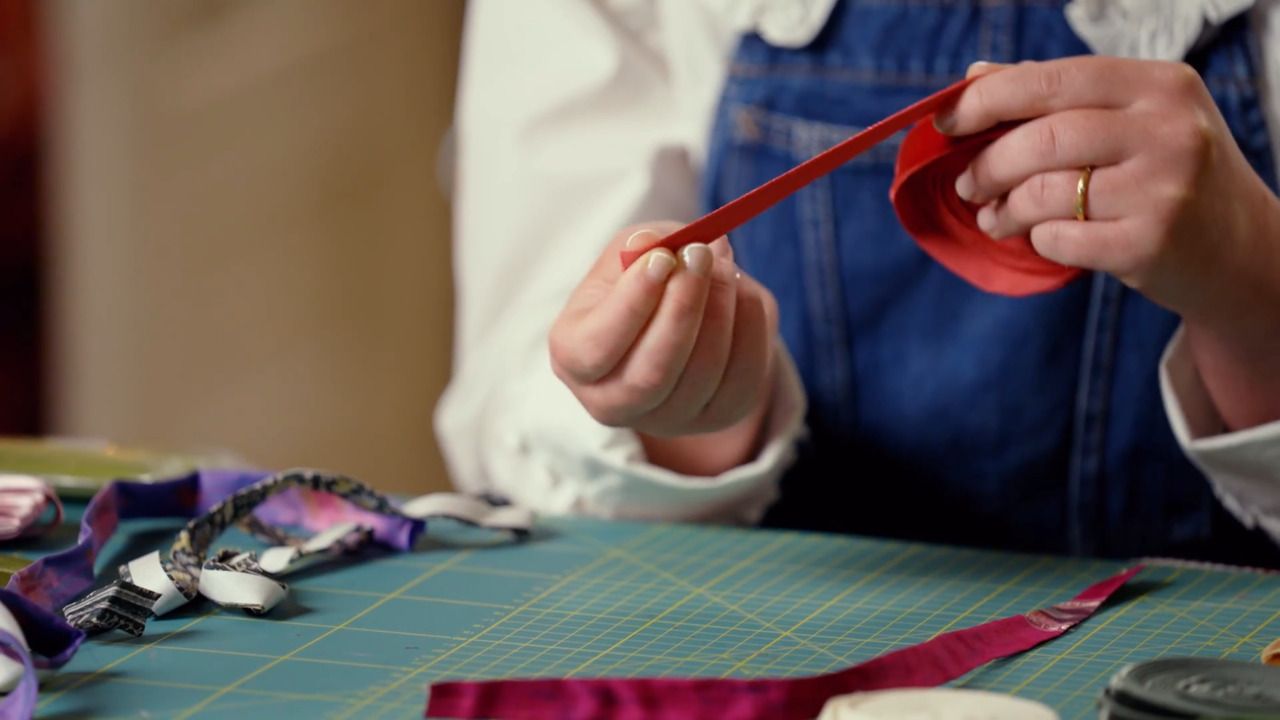
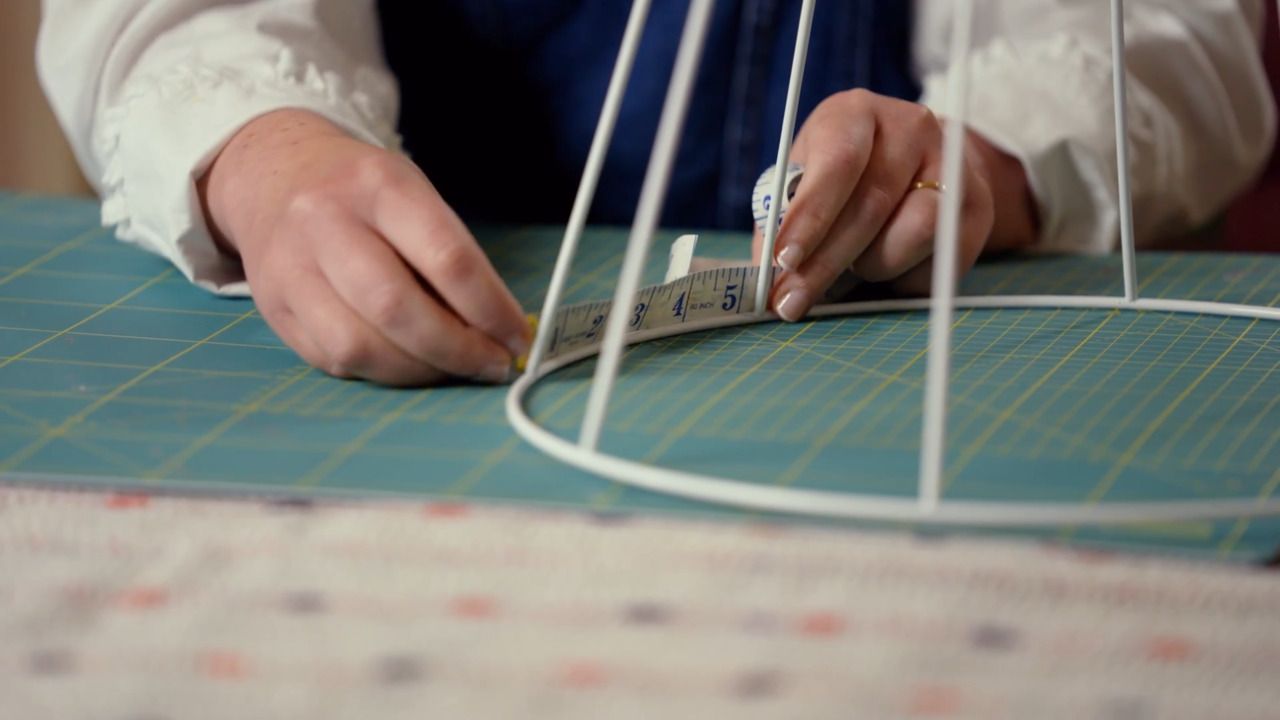
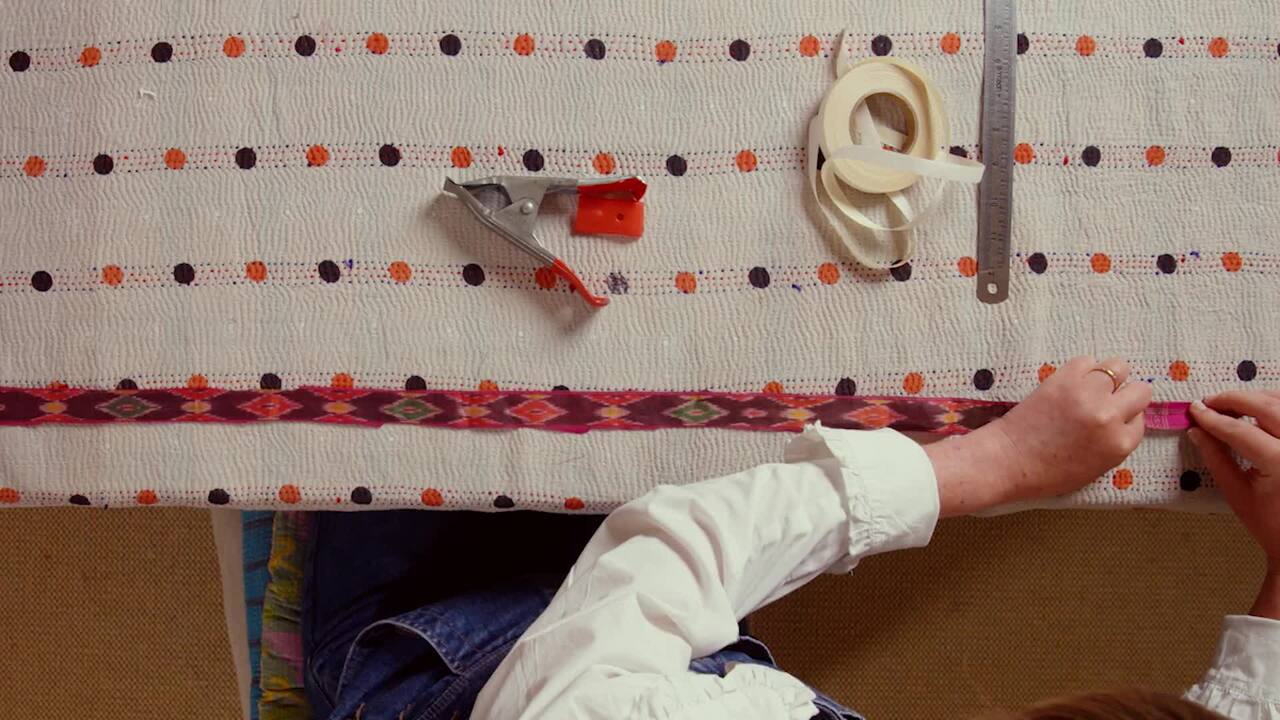
Measure out 2 lengths of bias binding; one that equals double the circumference of the frame's bottom ring and one that equals double the circumference of the top ring.
Step 2
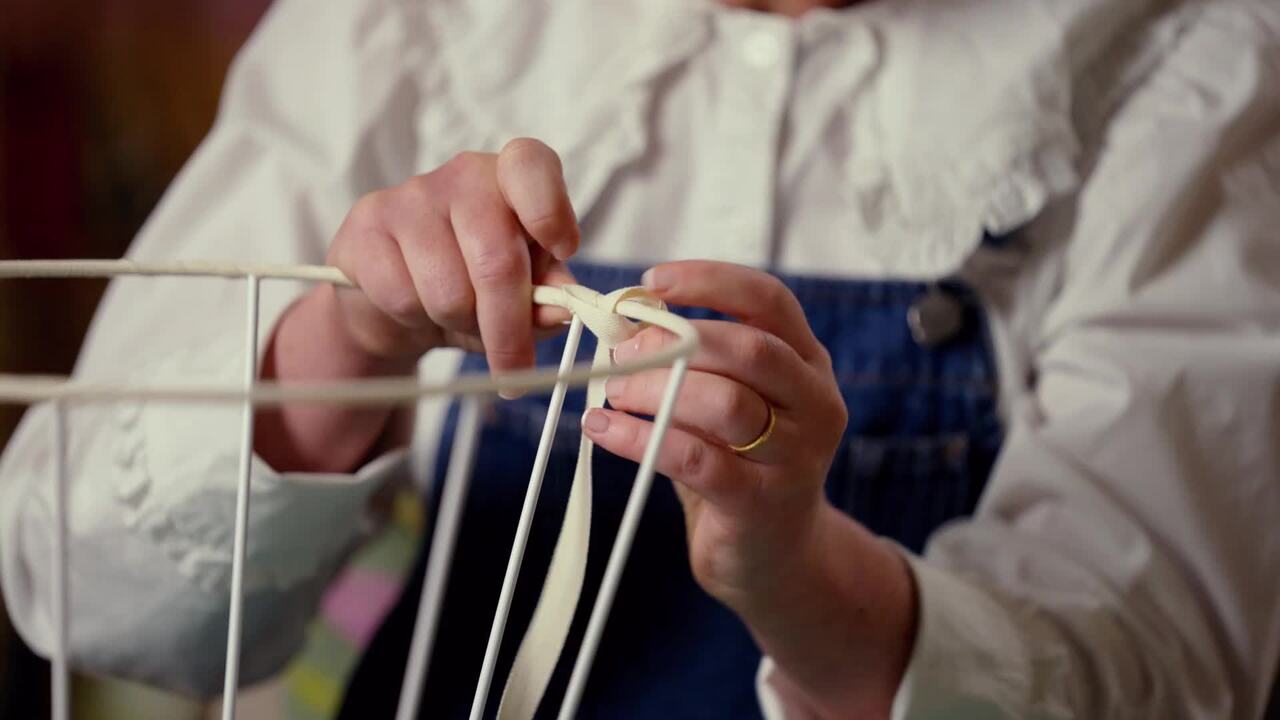
Turn your lampshade frame upside down, so the bottom ring is facing up. Take the end of your bias binding, and loop it around the first spoke and back on itself to secure it.
Step 3
Start to wrap the bias binding around the bottom ring. To begin with, you will need to use one hand to hold the start point in place, and your other hand to wrap. Once this is secure, you can use both hands to wrap and ensure the binding overlaps continuously, is pulled tight and lies flat. Take your time - the aim is to achieve the neatest finish you can in order for your lampshade to have a solid and secure structure.
Step 4
When you come to a spoke, just continue with the same up and over weaving action. Ensure you are distributing the binding evenly around the frame, as you don't want any areas to be too bulky.
Step 5
Continue around the frame until you end up back at the point you started.
Step 6
To finish off, continue wrapping the binding just past your starting point and pull tight. With one hand keeping it secure, use your other hand to make a loop and thread the binding through to create a loose knot.
Step 7
While the knot is still loose, flatten out the binding and make sure it isn't folded over or creased. Once you're happy, pull taught to create a tight, flat knot.
Step 8
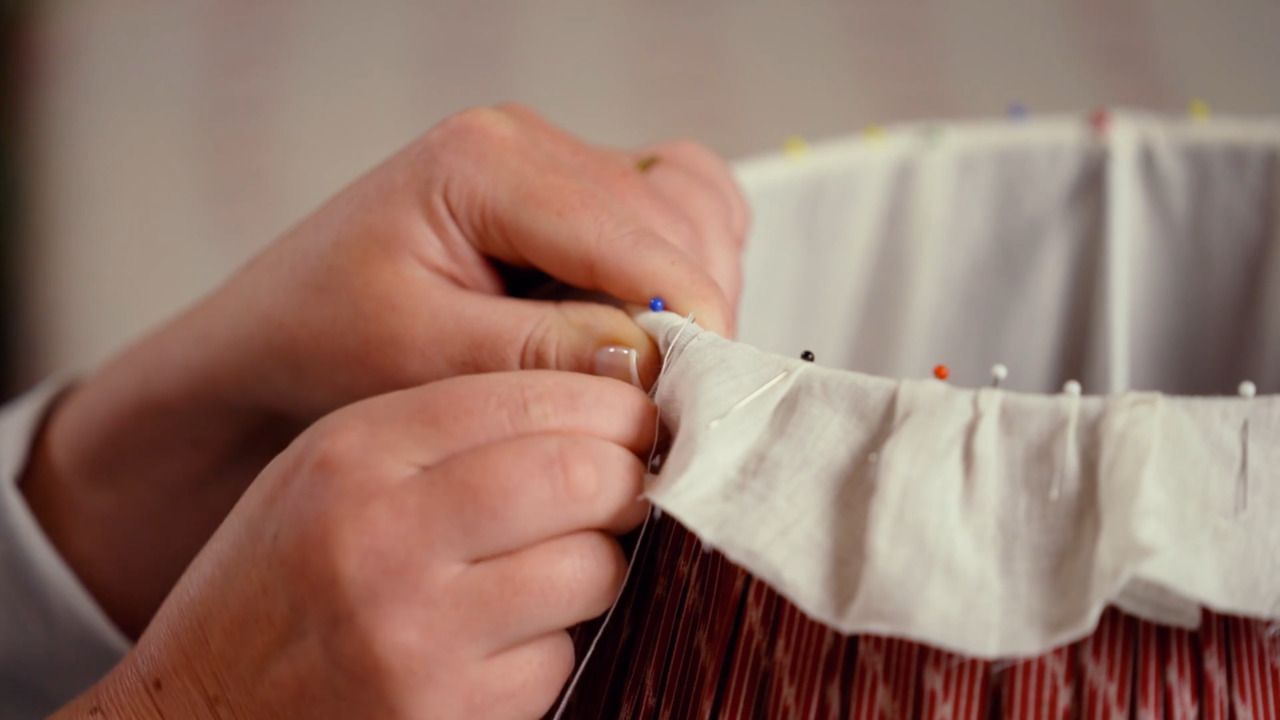
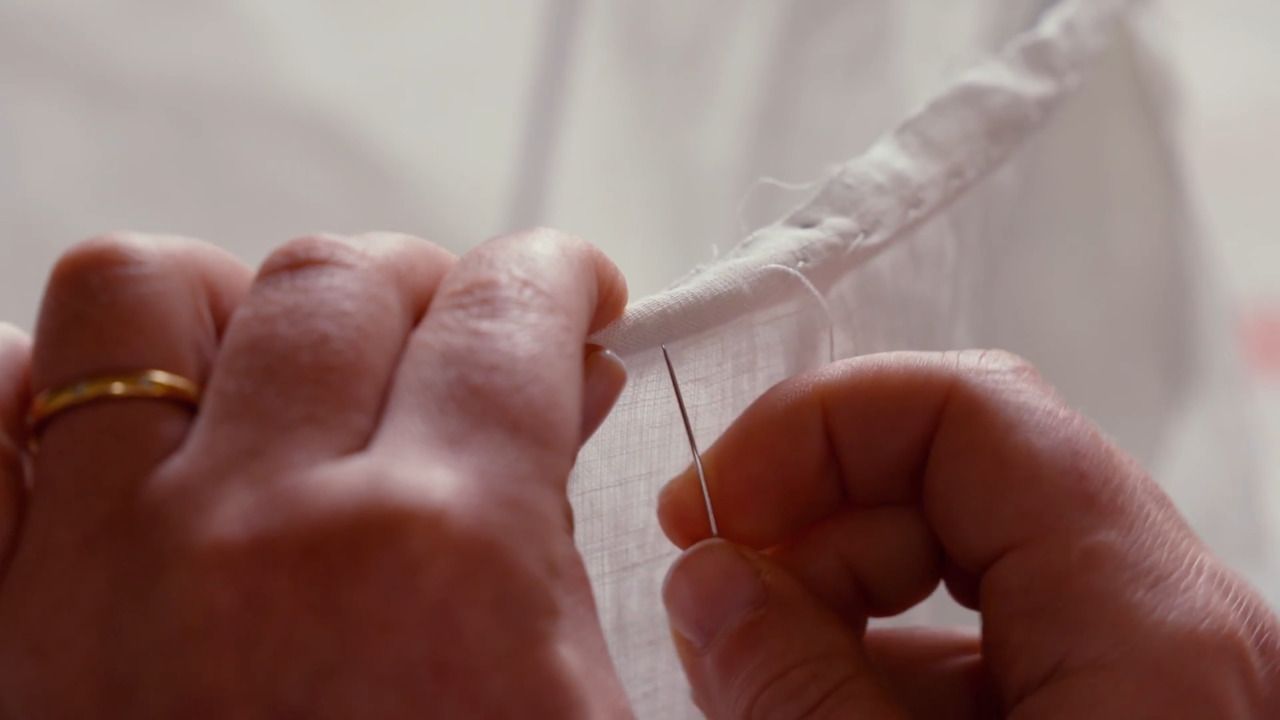
Take a threaded needle, and add a few stitches back and forth to secure the knot in place.
Step 9
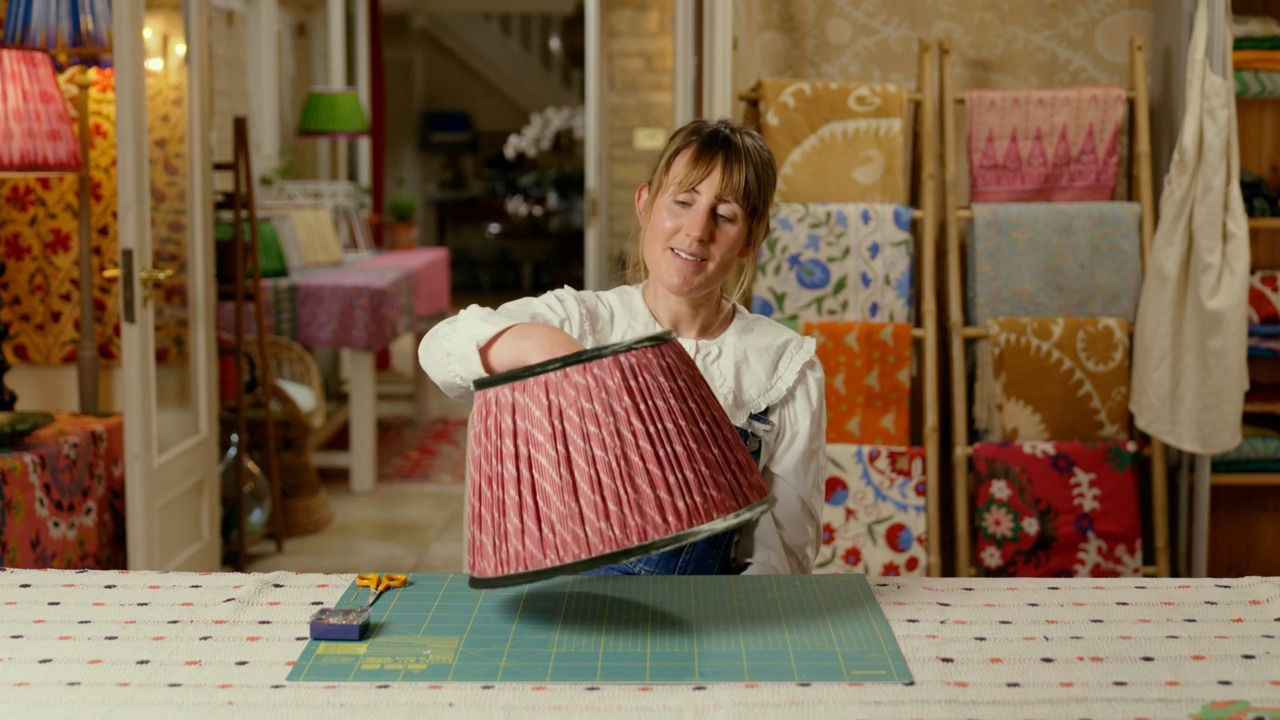
With the binding of the bottom ring complete, you can now move onto binding the top ring. Follow exactly the same steps, ensuring the finish is neat and flat with no gaps or bulkiness.
Get the full workbook, video lessons, and more with a Create Academy subscription.
Subscribe to access the full workbookAlready a member? Sign in to watch
491 reviews
Read moreCreate Academy has been such a great resource. I'm in the middle of renovating a bungalow with a very large garden and the courses have offered a wealth of inform...
Harvey
Jun 10, 2026
Absolutely love Create Academy! The instructors are extremely informative, and it is beautifully filmed. Create Academy is great value for money and plan on renew...
SG
May 31, 2026
Butter's creativity is stunning! Her ability to incorporate brilliance in small gardens is magical!
Carla
May 30, 2026
The best adventure. I like all the courses, but my favorite are both Rita Konig interior design courses and Anna Jones. Excellent!
Karolina Kluczewska
May 20, 2026
Create Academy has been such a great resource. I'm in the middle of renovating a bungalow with a very large garden and the courses have offered a wealth of information to dive into and explore new ideas. I'm...
Harvey
Jun 10, 2026
Absolutely love Create Academy! The instructors are extremely informative, and it is beautifully filmed. Create Academy is great value for money and plan on renewing my subscription yearly because there are ...
SG
May 31, 2026
Butter's creativity is stunning! Her ability to incorporate brilliance in small gardens is magical!
Carla
May 30, 2026

Your Instructor
Designer and soft furnishing expert specialising in vintage textiles and hand-crafted homewares.
Chloe is a designer and textile artist, specialising in upholstery, soft-furnishings, vintage textiles and unique objects for the home. Chloe's fascination with the art of hand sewing was ignited at University when studying History of Art, after which she embarked on a career rooted in furniture and soft furnishing making. In 2015, she founded her eponymous design business - based out of her studio in the South Lincolnshire countryside - where she crafts bespoke homewares and handmade lampshades using colourful vintage fabrics and carefully curated textiles sourced from across the globe.
Access to all courses


