

Interior and exterior confidence
Create Academy has been such a great resource. I'm in the middle of renovating a bungalow with a very large garden and the courses have offered a wealth of inform...
Harvey
Jun 10, 2026
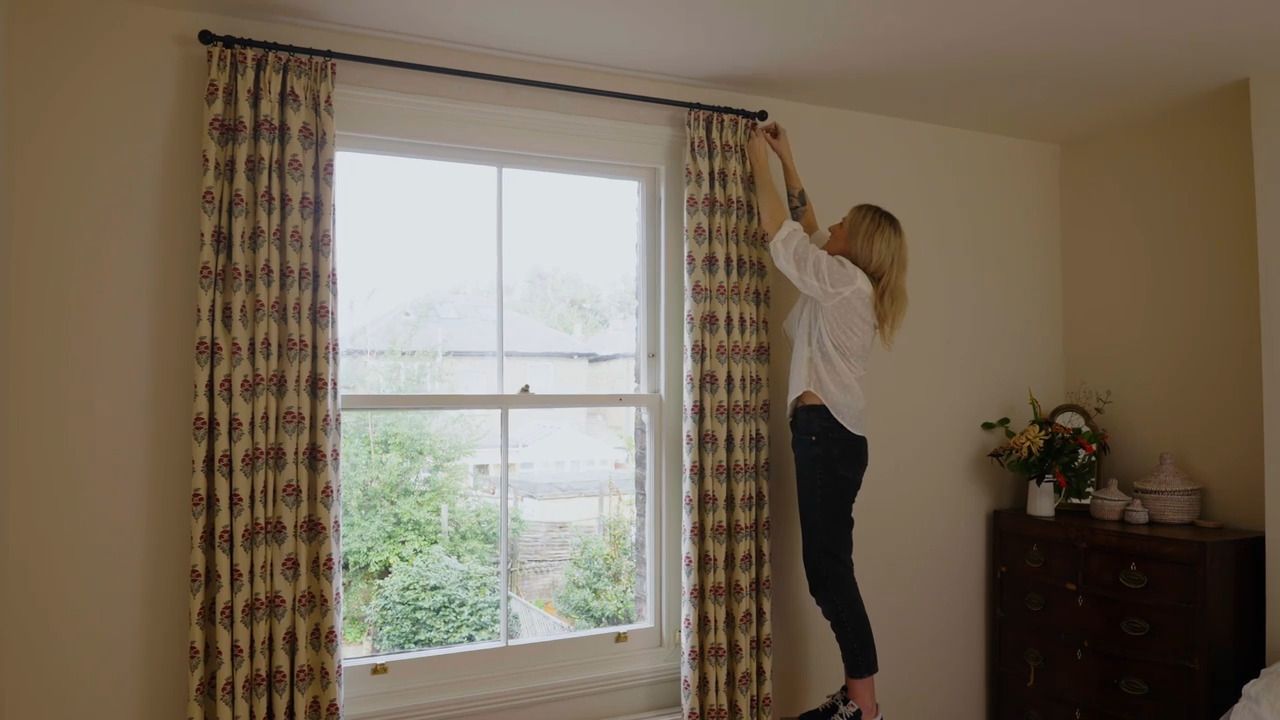
How to Make Beautiful Curtains
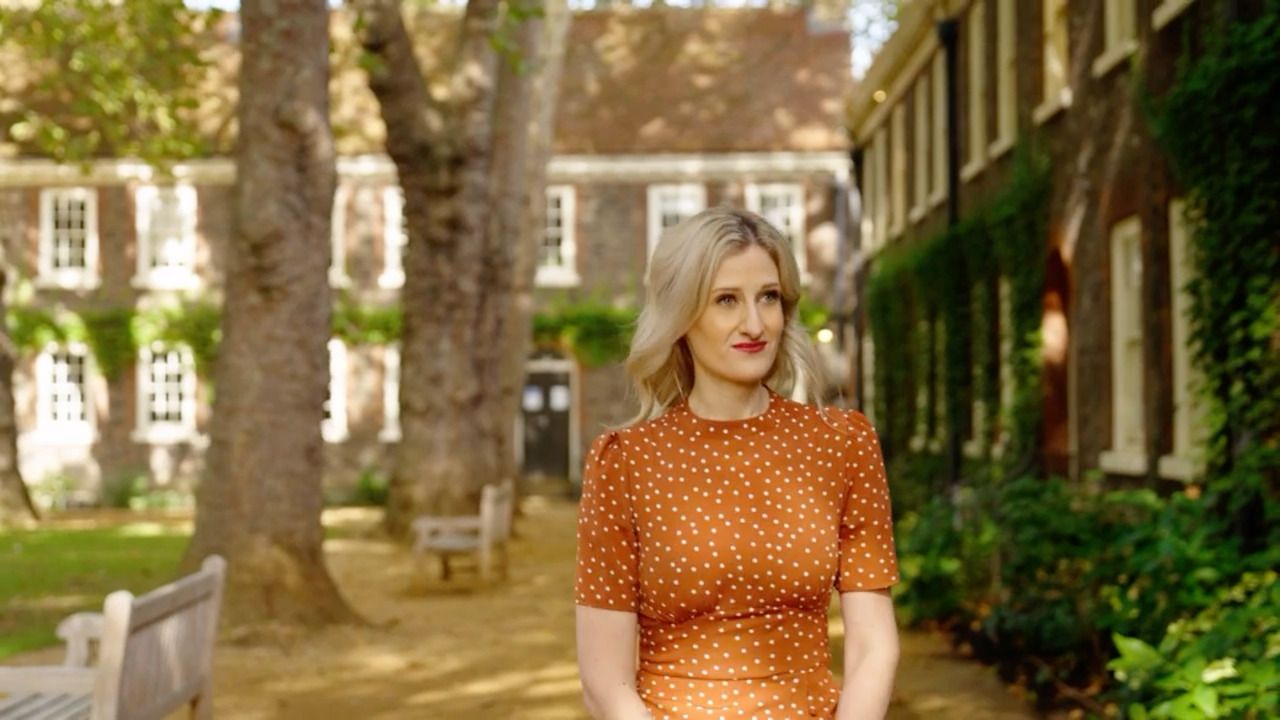
with GEMMA MOULTON — Fine textiles and design studio specialising in handmade household linens and soft furnishings.
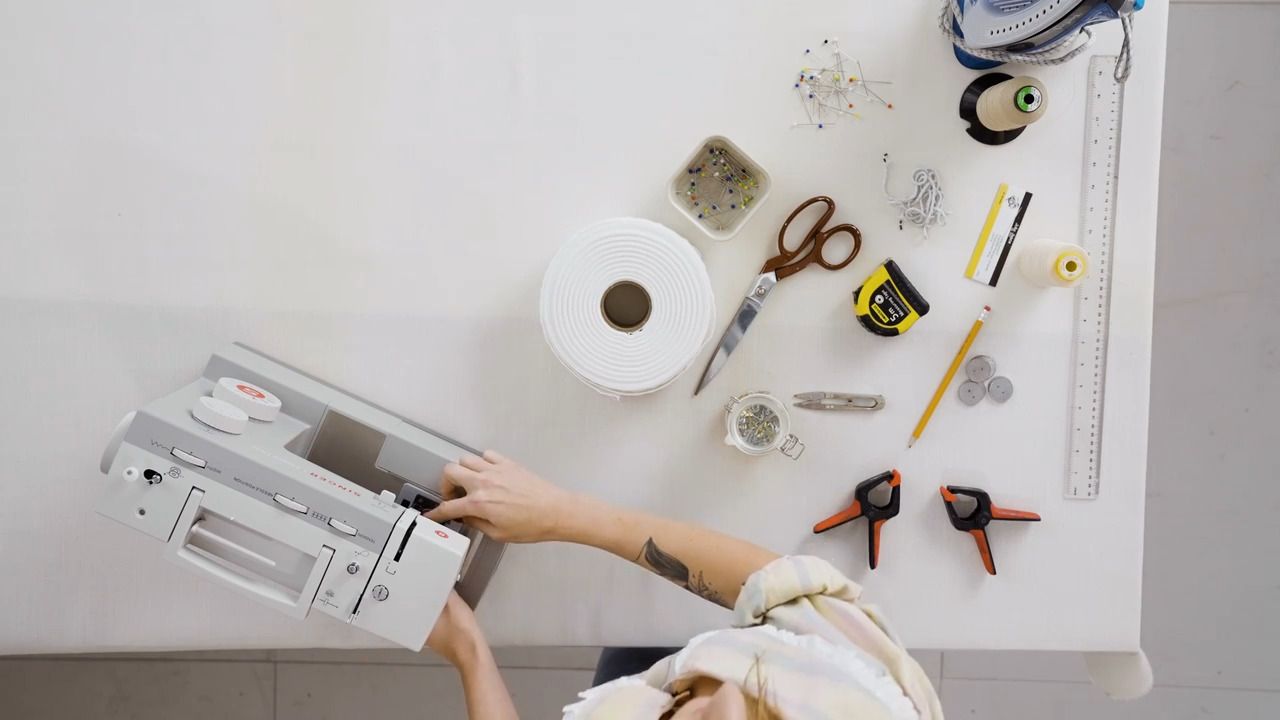
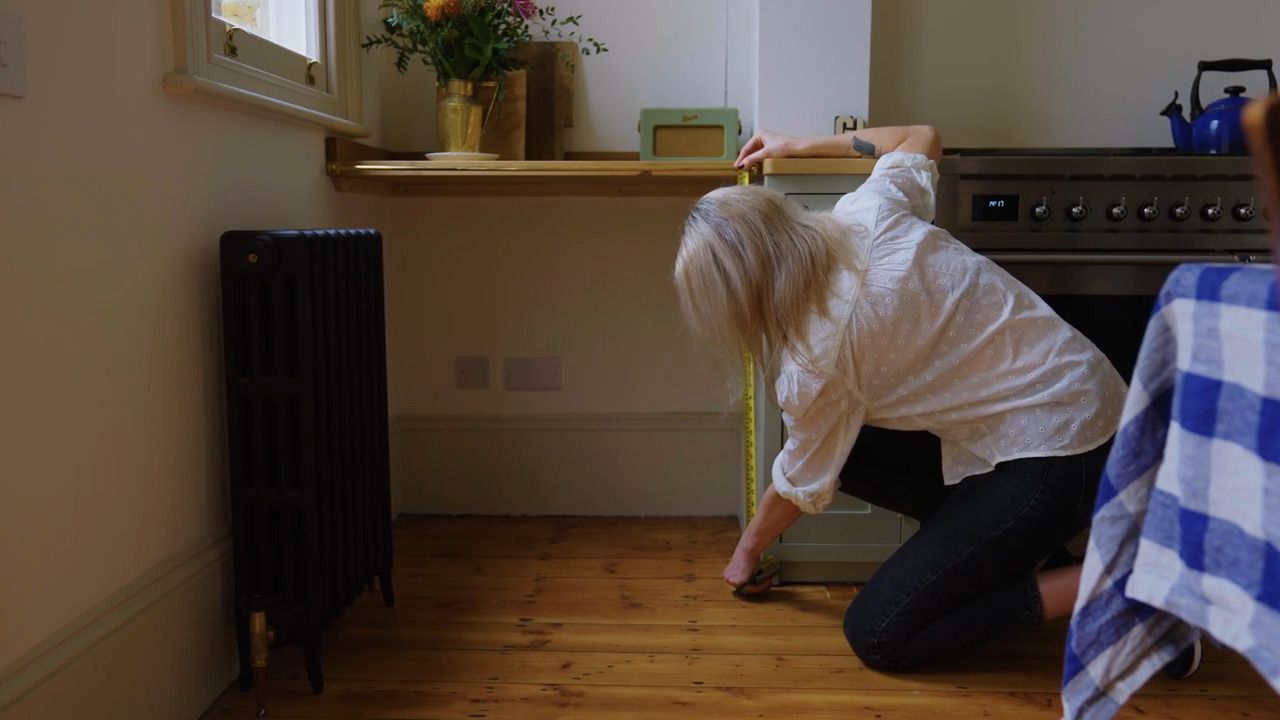
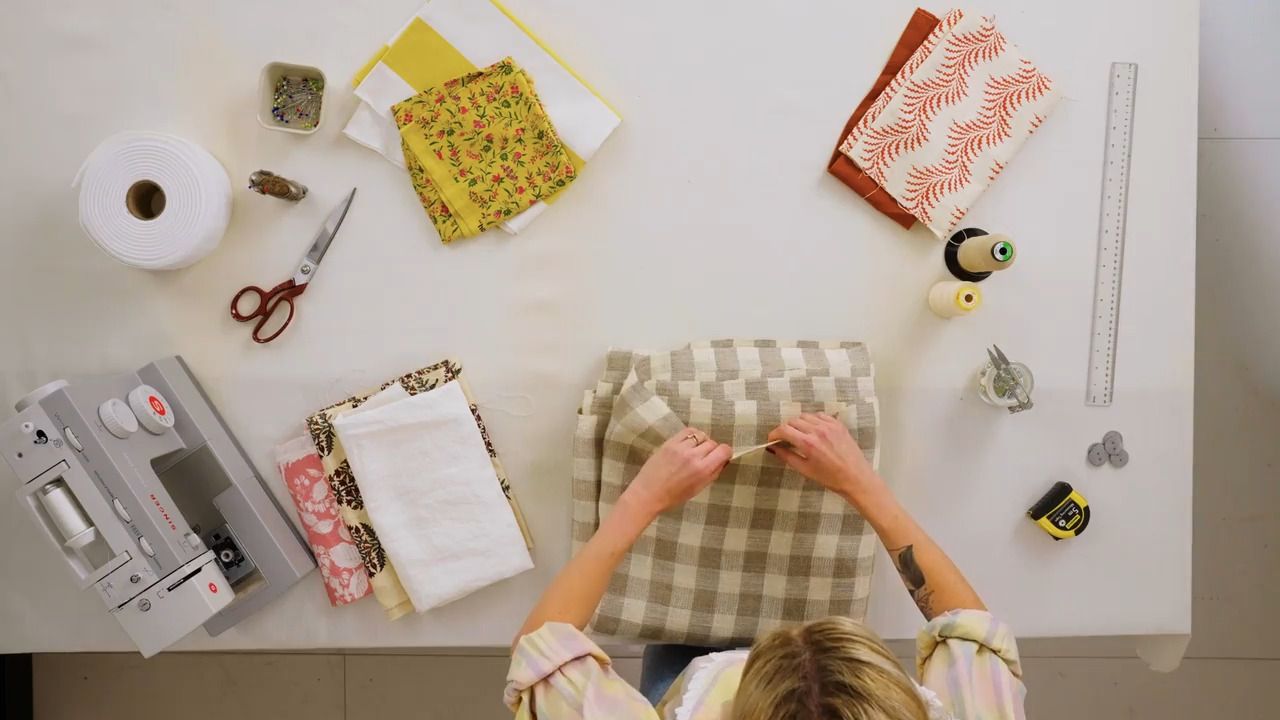
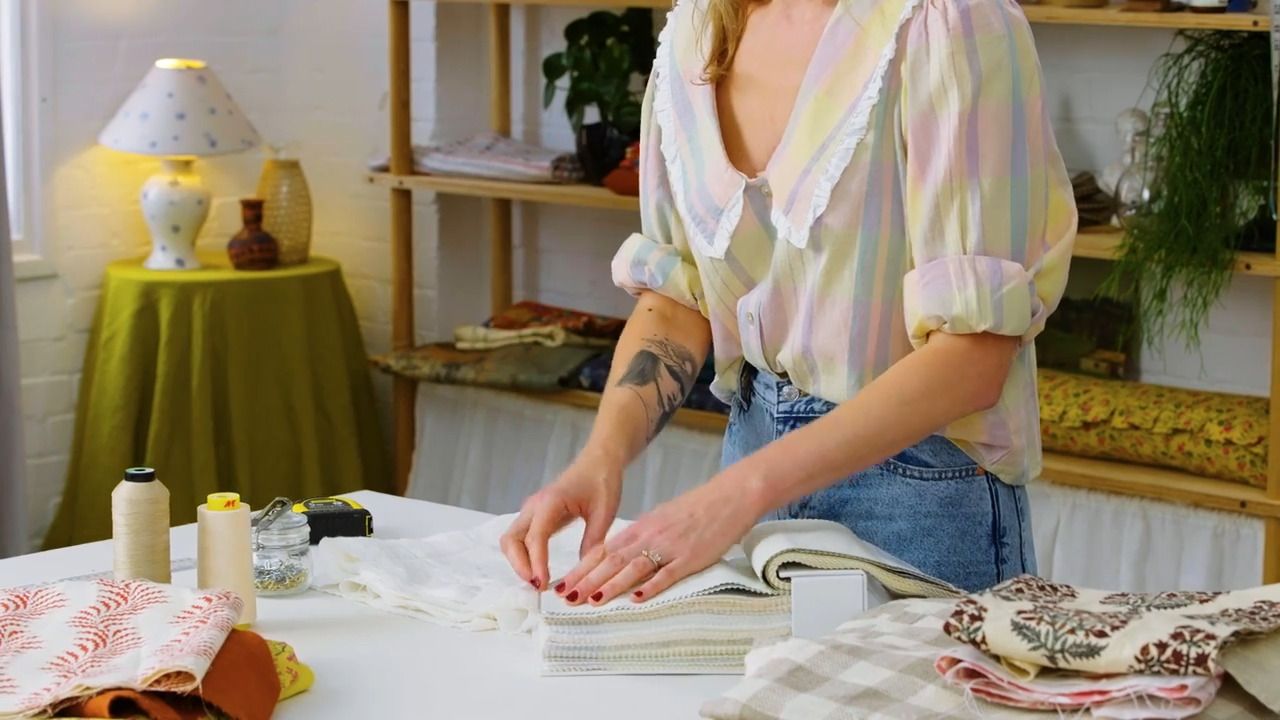
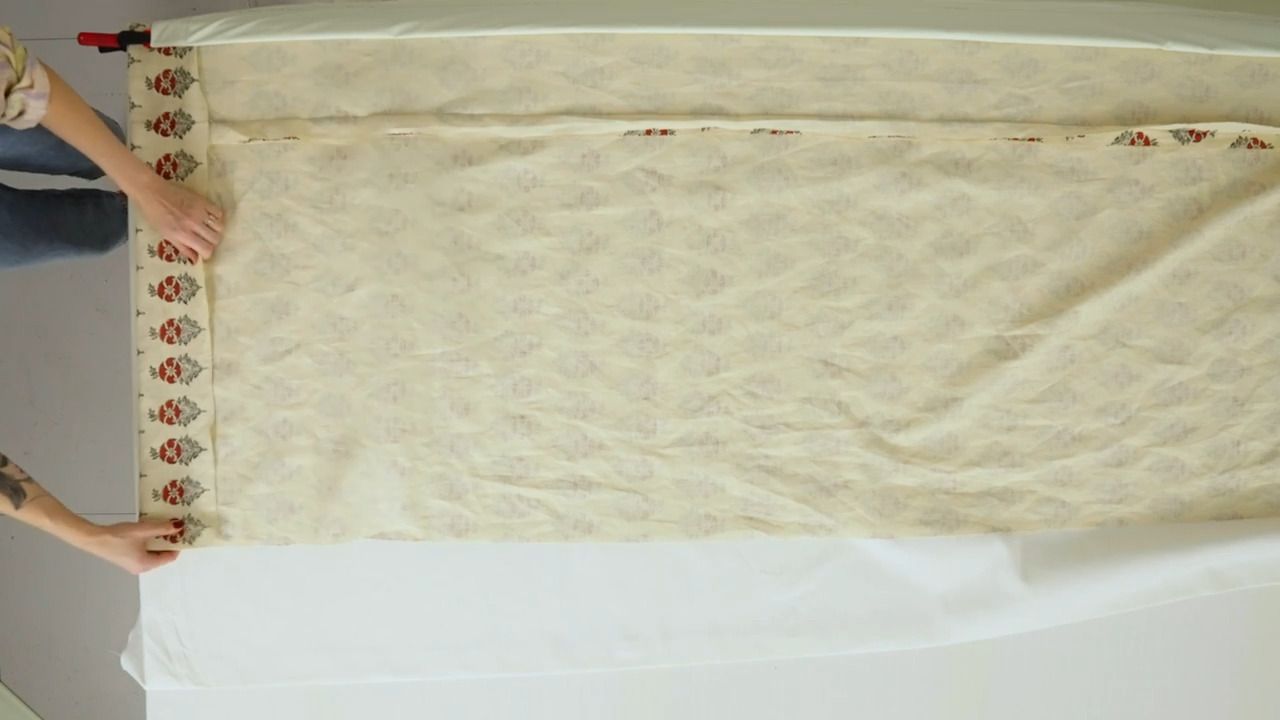
As well as learning about the different types of fabrics, Gemma will teach you how to translate your measurements into the exact amount of fabric you will require for your projects.
The aesthetic is of course important, but so too is the performance. It's also important to choose something that's easy to work with for your first few projects.
Final curtain width ÷ desired fabric width = drops required
Round up for final number of drops
30cm x number of drops = hem allowance
Final curtain length x number of drops + hem allowance = amount of fabric you need to buy
Final curtain length = 230cm
Final curtain width = 380cm
Desired fabric width = 140cm
380cm ÷ 140cm = 2.7
Round up for final number of drops = 3 drops of fabric required
30cm x 3 = 90cm hem allowance
230cm x 3 + 90cm = 780cm of fabric to buy
Final curtain length + 30cm allowance for hems = amount of fabric for each drop
Amount of fabric for each drop ÷ length of pattern repeat = number of pattern repeats required
Round up to next full repeat
Number of pattern repeats required x length of pattern repeat = amount of fabric to achieve a pattern match
Final curtain length = 230cm
Pattern repeat = 15cm
230cm + 30cm = 260cm
260cm ÷ 15cm = 17.3
Round up to next full repeat = 18 pattern repeats required
18 x 15cm = 270cm of fabric per drop to achieve pattern match
Get the full workbook, video lessons, and more with a Create Academy subscription.
Subscribe to access the full workbookAlready a member? Sign in to watch
Sign up or log in to keep watching
By continuing, you agree to our Terms of Use and Privacy Policy.
510 reviews
Read moreCreate Academy has been such a great resource. I'm in the middle of renovating a bungalow with a very large garden and the courses have offered a wealth of inform...
Harvey
Jun 10, 2026
Absolutely love Create Academy! The instructors are extremely informative, and it is beautifully filmed. Create Academy is great value for money and plan on renew...
SG
May 31, 2026
Butter's creativity is stunning! Her ability to incorporate brilliance in small gardens is magical!
Carla
May 30, 2026
The best adventure. I like all the courses, but my favorite are both Rita Konig interior design courses and Anna Jones. Excellent!
Karolina Kluczewska
May 20, 2026
Create Academy has been such a great resource. I'm in the middle of renovating a bungalow with a very large garden and the courses have offered a wealth of information to dive into and explore new ideas. I'm...
Harvey
Jun 10, 2026
Absolutely love Create Academy! The instructors are extremely informative, and it is beautifully filmed. Create Academy is great value for money and plan on renewing my subscription yearly because there are ...
SG
May 31, 2026
Butter's creativity is stunning! Her ability to incorporate brilliance in small gardens is magical!
Carla
May 30, 2026

Your Instructor
Fine textiles and design studio specialising in handmade household linens and soft furnishings.
Gemma Moulton fostered her love of sewing in childhood and has over 15 years of experience working in fashion and fabric design. She studied upholstery and soft furnishings at London Met, before completing an apprenticeship in curtain making and working for some of London’s most prestigious curtain makers. In 2020 she set up East London Cloth, inspired by her love of traditional practices and timeless design, where she creates handcrafted, unpretentious and authentic household linens and soft furnishings designed to withstand the test of time and be passed down to future generations.
Access to all courses


