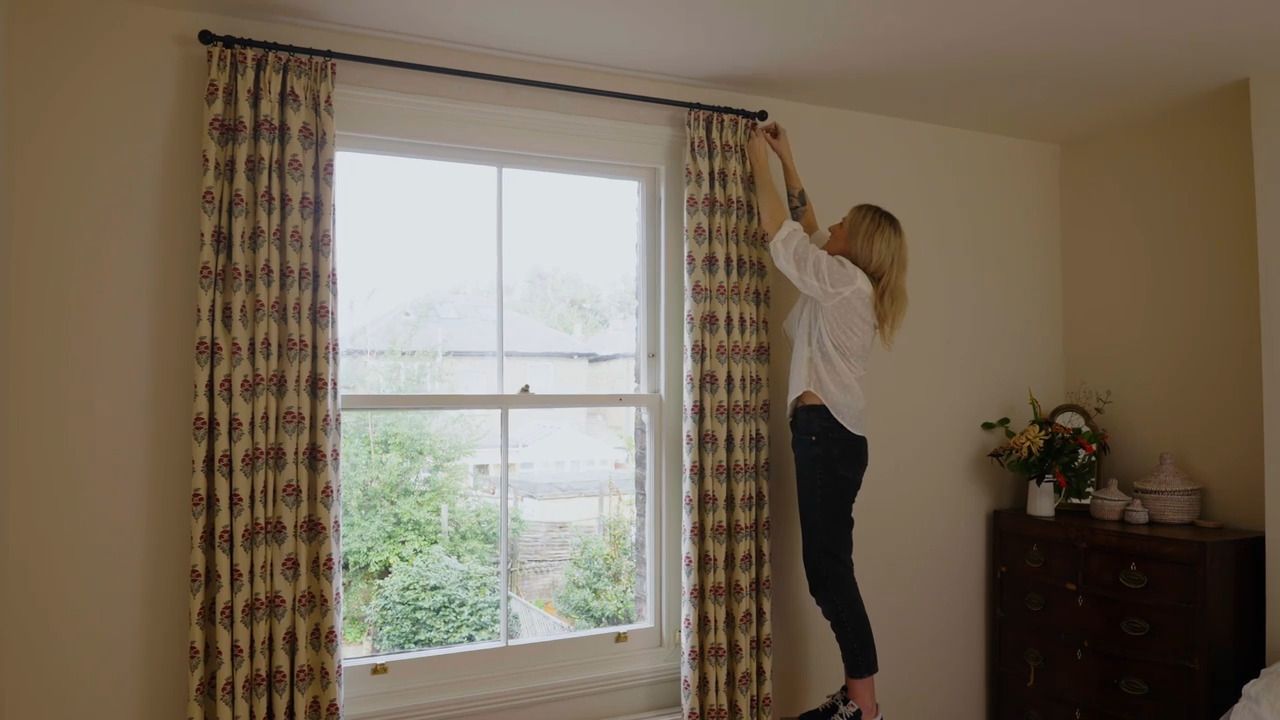
How to Make Beautiful Curtains

How to add a bottom hem - Part 2

with GEMMA MOULTON — Fine textiles and design studio specialising in handmade household linens and soft furnishings.

Lesson 12 of 22
Rated 4.7/5 on Trustpilot
|

Learn from the world's best creative minds on Create Academy

How to add a bottom hem - Part 2 - Video thumbnail

Buy or subscribe to watch

To complete this project, you will discover how to add a bottom hem and finally create the rod pocket from which to hang your finished curtain.

From the Lesson Workbook

Step Five

With your side hems complete, you now need to add a bottom hem.

  • The size of your bottom hem can be subjective - the longer the curtain, the larger you'd want your bottom hem, so it looks right and in proportion.
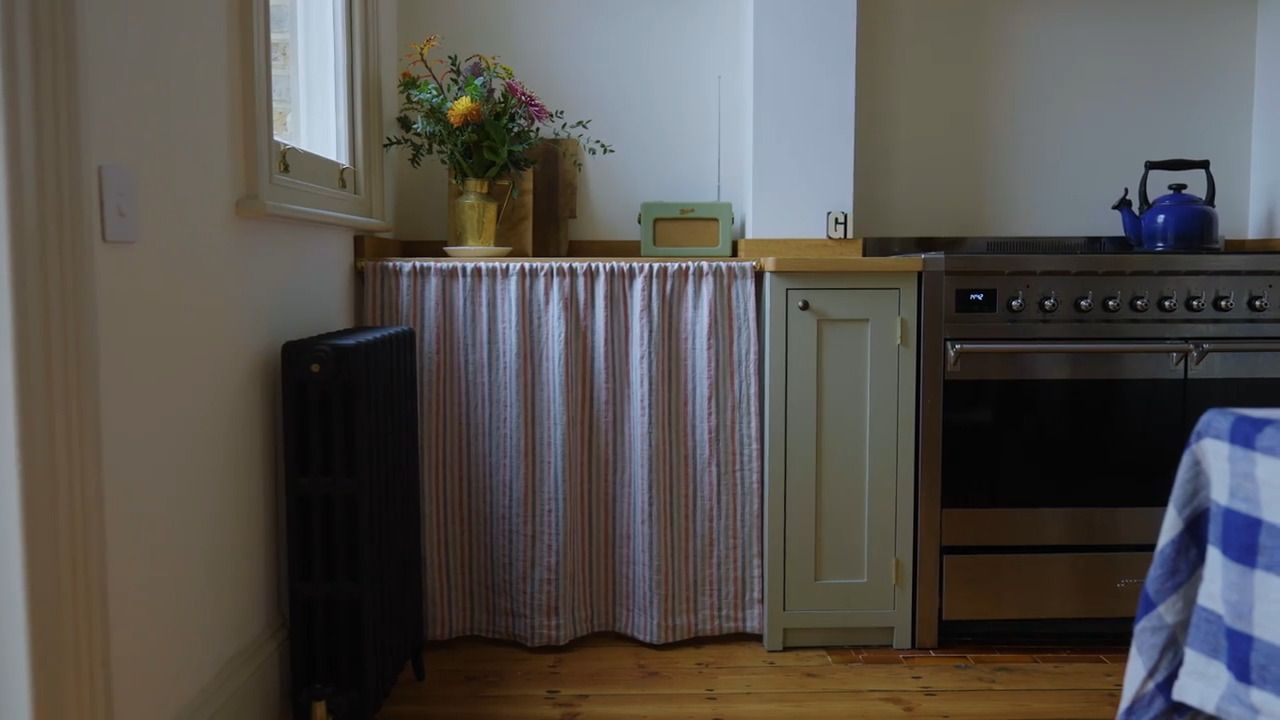
  • For a counter curtain, I usually opt for a 5cm bottom hem.
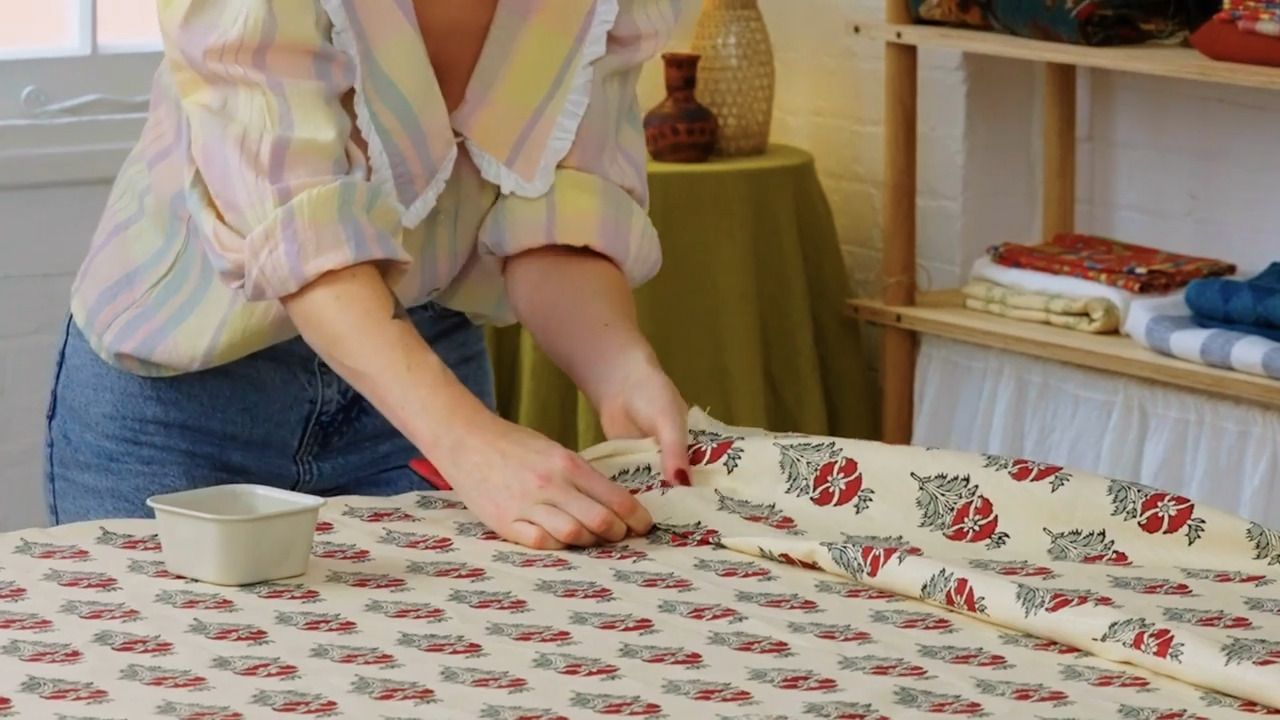
  • As ever, begin by ensuring your fabric is flat and lying straight on the table.
  • Fold the bottom of the fabric over 10cm, then press. Ensure the bottom hem is folded the same way as your side hems, so the bulk of the hem will be at the back of the curtain.
  • Unfold, and fold 5cm so that the bottom of your fabric that contains the lead weight its neatly inside the pressed line you've just created, then press.
  • Double fold this along the 10cm pressed line so that the lead weight is at the very bottom of the curtain, then press.
  • Add some pins to secure the hem.
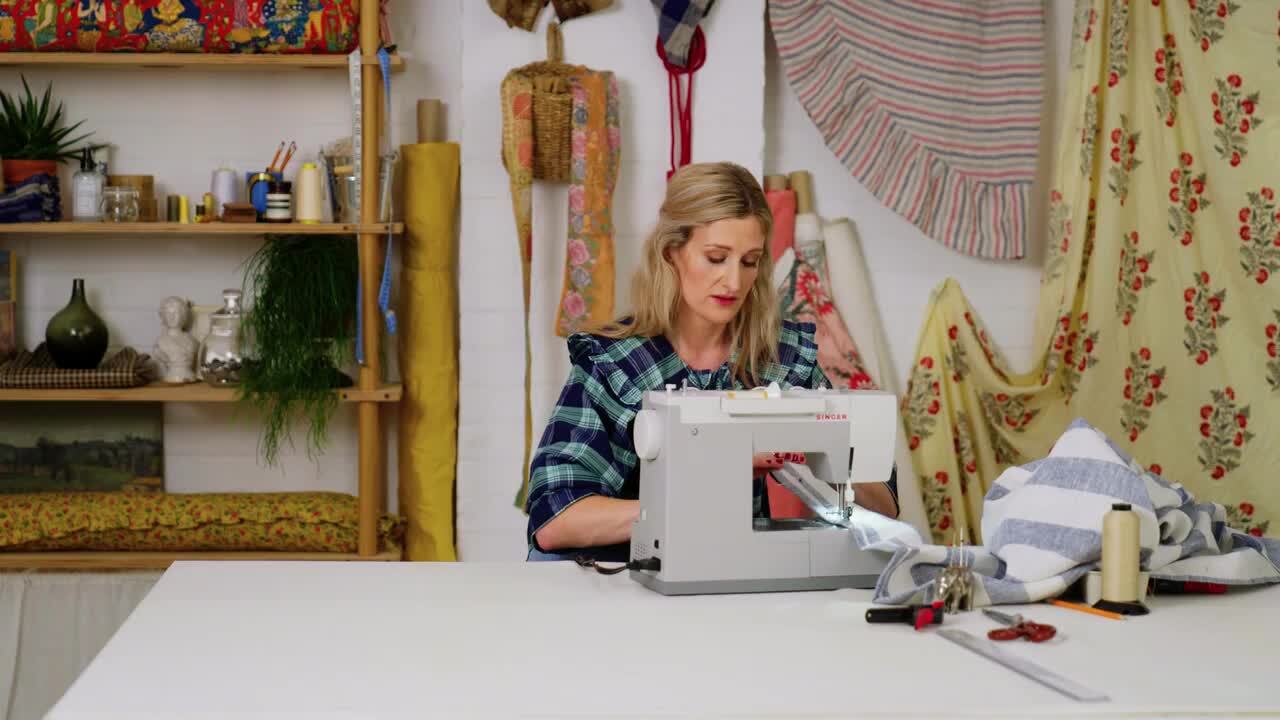
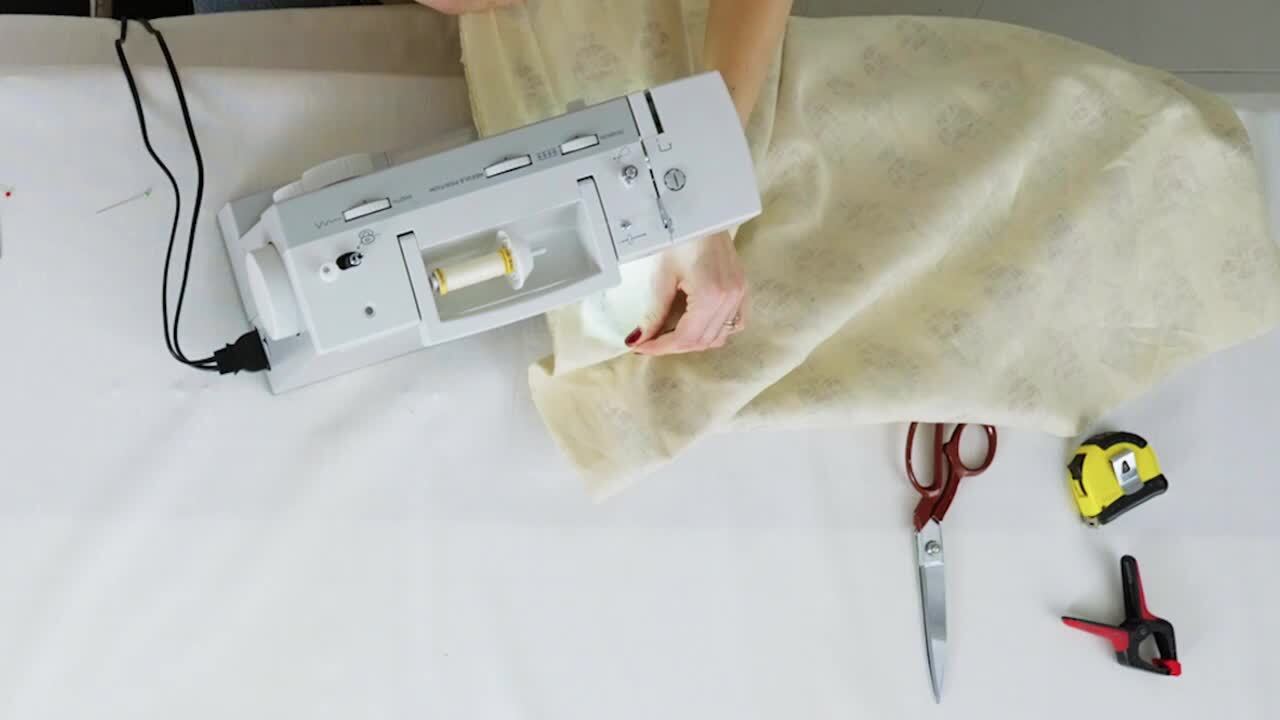
  • Straight stitch as close to the edge of the hem as possible.
  • Finally, sew up the sides too, this time as close to the edge of the fabric as you can get.

Step Six

Pin your measured drop.

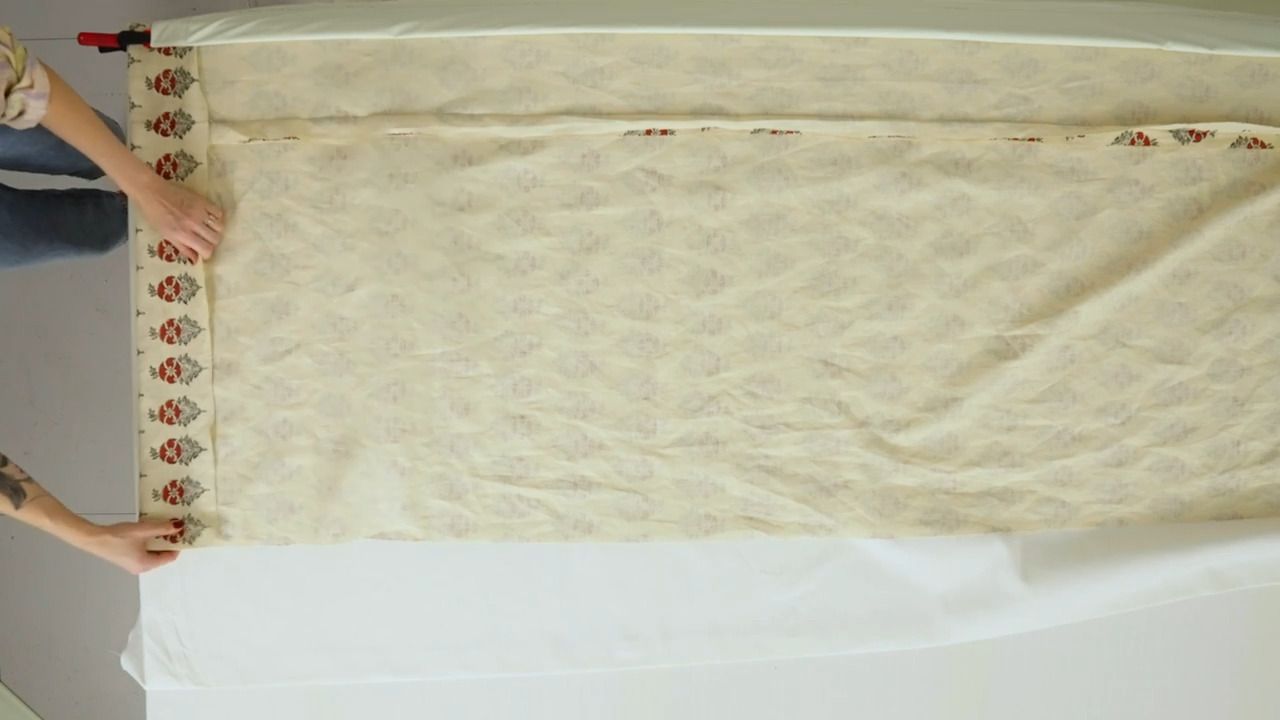
  • Lay your curtain on the table with the front side facing up.
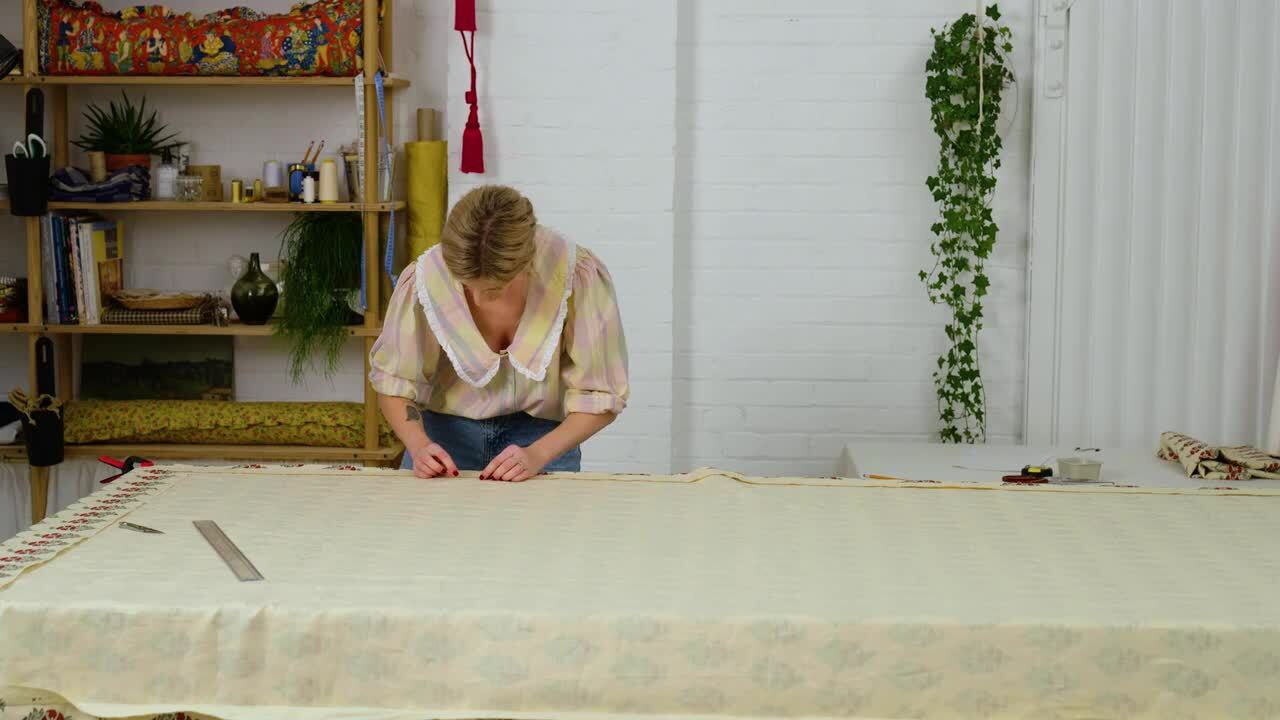
  • Ensure the fabric is straight and flat on the table, paying particularly close attention to the bottom hem - it may be worth asking someone to help you keep everything where it should be.
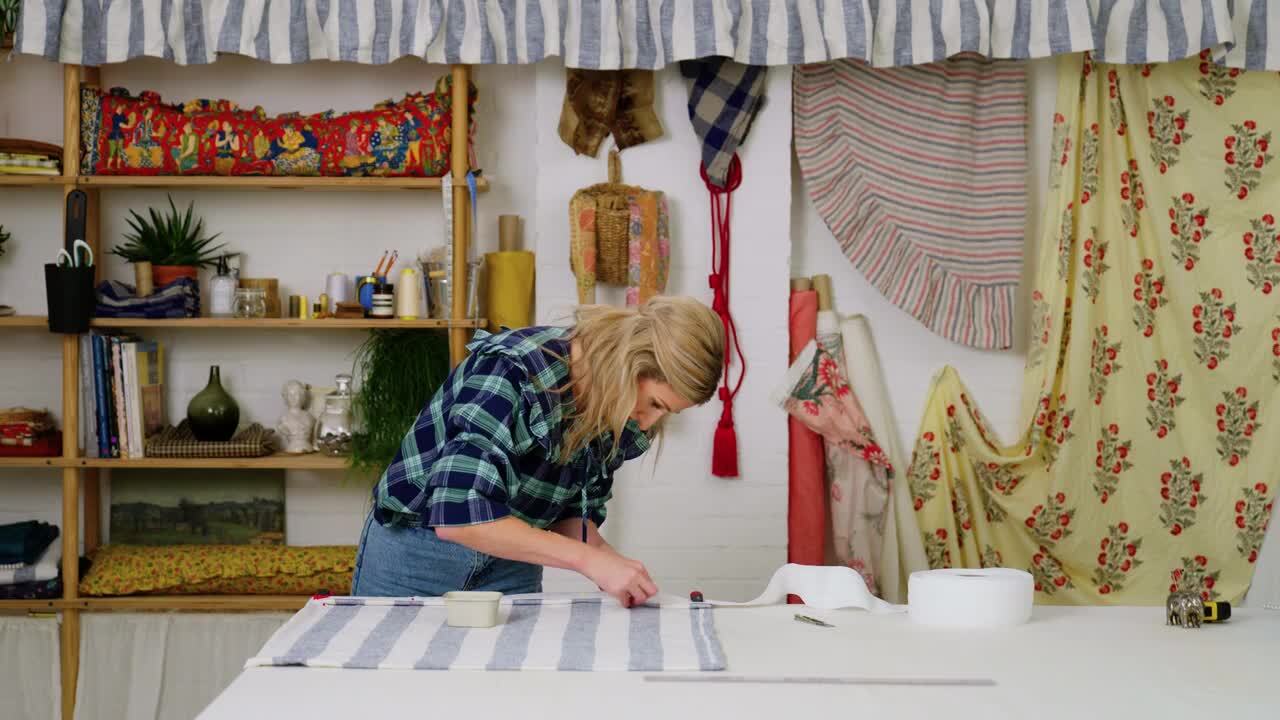
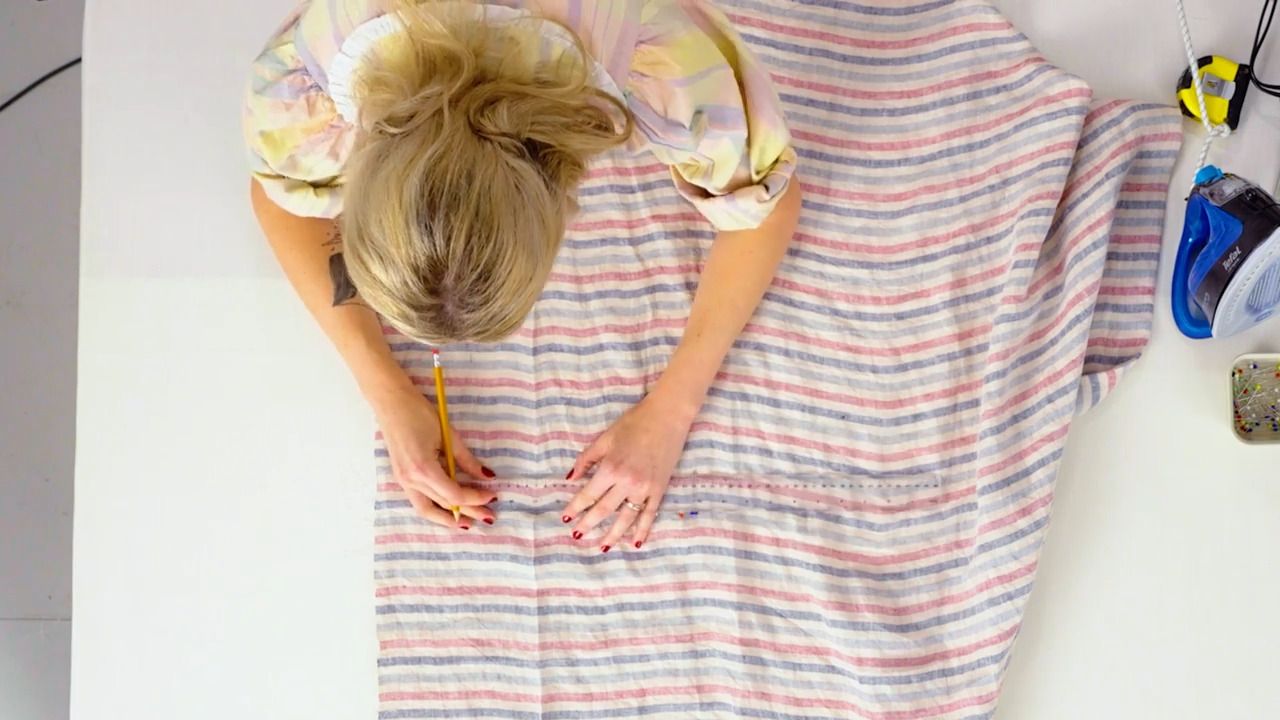
  • Carefully and diligently, measure the exact length your curtain should be - your measured drop - and use horizontal pins or a pencil to mark.
  • Work methodically along the entire width of your curtain, continually checking your bottom hem hasn't moved, as this may lead to an uneven final length.
  • The line created by your pins will be the top of your curtain.
  • Flip your fabric so the front side is facing down, and fold your fabric along this line so that the pins sit neatly on the very top of the fold - use the edge of your table to make sure this is straight and at a right angle to your side hems.
  • Once you're happy, press.
  • Remove the pins and unfold. You will be left with a pressed line that represents your final curtain length.

Step Seven

Make the rod pocket.

  • The width of a rod pocket can be subjective, but in my experience, 3.5cm is the perfect size.
  • Working from the pressed line of your final curtain length, measure and mark 7cm up into the excess of the fabric along the entire width.
  • It can be helpful at this point to line up your pressed edge with the edge of the table to keep your fabric straight.
  • Use a ruler and pencil to join up these marks to form a continuous line.
  • Cut along this straight line to remove the excess.
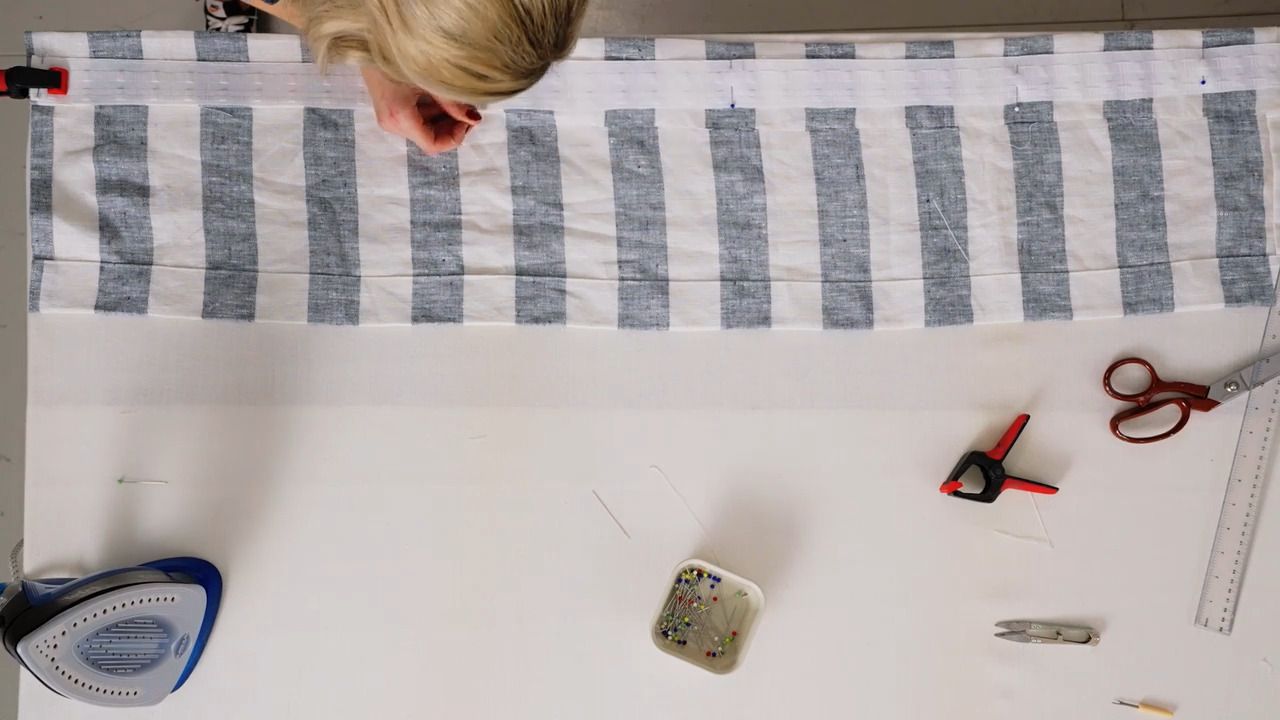
  • Fold 3.5cm down into the pressed line, then press.
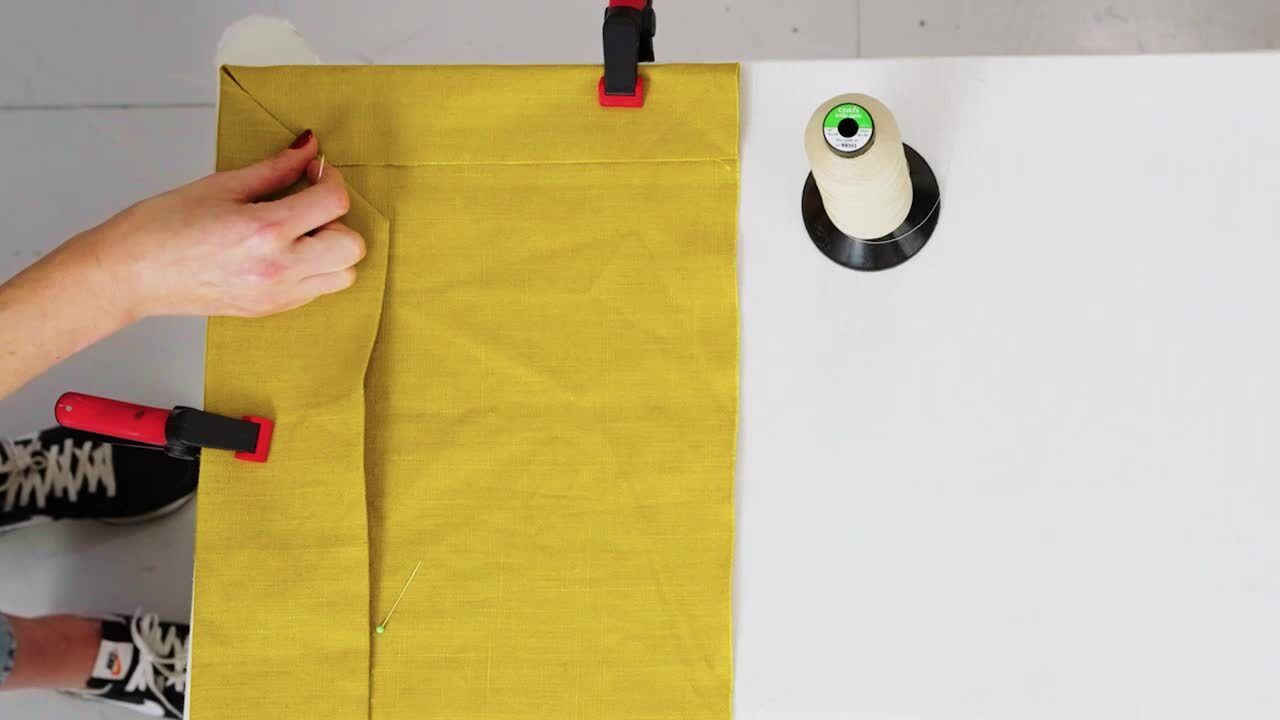
  • For a neat look at either side, fold both corners under into a triangle along the pressed line, then pin.
  • Fold the rest of the fabric down another 3.5 cm and press all the way along.
  • Use pins to keep everything in place.
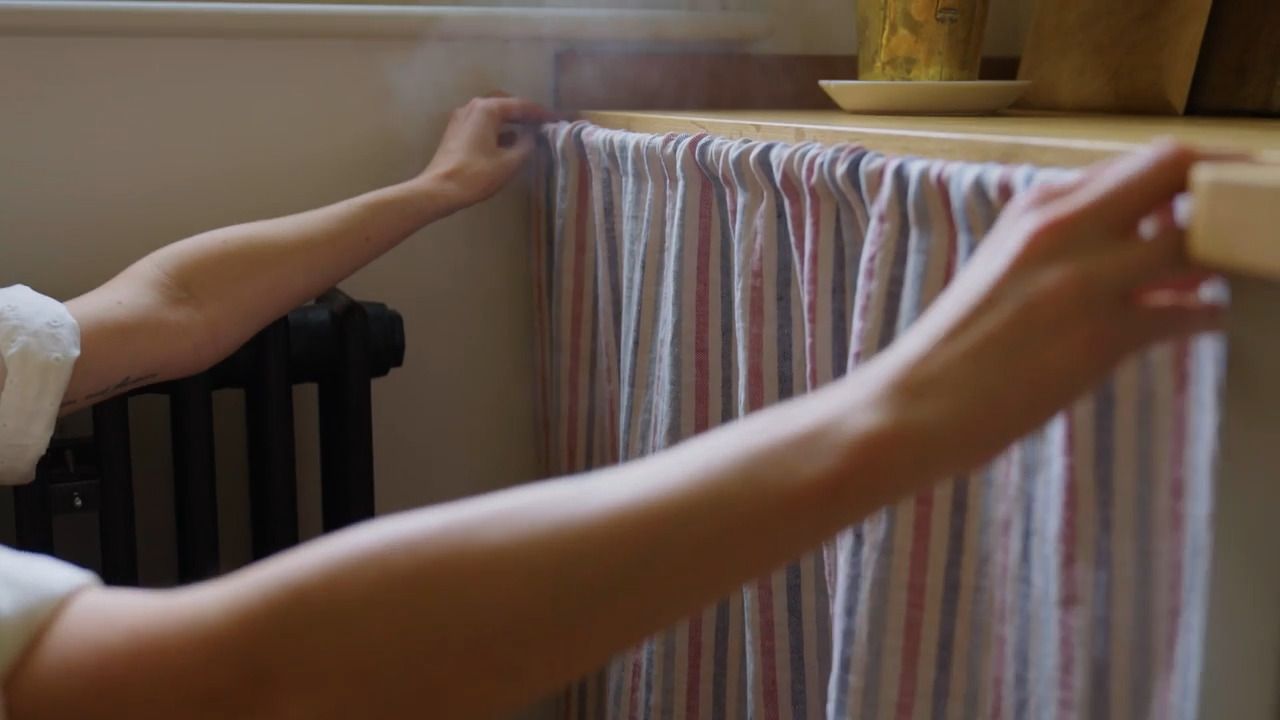
  • Straight stitch as close to the edge of the pocket as possible, leaving either side open so you can push your rod through.
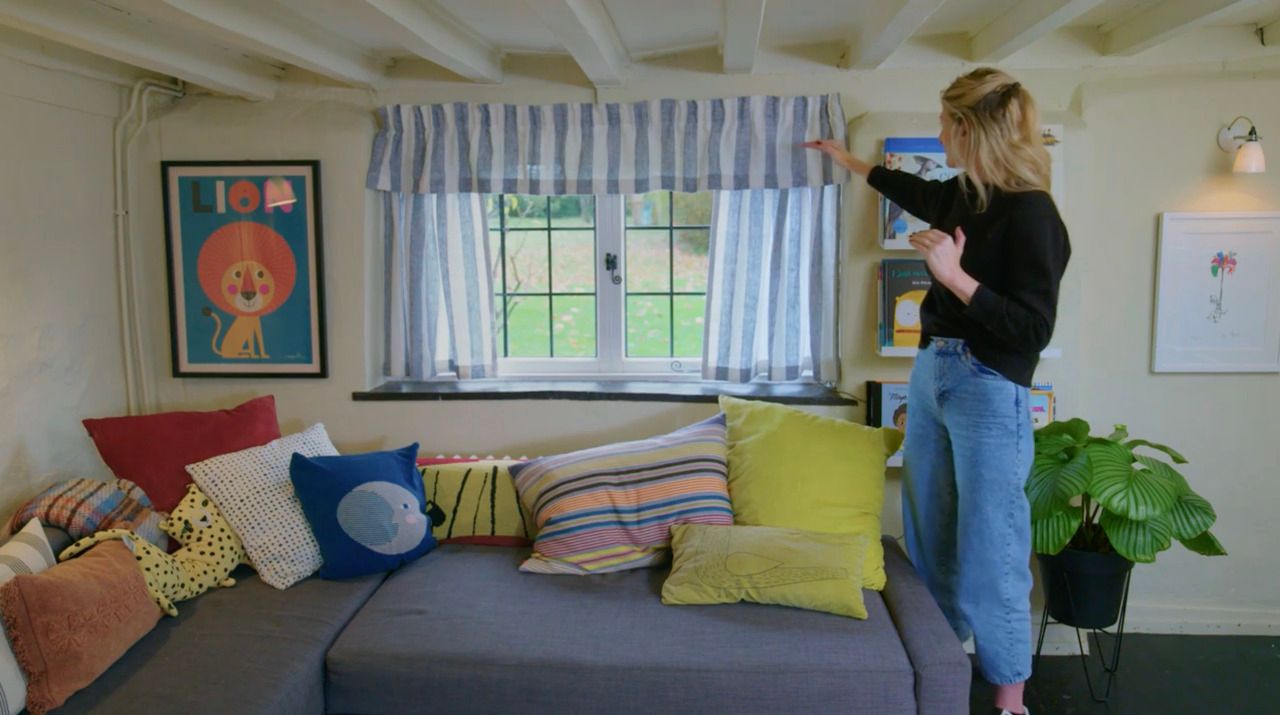
  • Remove all pins, and trim any loose threads. Ensure everything is straight and all your stitches are secure - and your unlined rod pocket curtain is complete!

Get the full workbook, video lessons, and more with a Create Academy subscription.

Subscribe to access the full workbook
Access all courses
$30 /month

Access 57+ courses, billed annually

Subscribe Now
Buy this course
$170 one-time

Lifetime access to this course

Buy Course

Already a member? Sign in to watch

Rated 4.7/5 on Trustpilot

437 reviews

Read more

Very good tutorial from a professional garden...

I have subscribed to access all the courses so have watched one on interior design and this one with Butter Wakefield who specialises in small garden design. She ...

Louise Brown

Apr 10, 2026

Time spent well

I love CreateAcademy. I came in for the gardening and floristry courses, but am also watching an interior design one at present. And the photography course is an ...

Wellesley

Apr 1, 2026

What a great investment

What a great investment, I have learned such a lot from the first three courses. My evenings have gone from not being able to find anything that captured my imagi...

sojojo

Mar 30, 2026

I loved this course with Amanda\u2026

I loved this course with Amanda Lindroth! Her approach to decorating is so relaxed and she makes it feel attainable. She explains the reasons behind her decisions...

Elizabeth

Mar 27, 2026

Gemma Moulton

Your Instructor

Gemma Moulton

Fine textiles and design studio specialising in handmade household linens and soft furnishings.

Gemma Moulton fostered her love of sewing in childhood and has over 15 years of experience working in fashion and fabric design. She studied upholstery and soft furnishings at London Met, before completing an apprenticeship in curtain making and working for some of London’s most prestigious curtain makers. In 2020 she set up East London Cloth, inspired by her love of traditional practices and timeless design, where she creates handcrafted, unpretentious and authentic household linens and soft furnishings designed to withstand the test of time and be passed down to future generations.

Access to all courses

Get access to unlimited learning with a Create Academy subscription