




Interior and exterior confidence
Create Academy has been such a great resource. I'm in the middle of renovating a bungalow with a very large garden and the courses have offered a wealth of inform...
Harvey
Jun 10, 2026
An Introduction to Decorative Painting
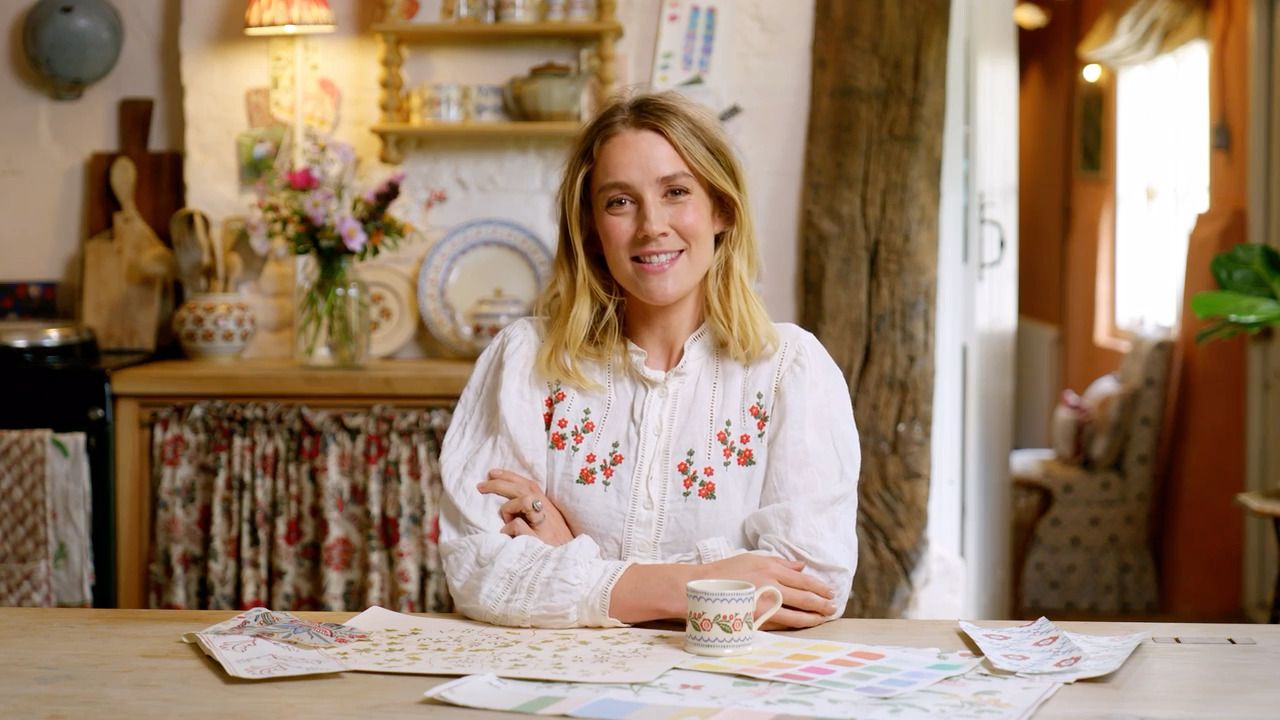
with TESS NEWALL — Hand-painted details bring warmth, soul, and story into a space. They make a home feel alive.
Lesson 8 of 32
Subscribe to watch
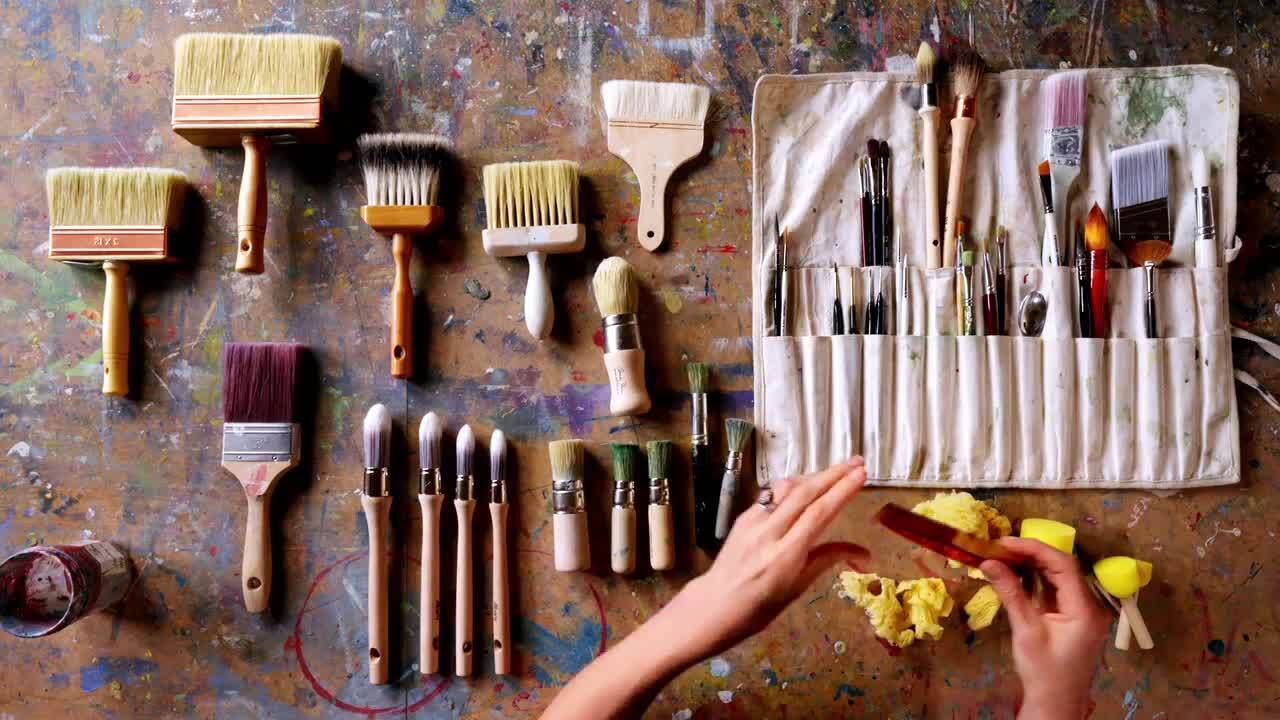
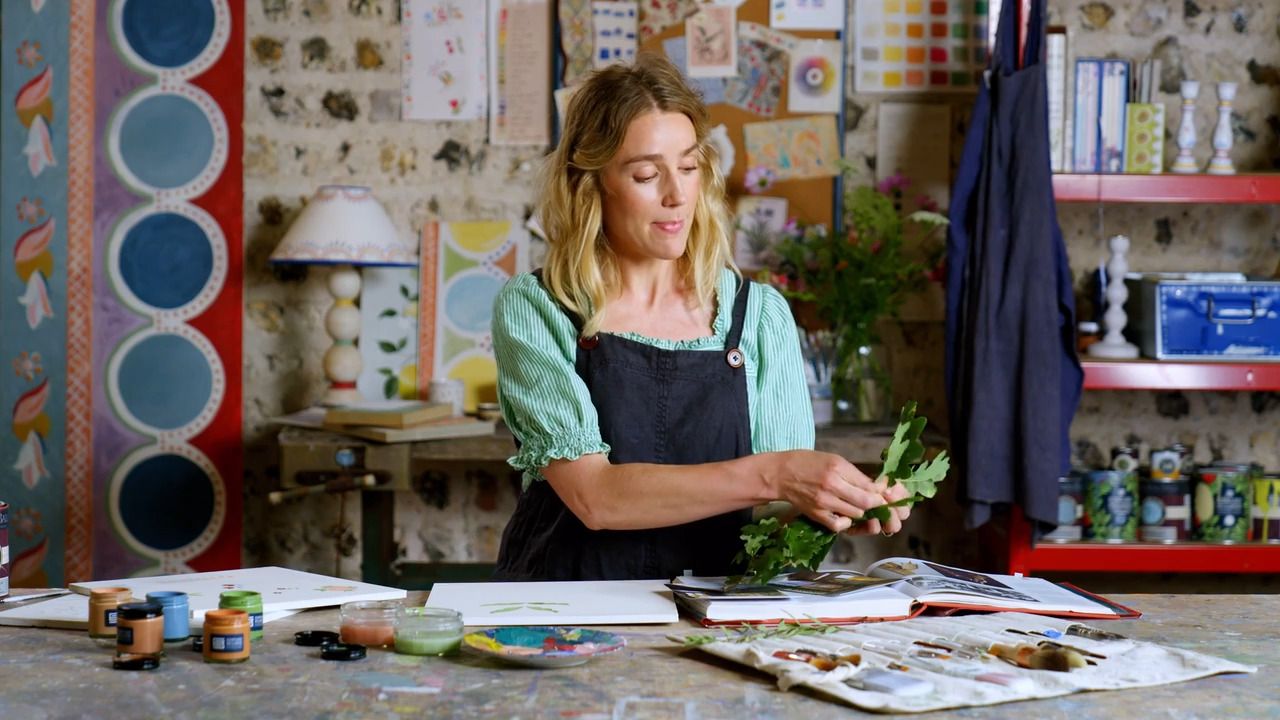
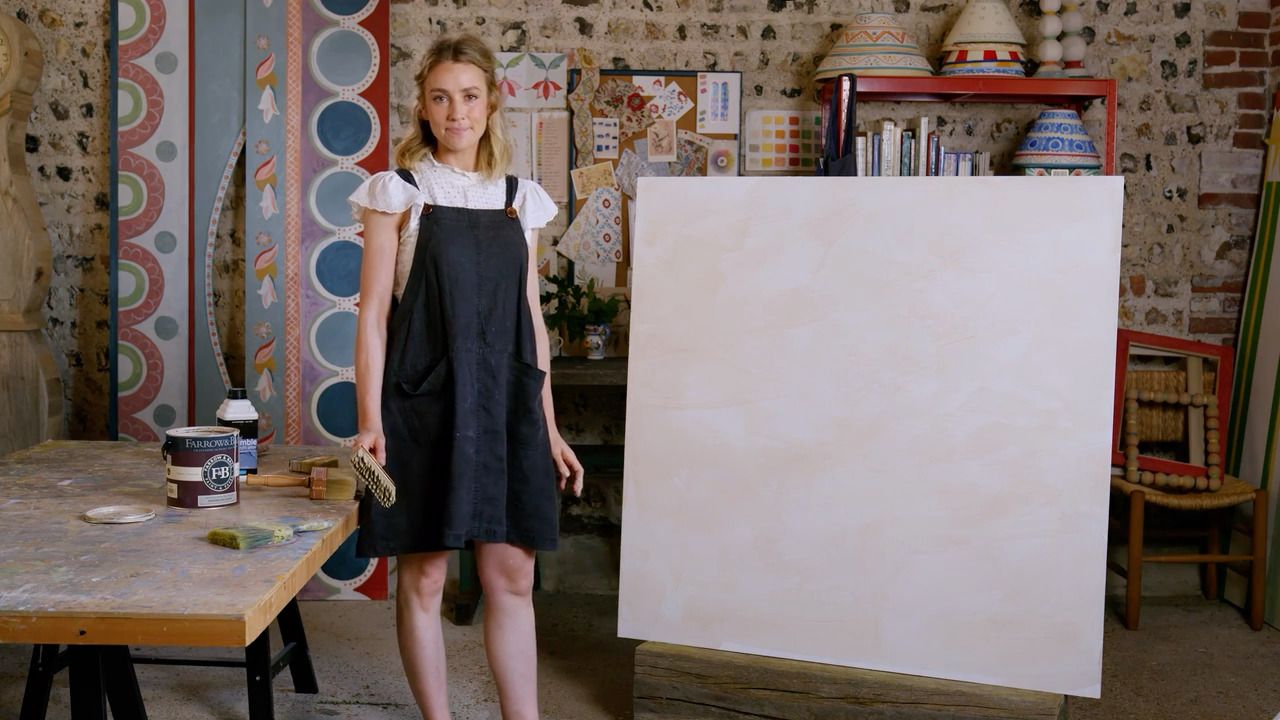
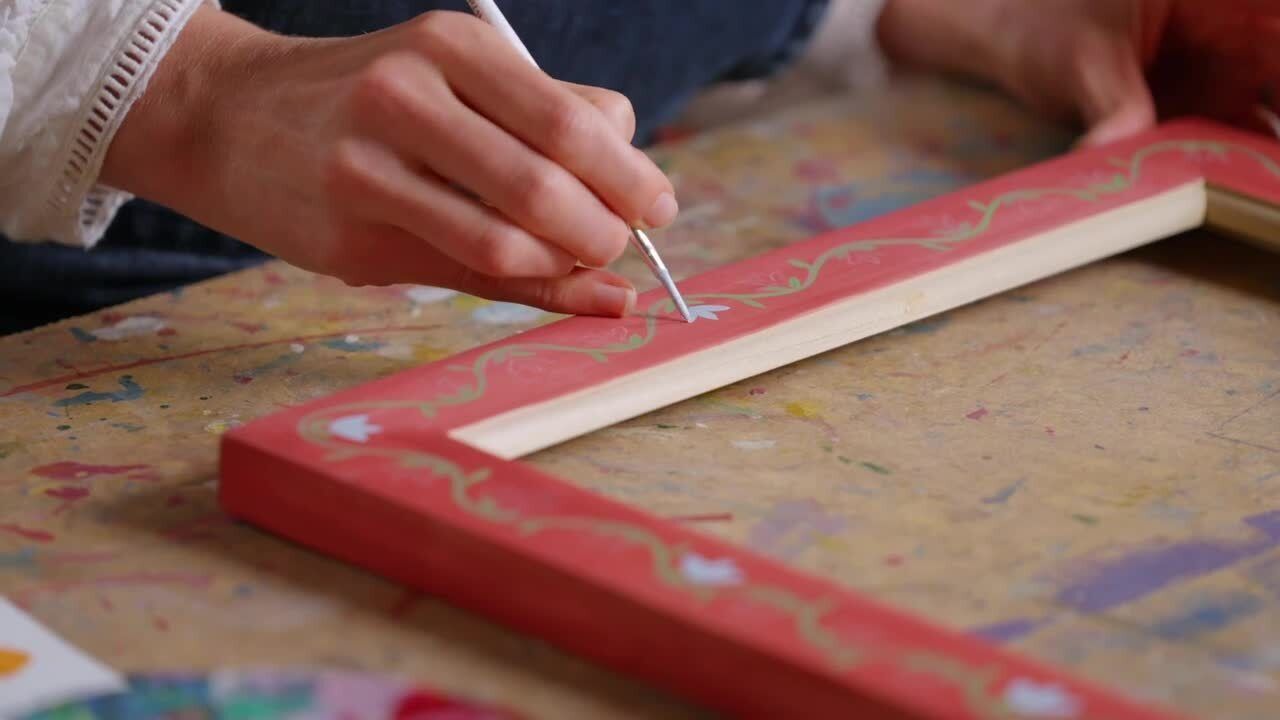
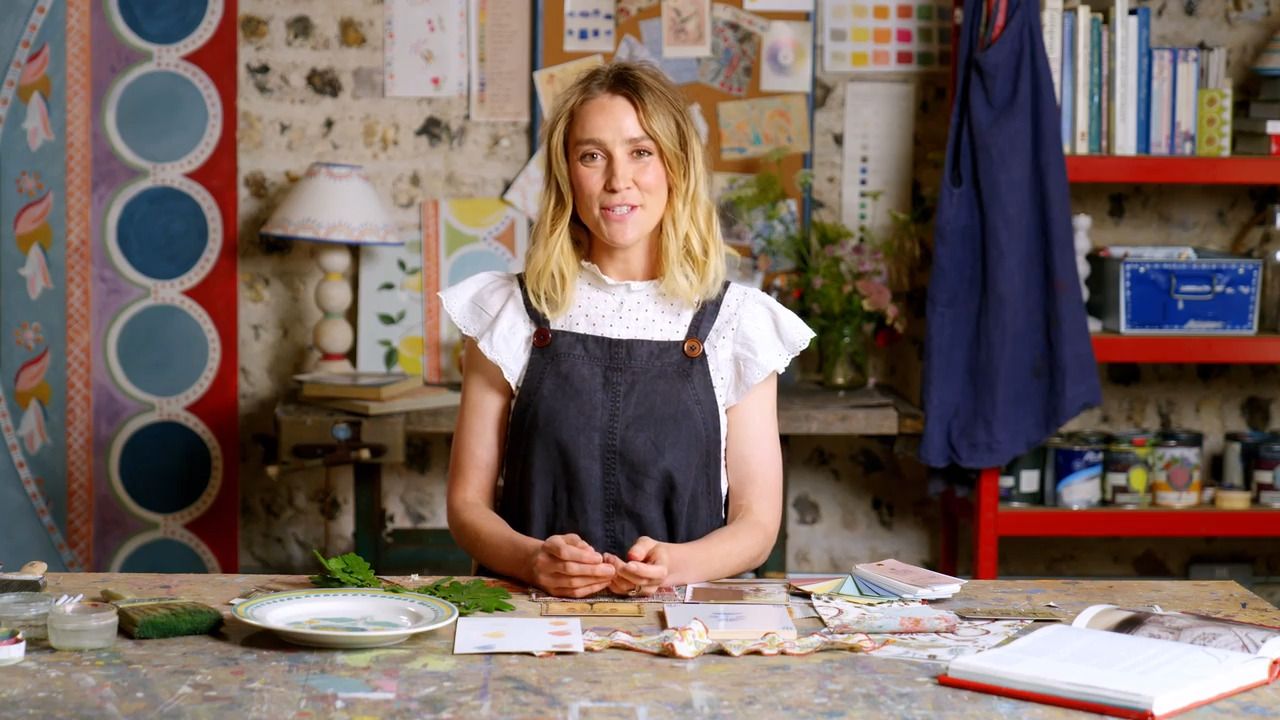
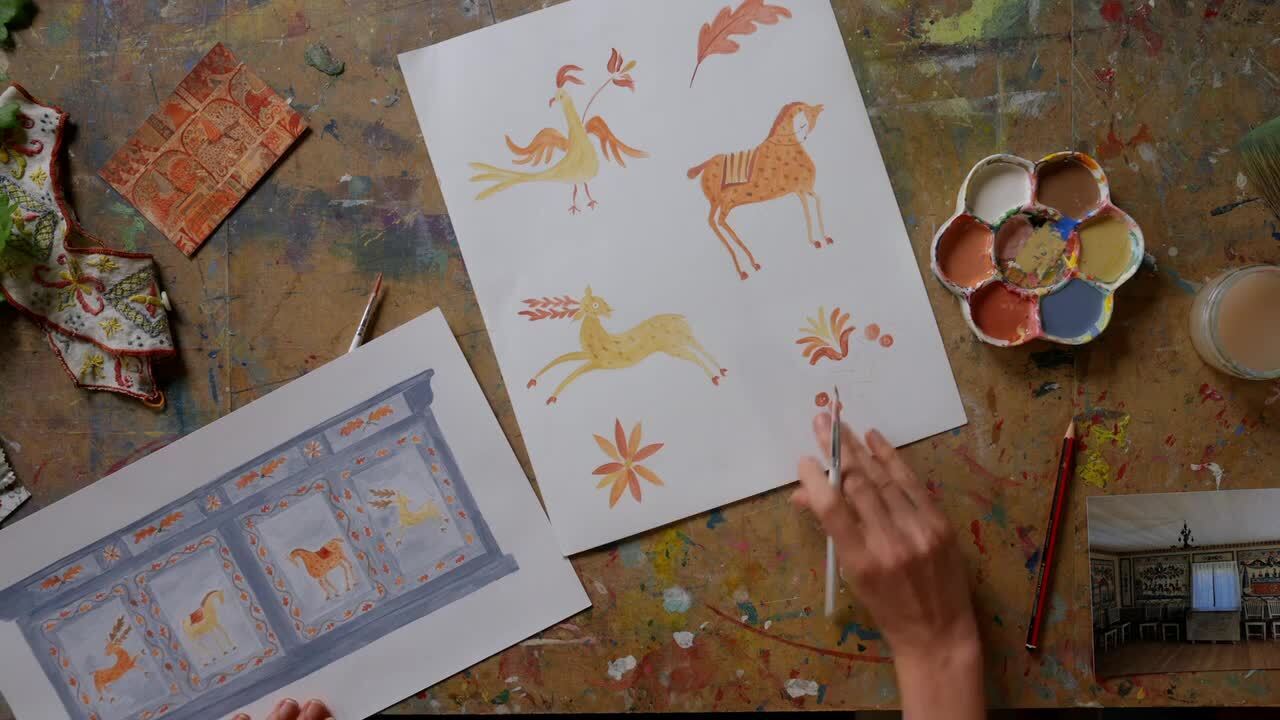
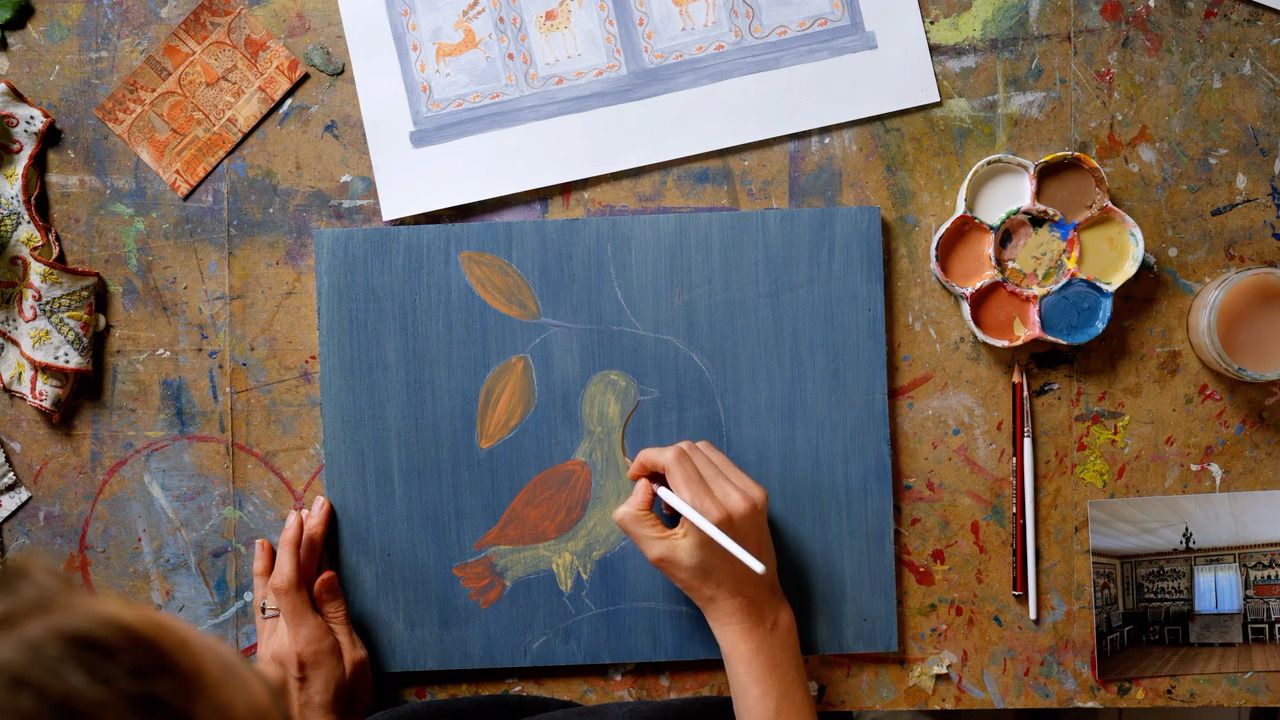
In decorative painting, there are a few fundamental mark-making techniques that are well worth practising and getting the hang of when first starting. Follow along with Tess as she demonstrates what they are.
In decorative painting, there are a few fundamental mark making techniques that are well worth practising and getting the hang of when first starting out. Follow along with me as I demonstrate what they are.
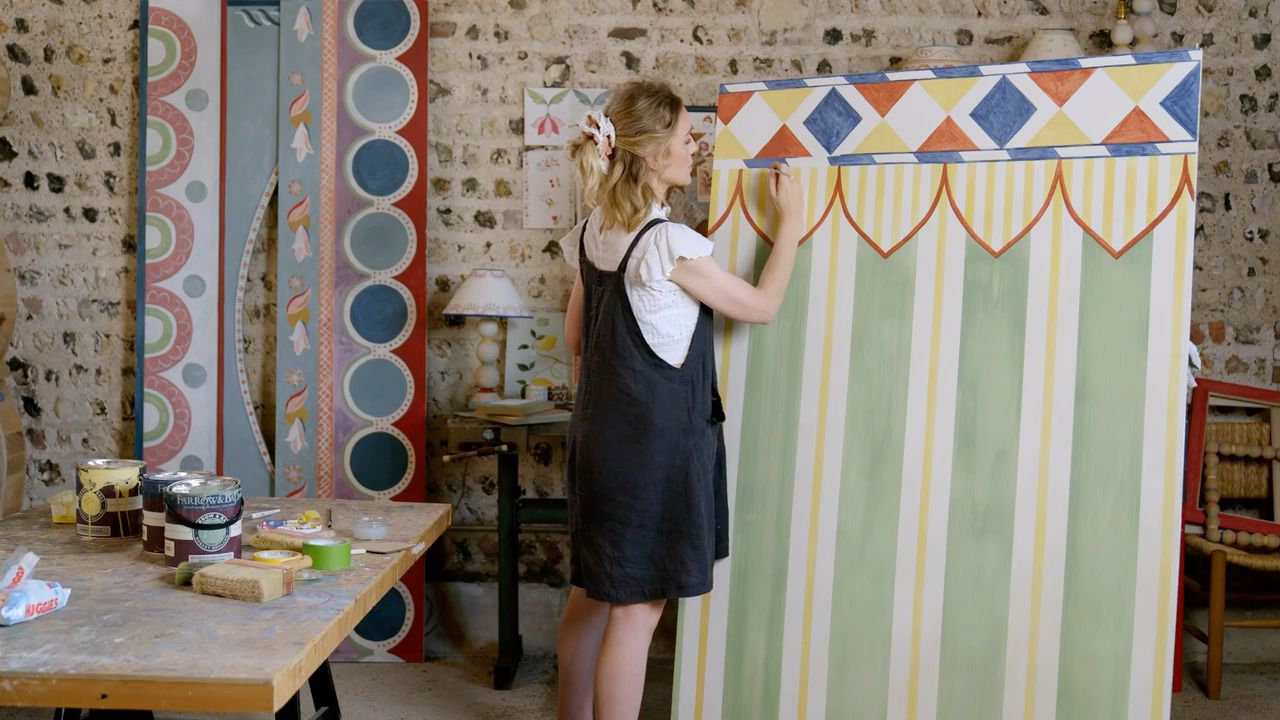
There are a few different ways you can achieve straight and scalloped lines, and it's up to you to choose what you prefer. Try to practise these different techniques as much as you can, to get your hand used to the motions and to grow your confidence.
1. Using a ruler
Place a ruler in a straight position on your surface. Take your loaded paintbrush into your hand, and rest your two smallest fingers against the edge of the ruler to guide the line you then paint with the brush. Run your hand down the ruler, letting the paintbrush glide down the surface to create the painted line.
2. Freehand straight line
Load up your liner brush and adopt quite a low angle to the surface you are painting. Rest your little finger on the surface to steady you, and draw down slowly and steadily.
3. Wavy Line
I find this easiest to do going horizontally, if possible. As with most of the techniques, I would recommend focusing on your hand and its motion, rather than the line you are making. Move your hand in an even rhythm up and down in waves to create a wavy line that will, in turn, be relatively even. I like the organic nature of freehand painting, and would never worry about making the size of the waves exact.
4. Traditional scallop
When painting a traditional scallop, you will have a crisp meeting point between each scallop. The rhythm is more bouncy. Sweep up and over to create the scallop and move on quickly to create the next.
5. My preferred scallop
Inspired by the Charleston farmhouse, I like to create a loop between each scallop - I find the movement creates a much more free-flowing and fluid effect.
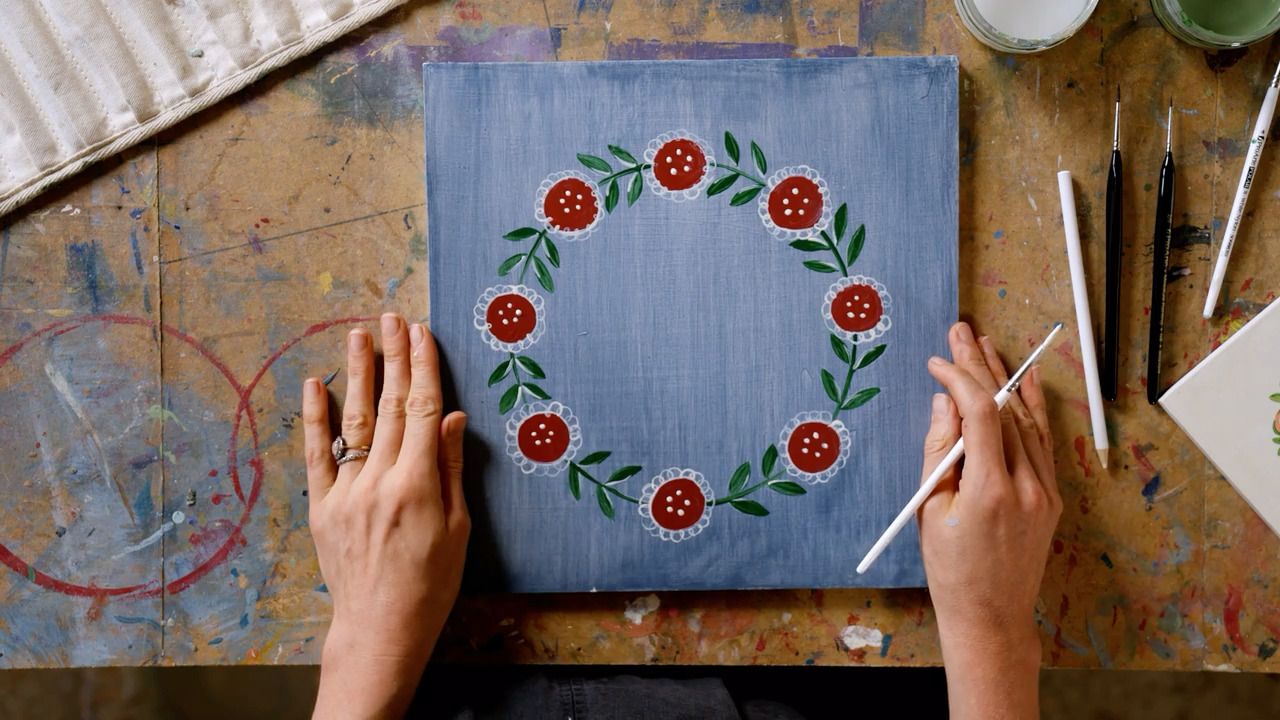
Crosses and dots are a good way to build on simple line motifs and create something more decorative.
6. Line of crosses
Painting a line of crosses in a row can be really effective. The faster you go, the better because I like when you get the swishy tails.
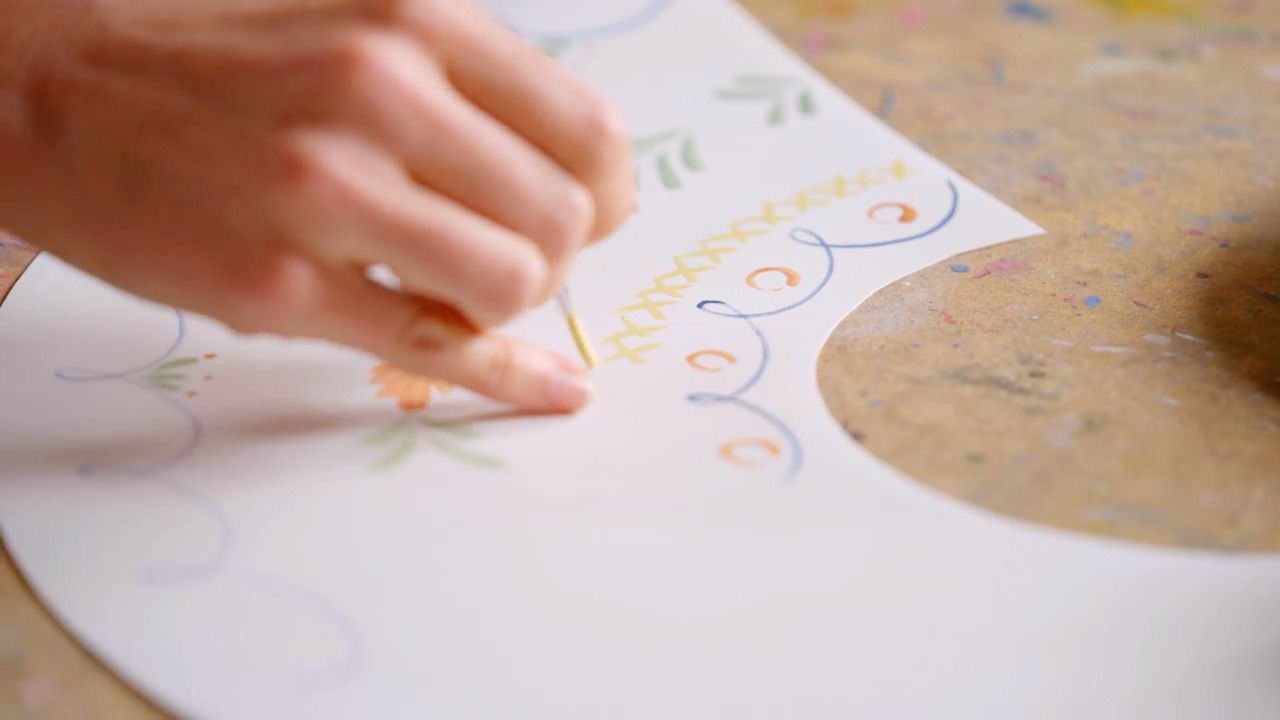
7. Crosshatch
Another technique favoured by those at Charleston farmhouse, and one I use often as it's a lovely space filler. Paint a whole row of small diagonal lines going in the same direction. Then go back to the beginning, and starting at the 'top of the cross' paint another row on top of small diagonal lines going in the opposite direction.
8. Dots with the brush
The way to get a nice rounded dot is to load up your brush with a decent amount of paint. Hold your paintbrush so it's almost at a right angle to the surface, rest your wrist and move your whole hand up and down as you glide along making quick dabs to create the dots.
9. Dots with the end of your paintbrush
You can also use the wooden end of your paintbrush by loading it up with paint and using it to stamp the dots onto the surface - you will need to reload it with paint more often.
Crosses and dots are a good way to build on simple line motifs and create something more decorative.
10. Disjointed circles
These don't need to be perfect, and I like it when they are disjointed to emphasise their deliberate imperfection. Load up your brush quite generously to give variance in the weight of the line; nice and thick at the top, becoming thinner towards the end.
11. Filled in circle
You want to create a very slight inward spiral motion with your hand, first creating the vague outline of the circle and then moving inwards to fill it in. I will quite often combine these with small lines in between.
I recommend trying to go quite quickly when you're practising, and not labouring over it too much. You don't want to be too precious, and will often get the best results when you're not overthinking it.
Think of your arm and hand as your instrument, and focus on how this movement impacts what you are creating with the paintbrush.
Artist Peter Hunt
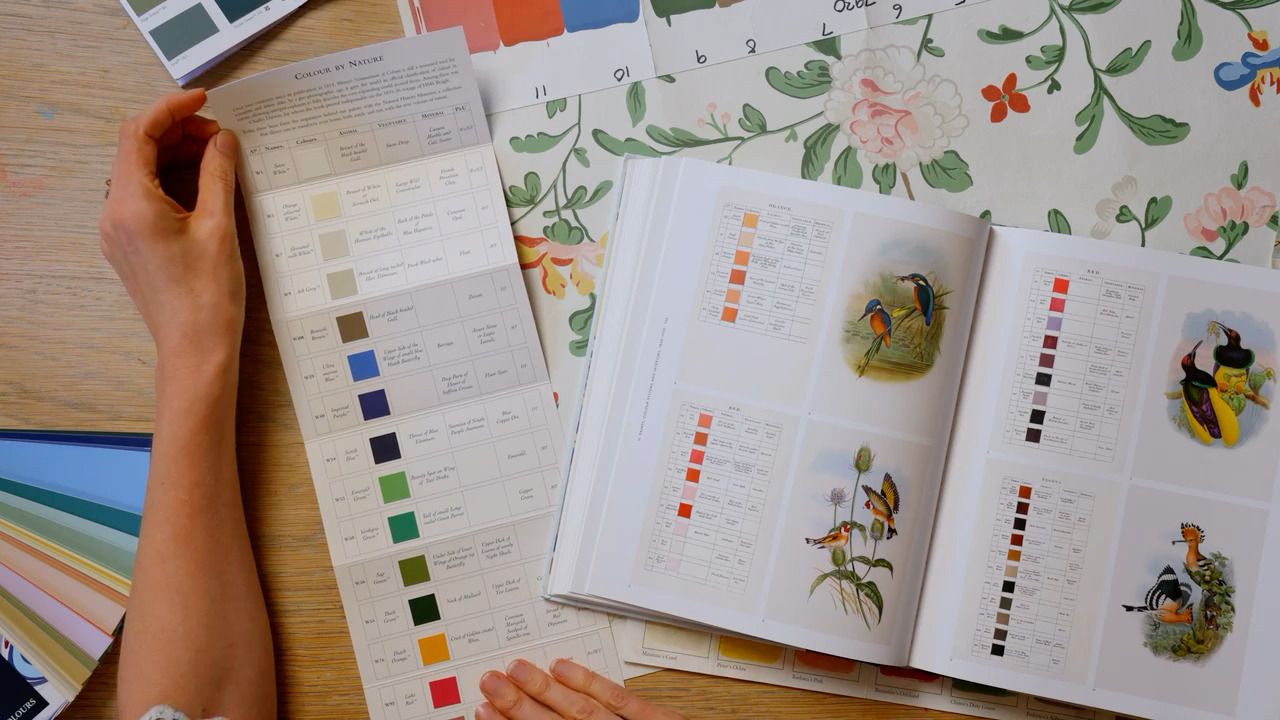
'Quimper Pottery', by Ann Marie O'Niell
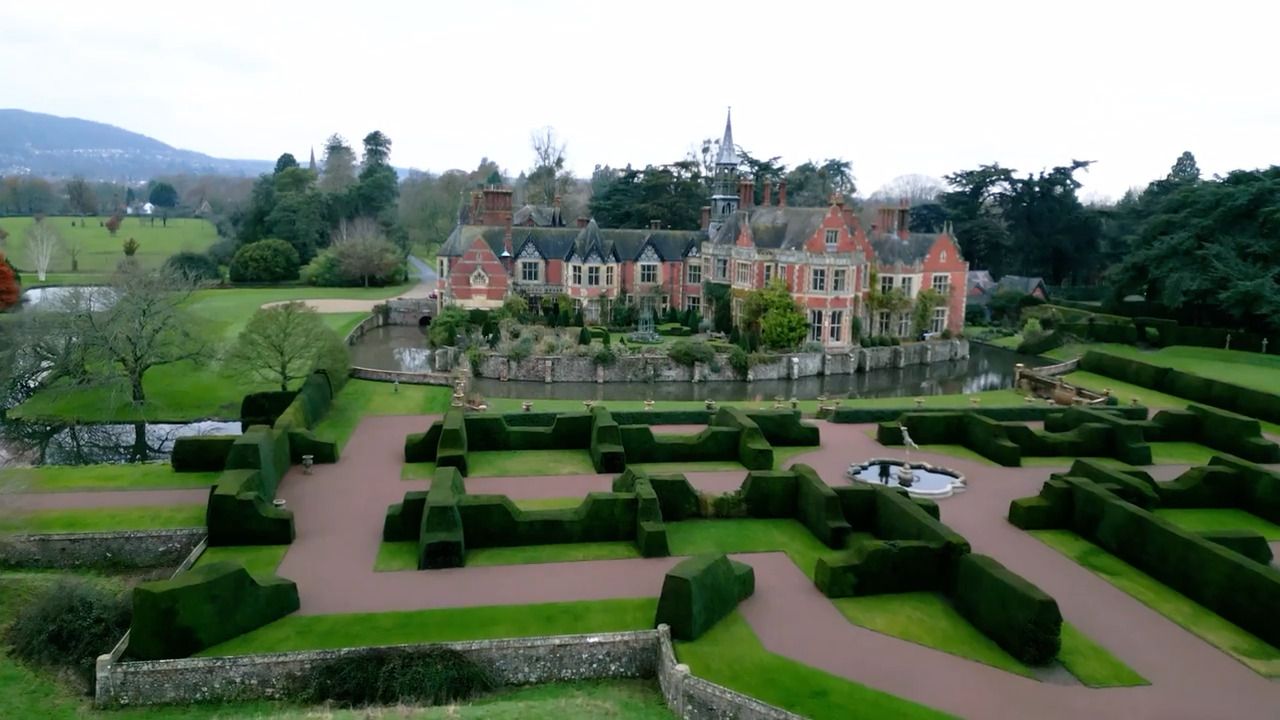
'Charleston: A Bloomsbury House and Garden', by Quentin Bell and Angela Nicholson
Get the full workbook, video lessons, and more with a Create Academy subscription.
Subscribe to access the full workbookAlready a member? Sign in to watch
491 reviews
Read moreCreate Academy has been such a great resource. I'm in the middle of renovating a bungalow with a very large garden and the courses have offered a wealth of inform...
Harvey
Jun 10, 2026
Absolutely love Create Academy! The instructors are extremely informative, and it is beautifully filmed. Create Academy is great value for money and plan on renew...
SG
May 31, 2026
Butter's creativity is stunning! Her ability to incorporate brilliance in small gardens is magical!
Carla
May 30, 2026
The best adventure. I like all the courses, but my favorite are both Rita Konig interior design courses and Anna Jones. Excellent!
Karolina Kluczewska
May 20, 2026
Create Academy has been such a great resource. I'm in the middle of renovating a bungalow with a very large garden and the courses have offered a wealth of information to dive into and explore new ideas. I'm...
Harvey
Jun 10, 2026
Absolutely love Create Academy! The instructors are extremely informative, and it is beautifully filmed. Create Academy is great value for money and plan on renewing my subscription yearly because there are ...
SG
May 31, 2026
Butter's creativity is stunning! Her ability to incorporate brilliance in small gardens is magical!
Carla
May 30, 2026

Your Instructor
Hand-painted details bring warmth, soul, and story into a space. They make a home feel alive.
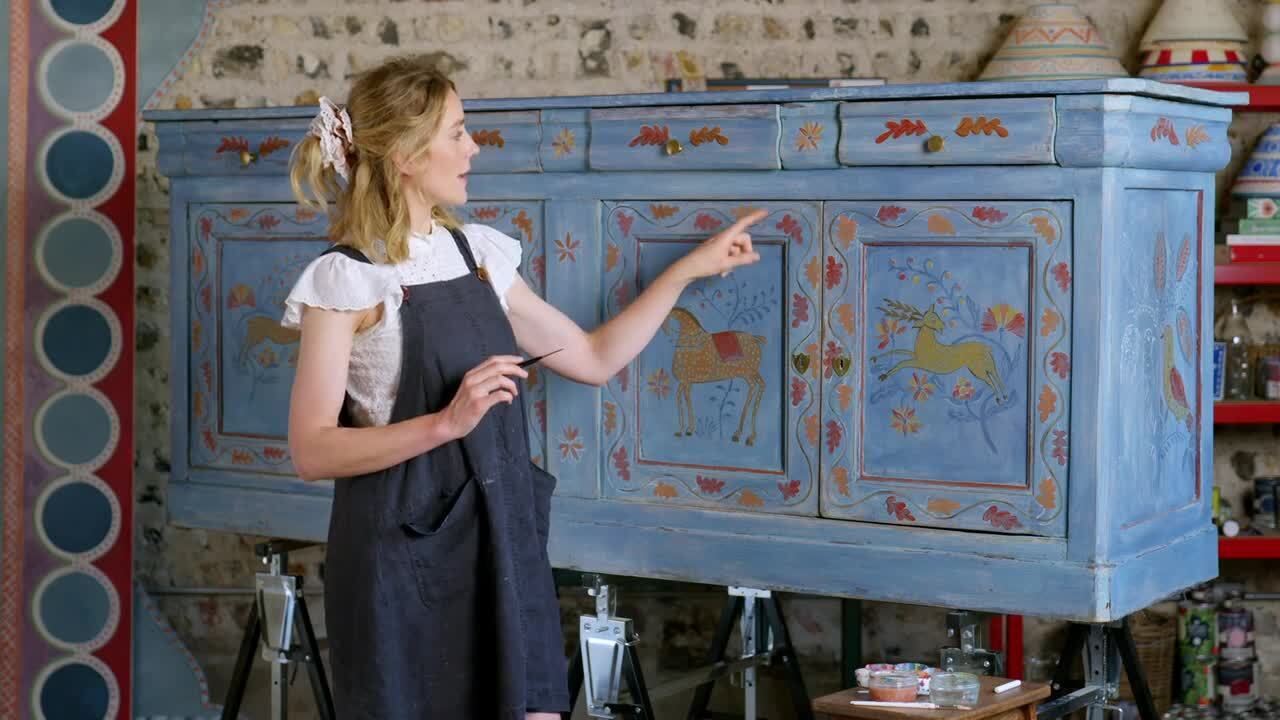
Tess Newall is a decorative artist based in Sussex, specialising in hand-painted bespoke murals and furniture. Following a decade of experience as a set designer and painter in the film industry, Tess has mastered how to bring a creative vision to life. She often draws on historic patterns and aims to capture an artisanal feel, where textures and brushstrokes add to the atmosphere of a room or to the character of a furniture piece. Tess and her studio team work with interior designers and private clients on bespoke commissions for both commercial and residential projects, as well as collaborating on homewares collections with brands including Liberty and Matilda Goad.
Access to all courses


