












Interior and exterior confidence
Create Academy has been such a great resource. I'm in the middle of renovating a bungalow with a very large garden and the courses have offered a wealth of inform...
Harvey
Jun 10, 2026
An Introduction to Decorative Painting
with TESS NEWALL — Hand-painted details bring warmth, soul, and story into a space. They make a home feel alive.
Lesson 11 of 32
Subscribe to watch
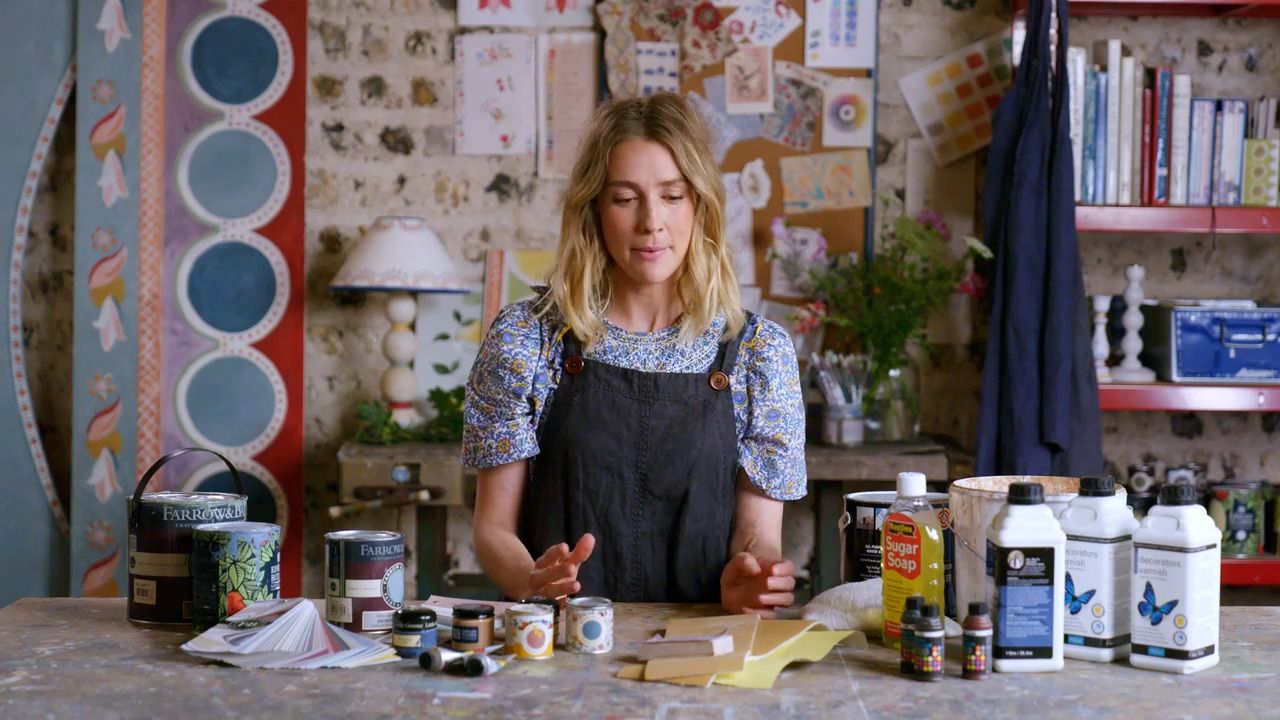
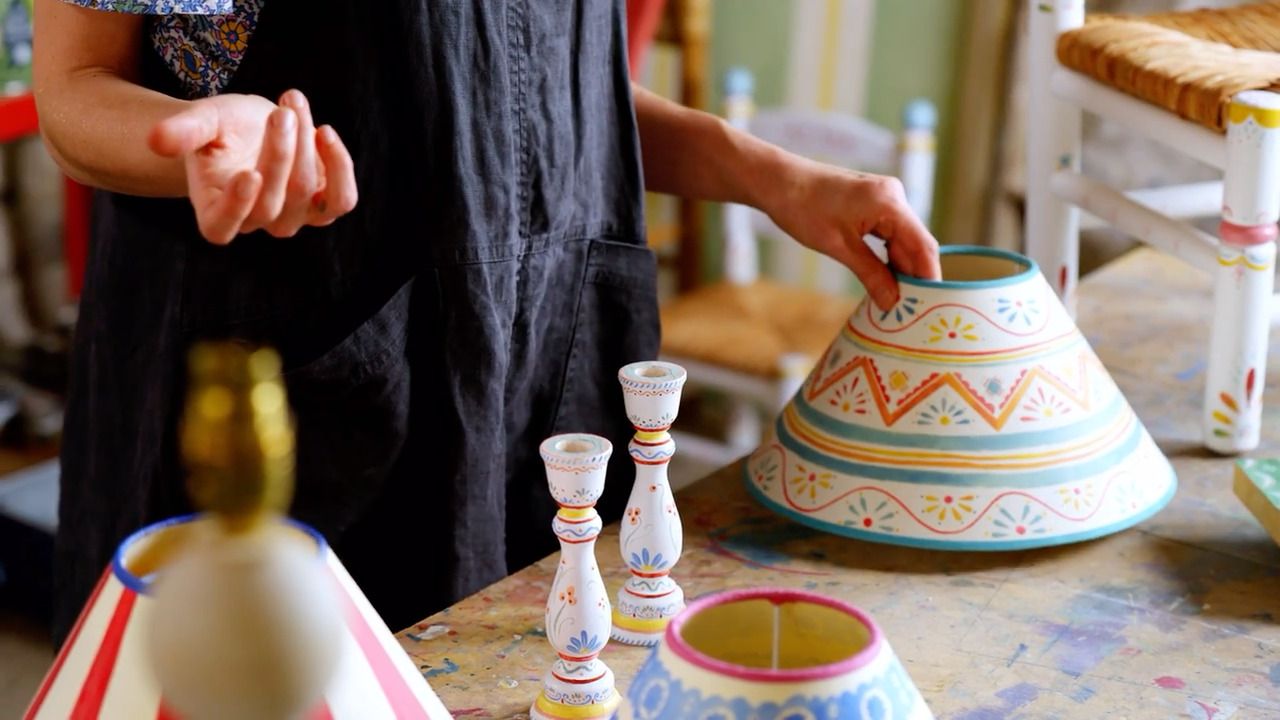
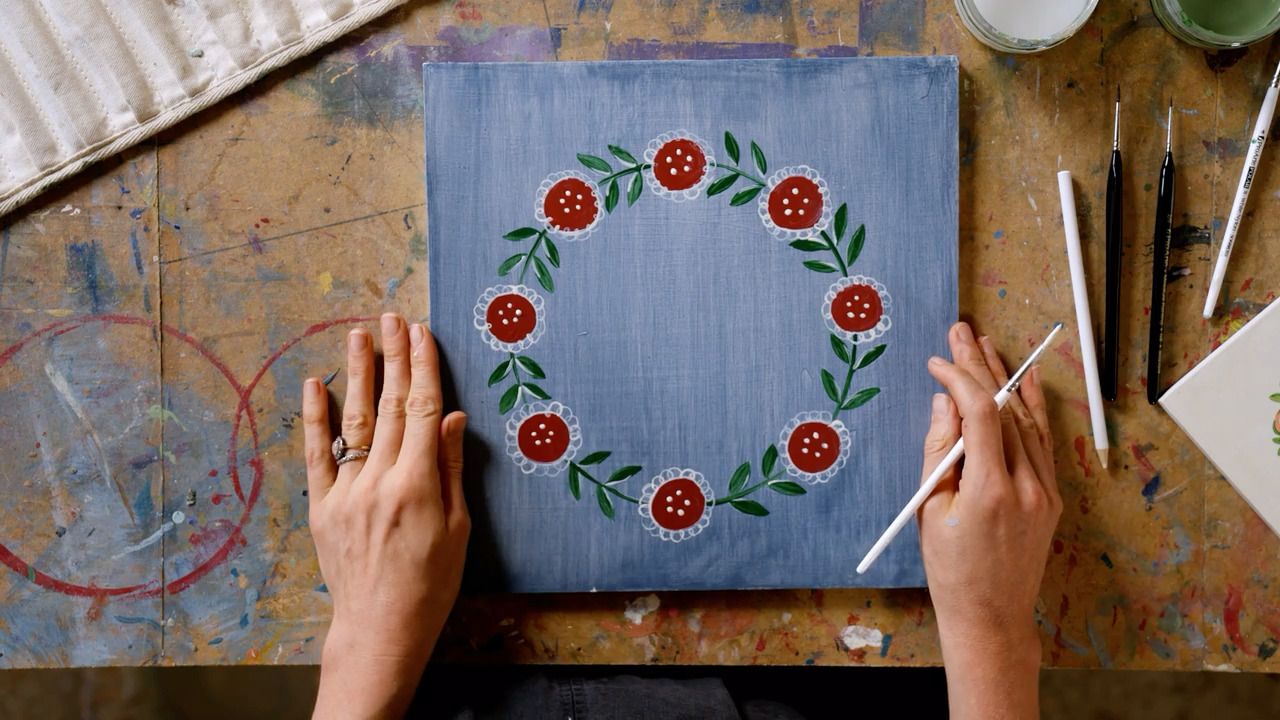
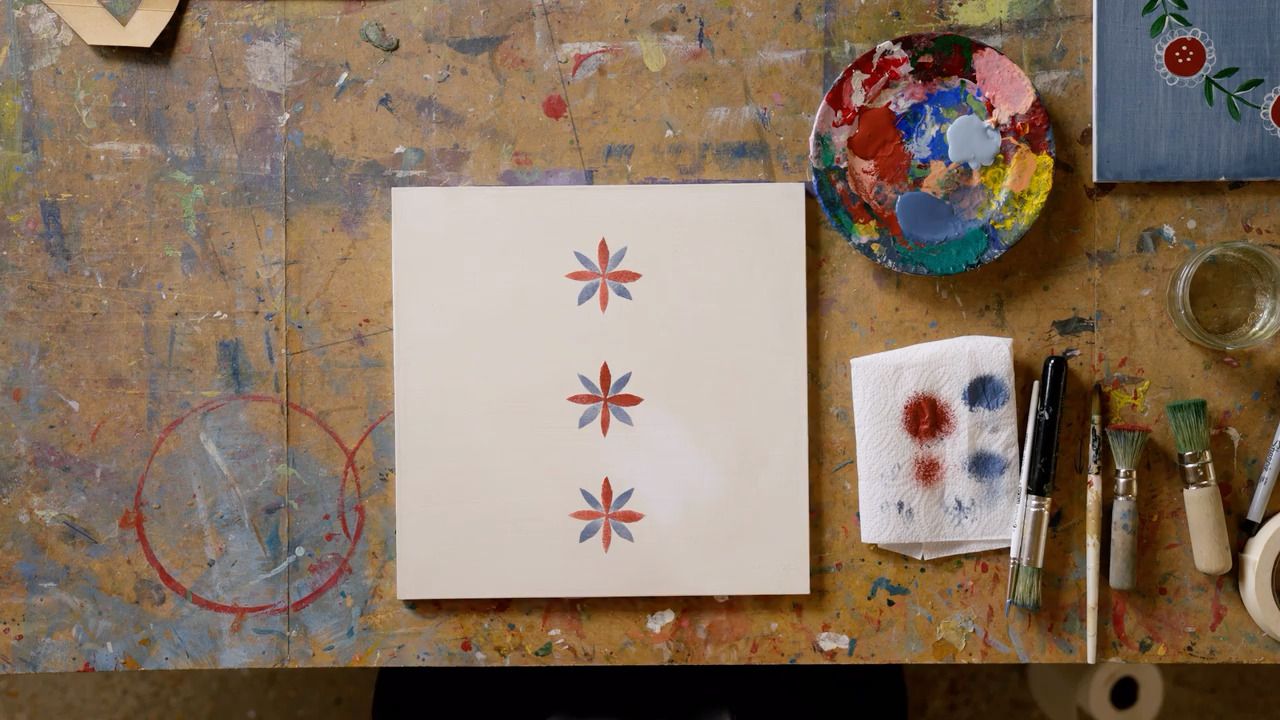
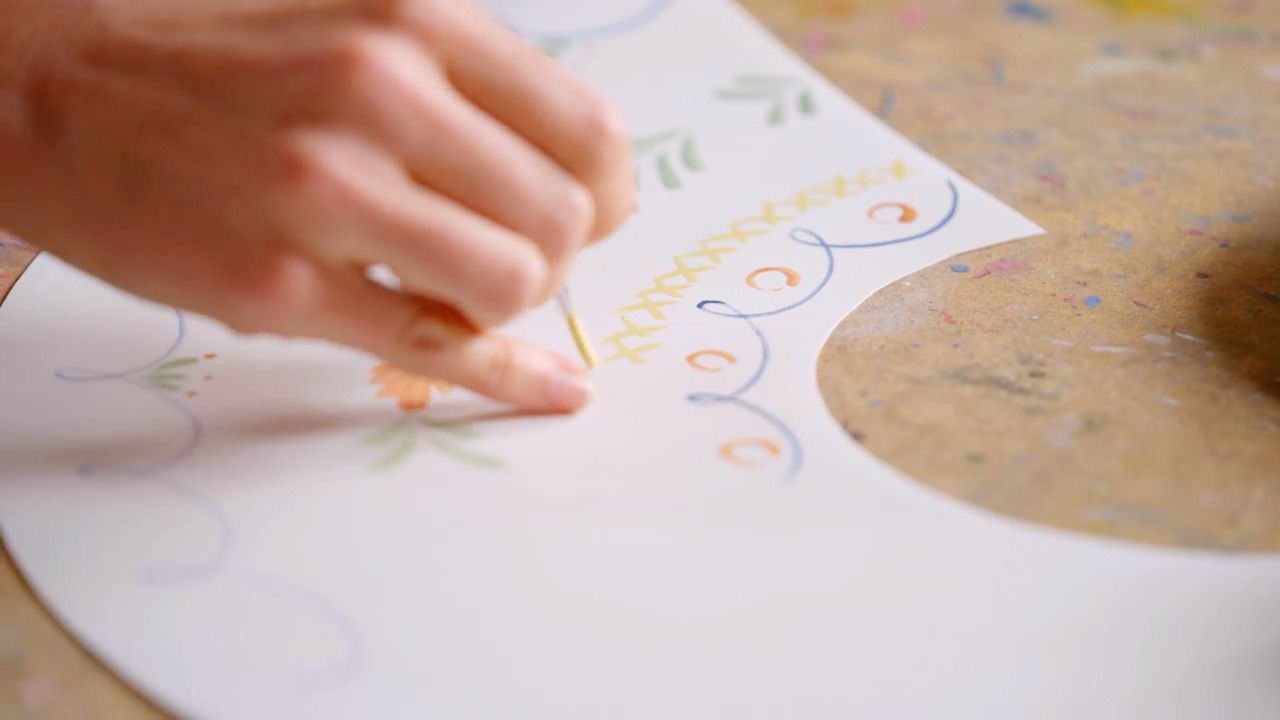
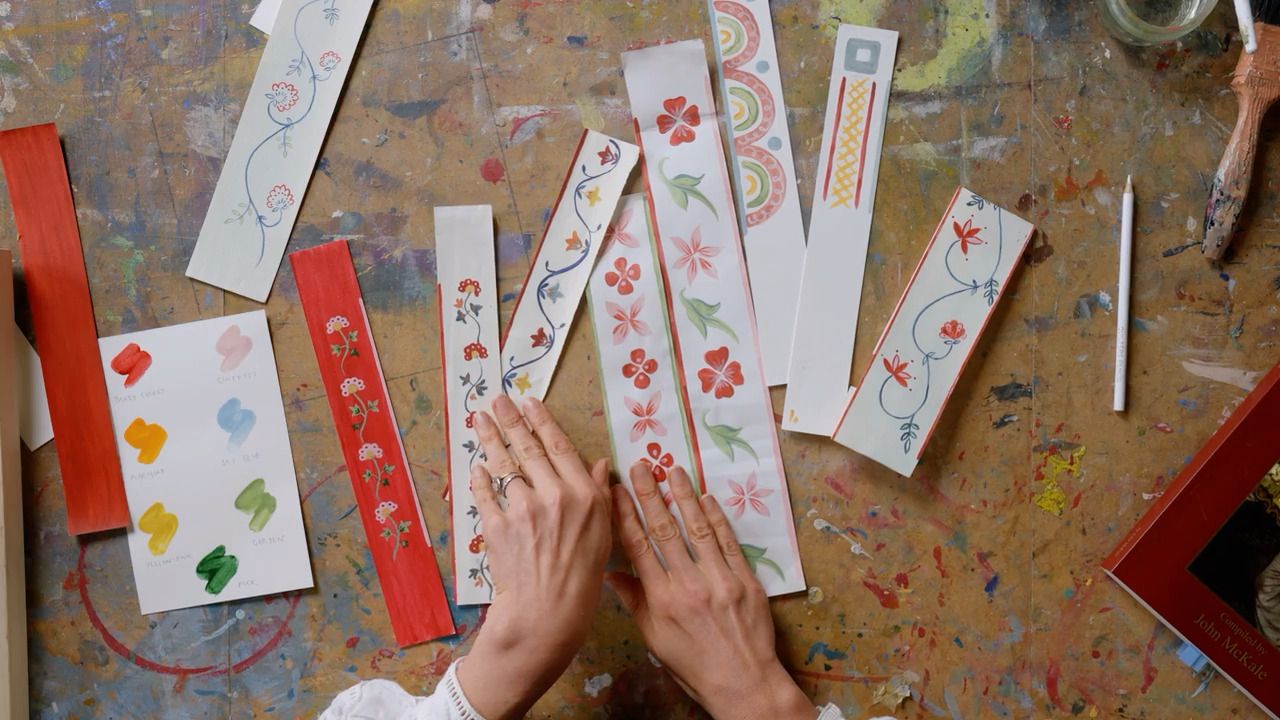
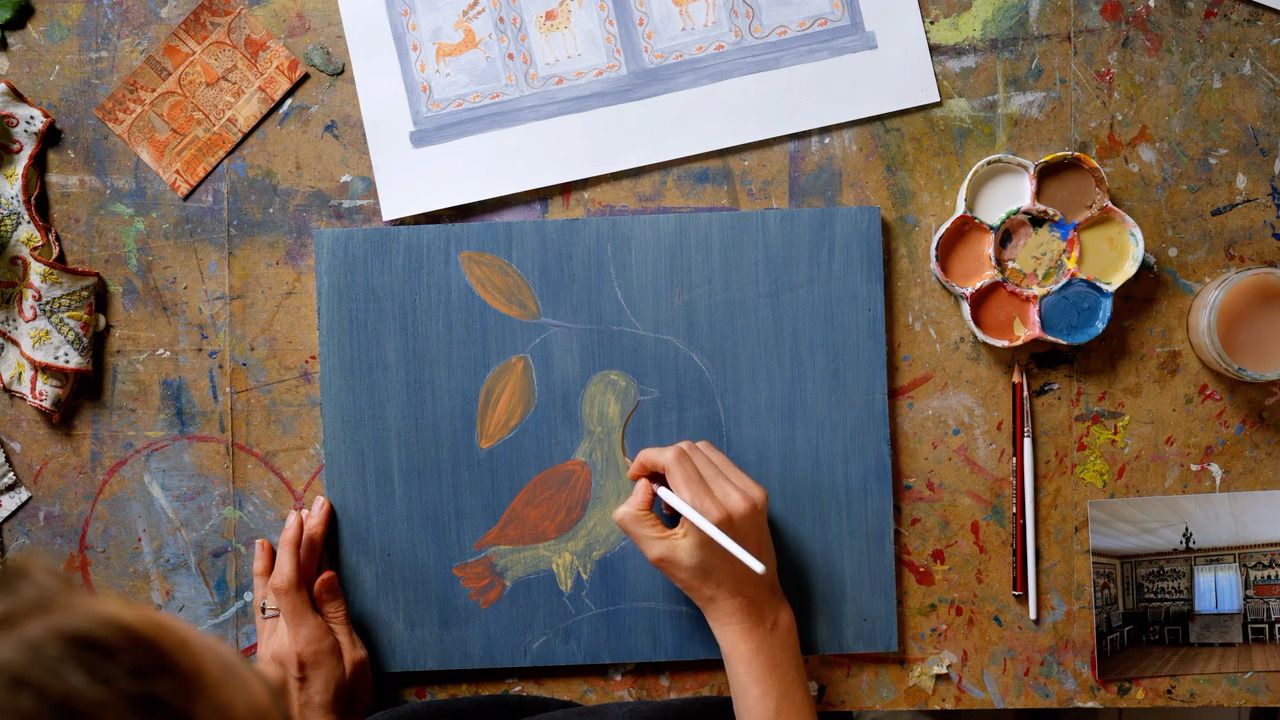
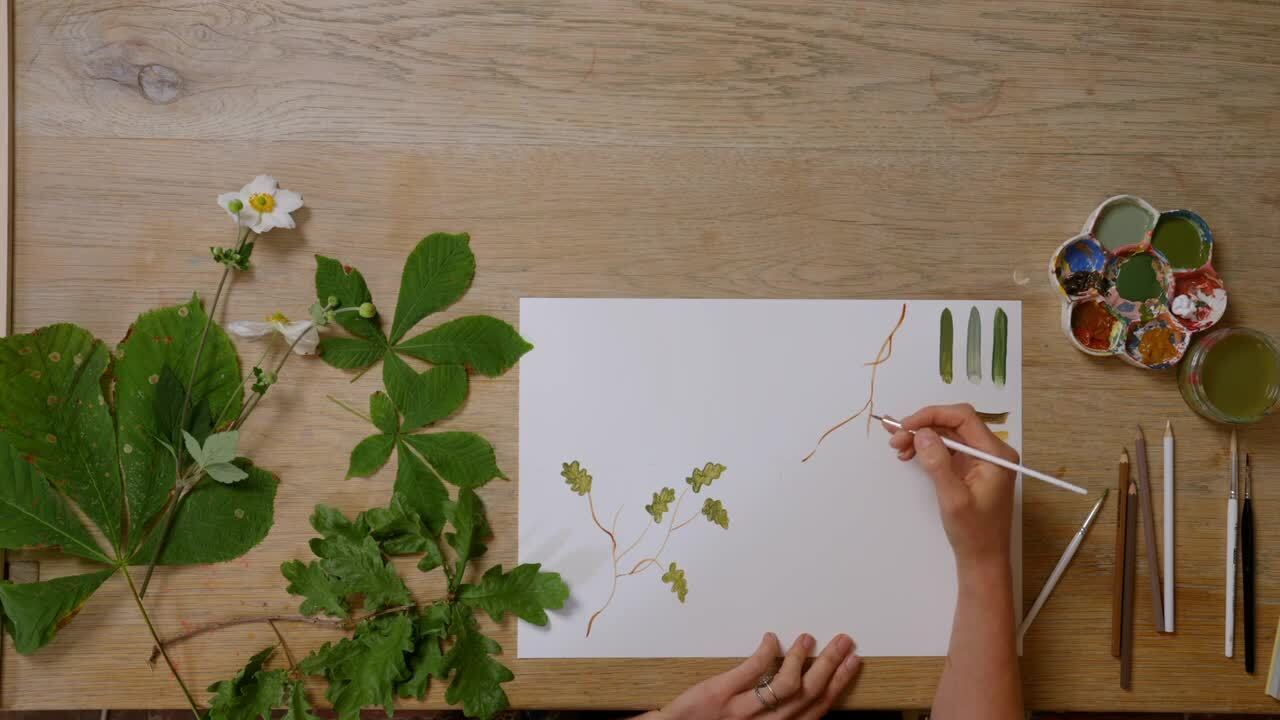
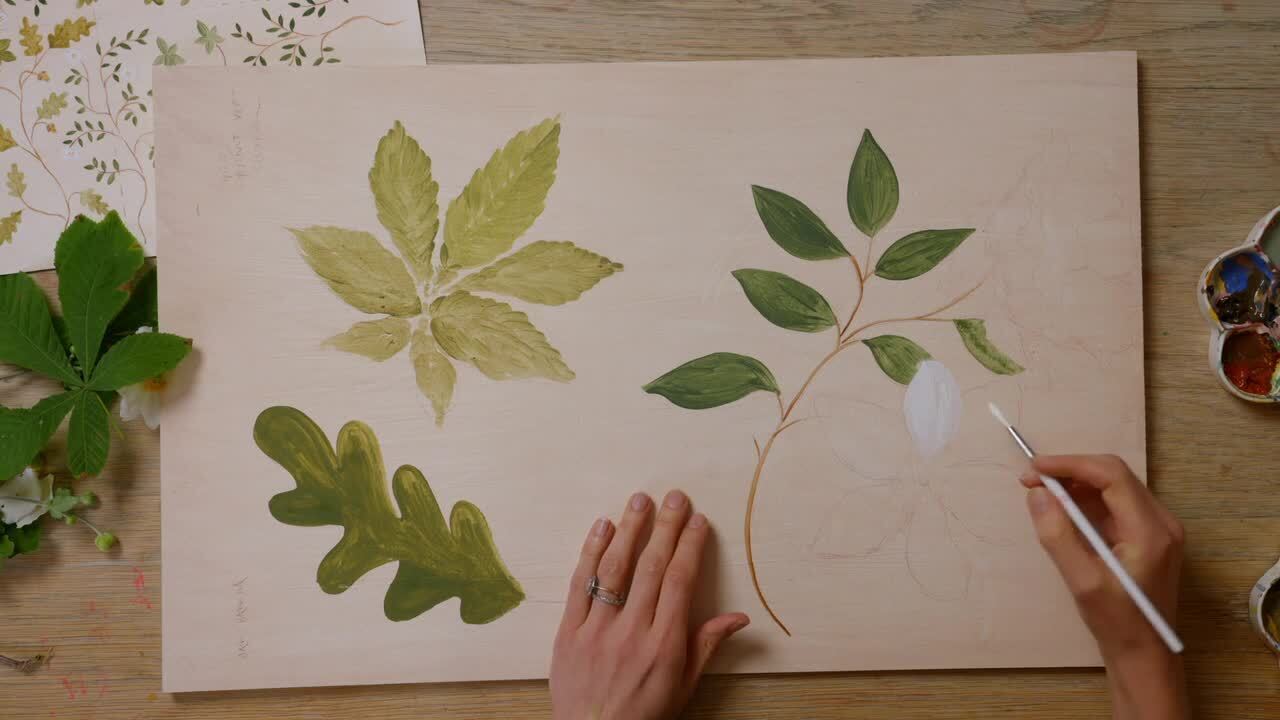
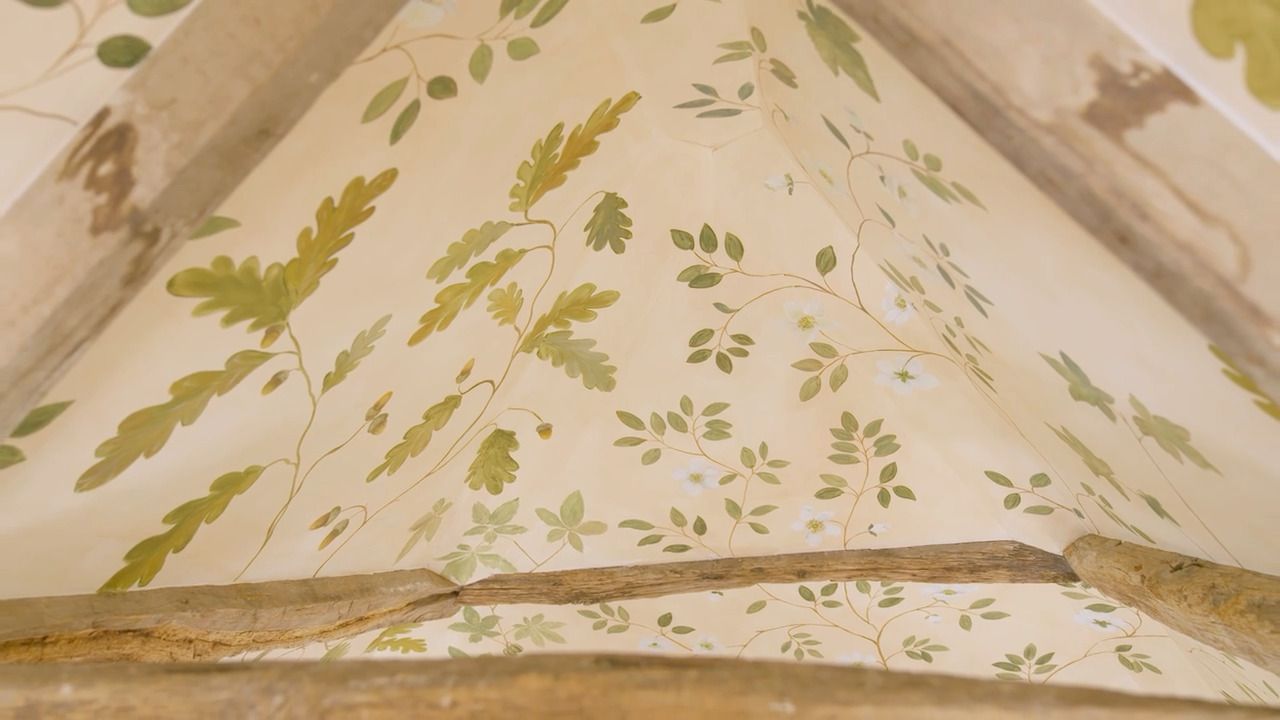
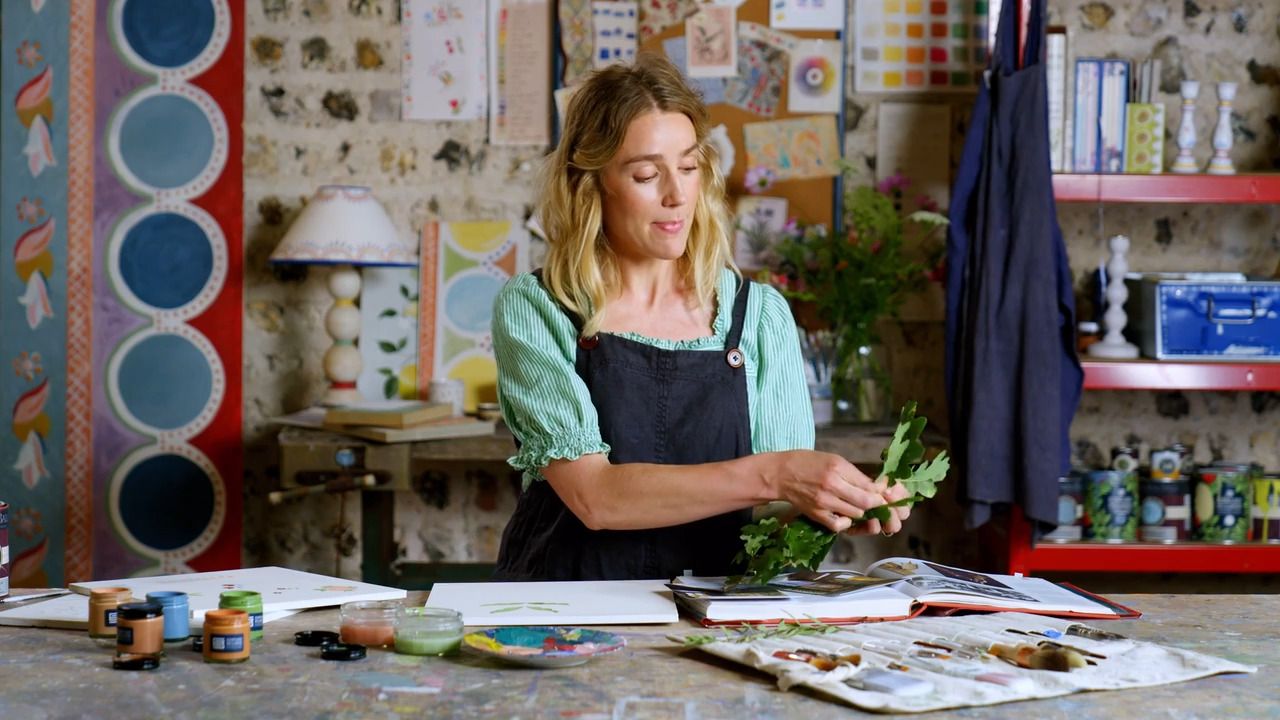
Tess demonstrates how to elevate your decorative painting even further with a tutorial dedicated to leaf and petal motifs.
I'm now going to demonstrate how you can paint motifs that are slightly more botanical and detailed.
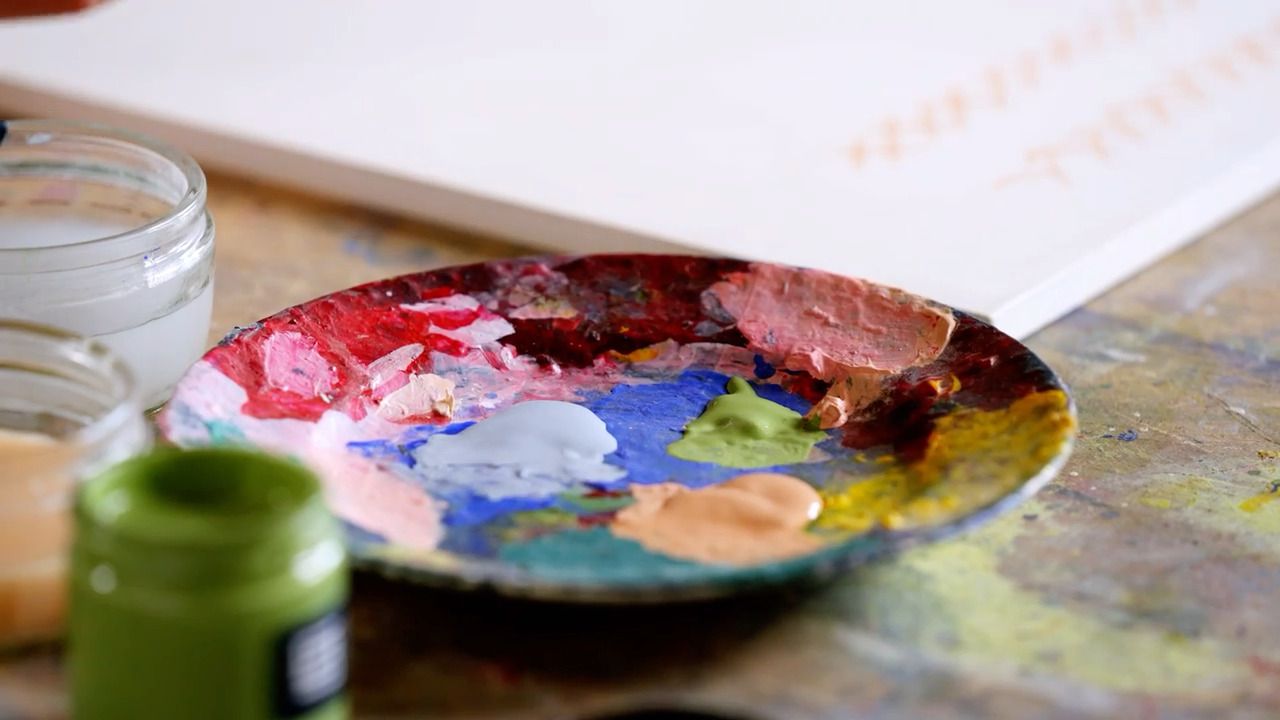
In addition to the two I normally use, I will have a third if I am using white paint so as not to muddy it.
1. Swedish-inspired scalloped leaf
First, paint a smooth curved line to form the top of the leaf. Create the underside by painting a scalloped line; the amount of scallops is up to you and may be dictated by the size of the leaf, but three is often a nice number. This can then be filled in.
2. Oak leaf
I always feel particularly inspired by the natural irregularity of oak leaves. To paint an oak leaf-inspired motif, first paint a central curved line. Use the wavy line technique to form the edges of the leaf, on either side of the central line. You can either leave it as an outline or fill it in.
3. Classic symmetrical leaf
Start by painting a small dash to create the tip of the leaf. Then, repeat the same small dashes fanning out from this in a row, curving round and down to create one side of the leaf. Do the same for the other side to complete the shape. You can add a stem and leave it as it is, or fill it in.
Painting additional detail on top of your motif in either a lighter tone or a darker tone can help to make it pop.
4. Feathered highlight or lowlight line
Hold your brush very lightly and loosely, and the motion you are doing is a flick of the wrist. Align the tip of the brush with a centrepoint or indent within your motif and brush quickly outwards along the edge of your painted shape.
Get the full workbook, video lessons, and more with a Create Academy subscription.
Subscribe to access the full workbookAlready a member? Sign in to watch
491 reviews
Read moreCreate Academy has been such a great resource. I'm in the middle of renovating a bungalow with a very large garden and the courses have offered a wealth of inform...
Harvey
Jun 10, 2026
Absolutely love Create Academy! The instructors are extremely informative, and it is beautifully filmed. Create Academy is great value for money and plan on renew...
SG
May 31, 2026
Butter's creativity is stunning! Her ability to incorporate brilliance in small gardens is magical!
Carla
May 30, 2026
The best adventure. I like all the courses, but my favorite are both Rita Konig interior design courses and Anna Jones. Excellent!
Karolina Kluczewska
May 20, 2026
Create Academy has been such a great resource. I'm in the middle of renovating a bungalow with a very large garden and the courses have offered a wealth of information to dive into and explore new ideas. I'm...
Harvey
Jun 10, 2026
Absolutely love Create Academy! The instructors are extremely informative, and it is beautifully filmed. Create Academy is great value for money and plan on renewing my subscription yearly because there are ...
SG
May 31, 2026
Butter's creativity is stunning! Her ability to incorporate brilliance in small gardens is magical!
Carla
May 30, 2026

Your Instructor
Hand-painted details bring warmth, soul, and story into a space. They make a home feel alive.
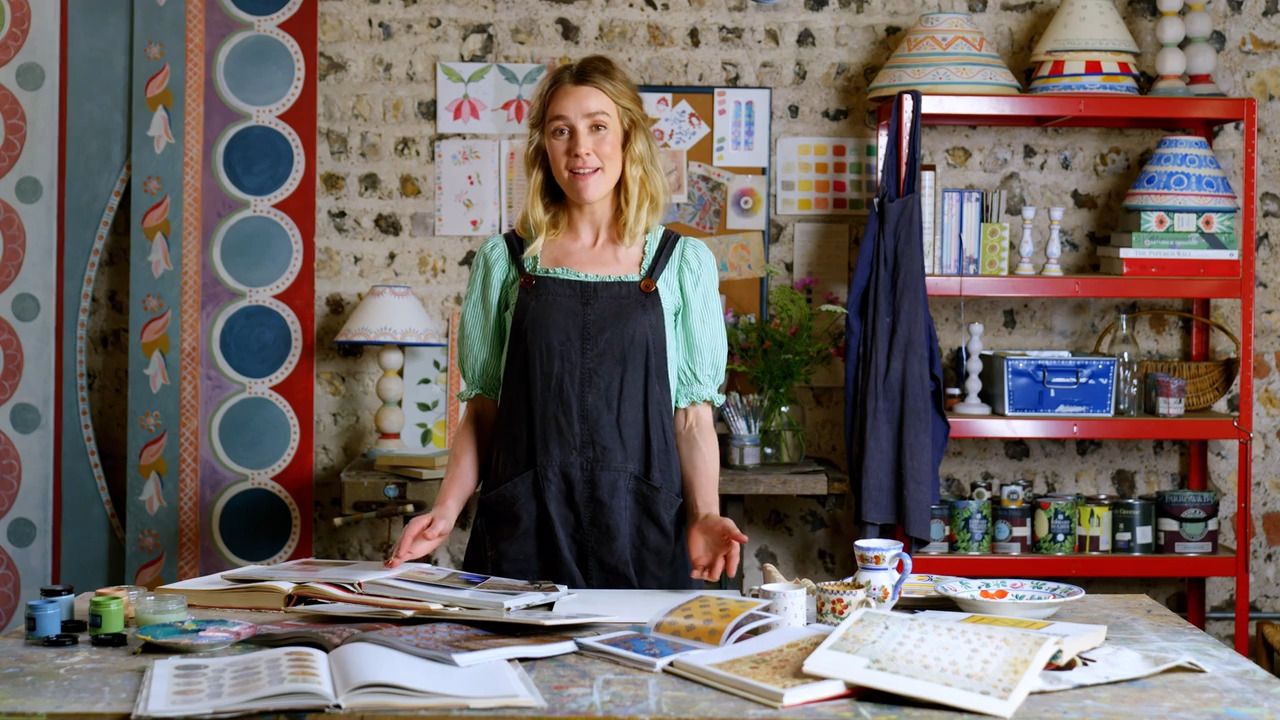
Tess Newall is a decorative artist based in Sussex, specialising in hand-painted bespoke murals and furniture. Following a decade of experience as a set designer and painter in the film industry, Tess has mastered how to bring a creative vision to life. She often draws on historic patterns and aims to capture an artisanal feel, where textures and brushstrokes add to the atmosphere of a room or to the character of a furniture piece. Tess and her studio team work with interior designers and private clients on bespoke commissions for both commercial and residential projects, as well as collaborating on homewares collections with brands including Liberty and Matilda Goad.

Access to all courses


