






Interior and exterior confidence
Create Academy has been such a great resource. I'm in the middle of renovating a bungalow with a very large garden and the courses have offered a wealth of inform...
Harvey
Jun 10, 2026
An Introduction to Decorative Painting
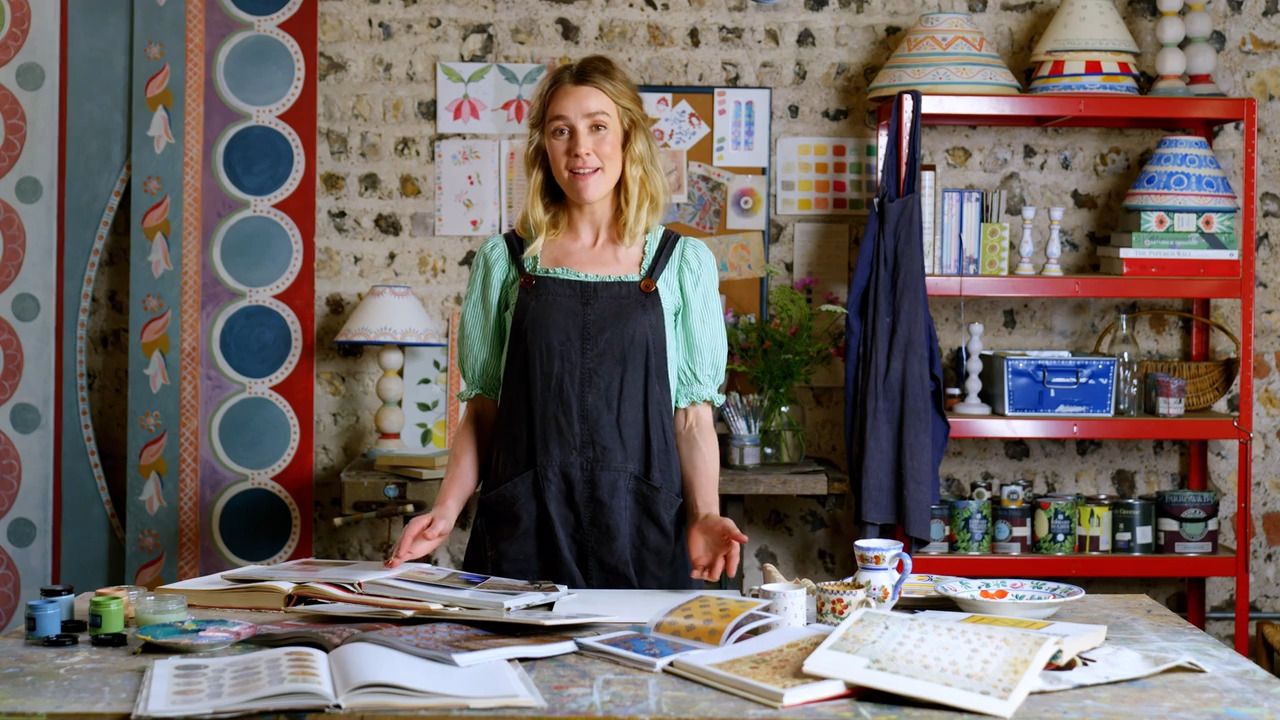
with TESS NEWALL — Hand-painted details bring warmth, soul, and story into a space. They make a home feel alive.
Lesson 16 of 32

Subscribe to watch
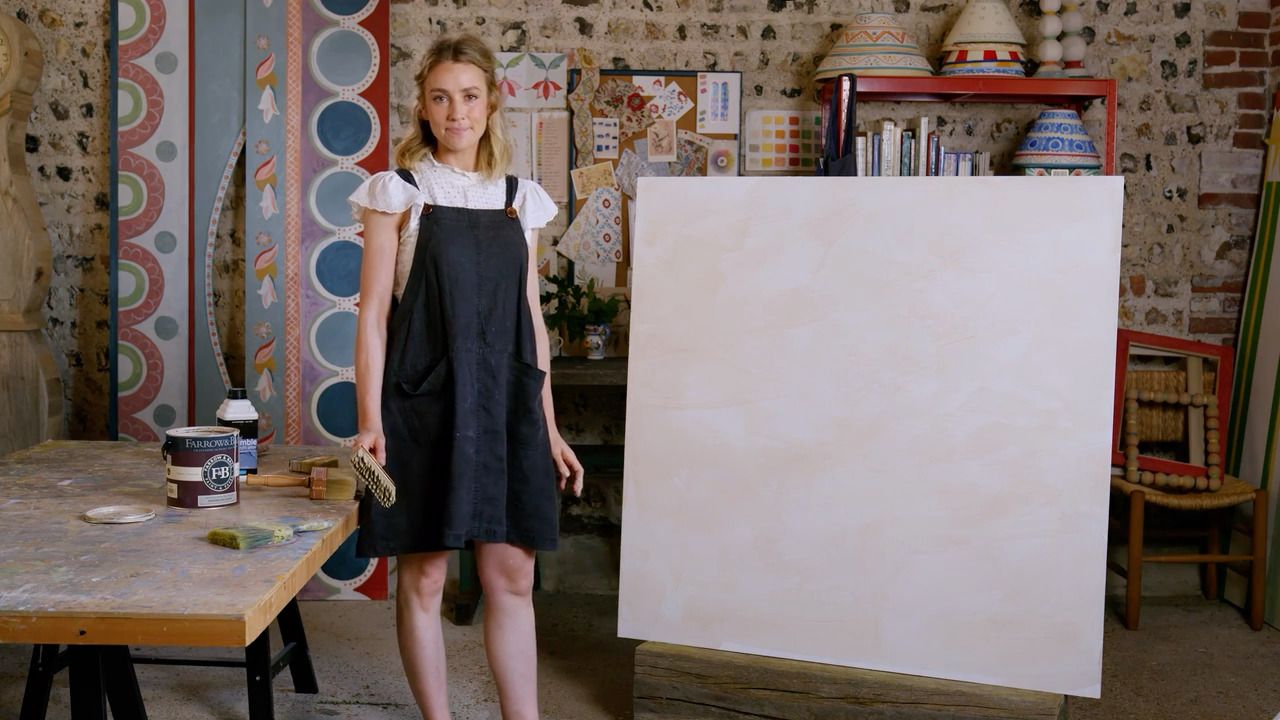
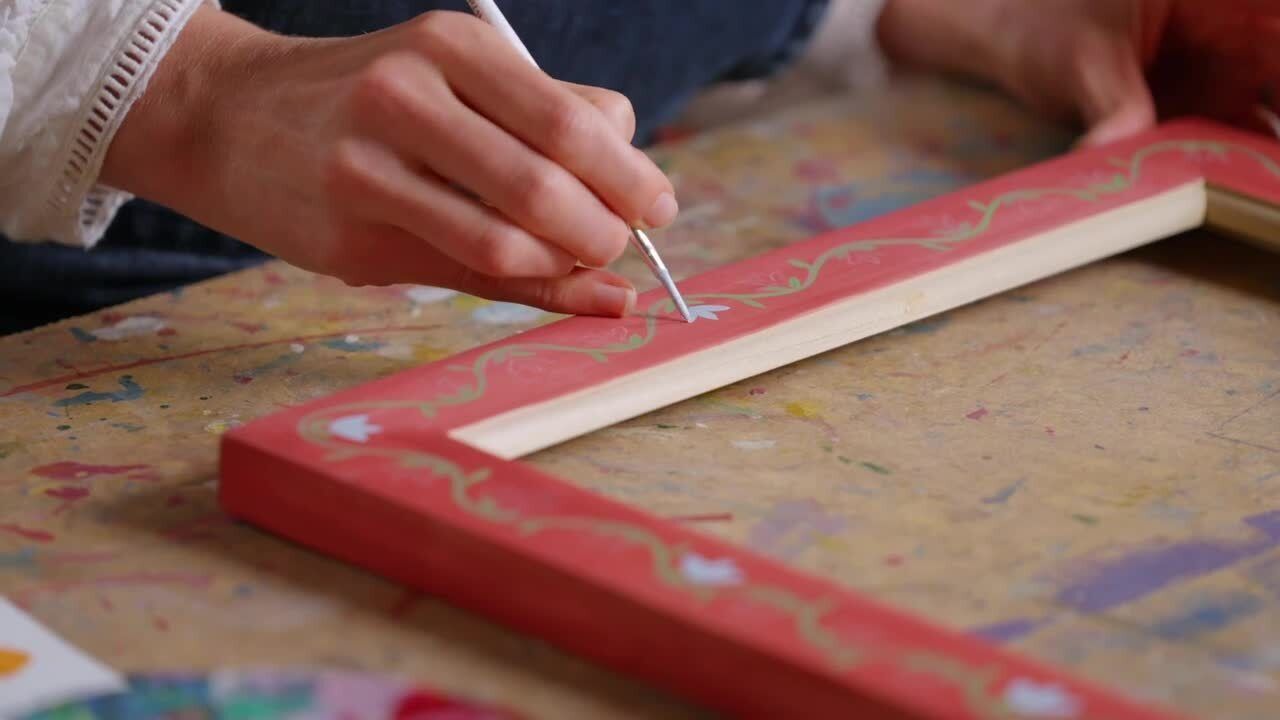
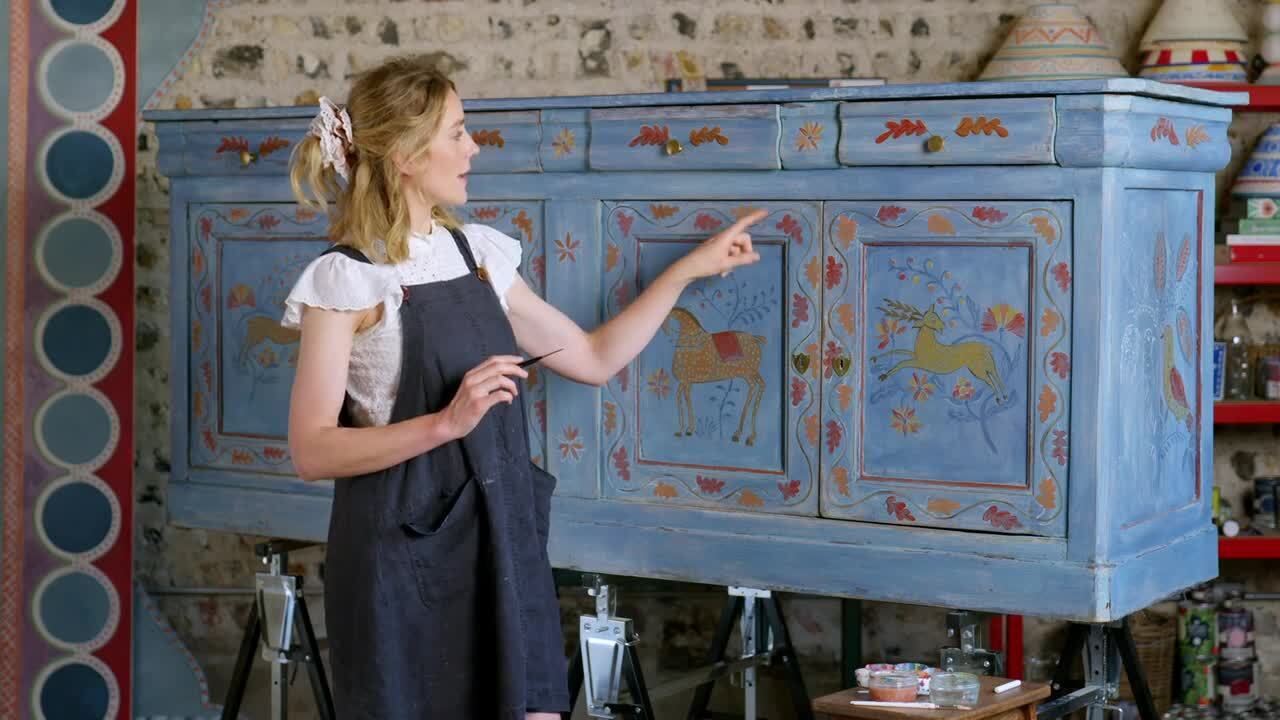
A colour wash can also be applied to furniture as a beautiful base for your decorative painting, and Tess demonstrates how to do it effectively.
A colour wash can also be applied to furniture to great effect.
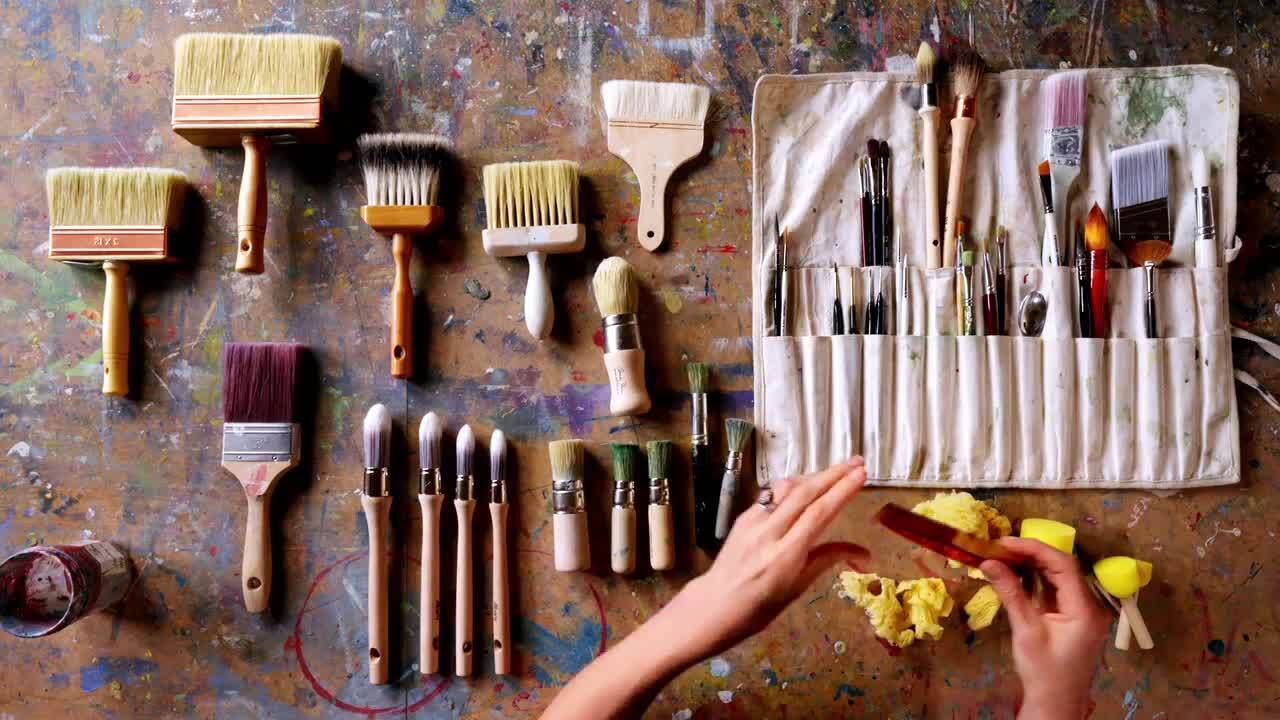
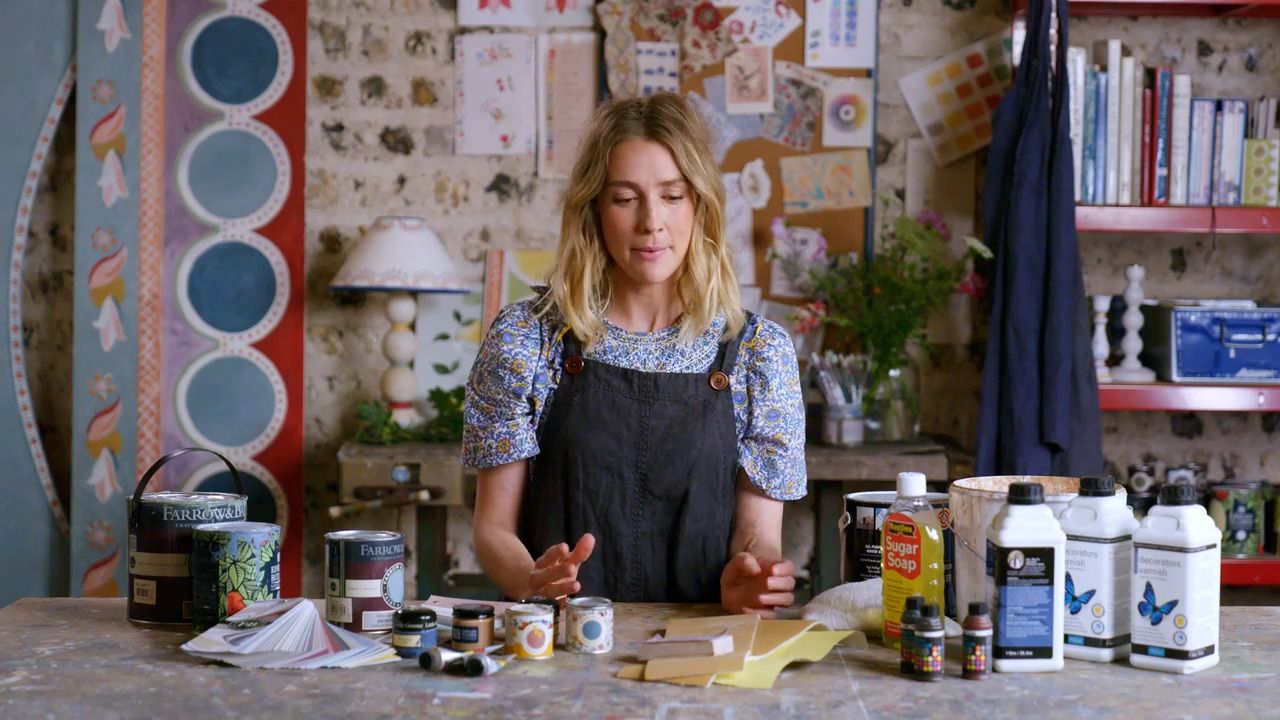
YOU WILL NEED:
Step 1
This technique works particularly well on unpainted furniture as it allows for the grain of the wood to show through. If your piece is antique or second hand you will need to prep the surface by sanding it back to remove any varnish or lacquer and rub it down with sugar soap to get rid of any grime or grease.
Step 2
I use a thicker wash consistency when using this technique on furniture, and will also use eggshell paint instead of emulsion. The ratio is roughly 1 part paint to 1 part water, but it's up to you and the effect you want to create.
Step 3
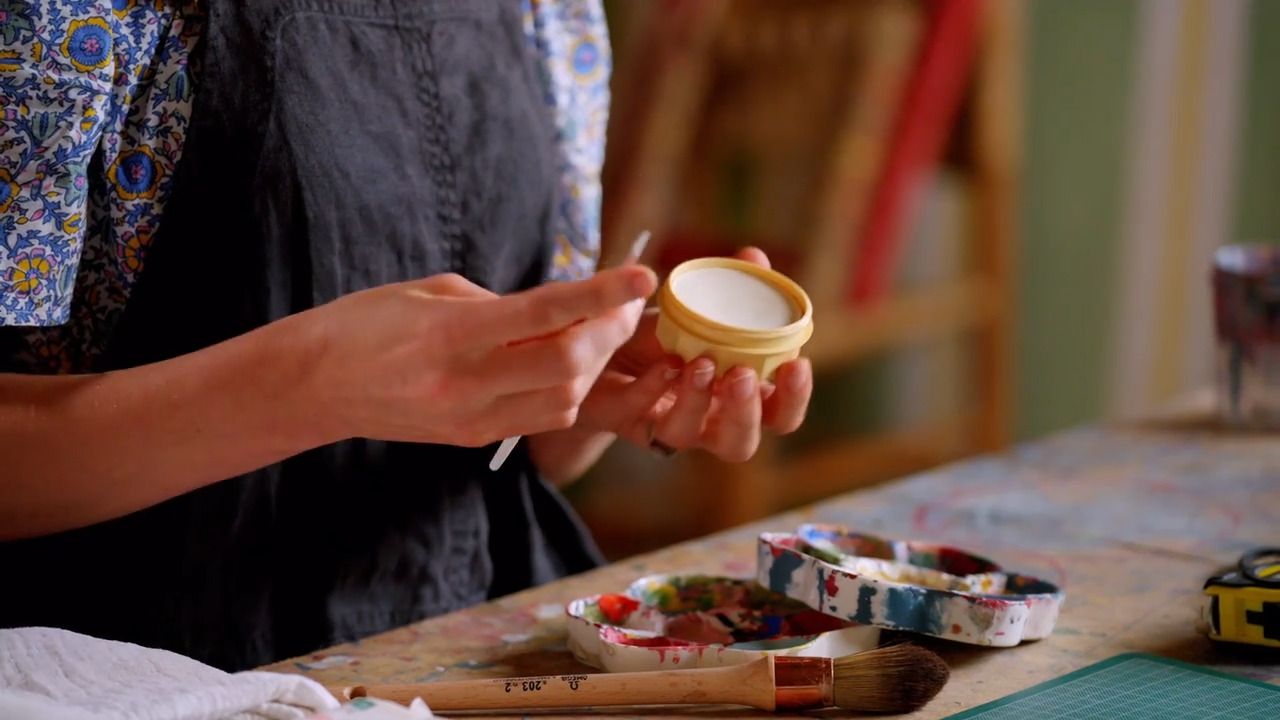
Load up your brush by dipping it into your mixture, tapping the brush on the edge of the paint kettle to remove any excess water.
Step 4
The motion for painting on furniture is less crisscrossed and more reactionary to the shape of the furniture you are painting. Sweep around the curves and crevices, aiming for an even coverage across the whole piece. You can also layer up to create a more textured look if that's what you prefer.
Step 5
I do use the dry brush when applying a colour wash to furniture, but less frequently - it helps to blend and move the paint around to achieve the coverage you want.
Get the full workbook, video lessons, and more with a Create Academy subscription.
Subscribe to access the full workbookAlready a member? Sign in to watch
491 reviews
Read moreCreate Academy has been such a great resource. I'm in the middle of renovating a bungalow with a very large garden and the courses have offered a wealth of inform...
Harvey
Jun 10, 2026
Absolutely love Create Academy! The instructors are extremely informative, and it is beautifully filmed. Create Academy is great value for money and plan on renew...
SG
May 31, 2026
Butter's creativity is stunning! Her ability to incorporate brilliance in small gardens is magical!
Carla
May 30, 2026
The best adventure. I like all the courses, but my favorite are both Rita Konig interior design courses and Anna Jones. Excellent!
Karolina Kluczewska
May 20, 2026
Create Academy has been such a great resource. I'm in the middle of renovating a bungalow with a very large garden and the courses have offered a wealth of information to dive into and explore new ideas. I'm...
Harvey
Jun 10, 2026
Absolutely love Create Academy! The instructors are extremely informative, and it is beautifully filmed. Create Academy is great value for money and plan on renewing my subscription yearly because there are ...
SG
May 31, 2026
Butter's creativity is stunning! Her ability to incorporate brilliance in small gardens is magical!
Carla
May 30, 2026

Your Instructor
Hand-painted details bring warmth, soul, and story into a space. They make a home feel alive.
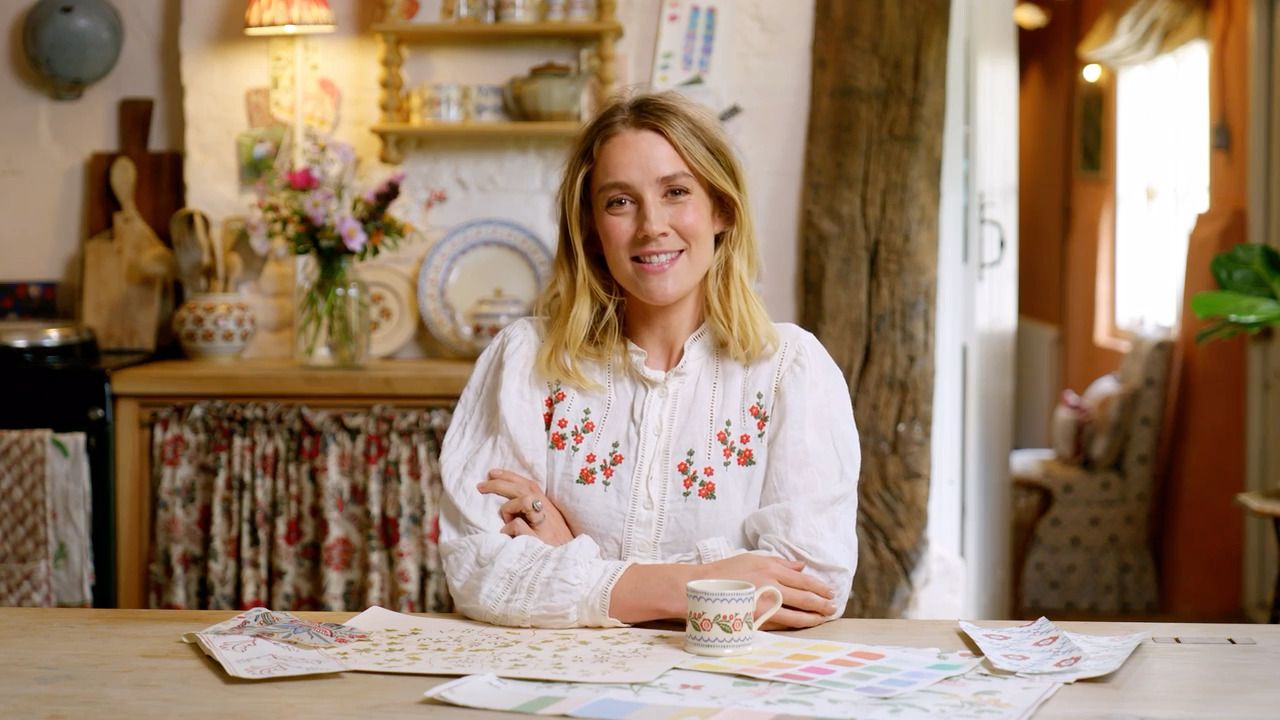
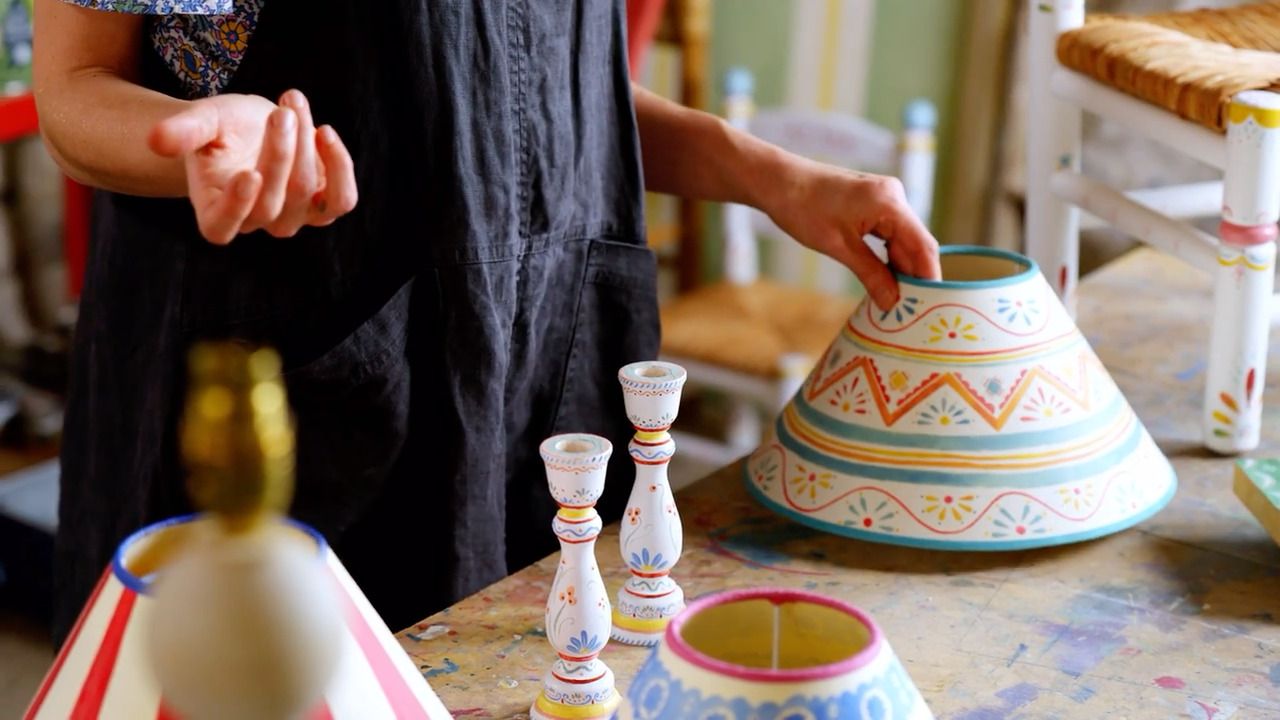
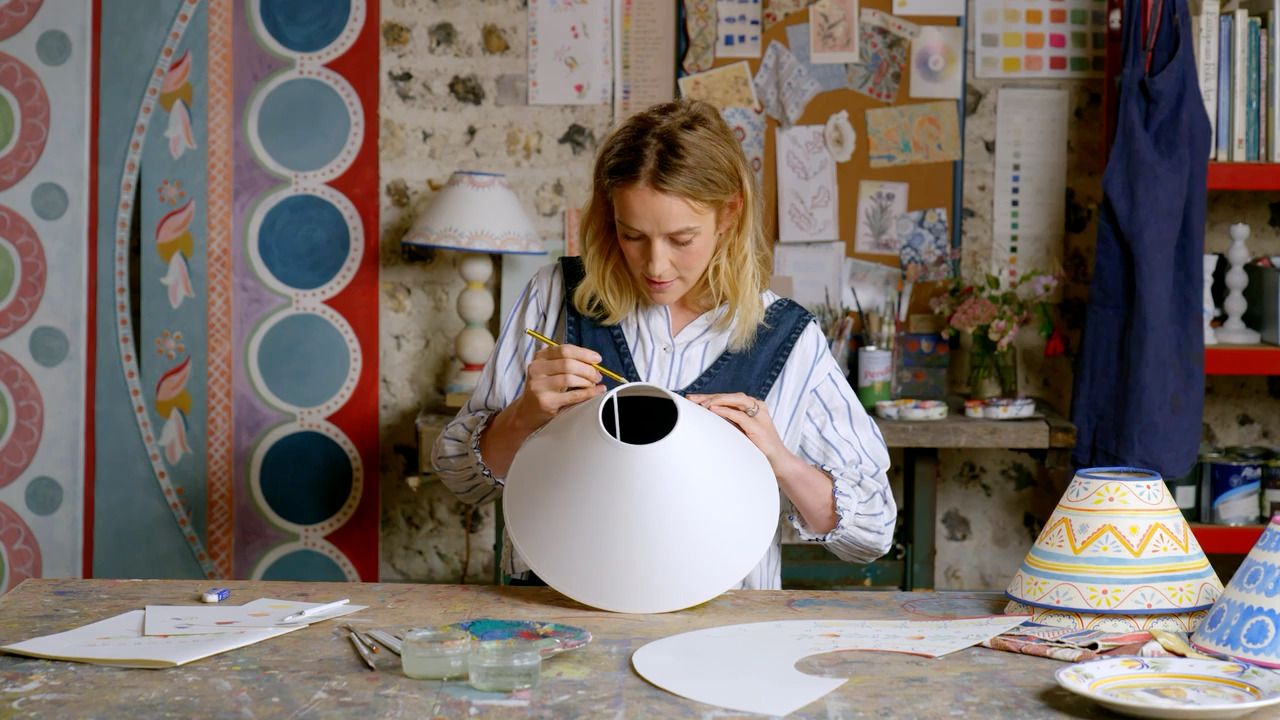
Tess Newall is a decorative artist based in Sussex, specialising in hand-painted bespoke murals and furniture. Following a decade of experience as a set designer and painter in the film industry, Tess has mastered how to bring a creative vision to life. She often draws on historic patterns and aims to capture an artisanal feel, where textures and brushstrokes add to the atmosphere of a room or to the character of a furniture piece. Tess and her studio team work with interior designers and private clients on bespoke commissions for both commercial and residential projects, as well as collaborating on homewares collections with brands including Liberty and Matilda Goad.
Access to all courses

