
Very good tutorial from a professional garden...
I have subscribed to access all the courses so have watched one on interior design and this one with Butter Wakefield who specialises in small garden design. She ...
Louise Brown
Apr 10, 2026
with JAMES WONG — Ethnobotanist, broadcaster, best-selling author. Youngest winner of RHS Hampton Court Flower Show.
Lesson 2 of 28
Buy or subscribe to watch
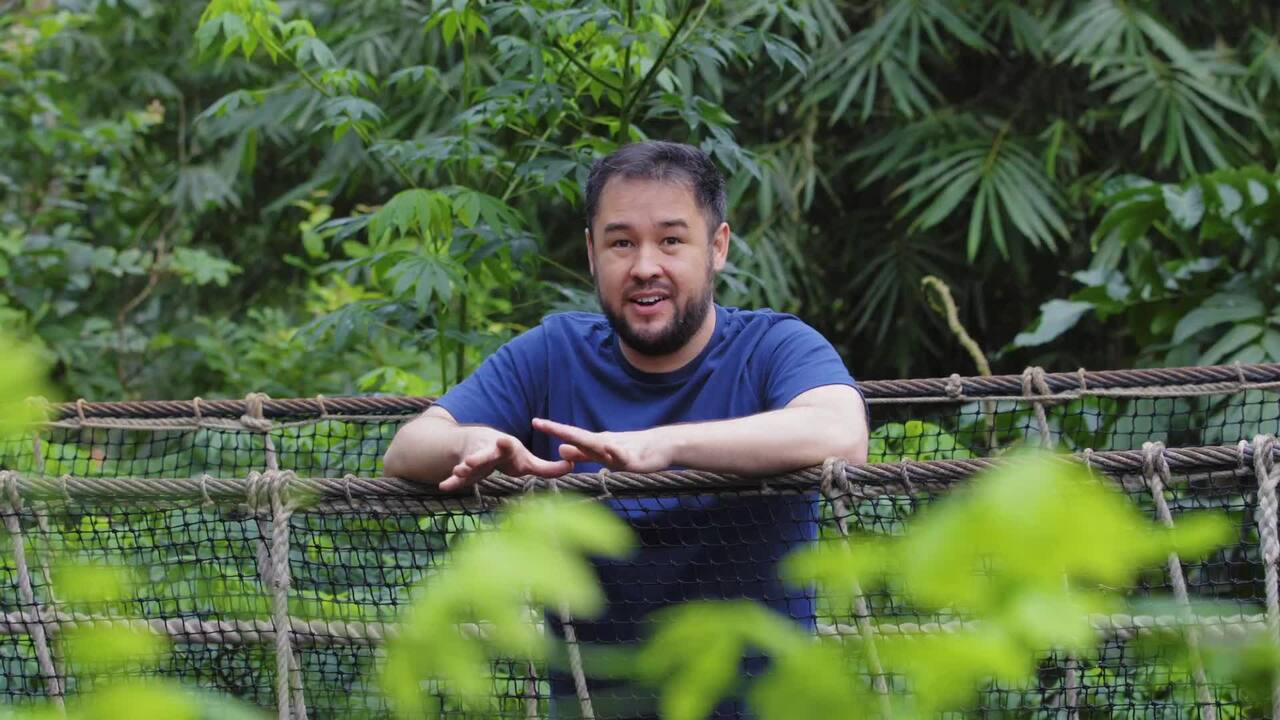
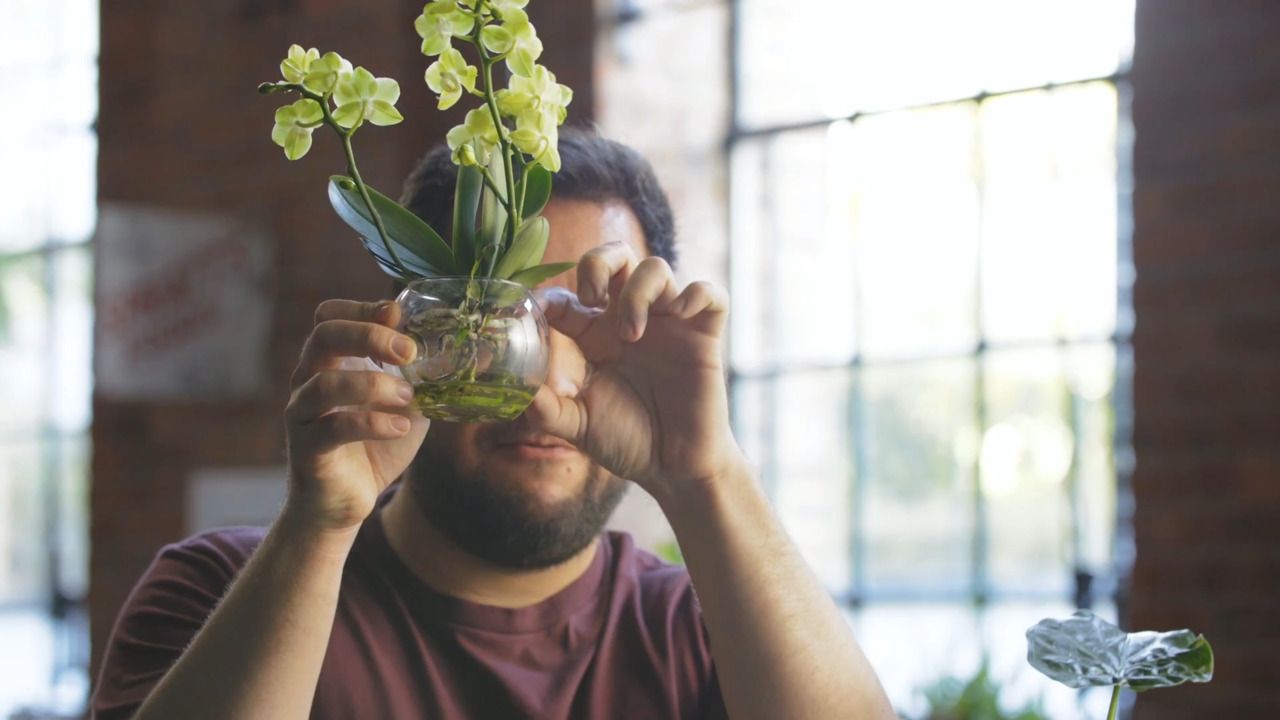
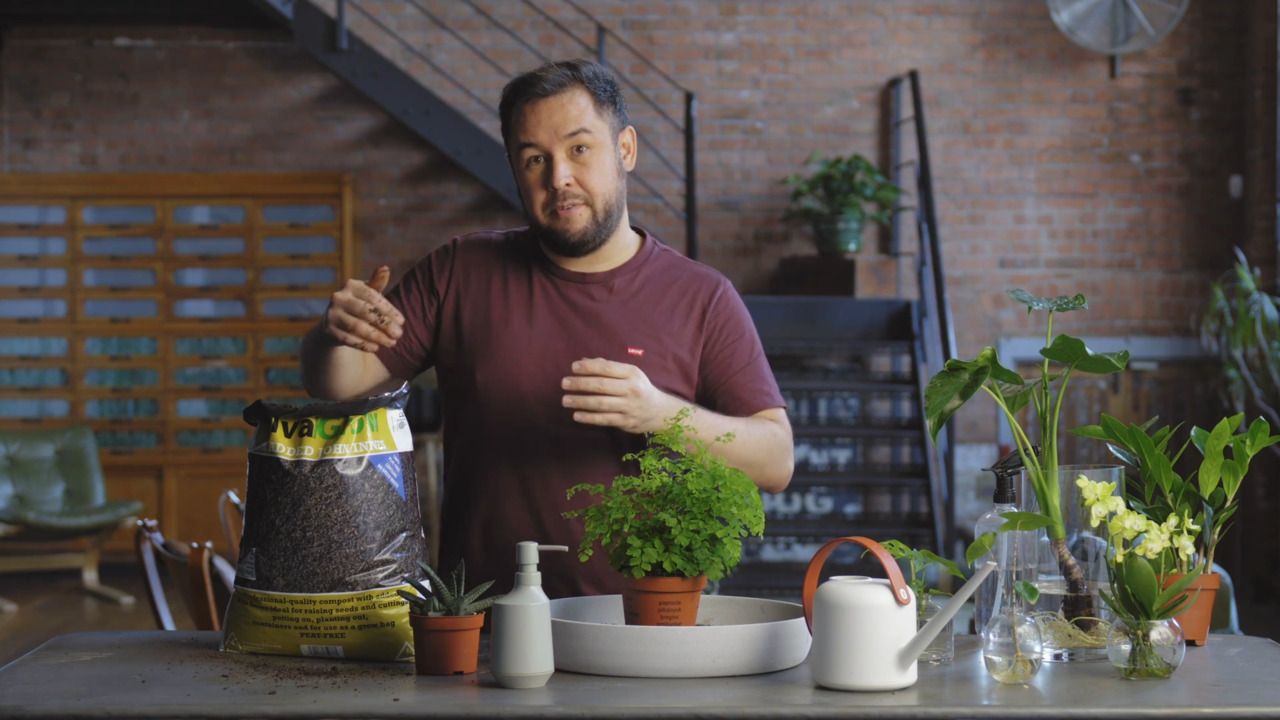
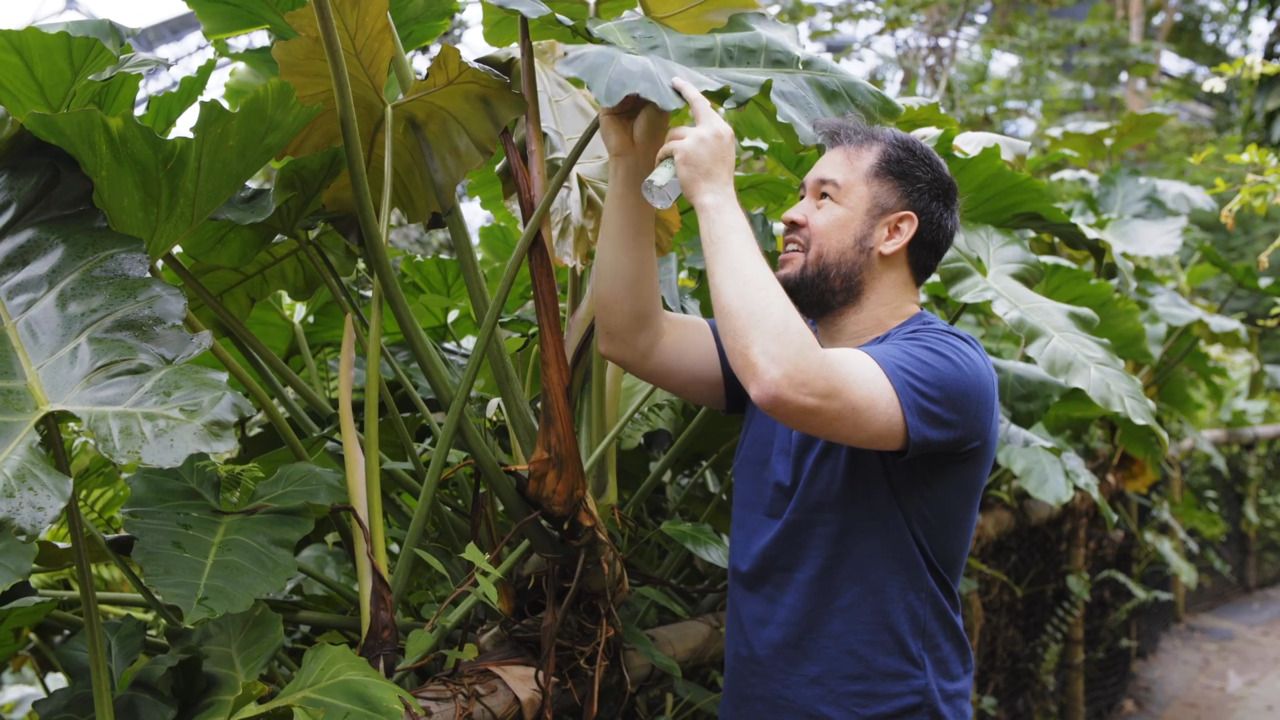
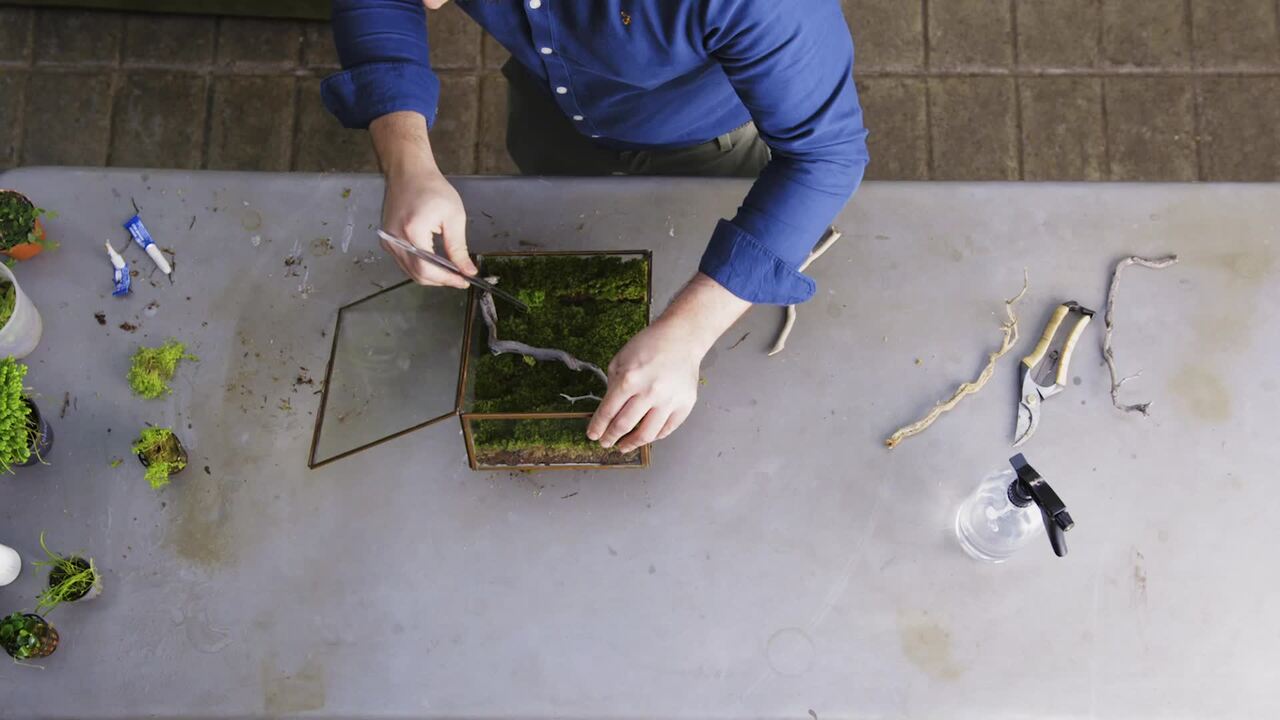
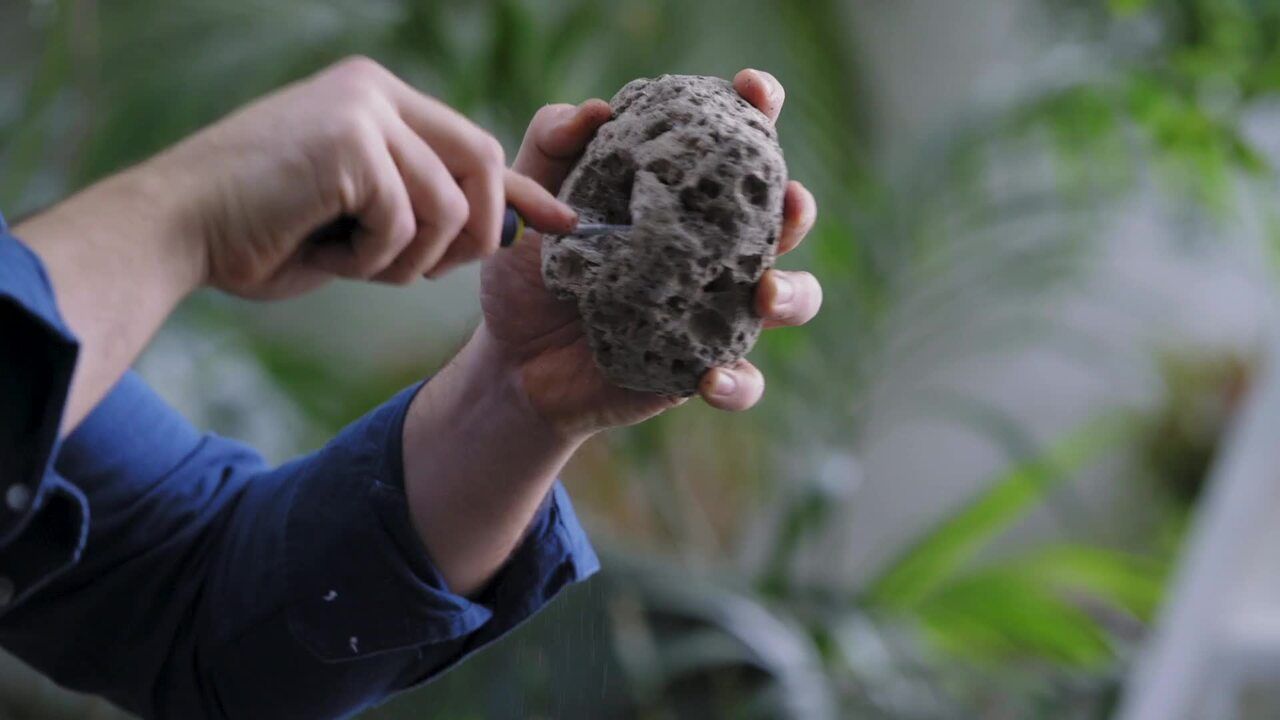
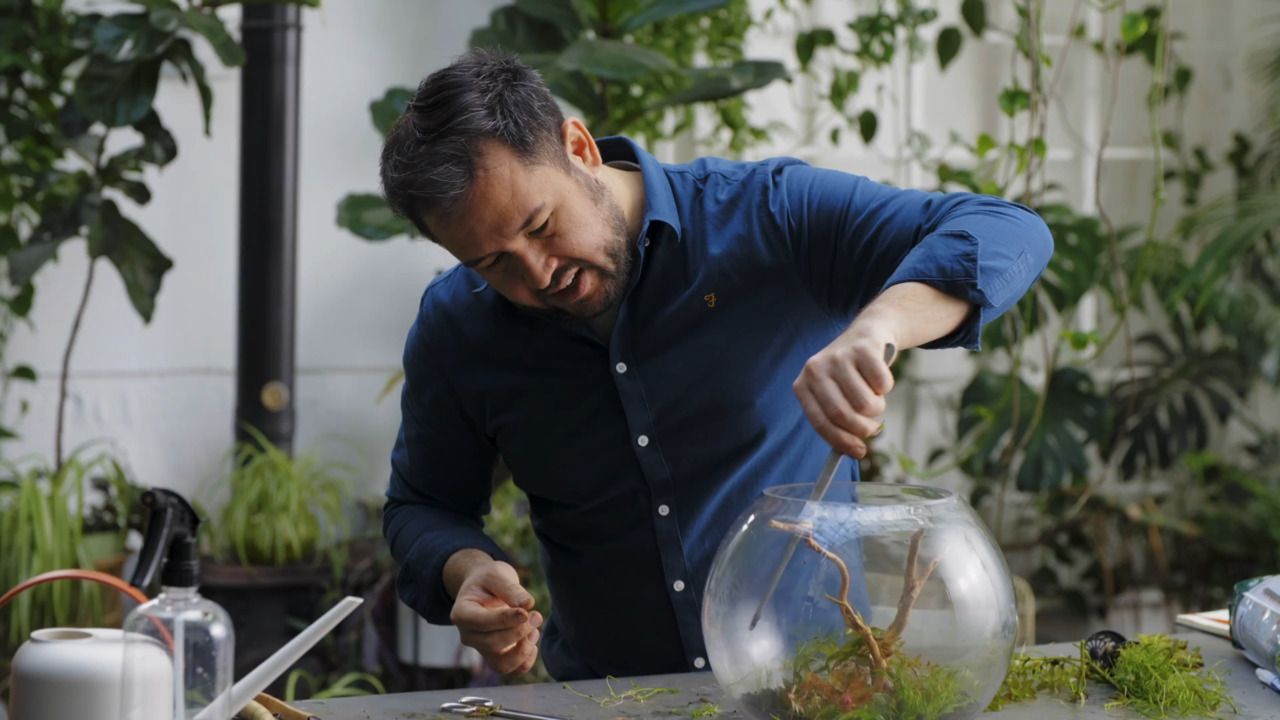
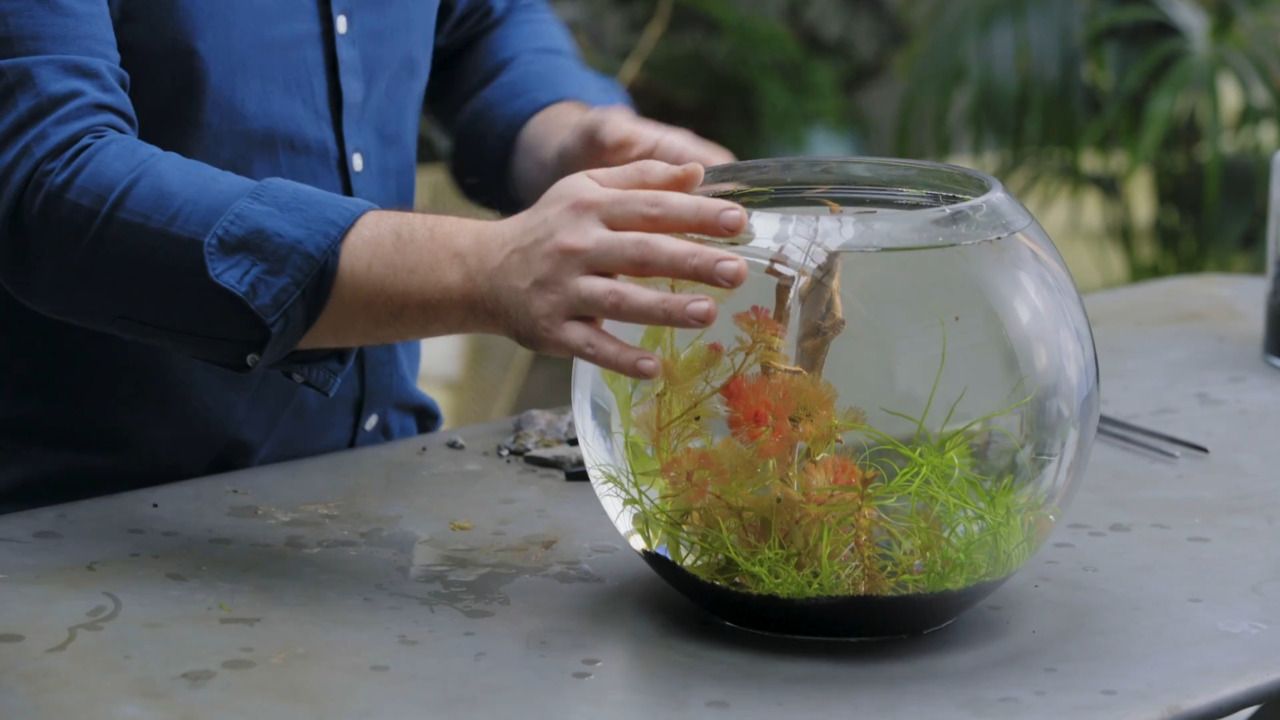
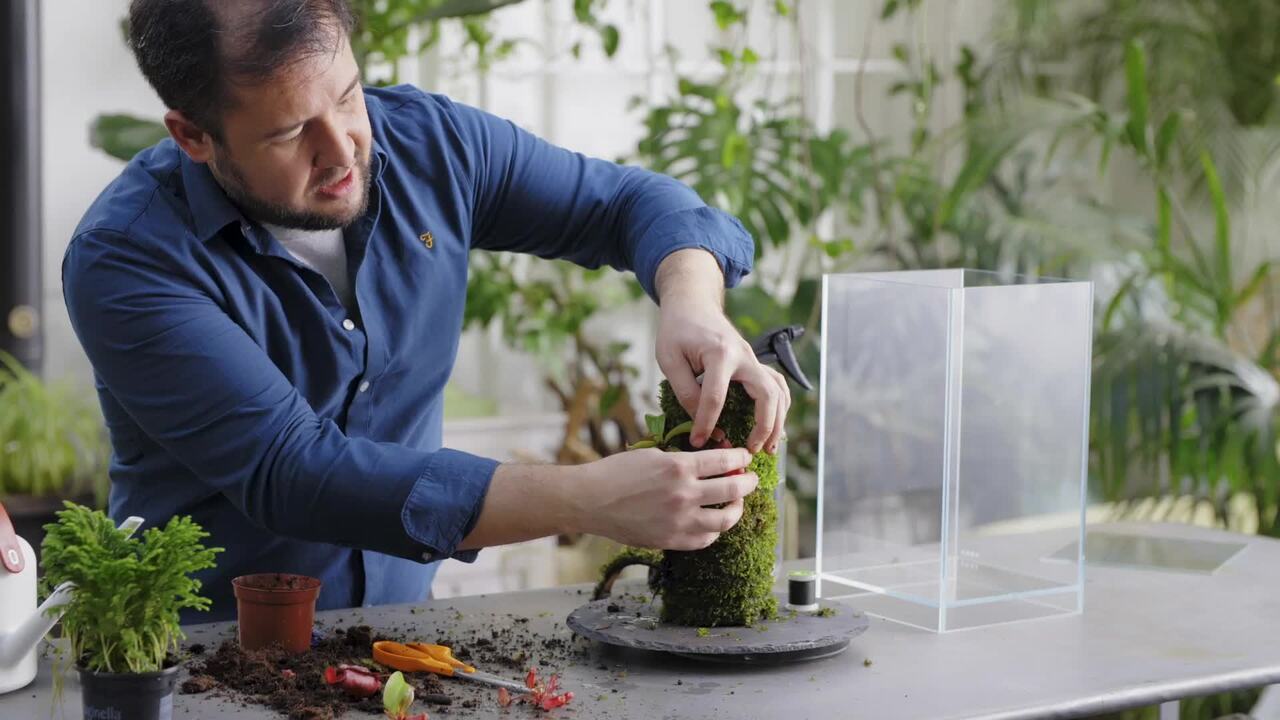
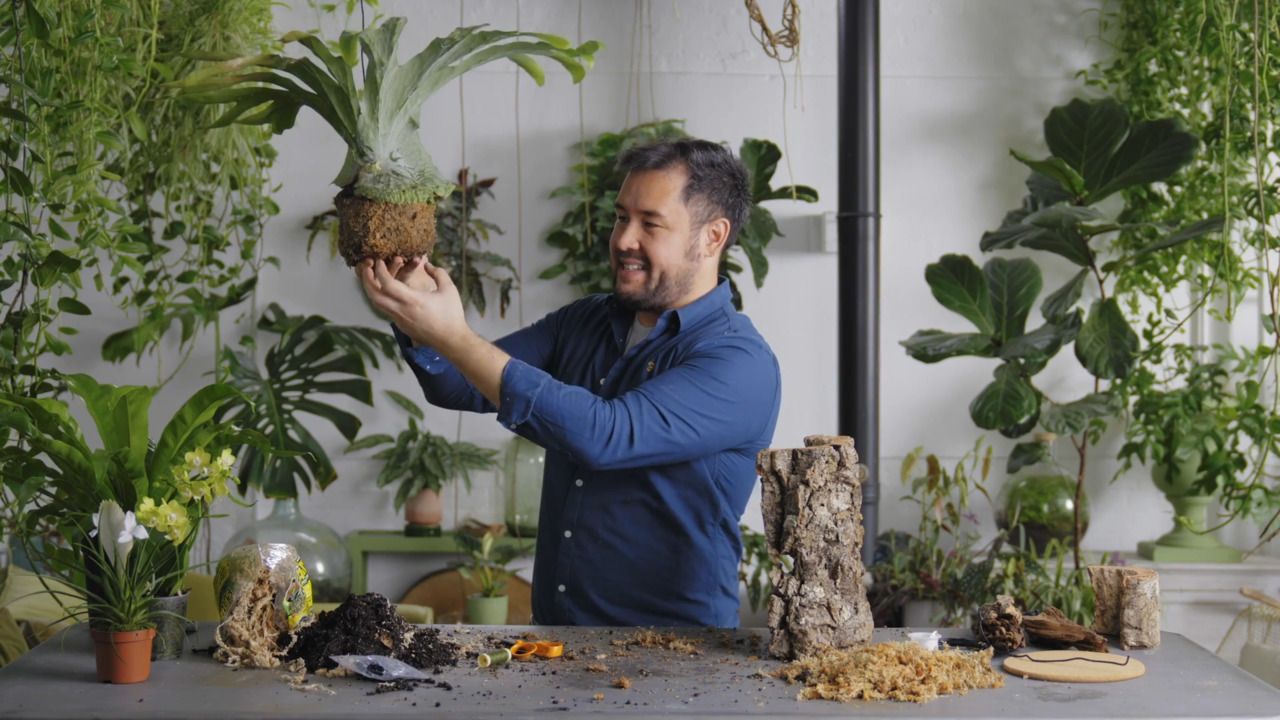
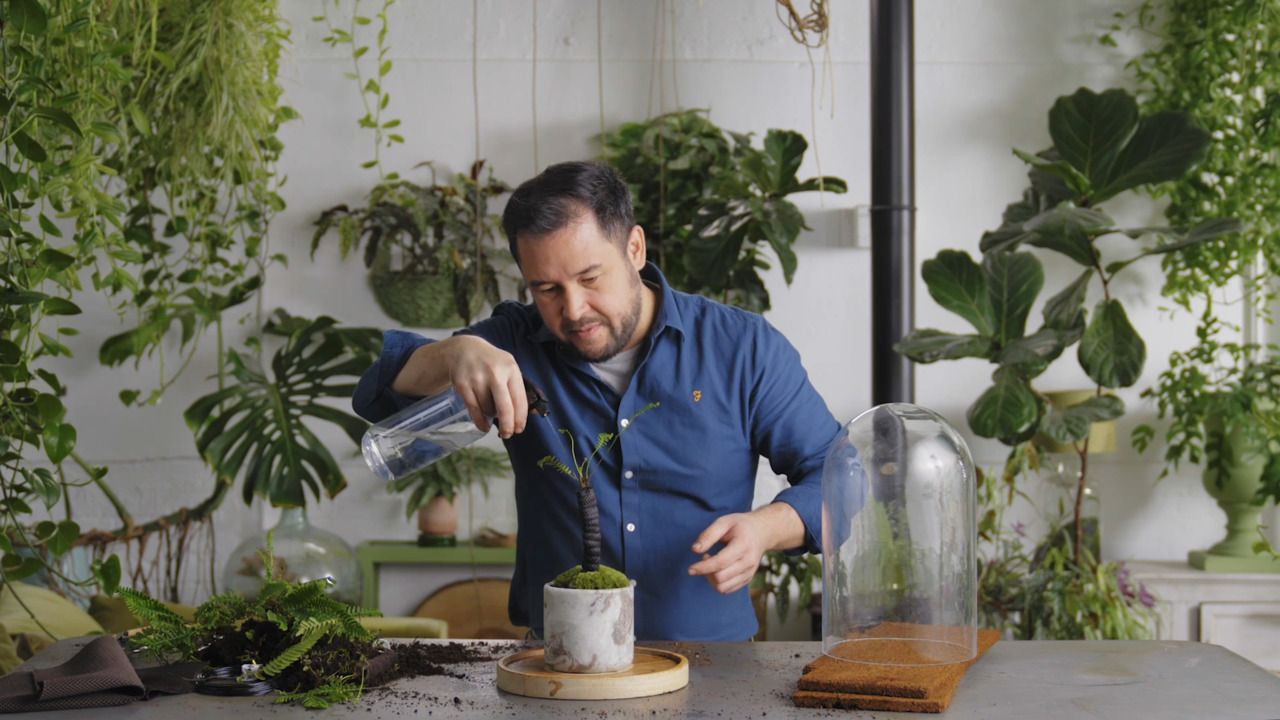
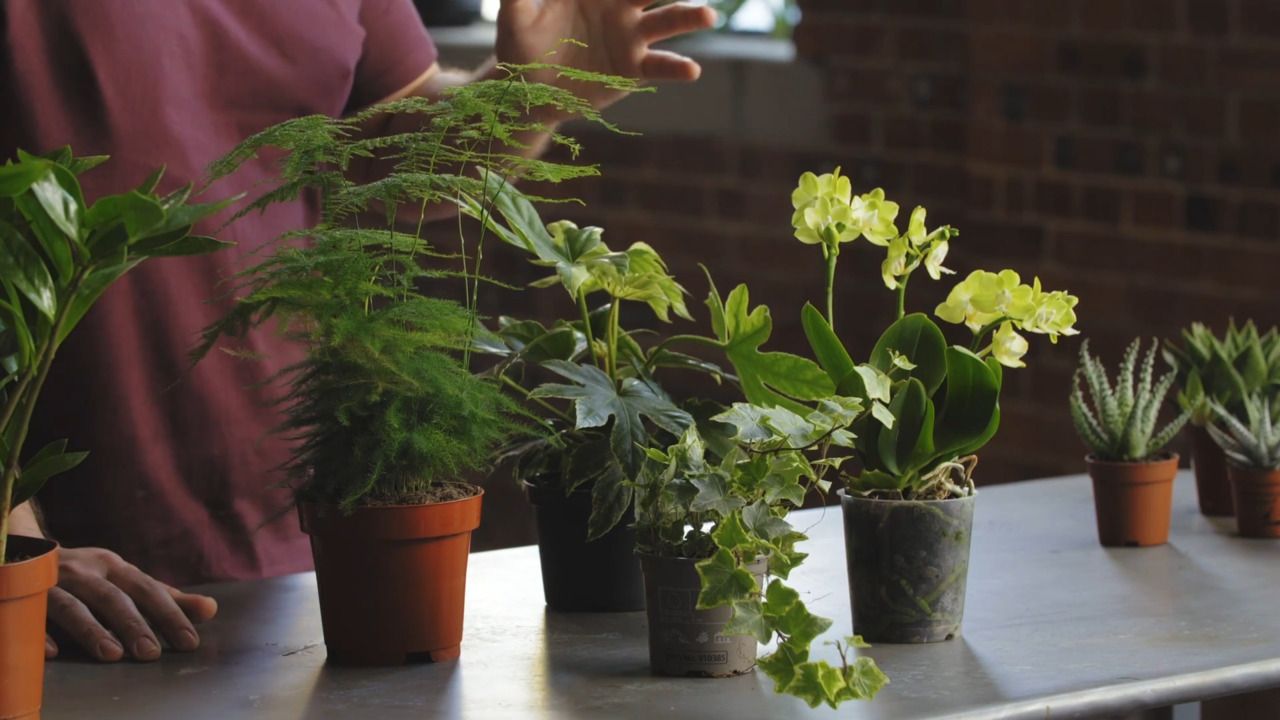
Introducing you to the essentials of plant maintenance, James illustrates the importance of light and light levels to keep your plants healthy.
Introducing you to the essentials of plant maintenance, James illustrates the importance of light and light levels to keep your plants healthy.
Look around your house and create a list of all the houseplants you own and whether they prefer shade, medium-light or high-light. Now check if you've placed these plants in the best location for the light level they need.
Get the full workbook, video lessons, and more with a Create Academy subscription.
Subscribe to access the full workbookAlready a member? Sign in to watch
437 reviews
Read moreI have subscribed to access all the courses so have watched one on interior design and this one with Butter Wakefield who specialises in small garden design. She ...
Louise Brown
Apr 10, 2026
I love CreateAcademy. I came in for the gardening and floristry courses, but am also watching an interior design one at present. And the photography course is an ...
Wellesley
Apr 1, 2026
What a great investment, I have learned such a lot from the first three courses. My evenings have gone from not being able to find anything that captured my imagi...
sojojo
Mar 30, 2026
I loved this course with Amanda Lindroth! Her approach to decorating is so relaxed and she makes it feel attainable. She explains the reasons behind her decisions...
Elizabeth
Mar 27, 2026
I have subscribed to access all the courses so have watched one on interior design and this one with Butter Wakefield who specialises in small garden design. She has a lovely personality and comes across as ...
Louise Brown
Apr 10, 2026
I love CreateAcademy. I came in for the gardening and floristry courses, but am also watching an interior design one at present. And the photography course is an absolute must, best I've ever done.
Wellesley
Apr 1, 2026
What a great investment, I have learned such a lot from the first three courses. My evenings have gone from not being able to find anything that captured my imagination on TV to learning and expanding my kno...
sojojo
Mar 30, 2026

Your Instructor
Ethnobotanist, broadcaster, best-selling author. Youngest winner of RHS Hampton Court Flower Show.
Often referred to as the nation’s favourite botanist; plant scientist and gardening expert James Wong is a self-proclaimed botany geek, award-winning garden designer and a Royal Horticulture Society ambassador. He’s an internationally best-selling author with the inspirational ‘Grow Your Own Drugs’ and ‘Homegrown Revolution’, has presented multiple TV programmes, and is listed by The Sunday Times as one of the Top 20 most influential people in horticulture. James is perhaps the most passionate person in the world about plants; with over 500 houseplants in his tiny London flat.
Access to all courses


