

Interior and exterior confidence
Create Academy has been such a great resource. I'm in the middle of renovating a bungalow with a very large garden and the courses have offered a wealth of inform...
Harvey
Jun 10, 2026
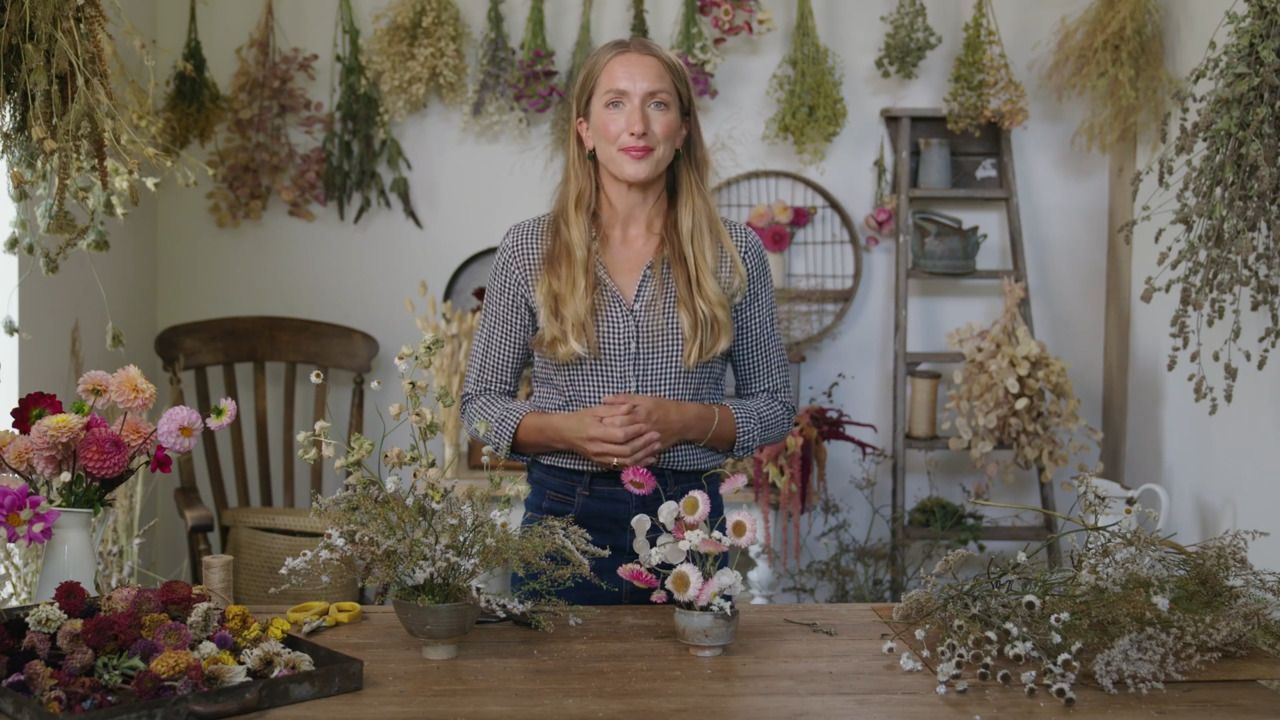
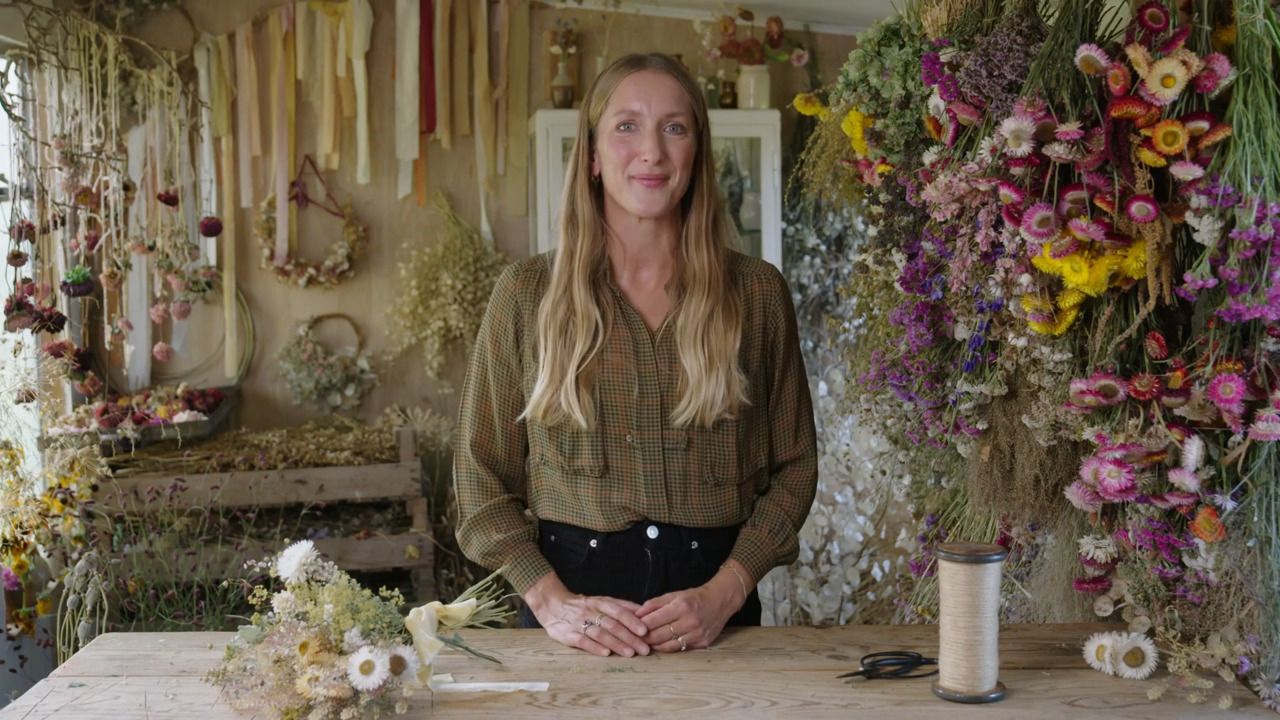
with BEX PARTRIDGE — UK's leading dried flower artist, grower, writer, floral stylist.
Lesson 21 of 29
Subscribe to watch
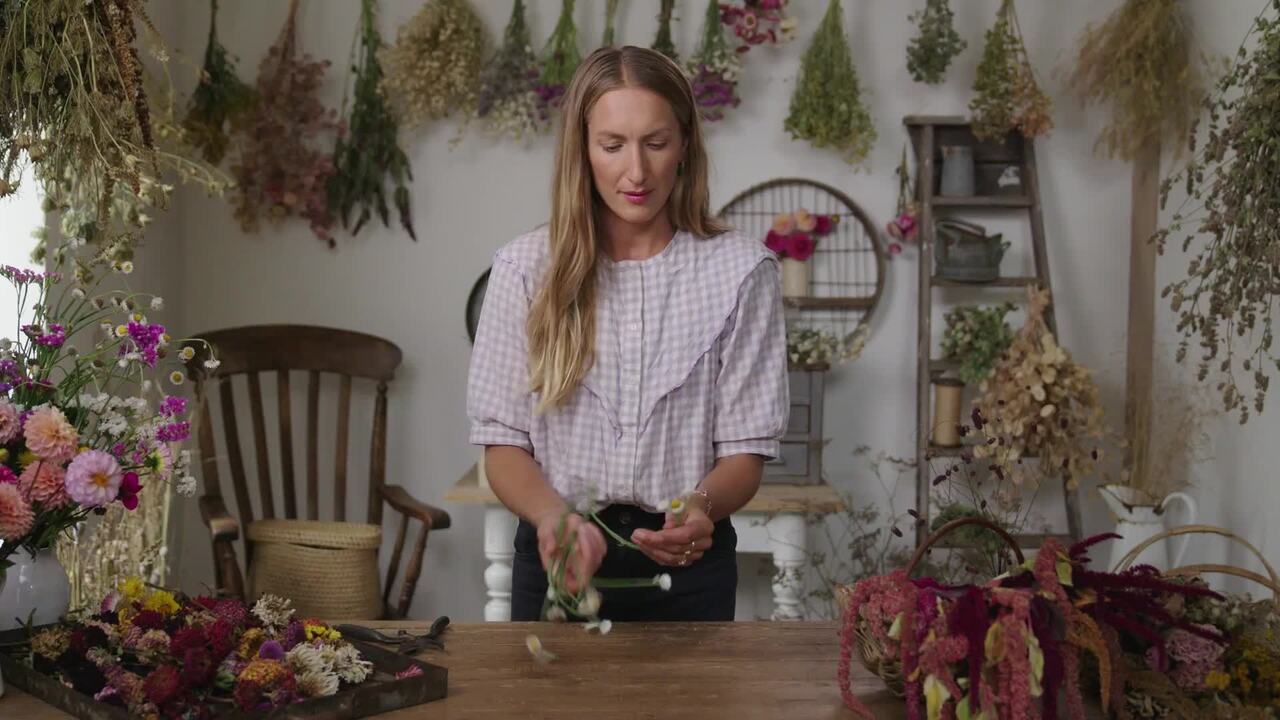
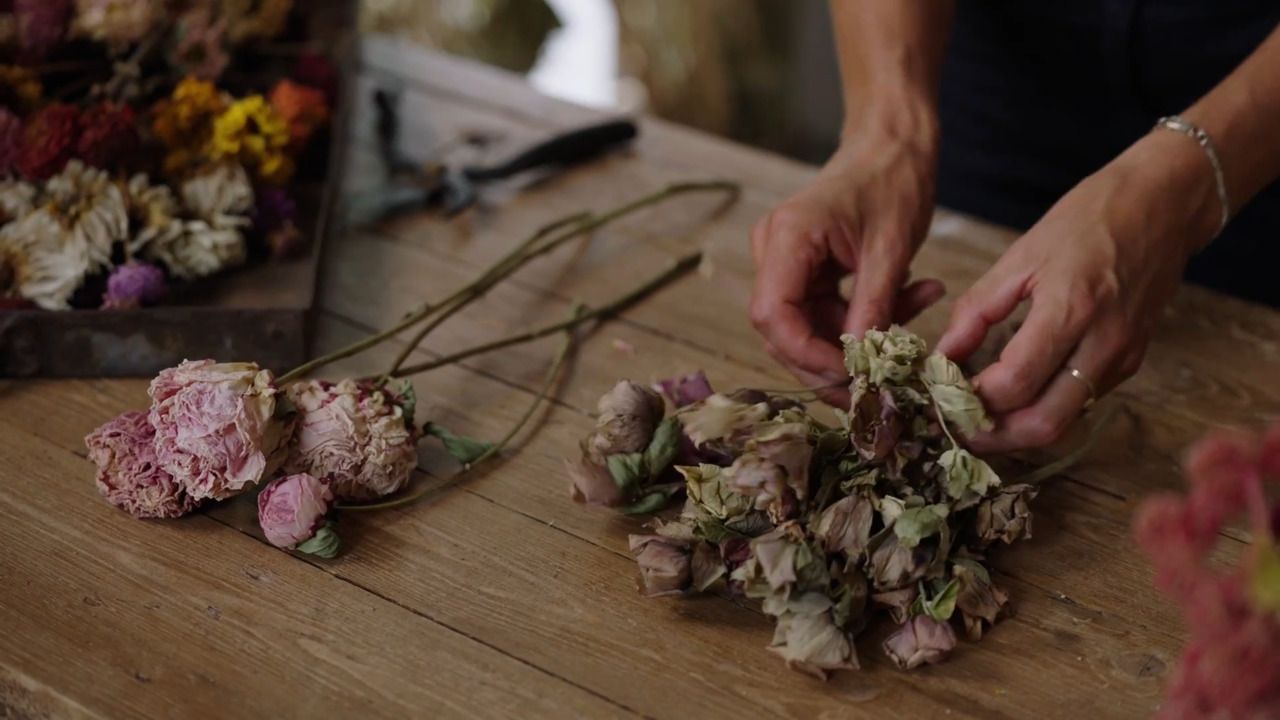
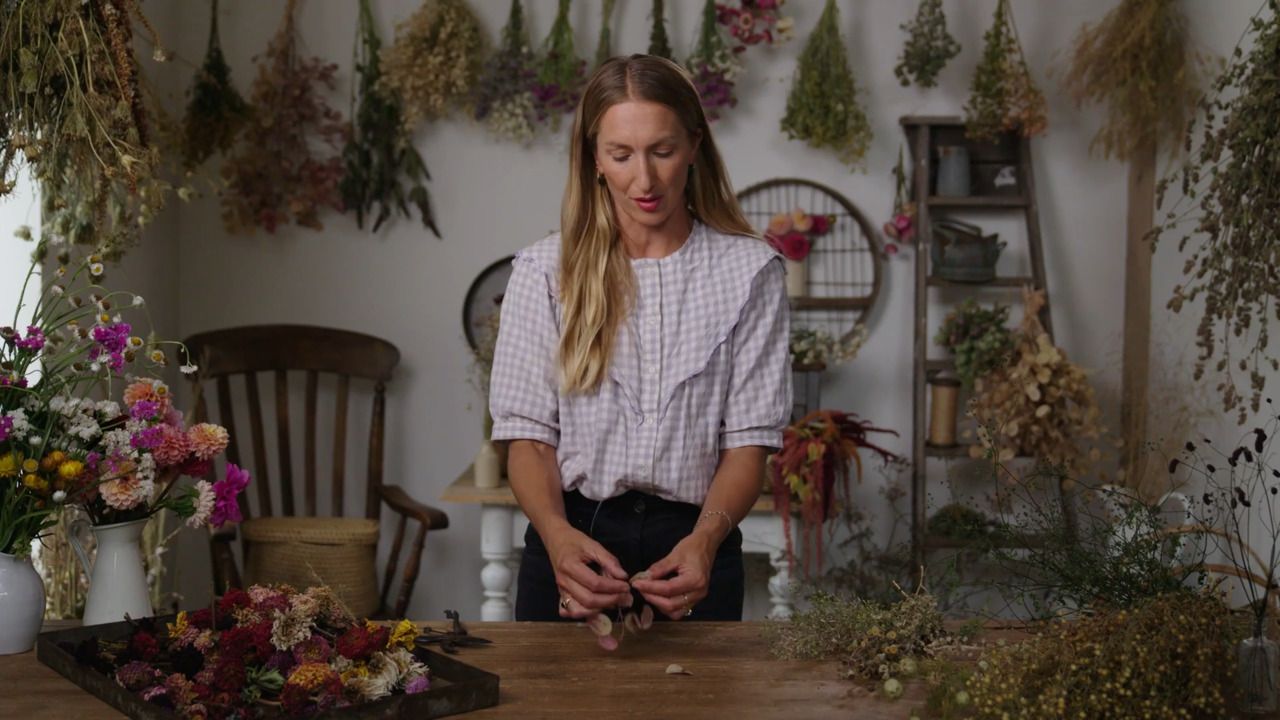
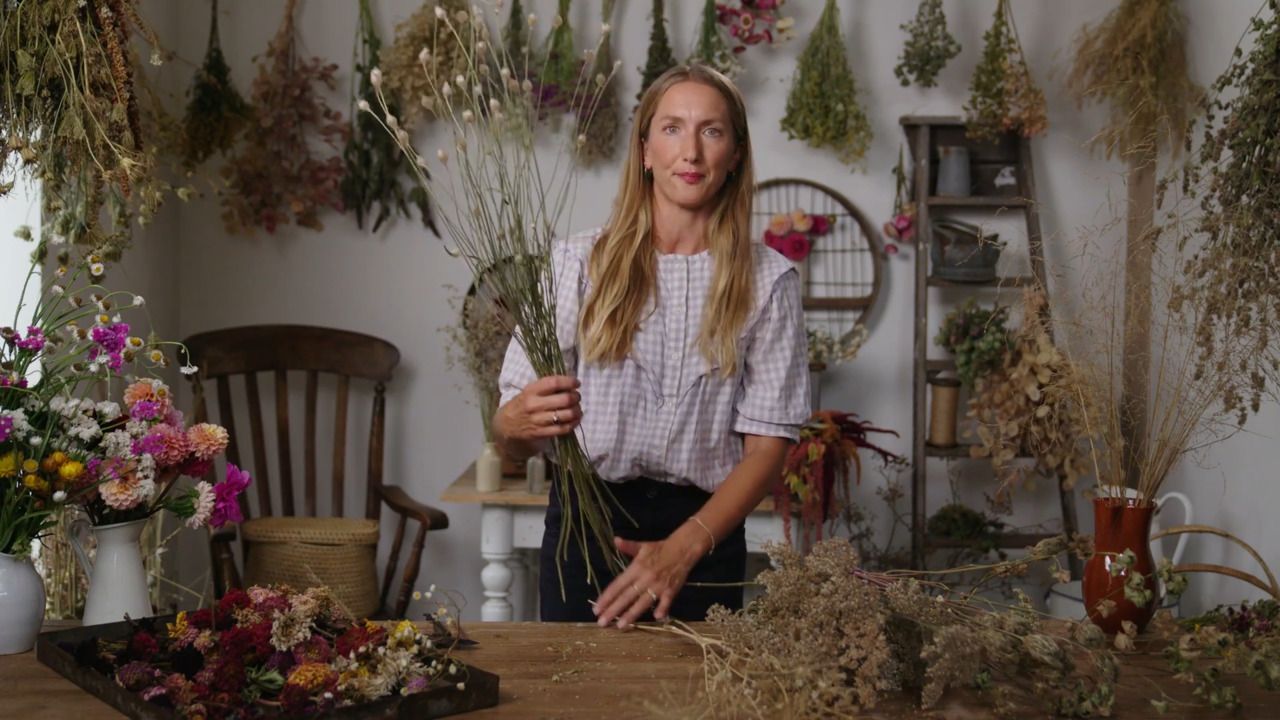
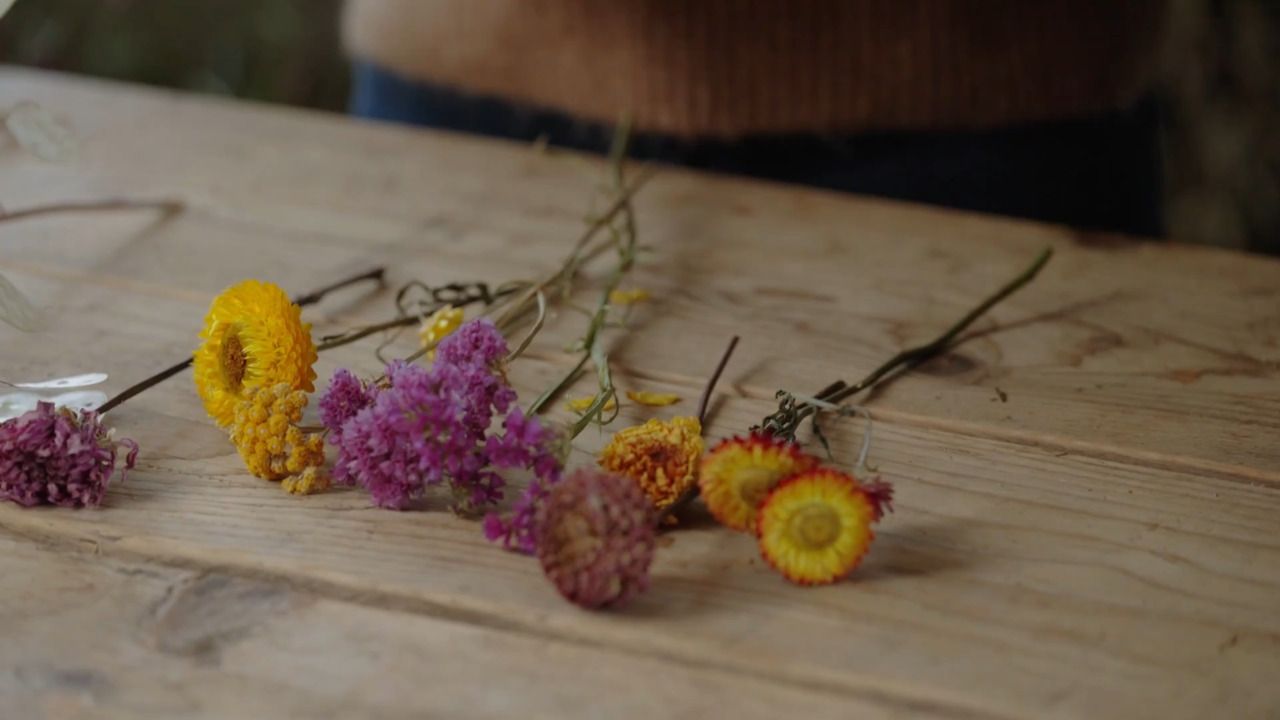
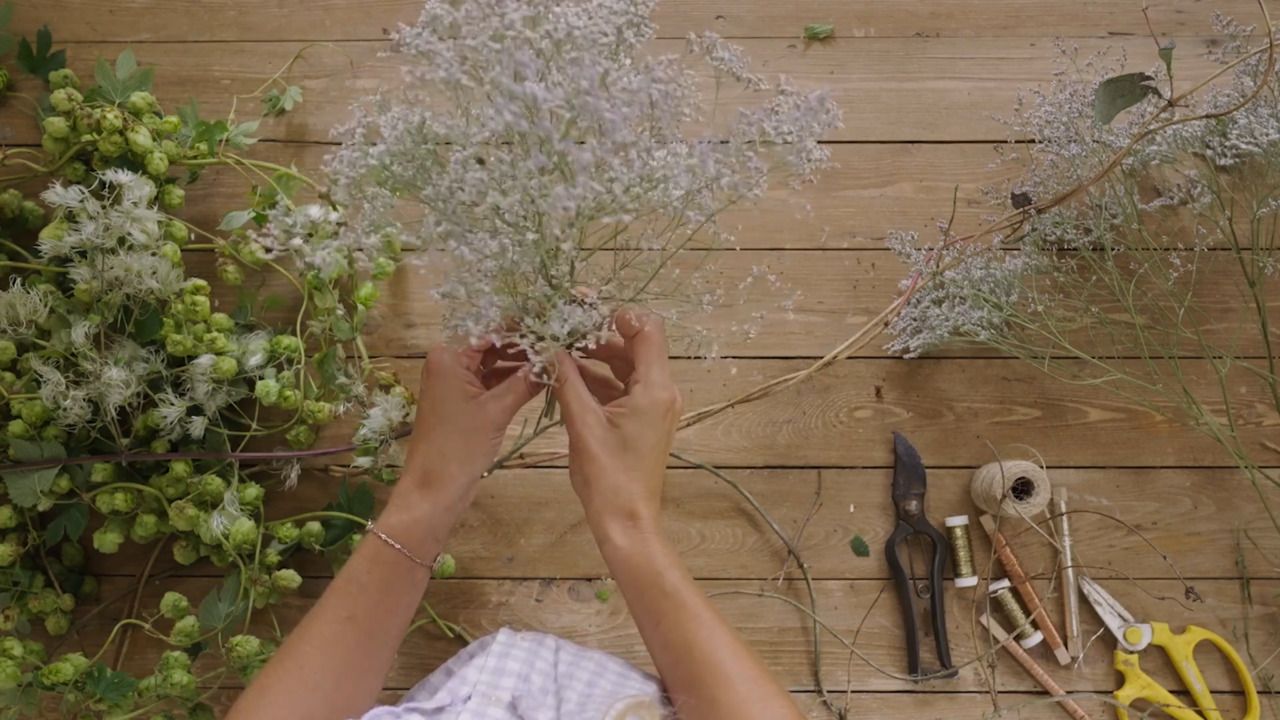
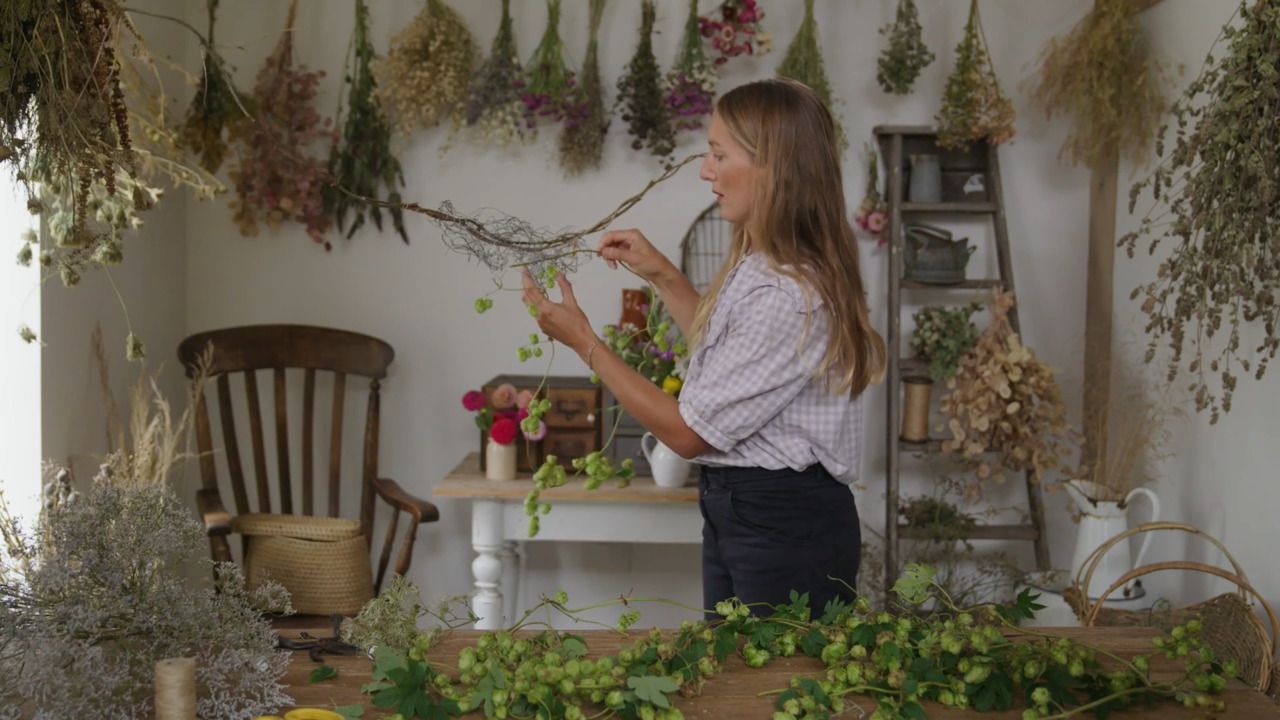
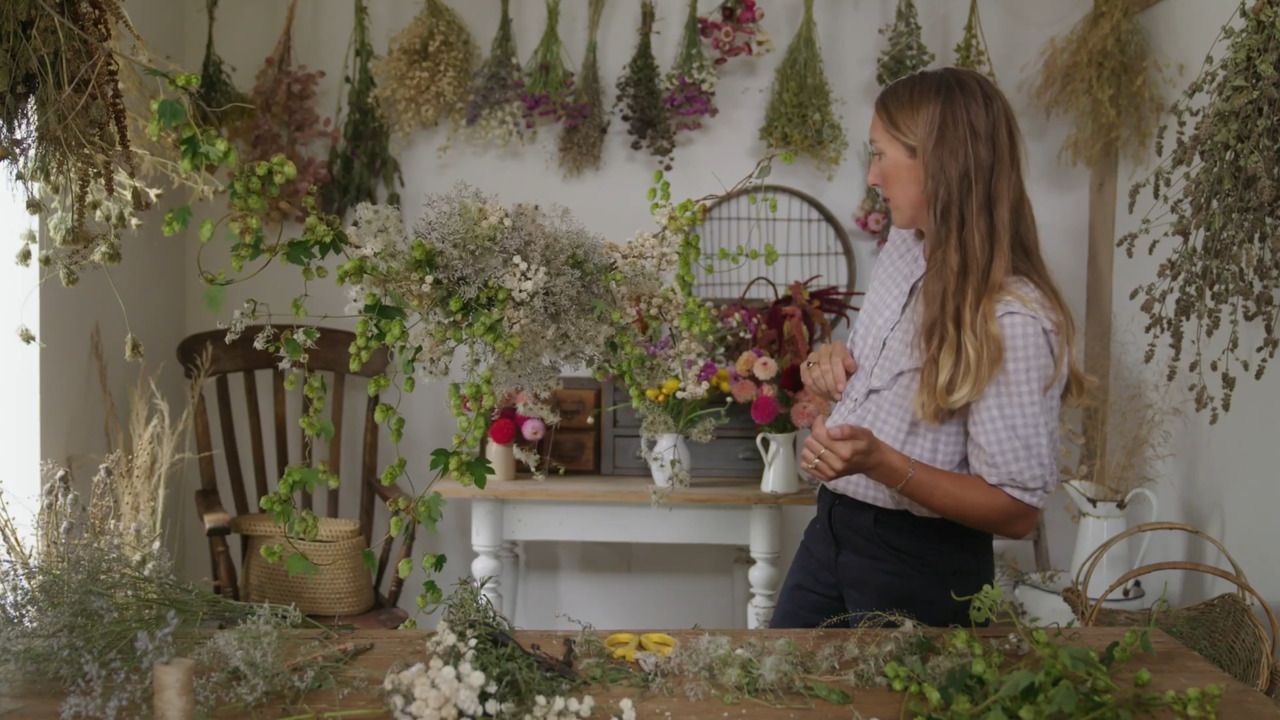
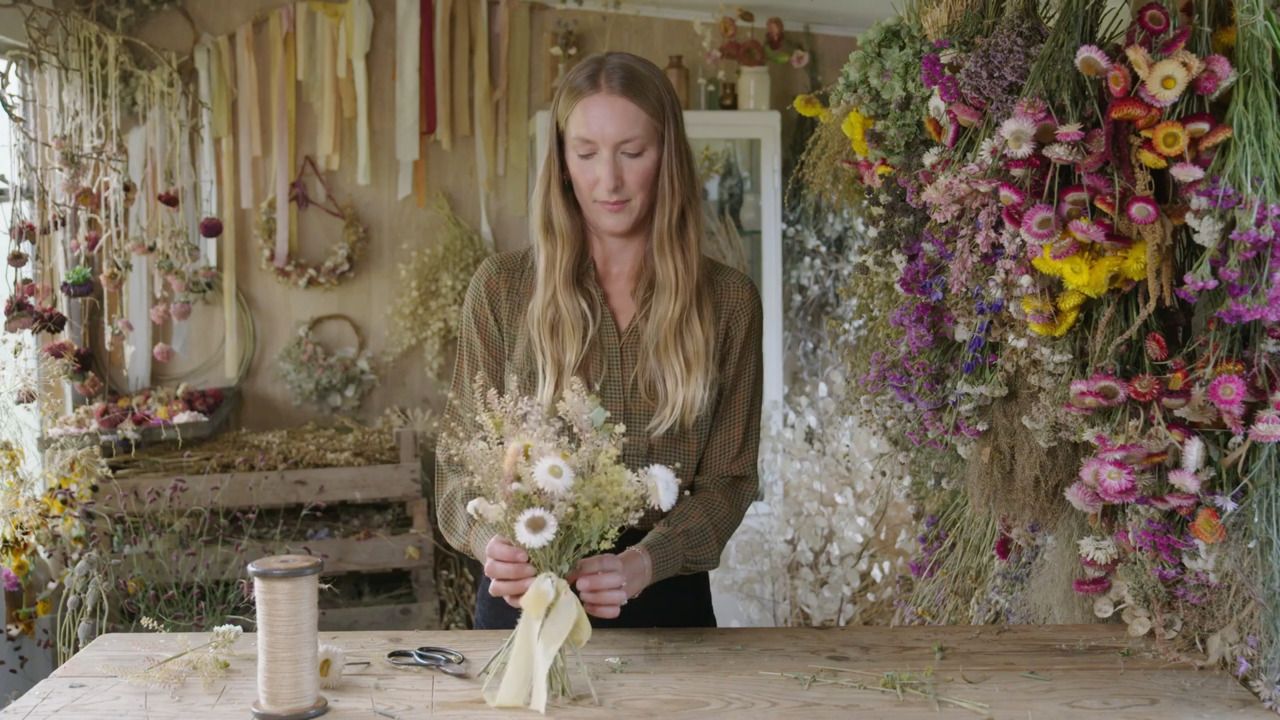
Perfect for weddings or as a gift for a friend, hand- tied bouquets are a great way to arrange dried flowers. In this video, you’ll learn how to put one together with volume, height and texture.
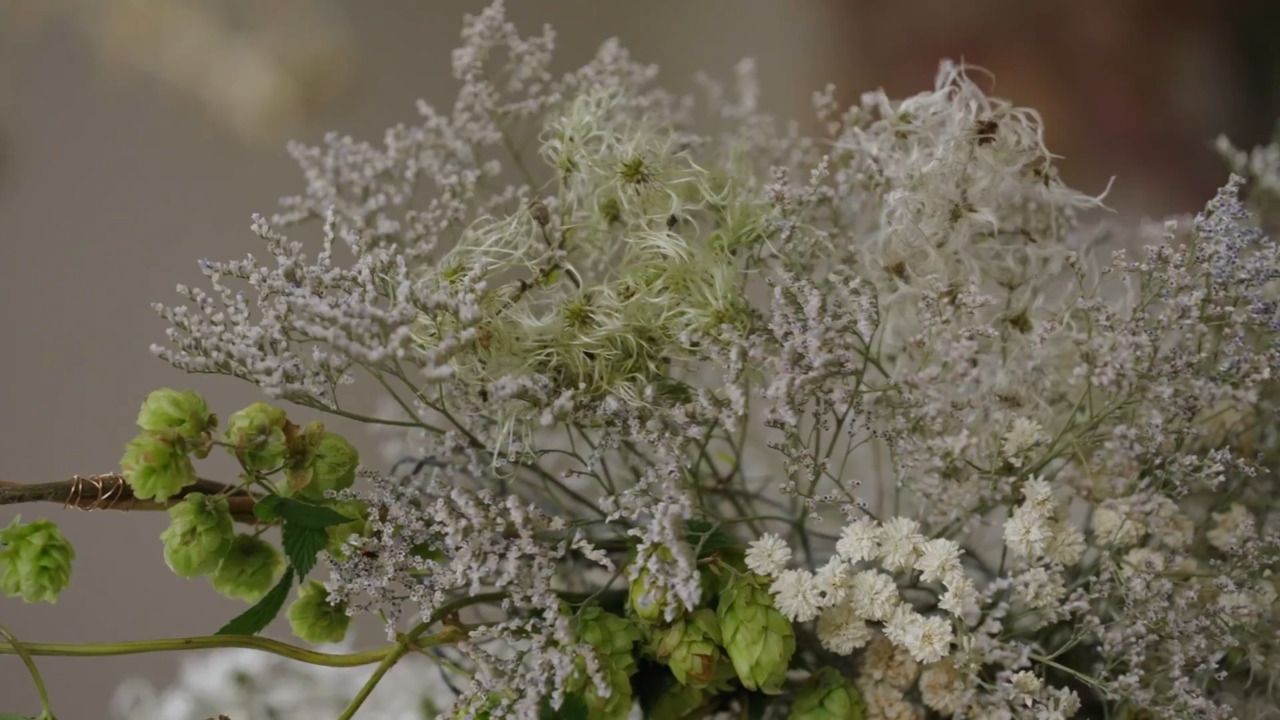
Making a dried flower bouquet is quite different to creating one with fresh flowers. With fresh blooms, you can use vibrant green fronds and leaves as a base for your arrangement, but with dried flowers you don't have this option. Instead, focusing on texture and movement is the best way to make your bouquet turn heads.
While you will want to focus on adding volume and body to your bouquet, as I've said before, less is more, so make sure not to add in too many different varieties.
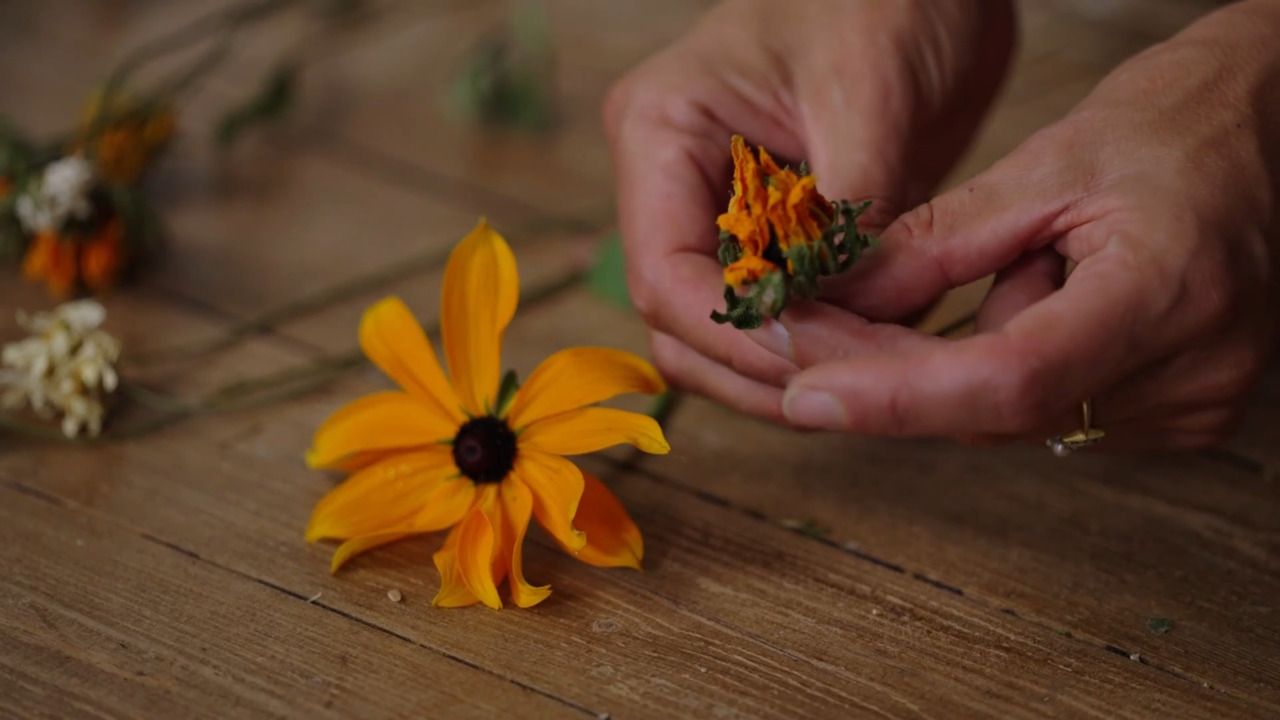
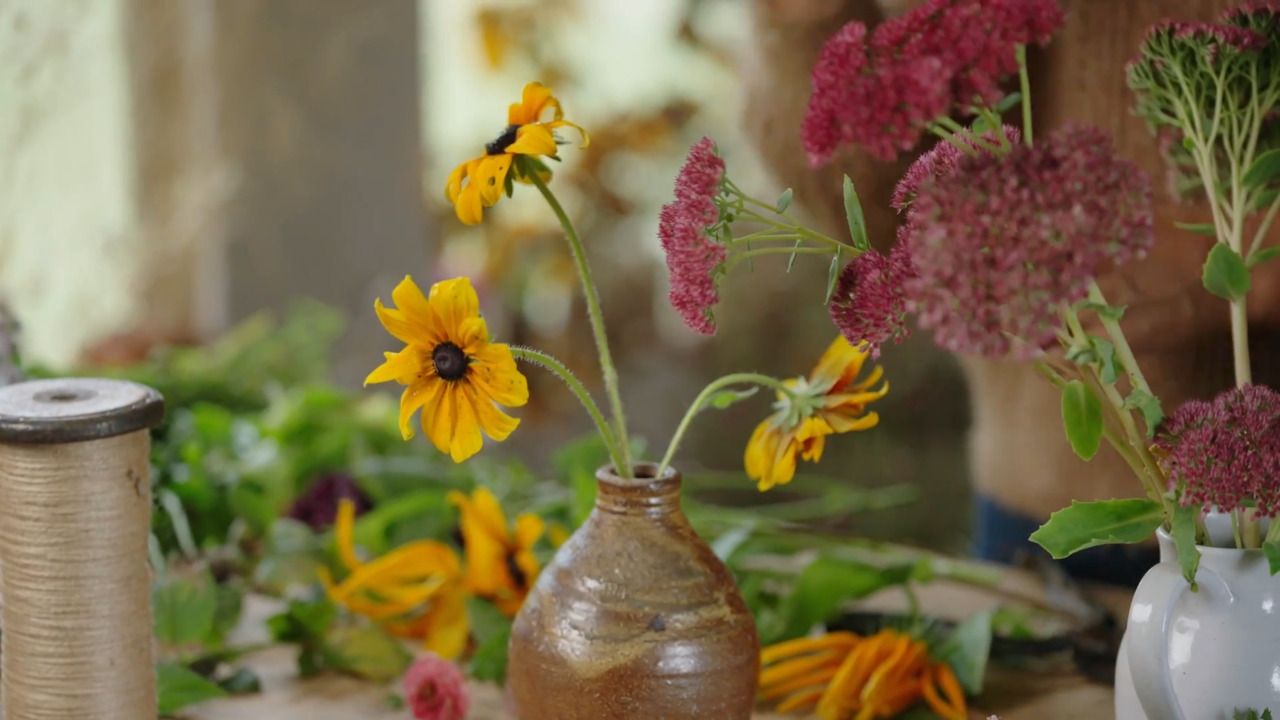
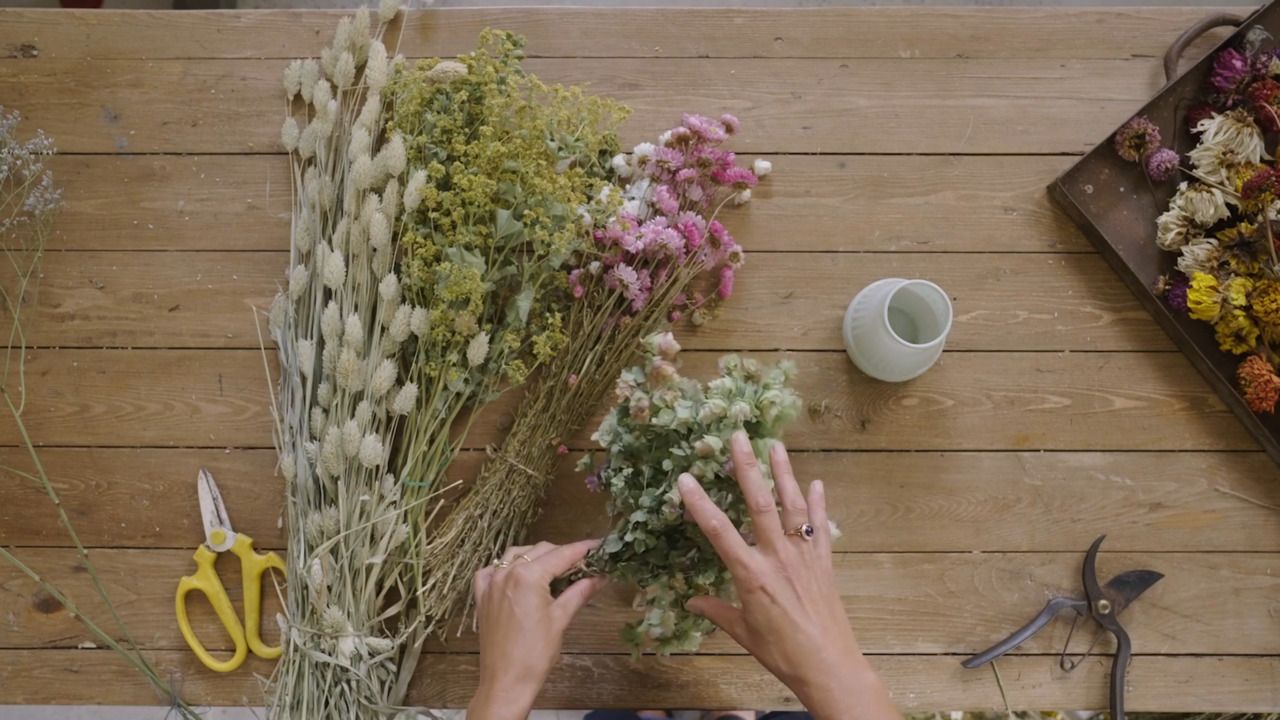
For this display, I chose to work with:
As you build your bouquet, you will be using one hand to hold it at all times, while you feed stems in with the other hand. This takes practice, so don't worry if it takes time to get to grips with this technique.
The beauty of this method is that you can take stems out if you don't think they are sitting right in your bouquet. In order to do this, your stems need to be clean so that you can move them in and out smoothly.
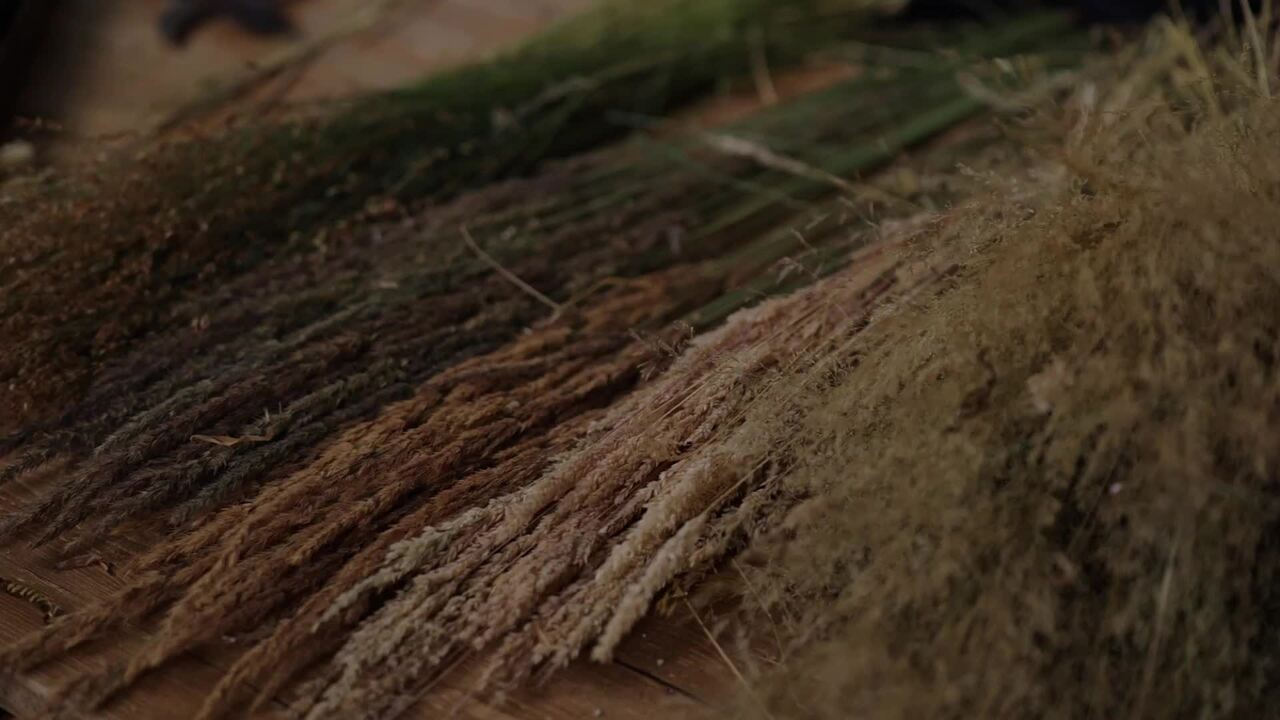
When you start to build your bouquet, you will need to work with your more textural stems to create the base shape.
Get the full workbook, video lessons, and more with a Create Academy subscription.
Subscribe to access the full workbookAlready a member? Sign in to watch
491 reviews
Read moreCreate Academy has been such a great resource. I'm in the middle of renovating a bungalow with a very large garden and the courses have offered a wealth of inform...
Harvey
Jun 10, 2026
Absolutely love Create Academy! The instructors are extremely informative, and it is beautifully filmed. Create Academy is great value for money and plan on renew...
SG
May 31, 2026
Butter's creativity is stunning! Her ability to incorporate brilliance in small gardens is magical!
Carla
May 30, 2026
The best adventure. I like all the courses, but my favorite are both Rita Konig interior design courses and Anna Jones. Excellent!
Karolina Kluczewska
May 20, 2026
Create Academy has been such a great resource. I'm in the middle of renovating a bungalow with a very large garden and the courses have offered a wealth of information to dive into and explore new ideas. I'm...
Harvey
Jun 10, 2026
Absolutely love Create Academy! The instructors are extremely informative, and it is beautifully filmed. Create Academy is great value for money and plan on renewing my subscription yearly because there are ...
SG
May 31, 2026
Butter's creativity is stunning! Her ability to incorporate brilliance in small gardens is magical!
Carla
May 30, 2026

Your Instructor
UK's leading dried flower artist, grower, writer, floral stylist.
Bex Partridge is a leading dried flower artist, stylist and grower who specialises in creating sustainable everlasting designs, displays and installations. From her studio in Devon she works with dried flowers throughout their entire lifecycle; from seed to plant to harvest, and then on to drying and arranging. Her designs are wild, whimsical and nature-led, with a focus on seasonality and always free of any human intervention (no dying, bleaching or sprayed blooms), reflecting the natural world around us and offering the chance to bring nature into our spaces, however big or small.
Access to all courses

.jpg)
