

Interior and exterior confidence
Create Academy has been such a great resource. I'm in the middle of renovating a bungalow with a very large garden and the courses have offered a wealth of inform...
Harvey
Jun 10, 2026
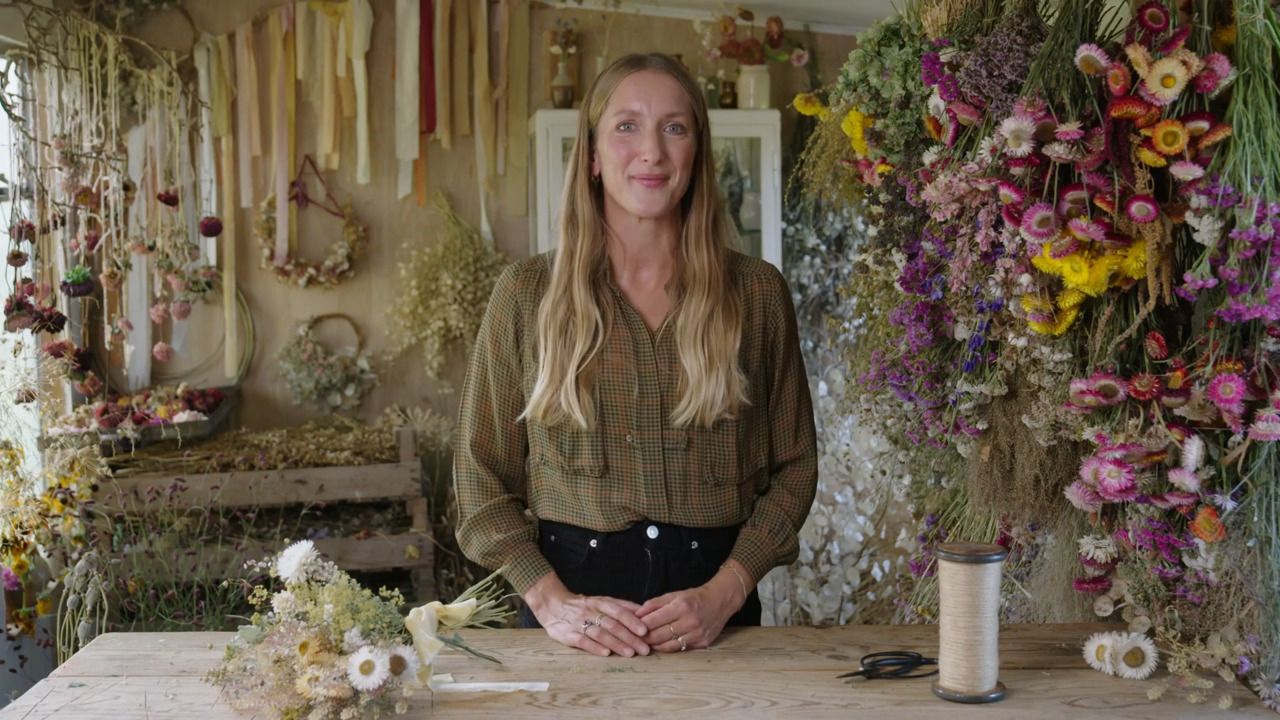
with BEX PARTRIDGE — UK's leading dried flower artist, grower, writer, floral stylist.
Lesson 14 of 29
Subscribe to watch
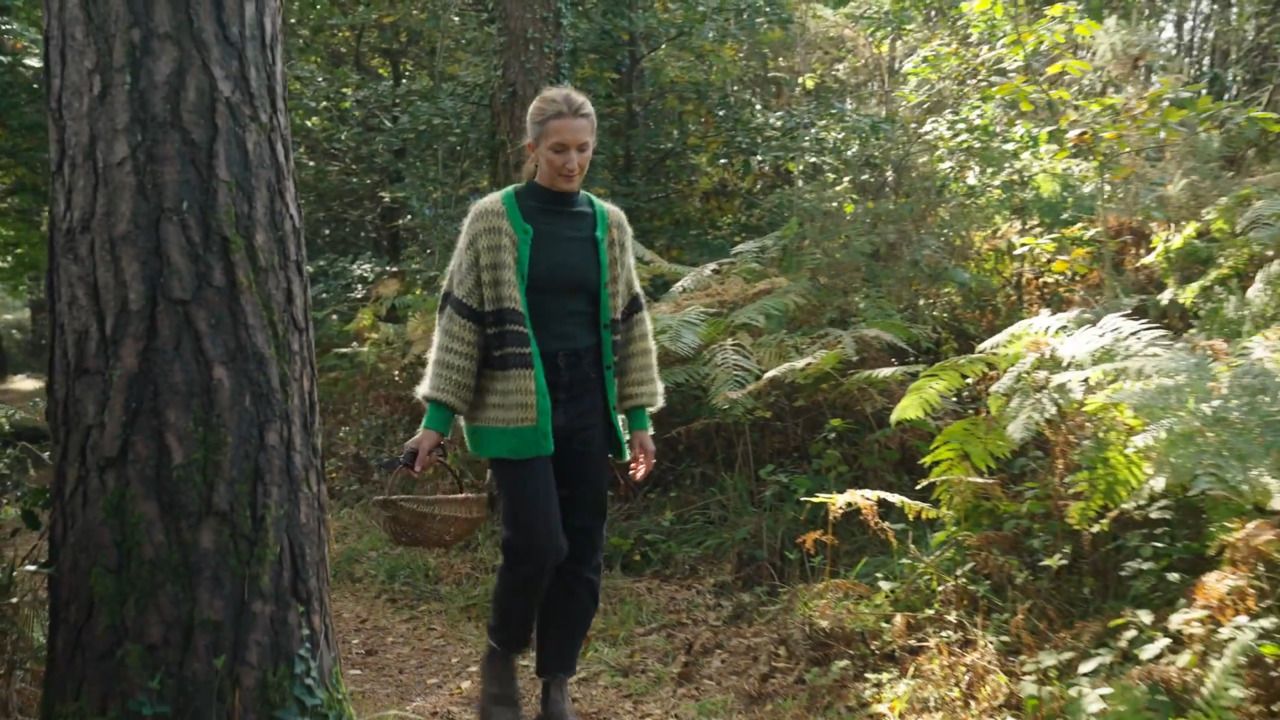
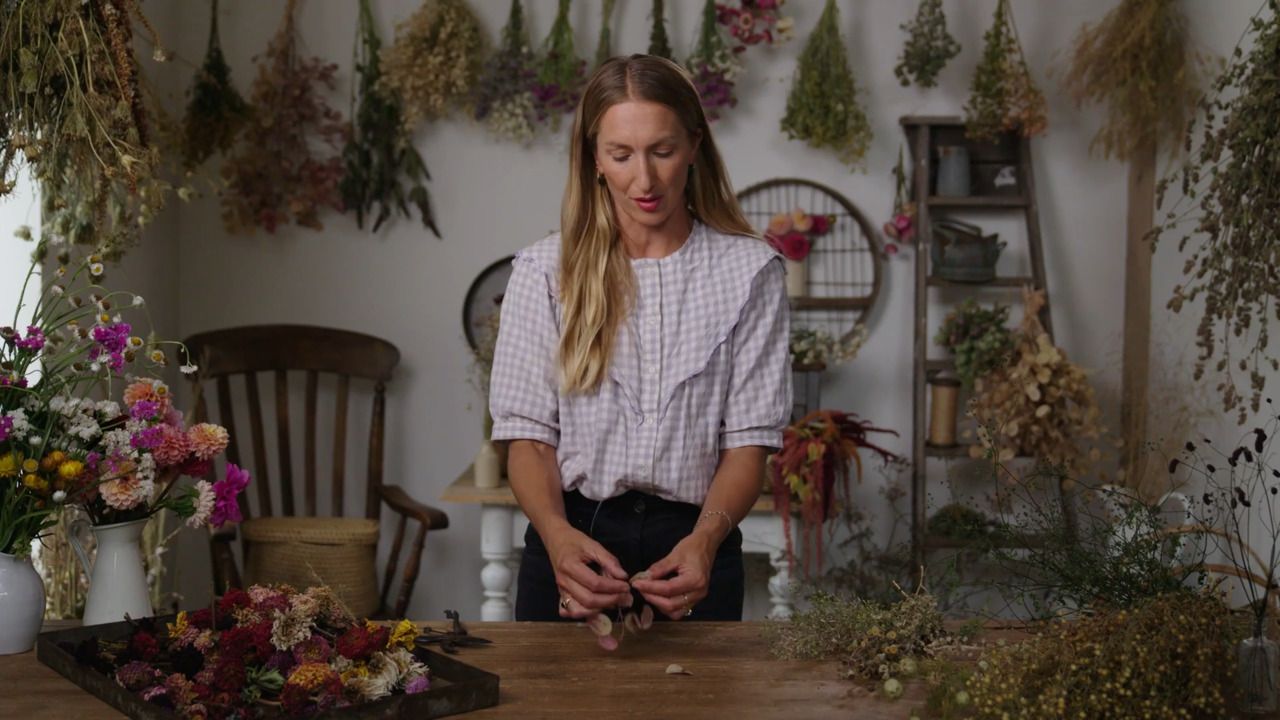
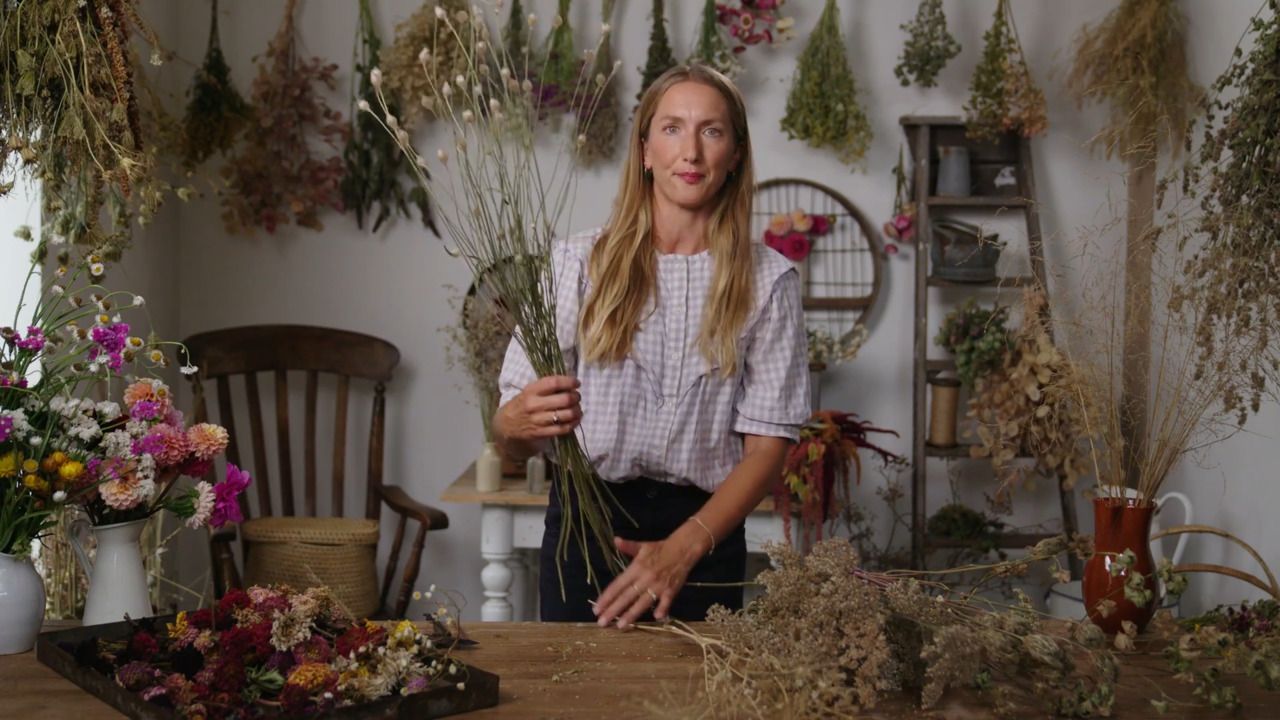
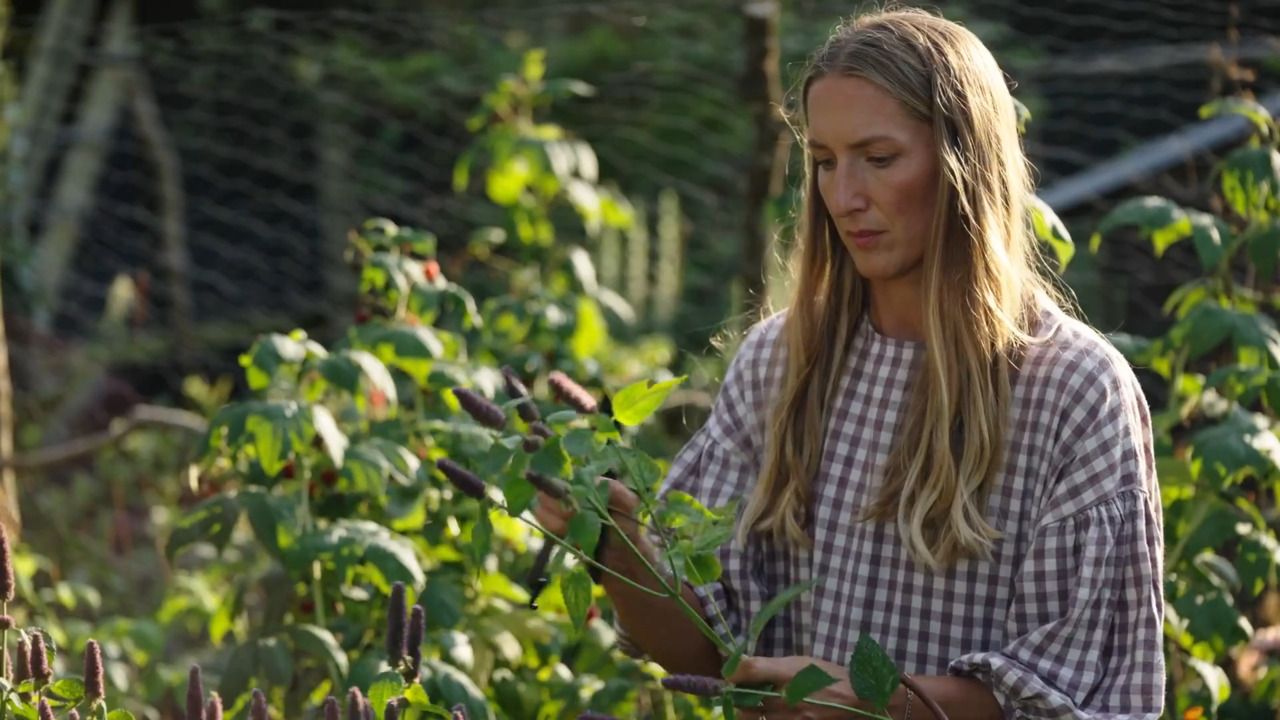
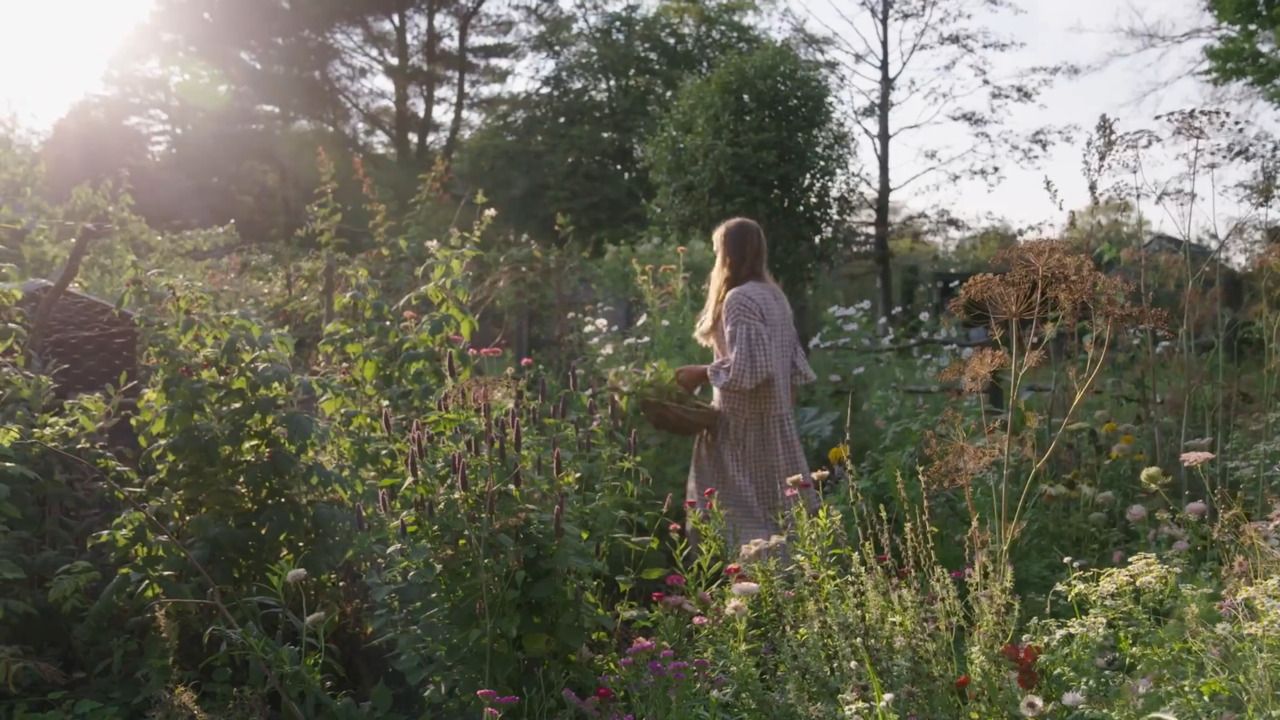
If you have the space, growing your own flowers is a great way to learn more. Let Bex guide you round her garden and show you how to get started.
My garden in Devon is about half an acre in size, and furthest from the house you'll find my cutting bed, which is where I grow my annual flowers. I also have an allotment space too, which is in full sun, which makes it easier to grow more tricky flowers that I wouldn't be able to grow in my shady garden.
However, if you don't have much space, don't be put off. You can still grow flowers in small town gardens, on balconies, or even in window boxes.
I built the beds in the garden myself using the no-dig method, which has proven to be very successful and is one of the best ways to maintain and care for soil.
I grow most of my plants from seed using the sowing times below:
Some things to think about when choosing what to grow include:
I grow all of my plants from seed, whether they're annual, biennial or perennial, and it's this process that inspires me to create in the way that I do.
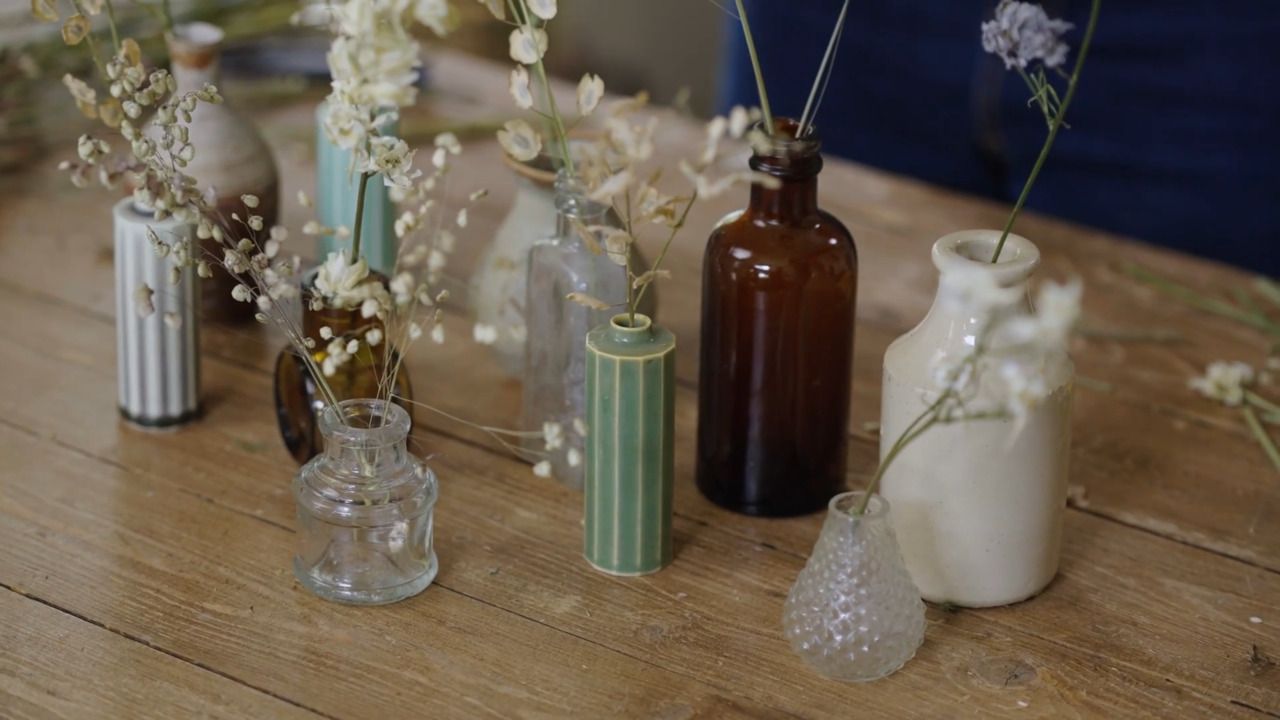
By growing annuals, biennials and perennials, I have created a growing space that is interesting all year round, with flowers in the summer and seed heads in the winter.
This also provides me with plant materials every season, as well as being an invaluable resource for insects.
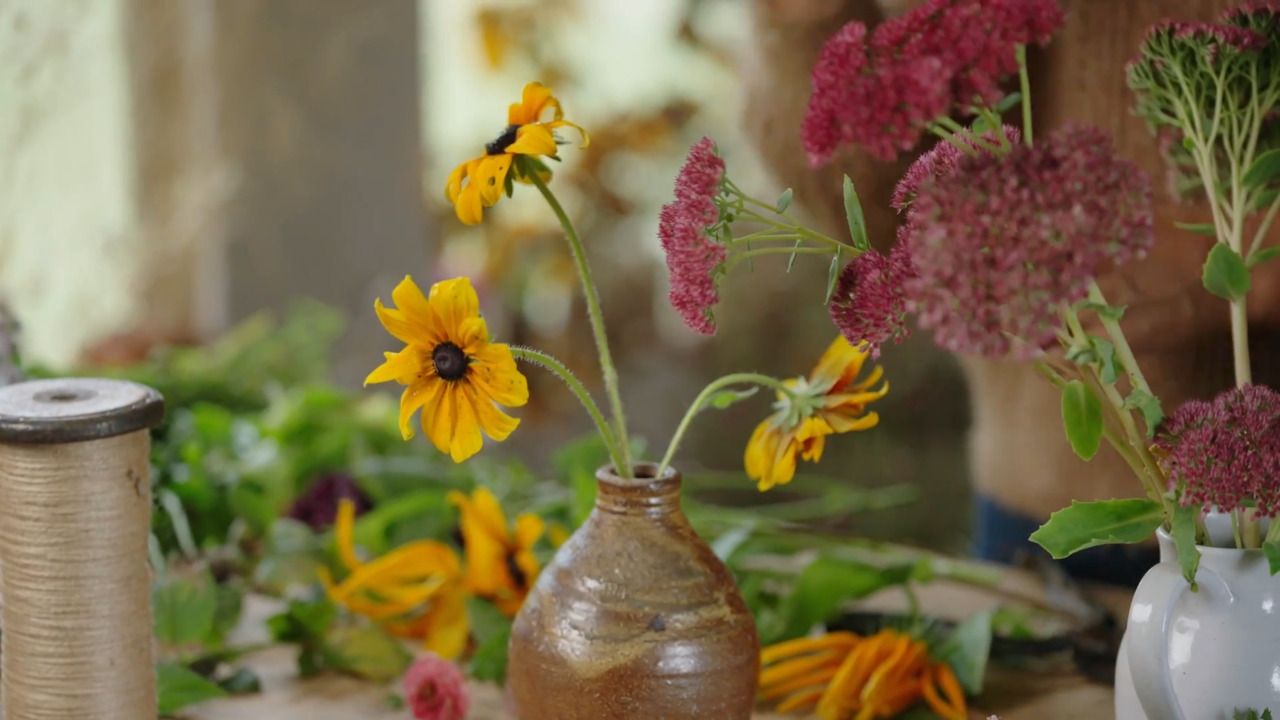
Flowers which are described as 'cut and come again' flower prolifically. The more you cut the stems of these plants, the more flowers you will get.
Some flowers that are cut and come again include:
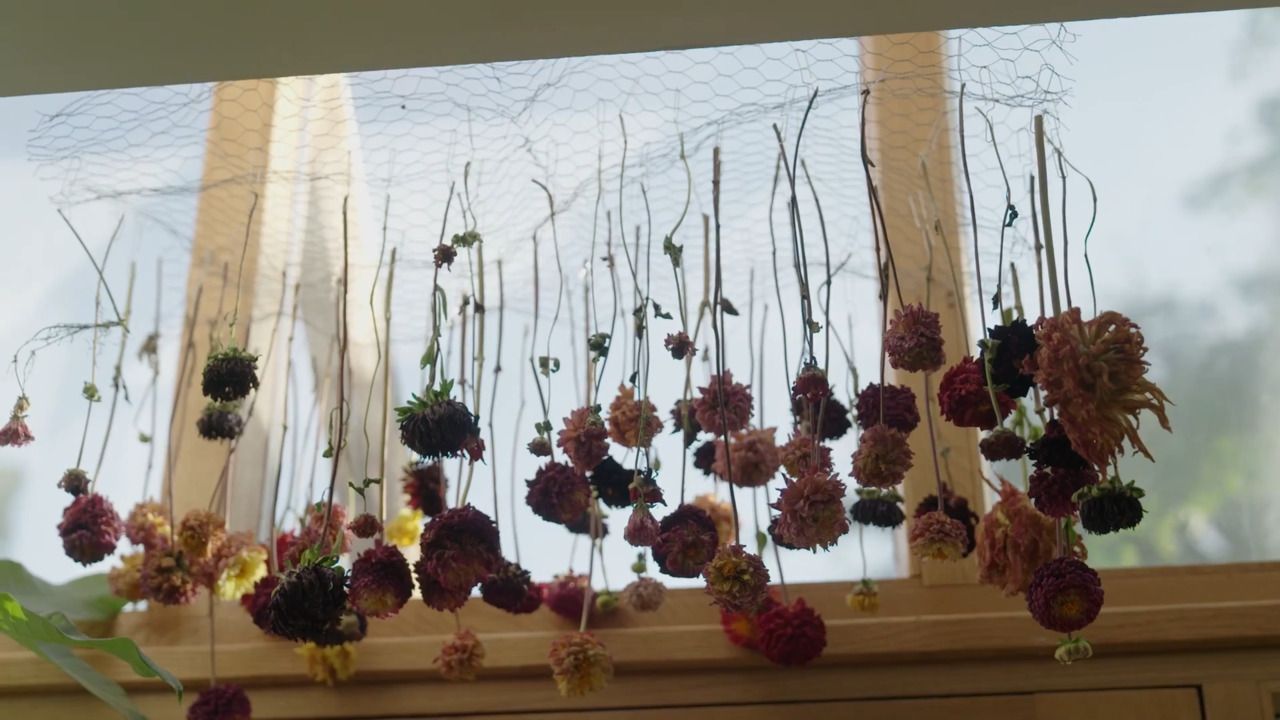
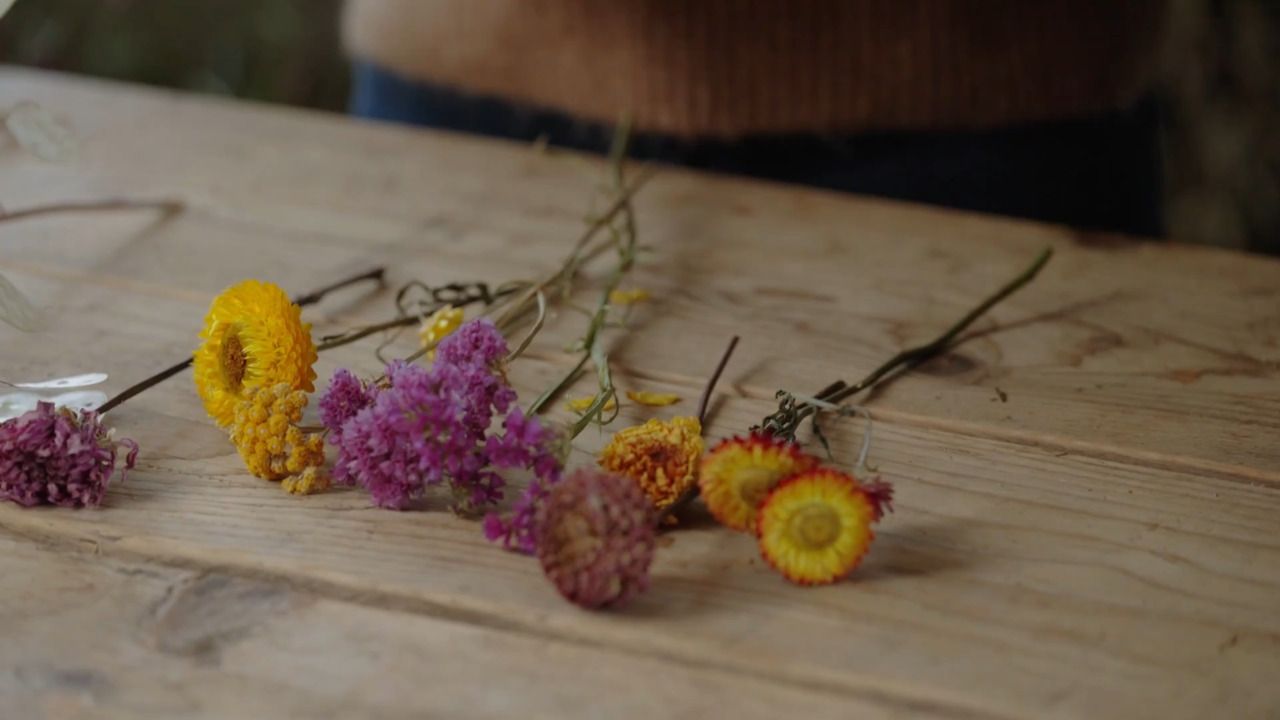
One of the most important lessons to learn when drying flowers is that you will need more than you think you do. Most flowers shrink dramatically once they are dried, so you will need to have more stems to create a full bouquet or a big display.
By growing as many blooms as you can, you'll ensure you have enough for your displays and as replacements for any flowers that do not dry successfully.
Some of my favourite annuals to grow from seed include:
If you don't have the time or the space to grow plants from seed, you can also grow them from plug plants. These small plants are available in spring from plant nurseries and can be planted directly into the ground.
Growing your own flowers will help you to understand how plants grow together and the shapes that nature creates, which can inform your own work in many ways.
Make a list of the flowers you would like to grow during the coming growing season. Make sure you are growing a mix of annuals, hardy annuals and perennials.
For inspiration, look through seed catalogues, visit local garden centres and think about what local wildflowers you could bring into your garden.
| Flower name | Month to sow | Flowering season | Is it annual, biennial or perennial? |
|-------------|--------------|------------------|-------------------------------------|
| | | | |
| | | | |
| | | | |
| | | | |
| | | | |
| | | | |
| | | | |
Get the full workbook, video lessons, and more with a Create Academy subscription.
Subscribe to access the full workbookAlready a member? Sign in to watch
491 reviews
Read moreCreate Academy has been such a great resource. I'm in the middle of renovating a bungalow with a very large garden and the courses have offered a wealth of inform...
Harvey
Jun 10, 2026
Absolutely love Create Academy! The instructors are extremely informative, and it is beautifully filmed. Create Academy is great value for money and plan on renew...
SG
May 31, 2026
Butter's creativity is stunning! Her ability to incorporate brilliance in small gardens is magical!
Carla
May 30, 2026
The best adventure. I like all the courses, but my favorite are both Rita Konig interior design courses and Anna Jones. Excellent!
Karolina Kluczewska
May 20, 2026
Create Academy has been such a great resource. I'm in the middle of renovating a bungalow with a very large garden and the courses have offered a wealth of information to dive into and explore new ideas. I'm...
Harvey
Jun 10, 2026
Absolutely love Create Academy! The instructors are extremely informative, and it is beautifully filmed. Create Academy is great value for money and plan on renewing my subscription yearly because there are ...
SG
May 31, 2026
Butter's creativity is stunning! Her ability to incorporate brilliance in small gardens is magical!
Carla
May 30, 2026

Your Instructor
UK's leading dried flower artist, grower, writer, floral stylist.
Bex Partridge is a leading dried flower artist, stylist and grower who specialises in creating sustainable everlasting designs, displays and installations. From her studio in Devon she works with dried flowers throughout their entire lifecycle; from seed to plant to harvest, and then on to drying and arranging. Her designs are wild, whimsical and nature-led, with a focus on seasonality and always free of any human intervention (no dying, bleaching or sprayed blooms), reflecting the natural world around us and offering the chance to bring nature into our spaces, however big or small.
Access to all courses


