How to Create Forever Flowers

The drying process - Part 1: The golden rules

with BEX PARTRIDGE — UK's leading dried flower artist, grower, writer, floral stylist.

Lesson 10 of 29
Rated 4.7/5 on Trustpilot
|

Learn from the world's best creative minds on Create Academy

The drying process - Part 1: The golden rules - Video thumbnail

Buy or subscribe to watch

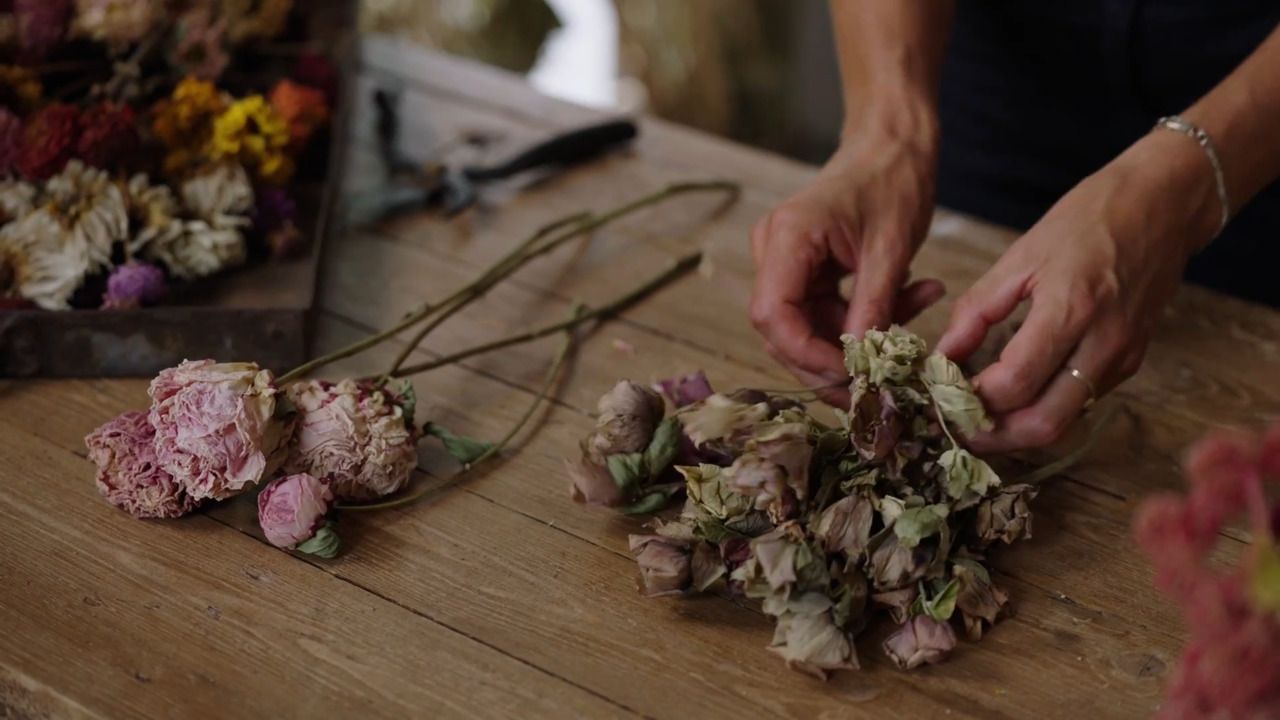
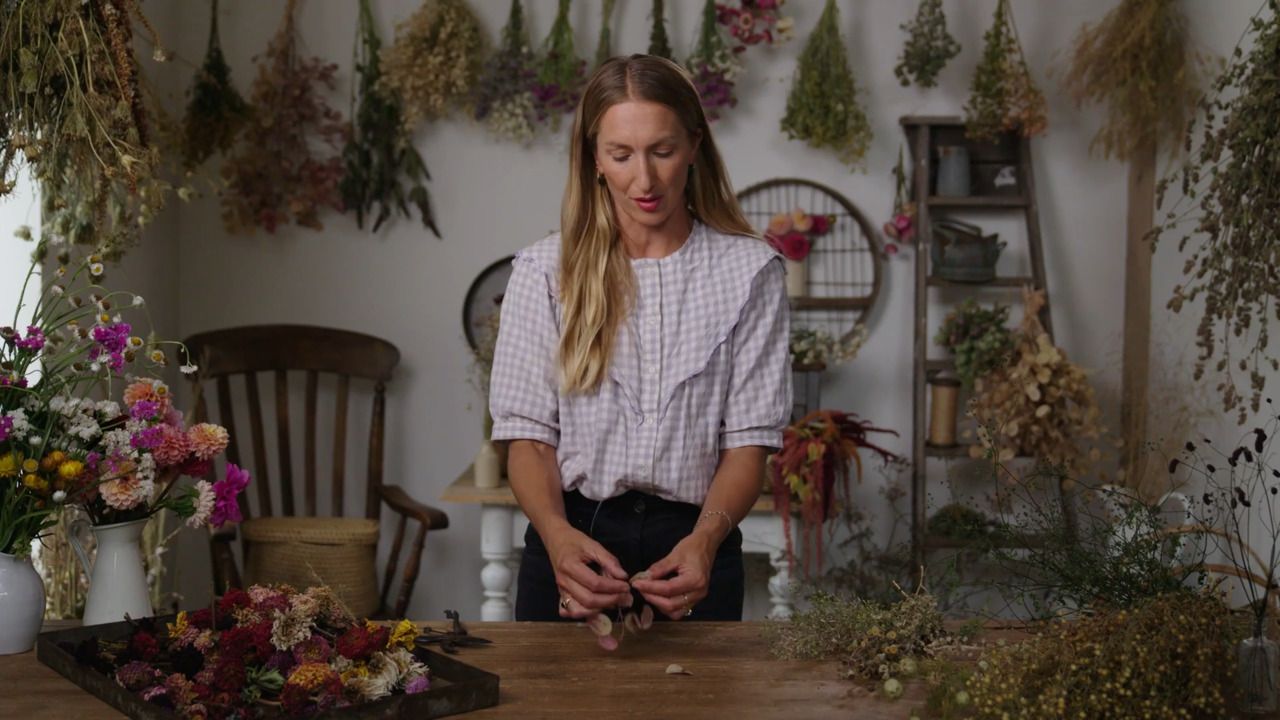
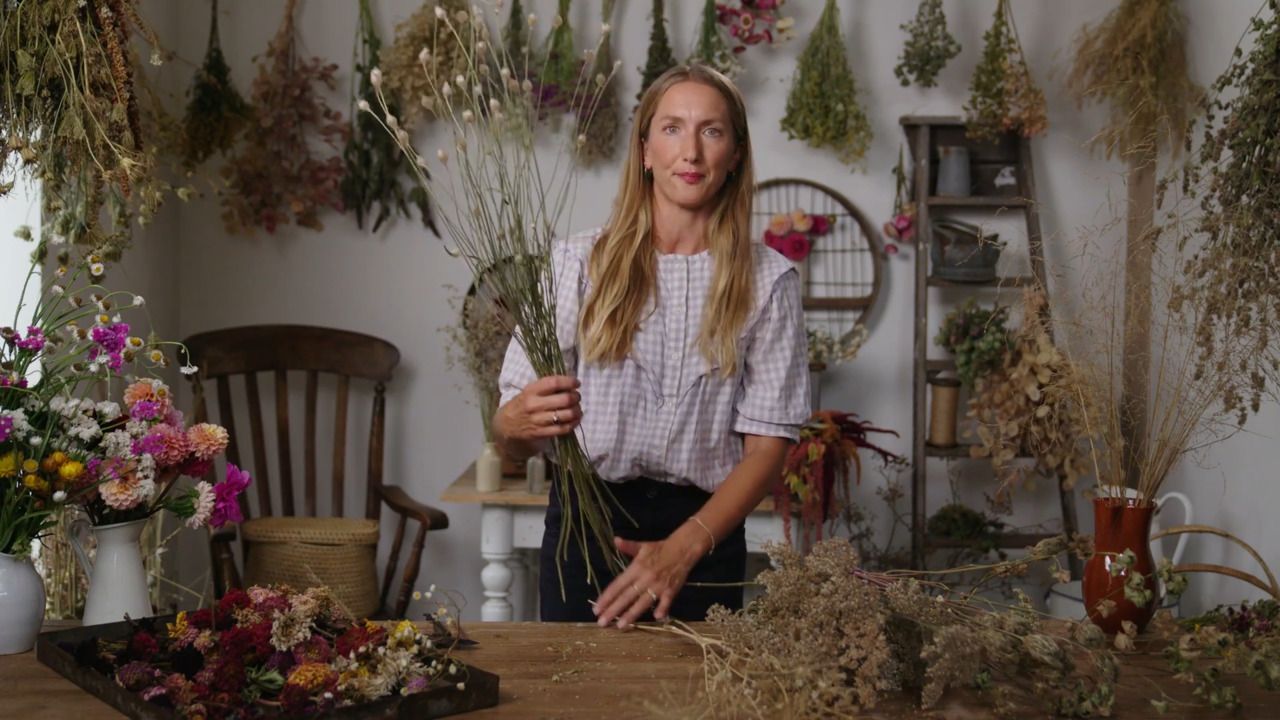
When it comes to drying plants, if you want to achieve the best results there are a few golden rules. In this lesson, Bex guides you through her do’s and don’ts.

From the Lesson Workbook

The Drying Process - Part 1: The Golden Rules

When it comes to drying flowers, there are a number of rules that you really need to stick to if you want to get good results. Generally, the fussier the flower, the more rigidly you should stick to these rules.

Rule 1: The Right Temperature

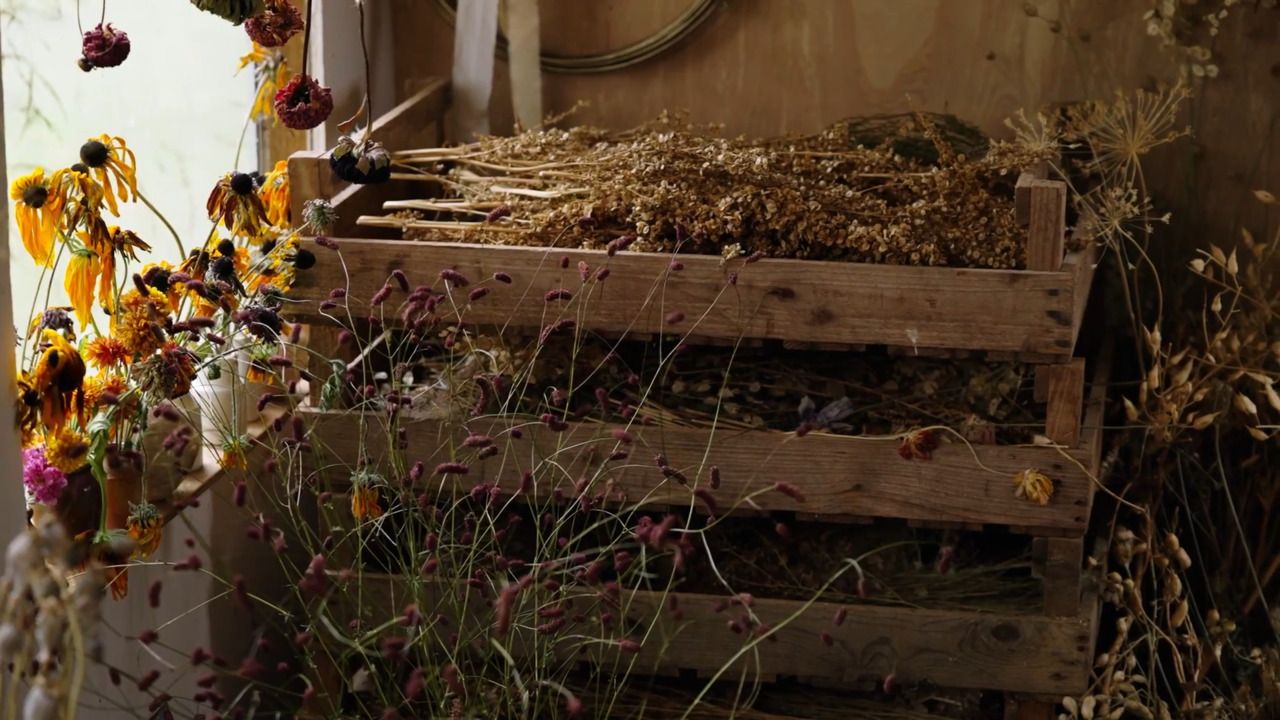
  • Dry your flowers in a space that has an ambient room temperature, meaning it's neither too hot nor too cold.
  • If you dry things too quickly – in the heat of a conservatory, for example – the stems will become very brittle and may snap.
  • If you dry your stems in a cold space, the process may be too slow and there is a risk that mould will grow on your flowers instead.

Rule 2: Avoid Direct Sunlight

  • You might have heard that you need to dry flowers in complete darkness, but while this isn't necessarily true, you do need to keep them out of direct sunlight.
  • Direct sunlight will make your stems brittle and may bleach your flowers too, muting their colour.

Rule 3: Low/No Moisture Level

  • If you try to dry your stems in damp conditions, you'll find it very difficult, so your room needs to be completely dry, without moisture in the air.
  • This means it's easier to dry flowers in a house than in an outbuilding, which would likely require using a dehumidifier.
  • Avoid drying flowers in the kitchen or the bathroom because of the steam generated by cooking and heating water.

An Exception to the Rule

  • If you want to create white bleached stems, then you can dry certain sturdy flowers, like Ammi (Ammi majus), in your greenhouse for around a week.

Some Different Drying Techniques

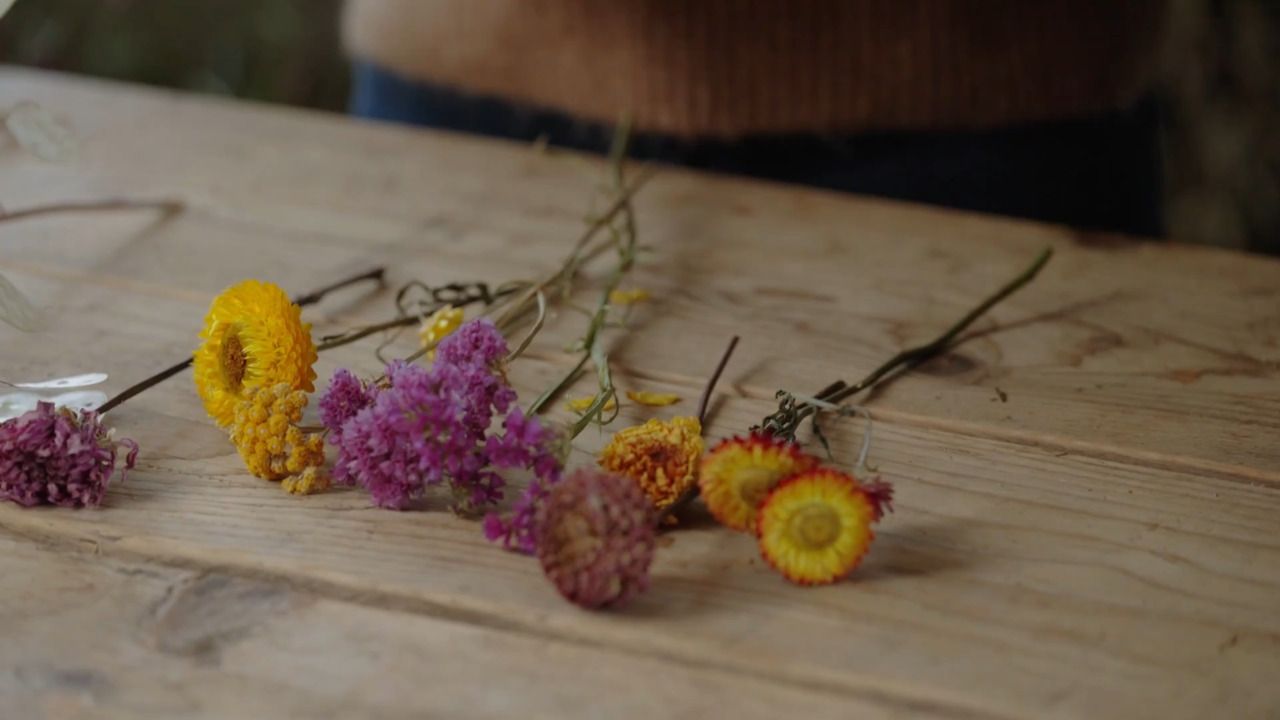
Strawflowers

  • Strawflowers are ready to pick once the flower centre is formed and starting to show, but note that the flowers will close up in wet weather, though you can still harvest the stems then, and then during the drying process, the flowers will unfurl, revealing their beauty.
  • When cutting strawflowers for bouquets, cut a long stem with a full flower and some buds attached, as the buds will open out a bit, giving you some more delicate blooms.
  • Before drying, strip all the leaves off the stem to ensure good airflow around the stem as it dries.
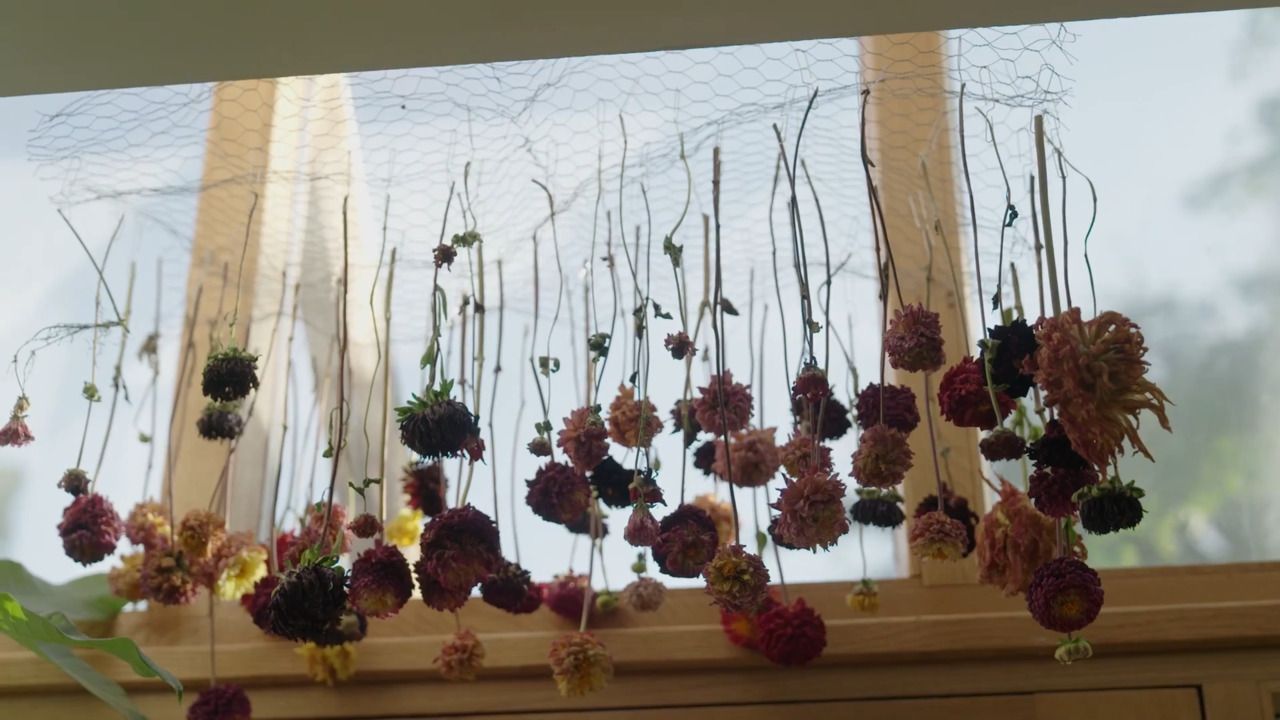
  • You can hang between 5 and 10 stems in a bunch together, which should give them enough space to dry properly.
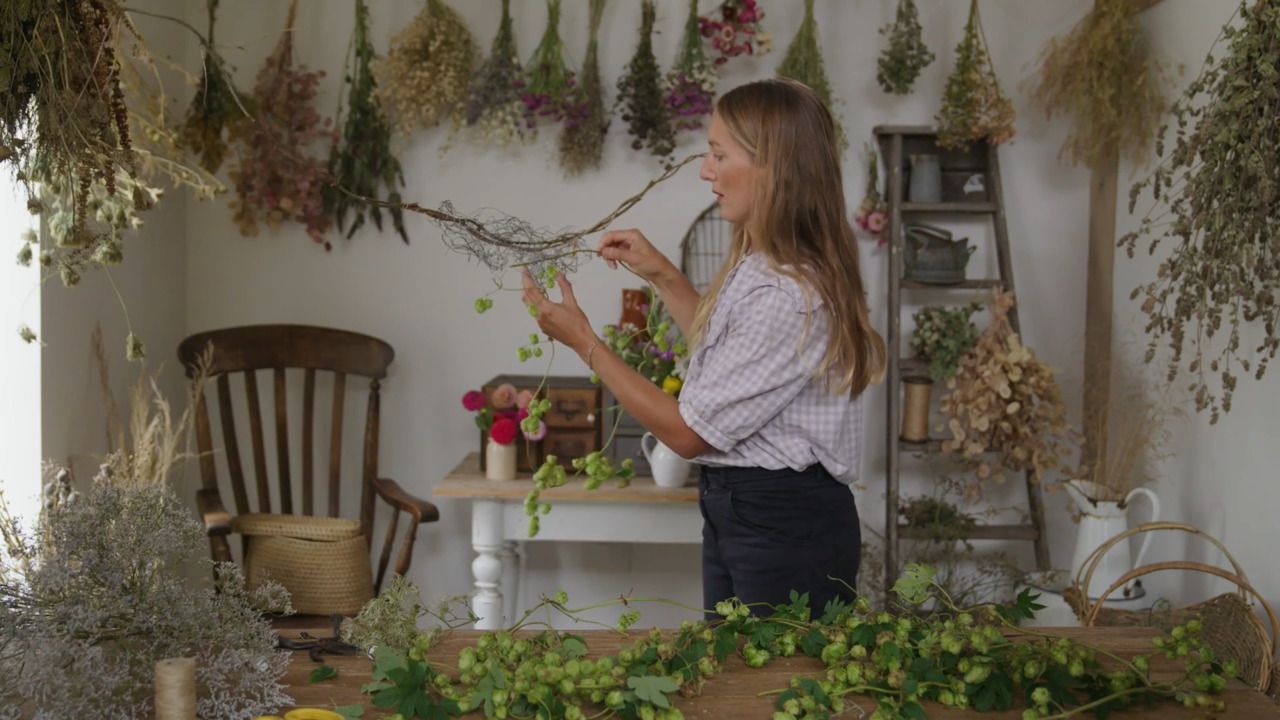
  • Consider what area of your house will work best for drying your flowers, and then once decided, you could make a feature out of this area by hanging them from an old branch, or even hang them in a cupboard under the stairs.
  • Use natural twine to tie the stems of your flowers together, taking care to tie them tightly, as the stems will shrink as they dry.
  • Make a loop at the top of your string so you can hang it up.
  • The flowers will take between two and three weeks to dry.
  • Follow a similar process for Statice Sinuata and Acroclinium.

Sedum

  • Remove all the leaves.
  • Put the stems in a vase with a tiny bit of water at the bottom and leave to dry in situ.
  • This will allow the stems to dry from the top down.

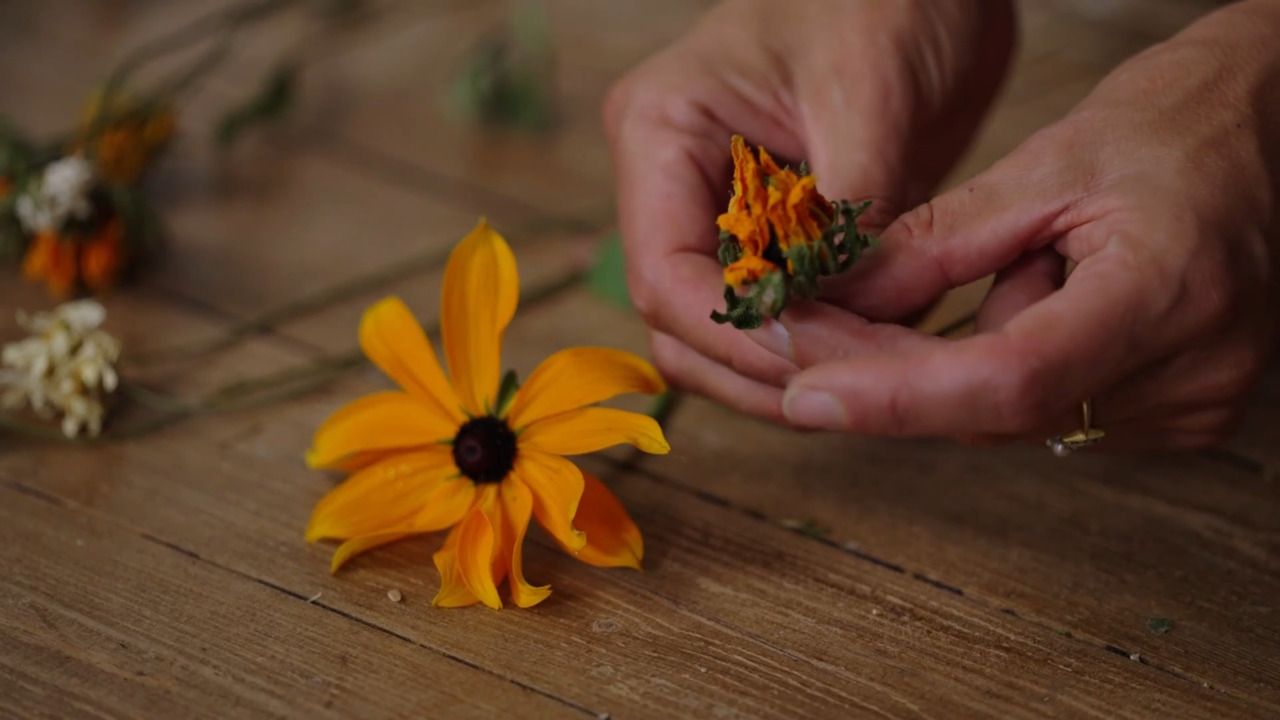
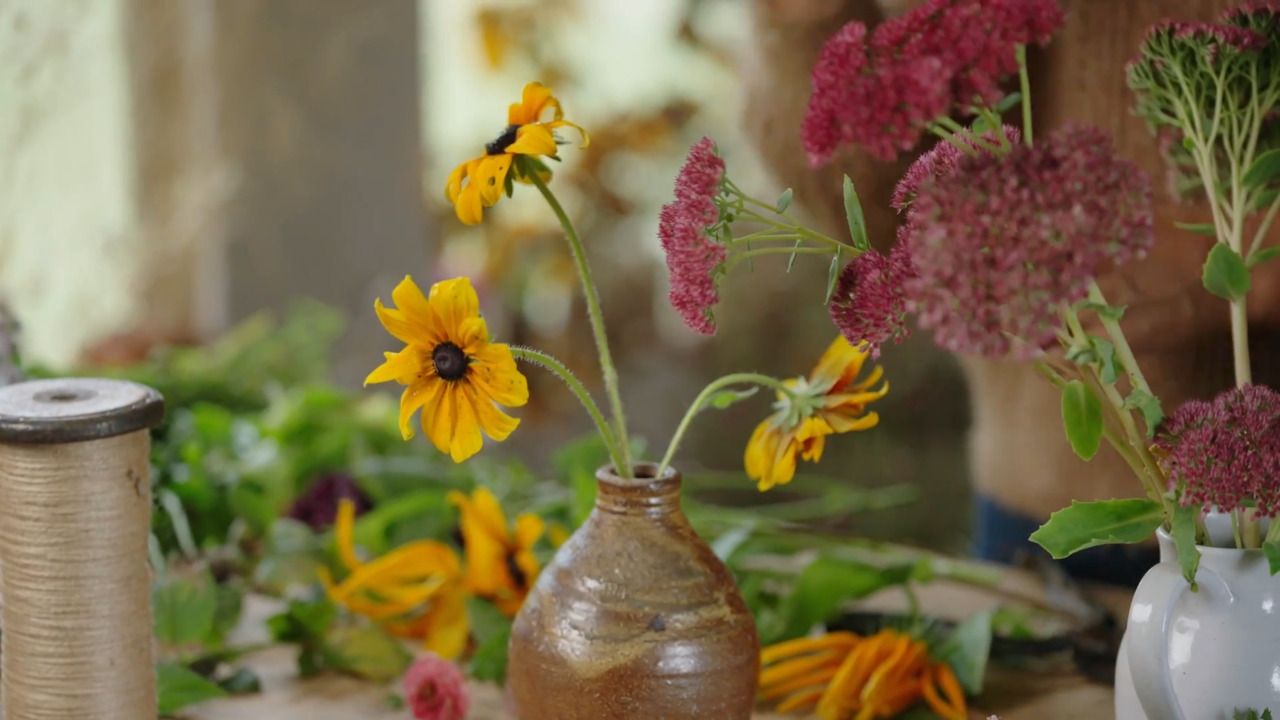
Rudbeckia

  • Place upright in a vase with a tiny bit of water.
  • The flowers change dramatically as they dry, so if you were to hang them upside down, gravity would cause the petals to drop downwards, which you do not want.
  • By drying flowers in a vase like this, you'll also have an instant arrangement.

Other Flowers I Would Use the Upright Method for Include:

  • Hydrangeas (pick before the first frost)
  • Gypsophila
  • Sanguisorba

Get the full workbook, video lessons, and more with a Create Academy subscription.

Subscribe to access the full workbook
Access all courses
$30 /month

Access 56+ courses, billed annually

Subscribe Now
Buy this course
$170 one-time

Lifetime access to this course

Buy Course

Already a member? Sign in to watch

Rated 4.7/5 on Trustpilot

437 reviews

Read more

Very good tutorial from a professional garden...

I have subscribed to access all the courses so have watched one on interior design and this one with Butter Wakefield who specialises in small garden design. She ...

Louise Brown

Apr 10, 2026

Time spent well

I love CreateAcademy. I came in for the gardening and floristry courses, but am also watching an interior design one at present. And the photography course is an ...

Wellesley

Apr 1, 2026

What a great investment

What a great investment, I have learned such a lot from the first three courses. My evenings have gone from not being able to find anything that captured my imagi...

sojojo

Mar 30, 2026

I loved this course with Amanda\u2026

I loved this course with Amanda Lindroth! Her approach to decorating is so relaxed and she makes it feel attainable. She explains the reasons behind her decisions...

Elizabeth

Mar 27, 2026

Bex Partridge

Your Instructor

Bex Partridge

UK's leading dried flower artist, grower, writer, floral stylist.

Bex Partridge is a leading dried flower artist, stylist and grower who specialises in creating sustainable everlasting designs, displays and installations. From her studio in Devon she works with dried flowers throughout their entire lifecycle; from seed to plant to harvest, and then on to drying and arranging. Her designs are wild, whimsical and nature-led, with a focus on seasonality and always free of any human intervention (no dying, bleaching or sprayed blooms), reflecting the natural world around us and offering the chance to bring nature into our spaces, however big or small.
Access to all courses

Get access to unlimited learning with a Create Academy subscription