

Interior and exterior confidence
Create Academy has been such a great resource. I'm in the middle of renovating a bungalow with a very large garden and the courses have offered a wealth of inform...
Harvey
Jun 10, 2026
with BUTTER WAKEFIELD — Leading British garden designer
Lesson 10 of 25
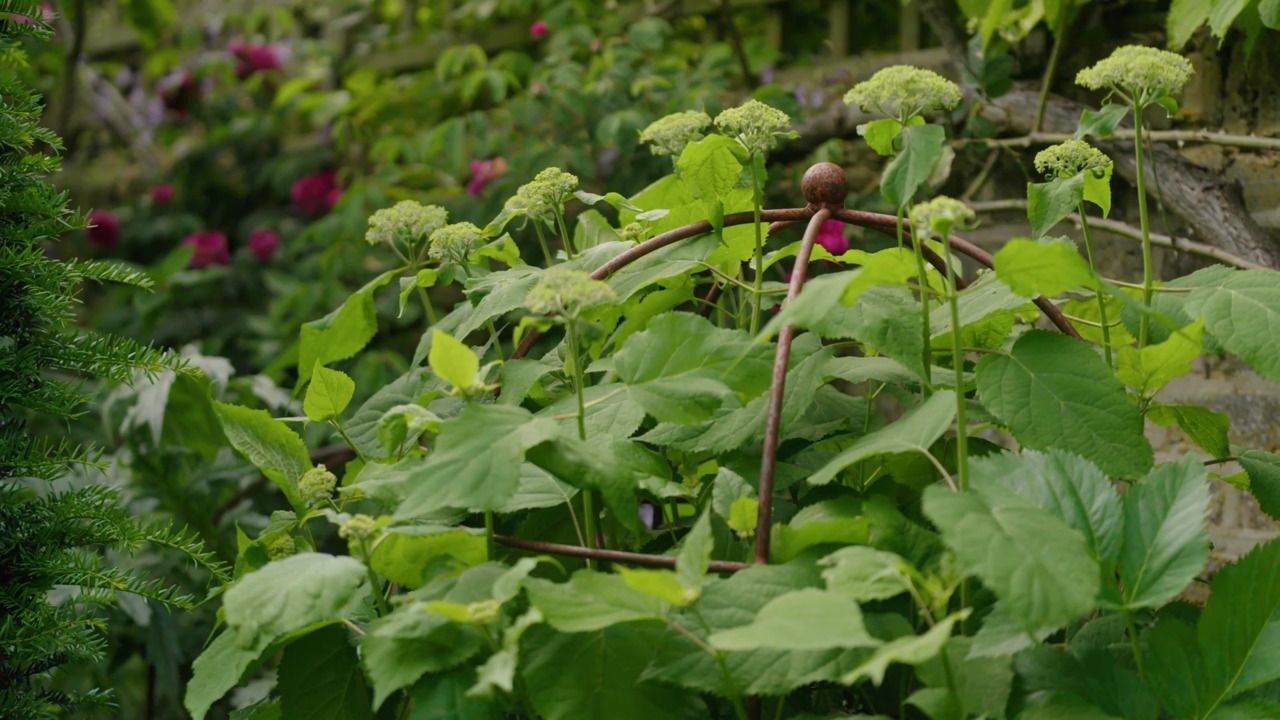
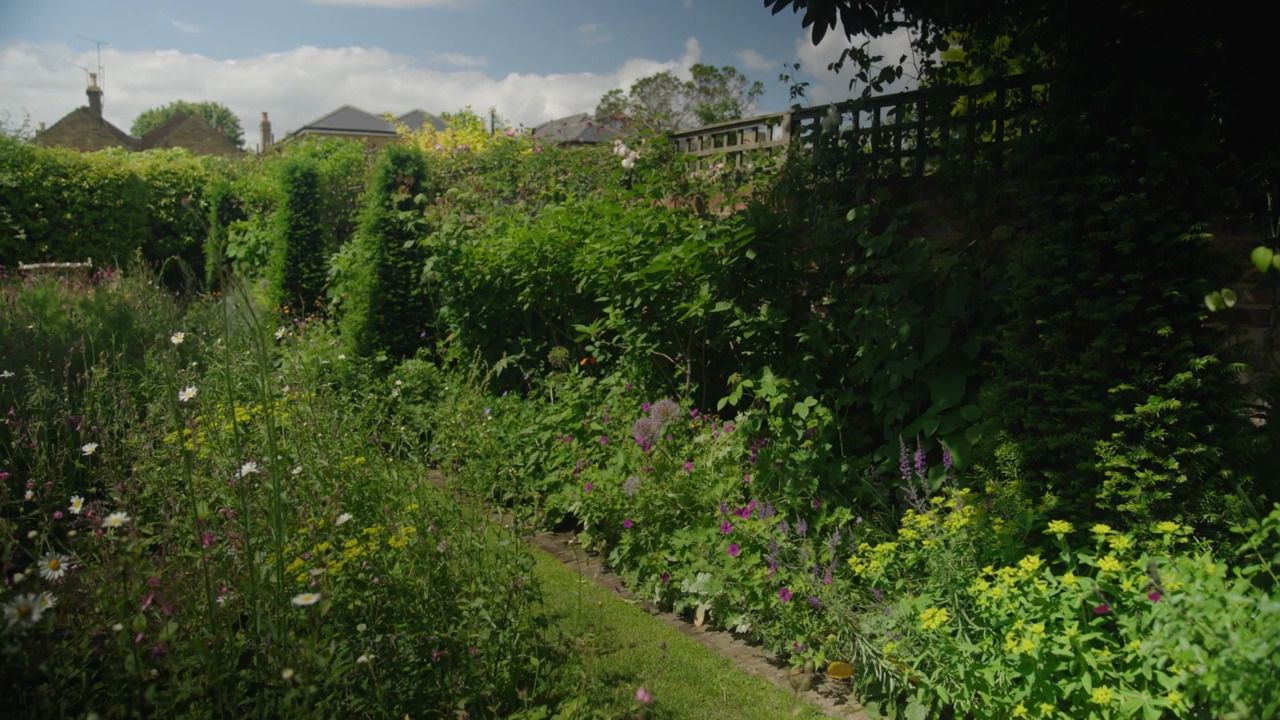
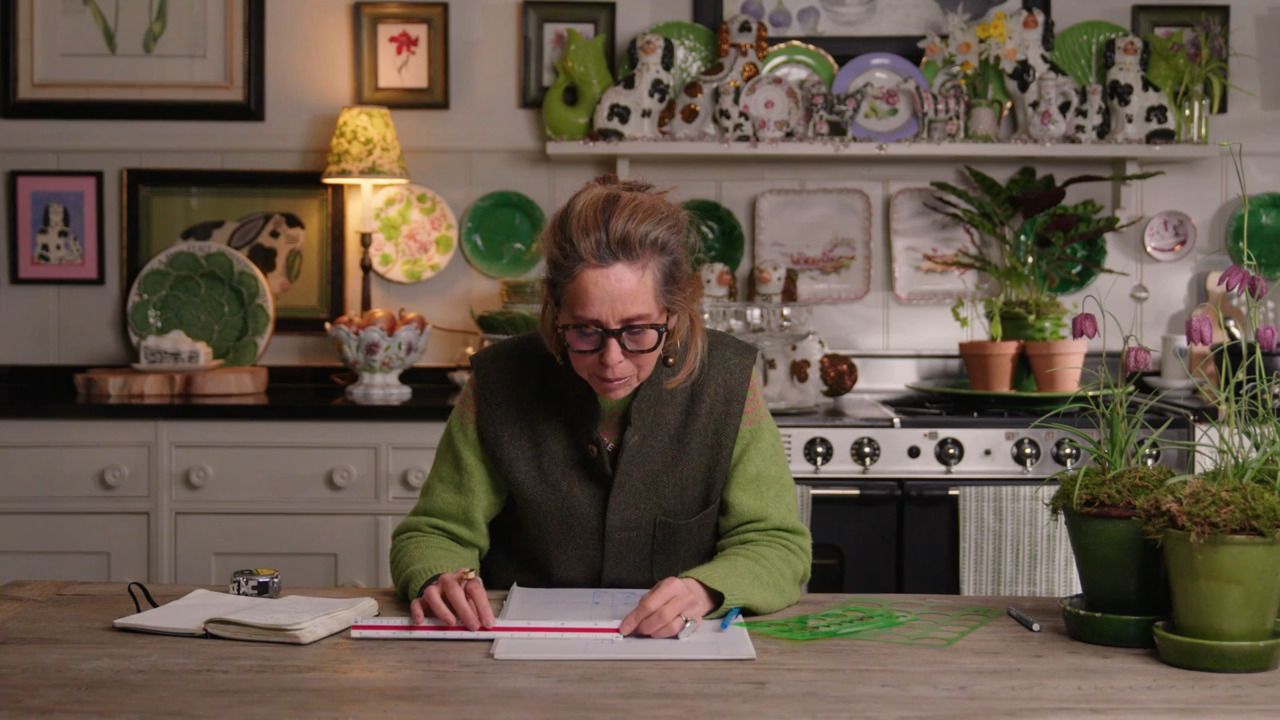
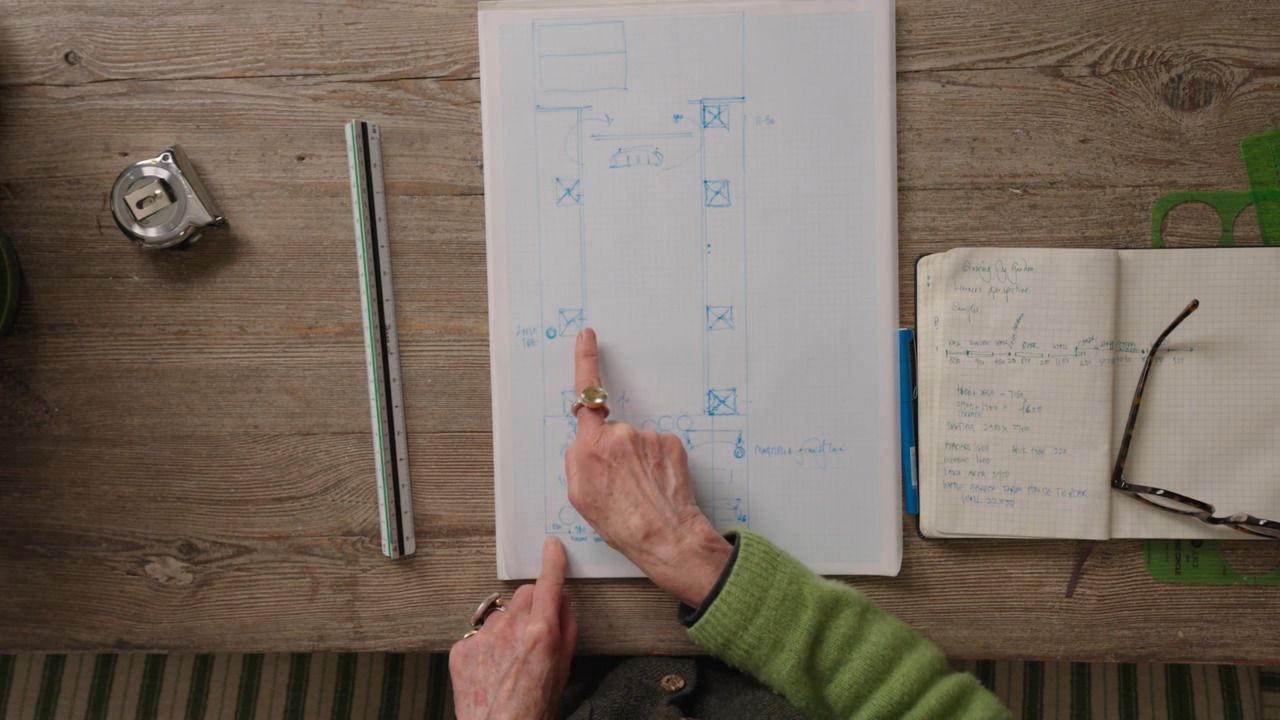
Butter guides you through planting design in this video, and shows you how to utilise early flowering and winter flowering shrubs, as well as perennials and delicate grasses.
Flowering shrubs are one of my favourite parts of the garden. I'm a particular fan of hydrangeas, with Hydrangea paniculata 'Limelight' and Hydrangea 'Annabelle' two of my firm favourites. Hydrangeas are very versatile plants and they can cope with both the shady and the sunny sides of the garden.
In my garden I have hydrangeas running the length of both of my borders - both on the sunny and shady sides.
I grow both Hydrangea paniculata 'Limelight' and Hydrangea 'Annabelle' but as the Annabelles are smaller and more compact there are more of these.
Hydrangea 'Annabelle' is a very heavy-headed plant so you do need to offer them some support, as otherwise they will collapse under the weight of the rain. To prevent this, I place all of my hydrangeas in lobster pot metalwork frames.
Hydrangea paniculata 'Limelight' is a more robust and structural plant so it's able to support itself.
I find that hydrangeas really hold a garden together, especially after the first flush of the roses and other flowering shrubs has come to an end.
If you have the space, then planting Syringa (lilac) is always a good option. While the flowers don't last very long and the foliage could be considered a little dull, the flowers are so beautiful that they more than make up for this.
If you plant your lilac in a pot then you can plant a late-flowering clematis alongside it, which will flower after your lilac has finished blooming and extend the life of your display.
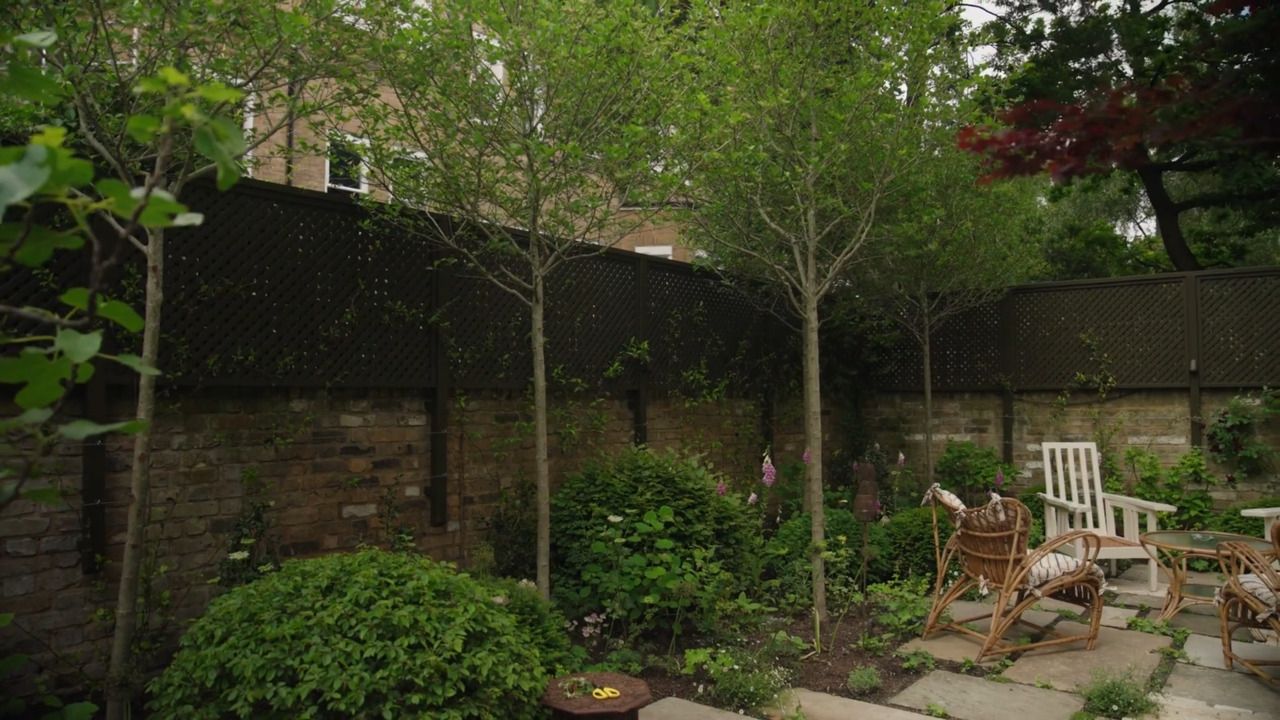
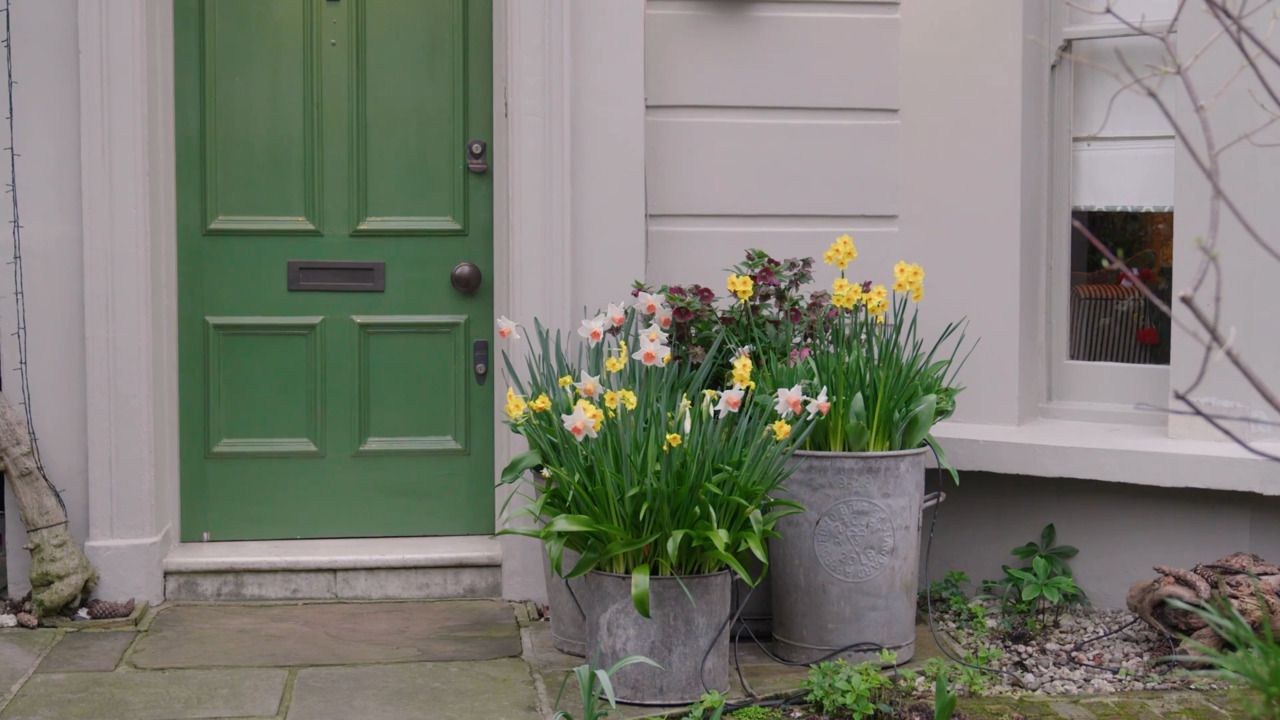
I love scented shrubs in the winter time and I have lots of winter flowering scented shrubs growing at the front of my house. These include a Sarcococca hedge and a Camellia hedge. These both flower at different times and are great for creating informal and relaxed hedging between neighbours.
Alongside these I have two Daphne odoras in the front garden, which also produce the most amazing scent in the wintertime. I also have a yellow flowering shrub called Edgeworthia chrysantha. This is quite a structural plant, whose flowers appear before the leaves come out. While it isn't the world's most beautiful shrub, it does flower in February and the bees love it.
Philadelphus is another plant that you shouldn't overlook. It does really well in a shady border and the yellow leafed variety will draw your eye, so it works especially well if it's placed at the bottom of a garden.
Another winter flowering scented beauty is the Hamamelis. This plant has spidery flowers that come in orange and bright yellow shades.
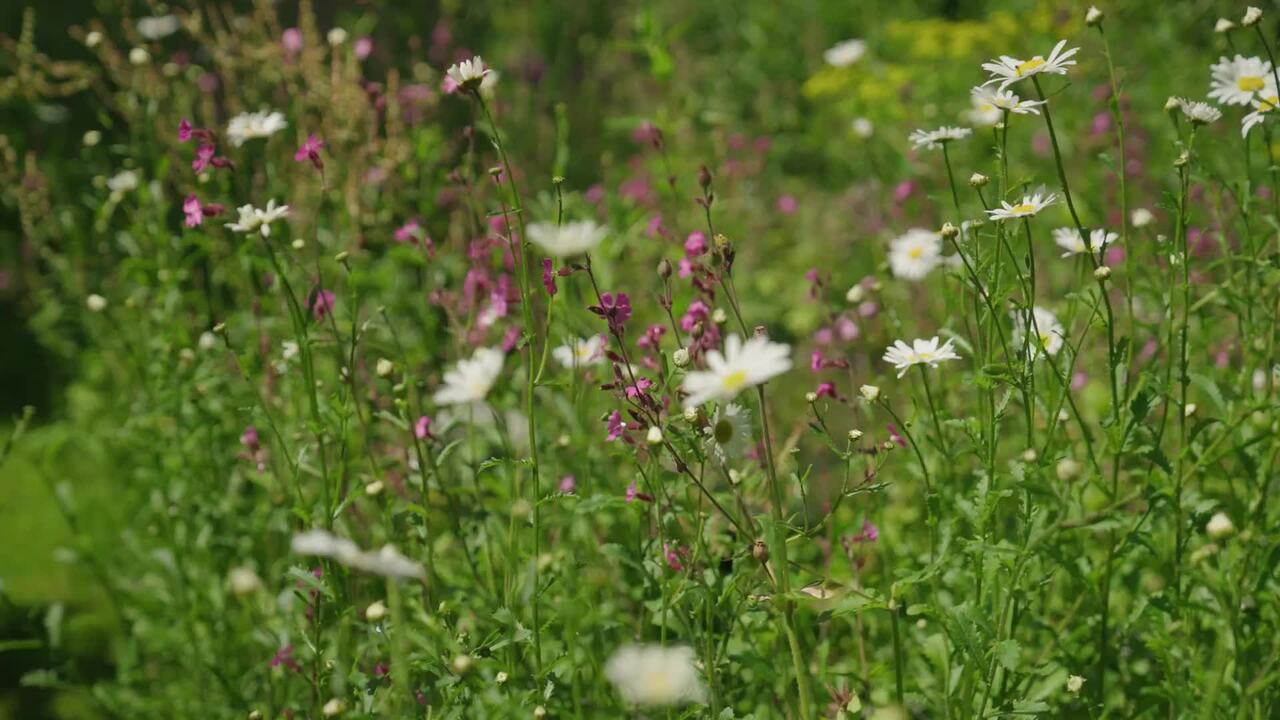
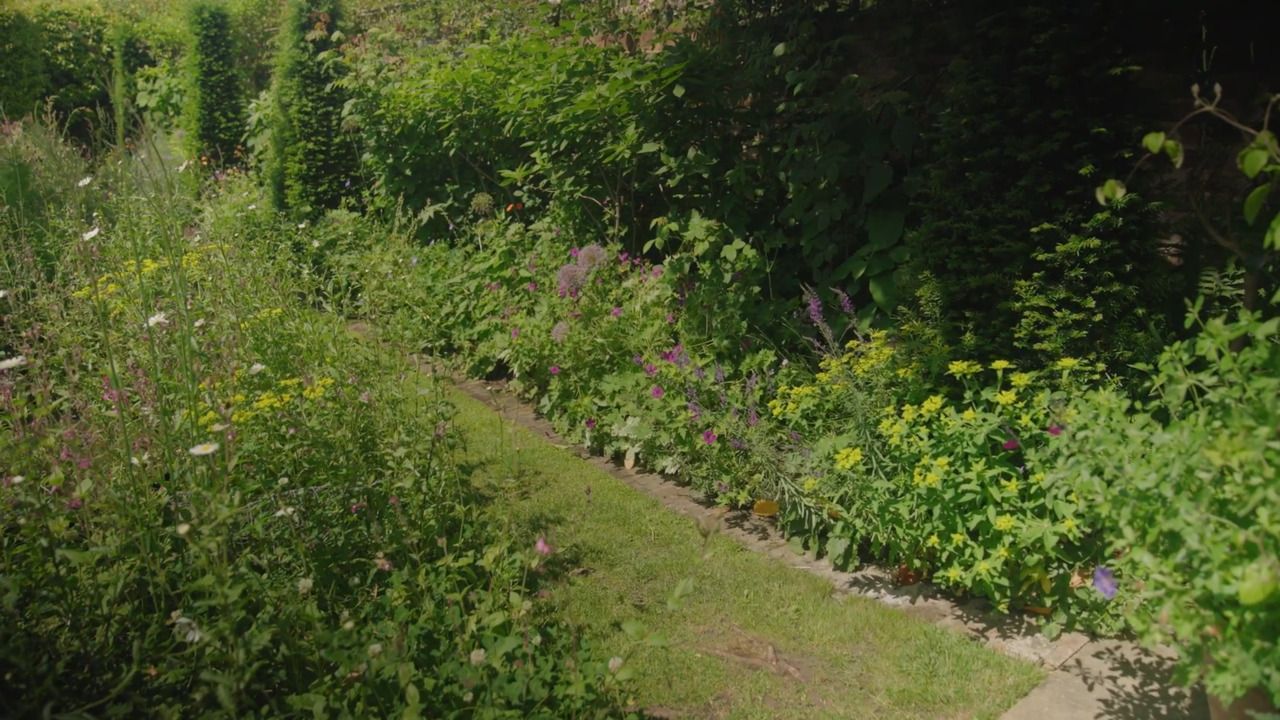
If you're lucky enough to have a south-facing garden then grasses are your friends. My very favourite grasses are Molinia moorhexe and Molinia transparent. I have Molinia moorhexe running through the wildflower meadow in my back garden and its height and ethereal nature bring a great sense of movement to the garden.
Elsewhere in my meadow I also have Verbena bonariensis and Eupatorium which is a great favourite of butterflies.
The best way to approach planting perennials is to start at the back of your border with your taller and more robust plants and then work your way forward.
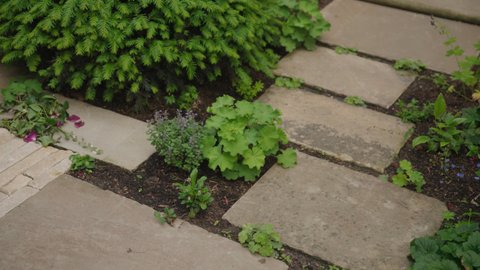
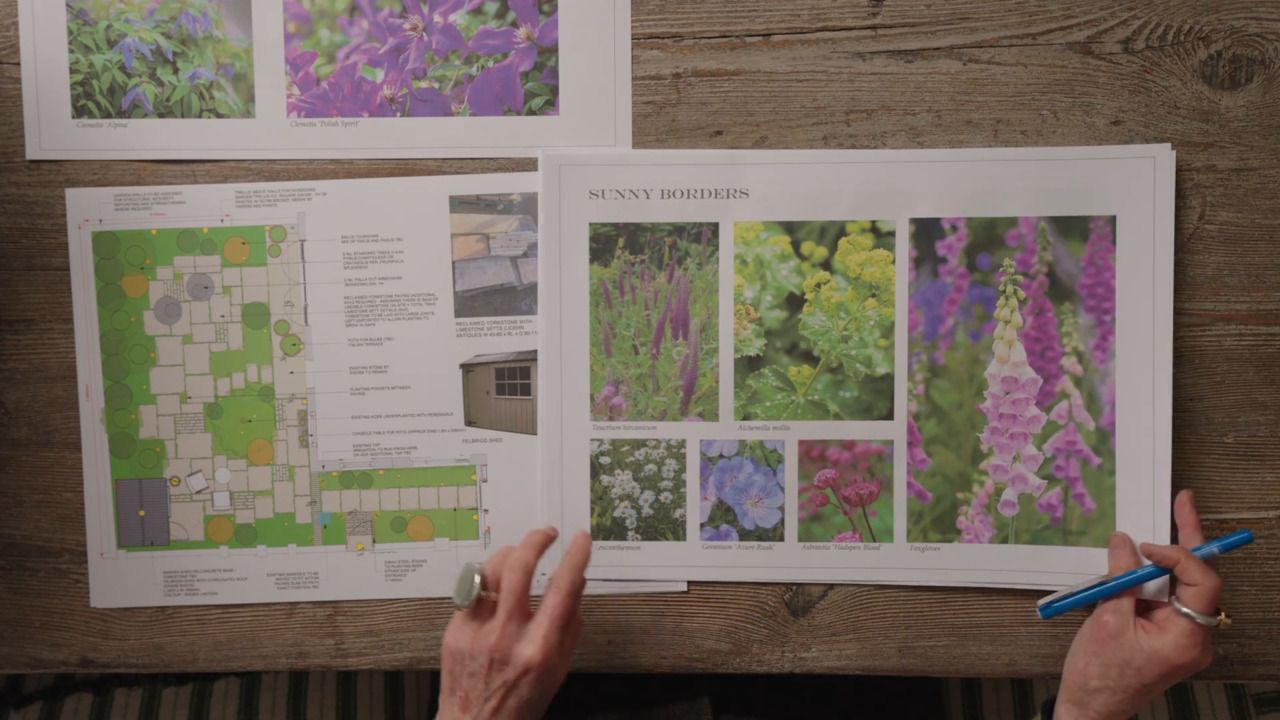
When you reach the edge of your border, you want to plant your low growers, such as Alchemilla mollis, Geraniums 'Rozanne', Geums, Agastache 'Blue Boa' and Scabious.
Another thing to consider when planting up your borders is flower shape. For variety and interests sake you want to avoid having flowers that are all the same shape, texture and size. Spire-like flowers are great for adding structure at the back of the border, but they can be big growers so make sure you have the space first.
A jewel in the crown of spire-like flowers is Veronicastrum virginicum 'Fascination'. Some others that I love include Knautia macedonica which has a charming growth habit.
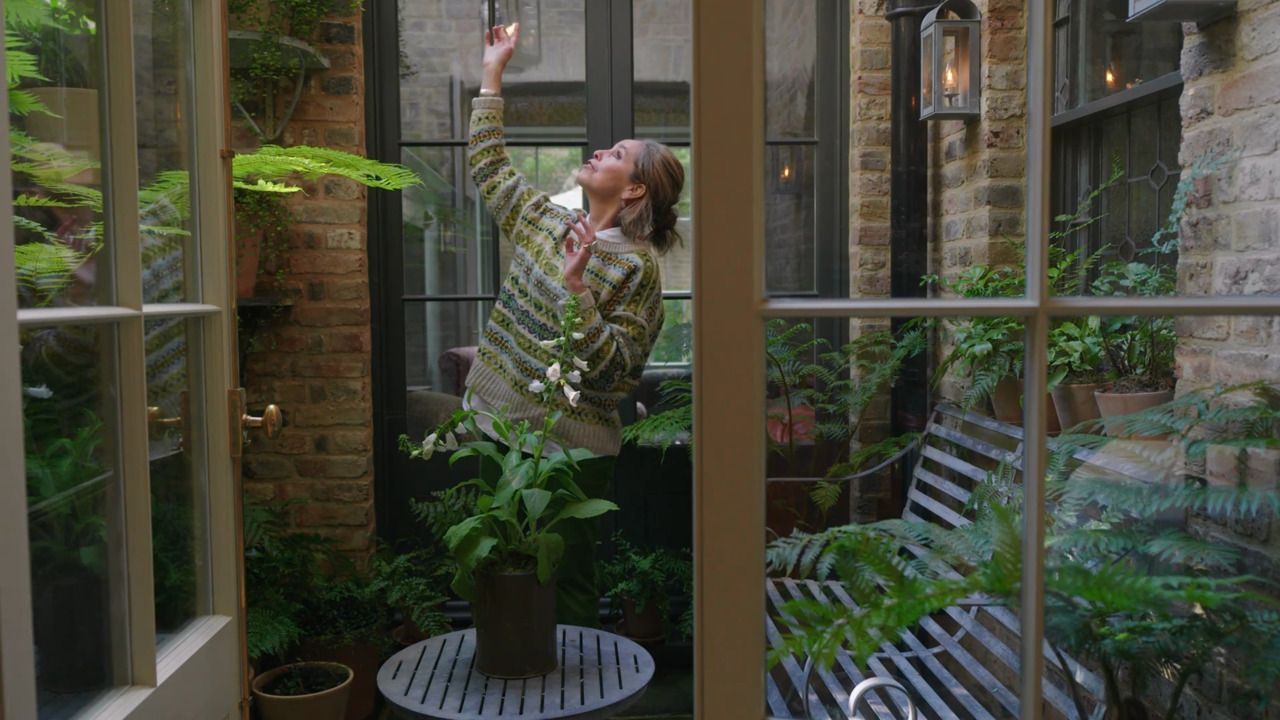
Foxgloves are another classic to consider as they can cope in the sun and they add some great height to a garden, as well as some interesting shapes. Just remember, they are biennials so you will always have to add more, although they will self-seed too.
Polygonatum giganteum is another perennial flower that I can't do without. It has slender arching stems with little bell-like flowers and the bees absolutely adore it. It loves the shade too and multiplies of its own accord, so it doesn't need any attention at all.
Other great plants are Helleborus x ballardiae which is great for pollinators and an early flowerer too.
Two flowers I shy away from, despite their beauty, are peonies and oriental poppies. While they are both stunning, peonies turn very quickly, take up a lot of space and are fussy growers. Similarly, oriental poppies take up a lot of space and the flowers come and go very quickly too. The bees do love them though, so if you have the space do consider them or make sure to include other pollen and nectar-rich plants instead.
Get the full workbook, video lessons, and more with a Create Academy subscription.
Subscribe to access the full workbookAlready a member? Sign in to watch
510 reviews
Read moreCreate Academy has been such a great resource. I'm in the middle of renovating a bungalow with a very large garden and the courses have offered a wealth of inform...
Harvey
Jun 10, 2026
Absolutely love Create Academy! The instructors are extremely informative, and it is beautifully filmed. Create Academy is great value for money and plan on renew...
SG
May 31, 2026
Butter's creativity is stunning! Her ability to incorporate brilliance in small gardens is magical!
Carla
May 30, 2026
The best adventure. I like all the courses, but my favorite are both Rita Konig interior design courses and Anna Jones. Excellent!
Karolina Kluczewska
May 20, 2026
Create Academy has been such a great resource. I'm in the middle of renovating a bungalow with a very large garden and the courses have offered a wealth of information to dive into and explore new ideas. I'm...
Harvey
Jun 10, 2026
Absolutely love Create Academy! The instructors are extremely informative, and it is beautifully filmed. Create Academy is great value for money and plan on renewing my subscription yearly because there are ...
SG
May 31, 2026
Butter's creativity is stunning! Her ability to incorporate brilliance in small gardens is magical!
Carla
May 30, 2026

Your Instructor
Leading British garden designer
Butter Wakefield has been a distinguished garden designer for over 20 years. In 2016, she established her eponymous studio, combining her expertise in interiors with her passion for gardening. Butter's unique ability to connect outside spaces with interiors has made her a sought-after designer, particularly known for her love of city gardens. With over 15 years of experience, Butter has crafted numerous inspirational and purposeful gardens of various sizes in London and beyond.
Her journey into garden design began at the English Gardening School (1997/98), where she completed the Year Diploma Course in Plants and Plantsmanship, winning two prizes. Butter further honed her skills at the London College of Garden Design (2013/14), graduating with a Merit Commended. Before venturing into garden design, she worked as an interior design assistant at Colefax and Fowler on Brook Street. Here, she developed a deep appreciation for scale, texture, pattern, colour, and the core principles of design.
Access to all courses


