

Interior and exterior confidence
Create Academy has been such a great resource. I'm in the middle of renovating a bungalow with a very large garden and the courses have offered a wealth of inform...
Harvey
Jun 10, 2026
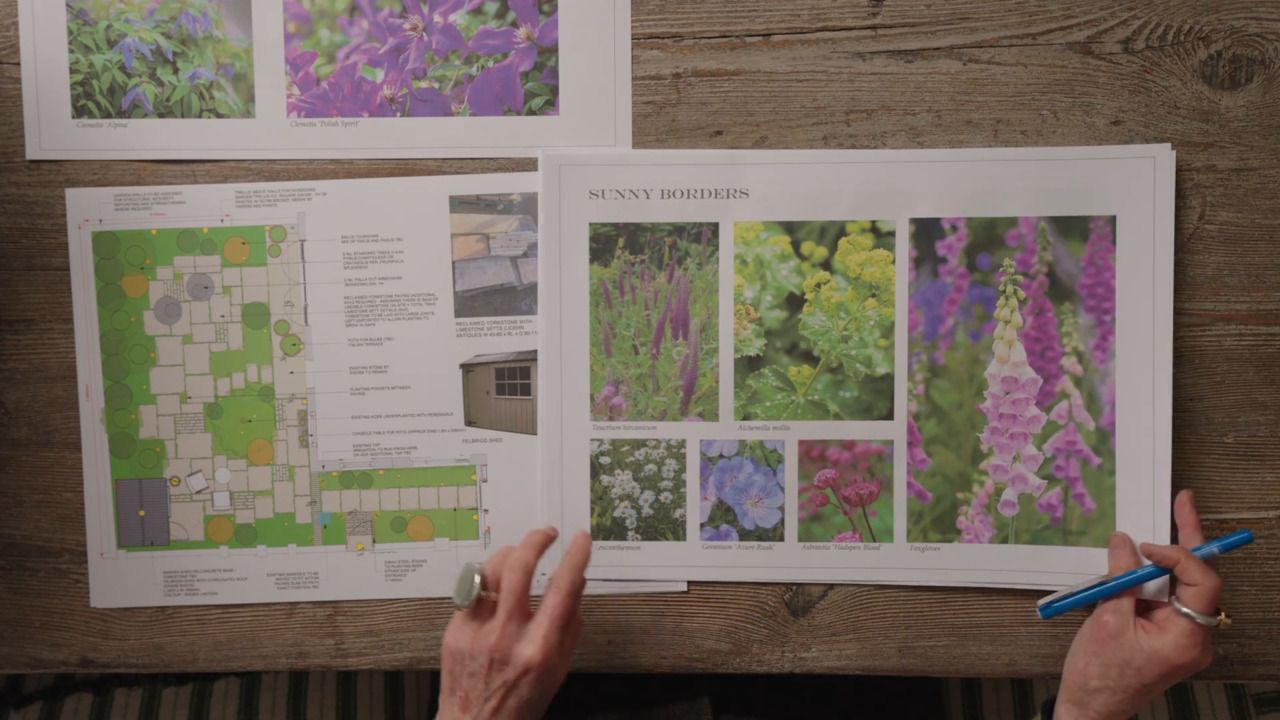
In this lesson, Butter shows you how she uses mood boards in the design process and works with her clients to select plants.
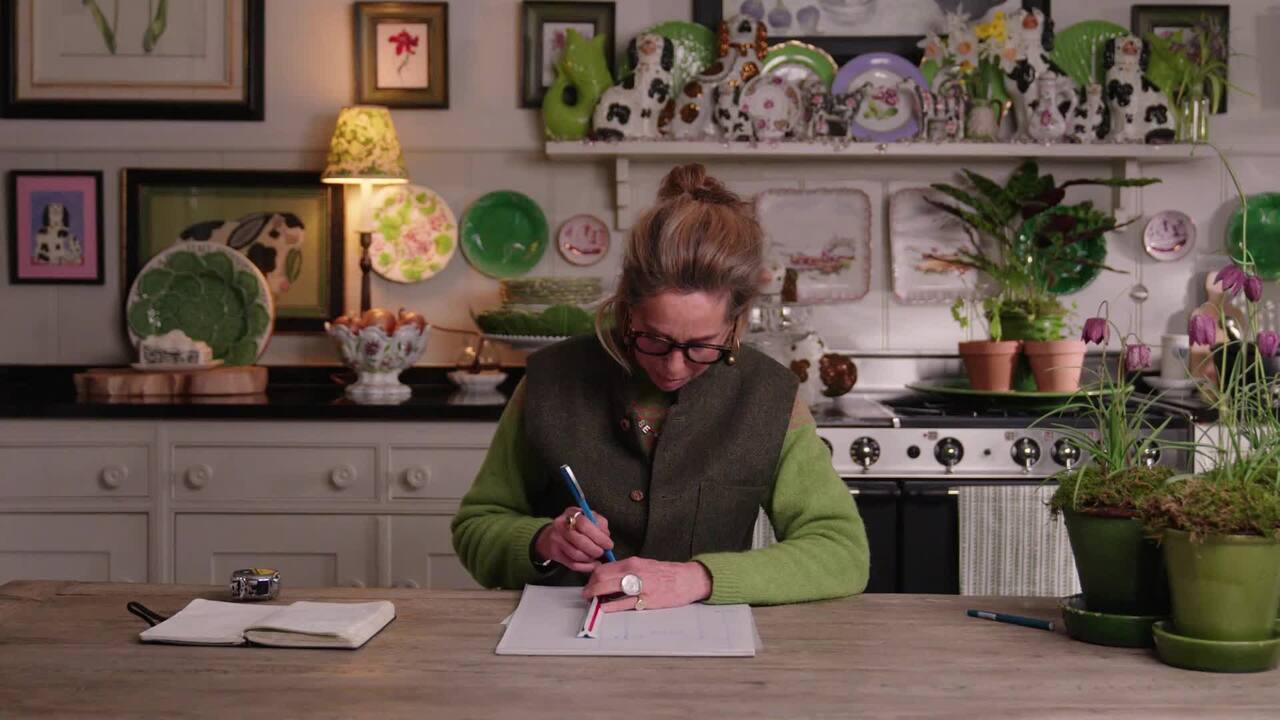
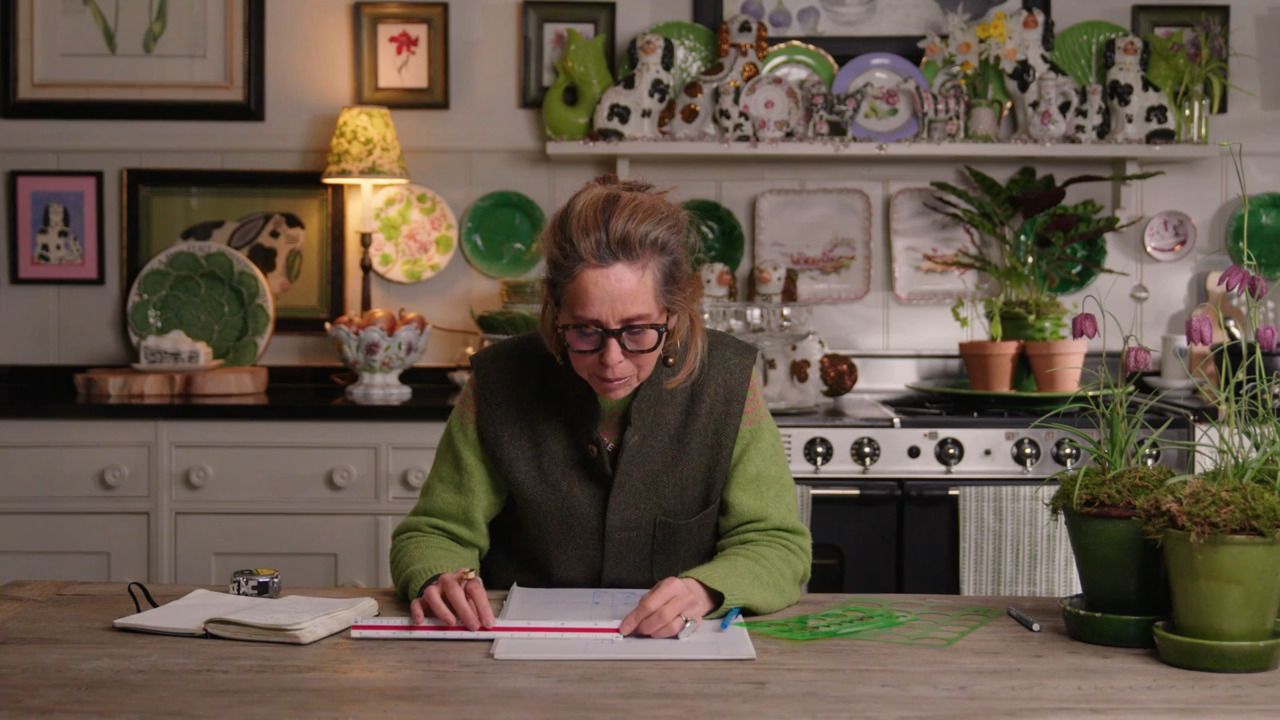
When we begin working with a new client, we put a moodboard together which we show to our clients to help them make choices about the types of plants that they like.
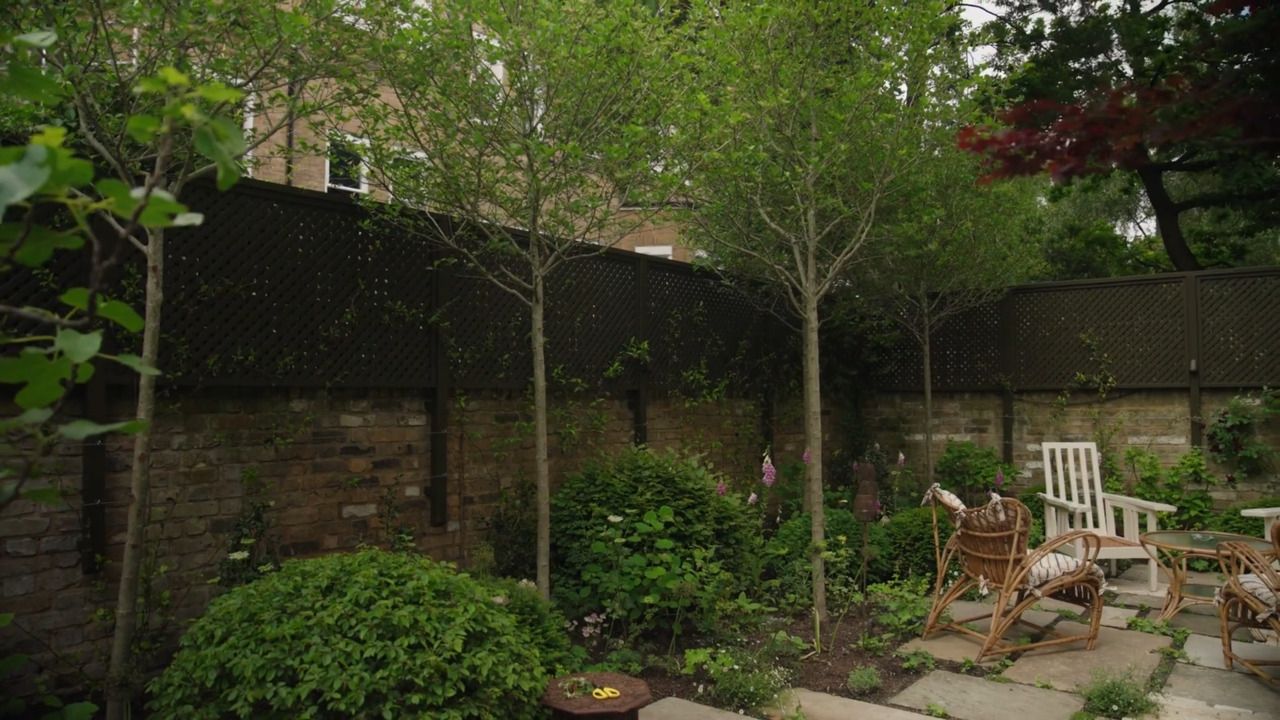
We always begin with the trees, as these are the biggest plants in any garden and we like to get them in at the beginning of the design process.
For Rita's garden, it was a close call between the Pyrus calleryana 'Chanticleer', which makes a great street tree as it holds onto its foliage for a long time and has beautiful butter yellow foliage in the autumn.
However, the tree that Rita decided upon after spotting it on a trip was the Crataegus persimilis 'Prunifolia Splendens'.
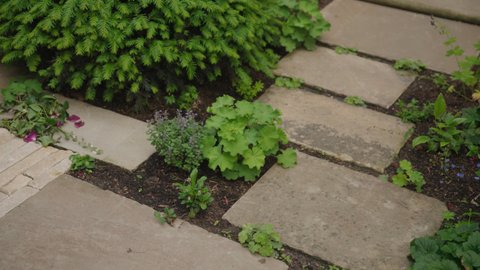
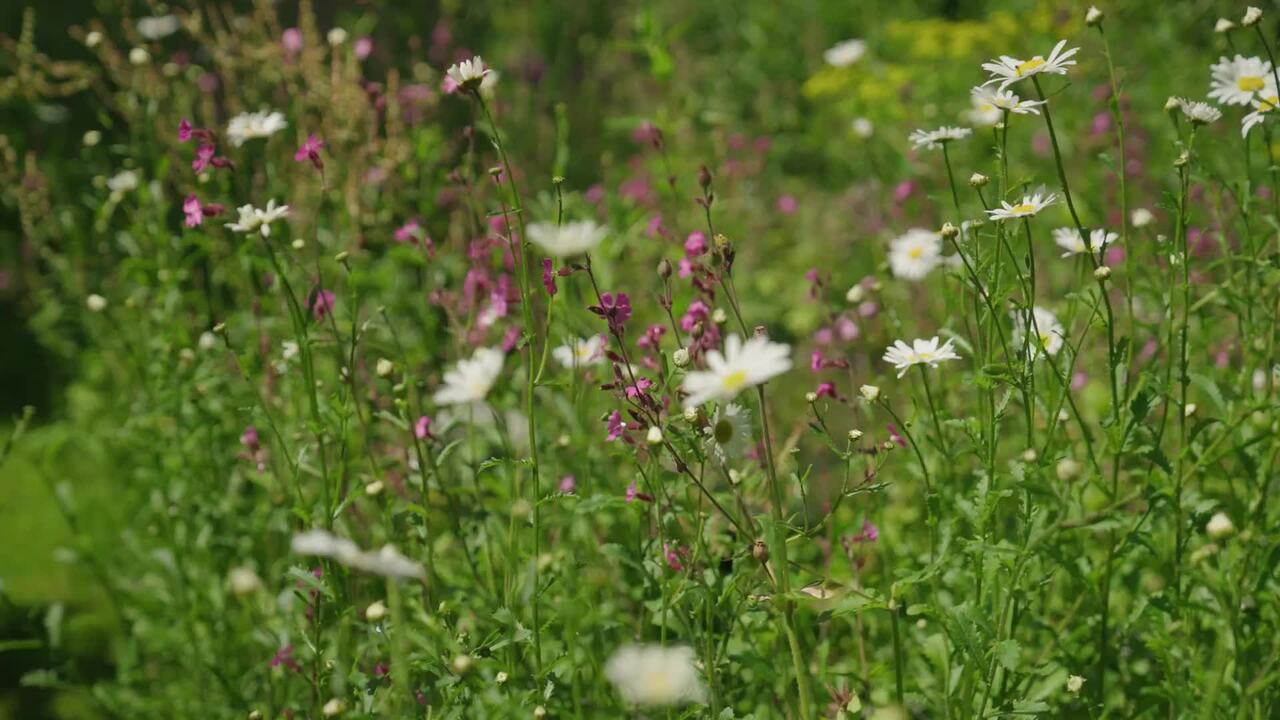
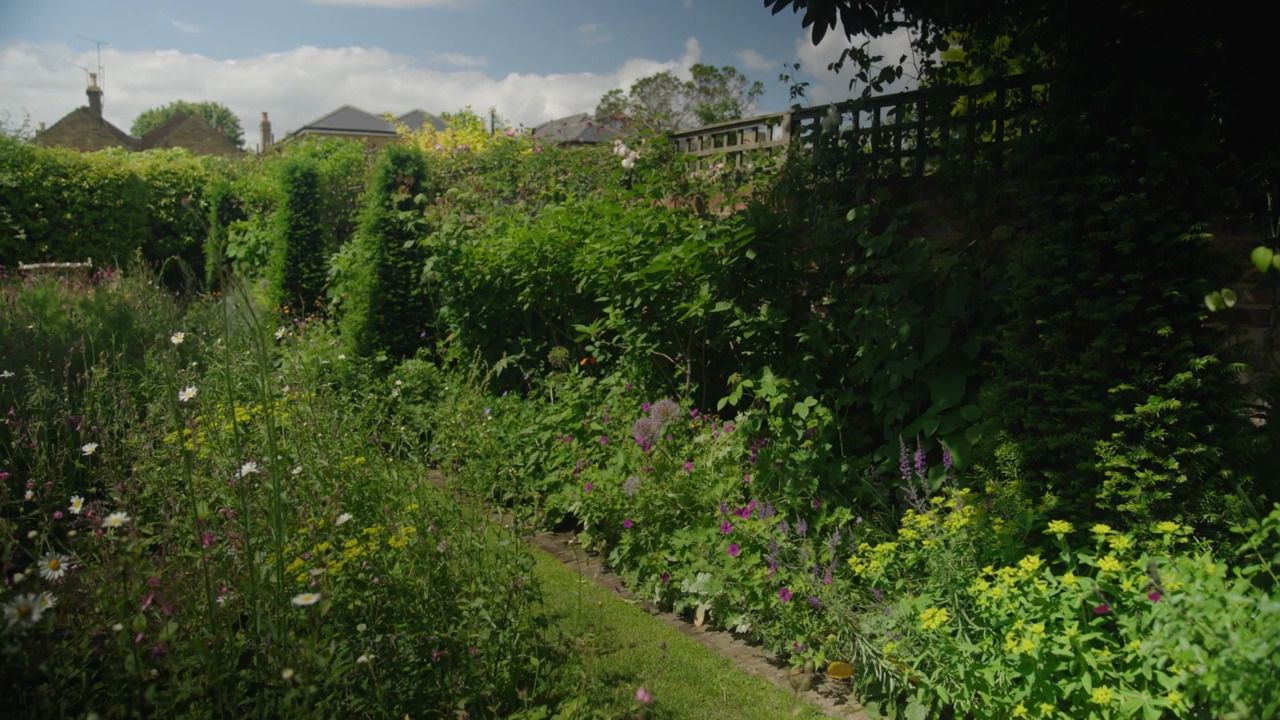
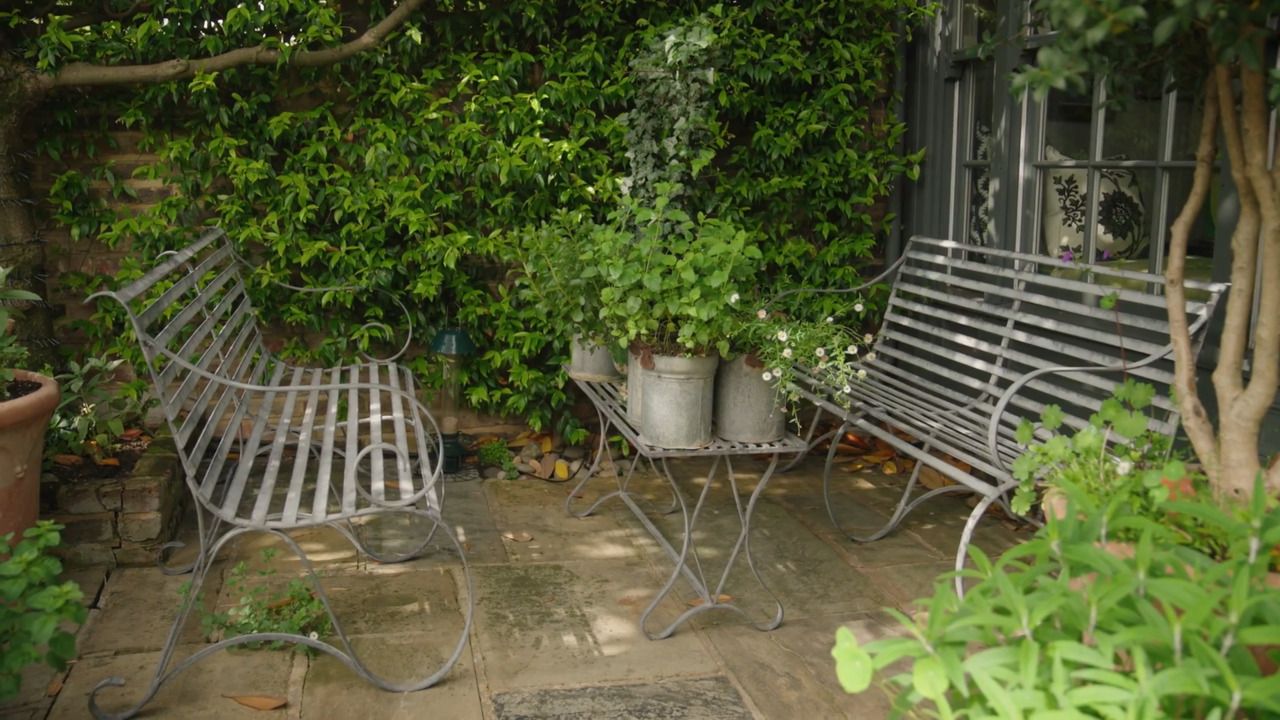
To create a bit of height and structure we then chose a mixture of climbing roses and shrub roses in shades of pink and apricot. We have chosen a combination of both single and double roses, always ensuring we have some single roses for pollinators.
In double roses, the stamens have been bred to turn into petals, so there is much less pollen available to bees and other pollinators and the flowers themselves are often inaccessible.
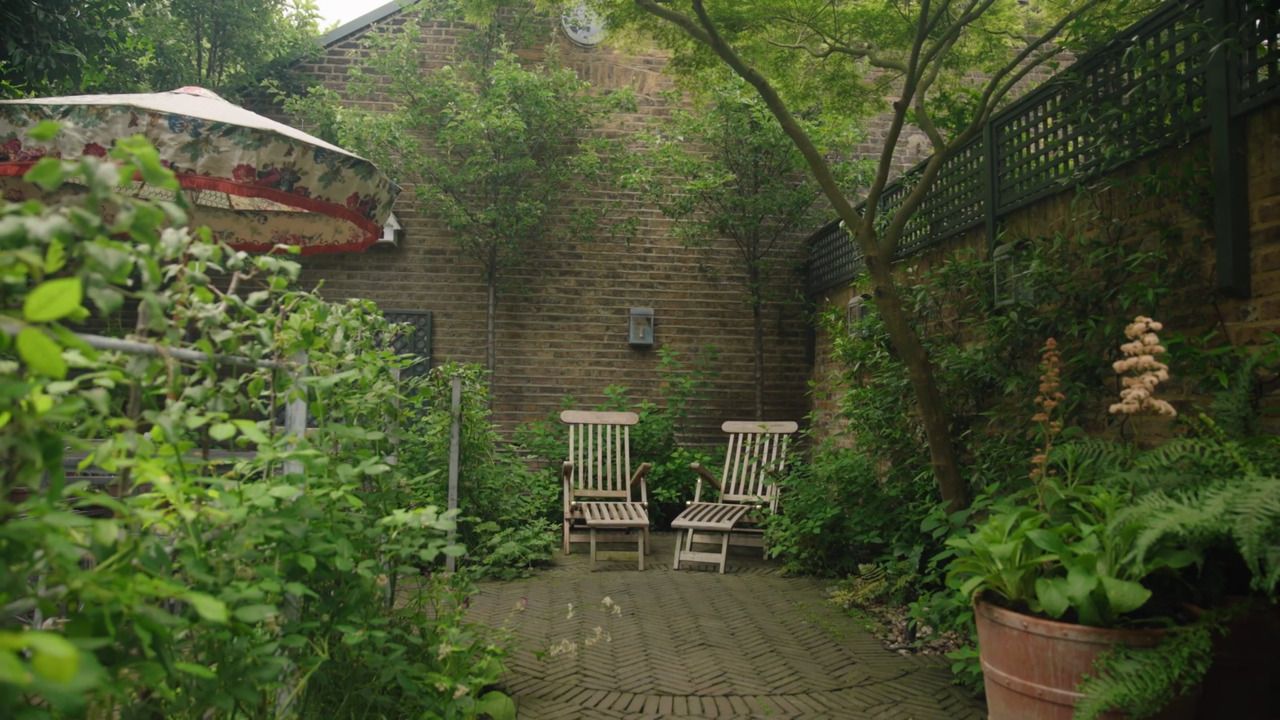
The climbers in Rita's garden will climb up and cover all of the boundary walls and trellis in the garden.
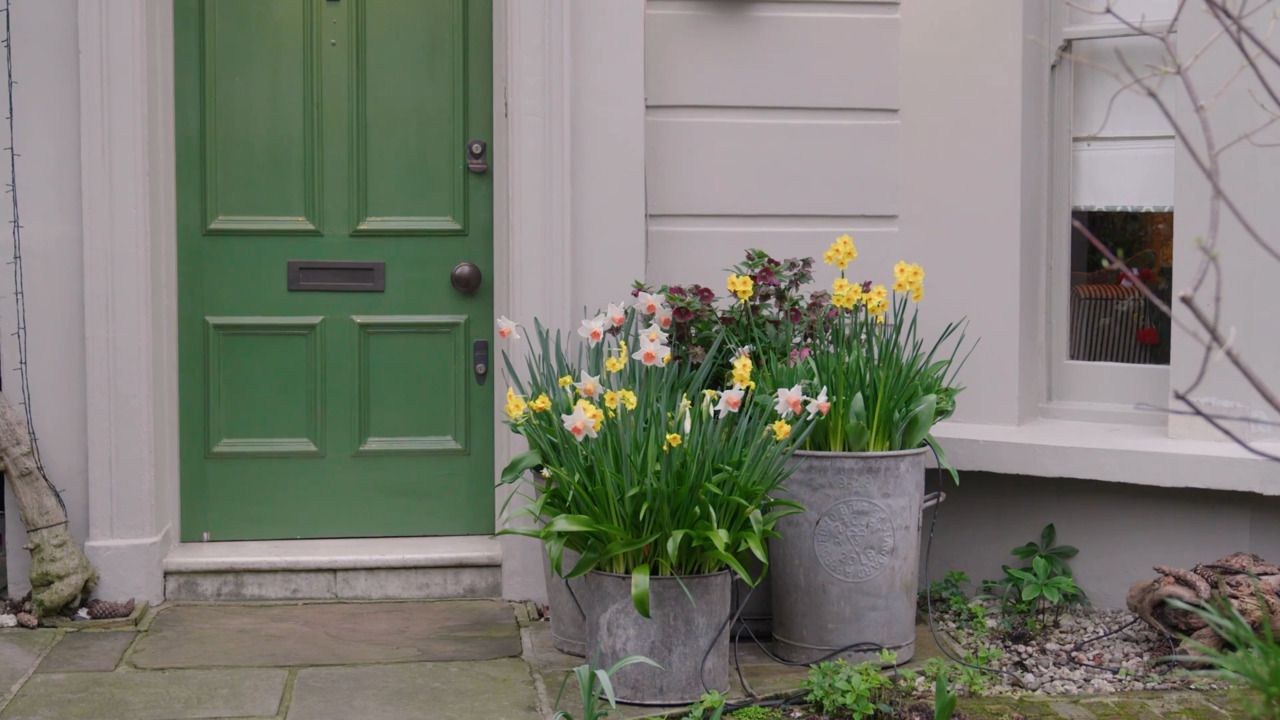
When we work on any garden, we like to focus on 'one big pot'. The one we purchased for Rita's garden currently has tulips in it, but we may move her existing potted fig tree into this pot and make it a focal point in the garden. By having one large pot, you can really make it a statement piece, whatever the size of your space.
When we start work on a new project it's always our responsibility to hit the brief laid out by the client and try and fit in as many of the client's dream plants as we can (though this depends upon light and growing conditions).
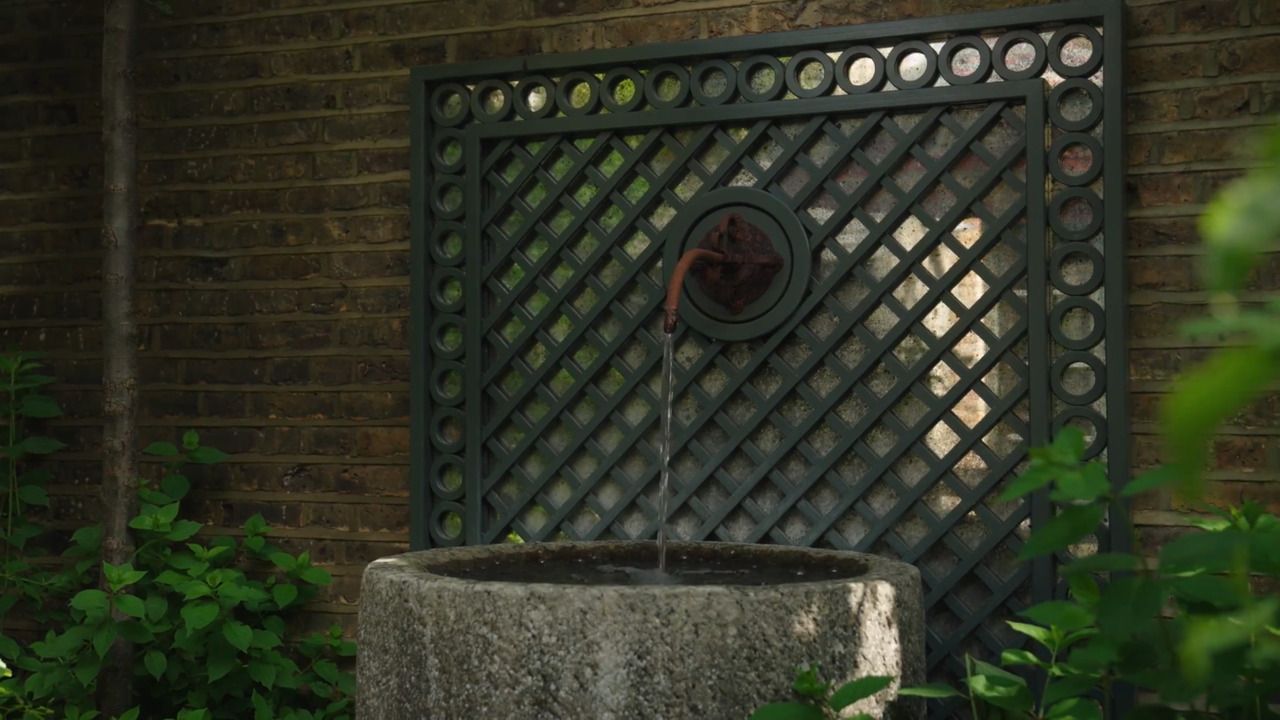
On the street front boundary, we are going to install a less fancy-looking trellis as we don't want to draw attention to the house and encourage unwanted guests.
I'm personally very excited about this project as it's so rare to do a cement-free build and it's something that I think should really be encouraged.
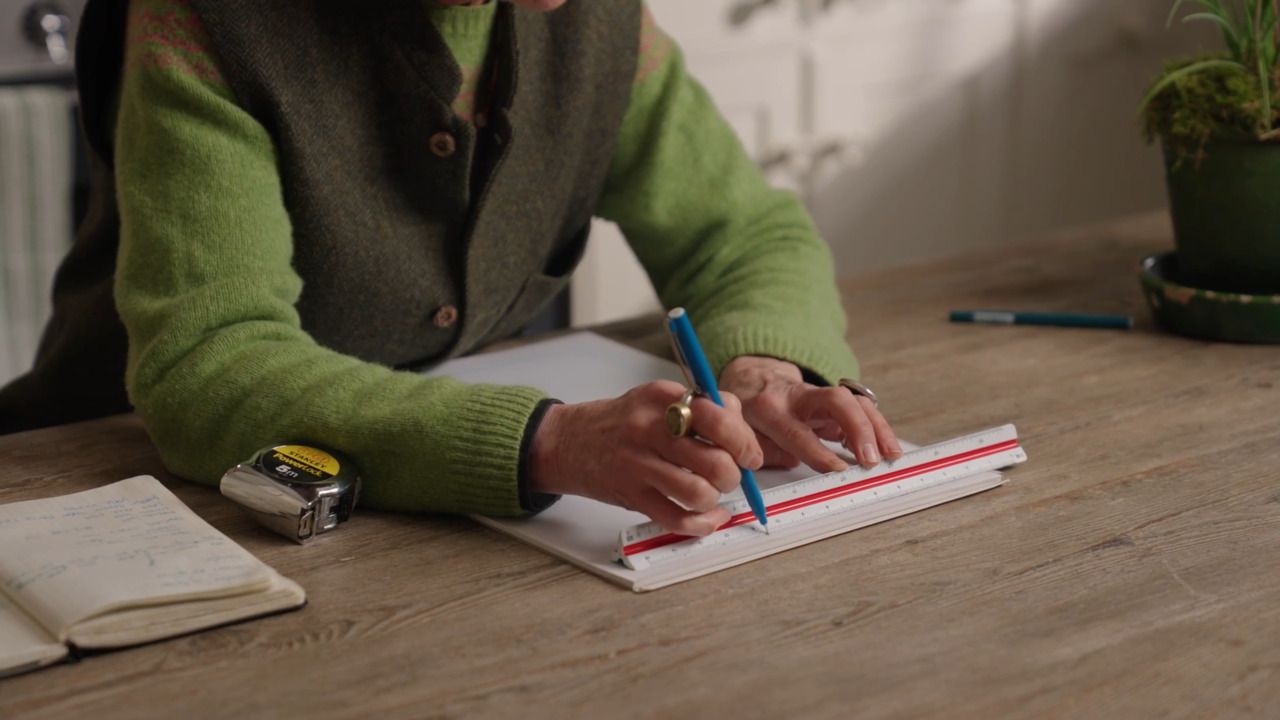
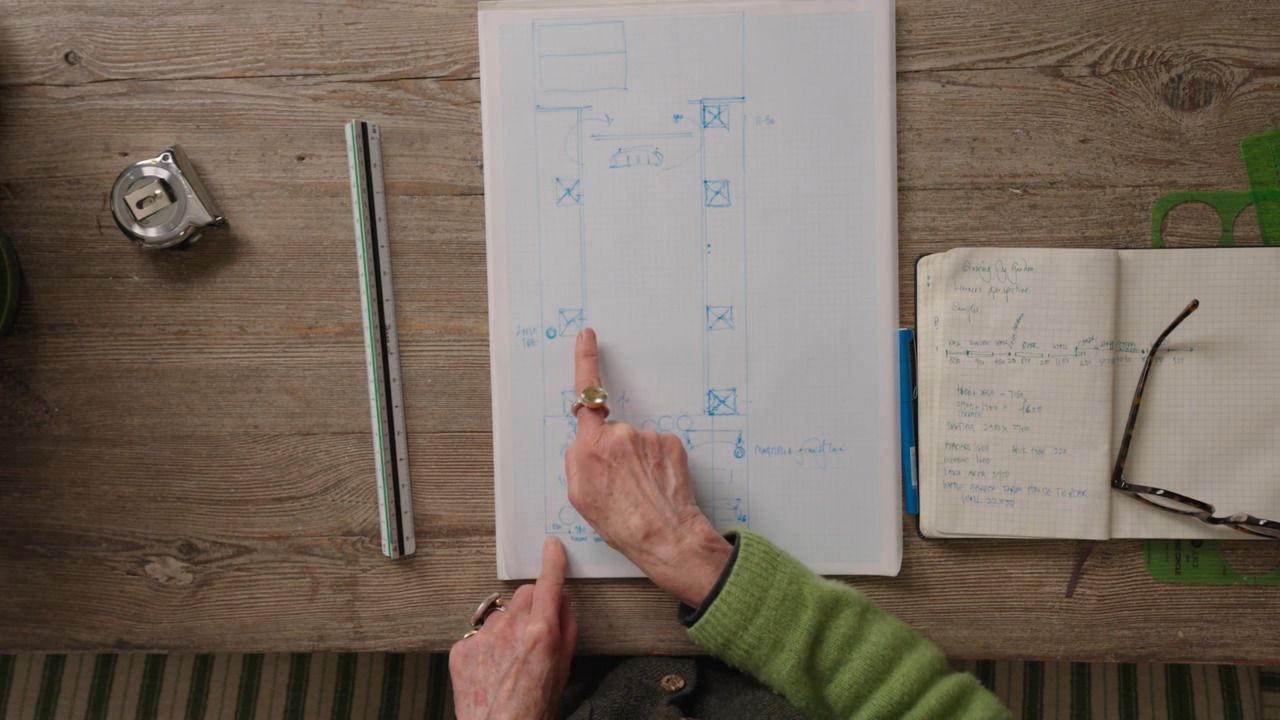
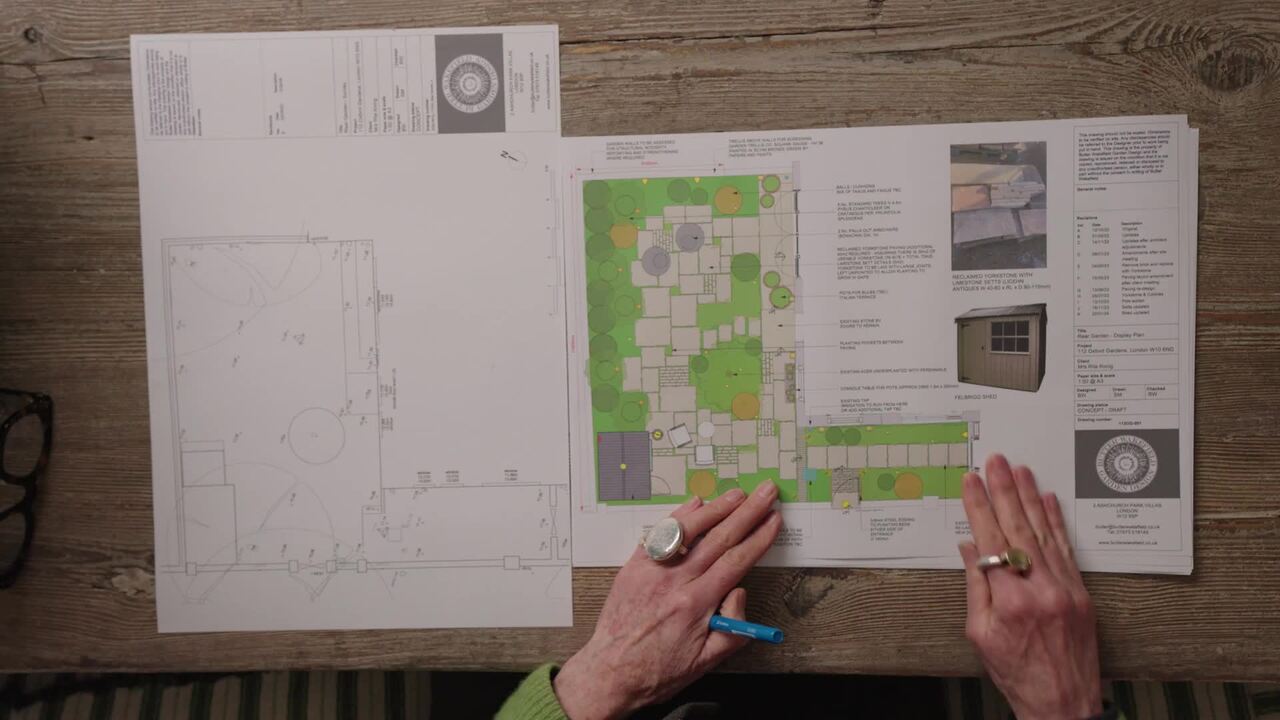
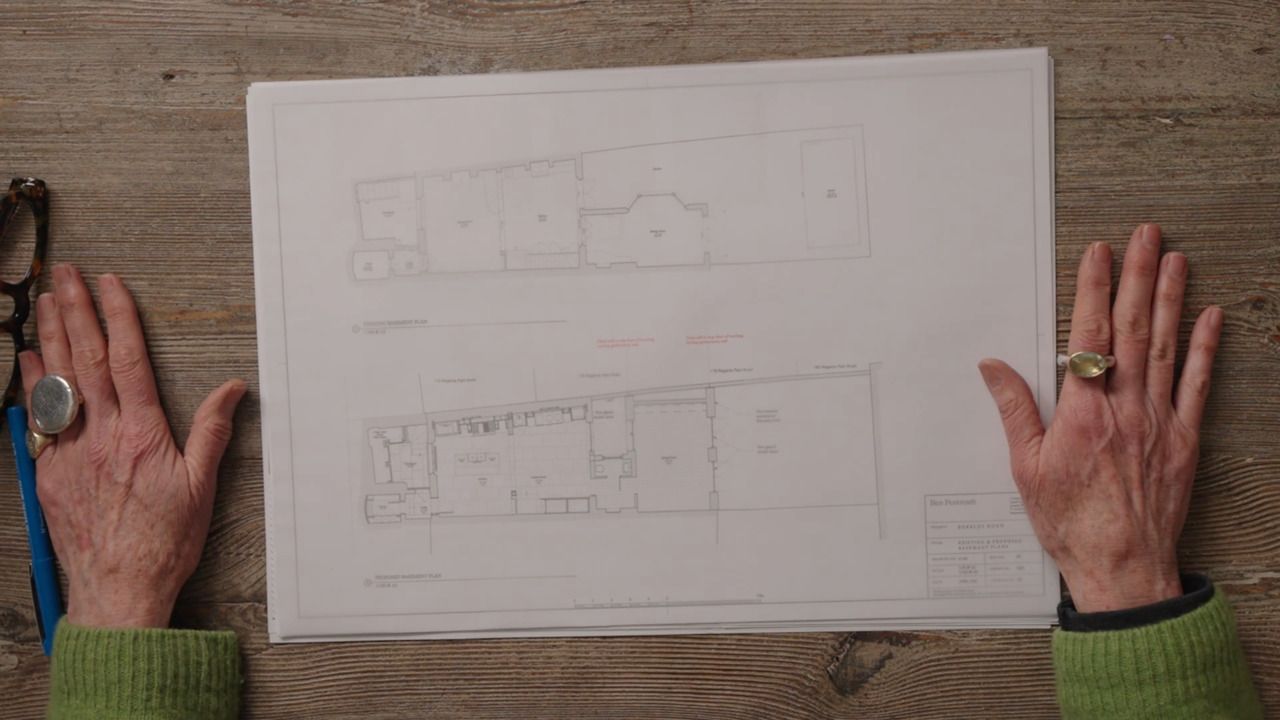
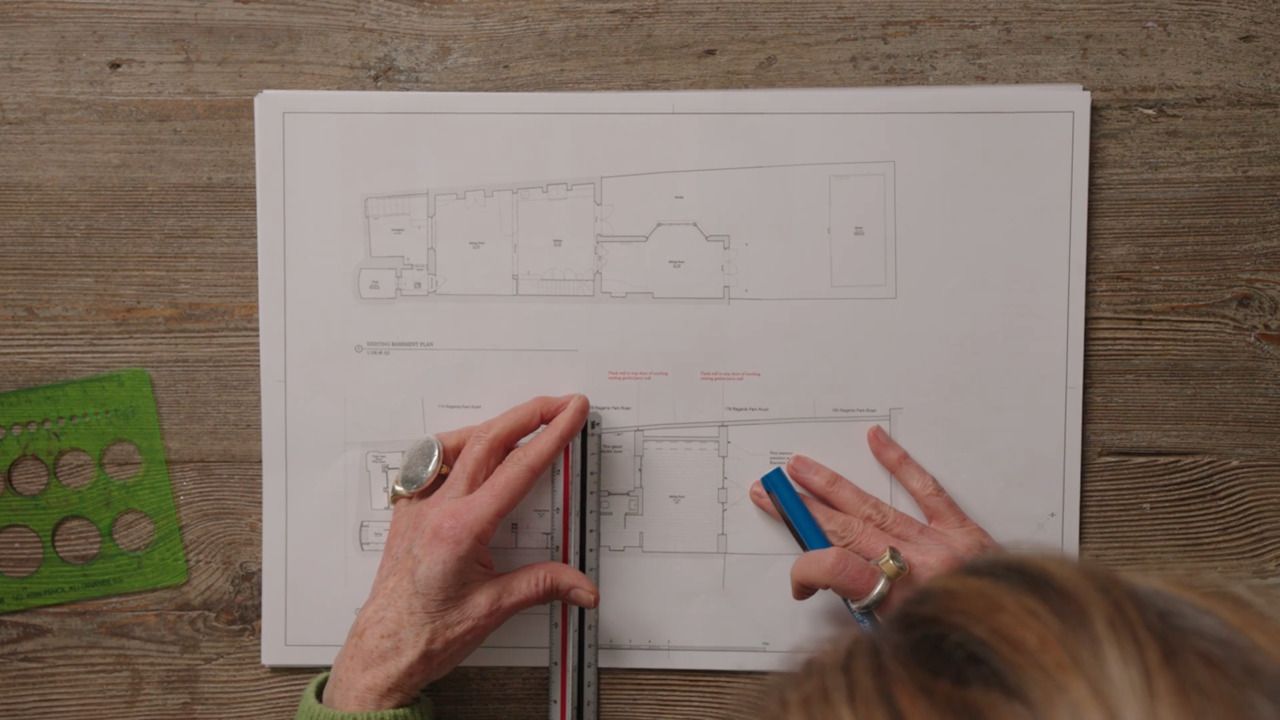
When you start working on your own garden design, it's a good idea to create your own mood boards to help you decide what plants and features you want to include. Creating a to-scale drawing will also help you to visualise your future garden too. You don't have to know everything, but if you can get your boundaries and key features roughly fleshed out then it will help you to build your design from the ground up.
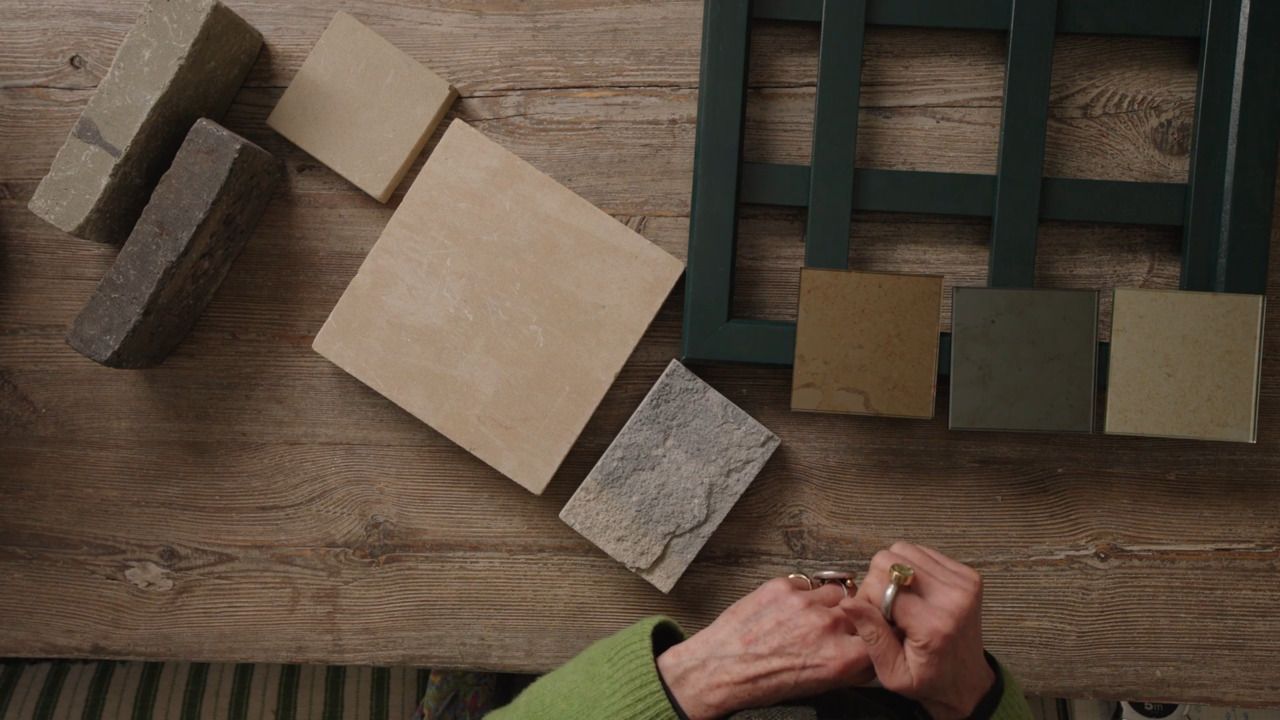
If possible, go and see examples of the materials you want to use in real life and situ if possible, as this will help you to get an idea of the feel of the material when it is in use and also when it has weathered in.
At this stage, it's also important to think about the work involved. If you want a lowmaintenance garden (no garden is maintenance-free!) then consider what plants to choose and whether you should install an irrigation system to help with watering.
Get the full workbook, video lessons, and more with a Create Academy subscription.
Subscribe to access the full workbookAlready a member? Sign in to watch
510 reviews
Read moreCreate Academy has been such a great resource. I'm in the middle of renovating a bungalow with a very large garden and the courses have offered a wealth of inform...
Harvey
Jun 10, 2026
Absolutely love Create Academy! The instructors are extremely informative, and it is beautifully filmed. Create Academy is great value for money and plan on renew...
SG
May 31, 2026
Butter's creativity is stunning! Her ability to incorporate brilliance in small gardens is magical!
Carla
May 30, 2026
The best adventure. I like all the courses, but my favorite are both Rita Konig interior design courses and Anna Jones. Excellent!
Karolina Kluczewska
May 20, 2026
Create Academy has been such a great resource. I'm in the middle of renovating a bungalow with a very large garden and the courses have offered a wealth of information to dive into and explore new ideas. I'm...
Harvey
Jun 10, 2026
Absolutely love Create Academy! The instructors are extremely informative, and it is beautifully filmed. Create Academy is great value for money and plan on renewing my subscription yearly because there are ...
SG
May 31, 2026
Butter's creativity is stunning! Her ability to incorporate brilliance in small gardens is magical!
Carla
May 30, 2026

Your Instructor
Leading British garden designer
Butter Wakefield has been a distinguished garden designer for over 20 years. In 2016, she established her eponymous studio, combining her expertise in interiors with her passion for gardening. Butter's unique ability to connect outside spaces with interiors has made her a sought-after designer, particularly known for her love of city gardens. With over 15 years of experience, Butter has crafted numerous inspirational and purposeful gardens of various sizes in London and beyond.
Her journey into garden design began at the English Gardening School (1997/98), where she completed the Year Diploma Course in Plants and Plantsmanship, winning two prizes. Butter further honed her skills at the London College of Garden Design (2013/14), graduating with a Merit Commended. Before venturing into garden design, she worked as an interior design assistant at Colefax and Fowler on Brook Street. Here, she developed a deep appreciation for scale, texture, pattern, colour, and the core principles of design.
Access to all courses


