



Interior and exterior confidence
Create Academy has been such a great resource. I'm in the middle of renovating a bungalow with a very large garden and the courses have offered a wealth of inform...
Harvey
Jun 10, 2026
Subscribe to watch
In this lesson, you'll learn how to create a scale drawing of your garden and how to plot the key structural features of your house.
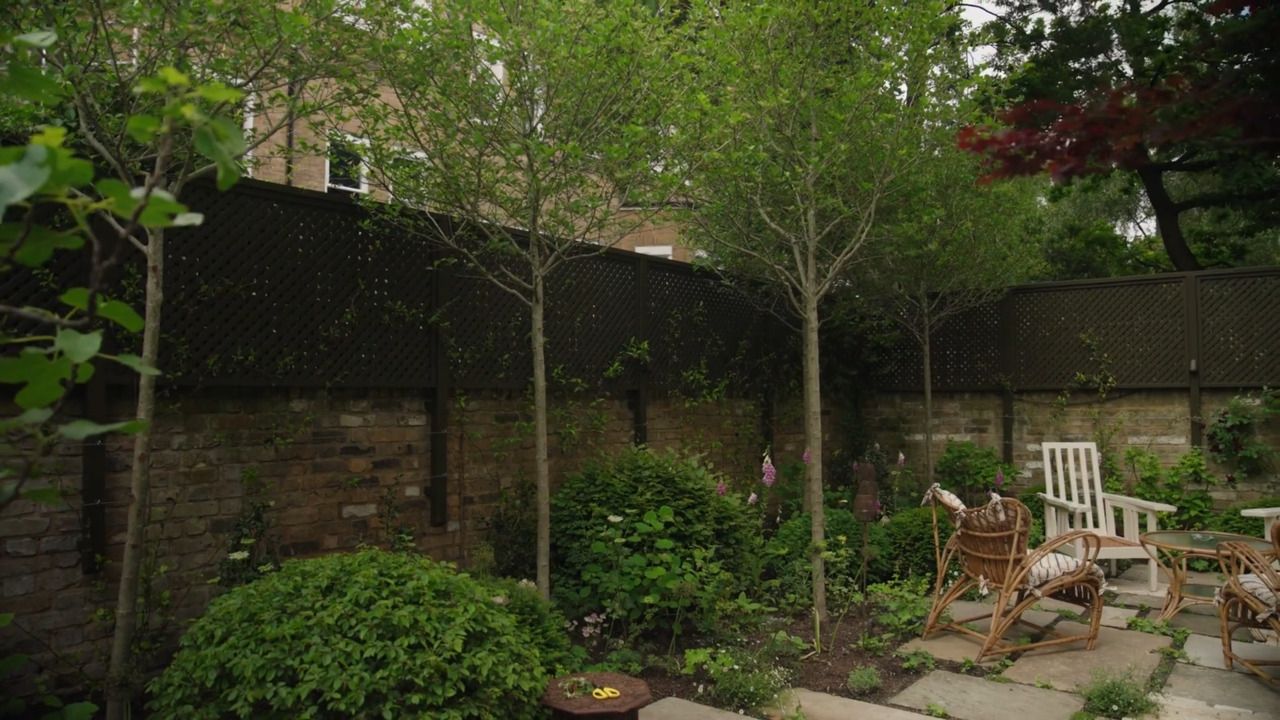
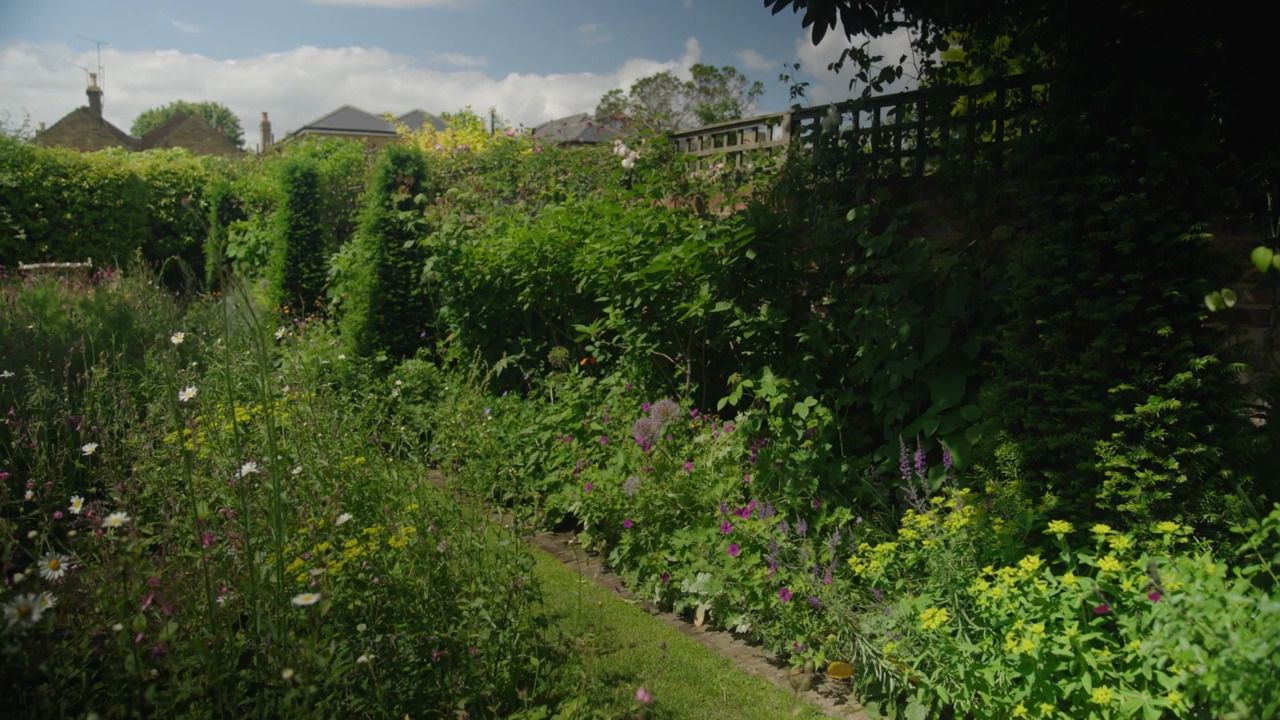
My rear garden is west-facing, which means that I have one north-facing boundary border and one south-facing boundary border. This means that the back of my home is west-facing, while the rear wall at the end of my garden faces east.
While you will have all four aspects in your garden (North, South, East and West) if you are surrounded by high-rise buildings your space may not receive much light at all.
It's therefore important to have a good knowledge of what will grow in dark spaces as much as what will thrive in a bright and sunny spot.
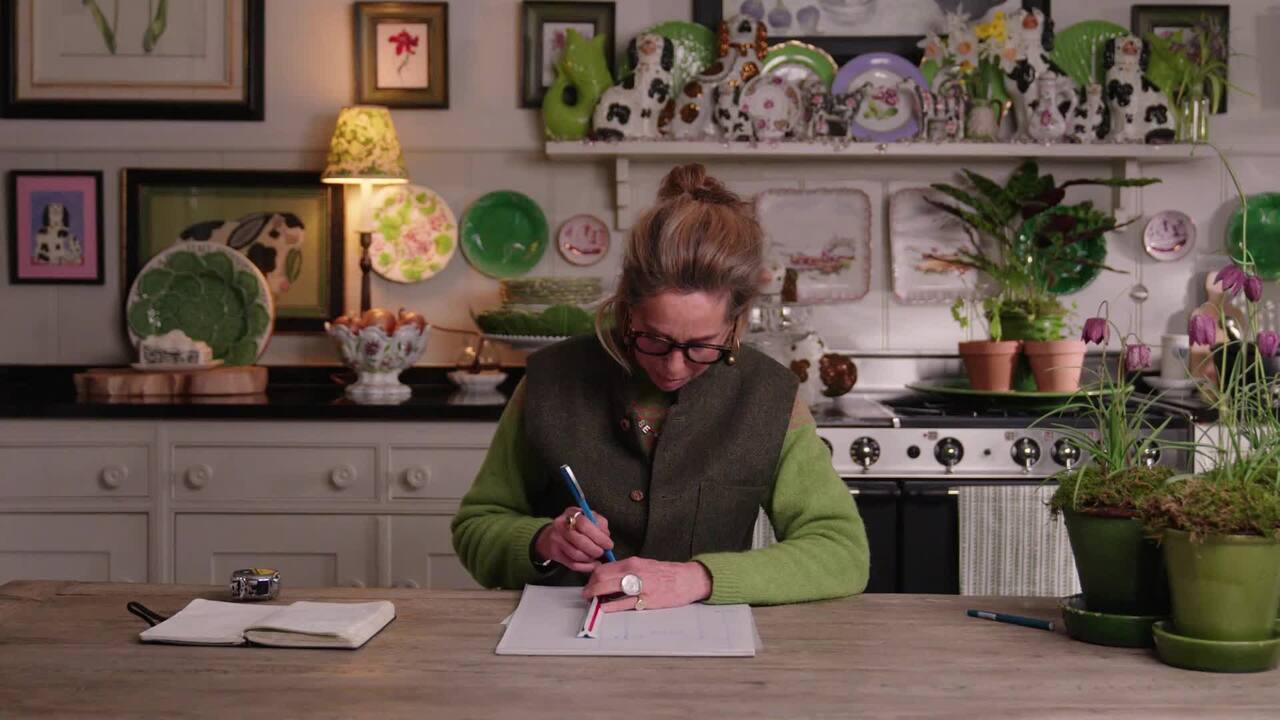
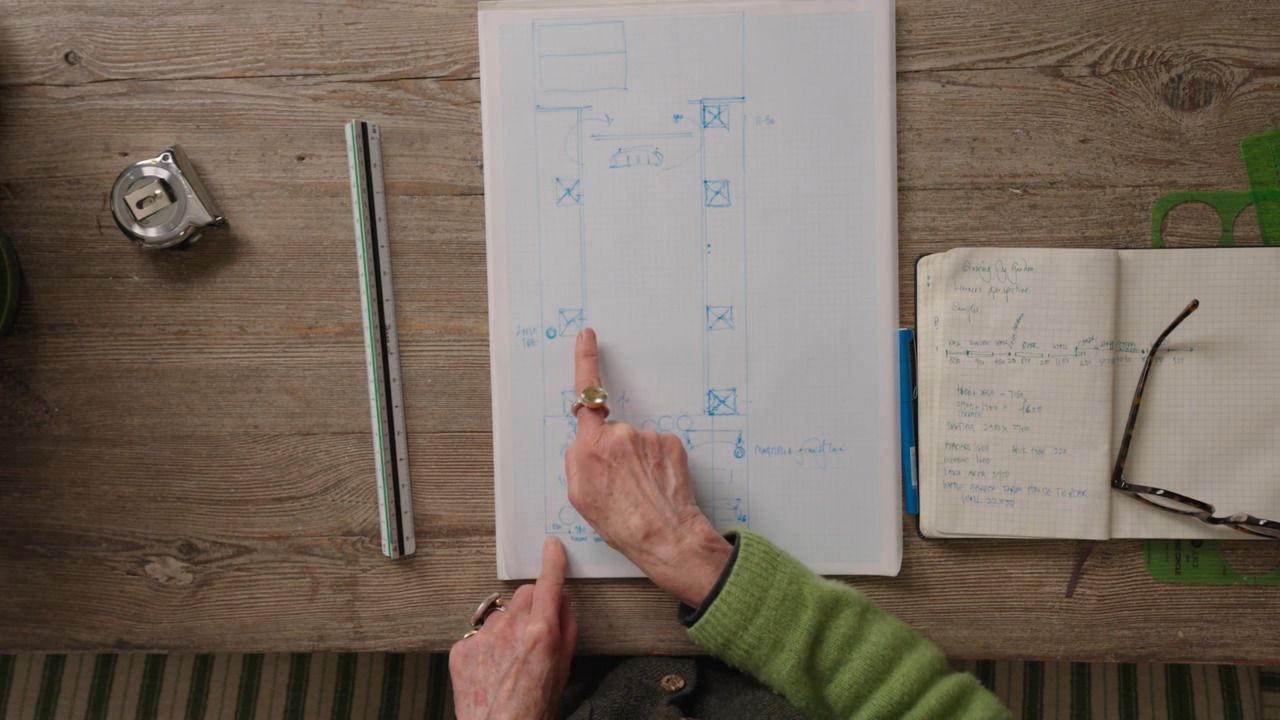
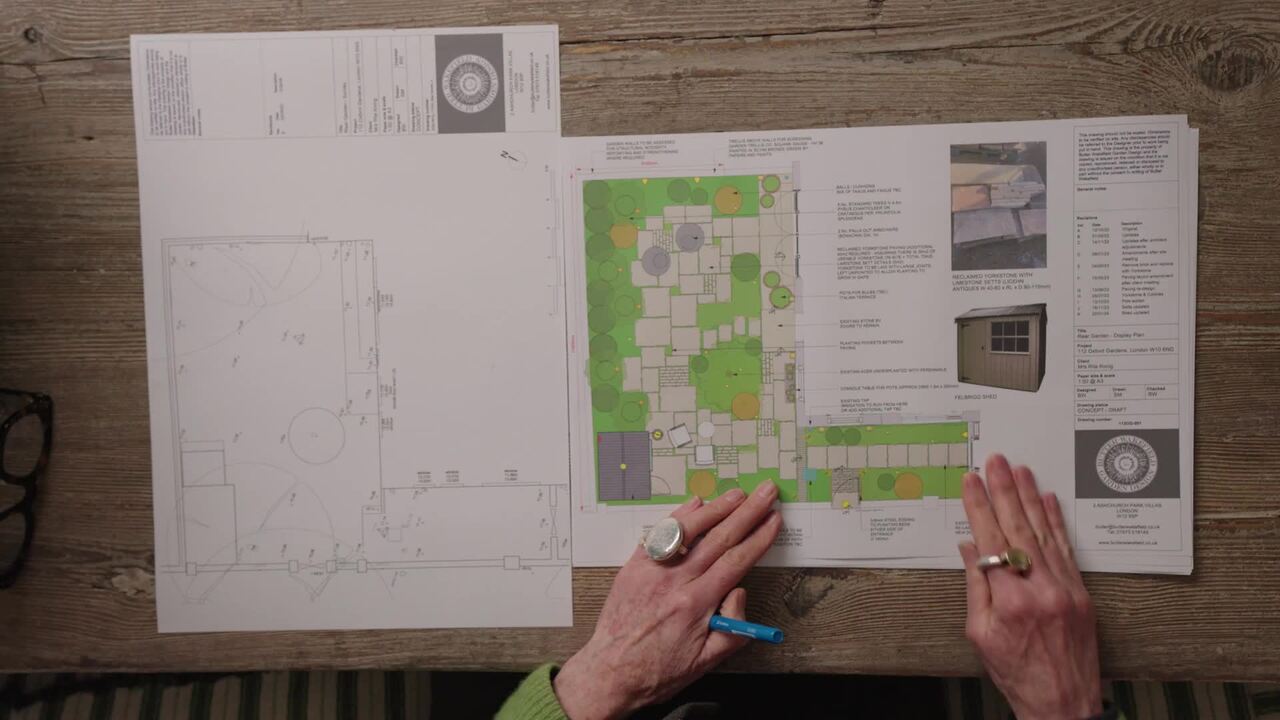
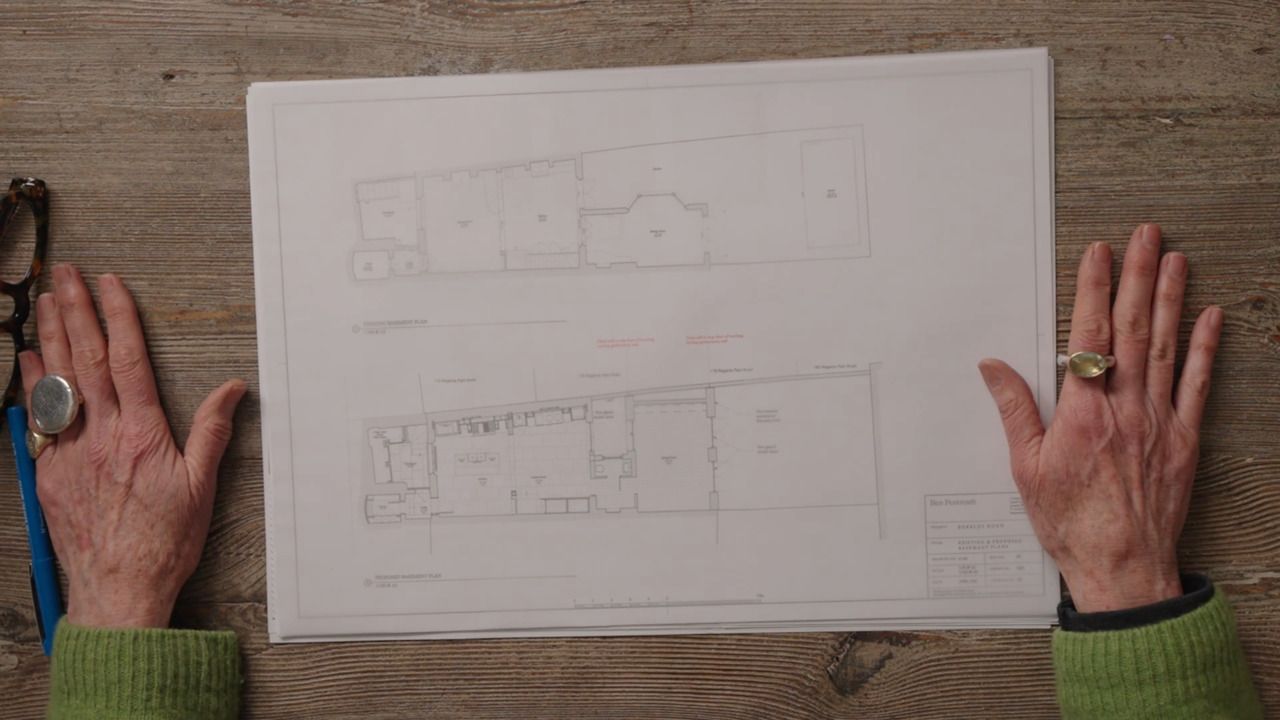
The easiest way to begin the design process is to draw your garden out to scale.
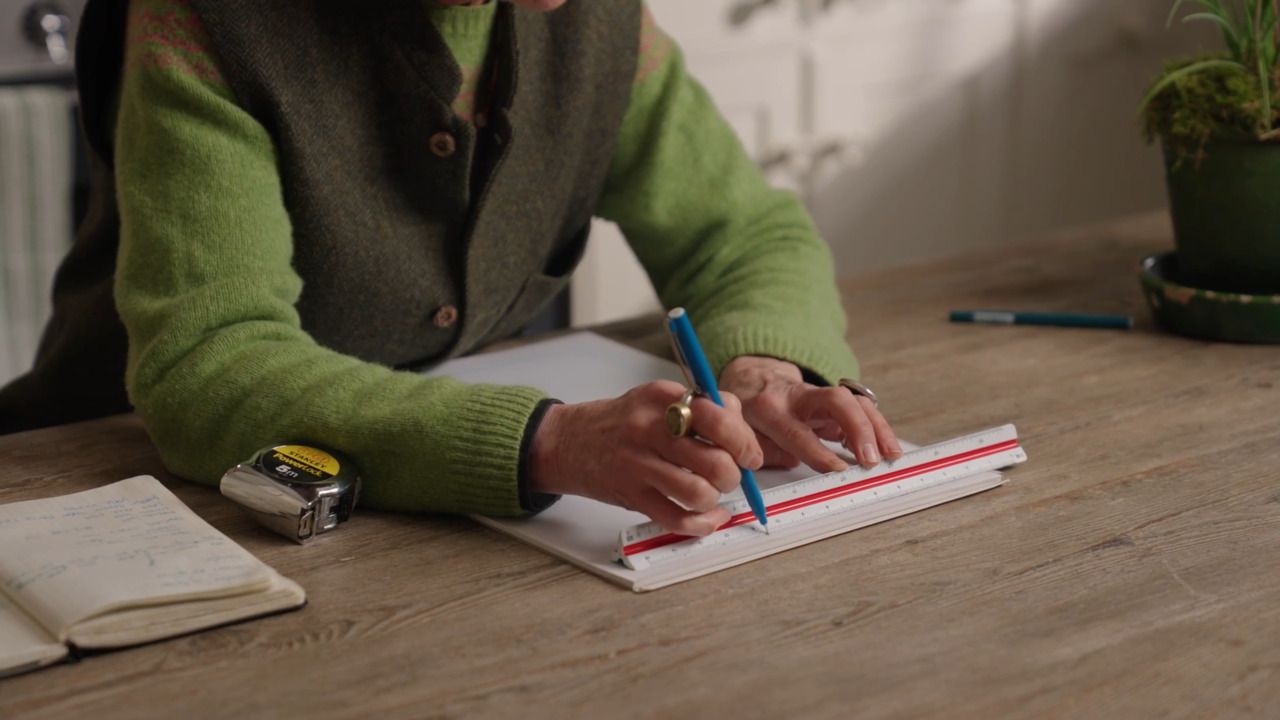
To do this you will need:
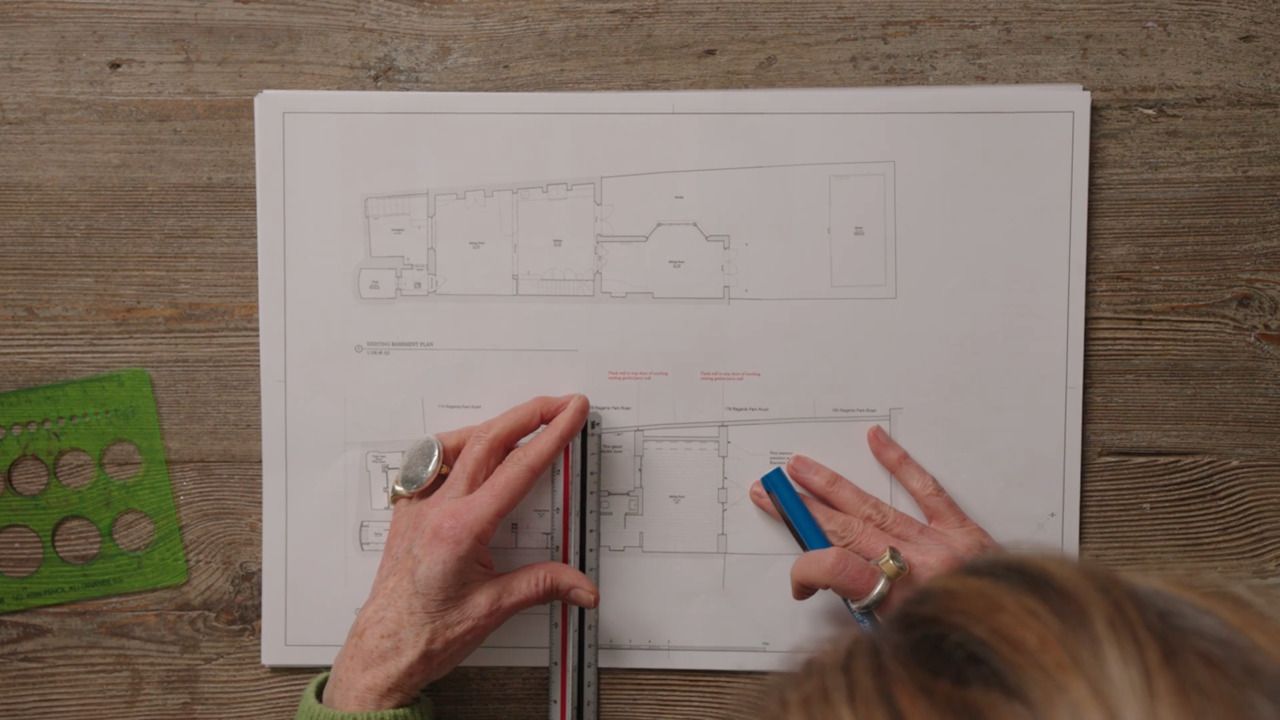
For a garden this size, I will be using a scale of 1 to 50, but if your garden is very large you will need to use a scale of 1 to 100 or even 200.
When looking at the 1 to 50 side of your scale rule, every marker indicates a metre in length of your garden.
To begin drawing your own garden, measure the length and breadth of it with a measuring tape and then convert this to scale using your scale rule.
My garden is 7.5 metres wide by 22 metres in length. Within this, right up against the house, my hard-standing area is 4.6 metres in length and runs across the whole width of the garden (7.5 metres). Having areas which run across the whole width of your space helps it to feel like it's larger than it is and gives you a real sense of expansion within the space.
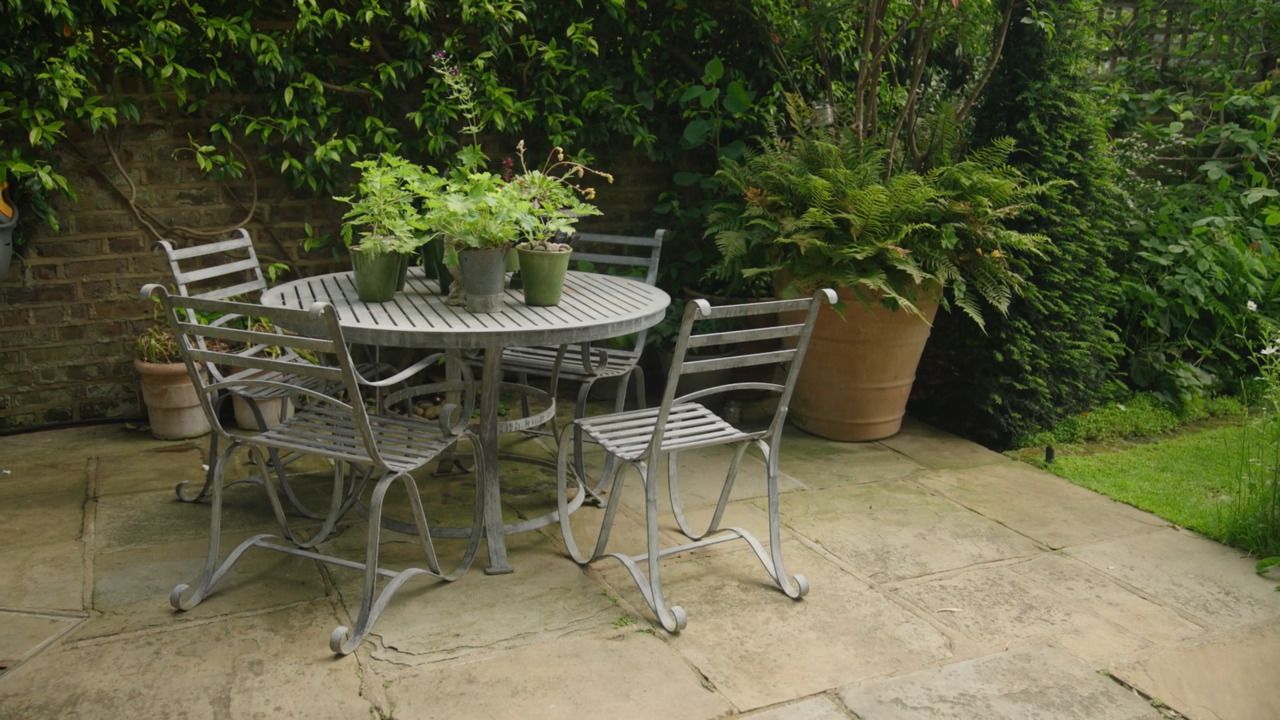
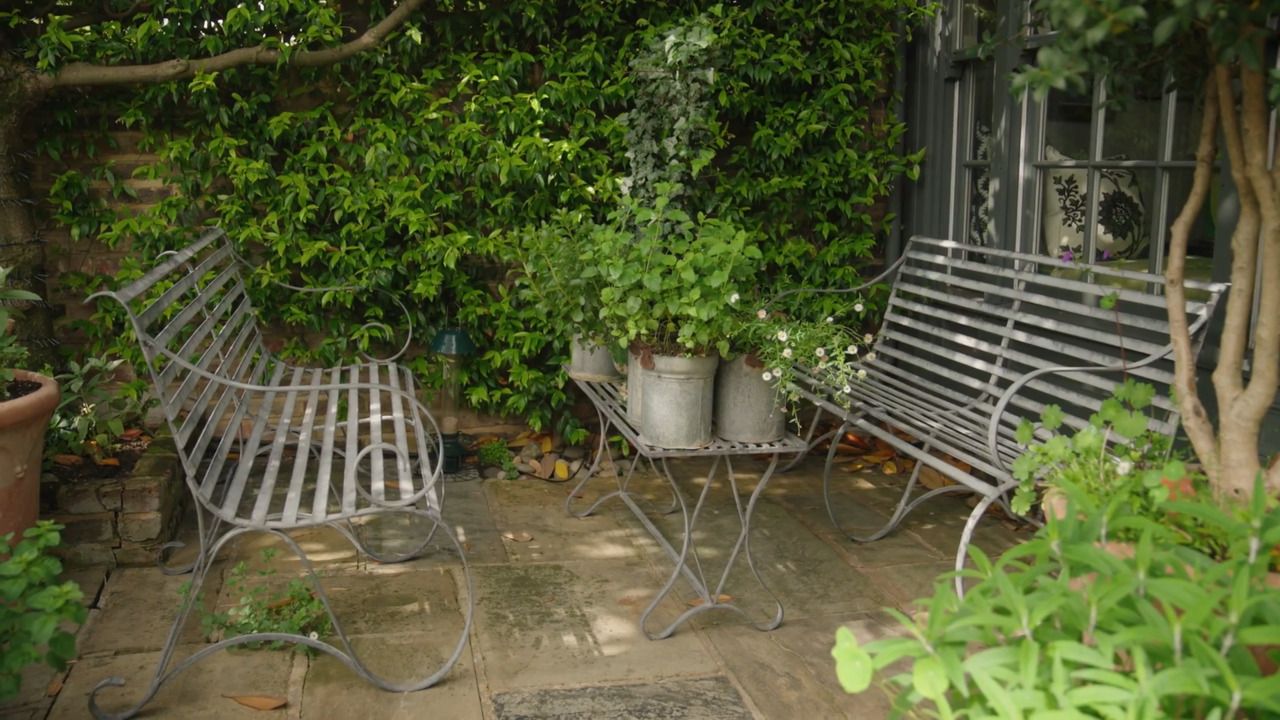
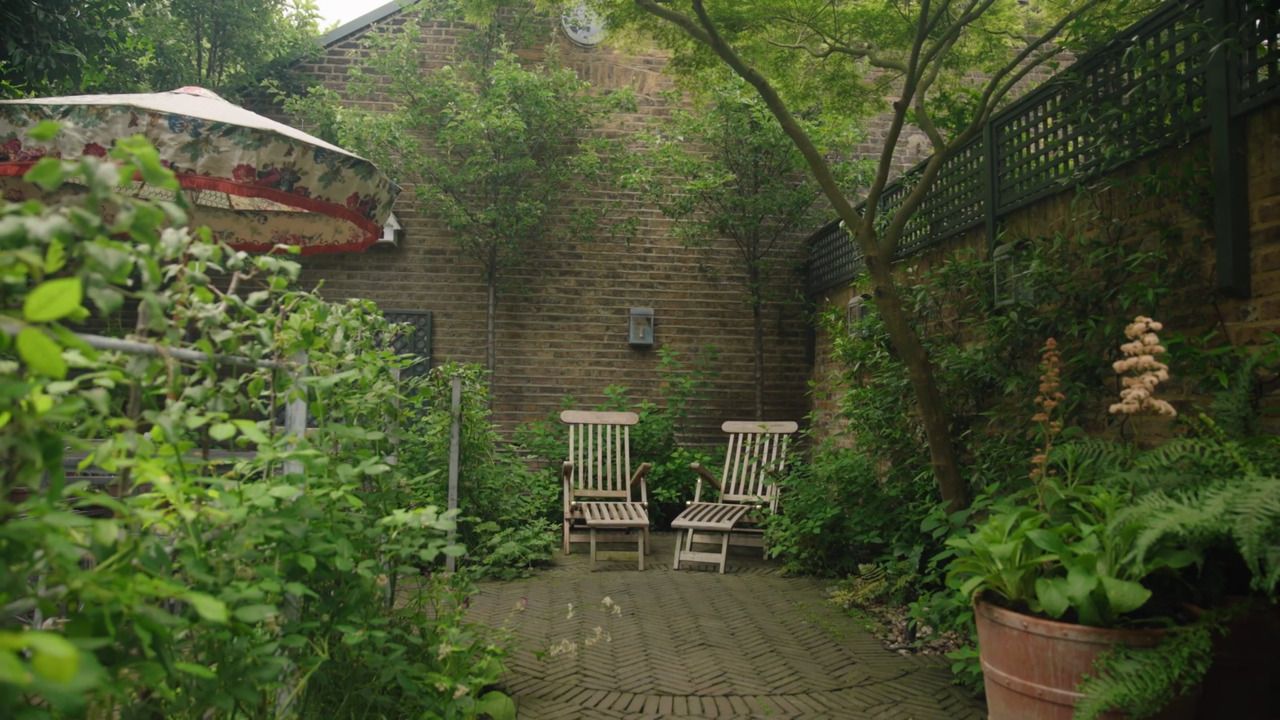
Ideally, it's great to place your seating areas in the shade of a tree. While it's lovely to have a cup of coffee in the morning in the sun, by the time the full heat of the afternoon has struck, you'll want a bit of shade, especially if you like spending a lot of time outside.
The next step is to map out the size of any windows, doors and walls that back onto your garden. This will help you to position any tables, plant pots or other garden furniture so that they don't get in the way of any entry or exit points.
These measurements will enable you to select furniture that fits your space and also ensure that you can move around your furniture comfortably. Depending on the size of your space, knowing the exact measurements might also allow you to have pots and containers in your hard-standing area too.
The drawing process can feel quite time-consuming, but it is a critical step in trying to understand your space and get the most out of it.
Knowing the exact dimensions of my space means that I have been able to fit in a round table for four, and an occasional seating area with a narrow coffee table that can seat six.
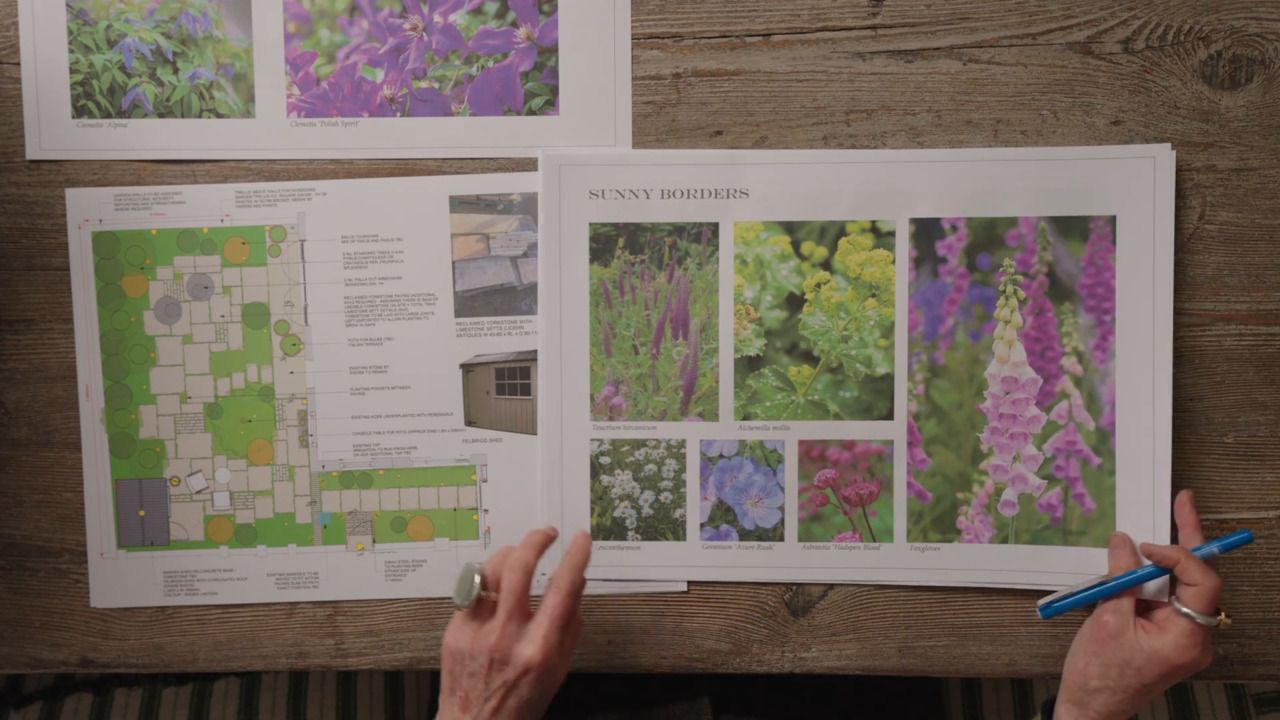
The next stage of the design process is to think about the wider space, the growing areas and how sight lines are going to work in your garden.
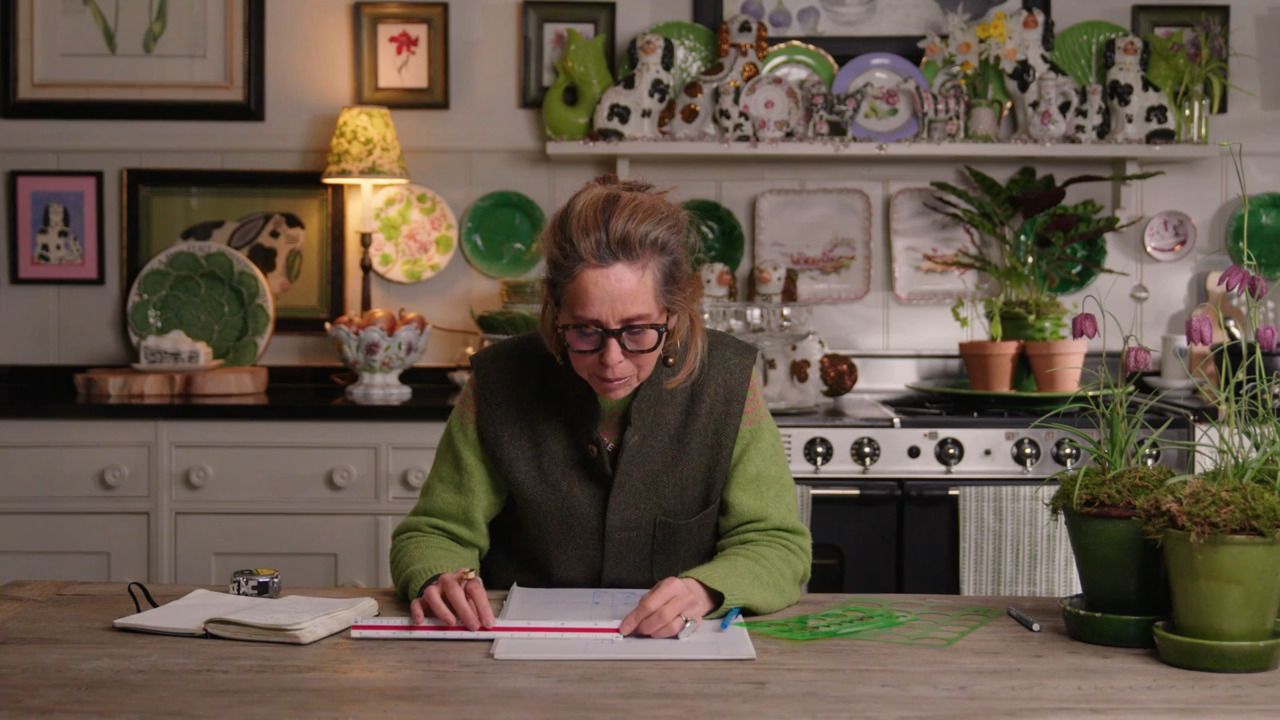
If you want to create a to-scale drawing of your own garden, you will need:
To begin, measure the length and width of your garden with the measuring tape. Then convert these measurements to scale with your scale rule and sketch them out using your graph paper. Make sure to put a compass point next to your drawing that notes down the aspect of your garden when looking out from the back of your house.
Get the full workbook, video lessons, and more with a Create Academy subscription.
Subscribe to access the full workbookAlready a member? Sign in to watch
491 reviews
Read moreCreate Academy has been such a great resource. I'm in the middle of renovating a bungalow with a very large garden and the courses have offered a wealth of inform...
Harvey
Jun 10, 2026
Absolutely love Create Academy! The instructors are extremely informative, and it is beautifully filmed. Create Academy is great value for money and plan on renew...
SG
May 31, 2026
Butter's creativity is stunning! Her ability to incorporate brilliance in small gardens is magical!
Carla
May 30, 2026
The best adventure. I like all the courses, but my favorite are both Rita Konig interior design courses and Anna Jones. Excellent!
Karolina Kluczewska
May 20, 2026
Create Academy has been such a great resource. I'm in the middle of renovating a bungalow with a very large garden and the courses have offered a wealth of information to dive into and explore new ideas. I'm...
Harvey
Jun 10, 2026
Absolutely love Create Academy! The instructors are extremely informative, and it is beautifully filmed. Create Academy is great value for money and plan on renewing my subscription yearly because there are ...
SG
May 31, 2026
Butter's creativity is stunning! Her ability to incorporate brilliance in small gardens is magical!
Carla
May 30, 2026

Your Instructor
Leading British garden designer
Butter Wakefield has been a distinguished garden designer for over 20 years. In 2016, she established her eponymous studio, combining her expertise in interiors with her passion for gardening. Butter's unique ability to connect outside spaces with interiors has made her a sought-after designer, particularly known for her love of city gardens. With over 15 years of experience, Butter has crafted numerous inspirational and purposeful gardens of various sizes in London and beyond.
Her journey into garden design began at the English Gardening School (1997/98), where she completed the Year Diploma Course in Plants and Plantsmanship, winning two prizes. Butter further honed her skills at the London College of Garden Design (2013/14), graduating with a Merit Commended. Before venturing into garden design, she worked as an interior design assistant at Colefax and Fowler on Brook Street. Here, she developed a deep appreciation for scale, texture, pattern, colour, and the core principles of design.

Access to all courses


