


Interior and exterior confidence
Create Academy has been such a great resource. I'm in the middle of renovating a bungalow with a very large garden and the courses have offered a wealth of inform...
Harvey
Jun 10, 2026
with BUTTER WAKEFIELD — Leading British garden designer
Lesson 2 of 25
Subscribe to watch
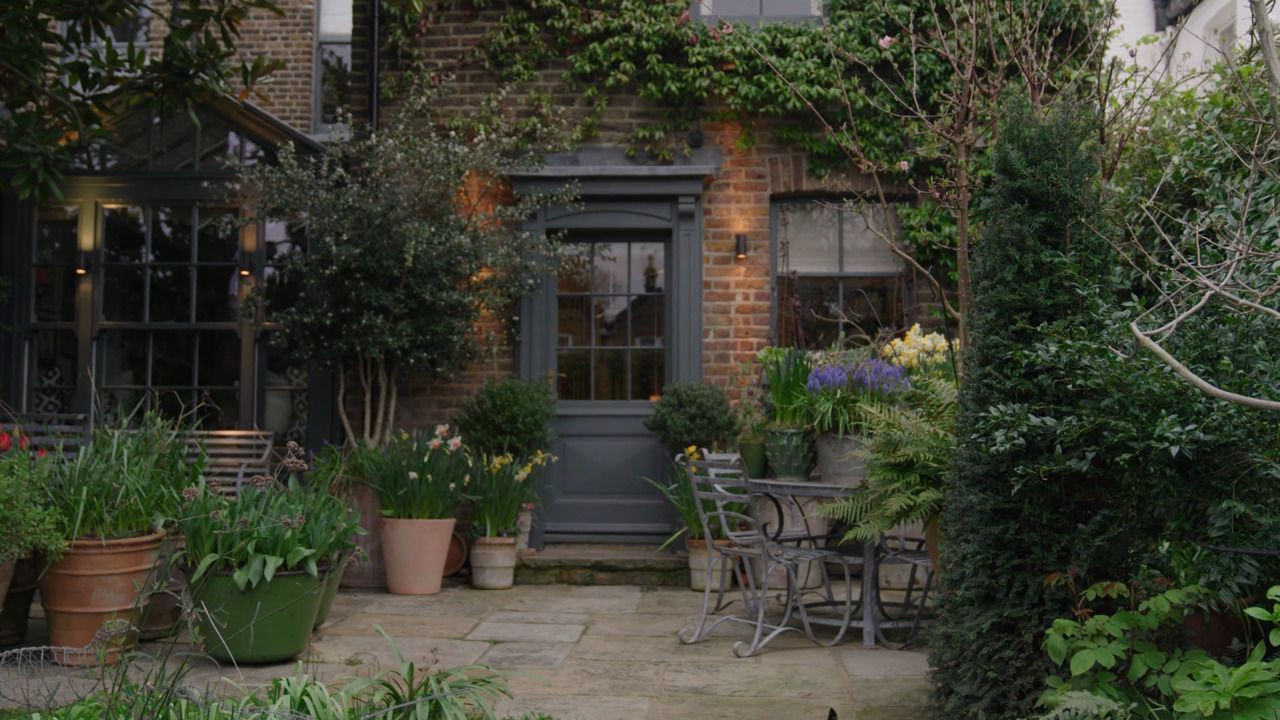
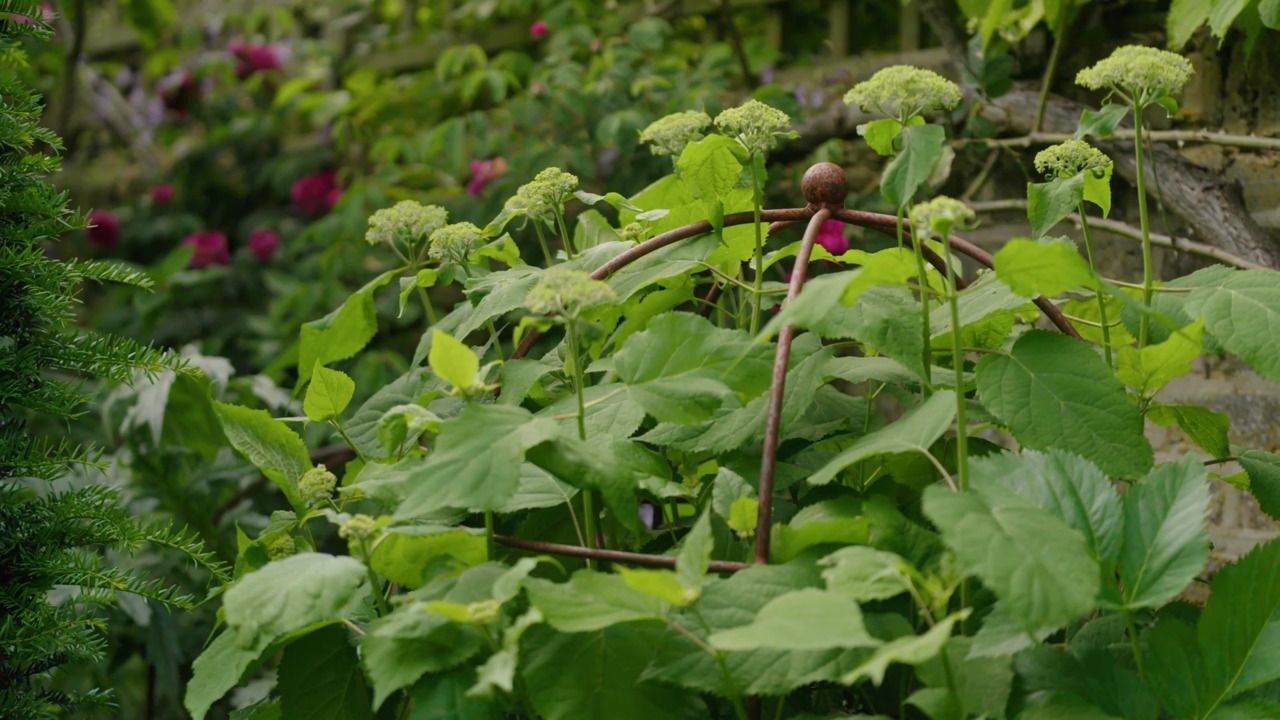
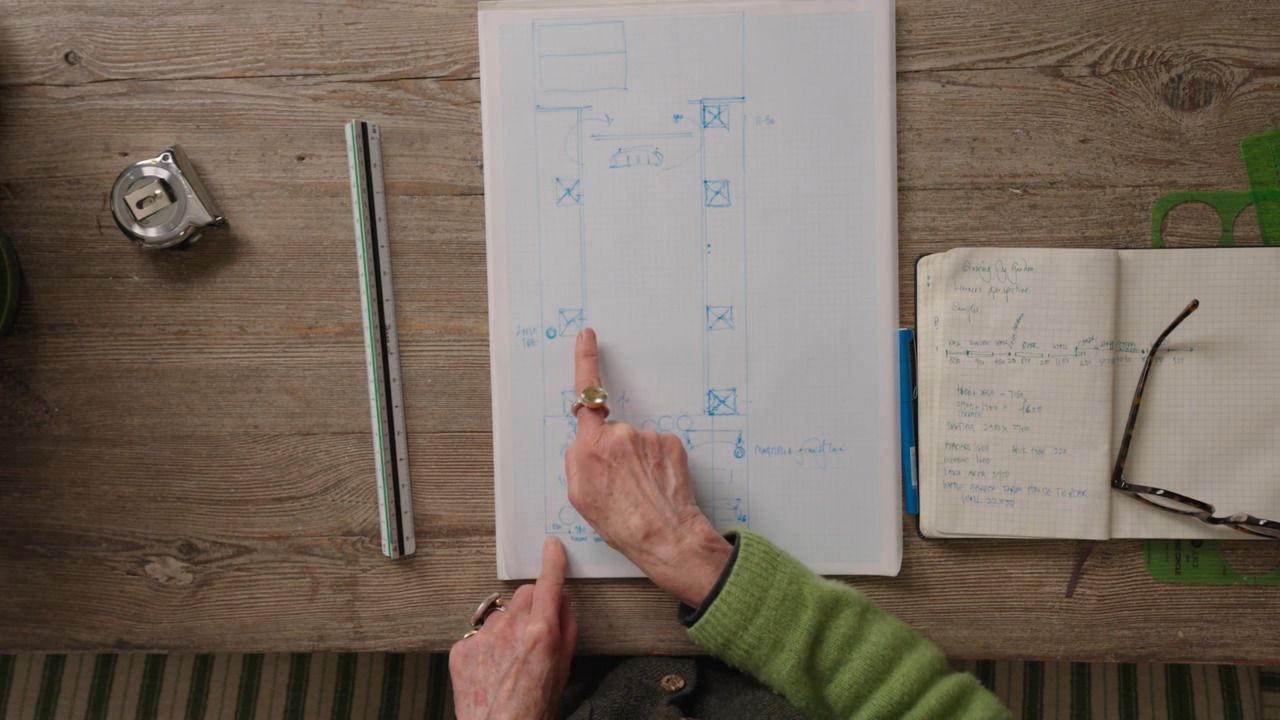
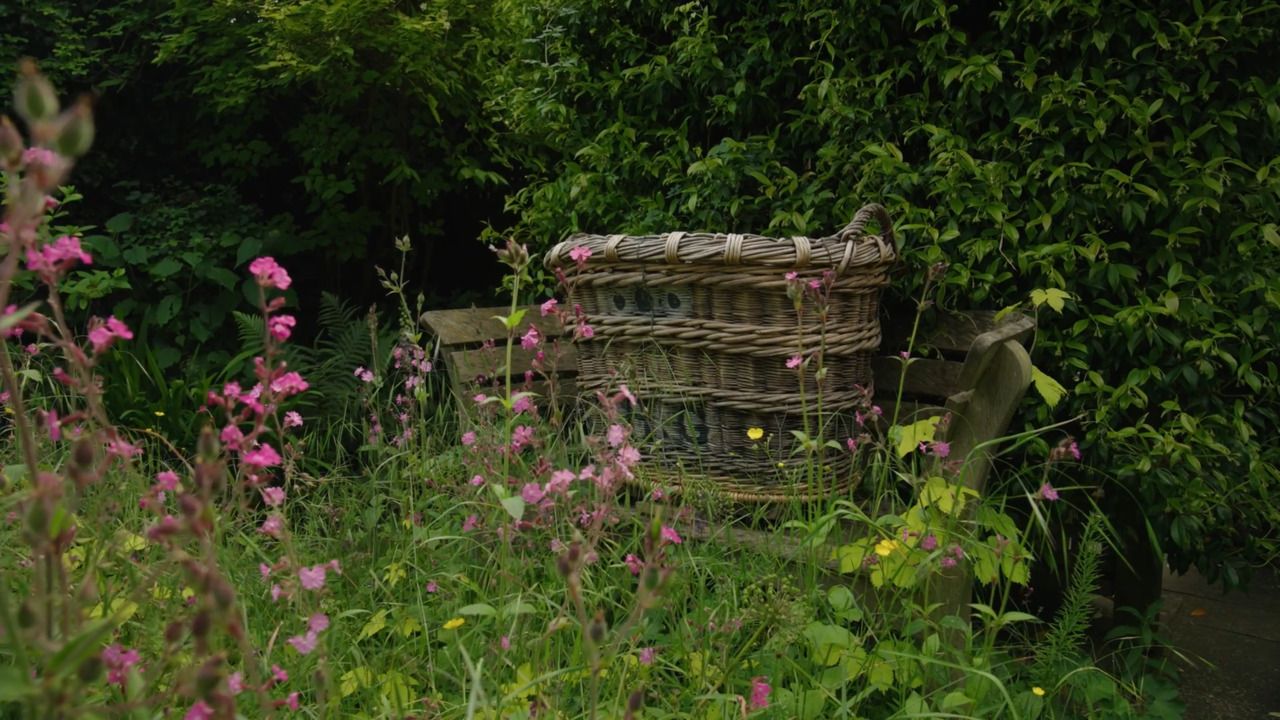
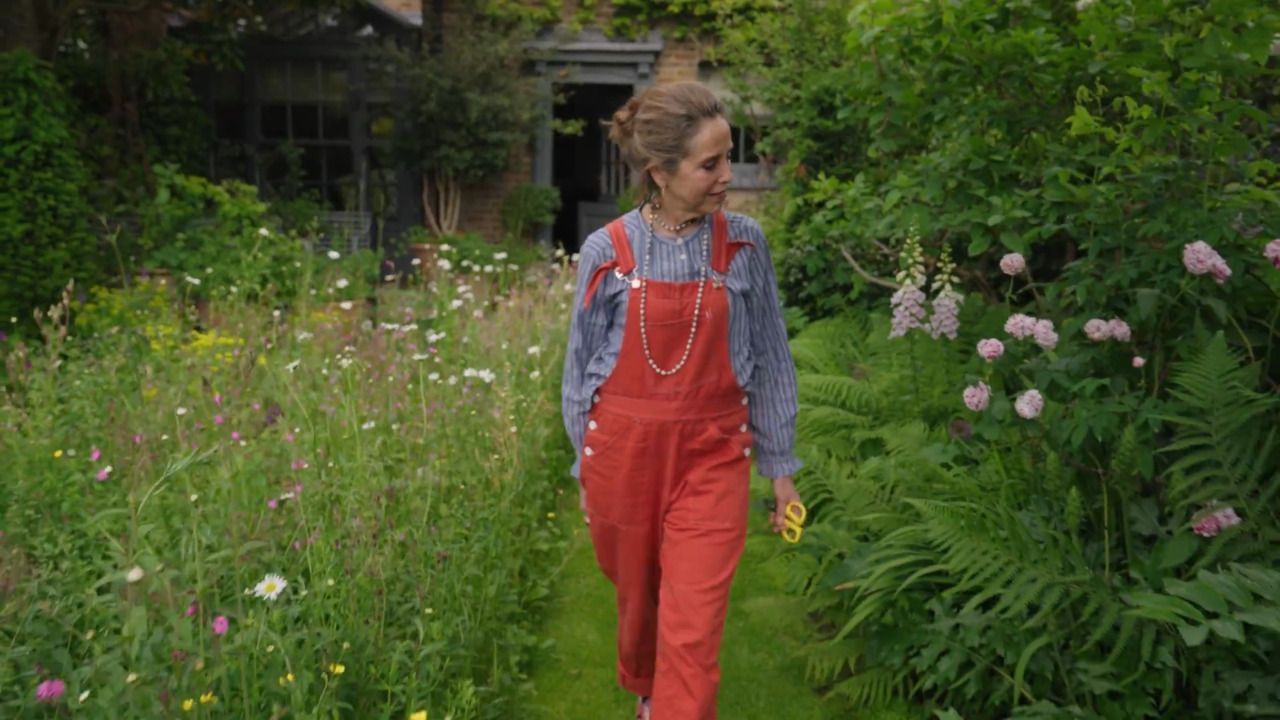
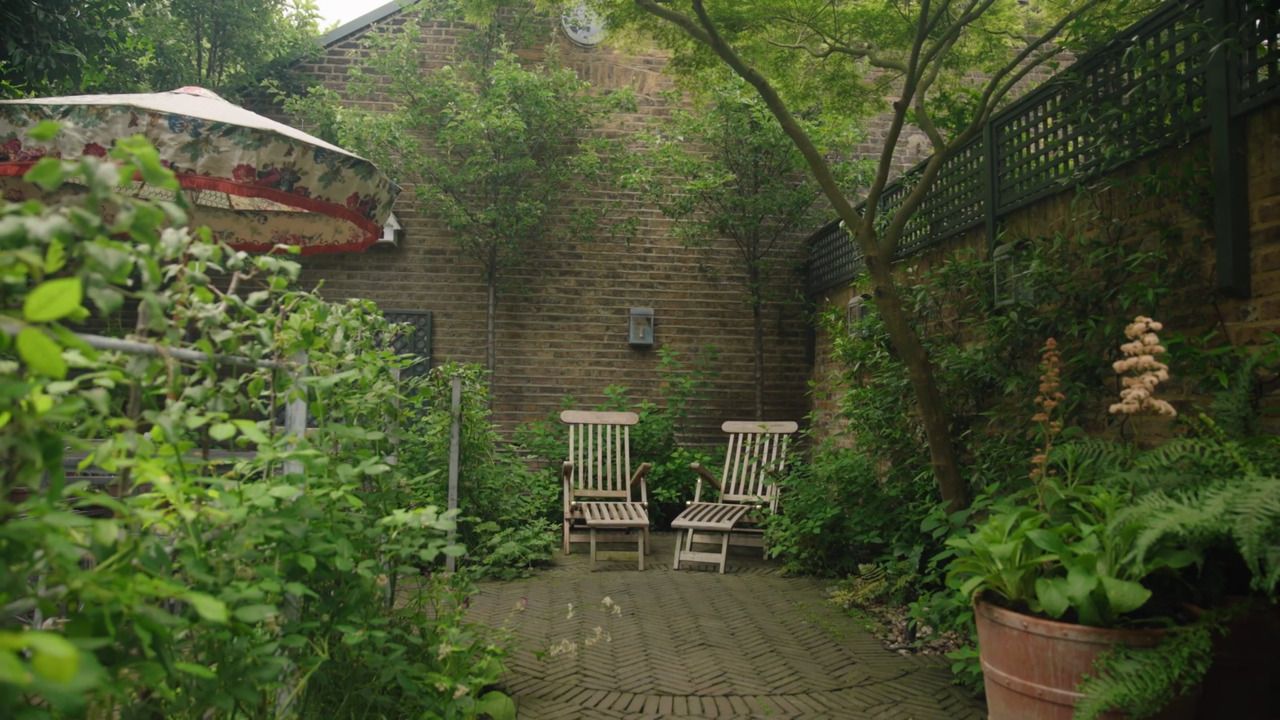
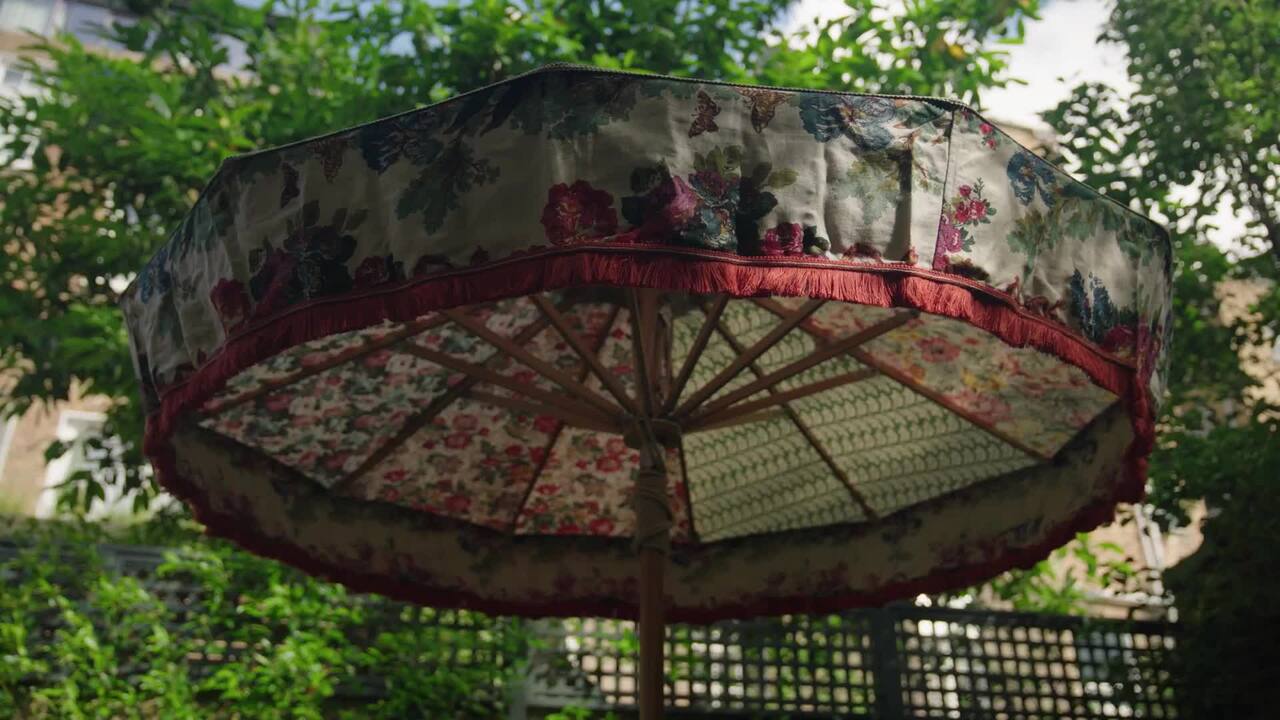
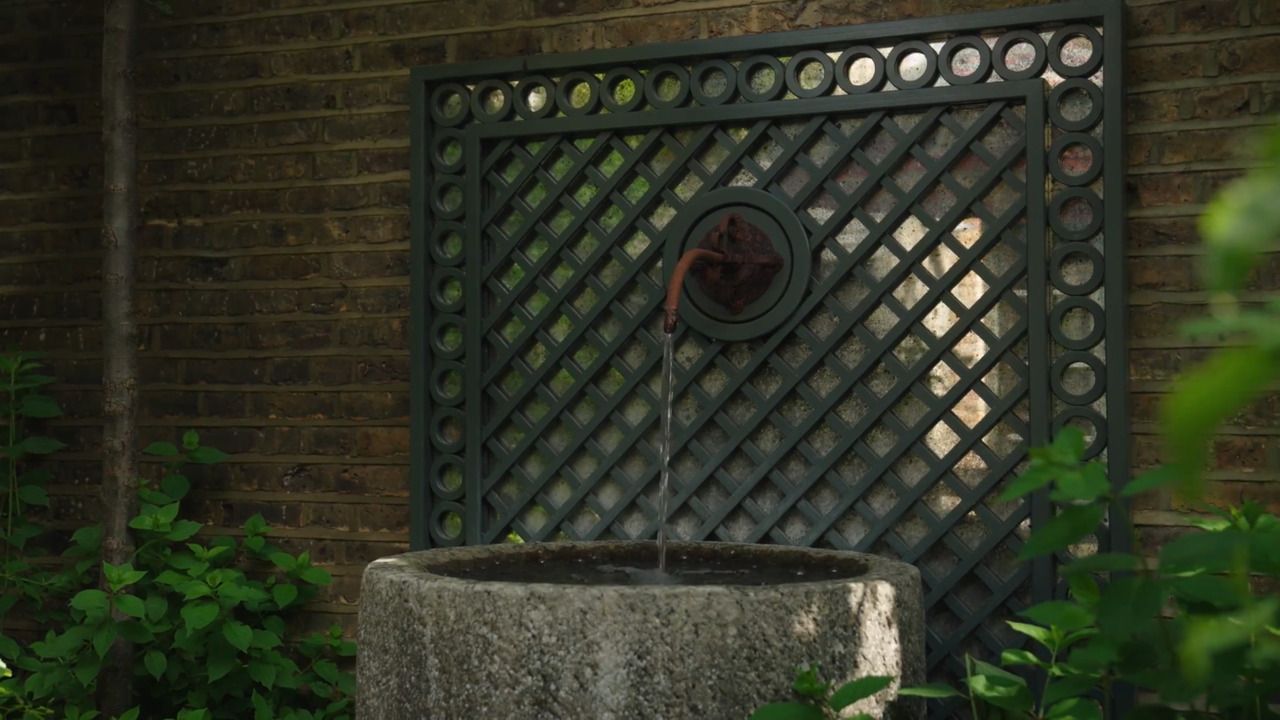
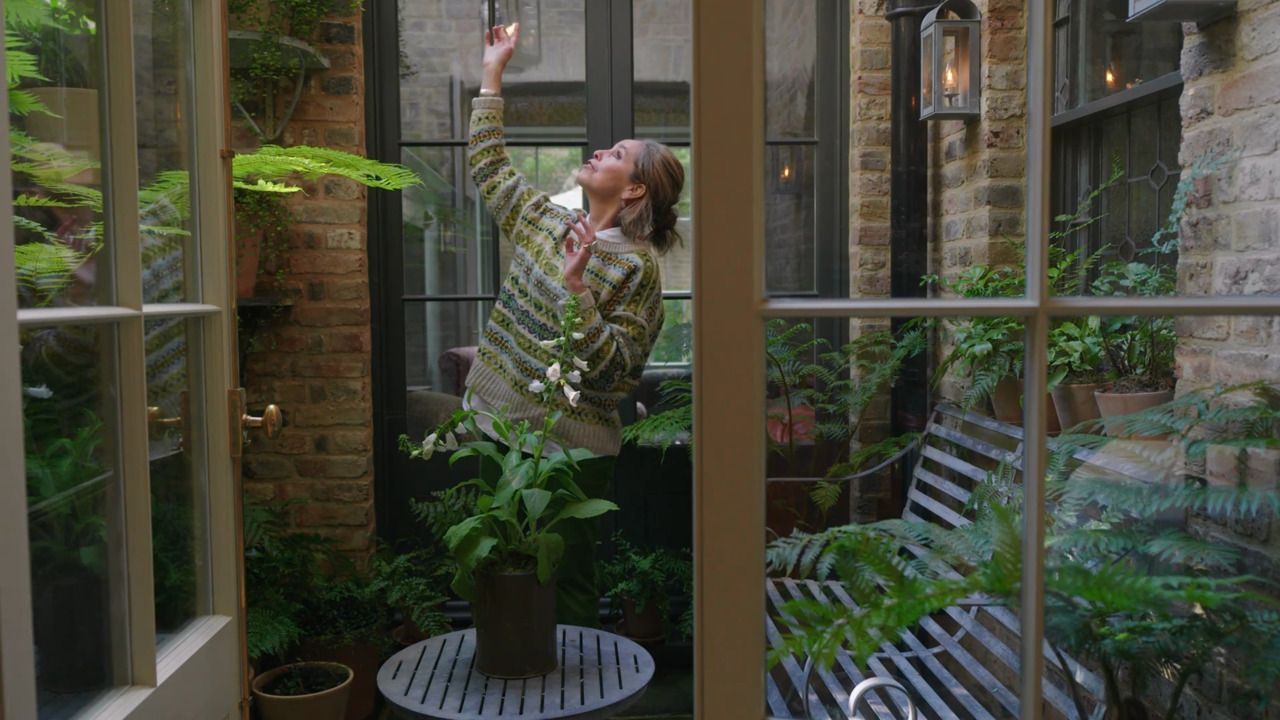
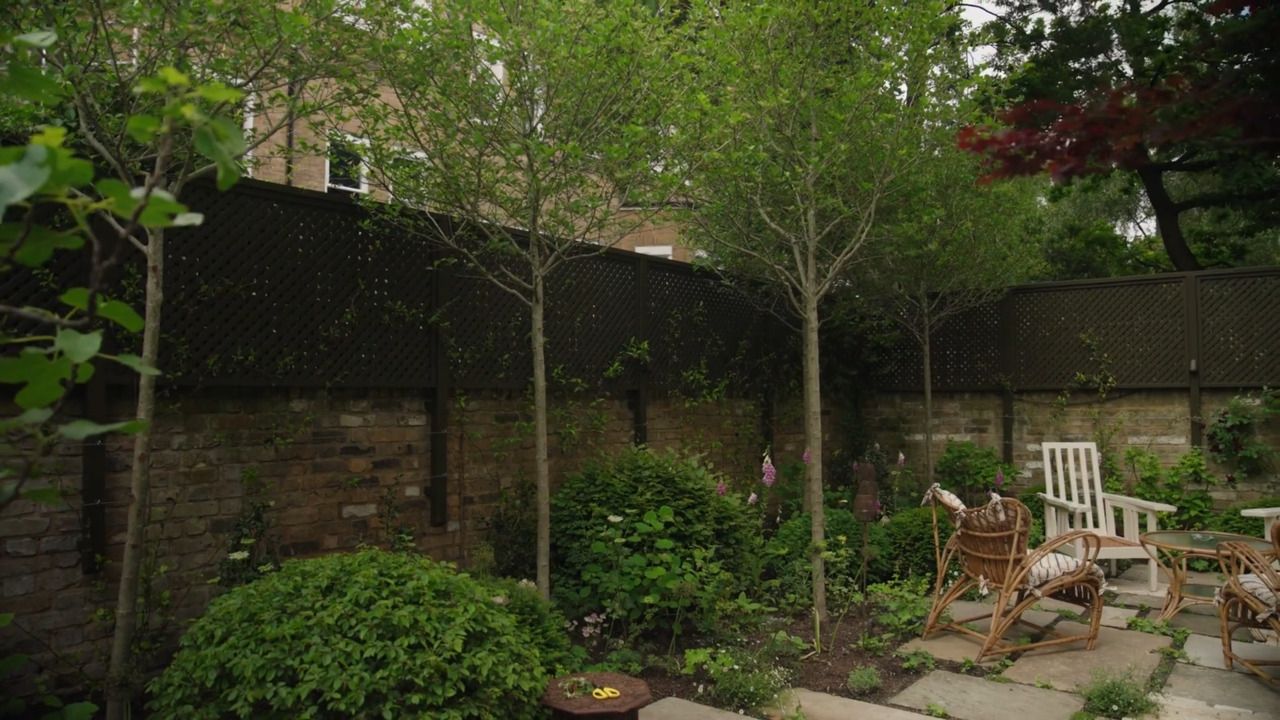
Butter guides you around her west-facing garden and explains some of the key features of the garden design process.
If you have a small garden, setting out on your design journey can feel a little daunting. Getting a small space to work for you requires time, patience and careful planning, but with the right tools, it is amazing how much greenery and leisure space you can pack into a small garden.
When you set out on your design journey, the first thing you need to uncover is the aspect of your house. Using a compass (there's an app for that) see which way your garden faces and use this information to consider what kind of plants will grow well in this sunny or shady aspect.
In my house, my front garden faces east, while my back garden faces west, which means I get lots of sun in the afternoon, but certain areas of my garden are inevitably shadier than others.
Understanding your aspect and monitoring how the sun tracks around your space will help you to understand how to structure your garden and how you can make the most of it all year round.
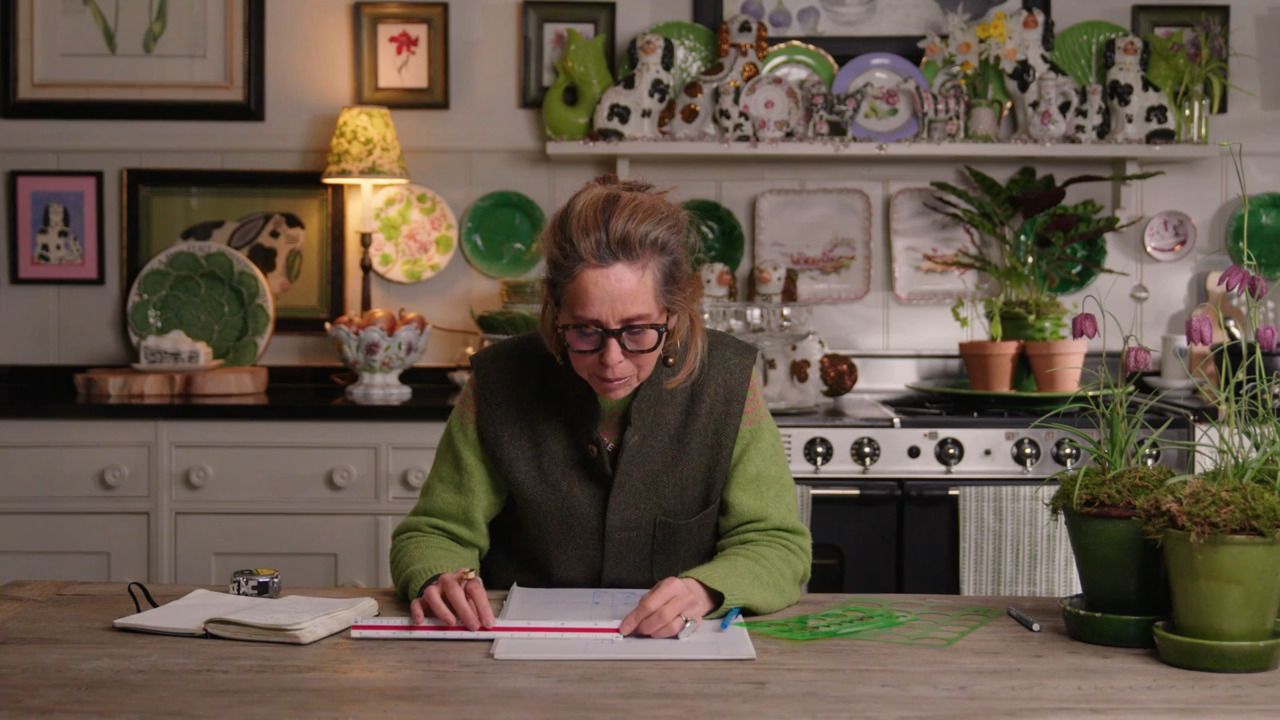
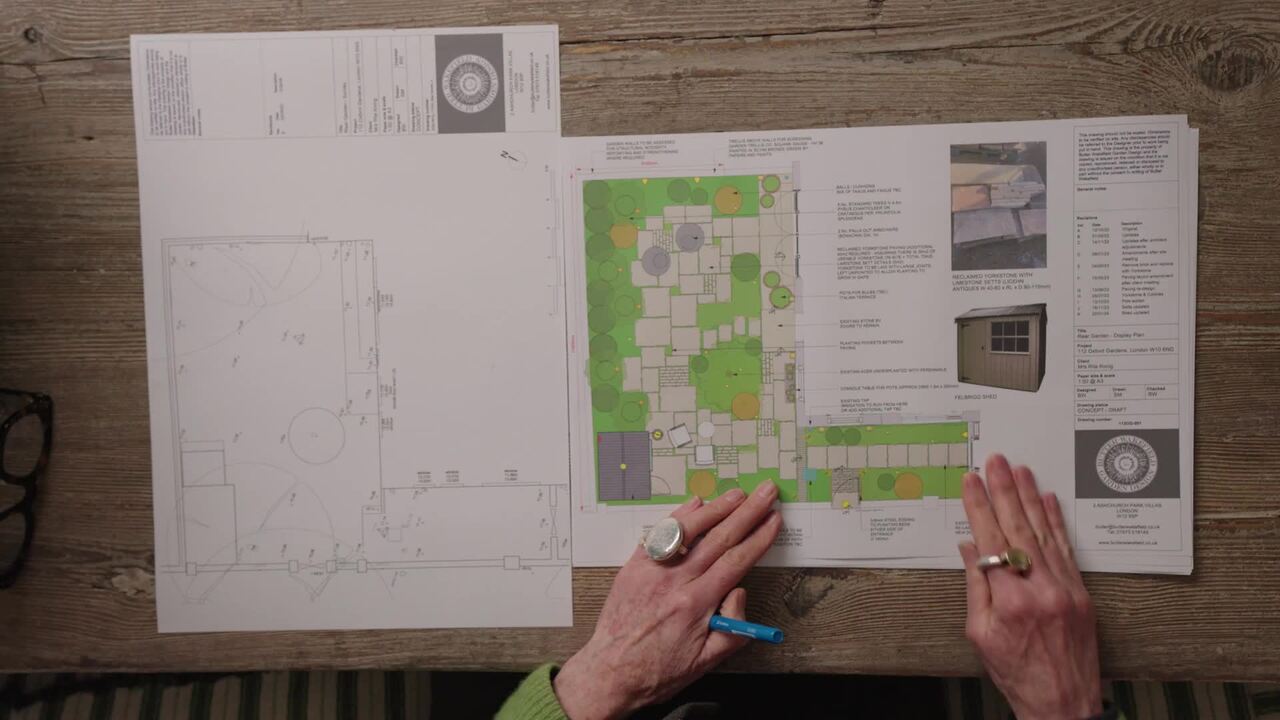
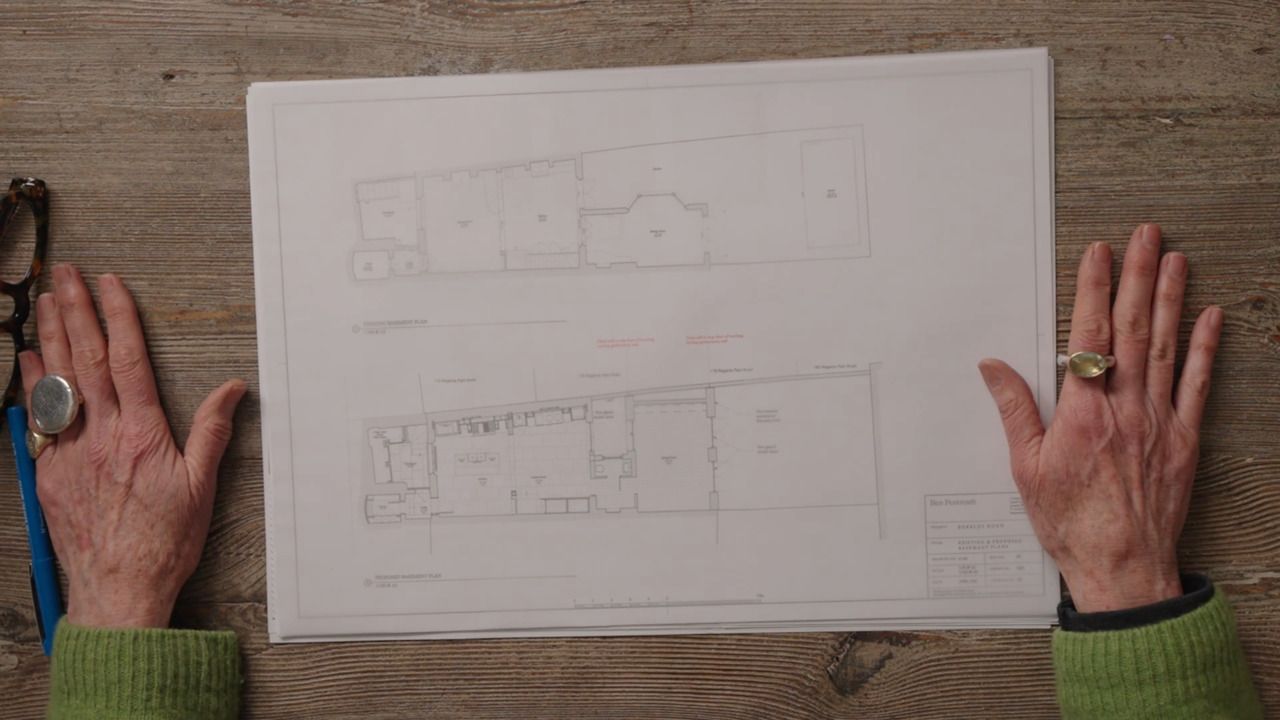
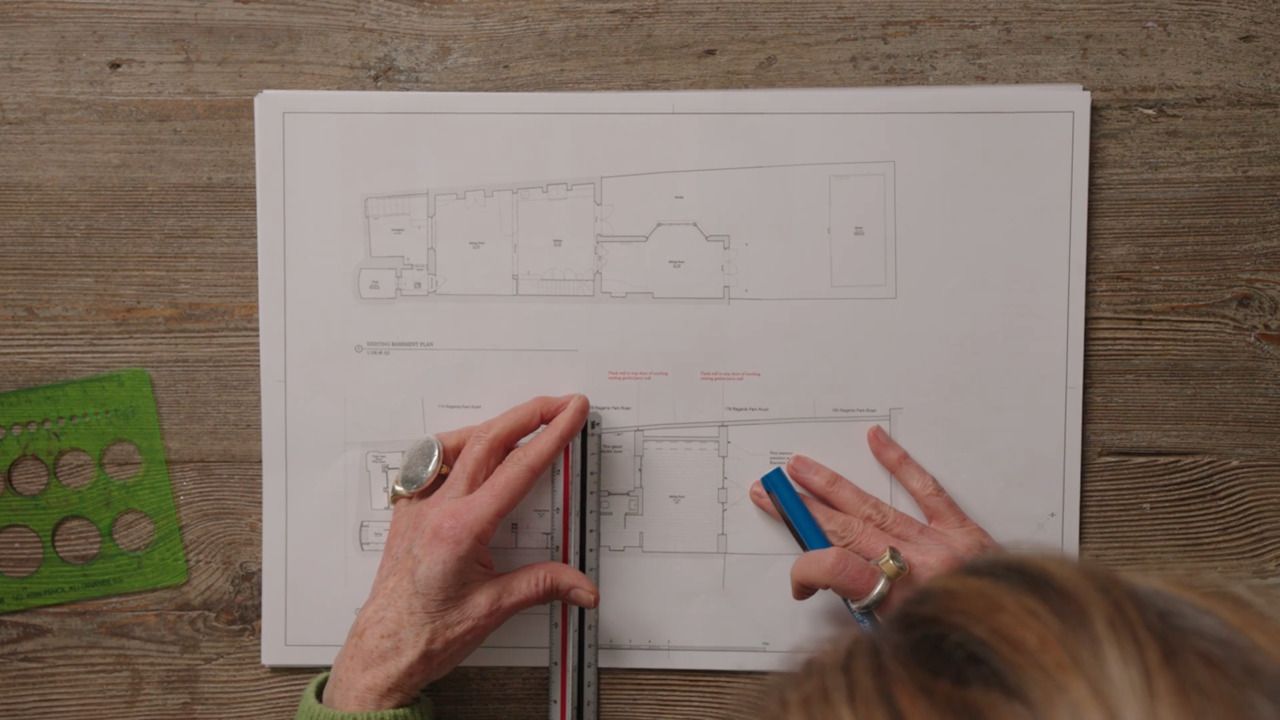
When I begin working with a new client I ask them a series of questions so I can really hone in on the different ways they want to use their garden. Some clients want to entertain, while others want a multi-functional space that will work for their family and their friends.
Understanding the needs and desires of my clients helps me to understand what support they require from me as a designer and what they need to get out of their space.
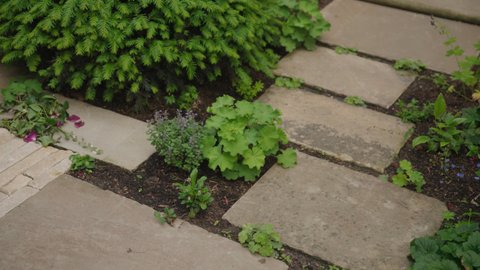
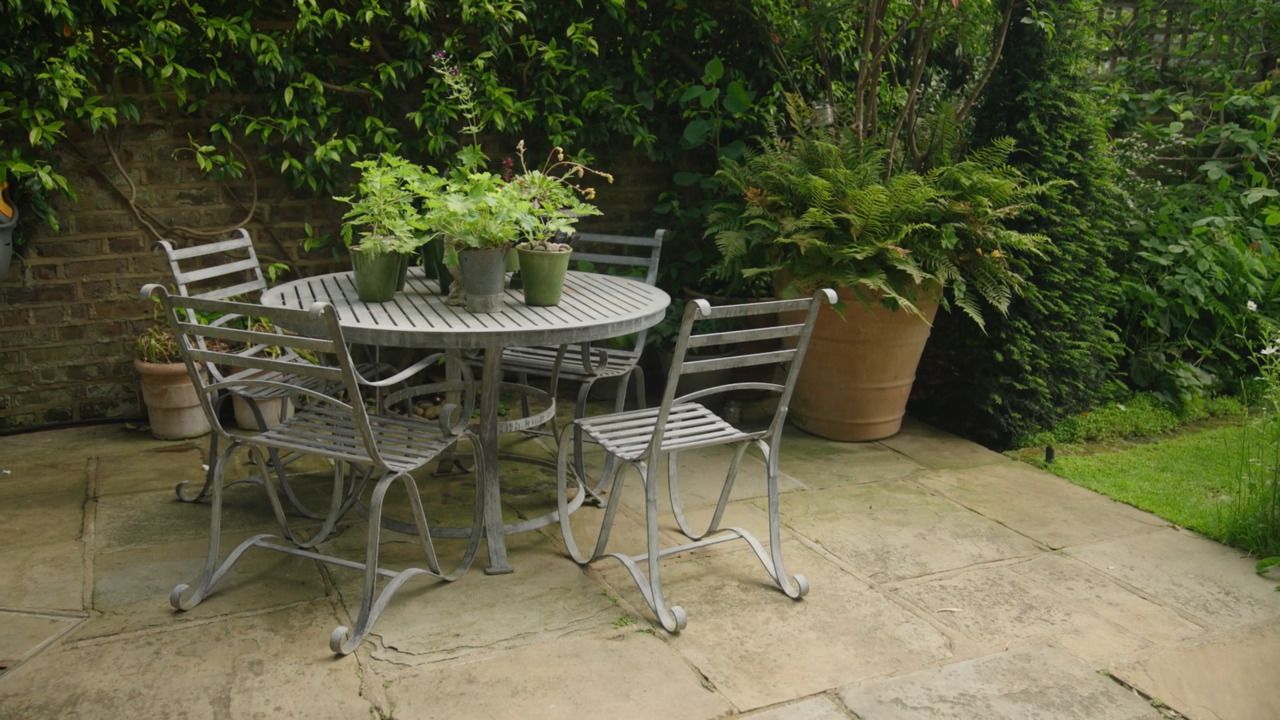
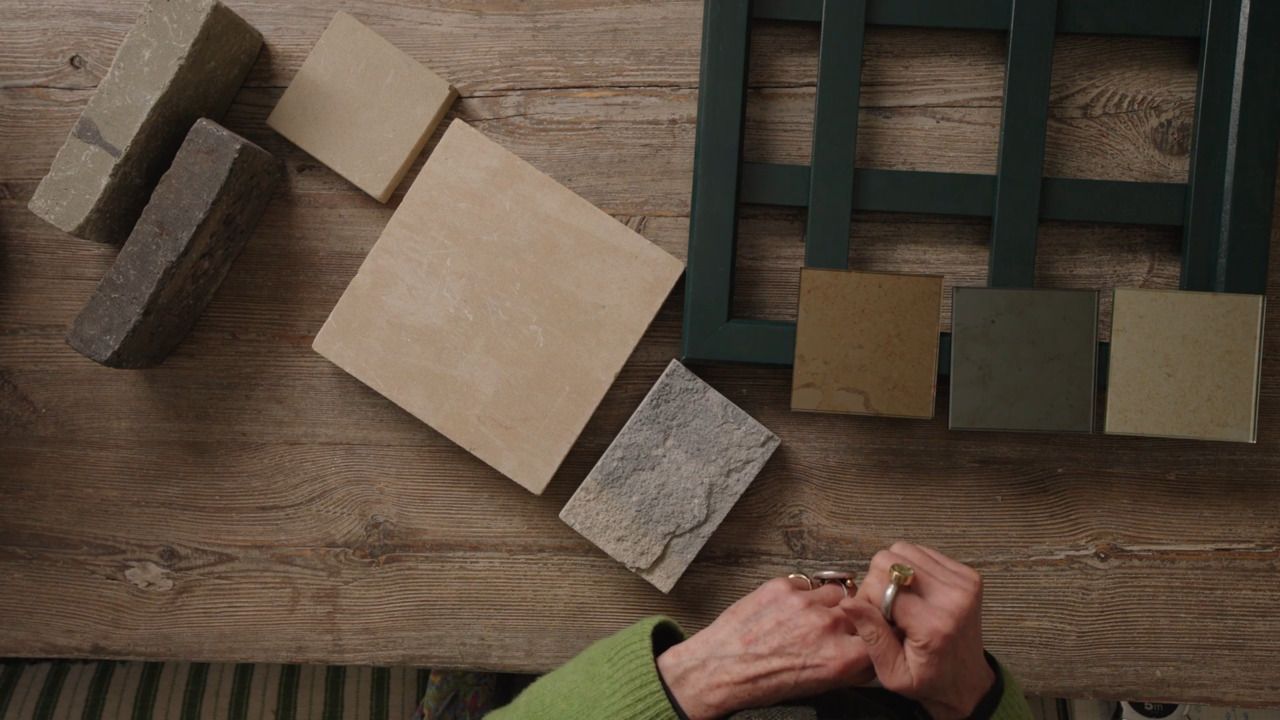
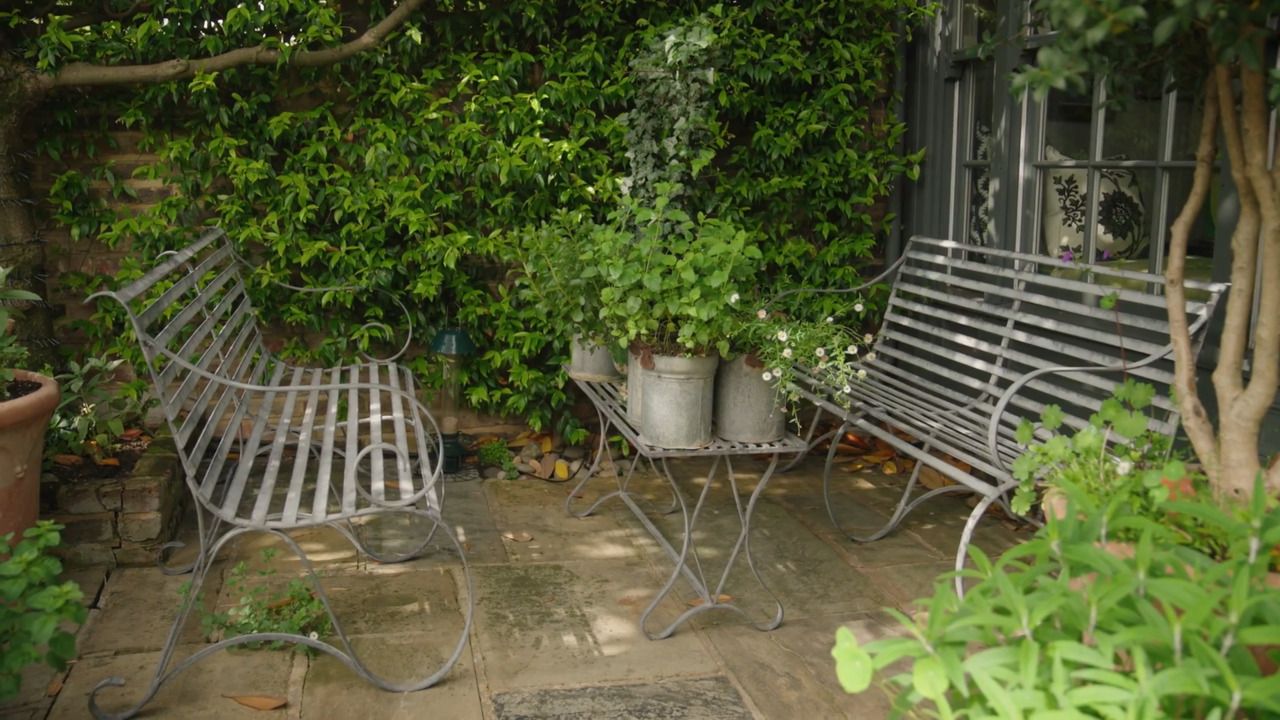
I always recommend at least a small area of hard standing to my clients, especially if they want to dine outside or even just enjoy a cup of coffee in the morning.
When looking at your own space, if you're unsure which type of stone to use, look at the materials that your house is constructed from and consider mirroring some of the materials that have been used there.
One of the easiest ways to choose your furniture is to reflect the style you already have inside your home. For instance, if the furniture in your house is contemporary, then continue this out into the garden. This will help to knit the two spaces together and create a sense of cohesion.
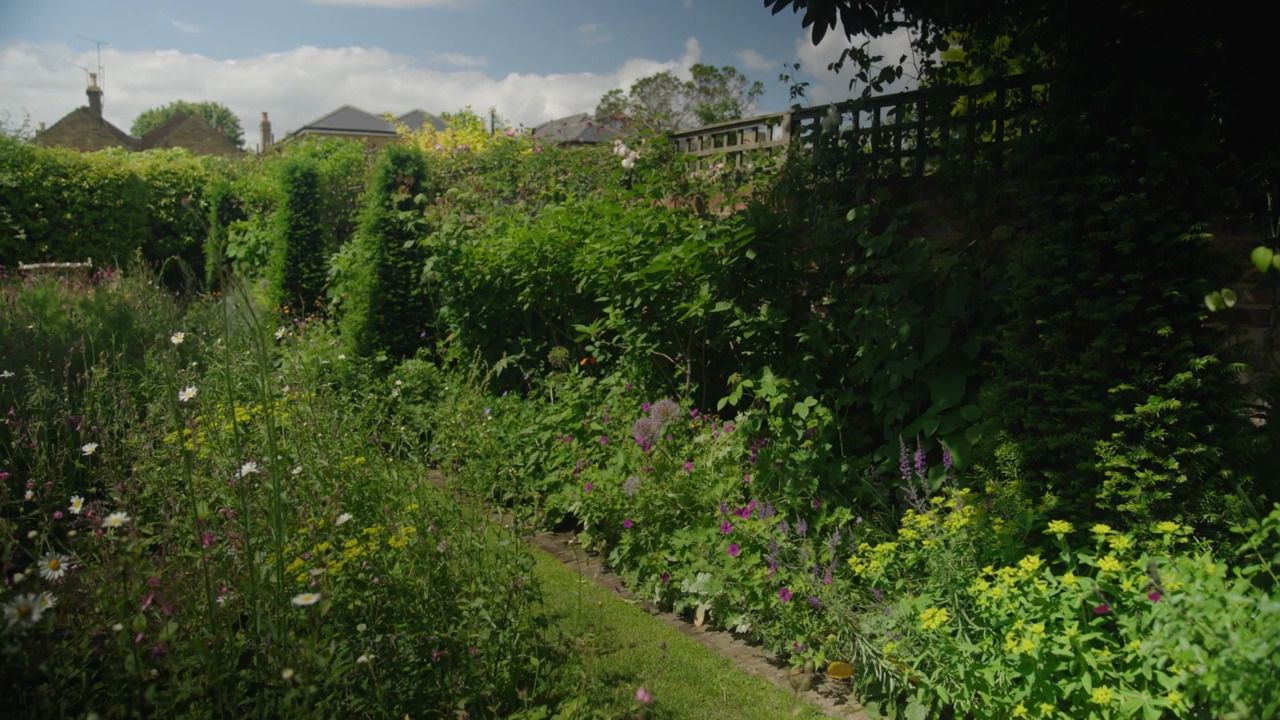
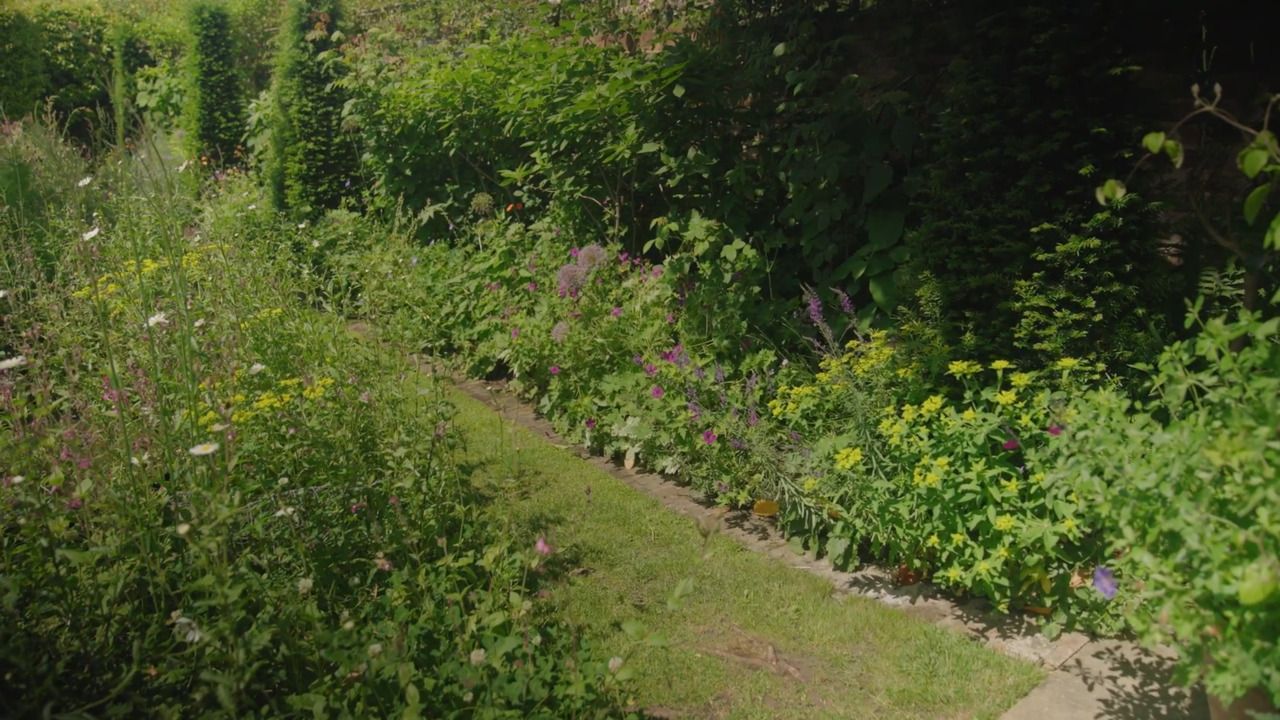
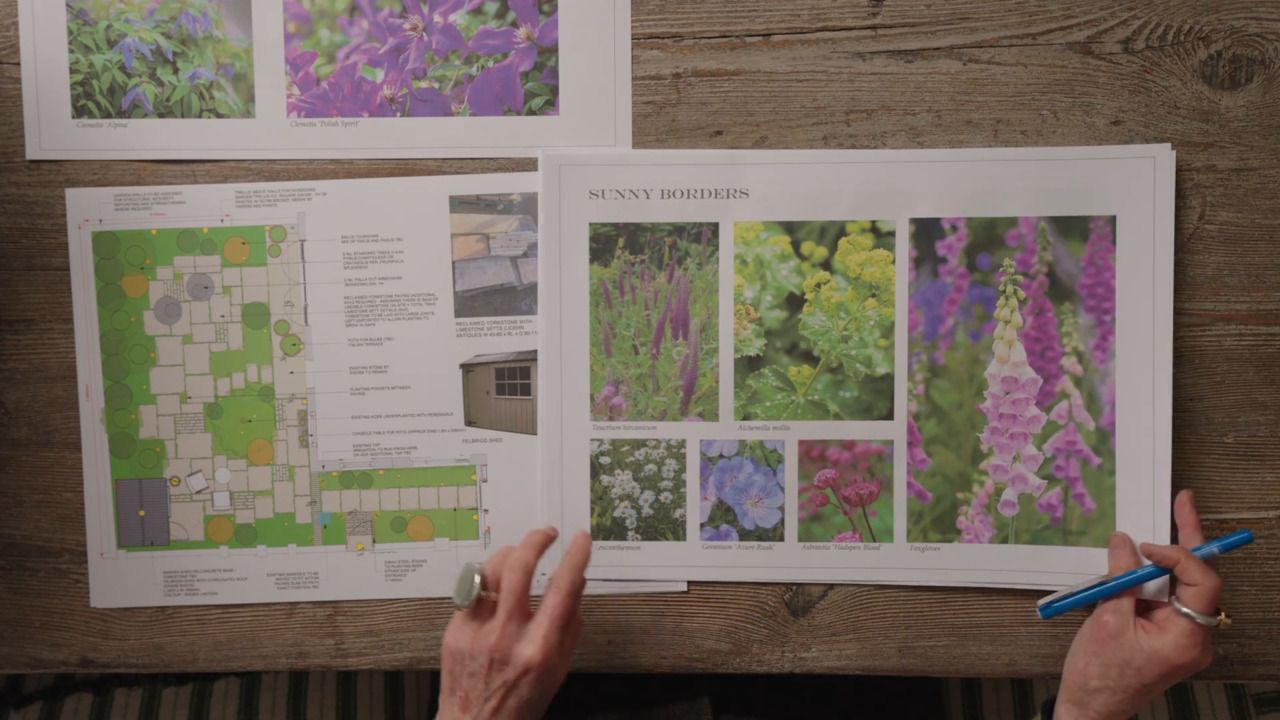
Structure will help define your garden through the seasons, but particularly in the pared-back winter months. Personally, I try to pack as many different plant varieties in my garden as possible, as this helps to create a sense of flow and is excellent for wildlife too.
In my own garden, and many of the spaces I design, I like to include clipped shapes made of yew. These shapes helped to provide much-needed structure in the winter months when annuals and perennials have died back and the garden is looking bare.
Climbing plants can help to create structure too, by drawing the eye upwards. They can also create a handy green screen, resolving any privacy issues you might have in your space.
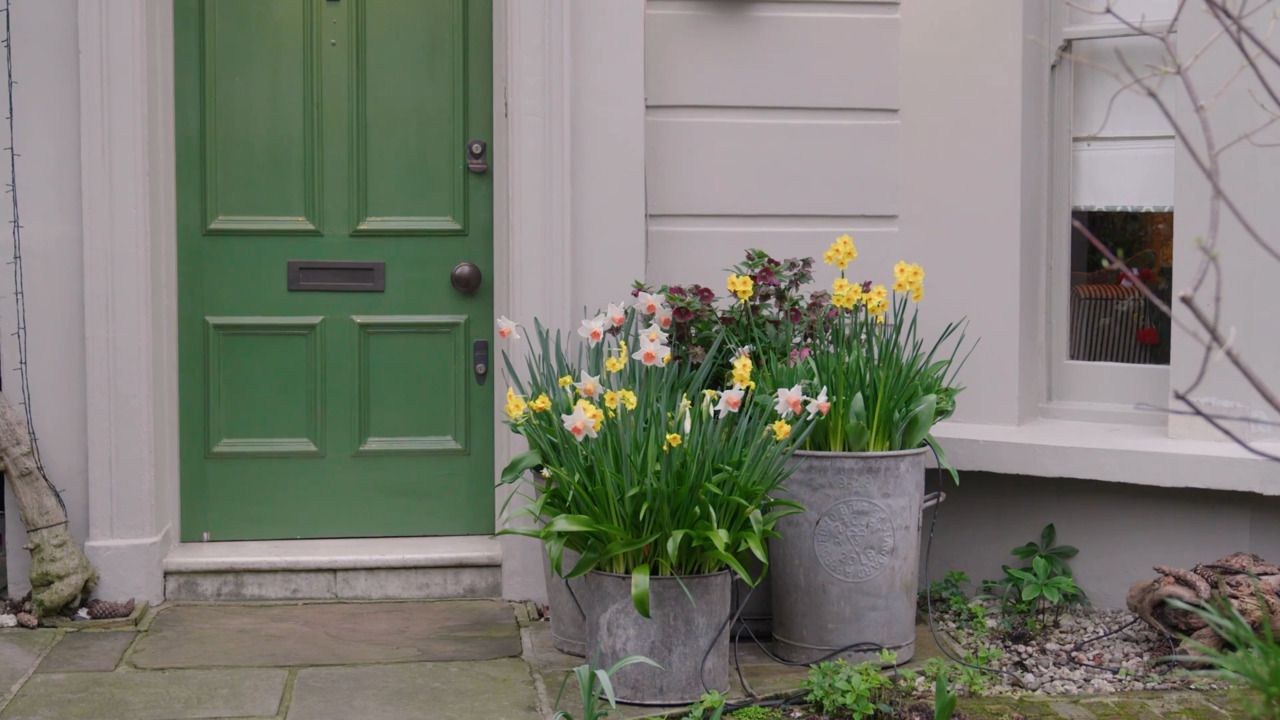
Creating layers with trees, shrubs, perennials and pots also helps to focus the eye, bringing interest to every corner.
If you're unsure of your aspect, head out into your garden with a compass - there's a one on most smartphones - and work out which way your home faces. The aspect of your garden will determine which plants will thrive there.
Pay attention to the way the sun moves around your garden too. Do you get more sunlight in the afternoon or the evening? And are there any buildings or trees that are preventing sunlight from reaching your space?
Once you've worked out the aspect of your garden, take a look online to discover which plants will work best in your space.
Get the full workbook, video lessons, and more with a Create Academy subscription.
Subscribe to access the full workbookAlready a member? Sign in to watch
491 reviews
Read moreCreate Academy has been such a great resource. I'm in the middle of renovating a bungalow with a very large garden and the courses have offered a wealth of inform...
Harvey
Jun 10, 2026
Absolutely love Create Academy! The instructors are extremely informative, and it is beautifully filmed. Create Academy is great value for money and plan on renew...
SG
May 31, 2026
Butter's creativity is stunning! Her ability to incorporate brilliance in small gardens is magical!
Carla
May 30, 2026
The best adventure. I like all the courses, but my favorite are both Rita Konig interior design courses and Anna Jones. Excellent!
Karolina Kluczewska
May 20, 2026
Create Academy has been such a great resource. I'm in the middle of renovating a bungalow with a very large garden and the courses have offered a wealth of information to dive into and explore new ideas. I'm...
Harvey
Jun 10, 2026
Absolutely love Create Academy! The instructors are extremely informative, and it is beautifully filmed. Create Academy is great value for money and plan on renewing my subscription yearly because there are ...
SG
May 31, 2026
Butter's creativity is stunning! Her ability to incorporate brilliance in small gardens is magical!
Carla
May 30, 2026

Your Instructor
Leading British garden designer
Butter Wakefield has been a distinguished garden designer for over 20 years. In 2016, she established her eponymous studio, combining her expertise in interiors with her passion for gardening. Butter's unique ability to connect outside spaces with interiors has made her a sought-after designer, particularly known for her love of city gardens. With over 15 years of experience, Butter has crafted numerous inspirational and purposeful gardens of various sizes in London and beyond.
Her journey into garden design began at the English Gardening School (1997/98), where she completed the Year Diploma Course in Plants and Plantsmanship, winning two prizes. Butter further honed her skills at the London College of Garden Design (2013/14), graduating with a Merit Commended. Before venturing into garden design, she worked as an interior design assistant at Colefax and Fowler on Brook Street. Here, she developed a deep appreciation for scale, texture, pattern, colour, and the core principles of design.
Access to all courses


