
Interior and exterior confidence
Create Academy has been such a great resource. I'm in the middle of renovating a bungalow with a very large garden and the courses have offered a wealth of inform...
Harvey
Jun 10, 2026
with CLARE FOSTER — Garden writer and plantswoman. Seed growing expert. Garden Editor of House & Garden magazine.
Lesson 4 of 33
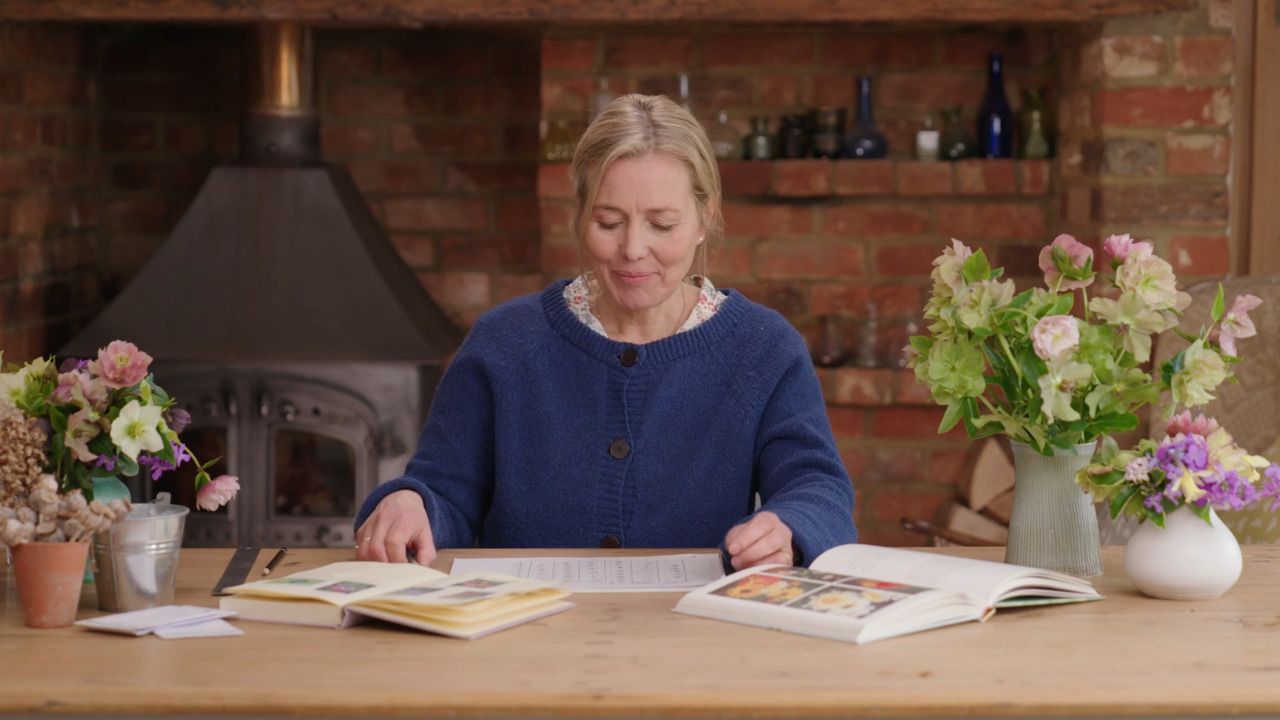
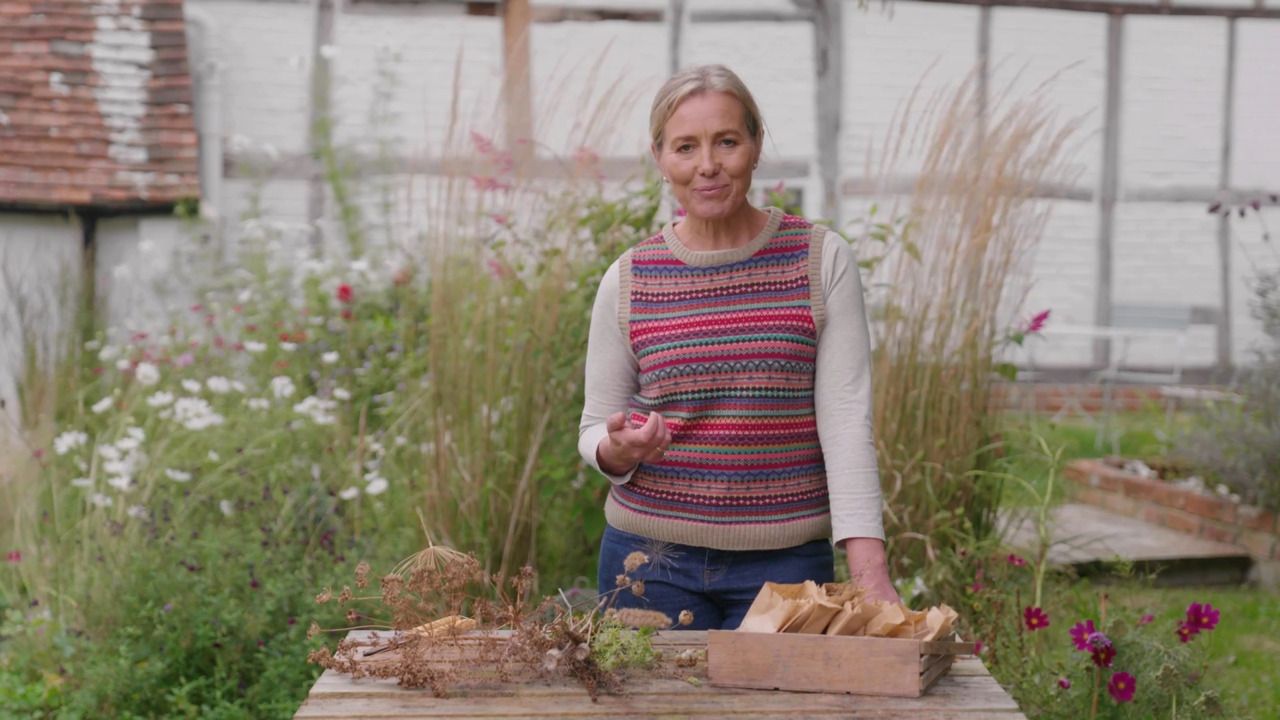
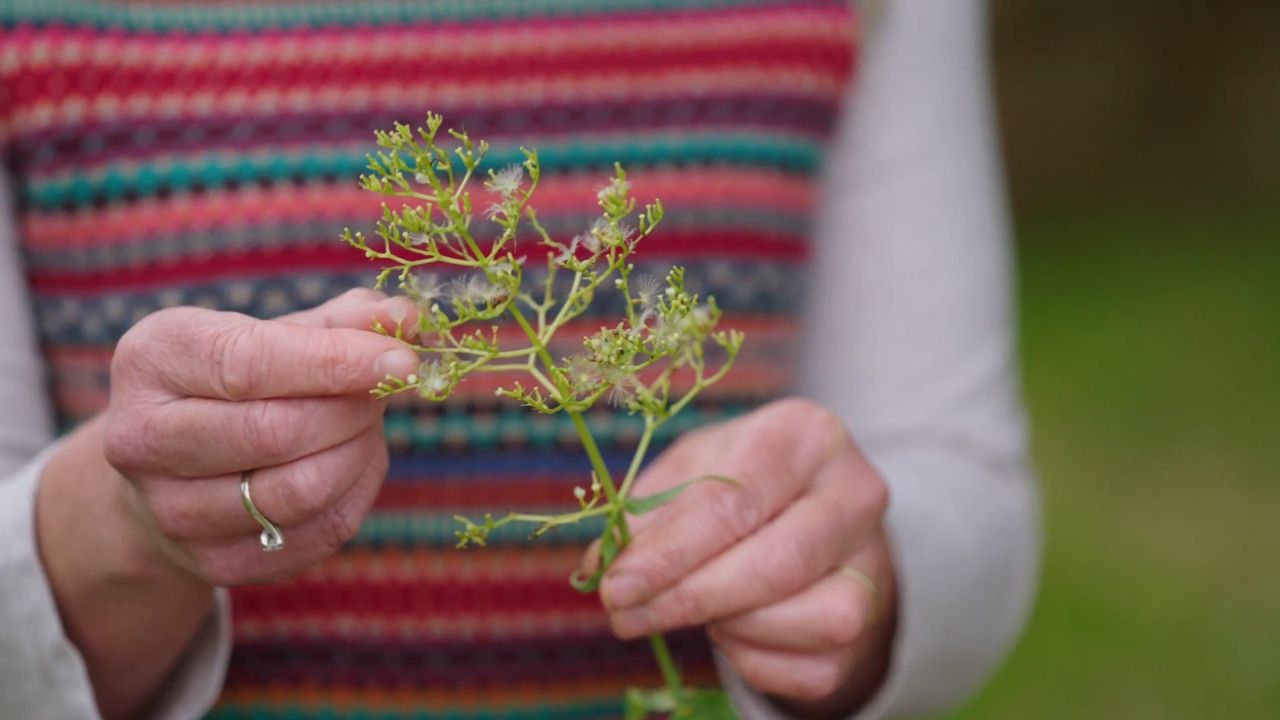
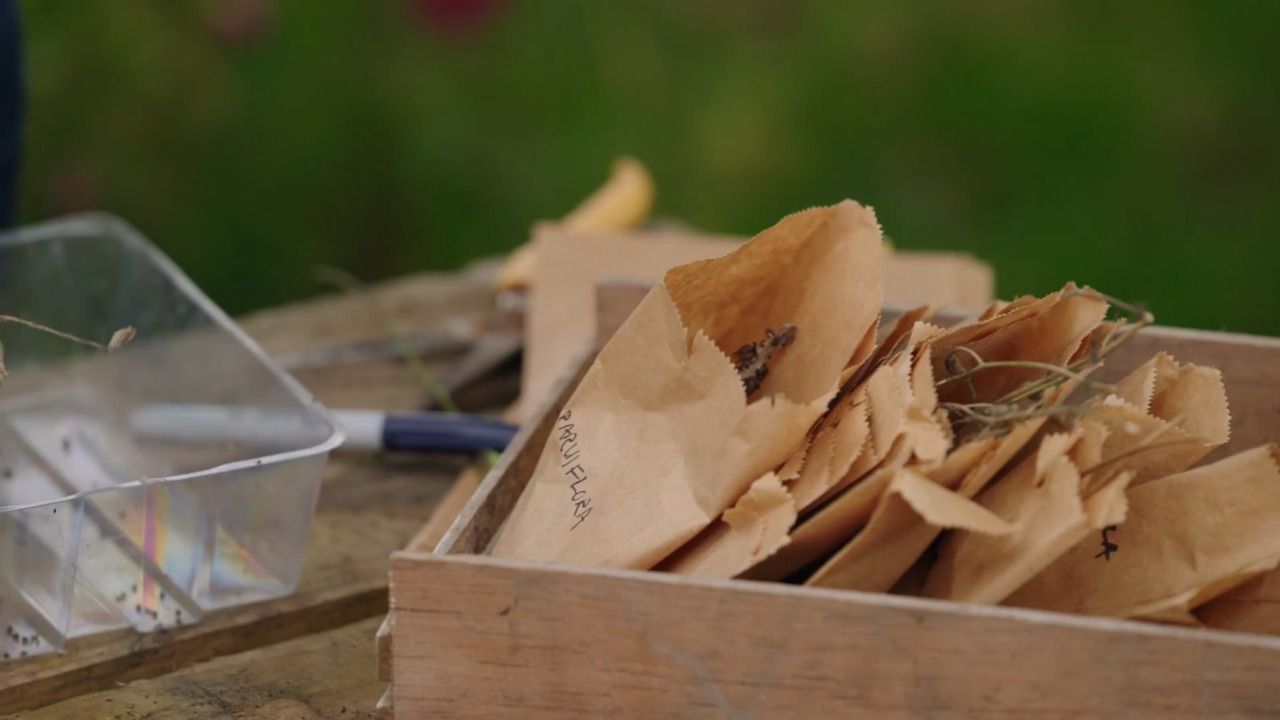
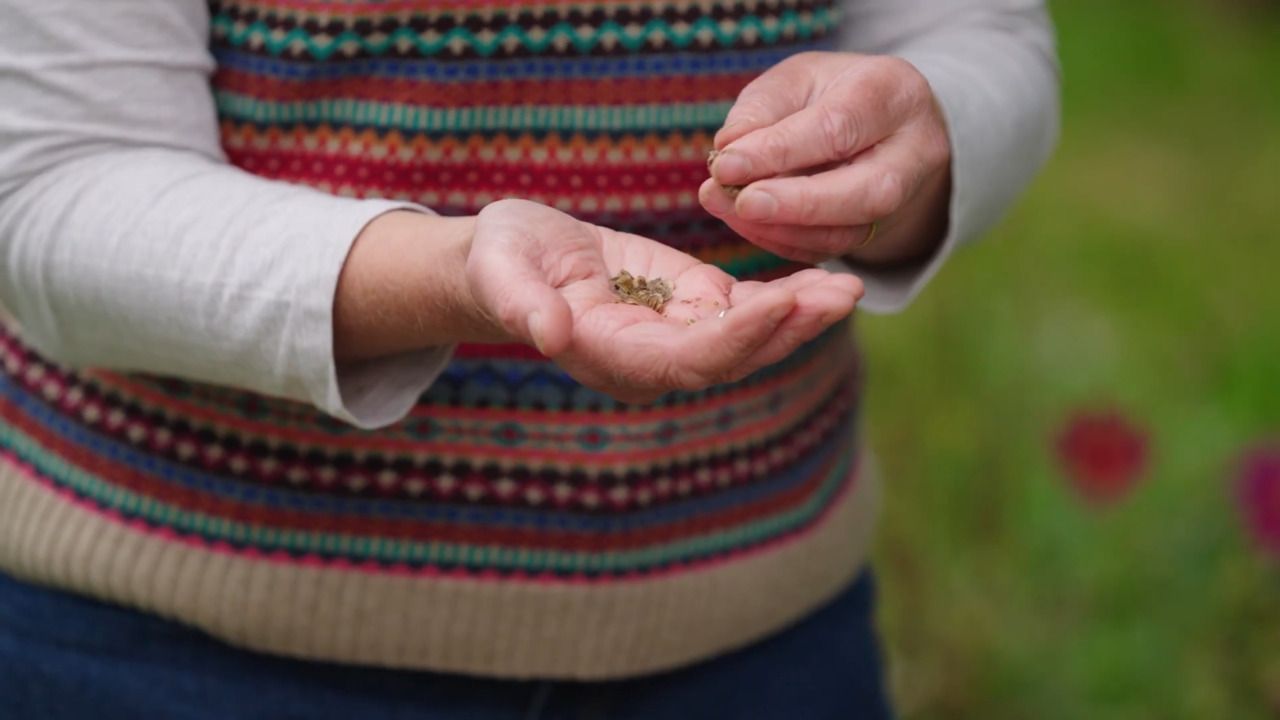
You don't need a lot of space to create your own cut flower patch. Clare takes us through how to plan and organise a cut flower bed, and how to choose what to grow in it.
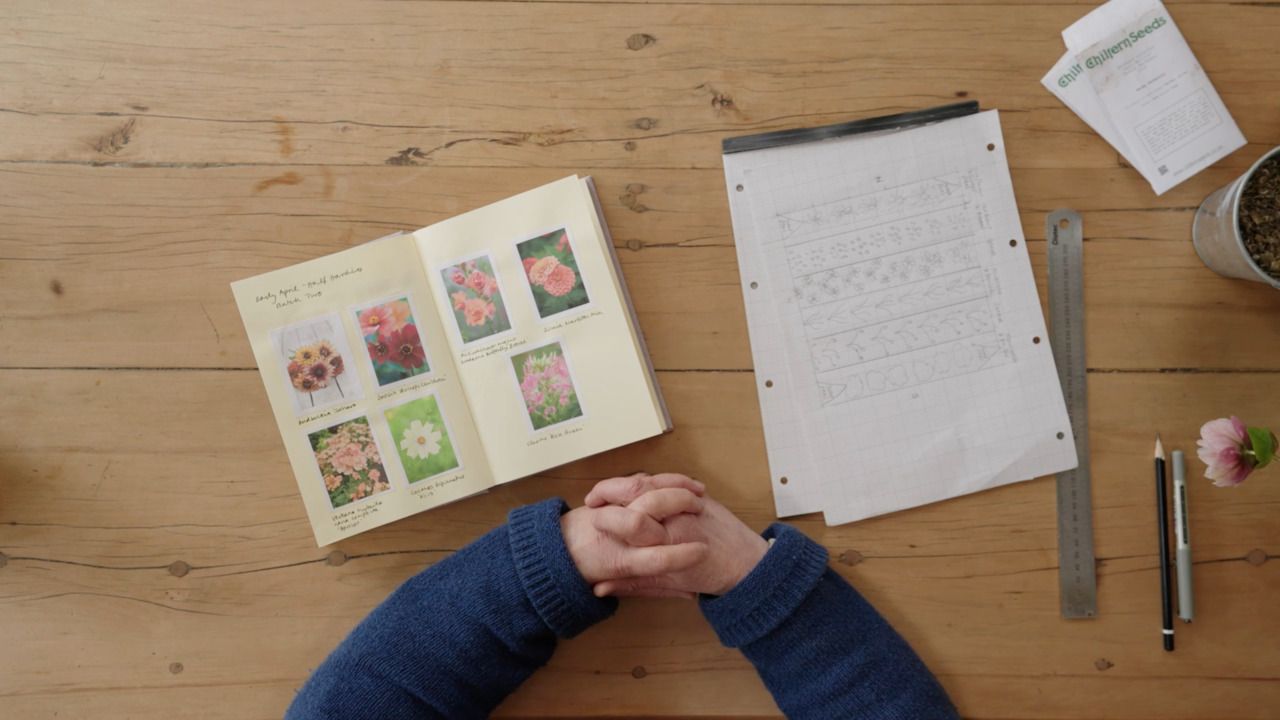
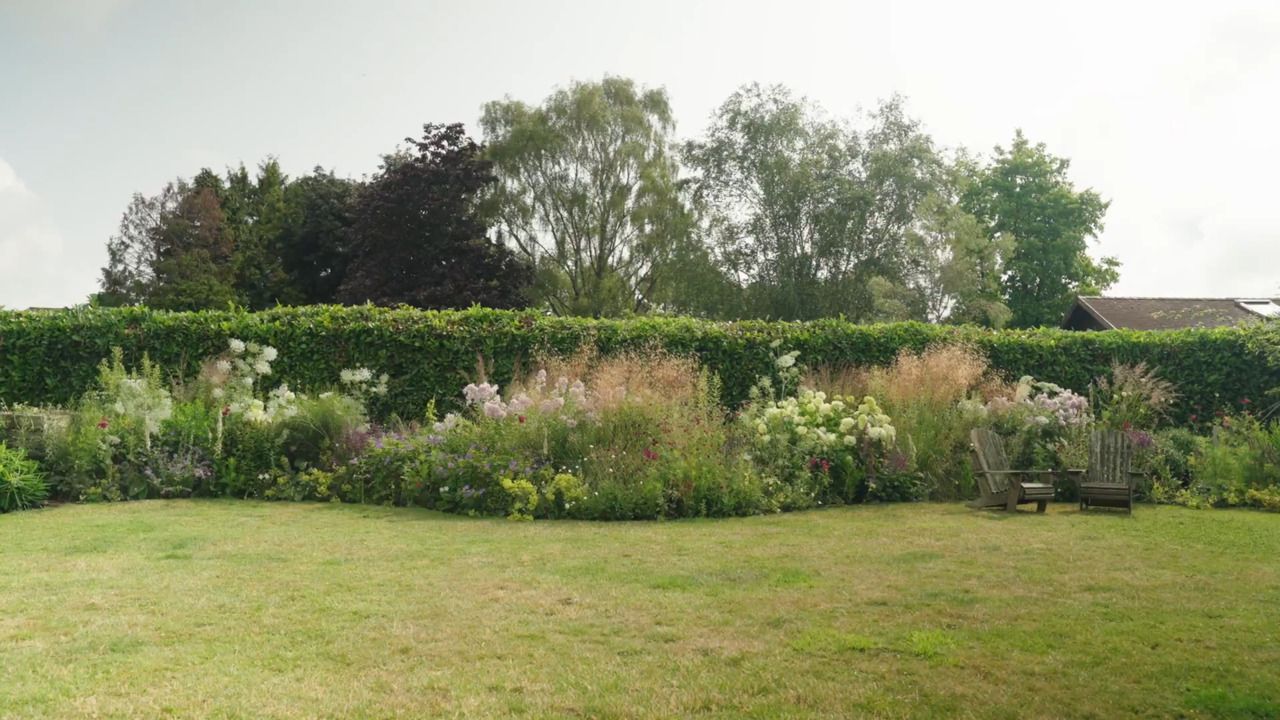
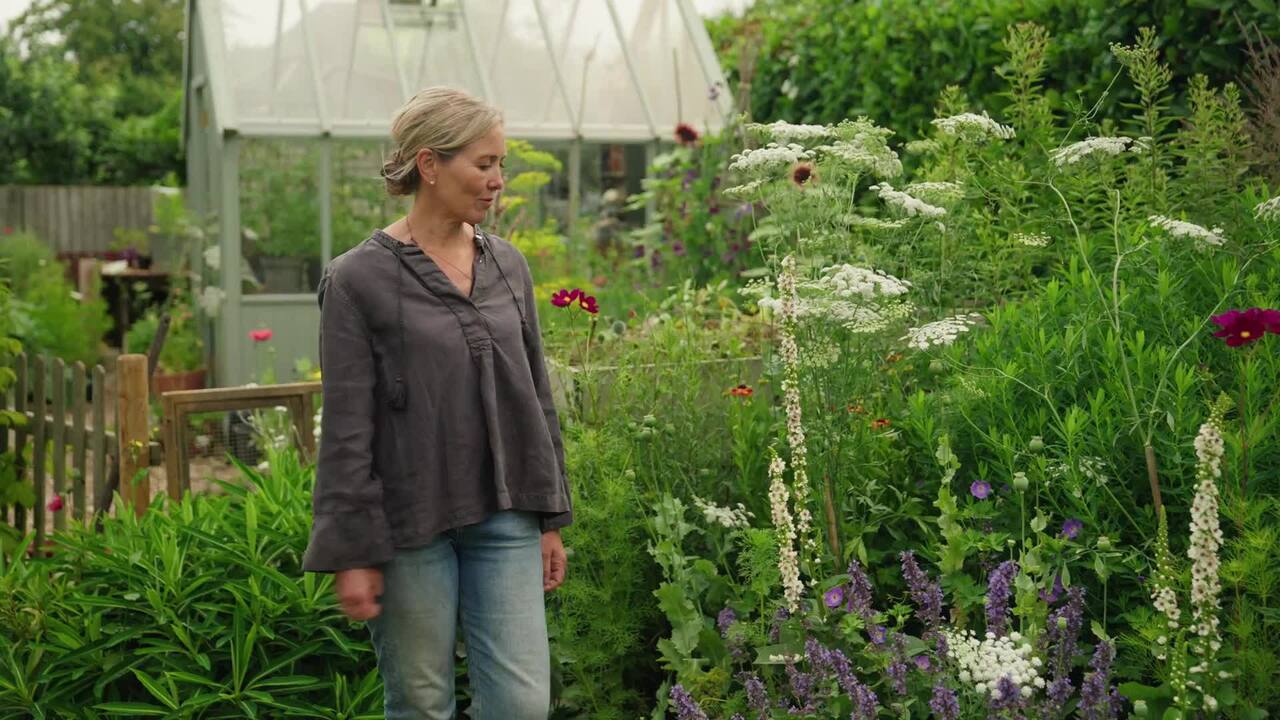
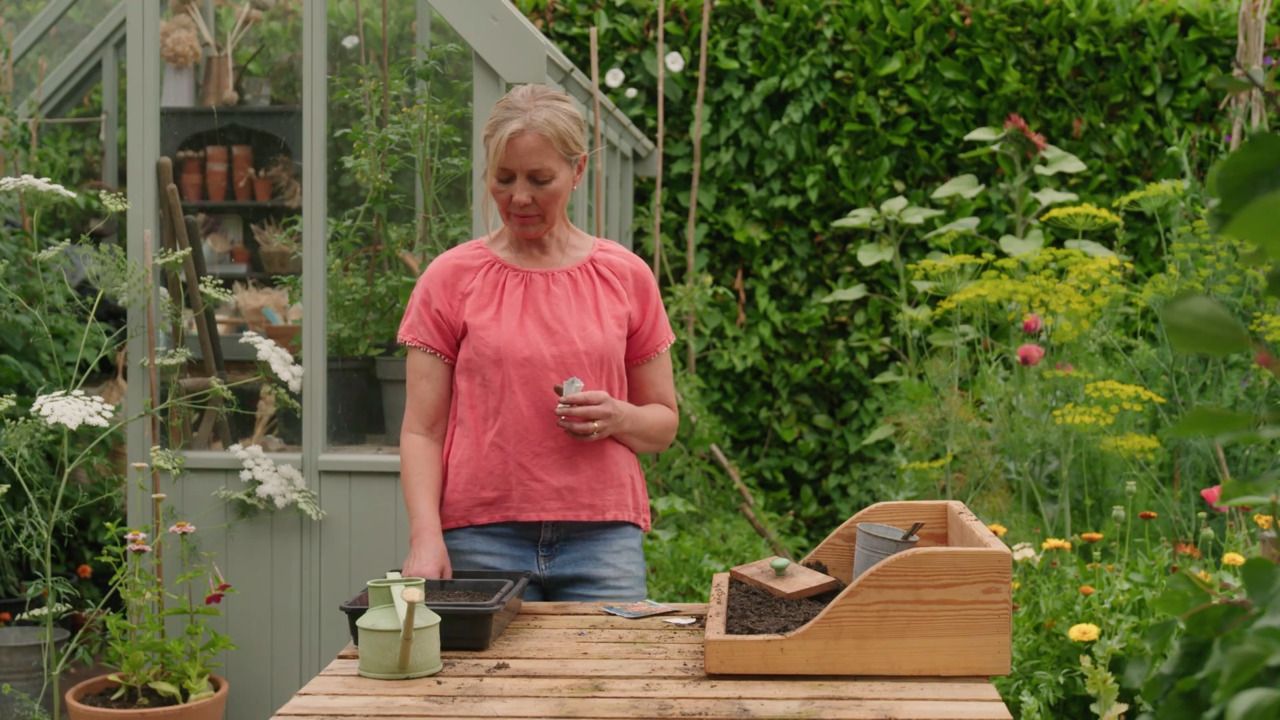
You don't need a lot of space to create your own cut flower patch. With these tips, you'll be able to plan and organise your own cut flower bed, and start thinking about choosing what to grow in it.
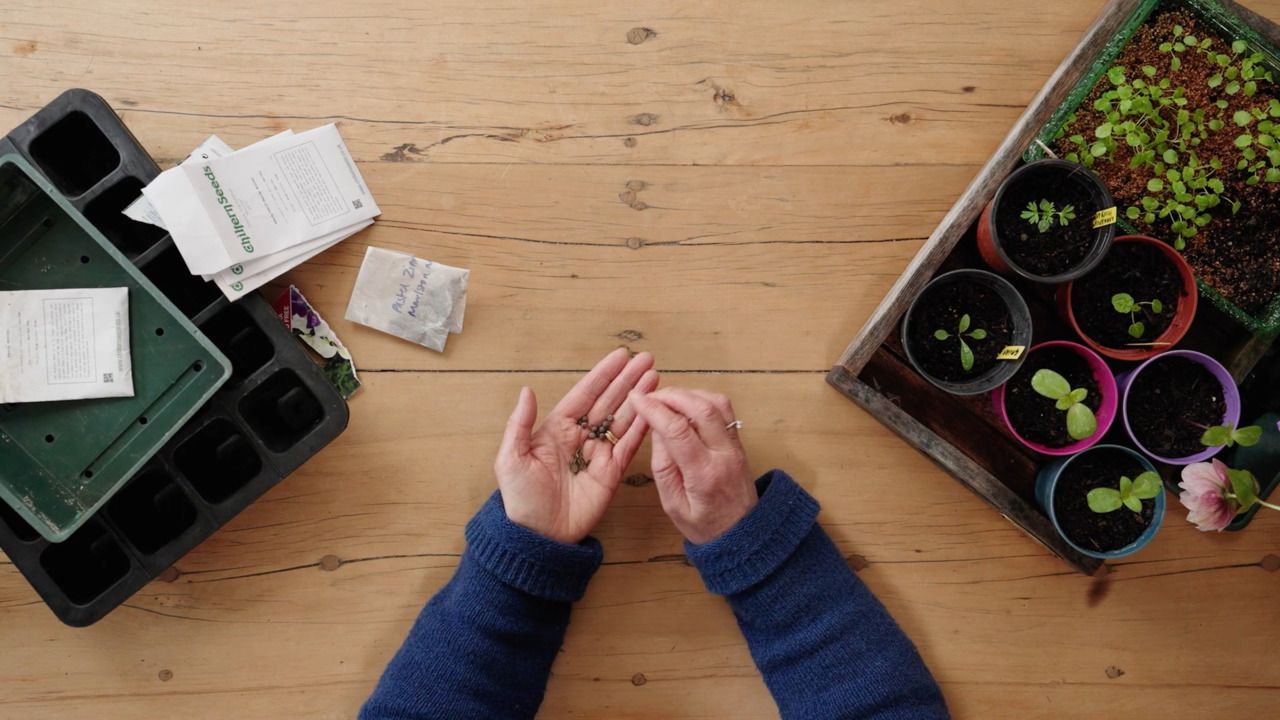
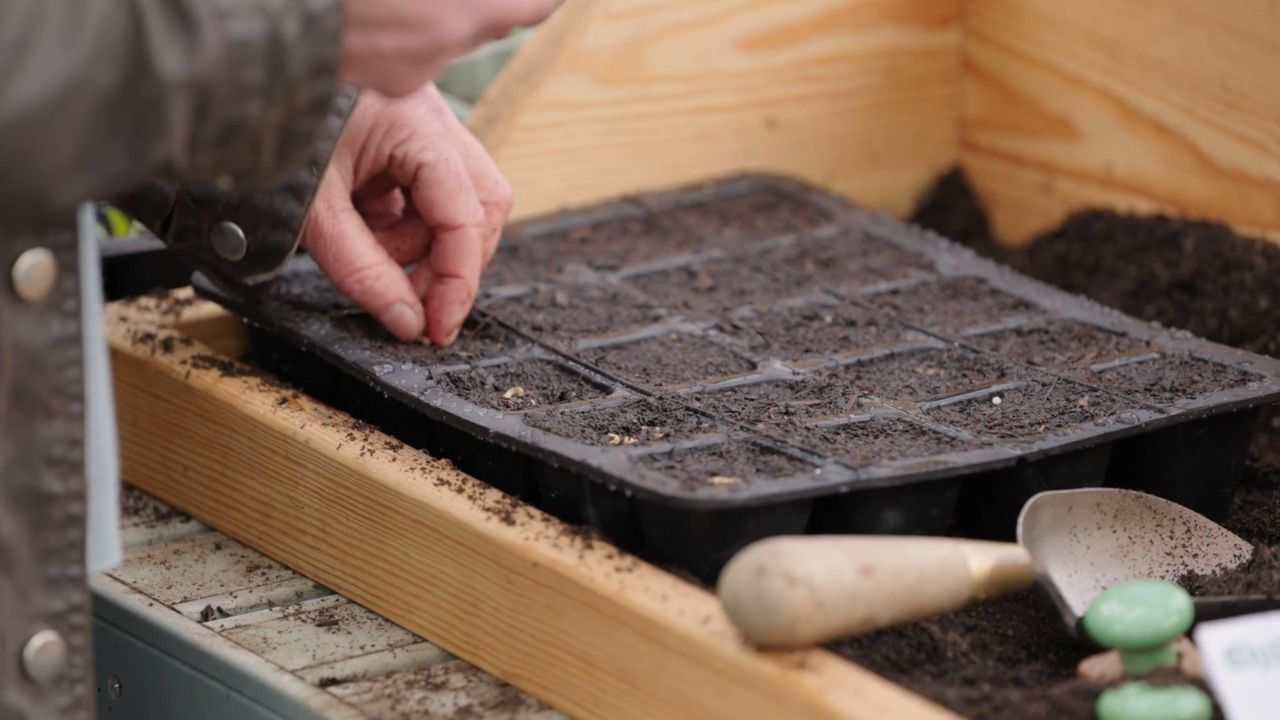
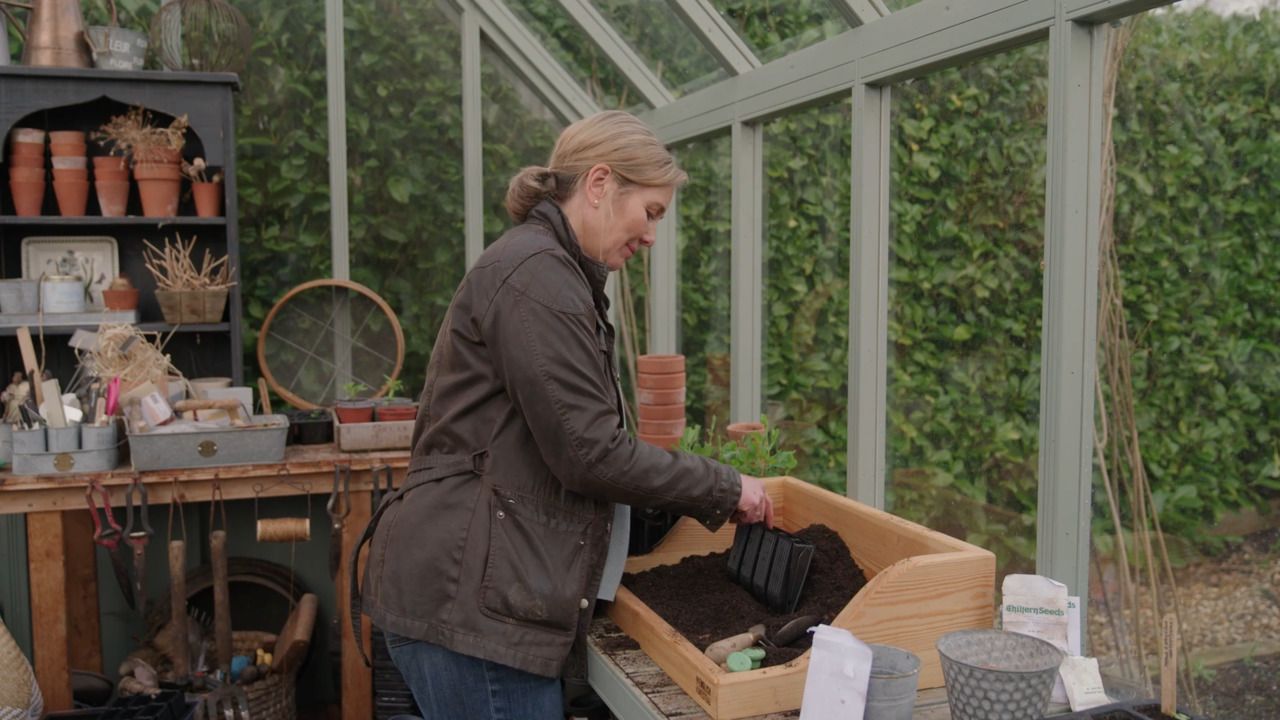
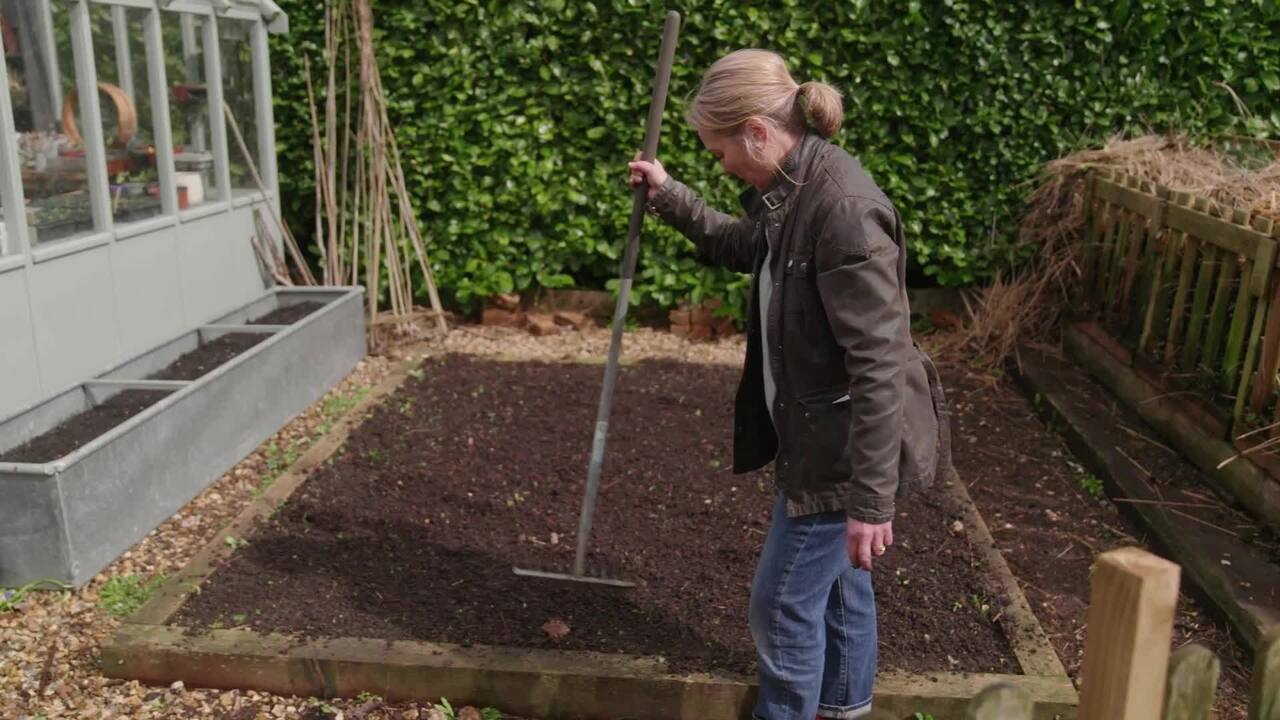
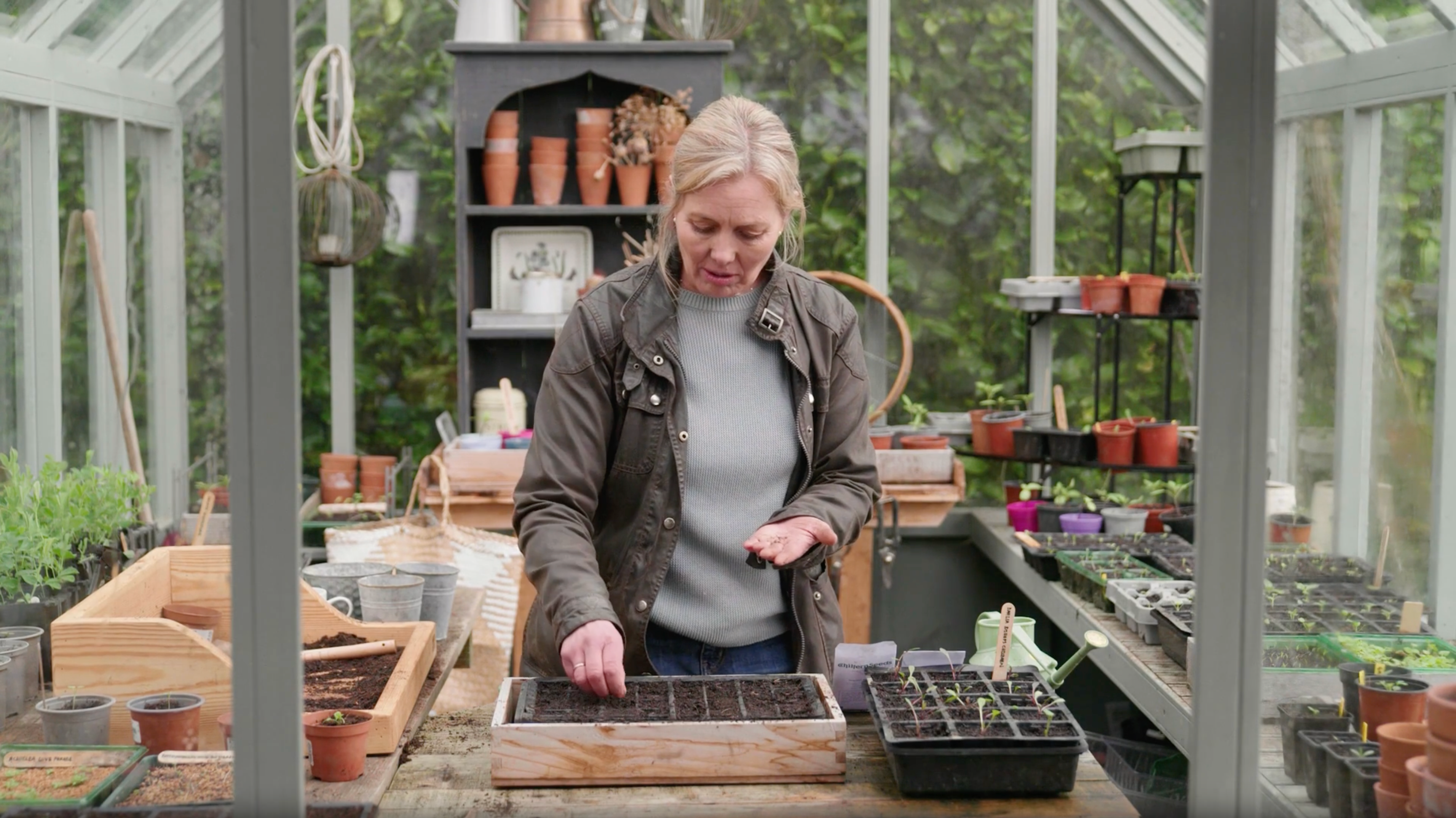
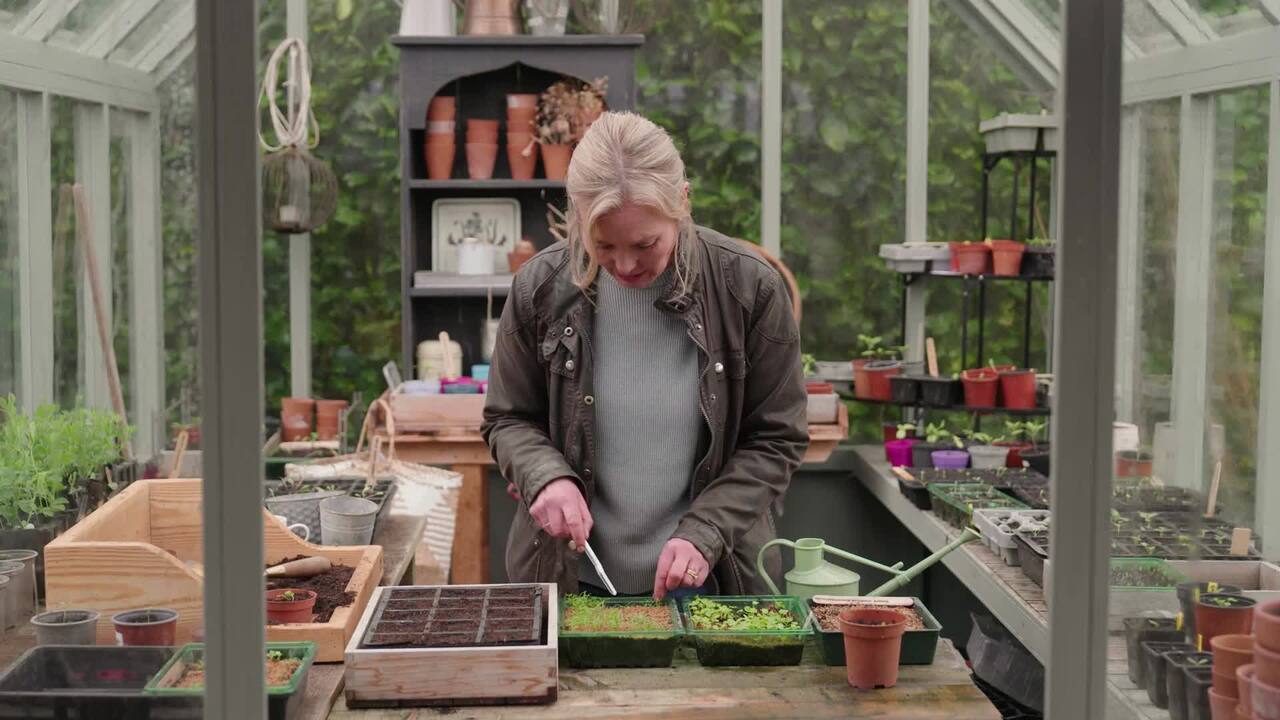
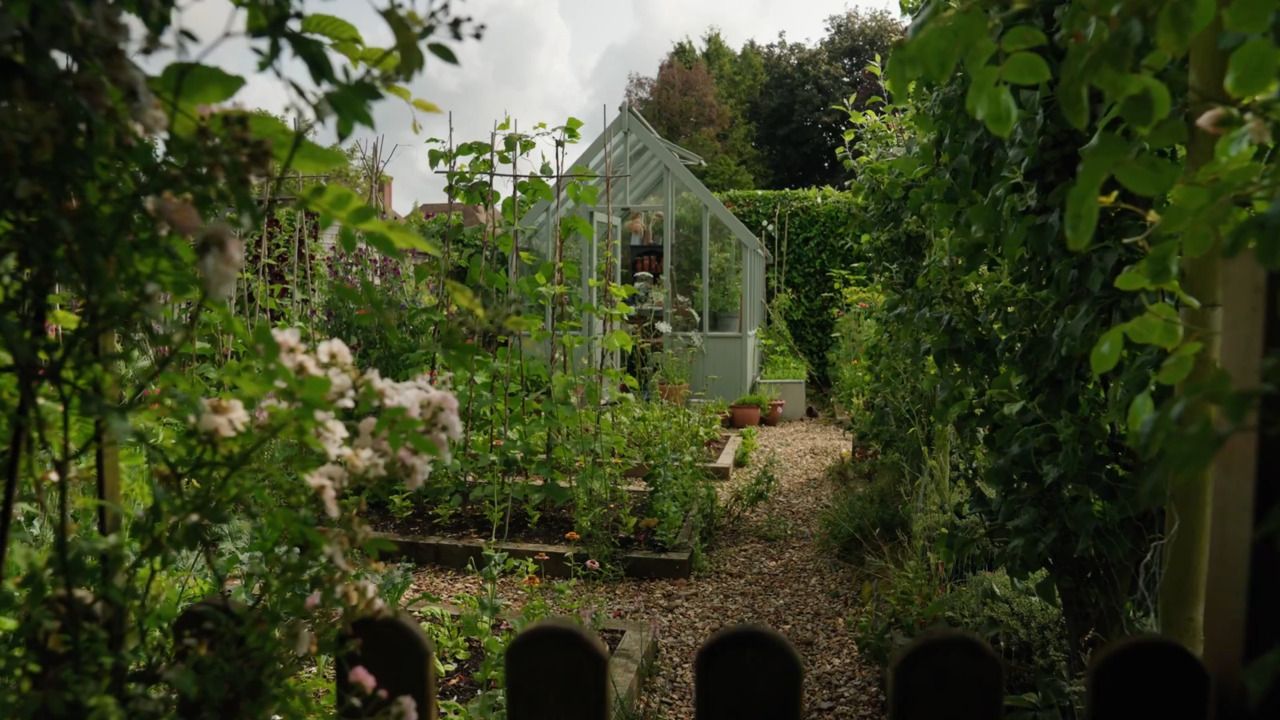
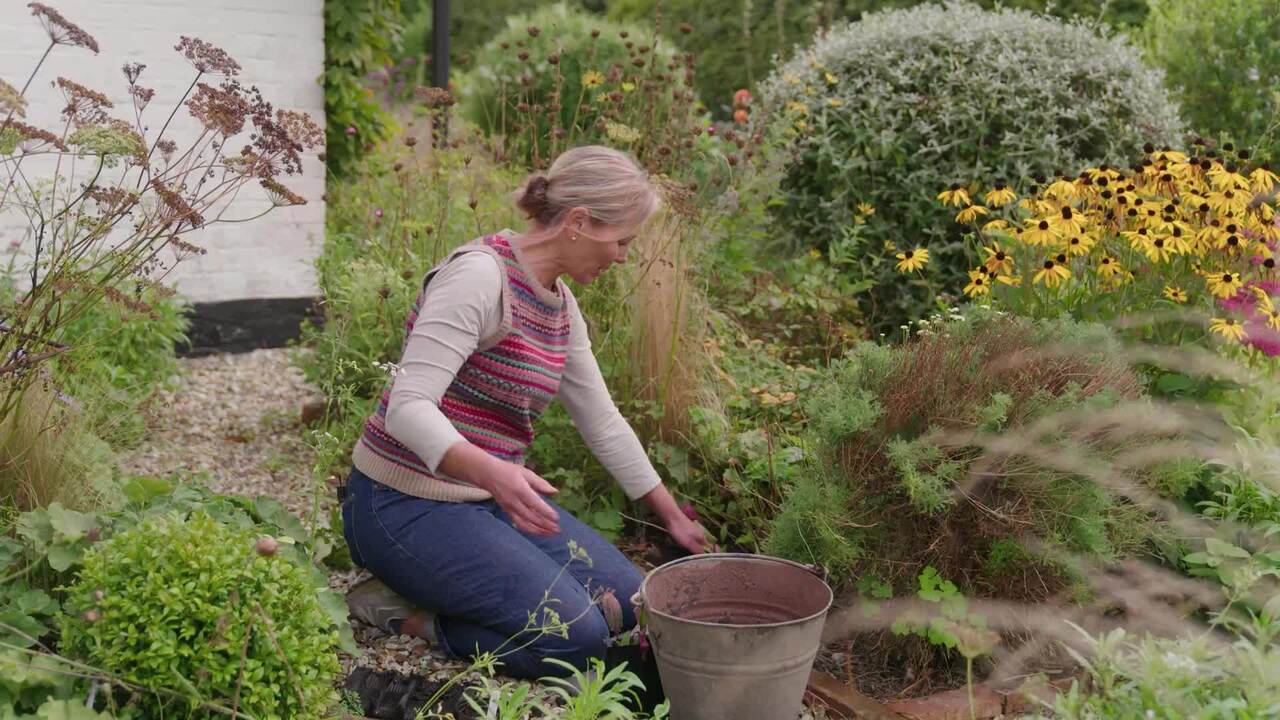
I'm planning a cut flower patch grown entirely from seed. It's a vegetable bed that I'm devoting to cut flowers this year, so it will be 2.6m long by 2.4m wide. The flowers will be grown in rows and will all be annuals.
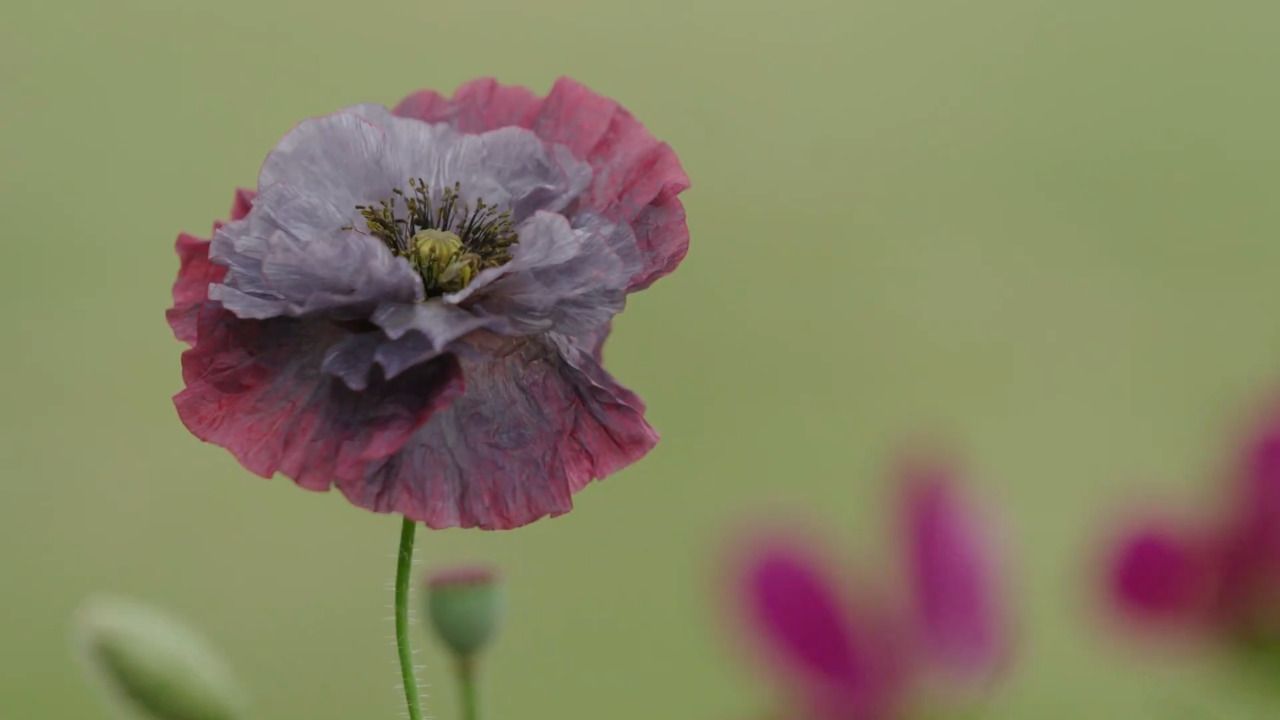
> To see something develop when you've nurtured it from a seed, and see it grow and turn into this amazing flowering plant... There's nothing more satisfying and exciting
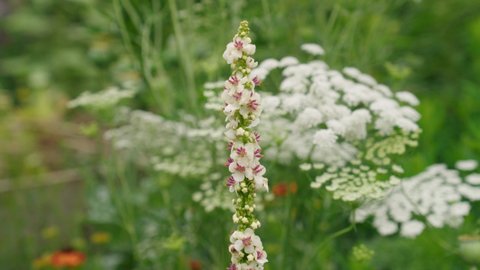
Ammi majus
False bishop's weed
Hardy annual
Apiaceae
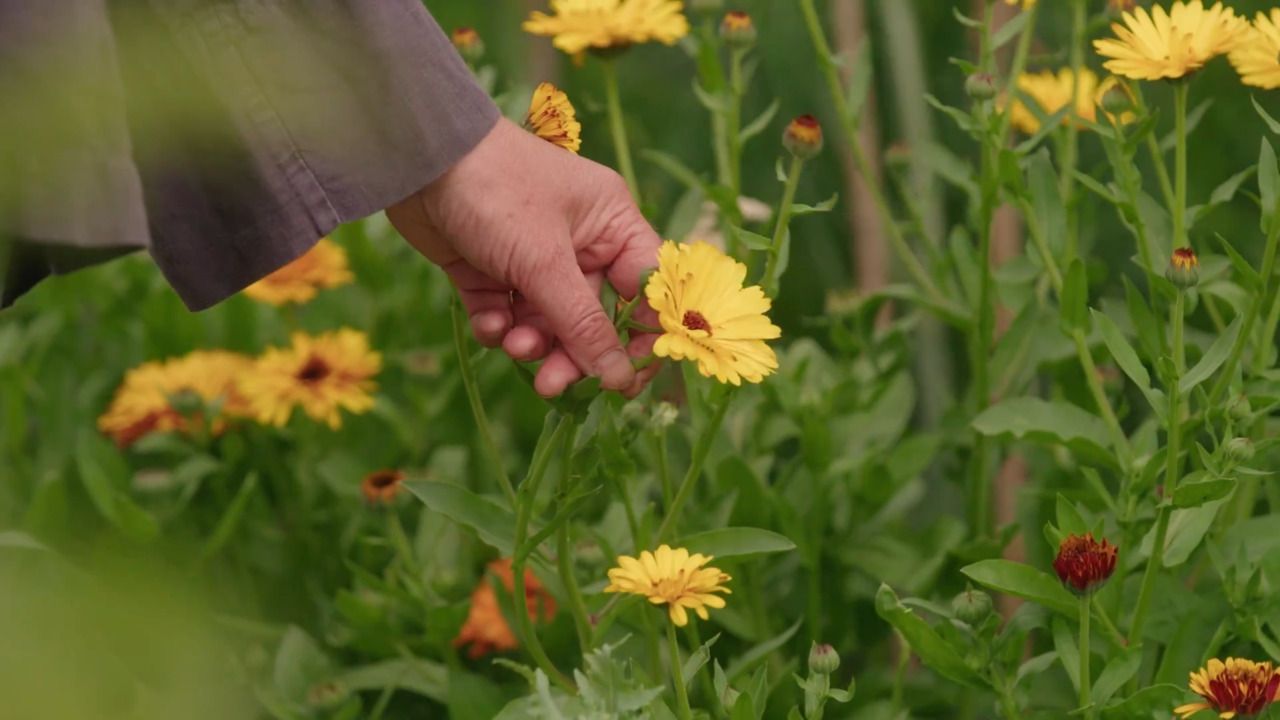
Calendula officinalis 'Touch of Red Buff', 'Indian Prince'
Common marigold 'Touch of Red Buff', 'Indian Prince'
Hardy annual or biennial
Asteraceae
Cosmos bipinnatus 'Dazzler'
Mexican aster, cosmea
Half-hardy annual
Asteraceae
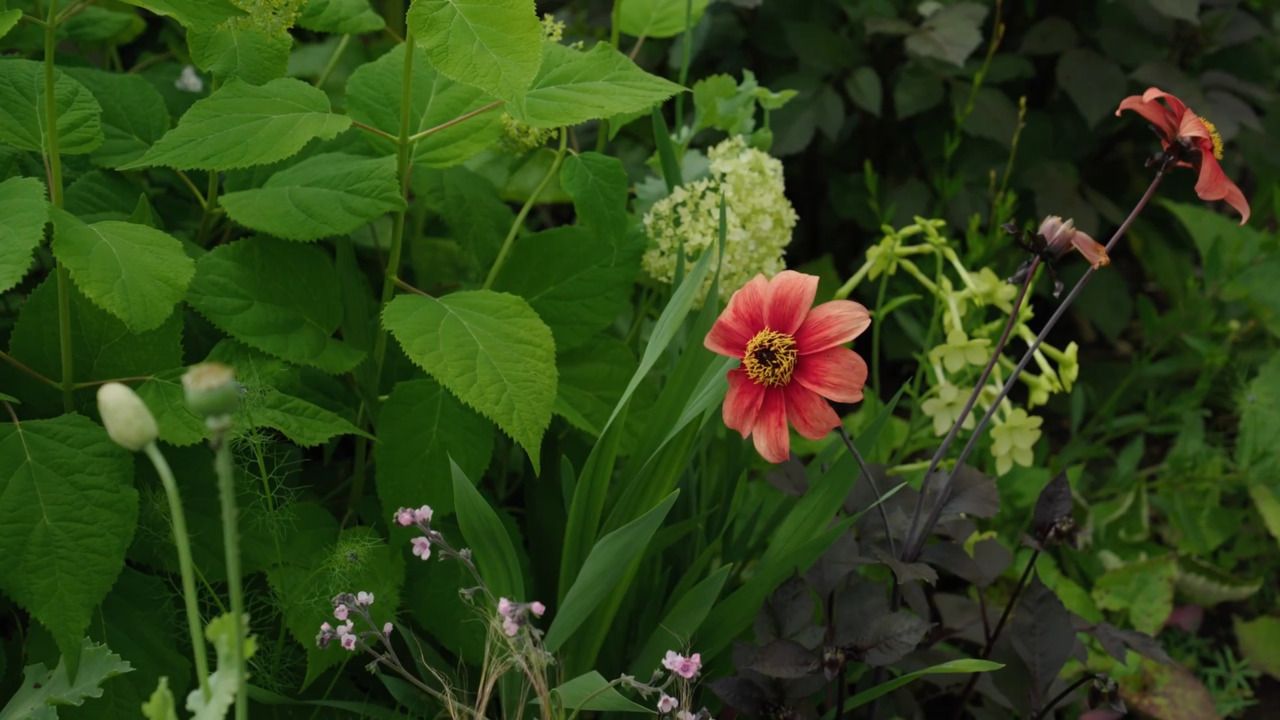
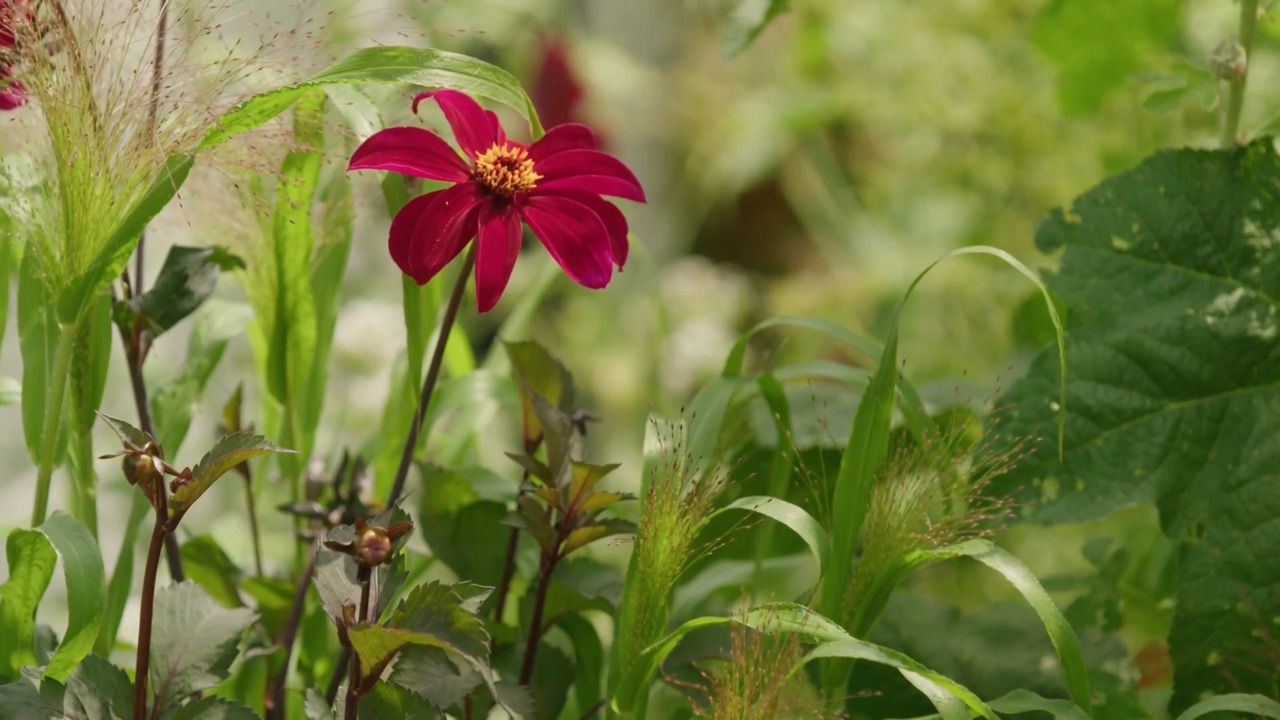
Helianthemum annuum 'Ruby Eclipse'
Sunflower 'Ruby Eclipse'
Half-hardy annual
Asteraceae
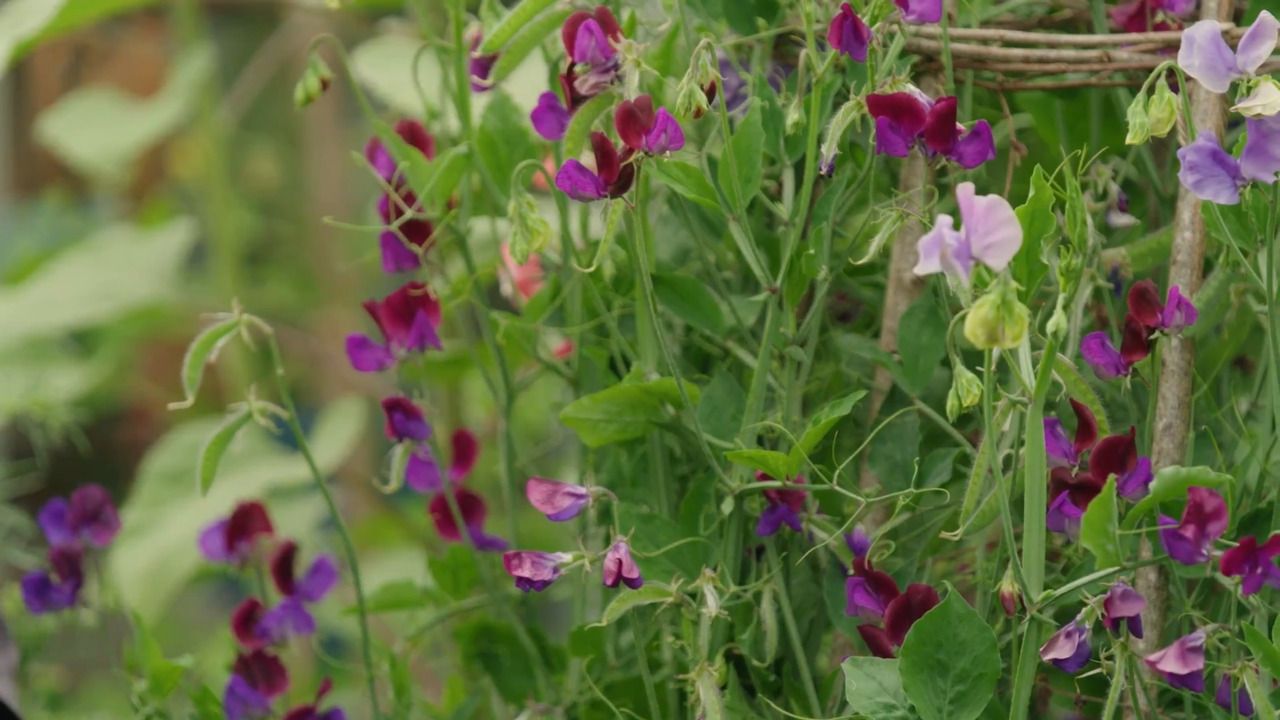
Lathyrus odoratus cultivars
Sweet peas
Hardy annuals
Fabaceae
Nicotiana 'Lime Green'
Tobacco flower 'Lime Green'
Short-lived tender perennial, grown as half-hardy annual
Solanaceae
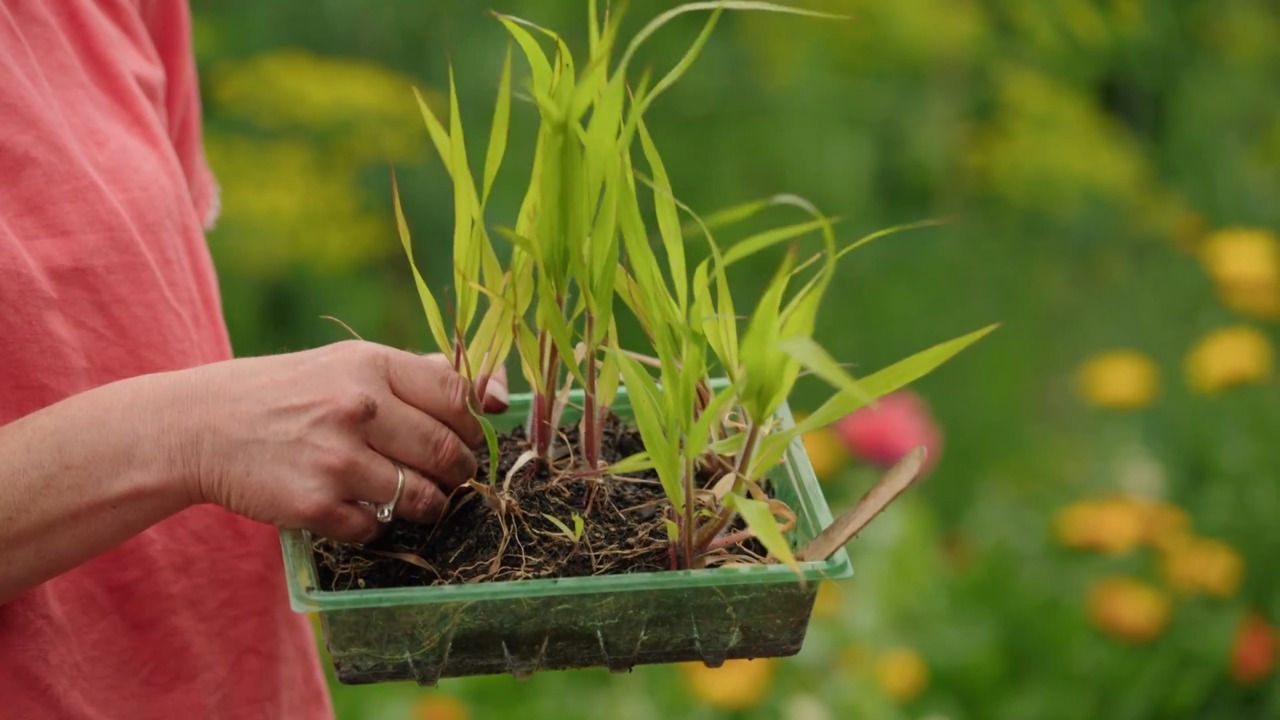
Panicum elegans 'Sprinkles'
Panic grass 'Sprinkles'
Half-hardy annual
Poaceae
Phlox drummondii 'Crème Brûlée'
Annual phlox 'Crème Brûlée'
Short-lived perennial grown as half-hardy annual
Polemoniaceae
Scabiosa atropurpurea 'Black Knight'
Scabious 'Black Knight'
Short-lived herbaceous perennial
Caprifoliaceae
Tropaeolum 'Ladybird Rose'
Nasturtium 'Ladybird Rose'
Tender perennial grown as half-hardy perennial
Tropaeolaceae
Zinnia MFG (Almost) Perfectly Pastel (mixed)
Common zinnia MFG (Almost) Perfectly Pastel (mixed)
Half-hardy annual
Asteraceae
Get the full workbook, video lessons, and more with a Create Academy subscription.
Subscribe to access the full workbookAlready a member? Sign in to watch
510 reviews
Read moreCreate Academy has been such a great resource. I'm in the middle of renovating a bungalow with a very large garden and the courses have offered a wealth of inform...
Harvey
Jun 10, 2026
Absolutely love Create Academy! The instructors are extremely informative, and it is beautifully filmed. Create Academy is great value for money and plan on renew...
SG
May 31, 2026
Butter's creativity is stunning! Her ability to incorporate brilliance in small gardens is magical!
Carla
May 30, 2026
The best adventure. I like all the courses, but my favorite are both Rita Konig interior design courses and Anna Jones. Excellent!
Karolina Kluczewska
May 20, 2026
Create Academy has been such a great resource. I'm in the middle of renovating a bungalow with a very large garden and the courses have offered a wealth of information to dive into and explore new ideas. I'm...
Harvey
Jun 10, 2026
Absolutely love Create Academy! The instructors are extremely informative, and it is beautifully filmed. Create Academy is great value for money and plan on renewing my subscription yearly because there are ...
SG
May 31, 2026
Butter's creativity is stunning! Her ability to incorporate brilliance in small gardens is magical!
Carla
May 30, 2026

Your Instructor
Garden writer and plantswoman. Seed growing expert. Garden Editor of House & Garden magazine.
Clare Foster is a gardener, writer and journalist. She has been House & Garden’s Garden Editor since 2005, and before that was the Editor of Gardens Illustrated. Clare is an expert at growing from seed and has written a book on the topic called, 'The Flower Garden: how to grow flowers from seed'.

Access to all courses


