

Interior and exterior confidence
Create Academy has been such a great resource. I'm in the middle of renovating a bungalow with a very large garden and the courses have offered a wealth of inform...
Harvey
Jun 10, 2026
with CLARE FOSTER — Garden writer and plantswoman. Seed growing expert. Garden Editor of House & Garden magazine.
Lesson 21 of 33
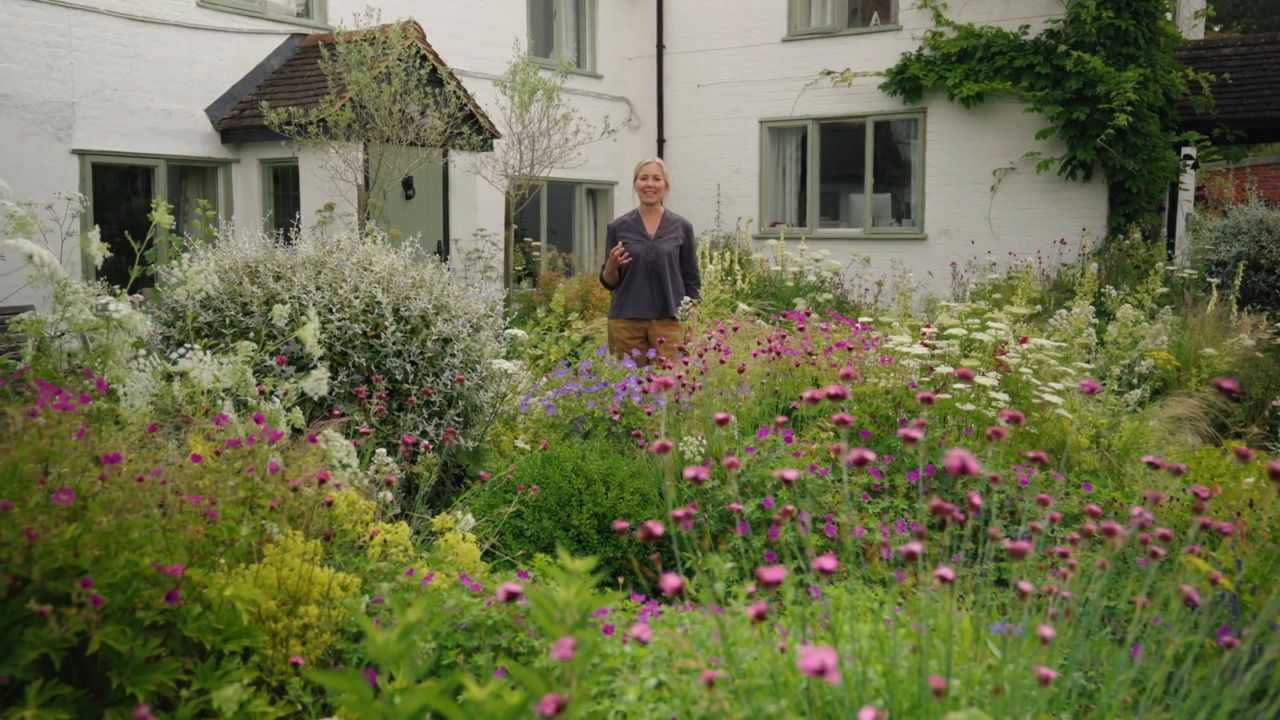
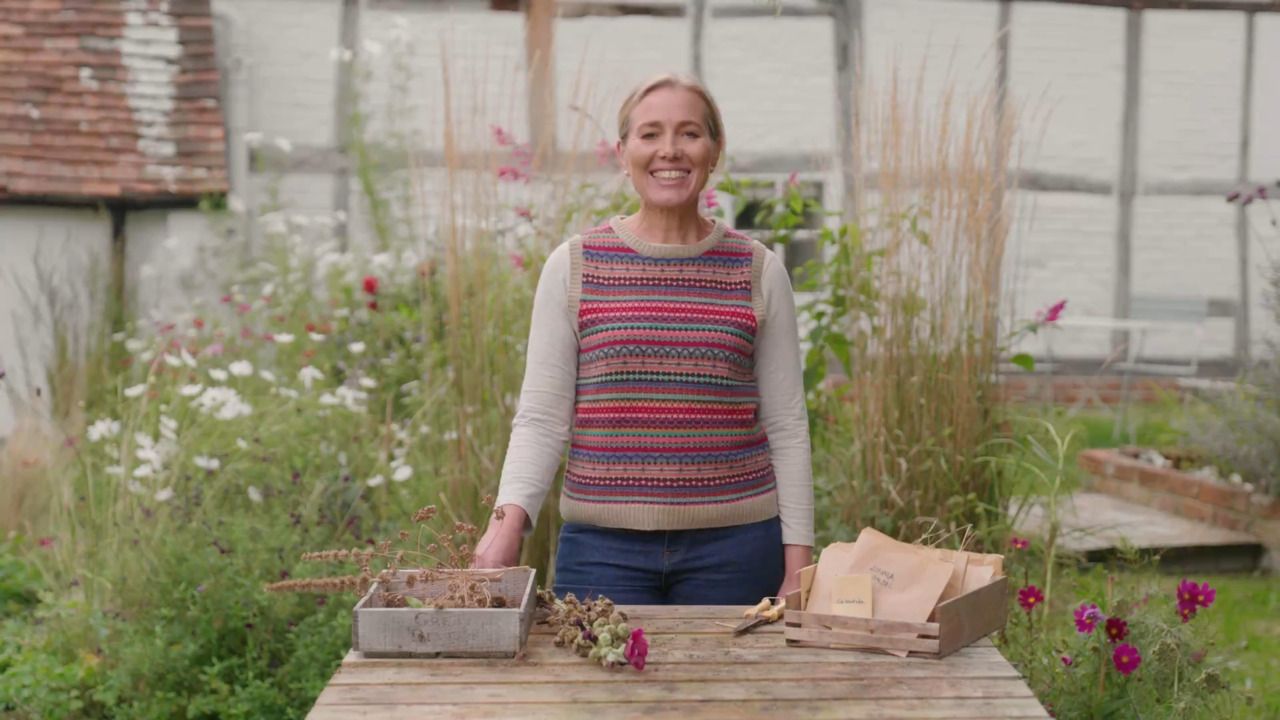
As Clare shares how she created and maintains her gravel garden, we discover a totally different way to use plants grown from seed – and encourage plants to grow themselves from seed – for a dynamic and rewarding garden that stands up to drought.
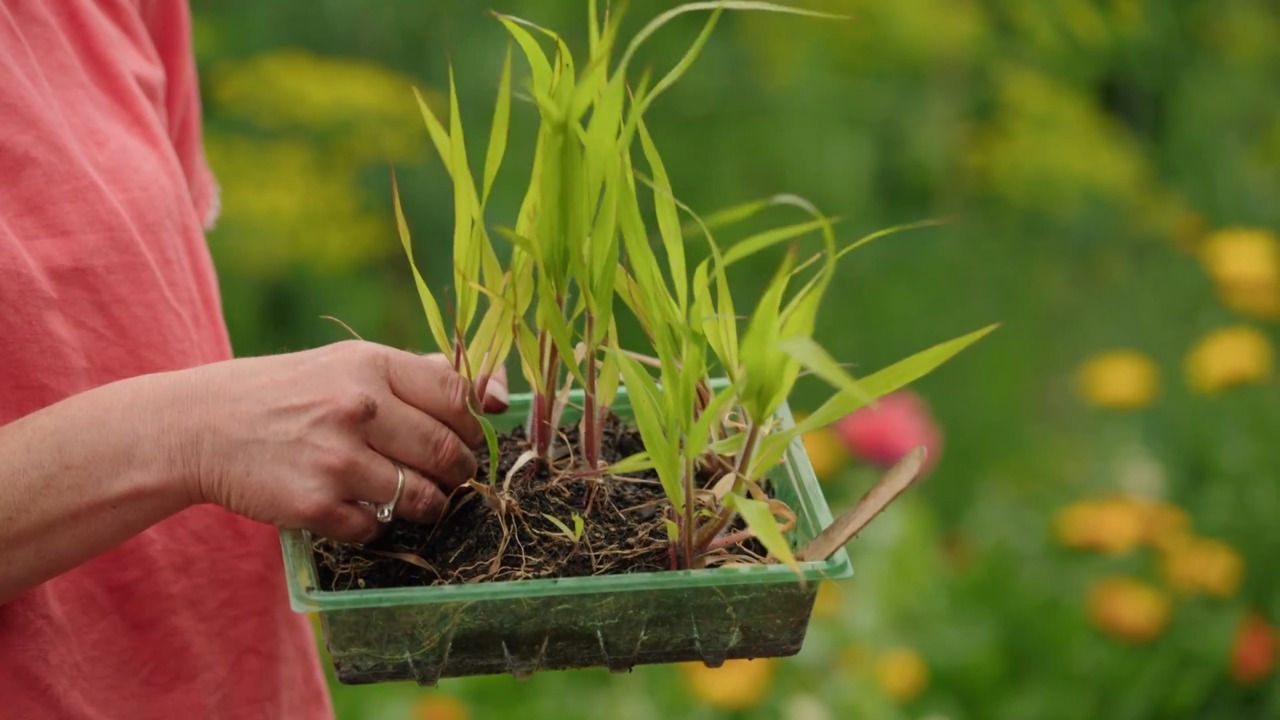
Now I'm going to introduce a totally different way to use plants grown from seed – and encourage plants to grow themselves from seed – for a dynamic and rewarding garden that stands up to drought.
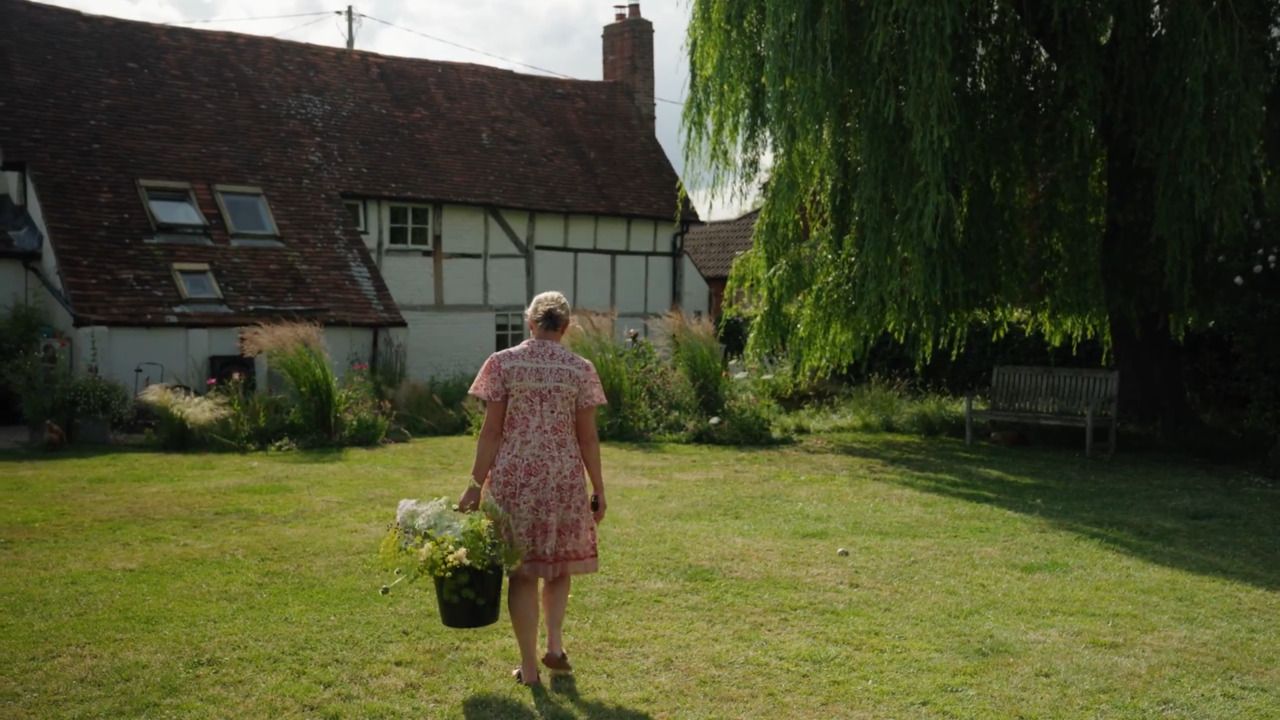
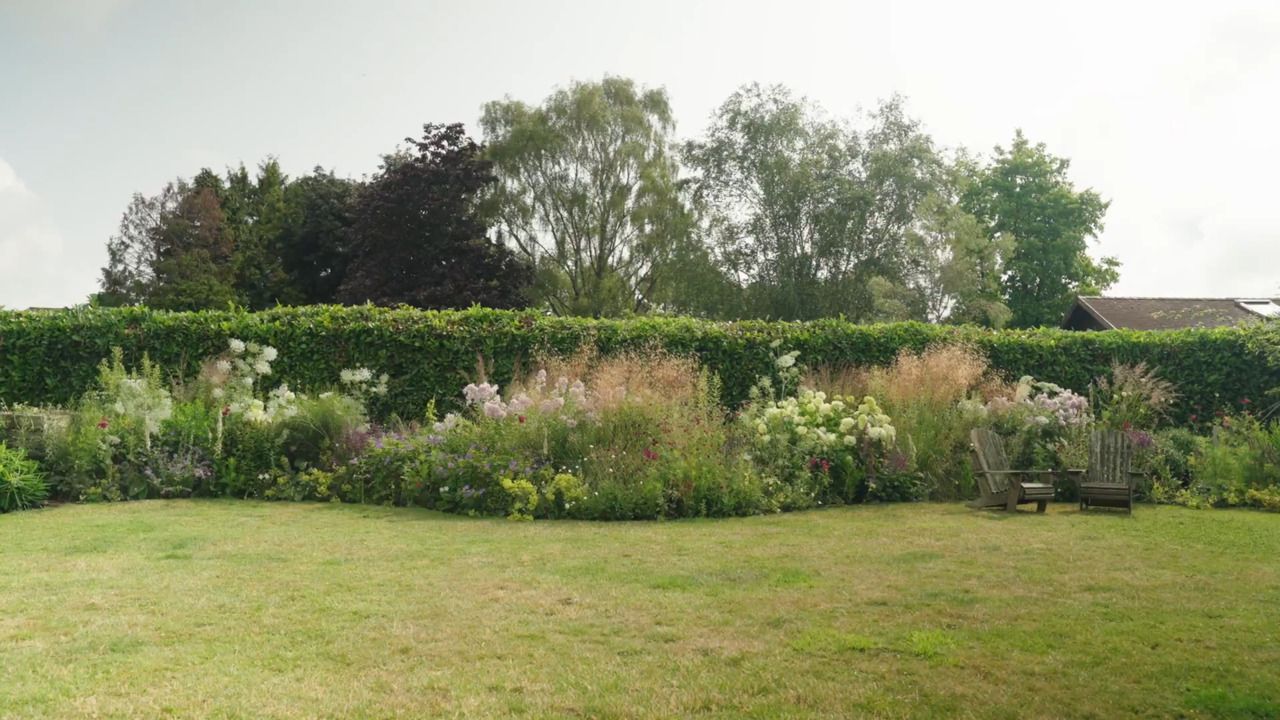
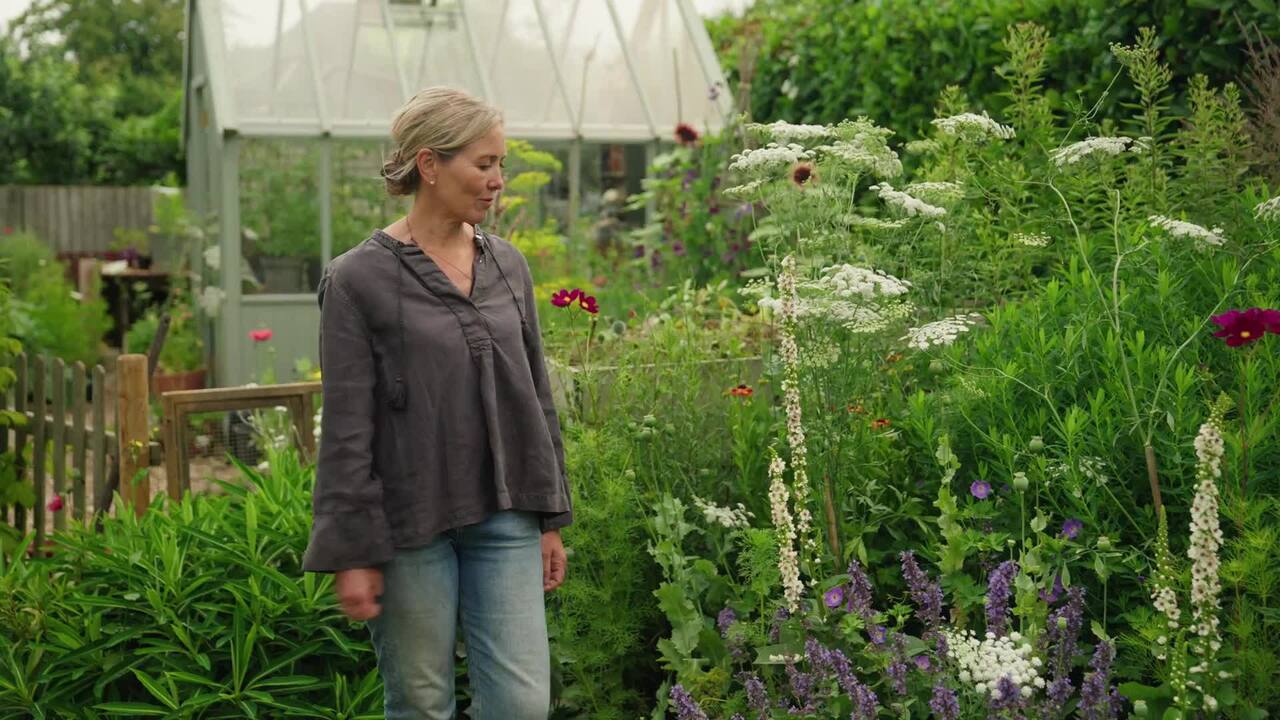
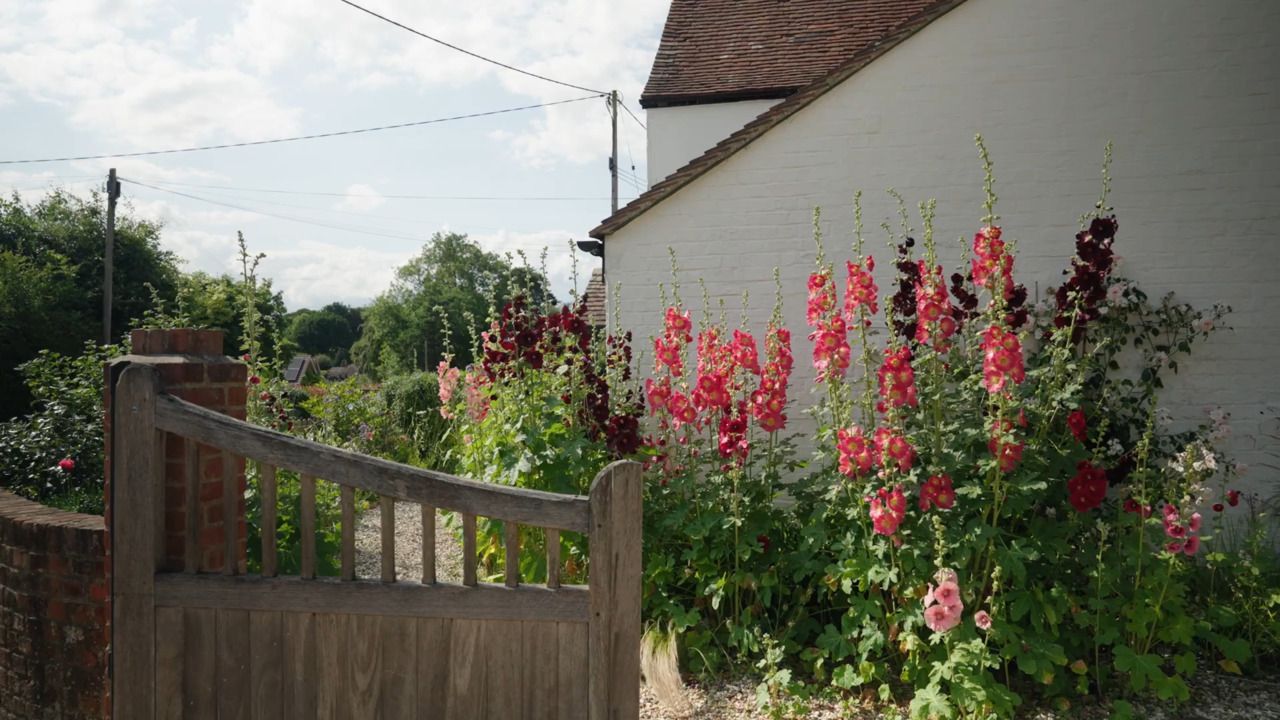
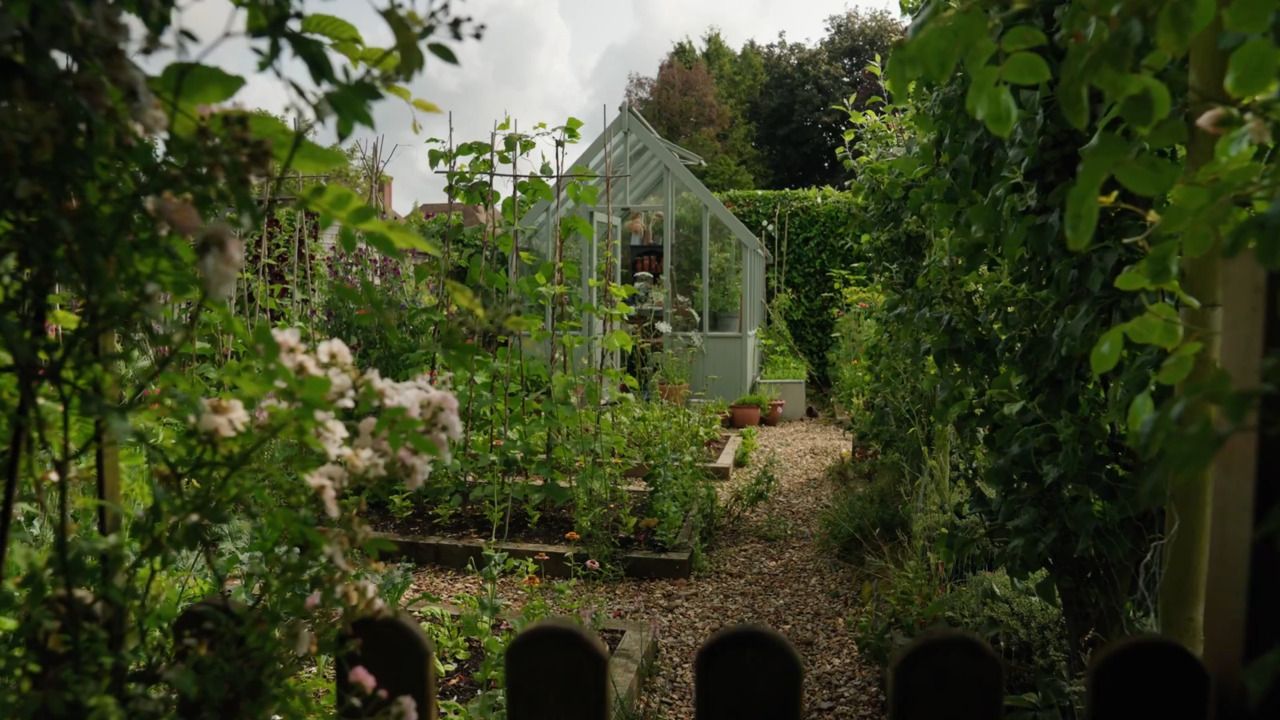
My front garden is a relaxed cottage garden style with lots of colour, interest and different flower types. It's full of life and interest.
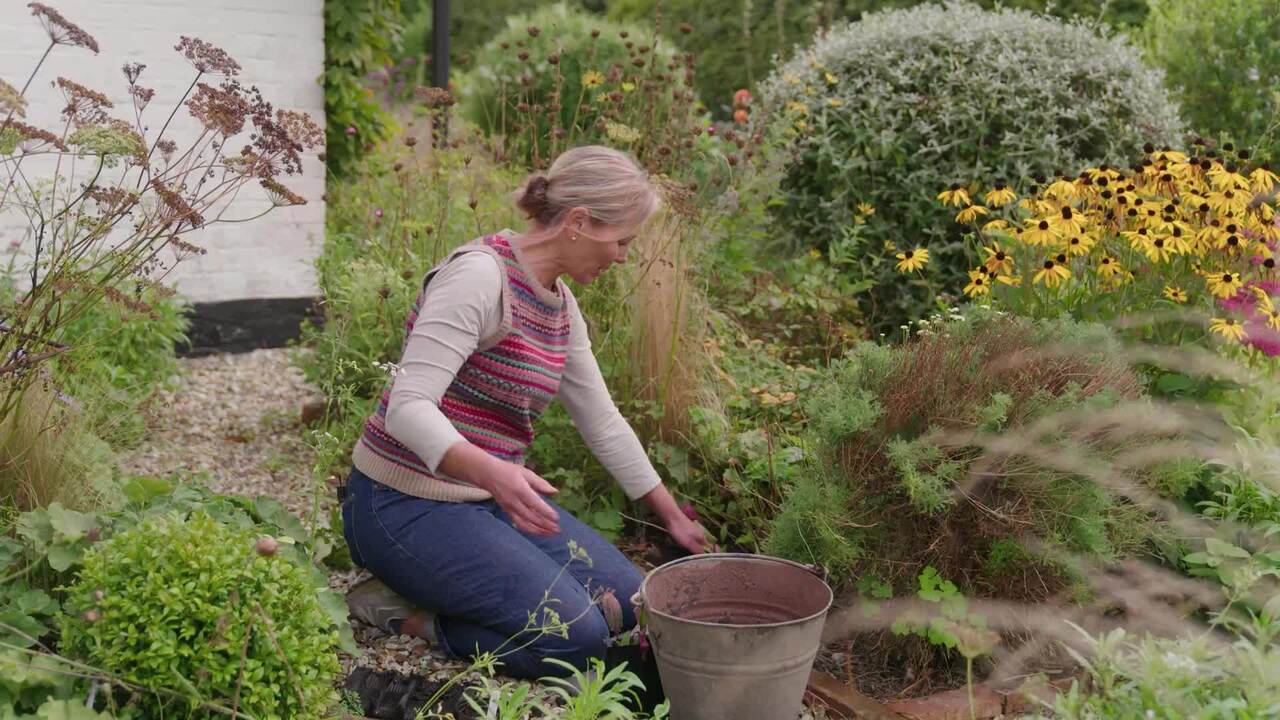
It was a huge expanse of gravel with a laurel hedge around it. I cut square beds and edged them with brick. I planted the beds up with plants I'd brought with me and starting growing plants from seed for this garden. I've chosen plants that self-seed and colonise the gravel.
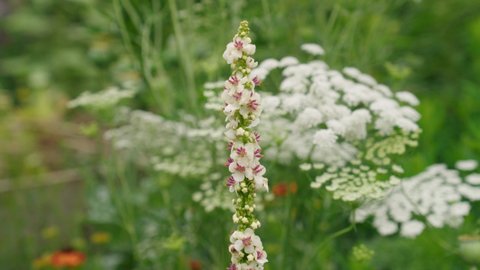
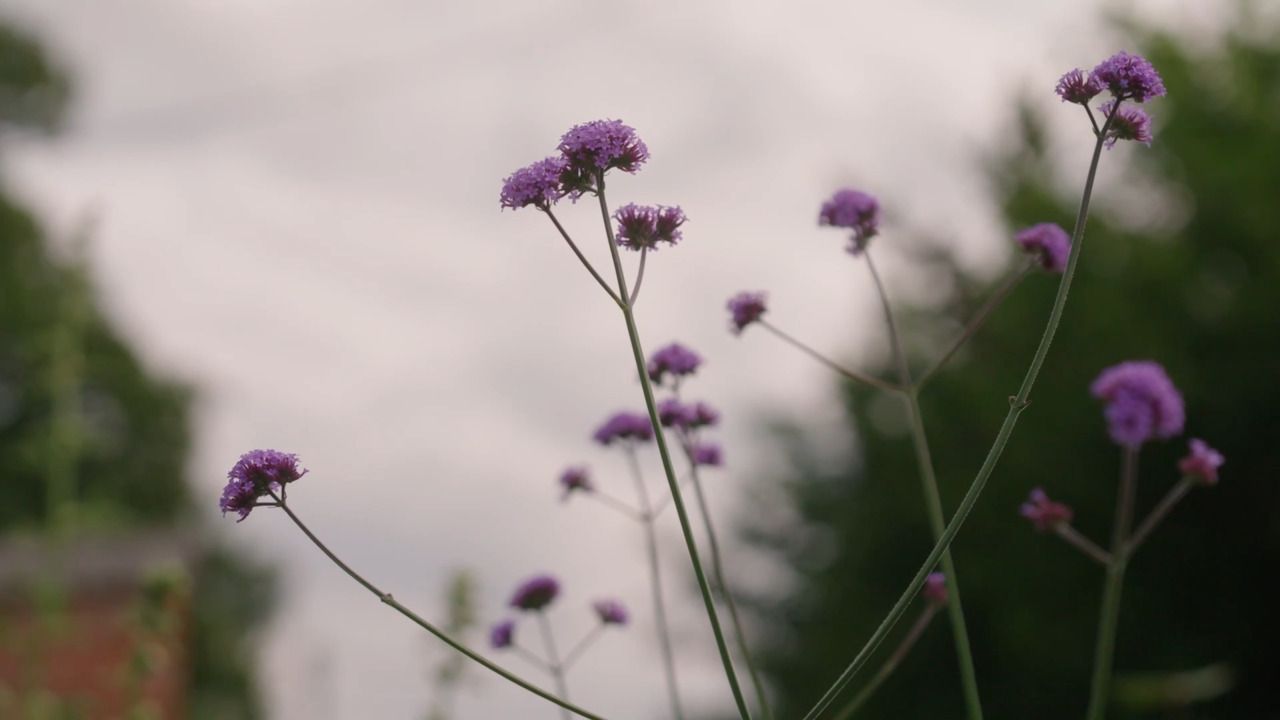
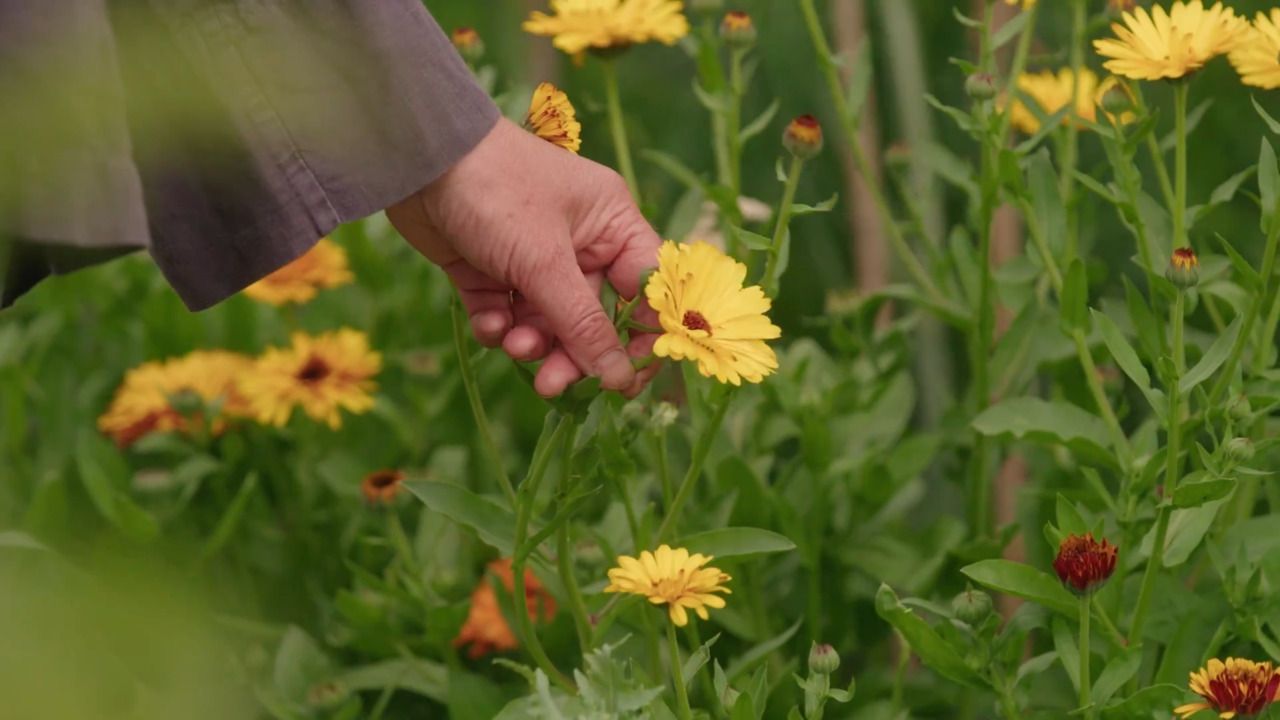
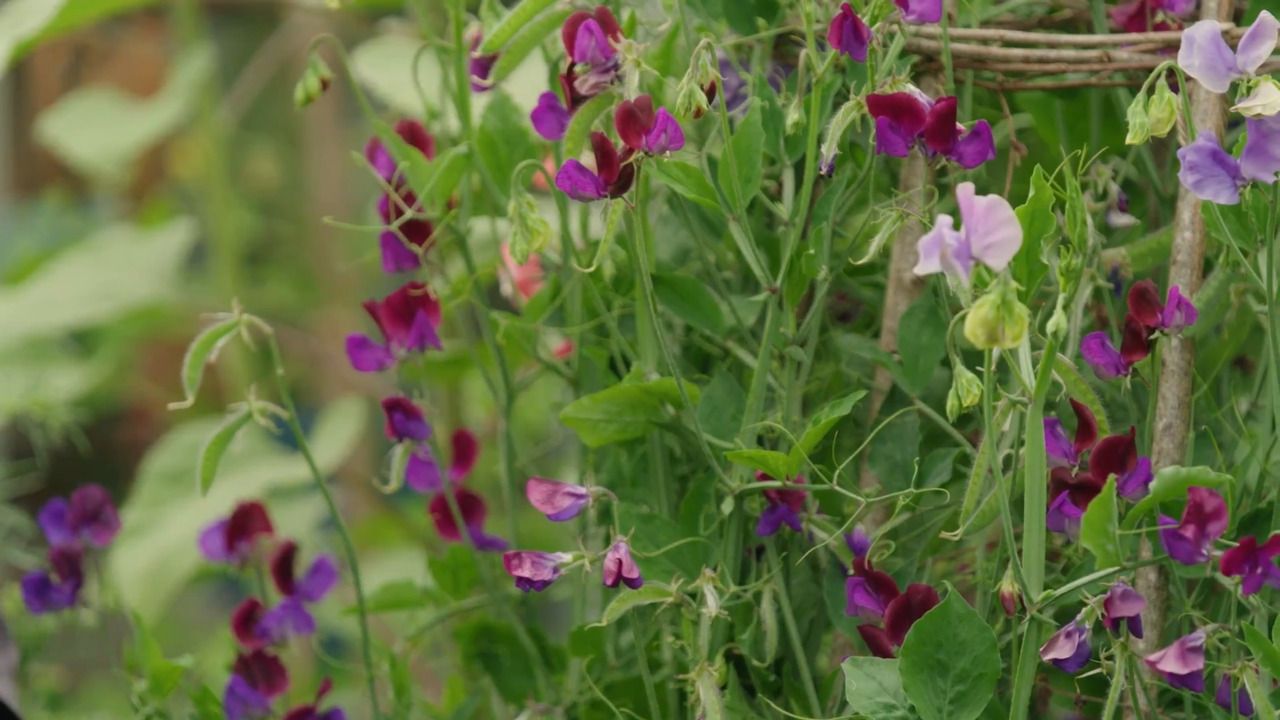
Some of the plants I've grown from seed that have been most successful in here are perennials, including:
Certain plants love growing in gravel, so having planted into the beds, the plants are now self-seeding around to give a naturalistic look. What's nice with self-seeders is the garden starts designing itself and you never know what it's going to be like from year to year.
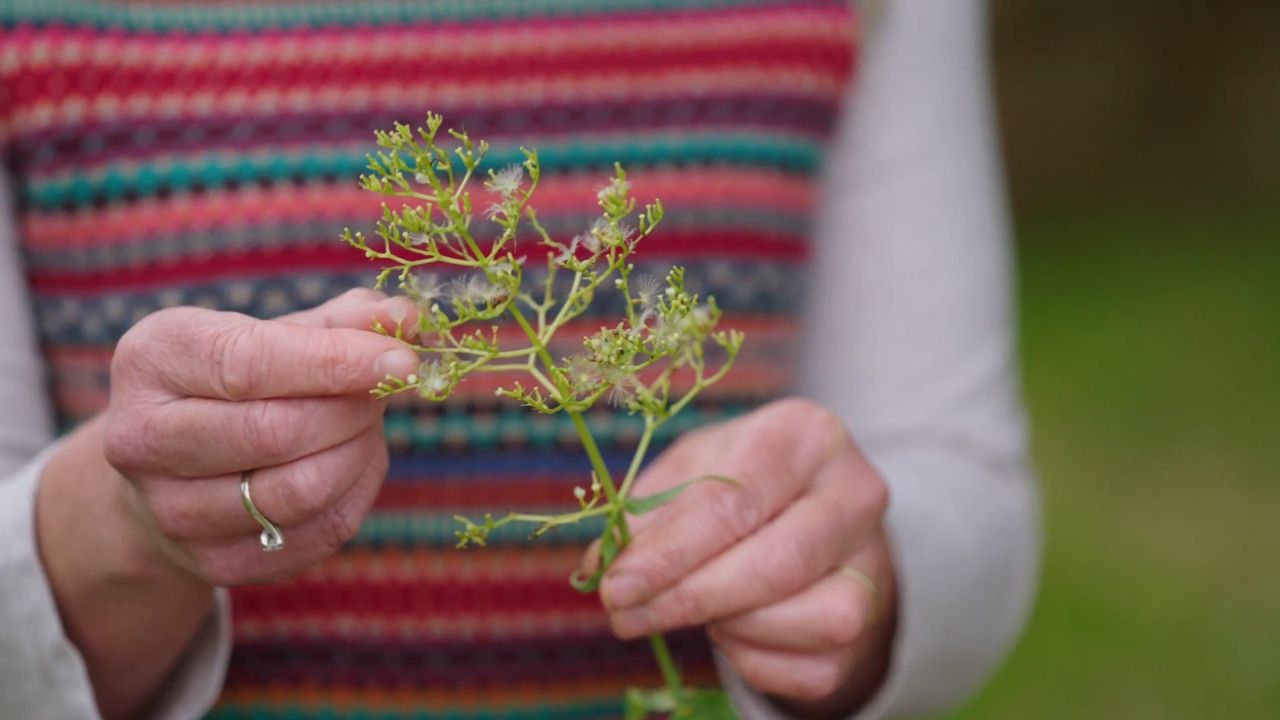
Over time you'll get a feel for which plants are self-seeding and learn what the seedlings look like so you don't immediately weed them out. I let the annuals seed around and then it's simply a question of editing to prevent anything taking over. It's a very different way of gardening from a herbaceous border.
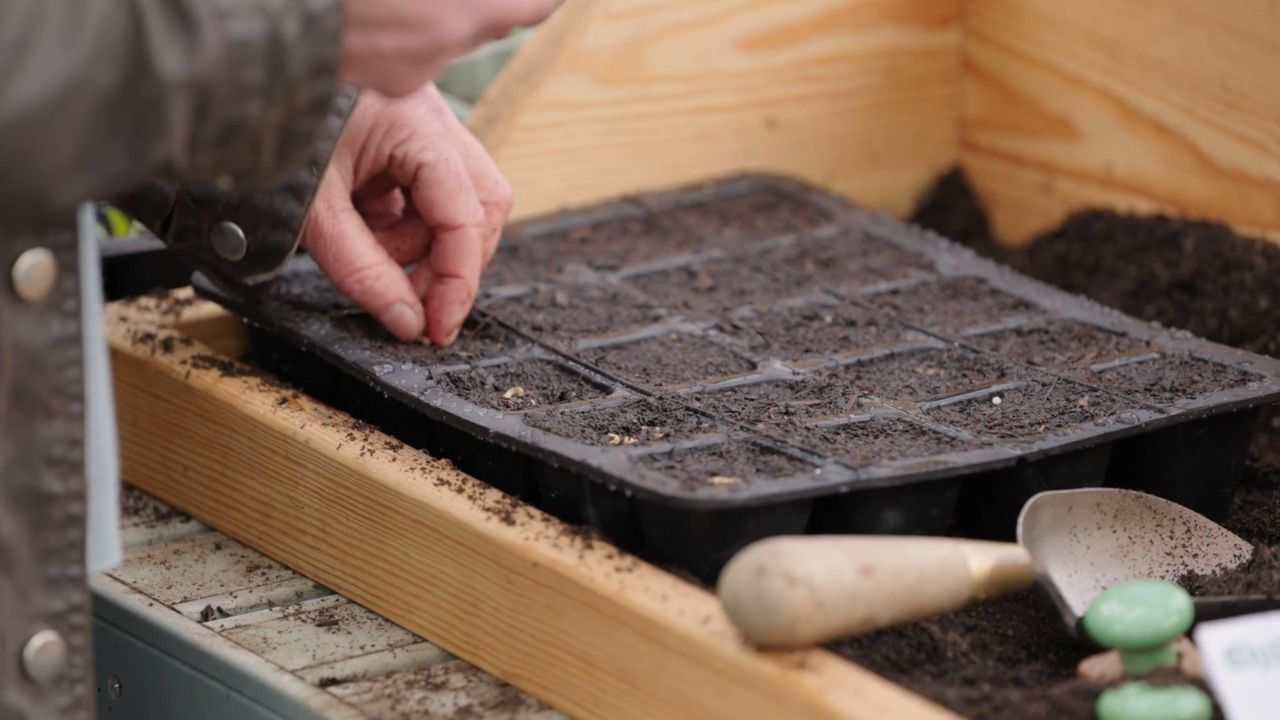
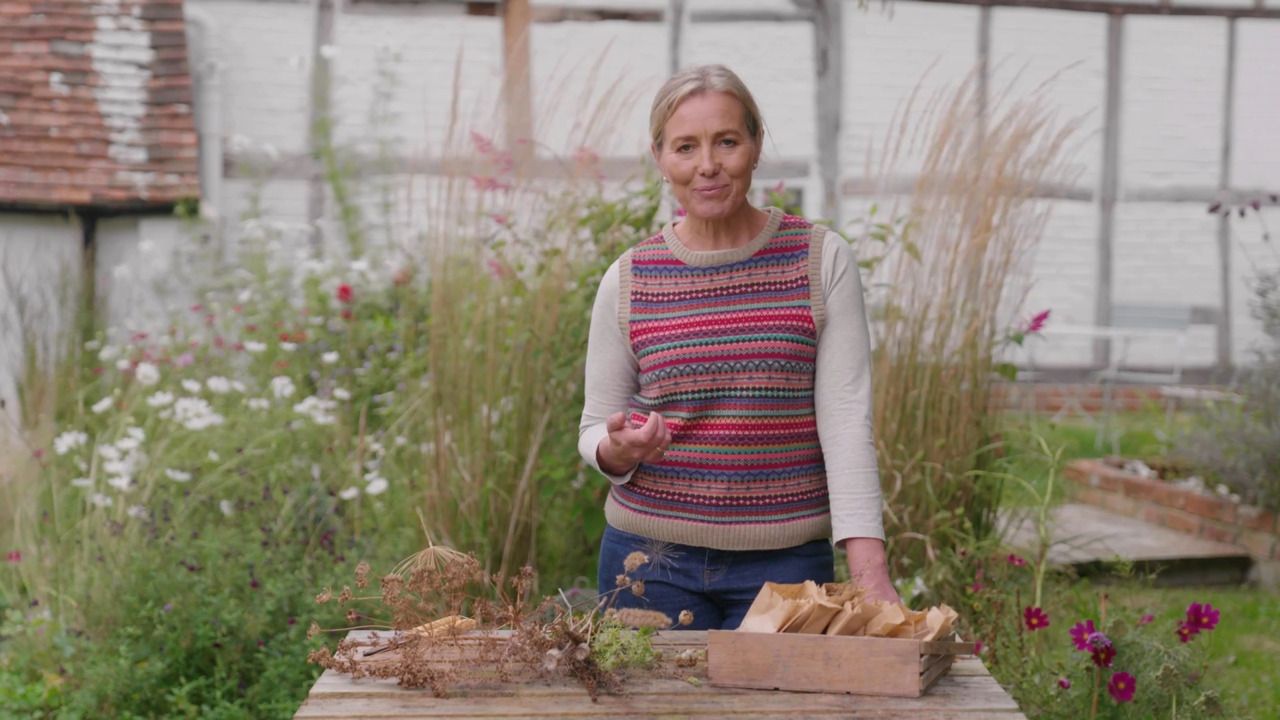
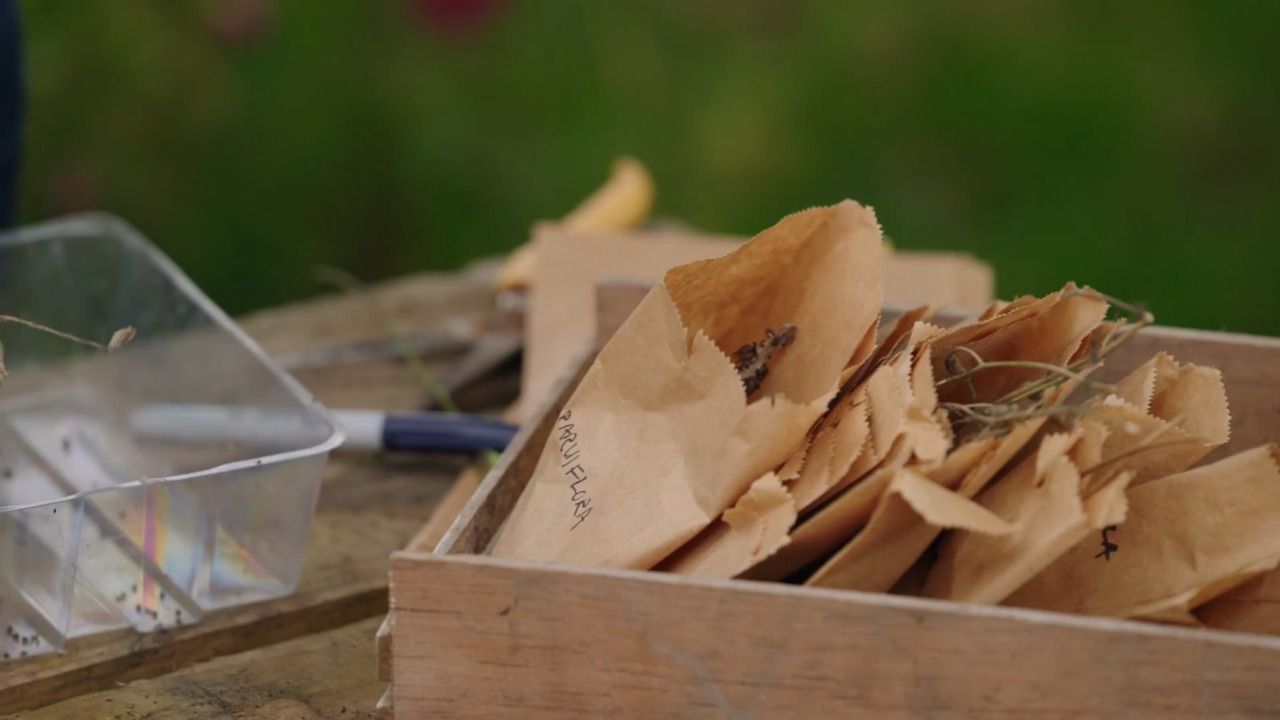
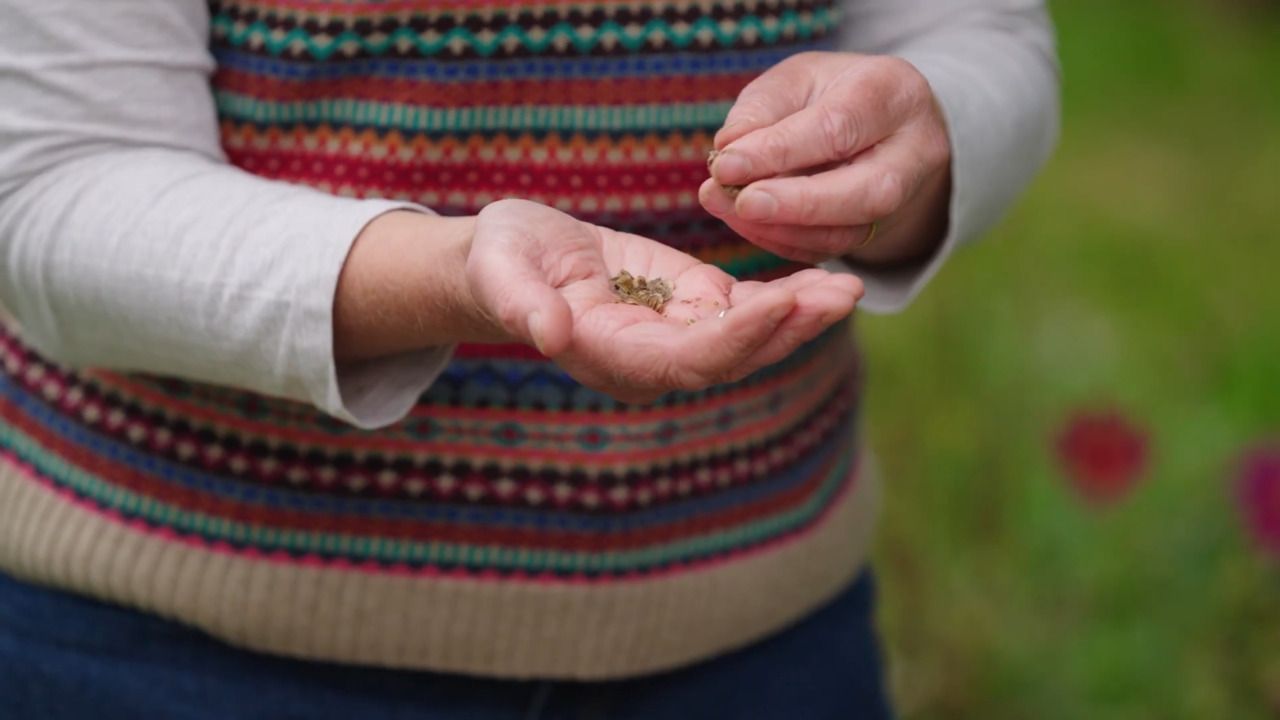
With really easy direct-sow annuals like poppies and nigella, my approach is just to scatter the seed where I want it, either by picking some seedheads when they ripen and shaking them out where I want plants, or collecting the seed and scattering it in late March to mid-April.
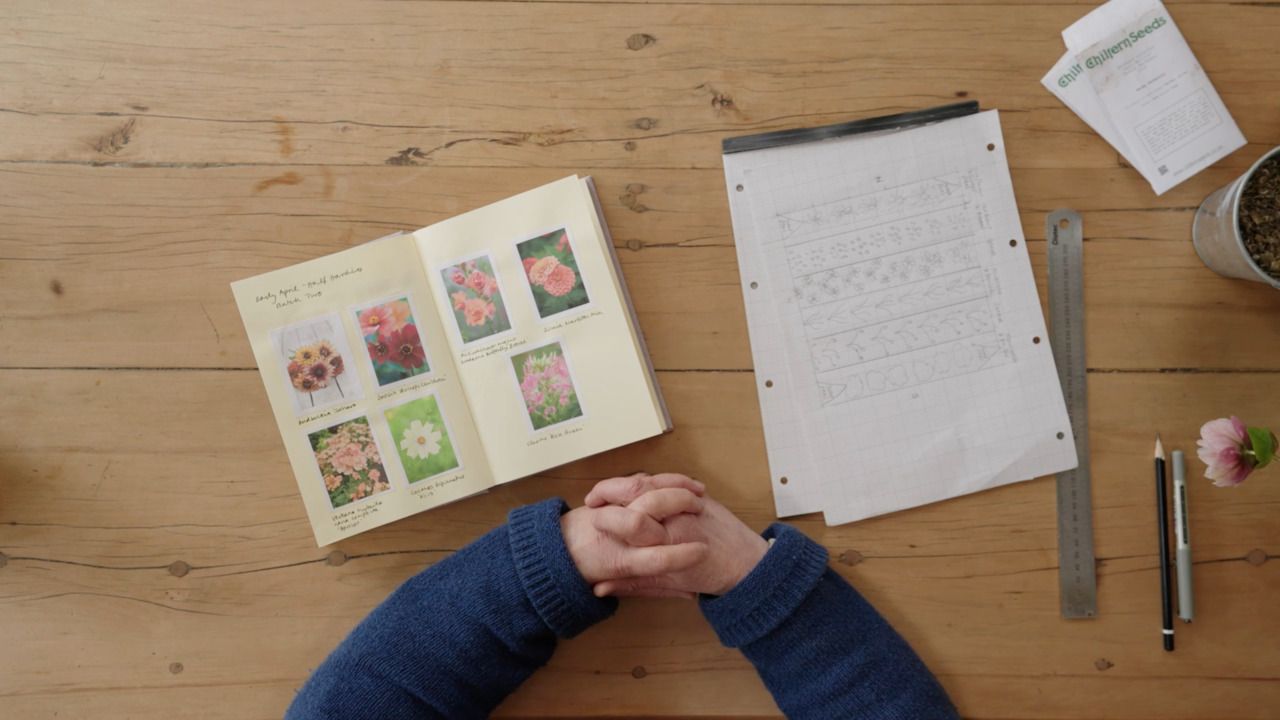
For the back garden, I did a complex planting plan for the back border, but I didn't use a planting plan here. I did it all by eye.
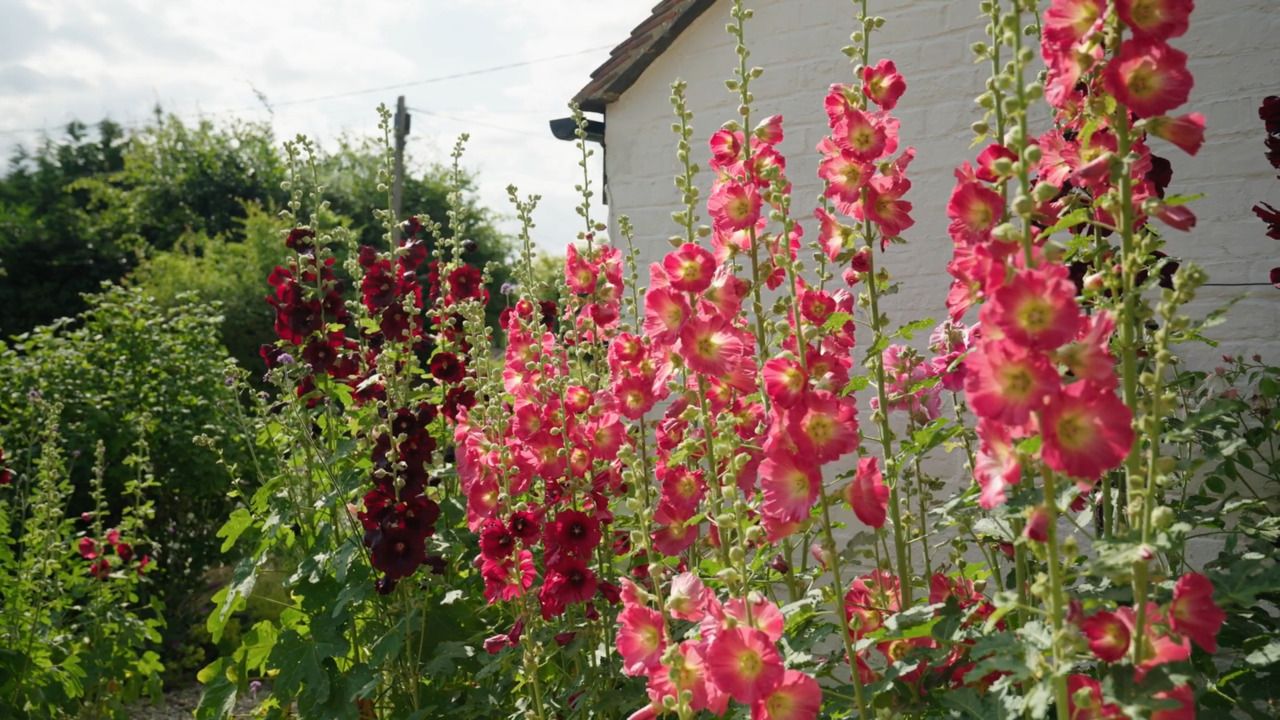
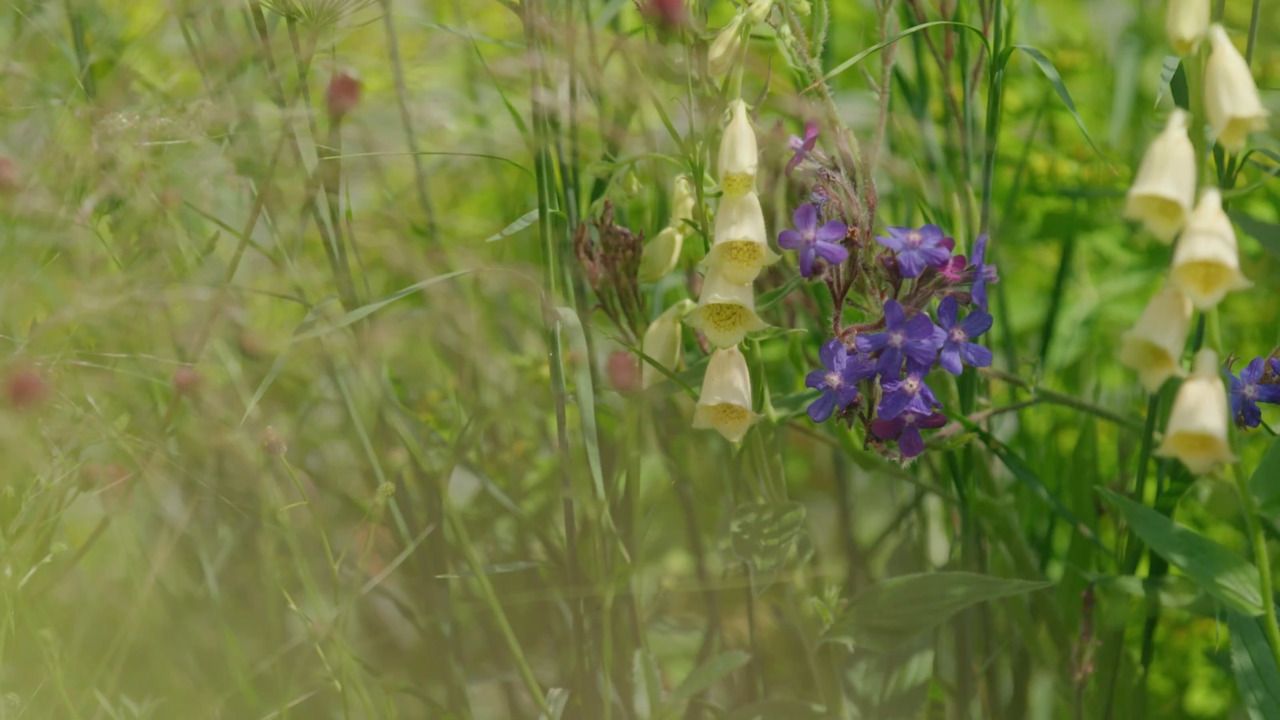
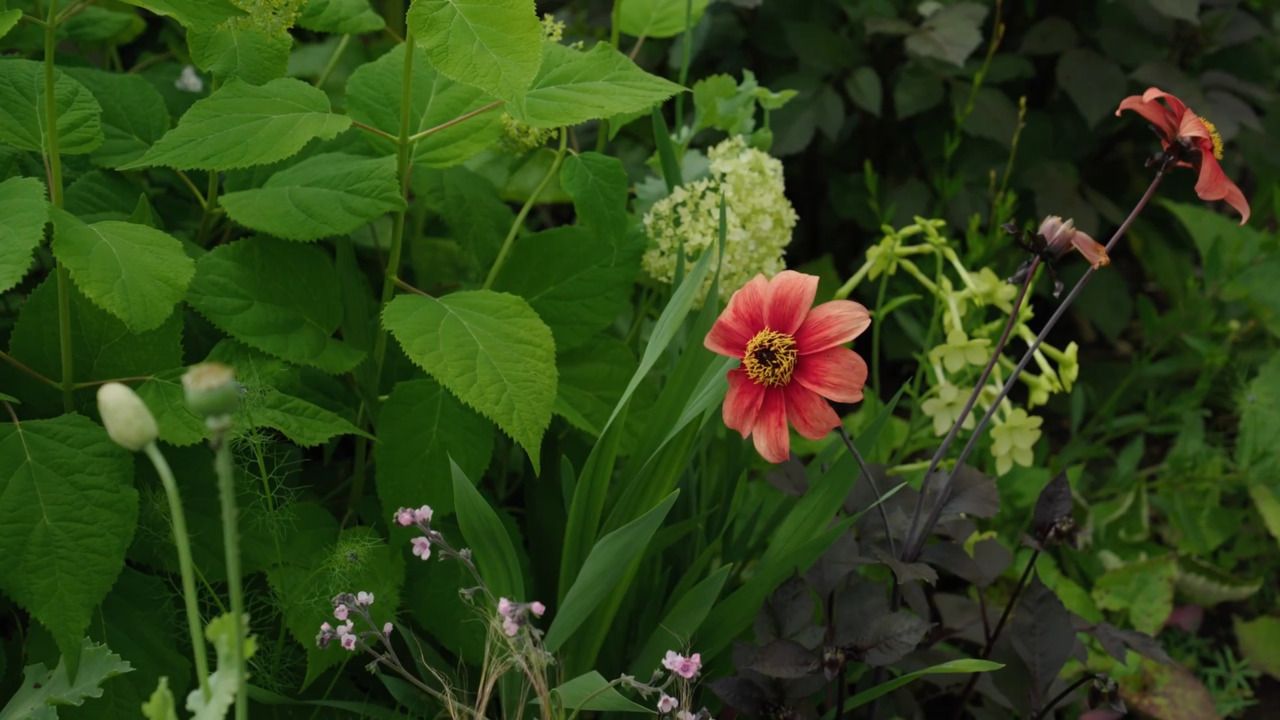
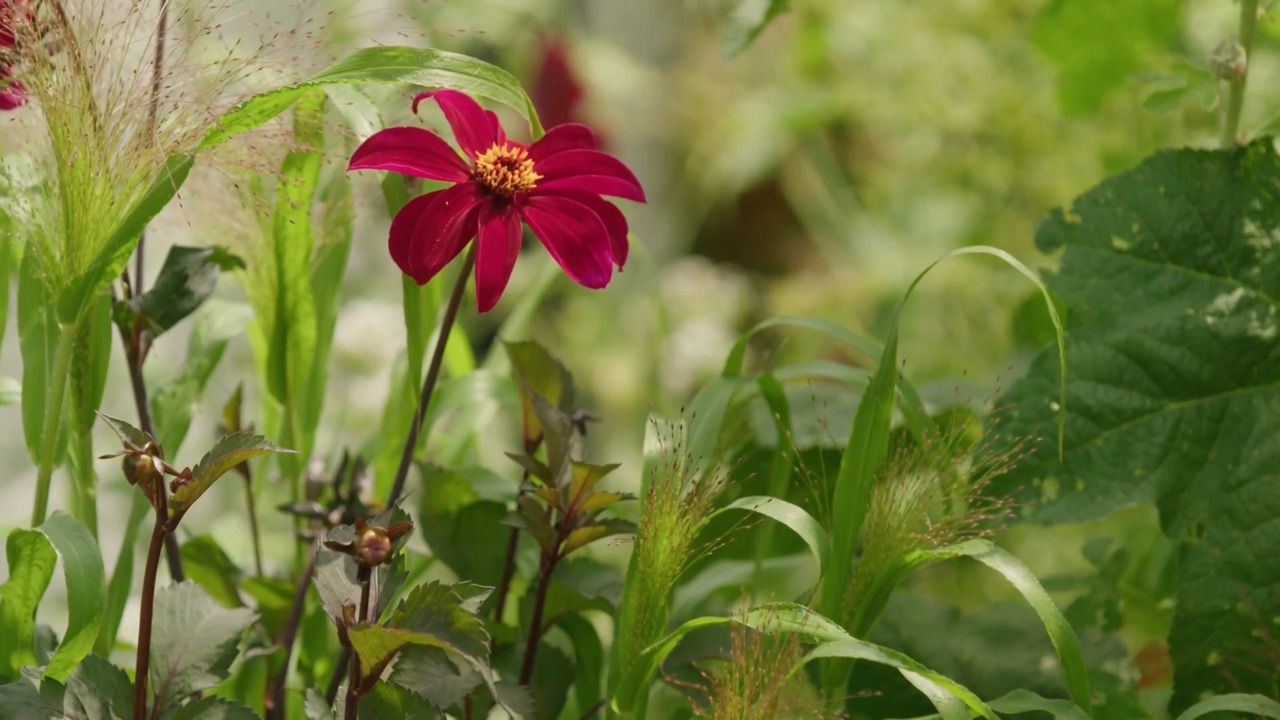
Within this tapestry, I've got a lot of different textures and colours that weren't necessarily planned, but weave in and work together:
An advantage of this type of gardening is that it needs less water because I've chosen plants that are quite drought-tolerant. These are all plants that thrive in quite a hot, sunny, west-facing situation and in the dryness of the gravel.
When growing in gravel, plants seed readily into it, so you just have to keep an eye on things and edit where necessary. For example, Stipa tenuissima self-seeds around quite a lot, so I just have to pull it out where I don't want it.
As well as not needing much water, there are also other benefits to a gravel garden.
You're sowing seeds to start off with and then letting them do their own thing with the occasional intervention and edit, so it's a really easy way to garden and one I think is very rewarding. I'd really encourage you to give it a go.
Get the full workbook, video lessons, and more with a Create Academy subscription.
Subscribe to access the full workbookAlready a member? Sign in to watch
510 reviews
Read moreCreate Academy has been such a great resource. I'm in the middle of renovating a bungalow with a very large garden and the courses have offered a wealth of inform...
Harvey
Jun 10, 2026
Absolutely love Create Academy! The instructors are extremely informative, and it is beautifully filmed. Create Academy is great value for money and plan on renew...
SG
May 31, 2026
Butter's creativity is stunning! Her ability to incorporate brilliance in small gardens is magical!
Carla
May 30, 2026
The best adventure. I like all the courses, but my favorite are both Rita Konig interior design courses and Anna Jones. Excellent!
Karolina Kluczewska
May 20, 2026
Create Academy has been such a great resource. I'm in the middle of renovating a bungalow with a very large garden and the courses have offered a wealth of information to dive into and explore new ideas. I'm...
Harvey
Jun 10, 2026
Absolutely love Create Academy! The instructors are extremely informative, and it is beautifully filmed. Create Academy is great value for money and plan on renewing my subscription yearly because there are ...
SG
May 31, 2026
Butter's creativity is stunning! Her ability to incorporate brilliance in small gardens is magical!
Carla
May 30, 2026

Your Instructor
Garden writer and plantswoman. Seed growing expert. Garden Editor of House & Garden magazine.
Clare Foster is a gardener, writer and journalist. She has been House & Garden’s Garden Editor since 2005, and before that was the Editor of Gardens Illustrated. Clare is an expert at growing from seed and has written a book on the topic called, 'The Flower Garden: how to grow flowers from seed'.

Access to all courses


