
Interior and exterior confidence
Create Academy has been such a great resource. I'm in the middle of renovating a bungalow with a very large garden and the courses have offered a wealth of inform...
Harvey
Jun 10, 2026
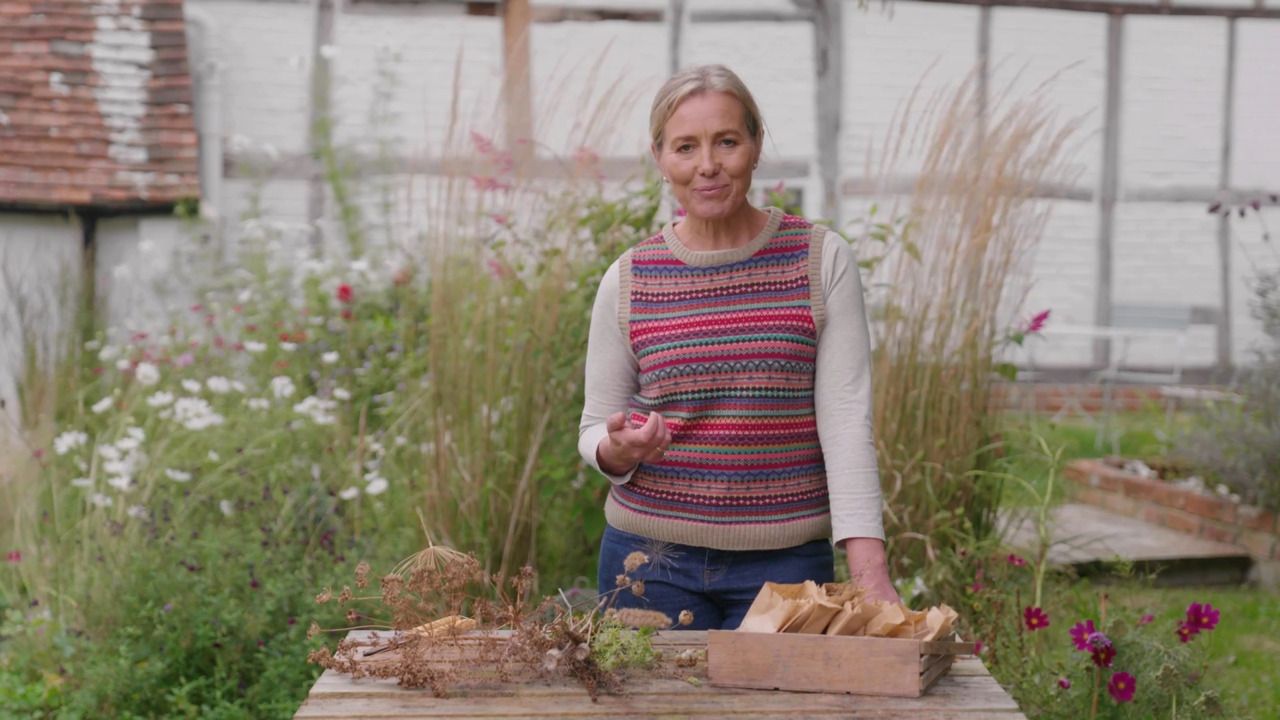
with CLARE FOSTER — Garden writer and plantswoman. Seed growing expert. Garden Editor of House & Garden magazine.
Lesson 7 of 33
Subscribe to watch
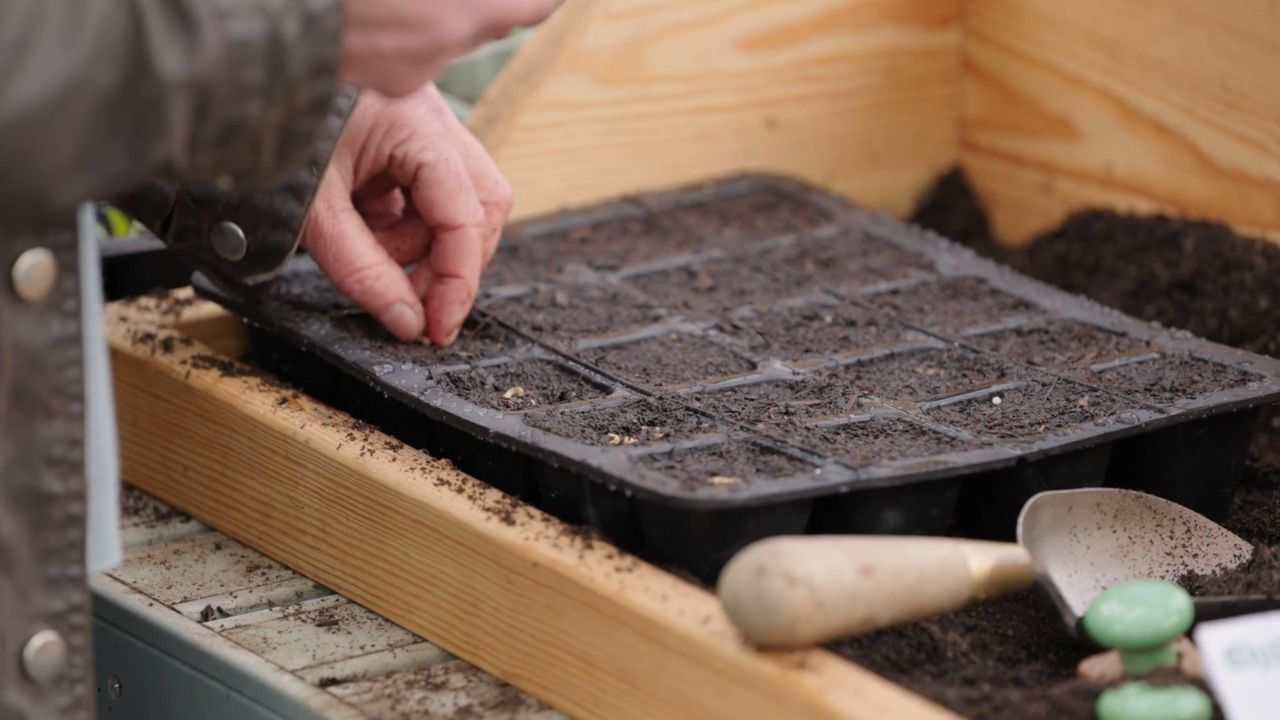
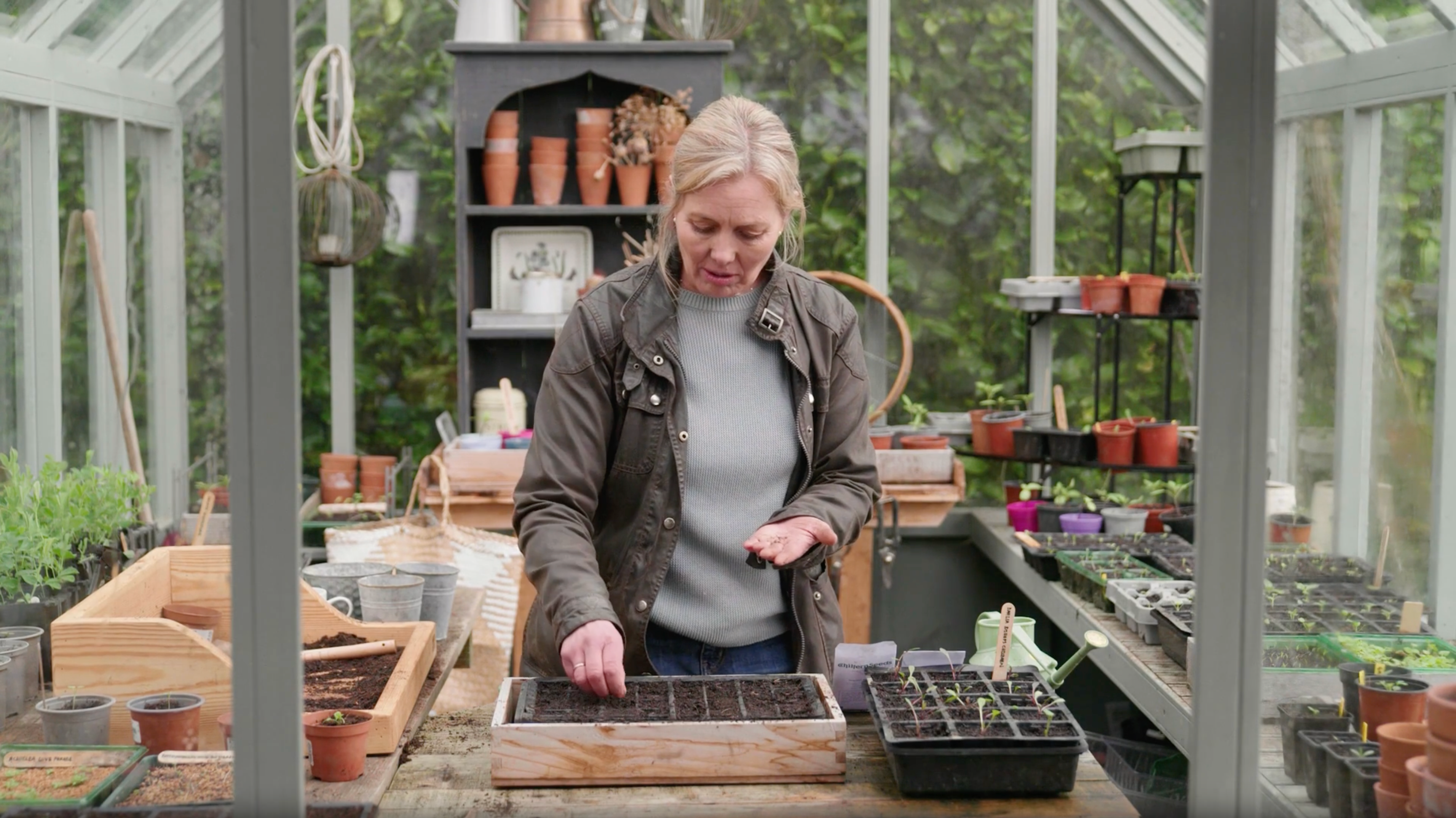
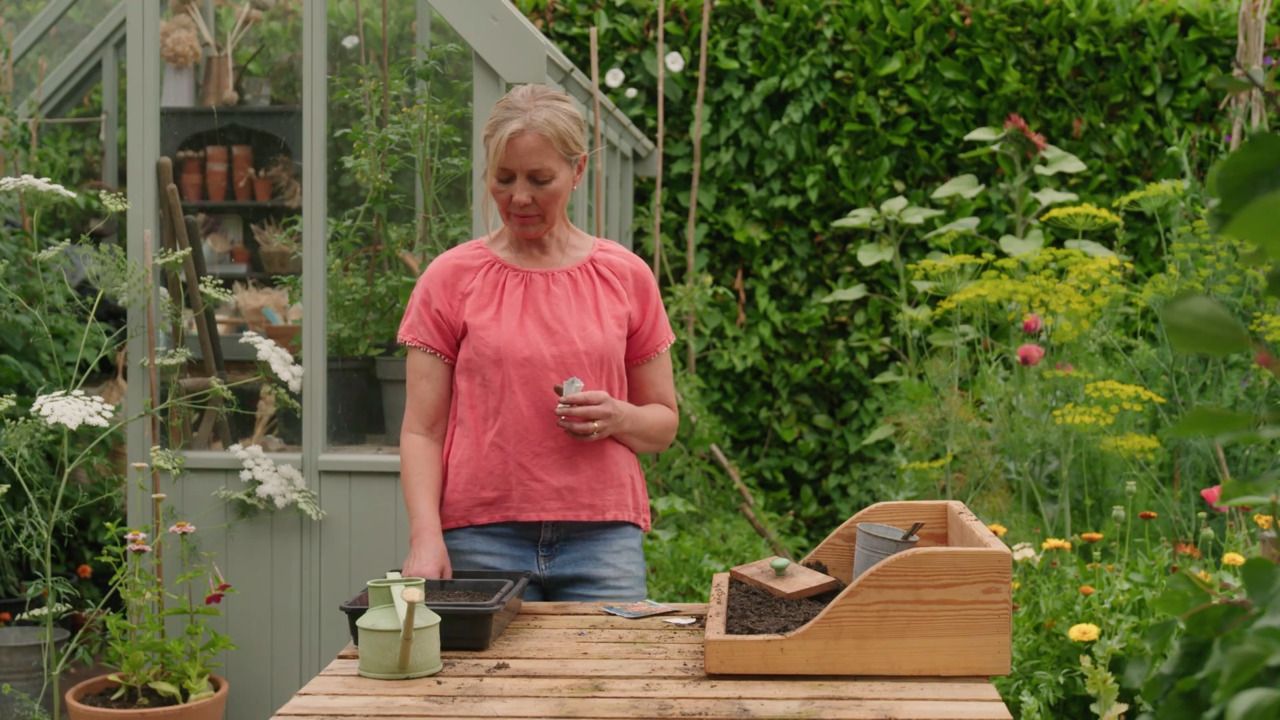
The medium you use to sow your seeds in is important to make sure you're getting your seeds off to the best start. Clare shares her tips and experiences and explains the importance of peat-free.
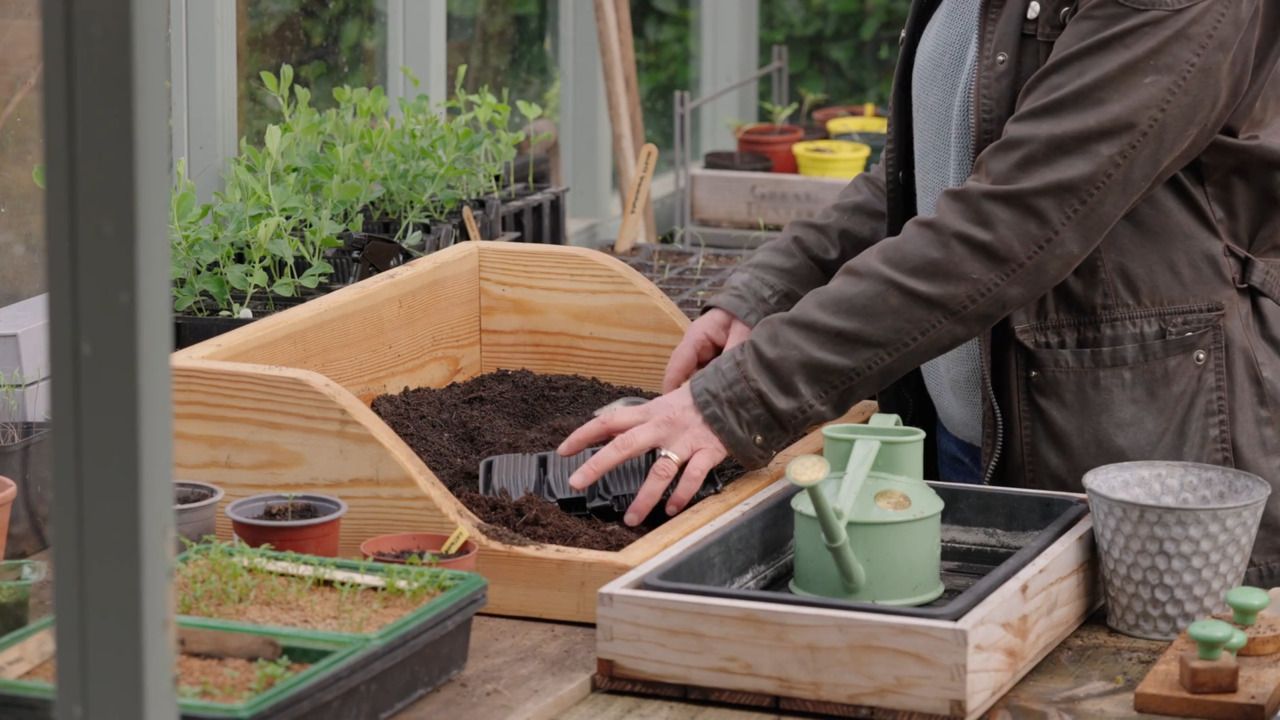
The medium – usually some sort of compost – that you use to sow your seeds in is important to make sure you're getting your seeds off to the best start. Here are a few things to bear in mind when choosing.
The most important point is to use peat-free compost.
The UK is phasing out peat from horticulture and within a few years we will no longer be able to buy compost containing peat, but we can all help by choosing peat-free compost now.
Just check the compost bag for a 'peat-free' label when you buy.
Horticulture has relied on peat for a long time, so now we are in the process of lots of different peat-free composts are being developed. Some are better than others.
I use a bark-based compost called SylvaGrow by Melcourt, just their multipurpose compost. It has a few larger pieces in but you can sieve or pick these out before using it for seeds.
Different compost mixes are tailored to the needs of different types of plants. For example, seed compost has the right nutrients for seeds.
The term 'compost' can be confusing because it is used for the homemade organic matter we make in our gardens from recycling our garden waste, but also the pre-made potting mixes we buy in bags from the garden centre, which are technically called growing media.
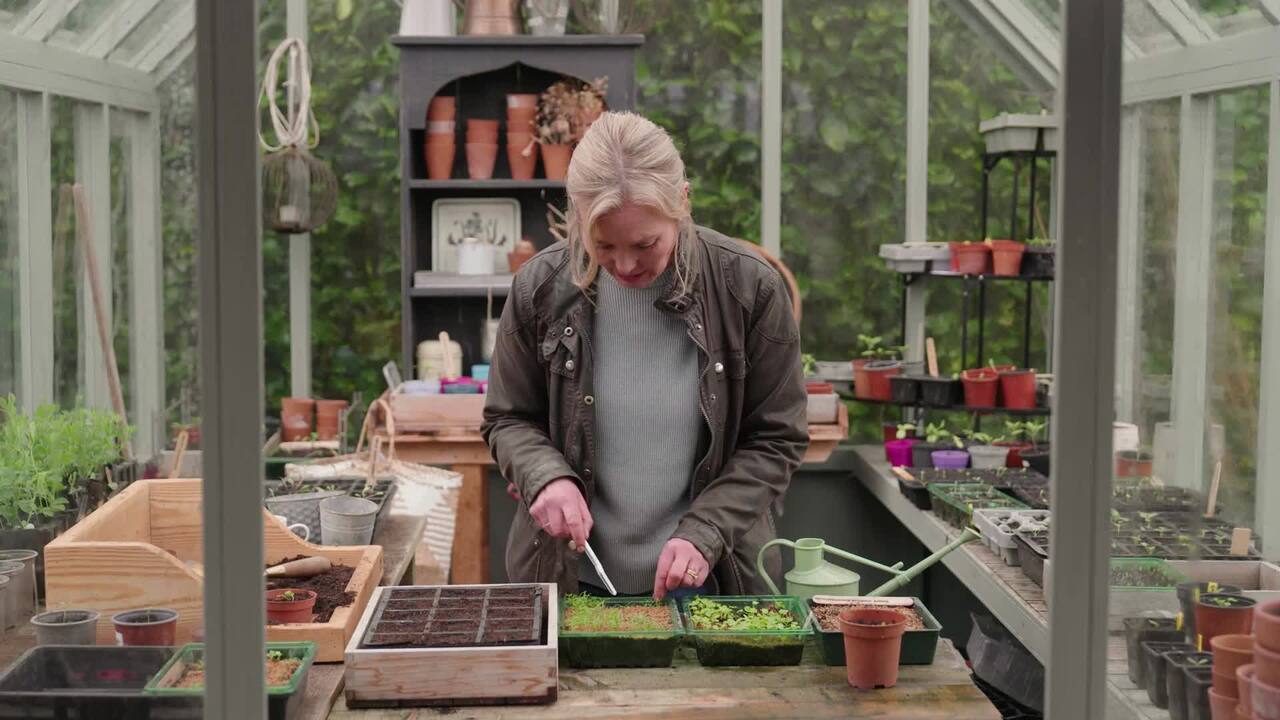
A top dressing can be useful for sowing. There are two main options that are good for seeds.
These are both used in the same way: scatter on top of the seed tray for any seeds that need light to germinate, to provide a moisture-retentive sterile layer for germination while still allowing light in.
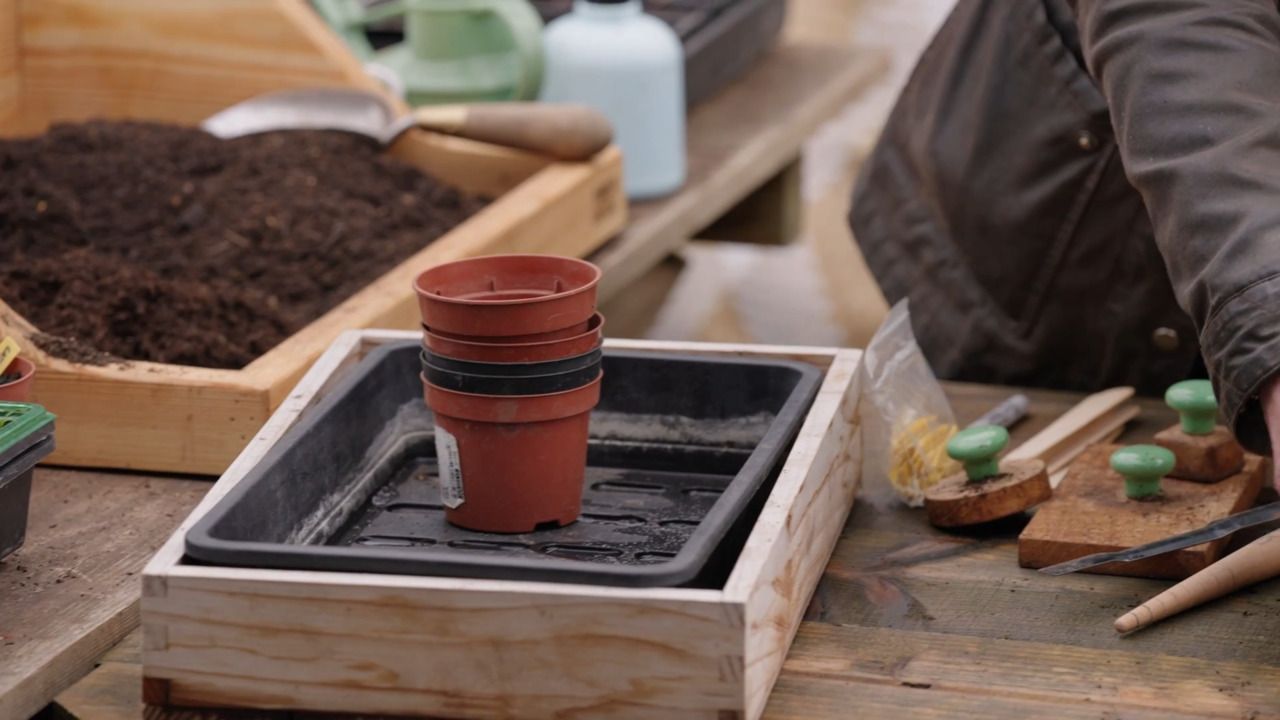
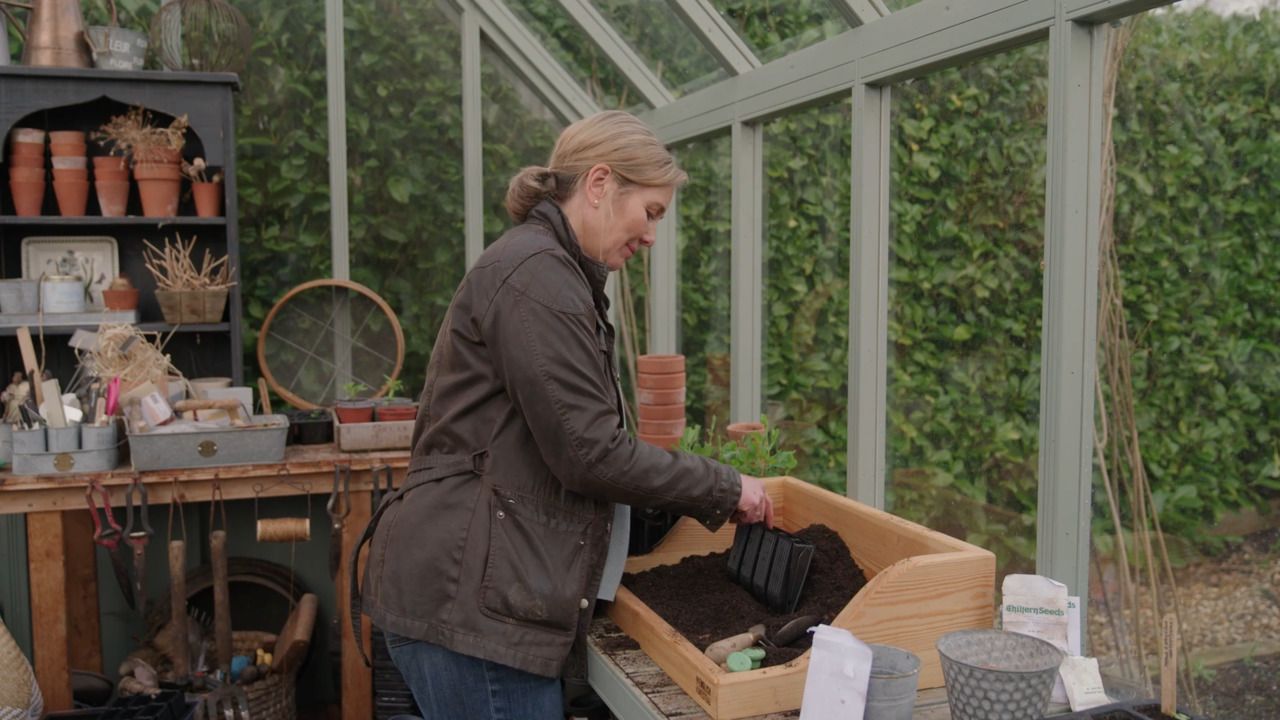
This is another piece of equipment that's really useful when handling compost. Mine is made of wood, as this looks nicer and is more environmentally friendly.
Free RHS web advice and resources on peat-free growing:
Get the full workbook, video lessons, and more with a Create Academy subscription.
Subscribe to access the full workbookAlready a member? Sign in to watch
491 reviews
Read moreCreate Academy has been such a great resource. I'm in the middle of renovating a bungalow with a very large garden and the courses have offered a wealth of inform...
Harvey
Jun 10, 2026
Absolutely love Create Academy! The instructors are extremely informative, and it is beautifully filmed. Create Academy is great value for money and plan on renew...
SG
May 31, 2026
Butter's creativity is stunning! Her ability to incorporate brilliance in small gardens is magical!
Carla
May 30, 2026
The best adventure. I like all the courses, but my favorite are both Rita Konig interior design courses and Anna Jones. Excellent!
Karolina Kluczewska
May 20, 2026
Create Academy has been such a great resource. I'm in the middle of renovating a bungalow with a very large garden and the courses have offered a wealth of information to dive into and explore new ideas. I'm...
Harvey
Jun 10, 2026
Absolutely love Create Academy! The instructors are extremely informative, and it is beautifully filmed. Create Academy is great value for money and plan on renewing my subscription yearly because there are ...
SG
May 31, 2026
Butter's creativity is stunning! Her ability to incorporate brilliance in small gardens is magical!
Carla
May 30, 2026

Your Instructor
Garden writer and plantswoman. Seed growing expert. Garden Editor of House & Garden magazine.
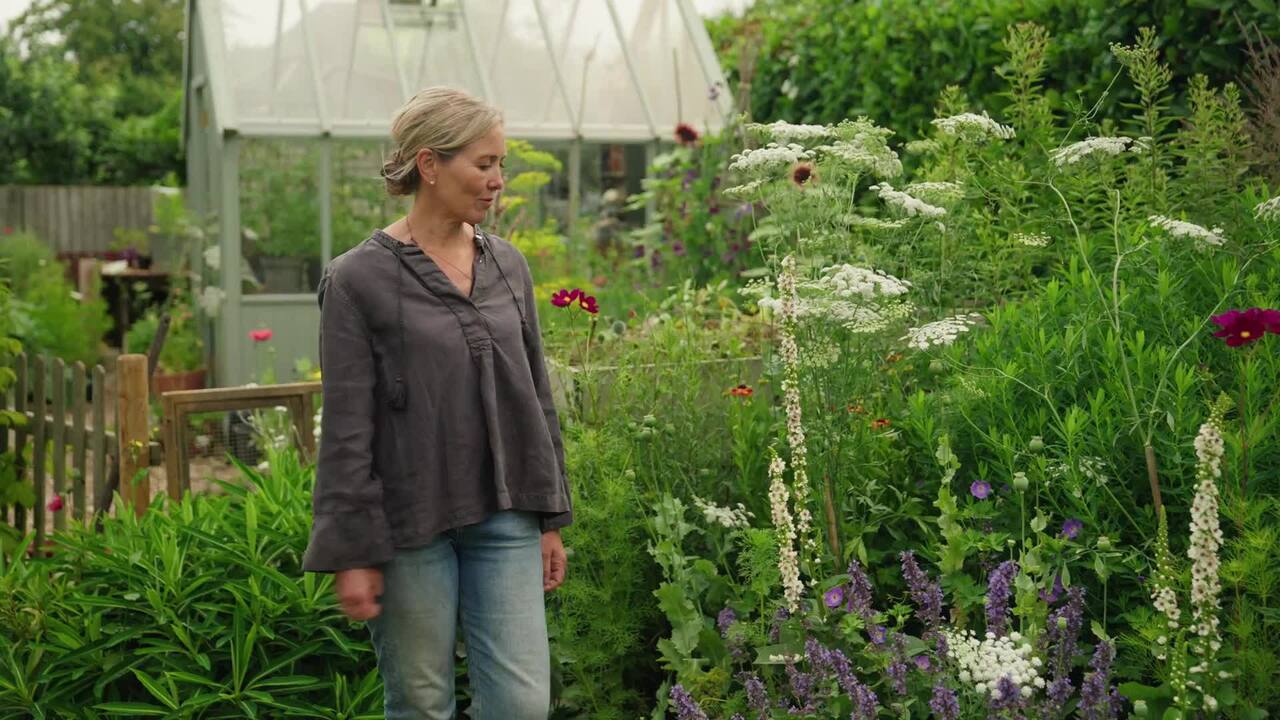
Clare Foster is a gardener, writer and journalist. She has been House & Garden’s Garden Editor since 2005, and before that was the Editor of Gardens Illustrated. Clare is an expert at growing from seed and has written a book on the topic called, 'The Flower Garden: how to grow flowers from seed'.
Access to all courses


