
Interior and exterior confidence
Create Academy has been such a great resource. I'm in the middle of renovating a bungalow with a very large garden and the courses have offered a wealth of inform...
Harvey
Jun 10, 2026
with CLARE FOSTER — Garden writer and plantswoman. Seed growing expert. Garden Editor of House & Garden magazine.
Lesson 3 of 33
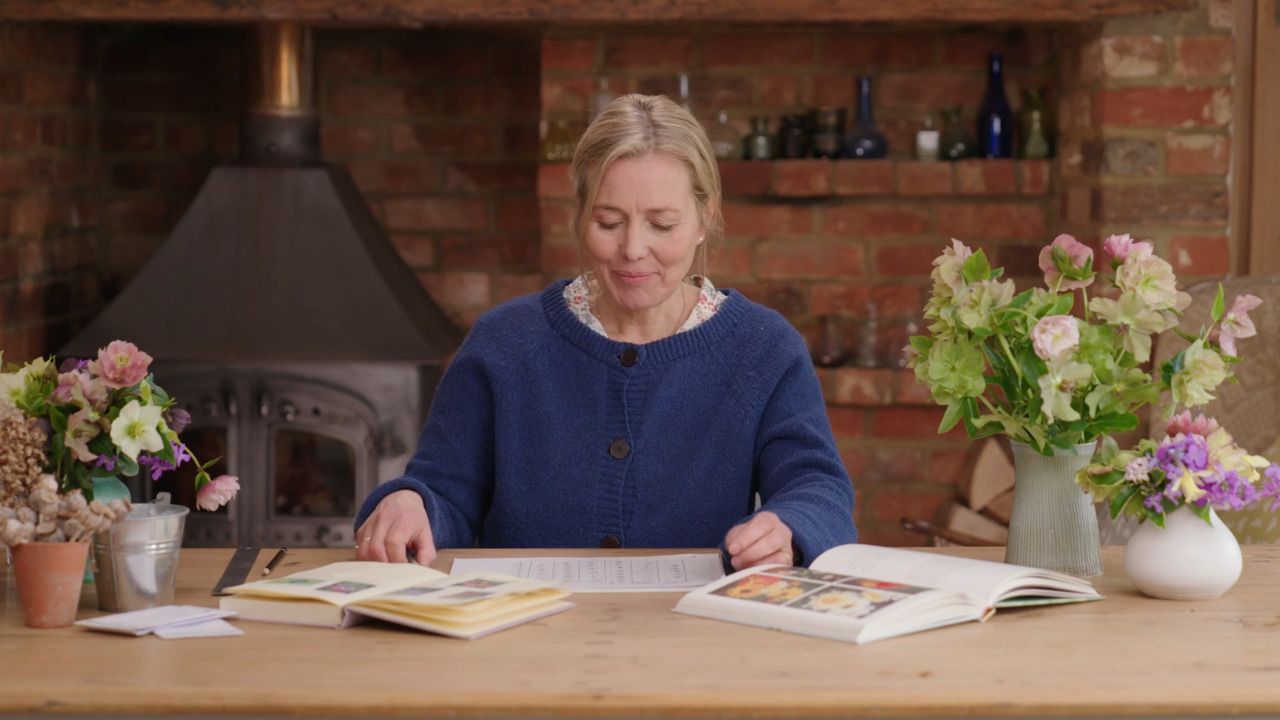
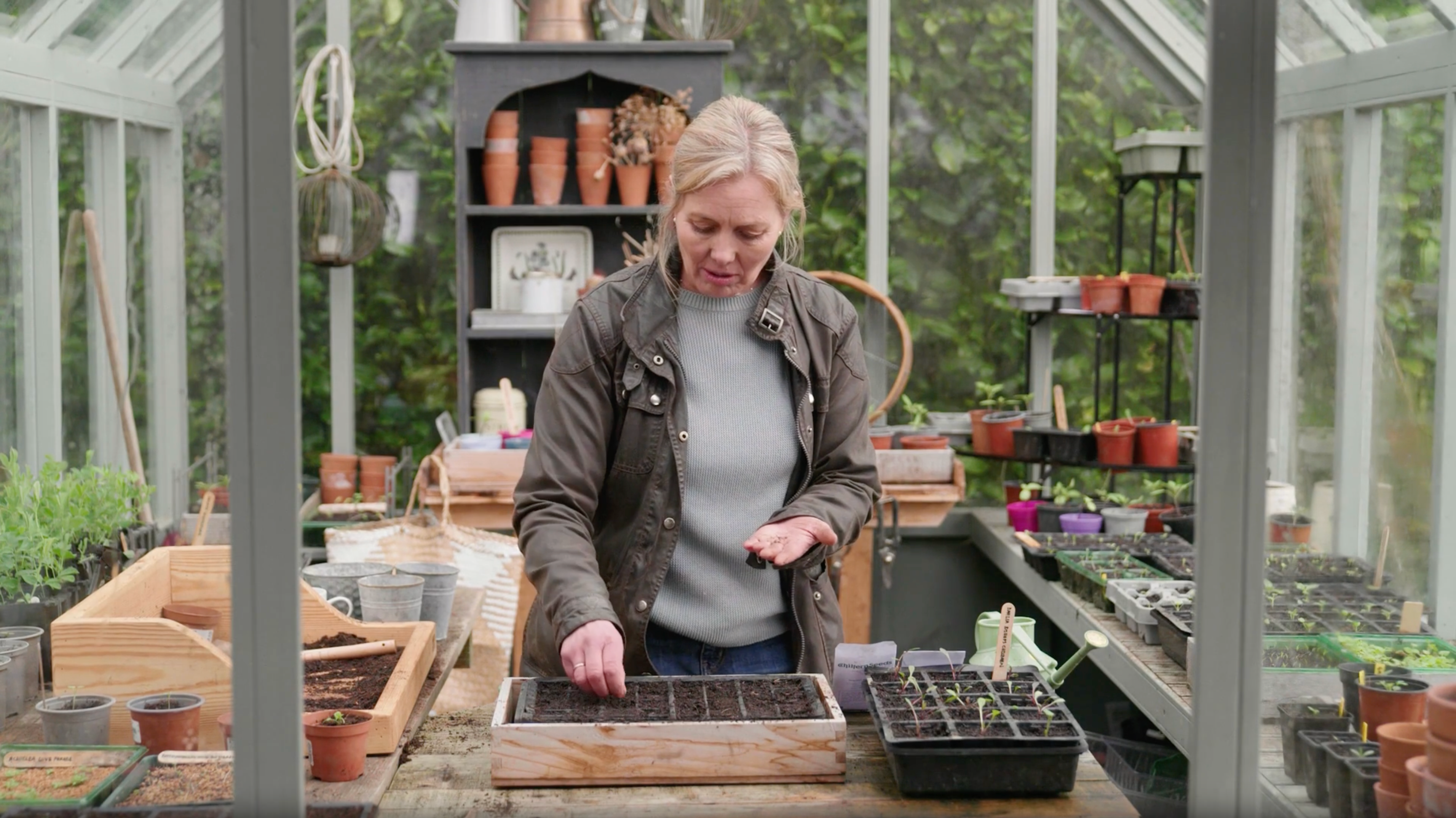
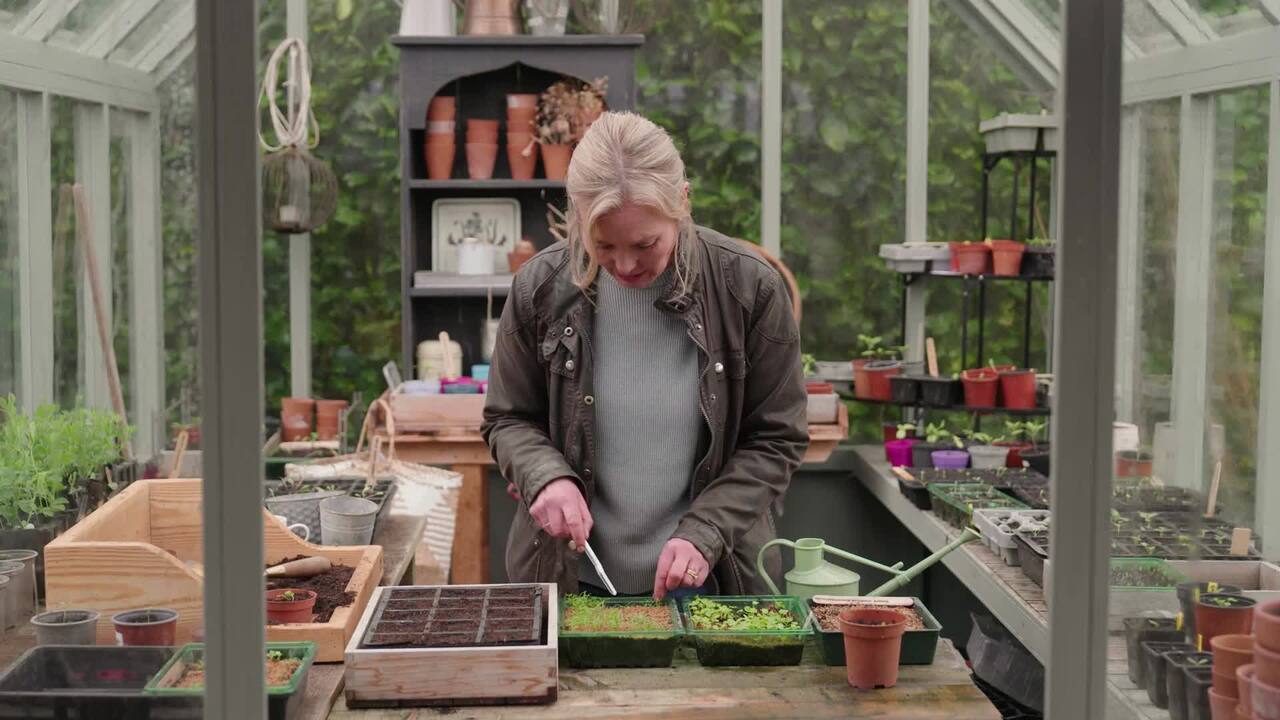
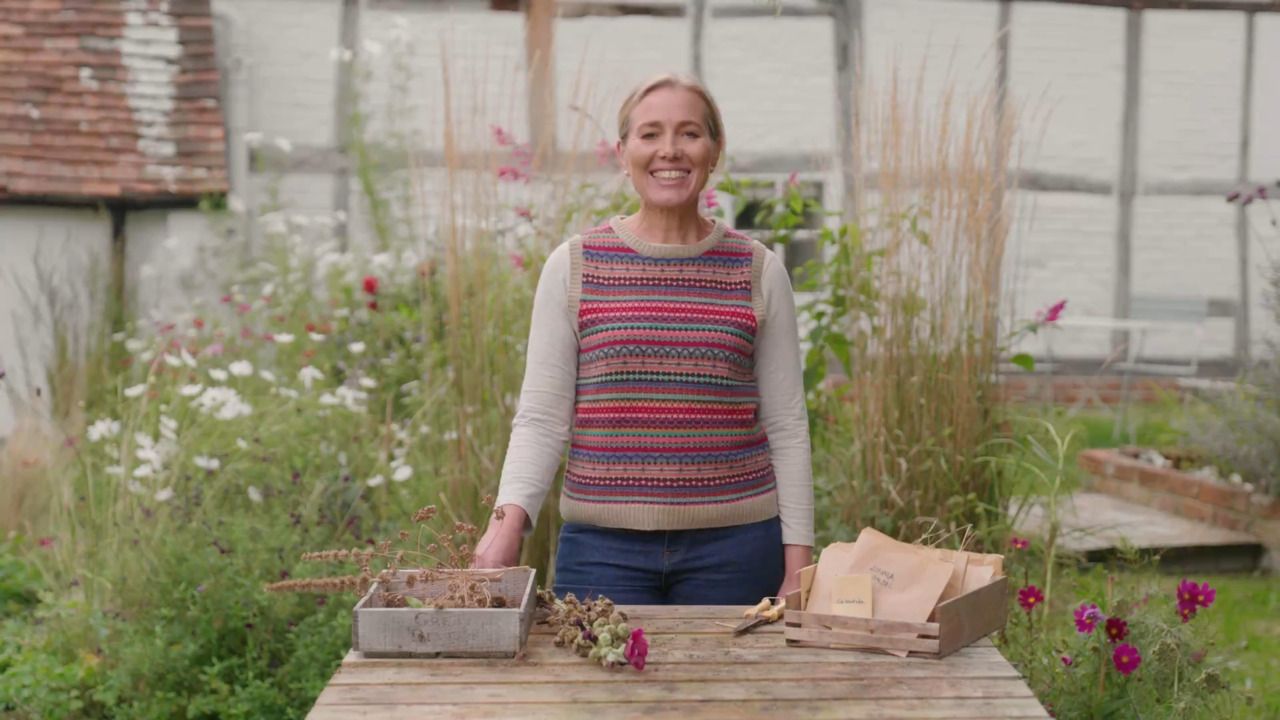
Clare explains the different groups of plants you can sow and when sharing her sowing calendar. She also explores her favourite colour themes, and how you can organise your thoughts to help you get started.
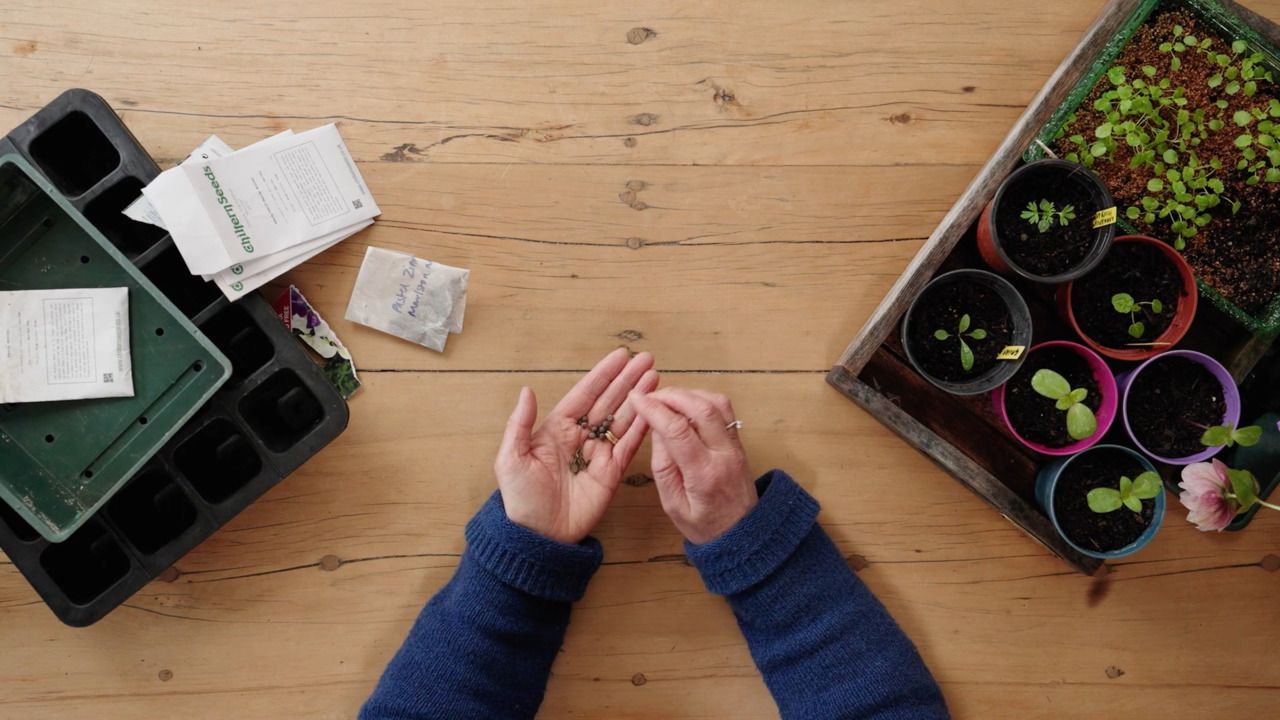
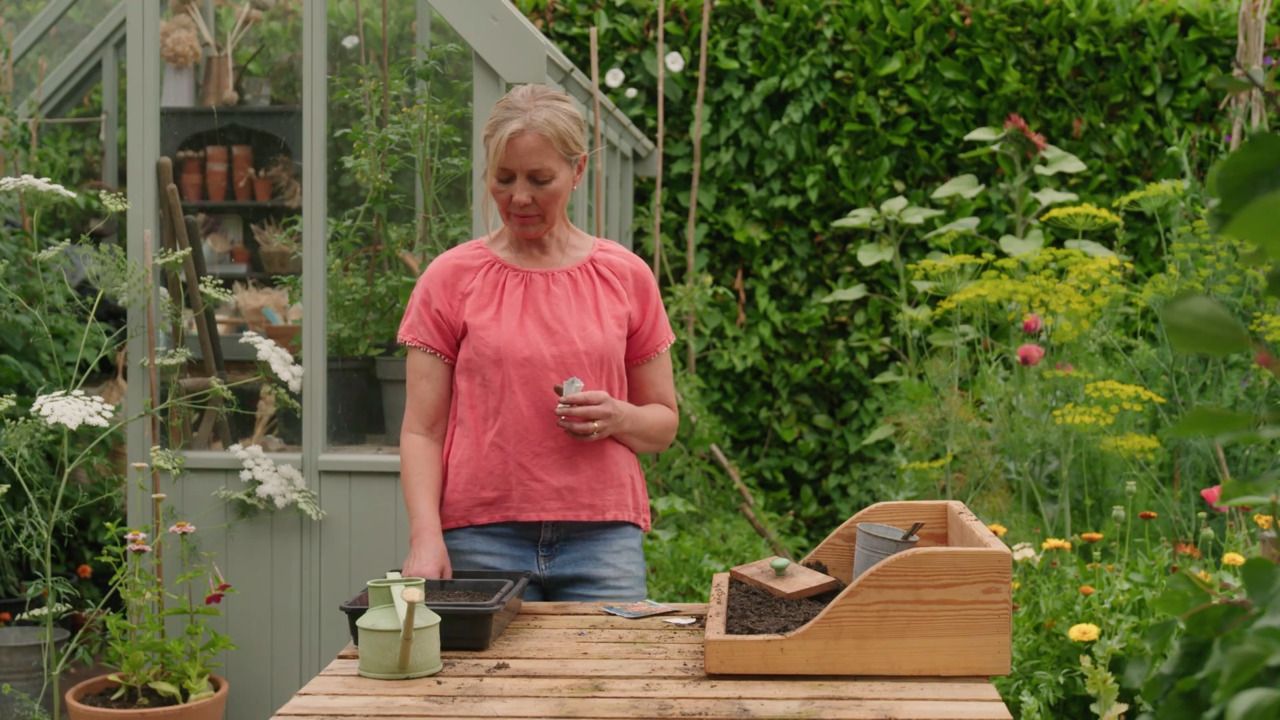
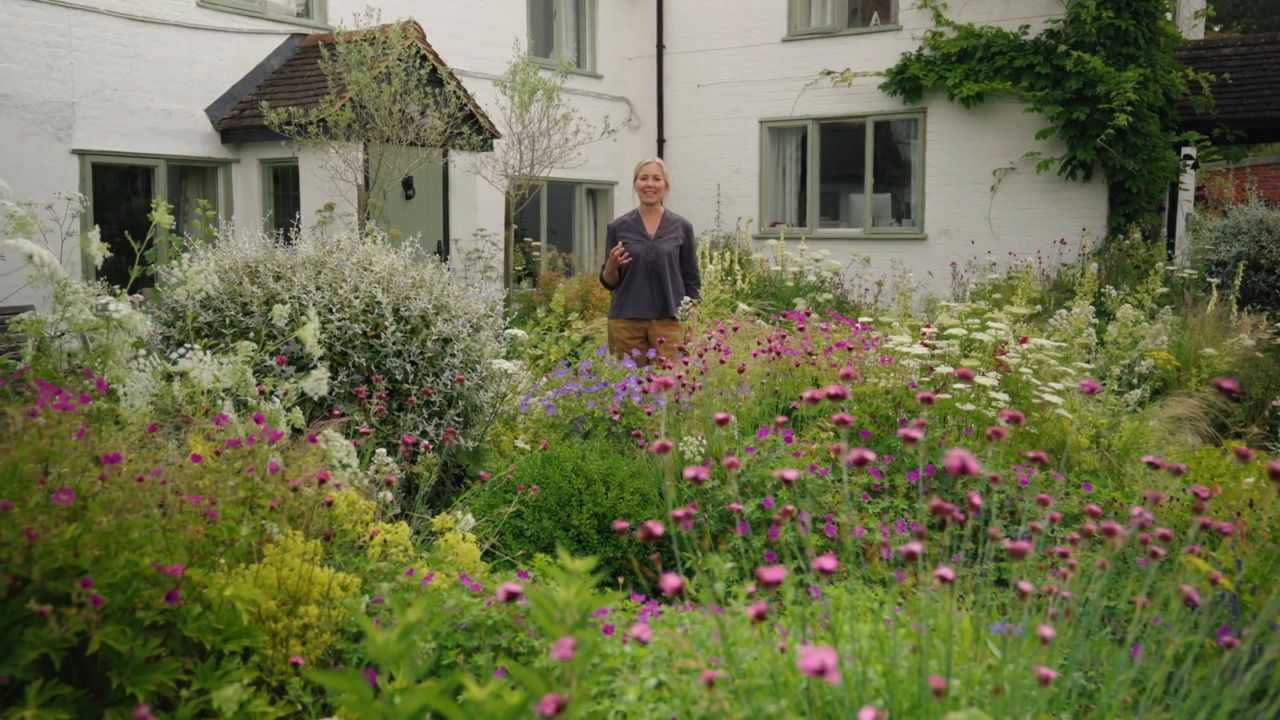
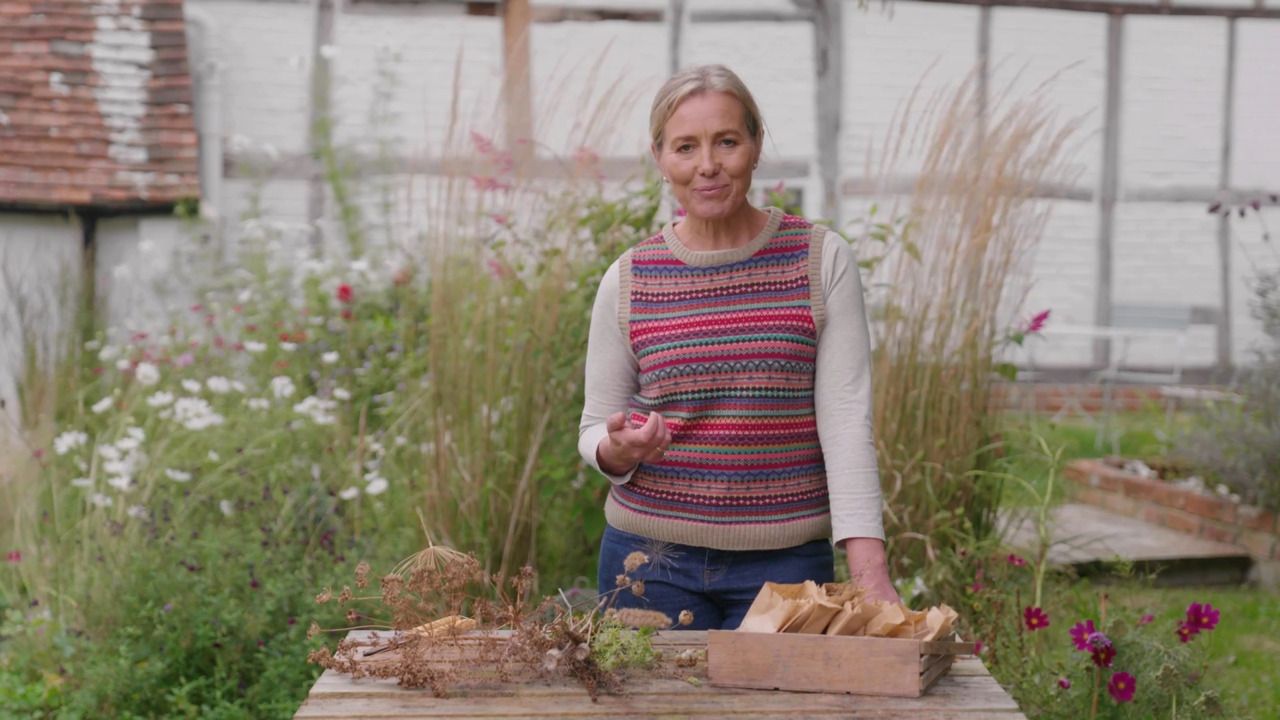
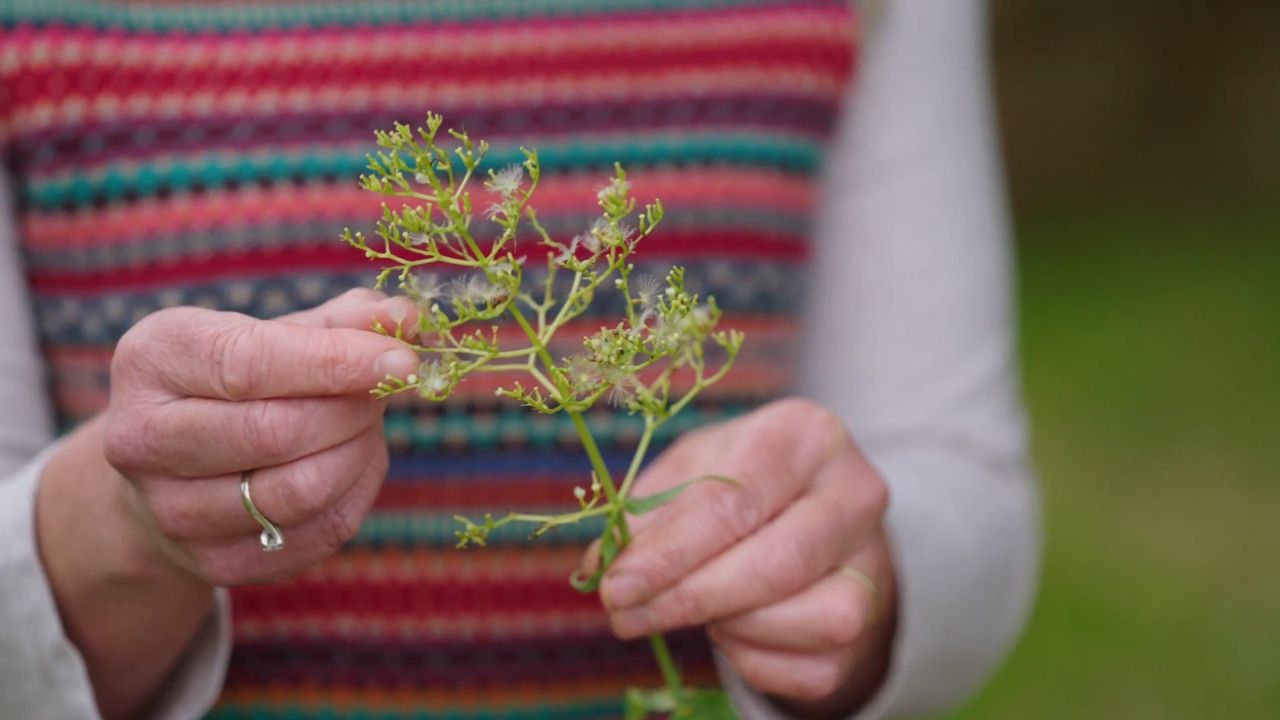
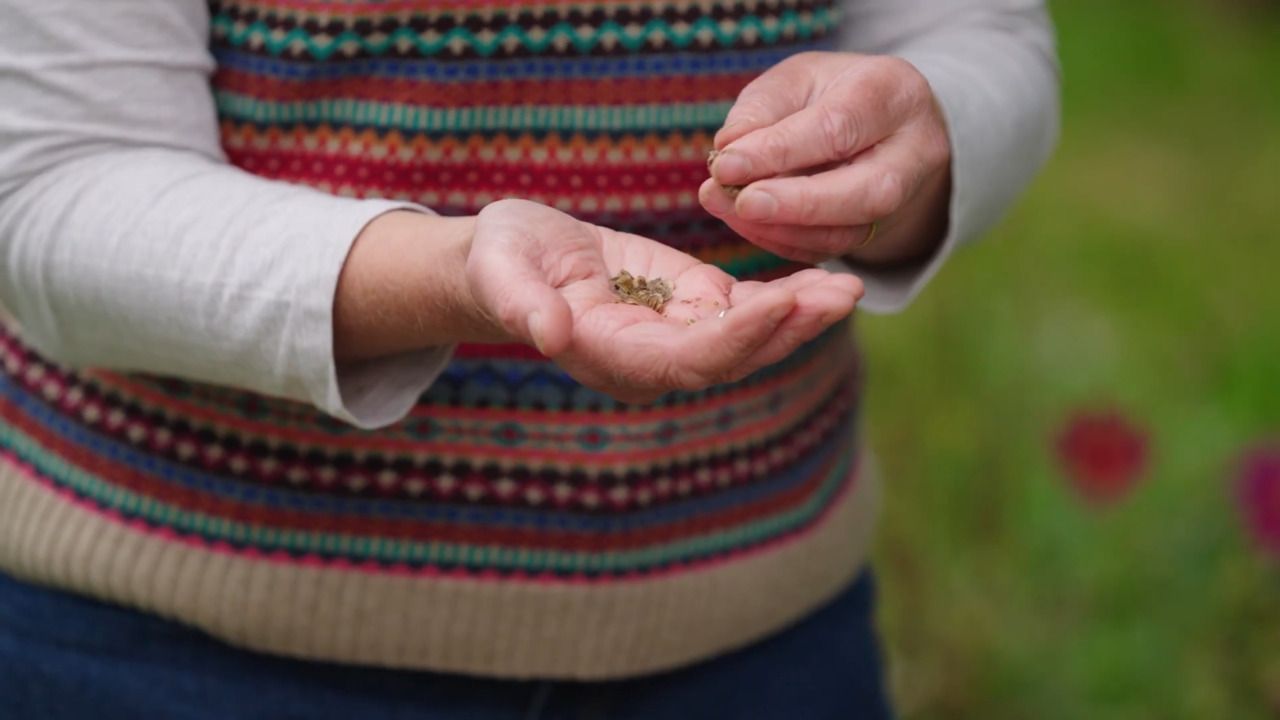
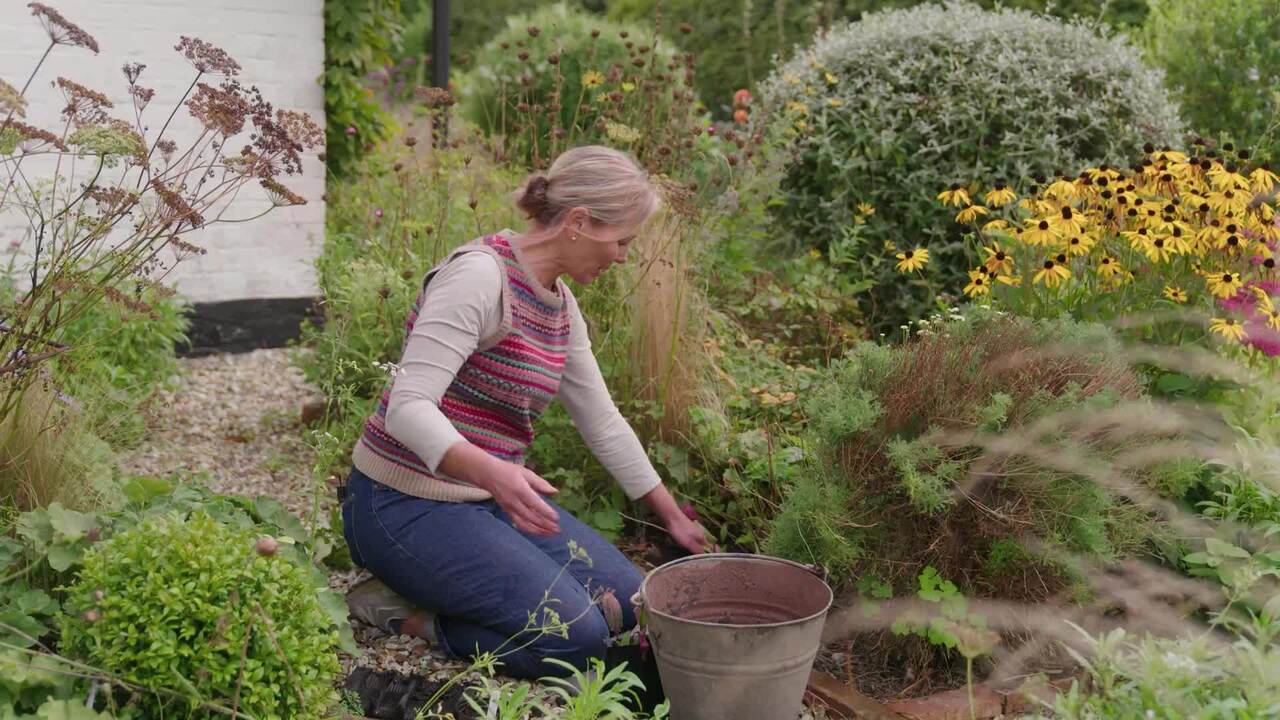
In this lesson I'll take you through the different groups of plants you can sow and when, sharing my simple sowing calendar. We'll also consider colour themes, and how you can organise your thoughts to help you get started.
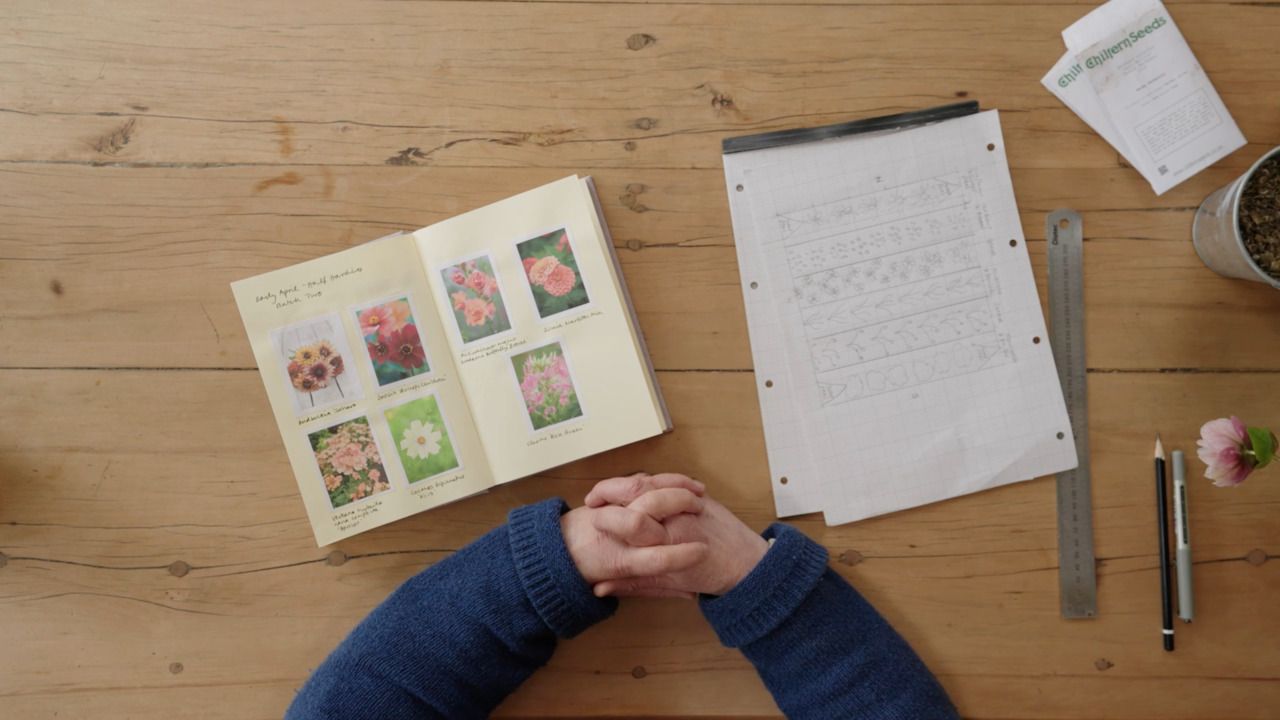
When I'm planning and ordering my seeds, I make a loose planner to lay out everything I'm going to be sowing. It's not day by day, but more what to do in mid-spring, late spring, etc.
I print out little pictures of the plants to help focus my mind and add to the excitement of what I'm growing and what it's going to look like visually.
Then I group the plants by sowing time.
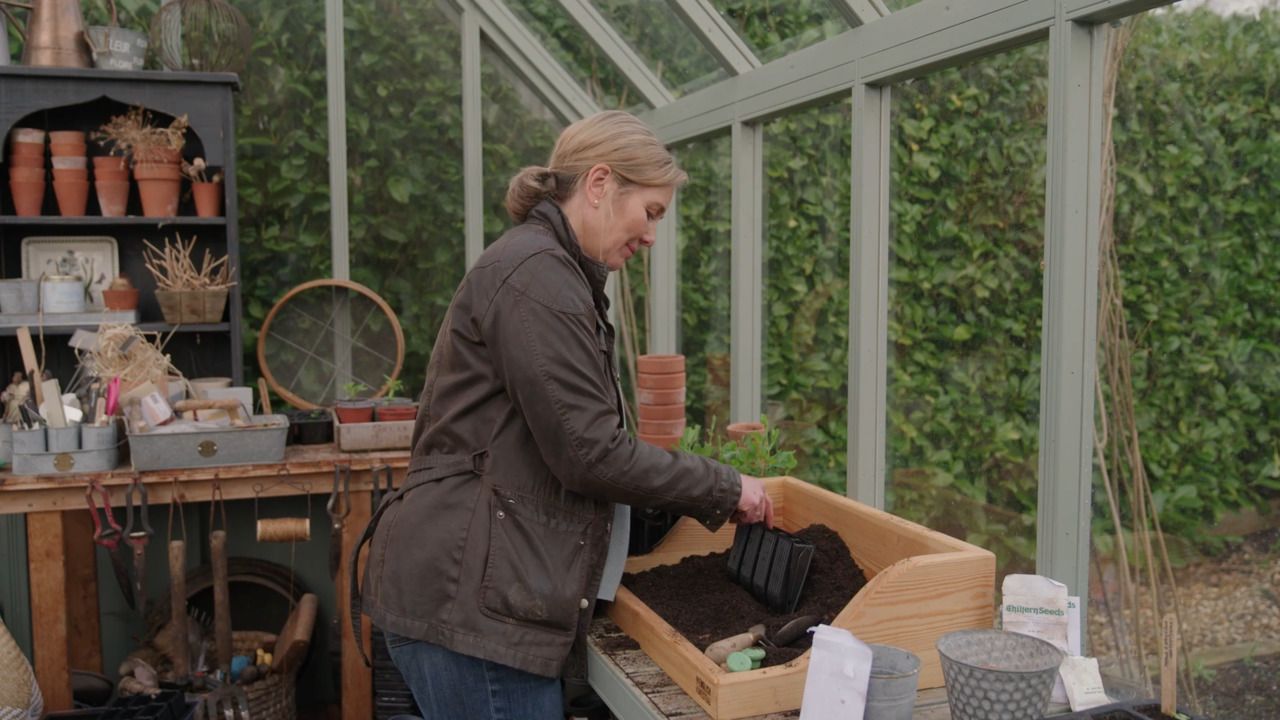
(I'm only sowing first-year-flowering perennials). I sow these in February and plant them quite early on to give them time to mature and flower. These are some of my choices:
These are some of my choices:
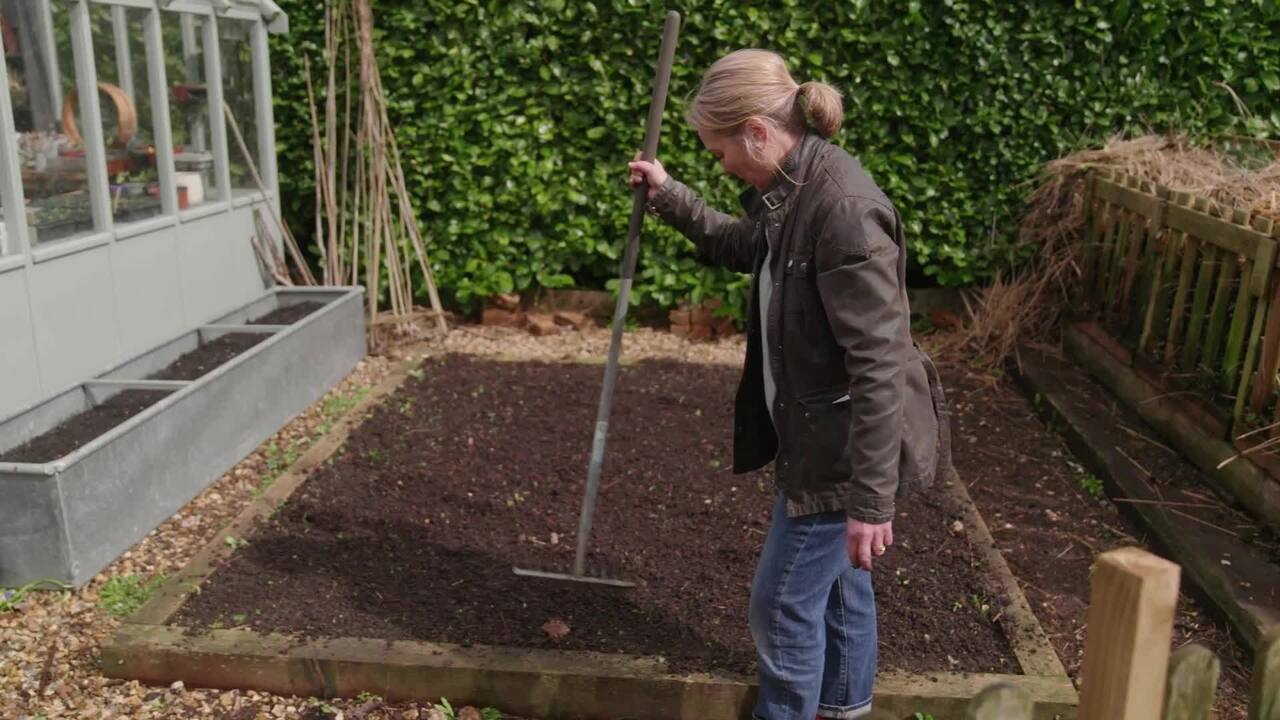
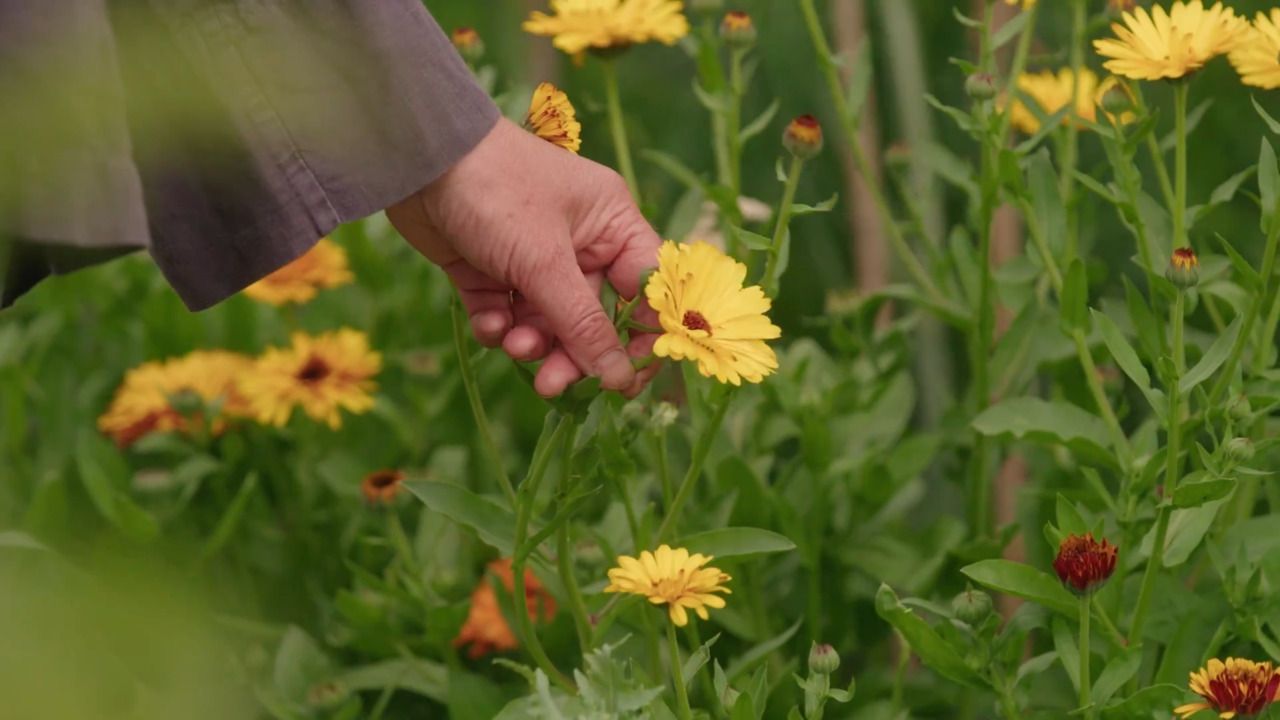
These are some of the hardy annuals I'll be sowing straight into the ground, either scattered in borders (try to remember where you've put them!), or sown in drills:
Don't be tempted to sow half-hardies too early, as you don't want them to get too big too quickly. If plants are in pots for too long, the nutrients in the compost run out and they start to decline, so you want to plant them out while they still look completely healthy. Half-hardies are a bit tender so need to be planted out after the last frosts, e.g. end of May or beginning of June in the UK, so the end of March or beginning of April is a good time to sow.
Always keep in mind when plants can be planted out to try to time your sowing. With practice you'll get a feel for how long a plant is going to take to get to maturity – I've found that cosmos for instance germinate very quickly (3-4 days) and grow quickly too. So the end of March, the beginning of April is. A good time to sow the half-hardies.
These half-hardies flower later in the year so are very useful for end-of-season colour and extending your flowering season. Many will continue flowering until the first frosts so are very valuable additions to the border.
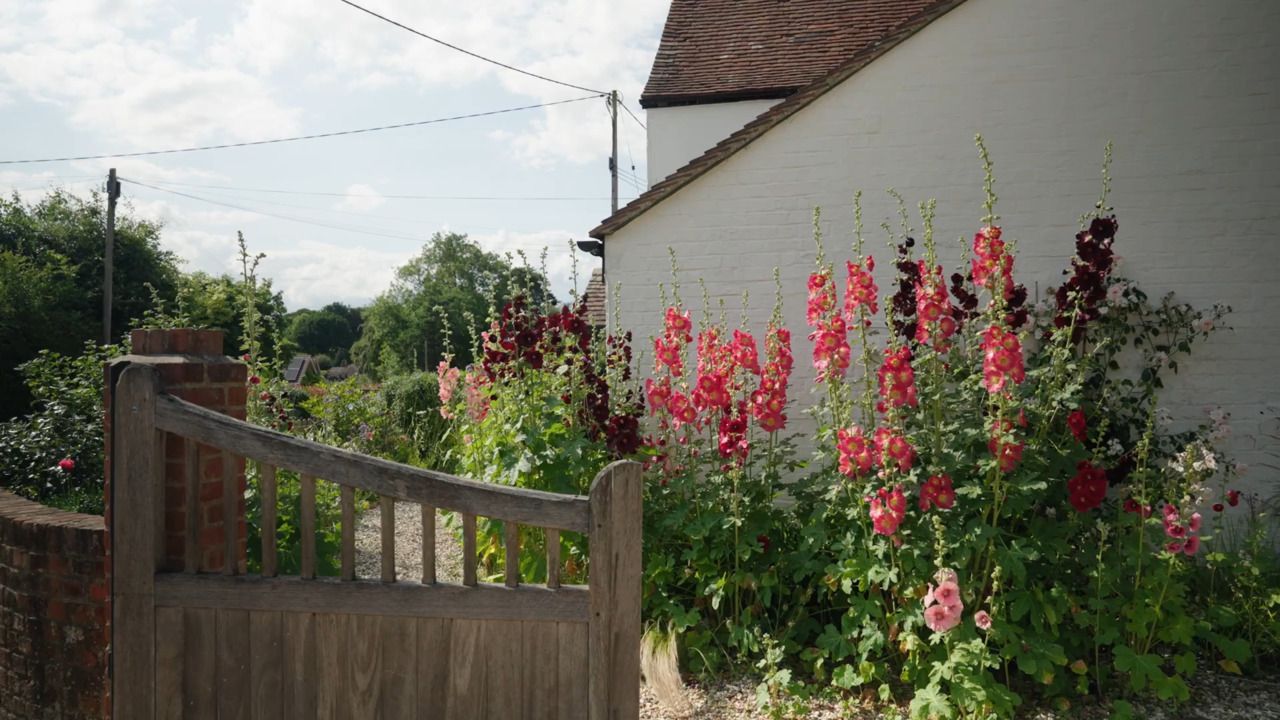
These produce leaves in their first year and flowers in their second year. Biennials usually flower around the end of May and then set seed, so that's the best time to sow them – at the end of May or beginning of June for the following year, to mimic when they'd be doing it naturally:
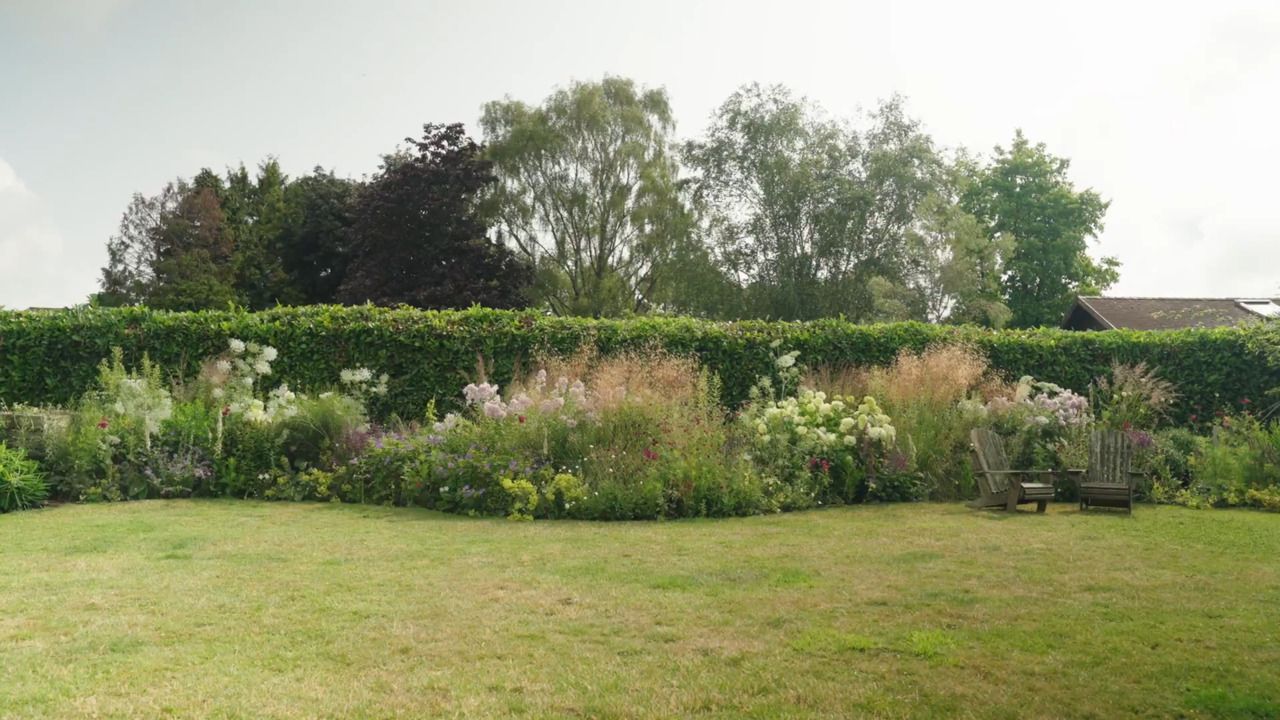
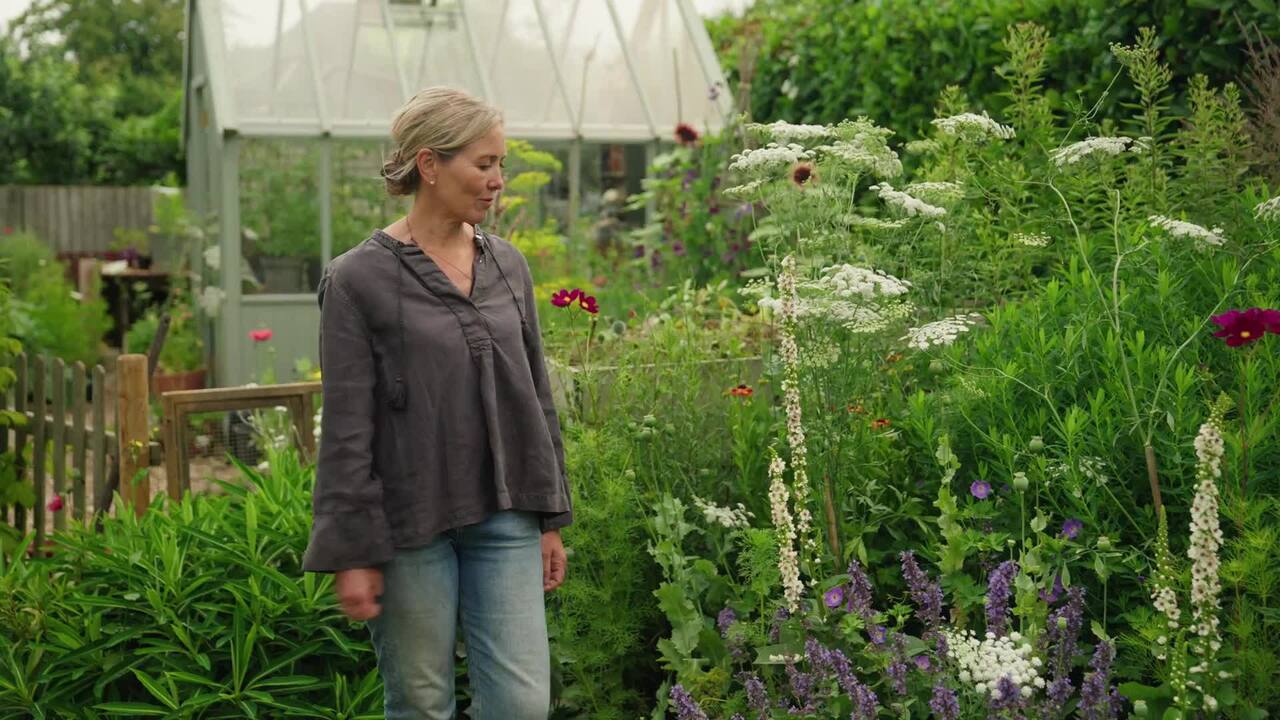
When you're planning what to grow, think about the colour schemes you want. You can have a main colour that runs through, but to avoid 'too tasteful' themes that are sometimes too recessive because they're all one colour, think about injecting some brightness into the theme with pops of brighter or different colours.
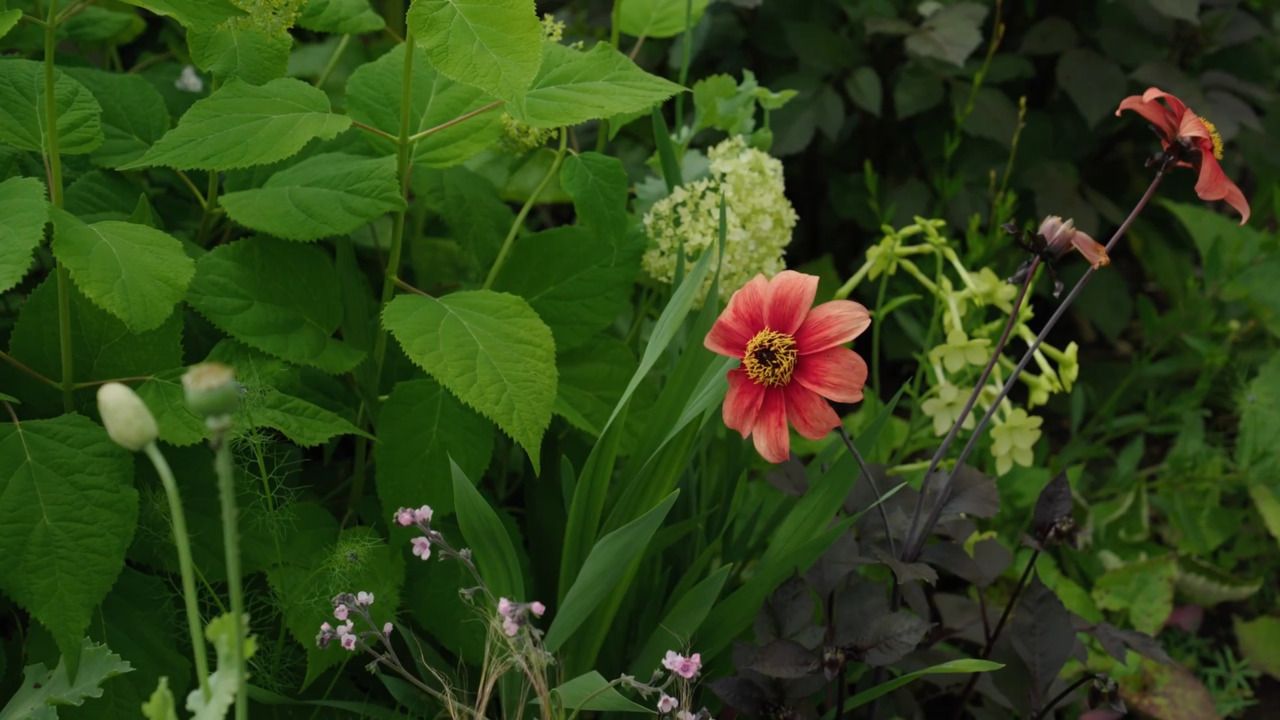
I'm often drawn to apricot as a main colour scheme but I'll be throwing in different colours as well. For my apricot base, I've chosen:
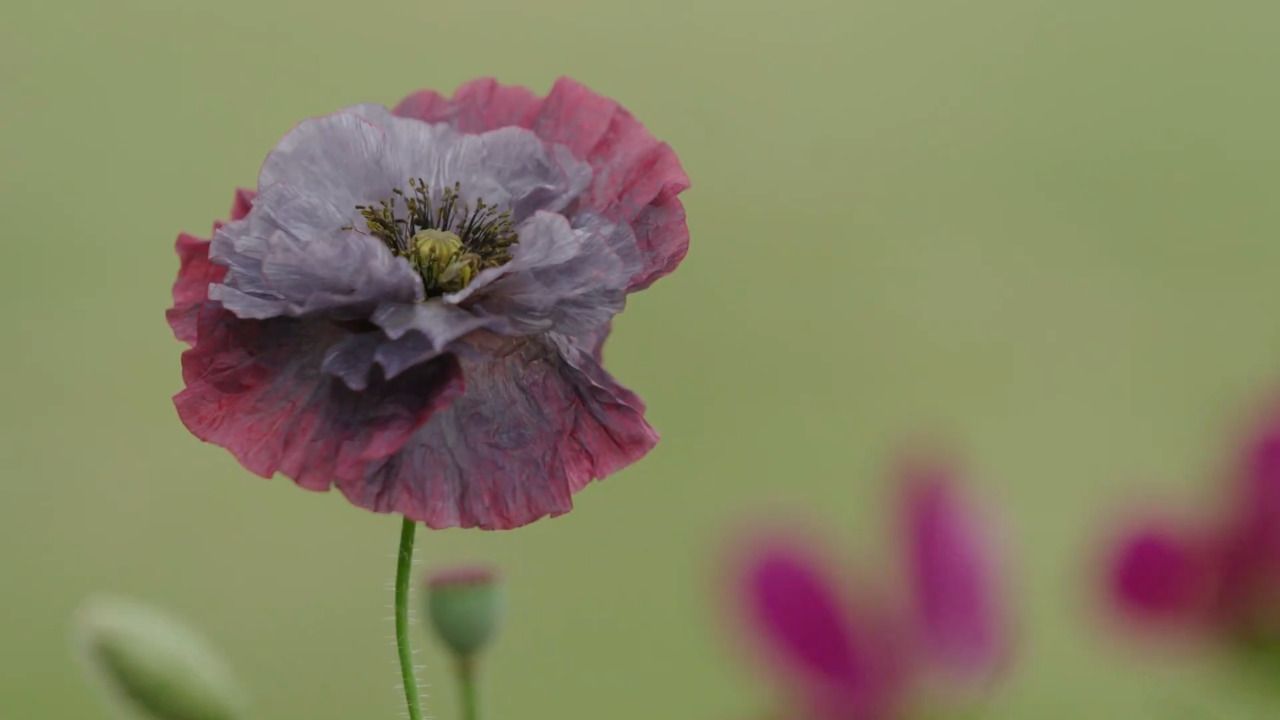
Another colour that's fashionable at the moment is a dusky lavender pink, so I'm growing:
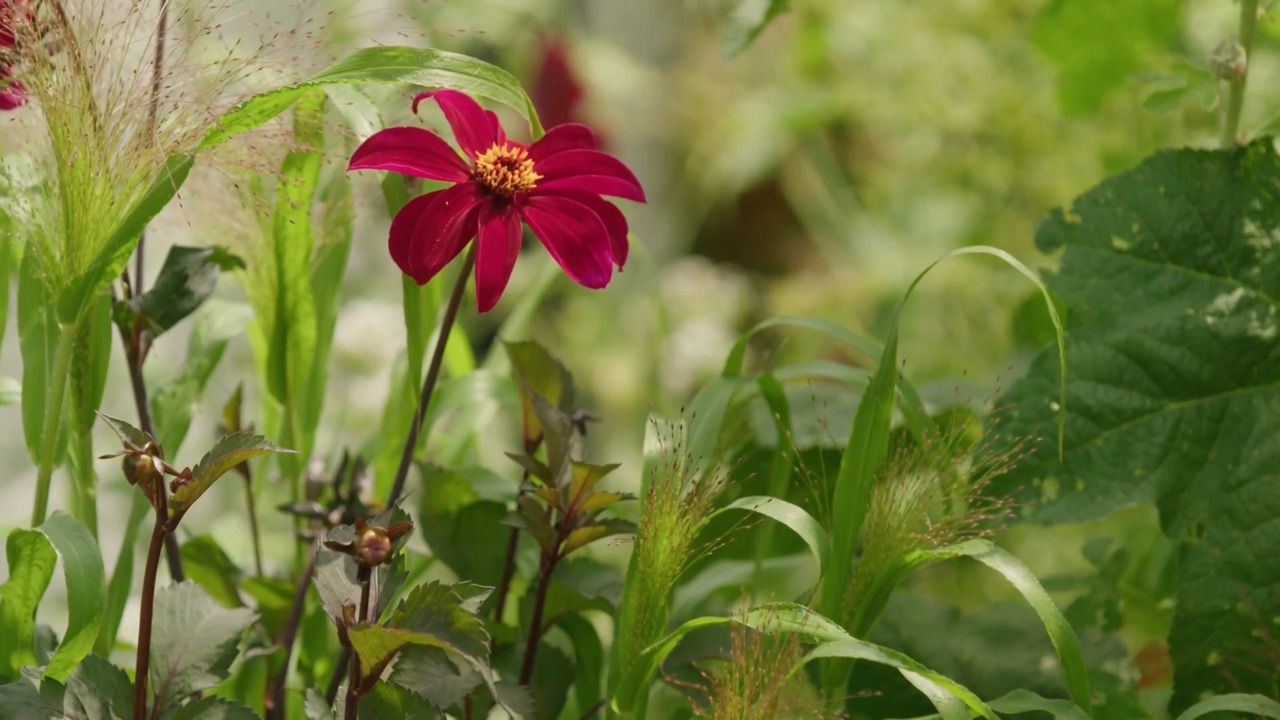
As well as these colours, I'm also drawn to flowers that have different tones, shades and intensities in them that make them more subtle and give an 'antiquey' feel to the colour.
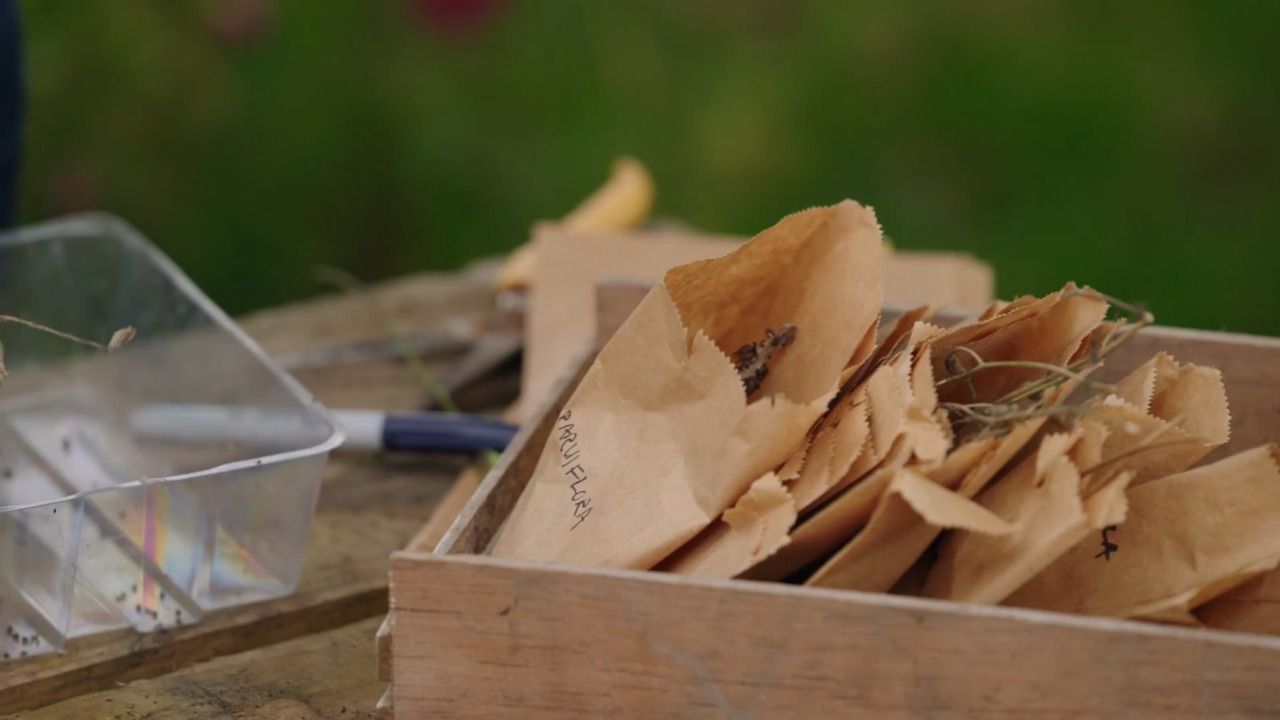
It's really useful to keep a planner to lay out what you're planning to grow from seed each year. Group your plants into broad sowing timeframes e.g. – early March, late March – to get a plan in place for when to sow. This will help you keep track, especially if you've ordered a lot of seeds.
Further reading
Flower Colour Guide by Taylor and Michael Putnam (Phaidon Press, 2018)
Think about some of the colour schemes you might like to try. Think of a main colour and then other complementary colours that can add contrast. For example, lime green might complement plum purple. Try thinking of two possible colour schemes for a border and two for pots.
Then look through seed catalogues or browse some seed websites such as Chiltern or Sarah Raven to find plants that would fit into your colour schemes. Note down some of your favourites in the table.
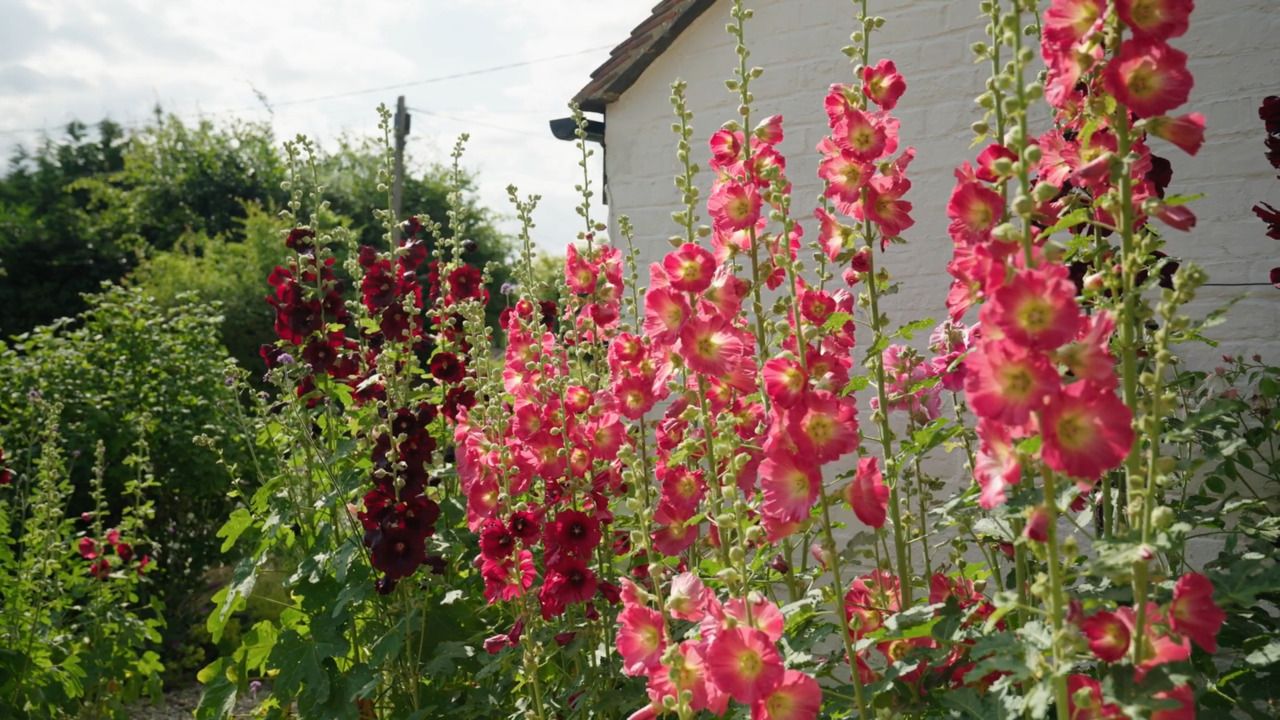
Alcea rosea 'Halo Apricot' (Halo Series)
Hollyhock 'Halo Apricot'
Herbaceous hardy perennial
Malvaceae
Antirrhinum majus 'Madame Butterfly Bronze'
Snapdragon 'Madame Butterfly Bronze'
Short-lived perennial, grown as an annual
Plantaginaceae
Chaerophyllum hirsutum 'Roseum'
Hairy chervil 'Roseum'
Herbaceous hardy perennial
Apiaceae
Consolida ajacis 'Misty Lavender'
Giant larkspur 'Misty Lavender'
Hardy annual
Ranunculaceae
Cosmos bipinnatus 'Purity', 'Dazzler', 'Rubenza', 'Kiiro'
Mexican aster, cosmea
Half-hardy annual
Asteraceae
Cynoglossum 'Mystery Rose'
Chinese forget-me-not 'Mystery Rose'
Hardy annual or biennial
Boraginaceae
Dahlia australis
Southern dahlia
Tuberous half-hardy perennial
Asteraceae
Dahlia BISHOP'S CHILDREN (mixed)
Dahlia BISHOP'S CHILDREN (mixed)
Tender perennial grown as half-hardy annual
Asteraceae
Dahlia merckii
Merck dahlia
Tuberous half-hardy perennial
Asteraceae
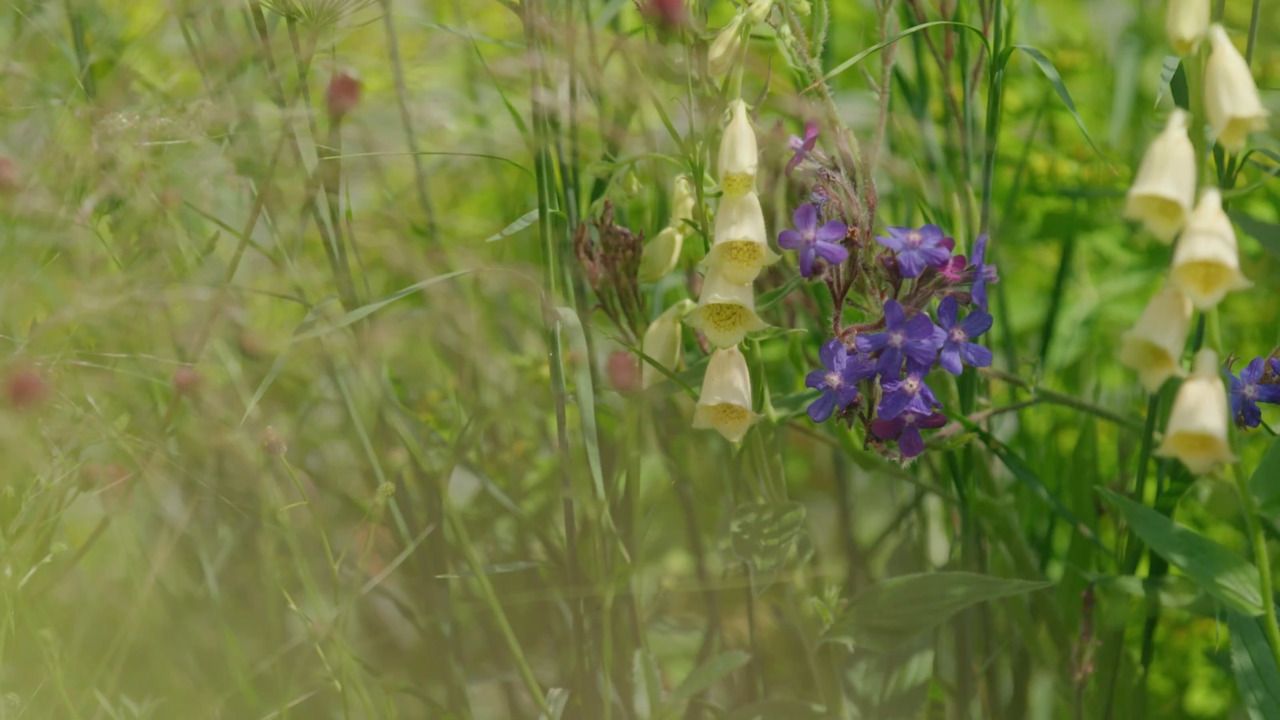
Digitalis grandiflora
Large yellow foxglove
Evergreen hardy perennial
Plantaginaceae
Digitalis purpurea
Common foxglove
Biennial or short-lived hardy perennial
Plantaginaceae
Erysimum species and cultivars
Wallflowers
Evergreen hardy perennials
Brassicaceae
Eschscholzia californica
California poppy
Hardy annual
Papaveraceae
Helianthemum annuum 'Ruby Eclipse'
Sunflower 'Ruby Eclipse'
Half-hardy annual
Asteraceae
Lathyrus odoratus cultivars
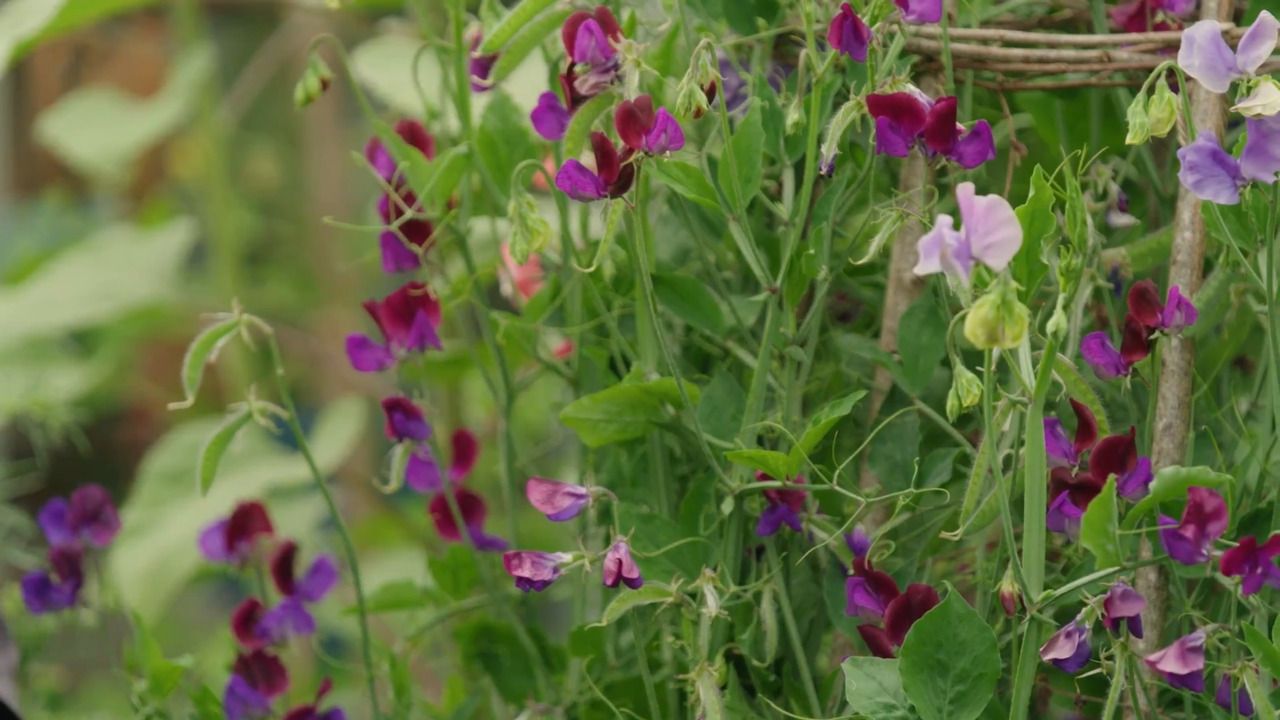
Sweet peas
Hardy annuals
Fabaceae
Lomatium columbianum
Columbia desert parsley
Herbaceous perennial
Apiaceae
Leonurus sibiricus
Siberian motherwort
Hardy annual or biennial
Lamiaceae
Lunaria annua
Honesty
Hardy annual or biennial
Brassicaceae
Nicotiana 'Lime Green'
Tobacco flower 'Lime Green'
Short-lived tender perennial, grown as half-hardy annual
Solanaceae
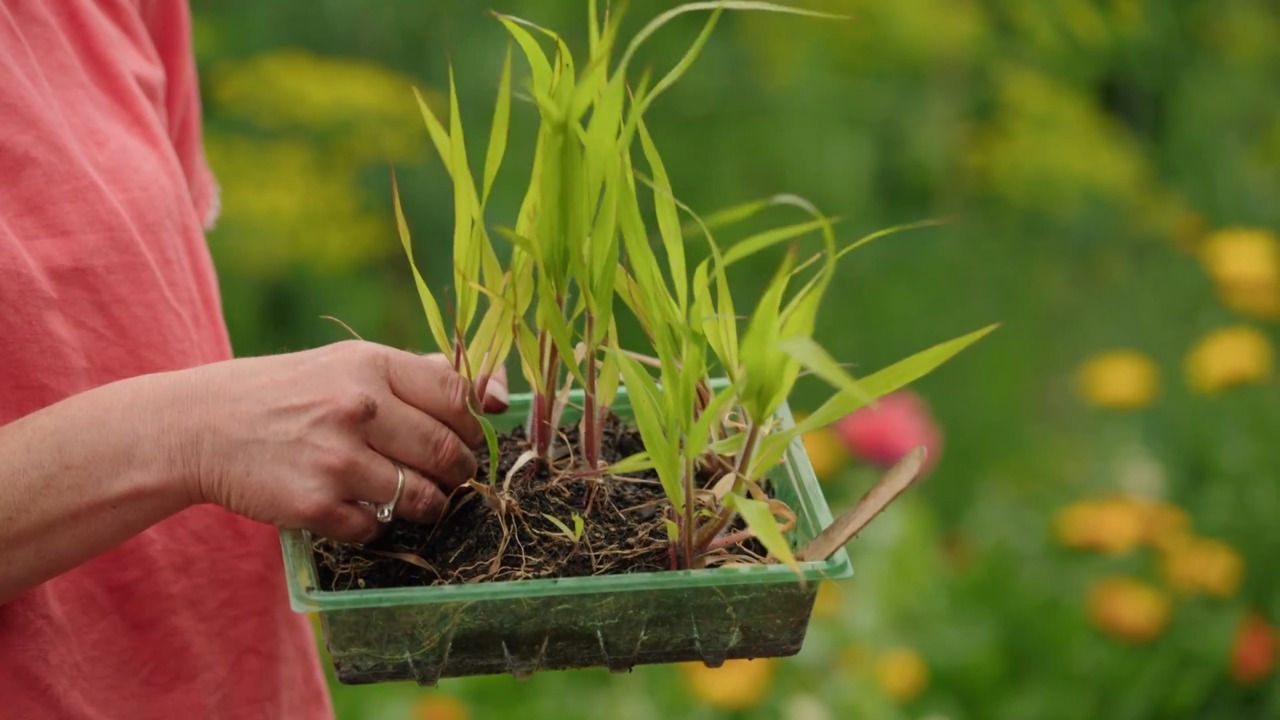
Panicum elegans 'Sprinkles'
Panic grass 'Sprinkles'
Half-hardy annual
Poaceae
Papaver macrostomum 'Black Magic'
Poppy 'Black Magic'
Hardy annual
Papaveraceae
Papaver rhoeas 'Amazing Grey'
Poppy 'Amazing Grey'
Hardy annual
Papaveraceae
Papaver rhoeas 'Pandora'
Poppy 'Pandora'
Hardy annual
Papaveraceae
Phlox drummondii 'Crème Brûlée'
Annual phlox 'Crème Brûlée'
Short-lived perennial grown as half-hardy annual
Polemoniaceae
Rudbeckia hirta SAHARA (mixed)
Black-eyed Susan SAHARA (mixed)
Tender perennial grown as half-hardy annual
Asteraceae
Tropaeolum majus cultivars
Nasturtiums
Hardy annual
Tropaeolaceae
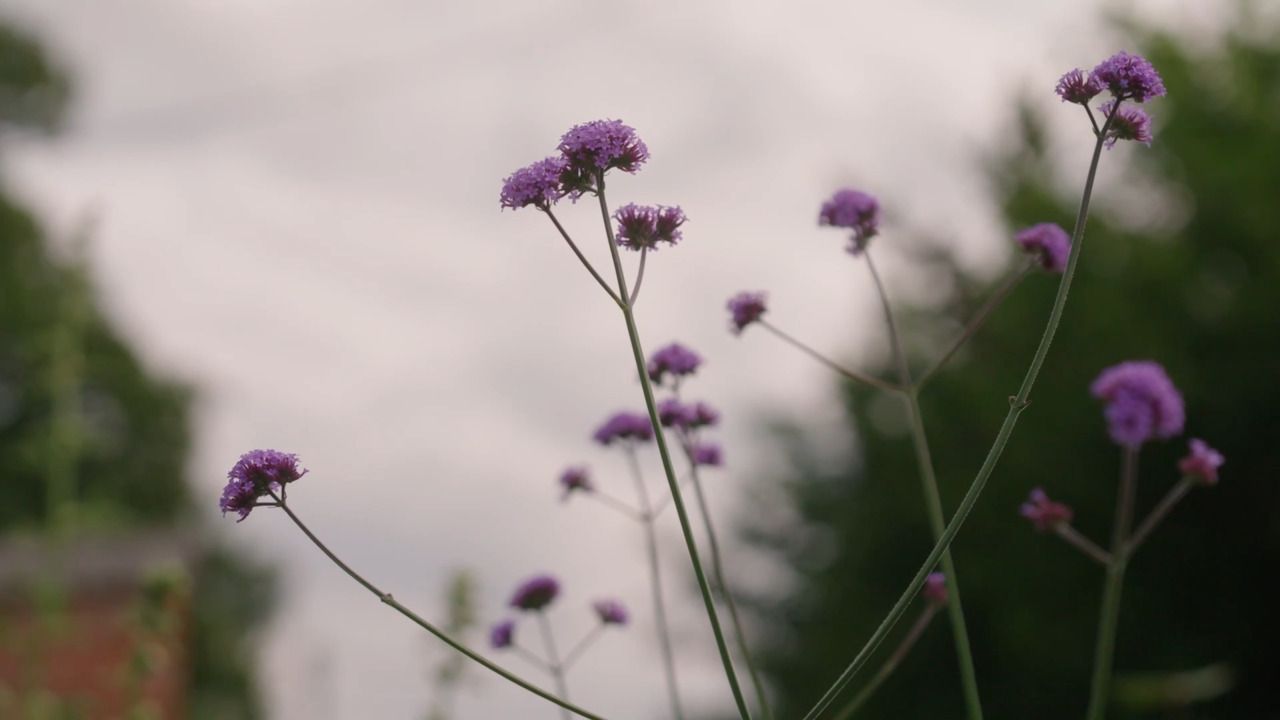
Verbena × hybrida 'Nana Compacta Apricot'
Florist's verbena, garden verbena
Tender perennial grown as half-hardy annual
Verbenaceae
Zinnia MFG (Almost) Perfectly Pastel (mixed)
Common zinnia MFG (Almost) Perfectly Pastel (mixed)
Half-hardy annual
Asteraceae
Get the full workbook, video lessons, and more with a Create Academy subscription.
Subscribe to access the full workbookAlready a member? Sign in to watch
510 reviews
Read moreCreate Academy has been such a great resource. I'm in the middle of renovating a bungalow with a very large garden and the courses have offered a wealth of inform...
Harvey
Jun 10, 2026
Absolutely love Create Academy! The instructors are extremely informative, and it is beautifully filmed. Create Academy is great value for money and plan on renew...
SG
May 31, 2026
Butter's creativity is stunning! Her ability to incorporate brilliance in small gardens is magical!
Carla
May 30, 2026
The best adventure. I like all the courses, but my favorite are both Rita Konig interior design courses and Anna Jones. Excellent!
Karolina Kluczewska
May 20, 2026
Create Academy has been such a great resource. I'm in the middle of renovating a bungalow with a very large garden and the courses have offered a wealth of information to dive into and explore new ideas. I'm...
Harvey
Jun 10, 2026
Absolutely love Create Academy! The instructors are extremely informative, and it is beautifully filmed. Create Academy is great value for money and plan on renewing my subscription yearly because there are ...
SG
May 31, 2026
Butter's creativity is stunning! Her ability to incorporate brilliance in small gardens is magical!
Carla
May 30, 2026

Your Instructor
Garden writer and plantswoman. Seed growing expert. Garden Editor of House & Garden magazine.
Clare Foster is a gardener, writer and journalist. She has been House & Garden’s Garden Editor since 2005, and before that was the Editor of Gardens Illustrated. Clare is an expert at growing from seed and has written a book on the topic called, 'The Flower Garden: how to grow flowers from seed'.
Access to all courses

.jpg)
