
Interior and exterior confidence
Create Academy has been such a great resource. I'm in the middle of renovating a bungalow with a very large garden and the courses have offered a wealth of inform...
Harvey
Jun 10, 2026
with CLARE FOSTER — Garden writer and plantswoman. Seed growing expert. Garden Editor of House & Garden magazine.
Lesson 28 of 33
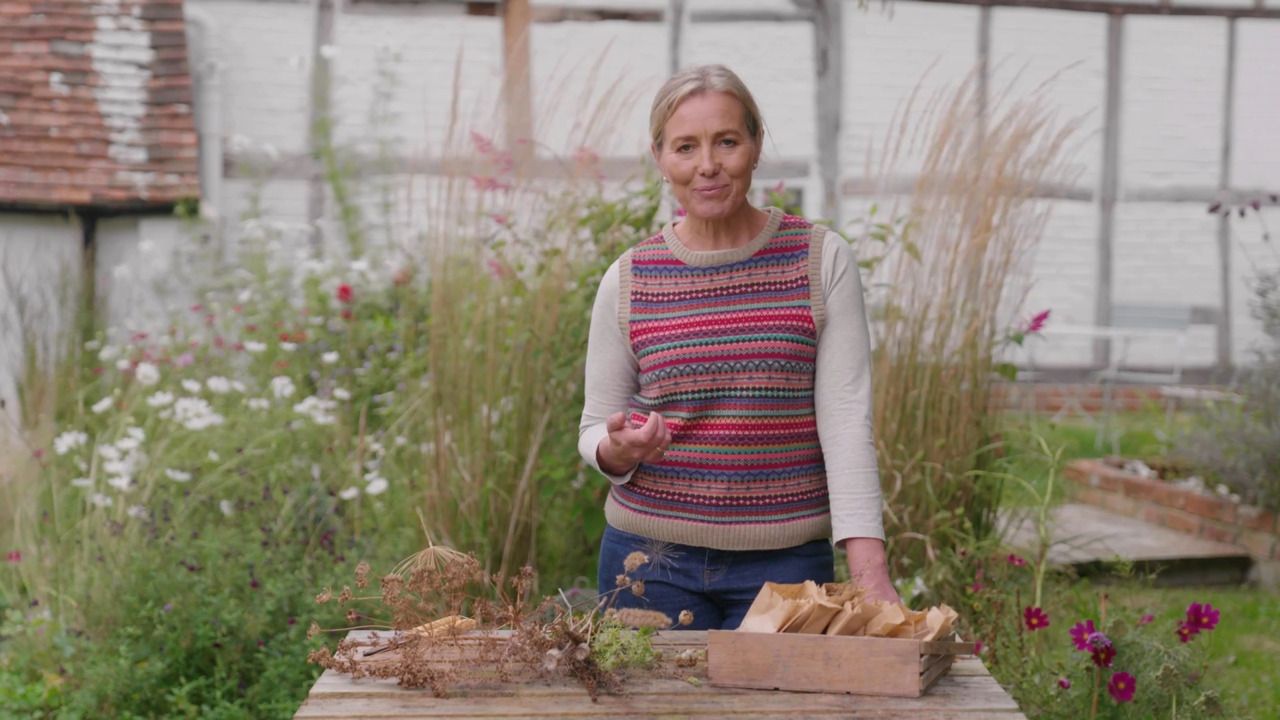
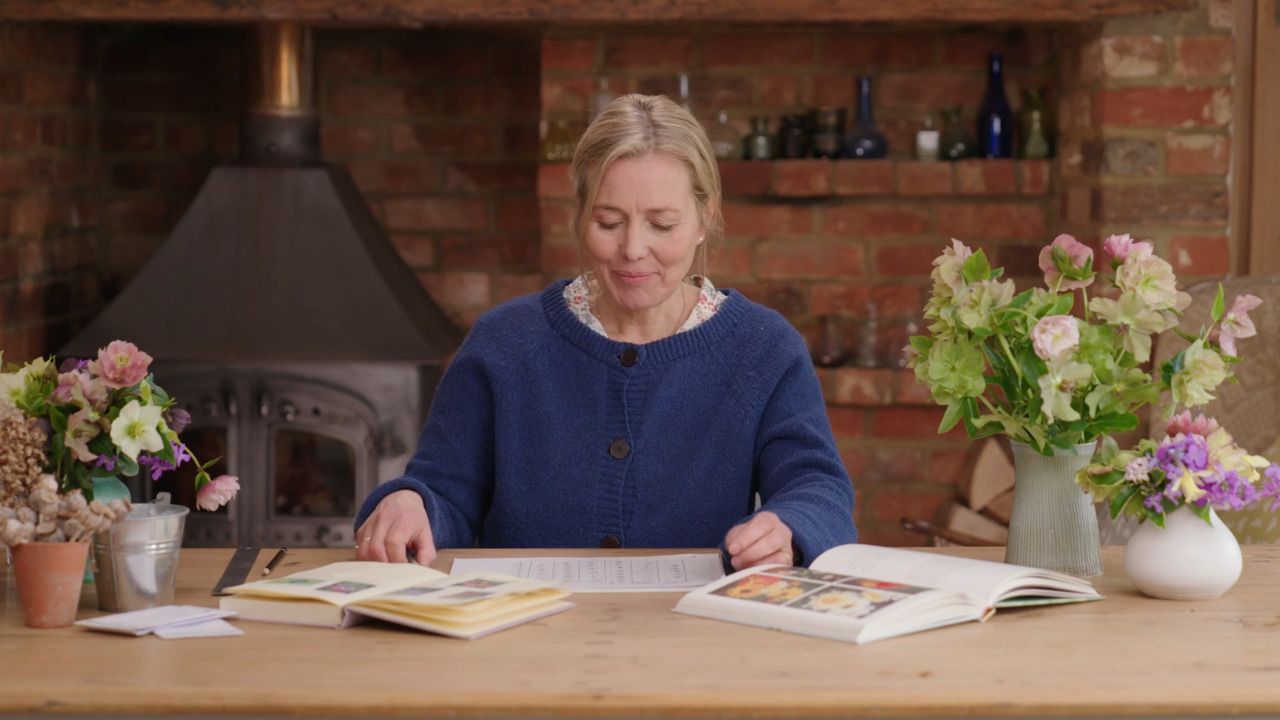
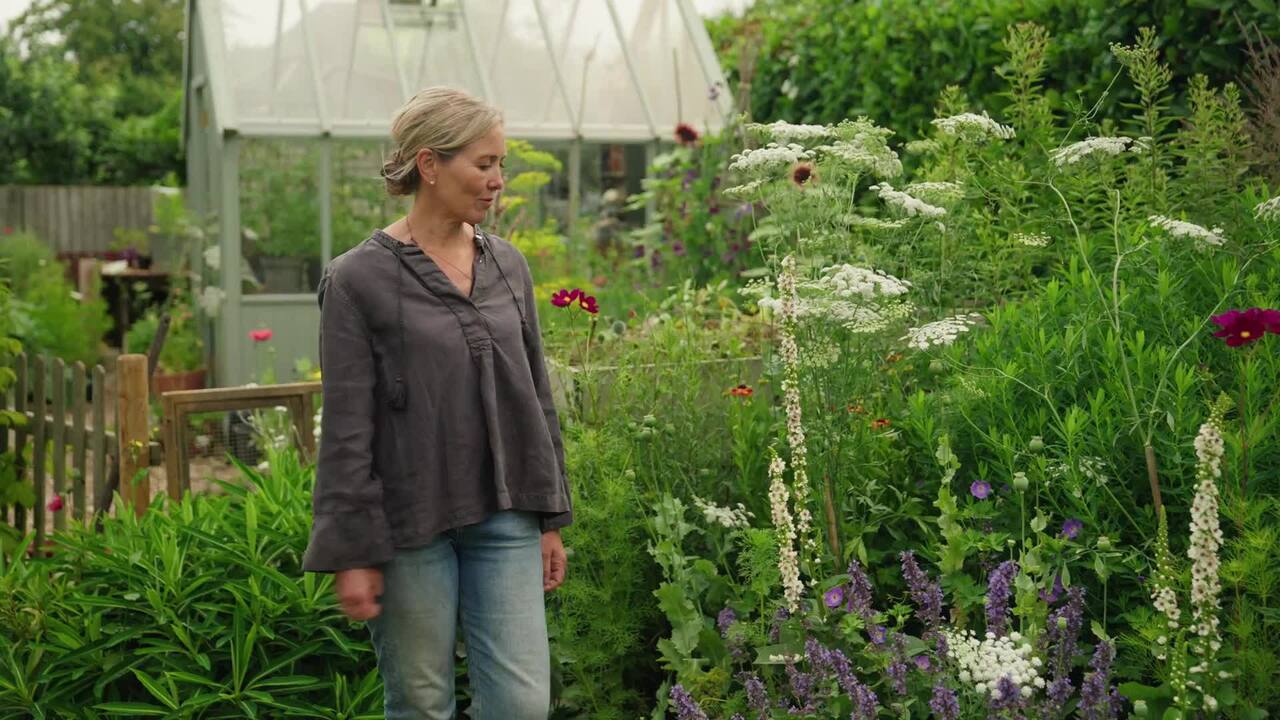
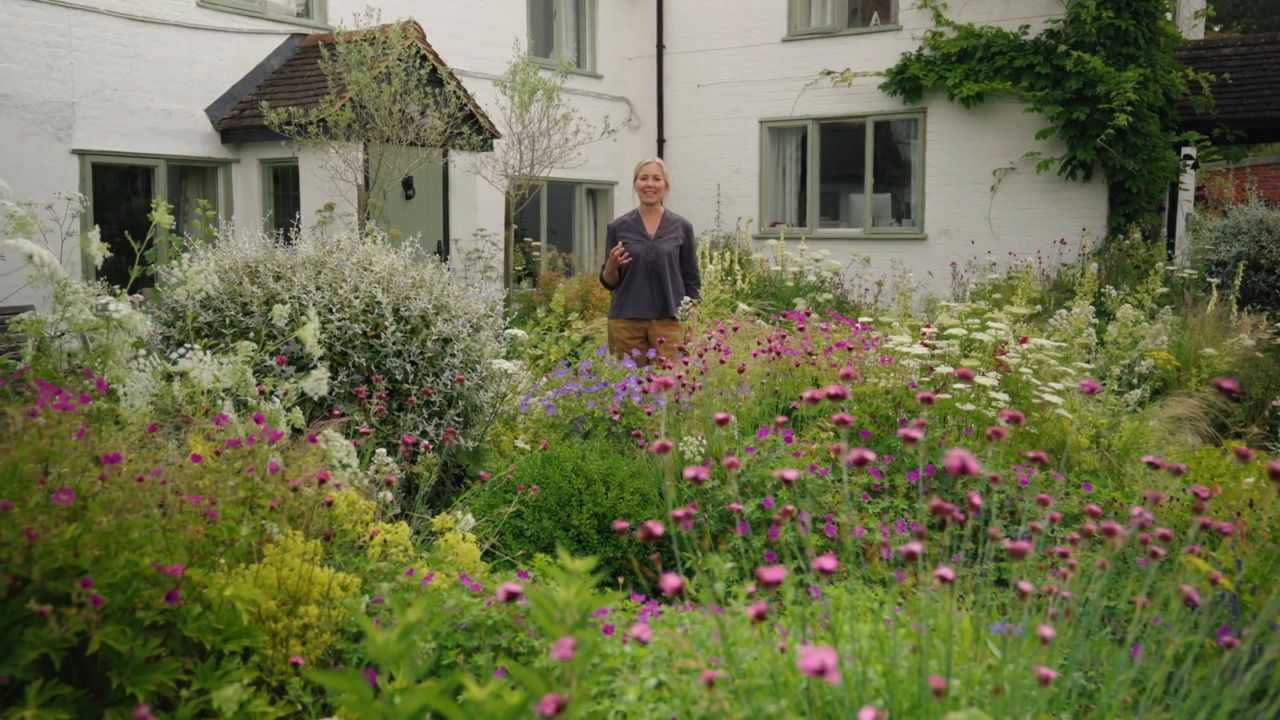
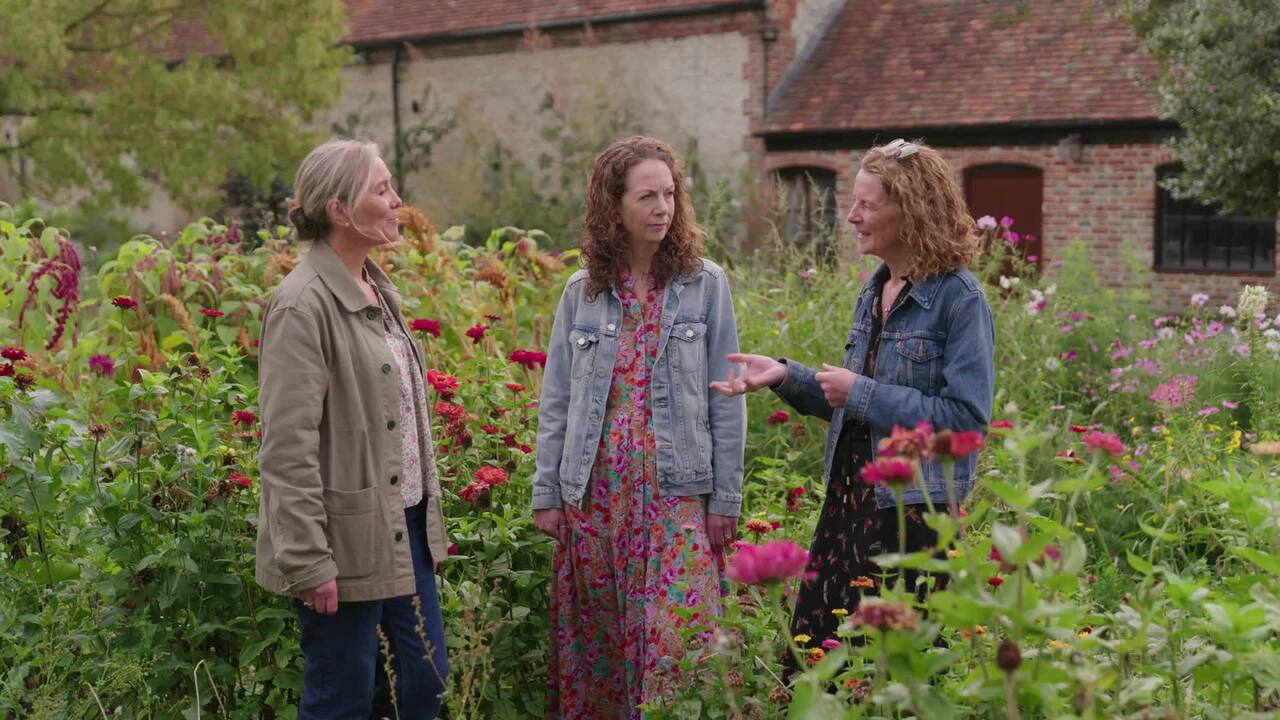
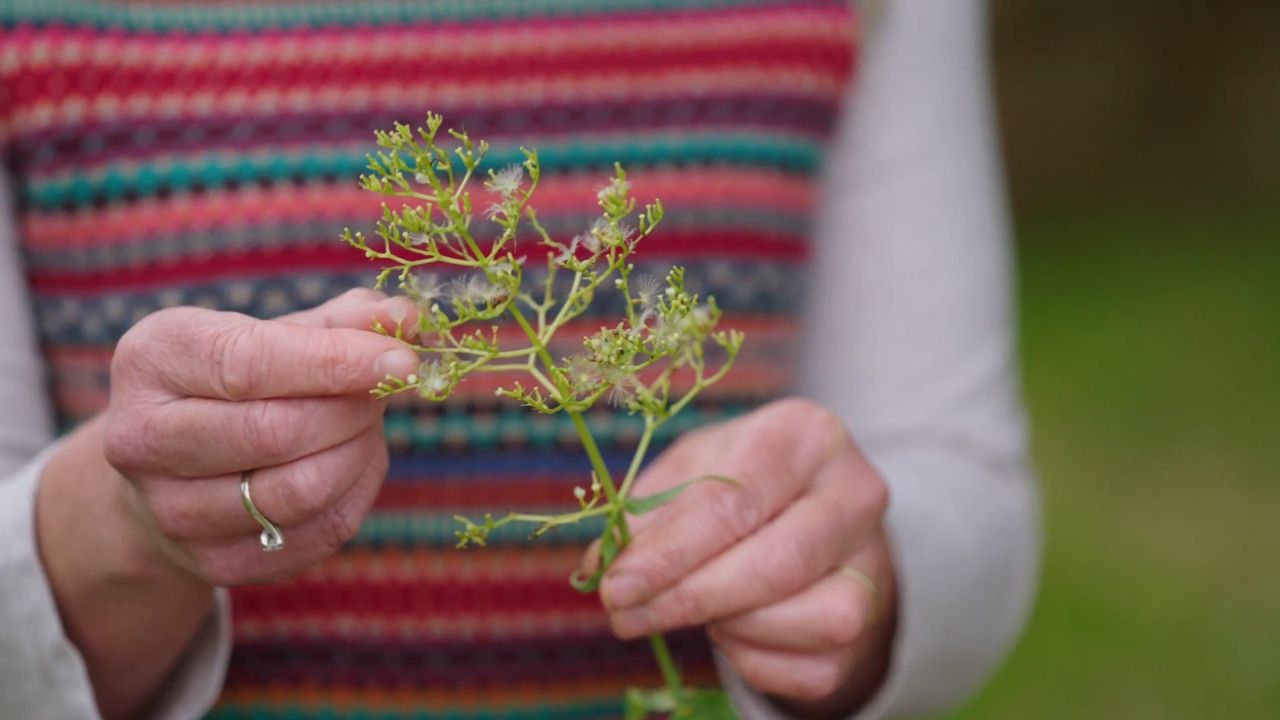
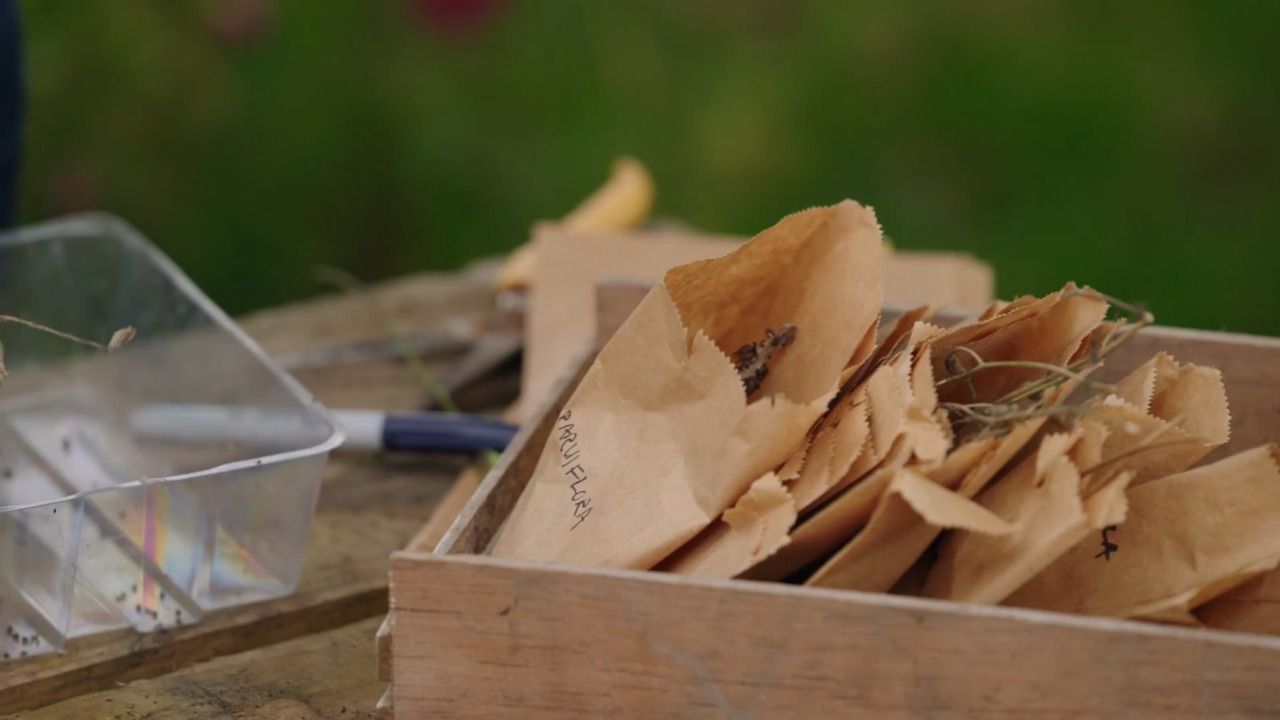
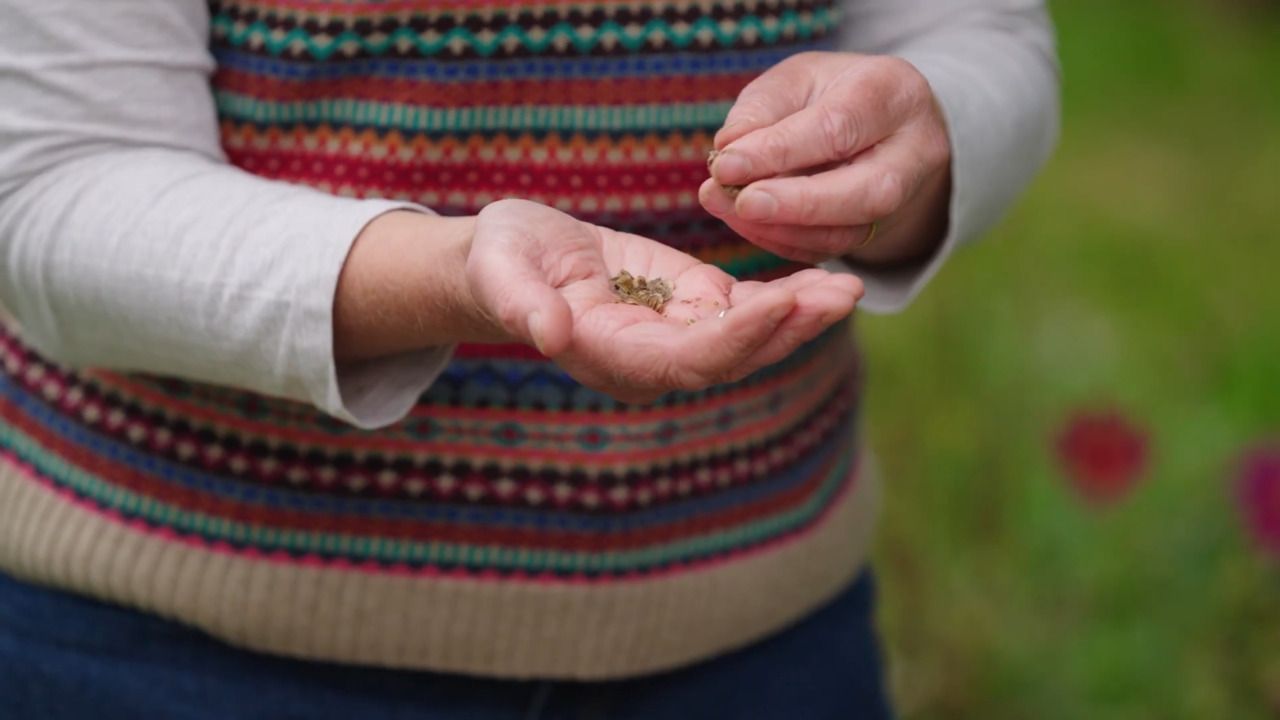
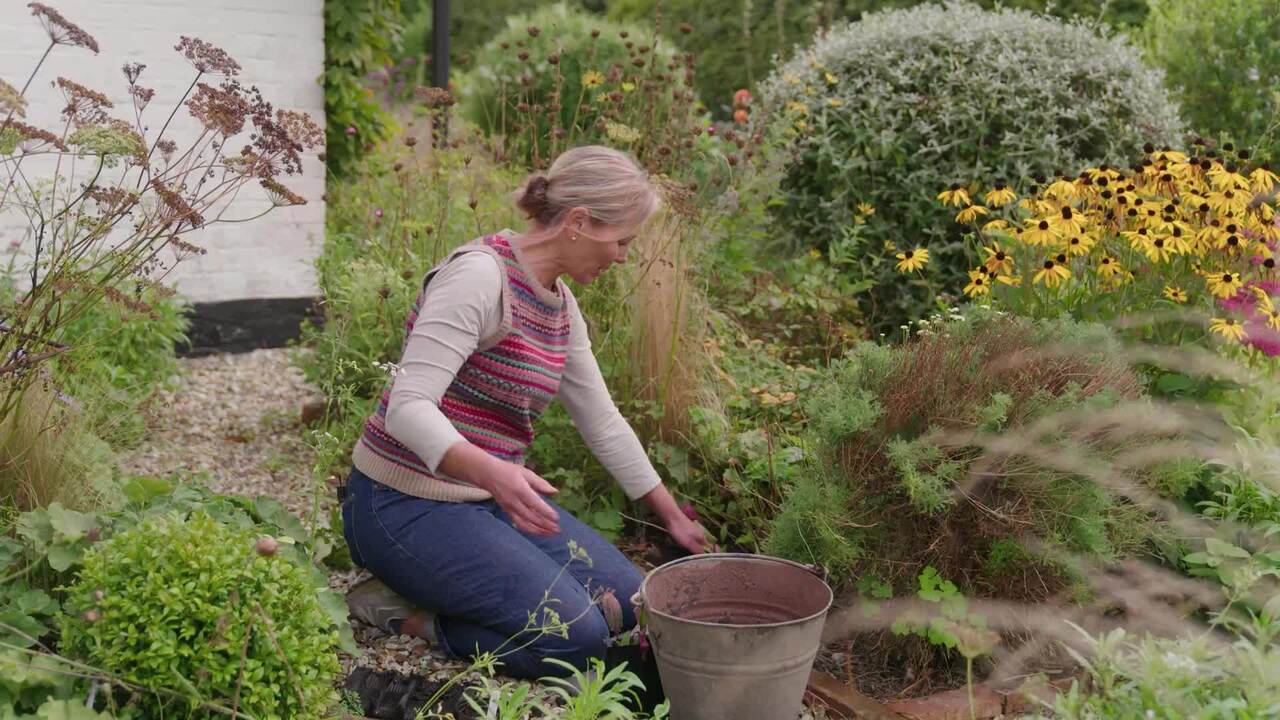
Clare introduces the easy and rewarding process of collecting your own seed, including which types of plant are likely to produce the best results, and some basic science behind seed 'trueness'.
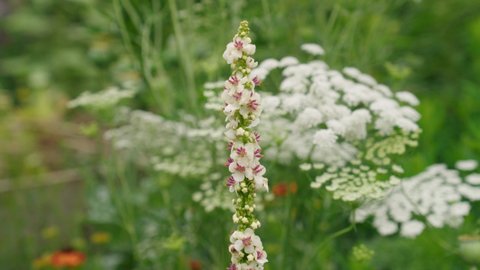
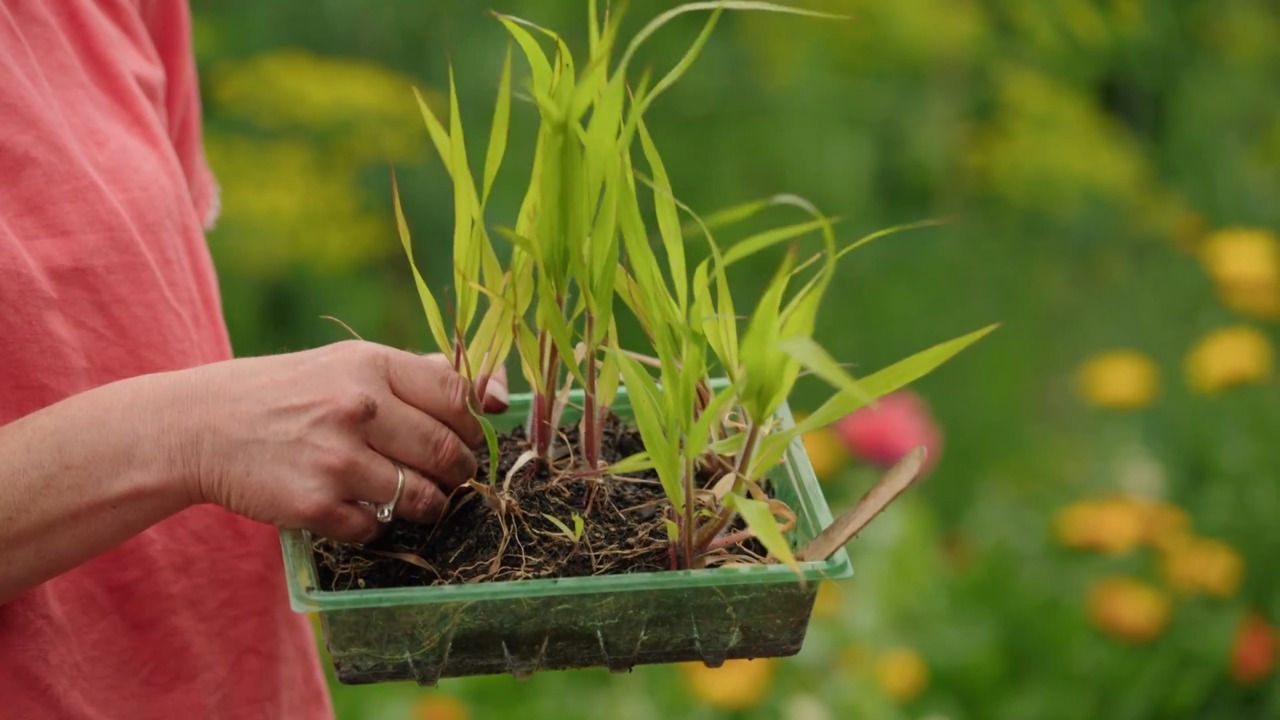
Collecting your own seed can be really easy and rewarding. In this lesson, we'll explore which types of plants are likely to produce best results, and what 'coming true from seed' means.
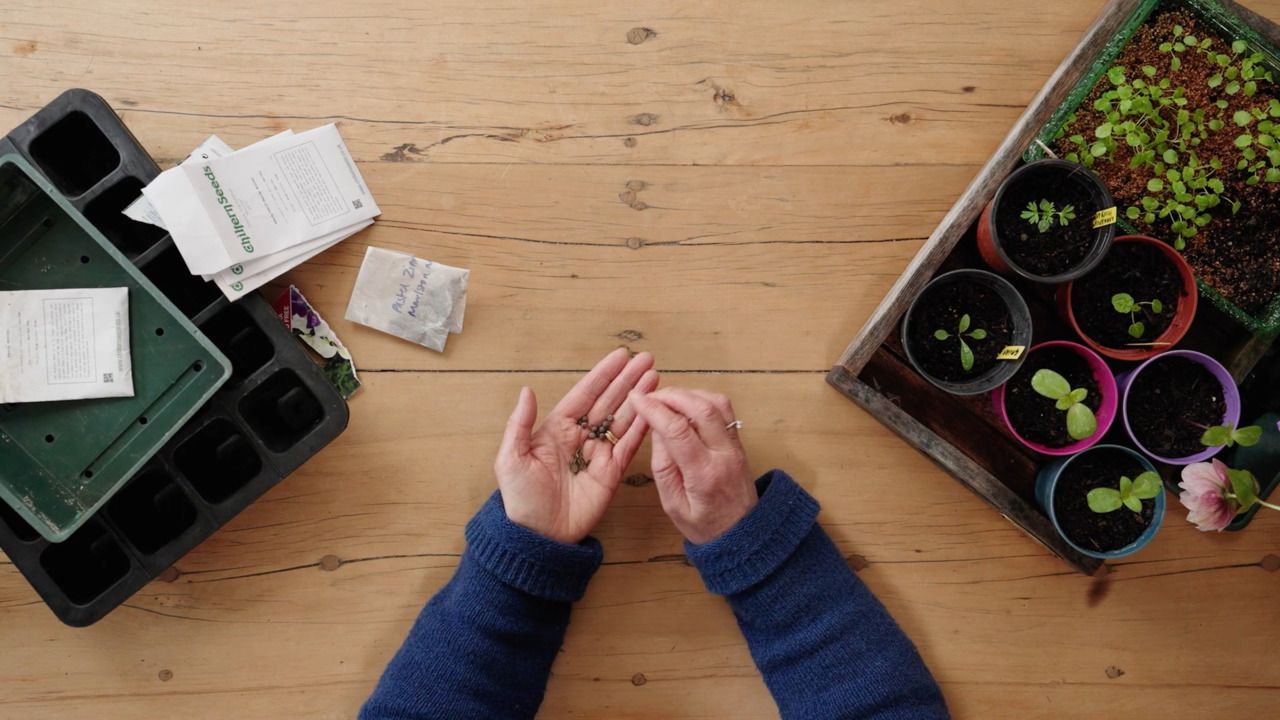
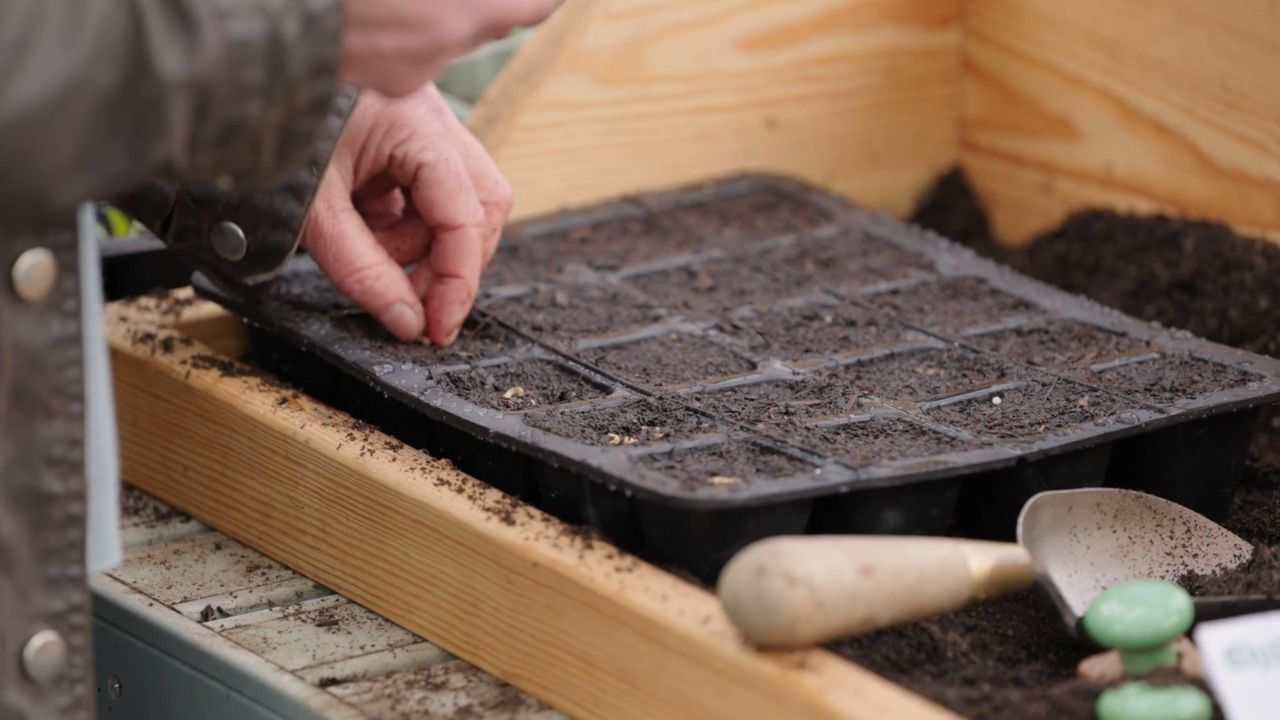
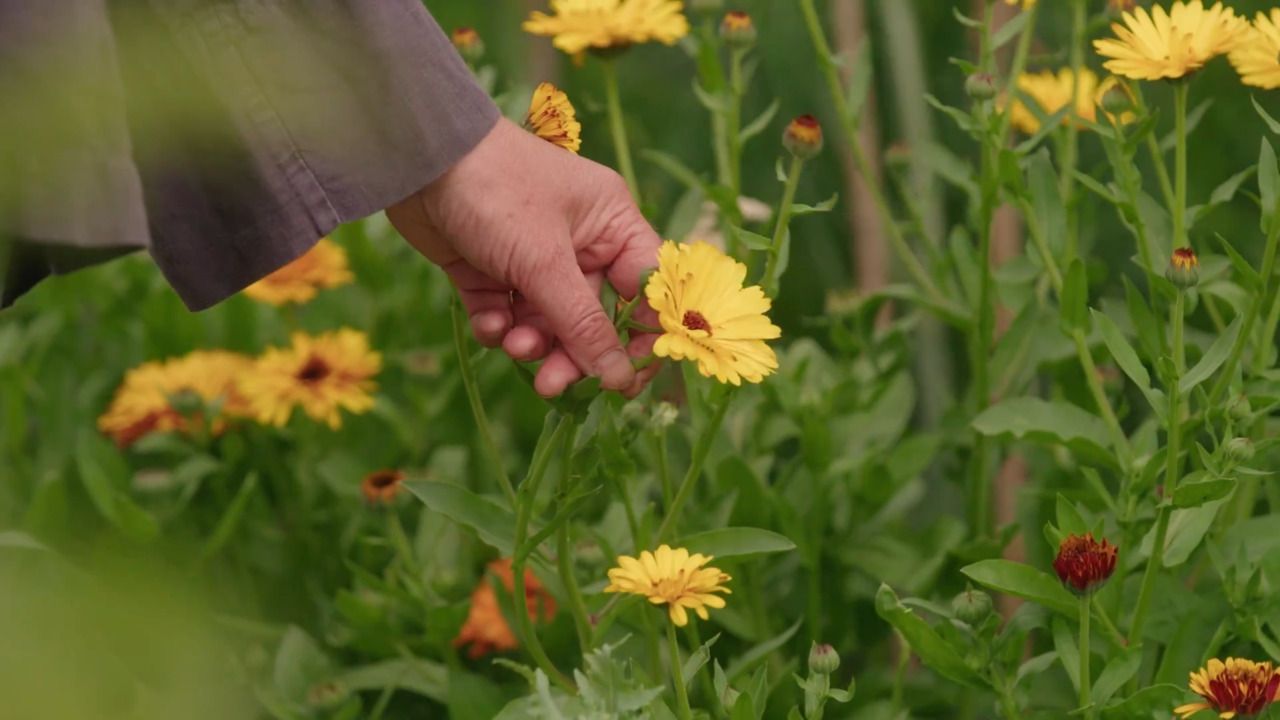
Collecting seed from the plants you've grown gives you free seed to sow the following year and allows you to share with friends.
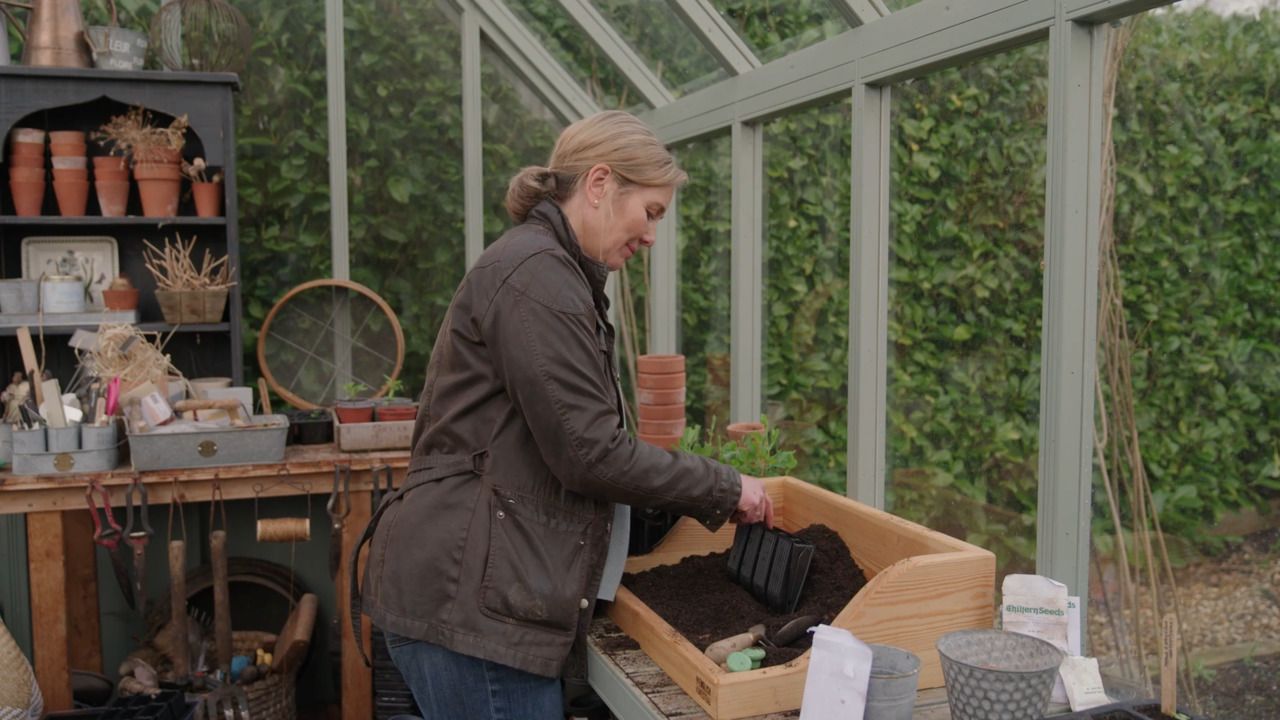
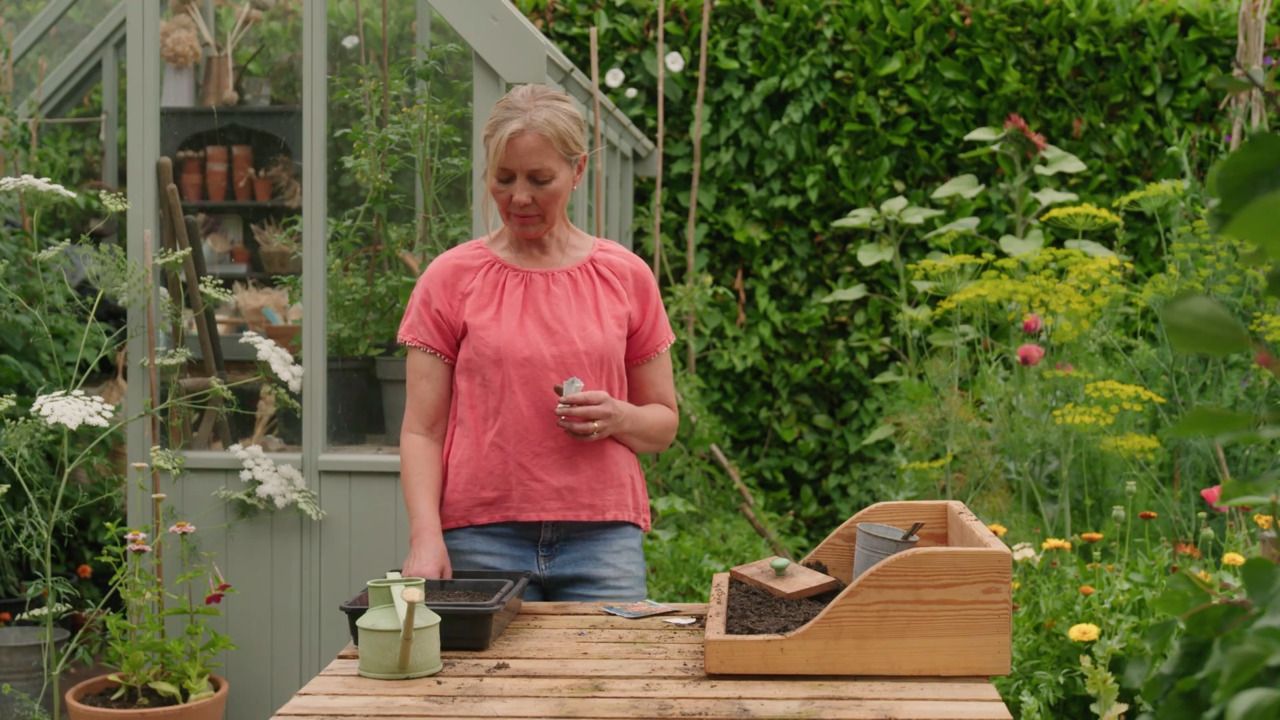
Even for plants that willingly self-seed, you might want to raise some plants undercover so that you can plant them elsewhere in the garden.
There's nothing more satisfying than collecting seed from a plant you've sown from seed, and completing that circle.
The lifecycle of a plant is that it germinates, grows, flowers, is pollinated by bees or other pollinators, and sets seed after pollination if it's a fertile plant.
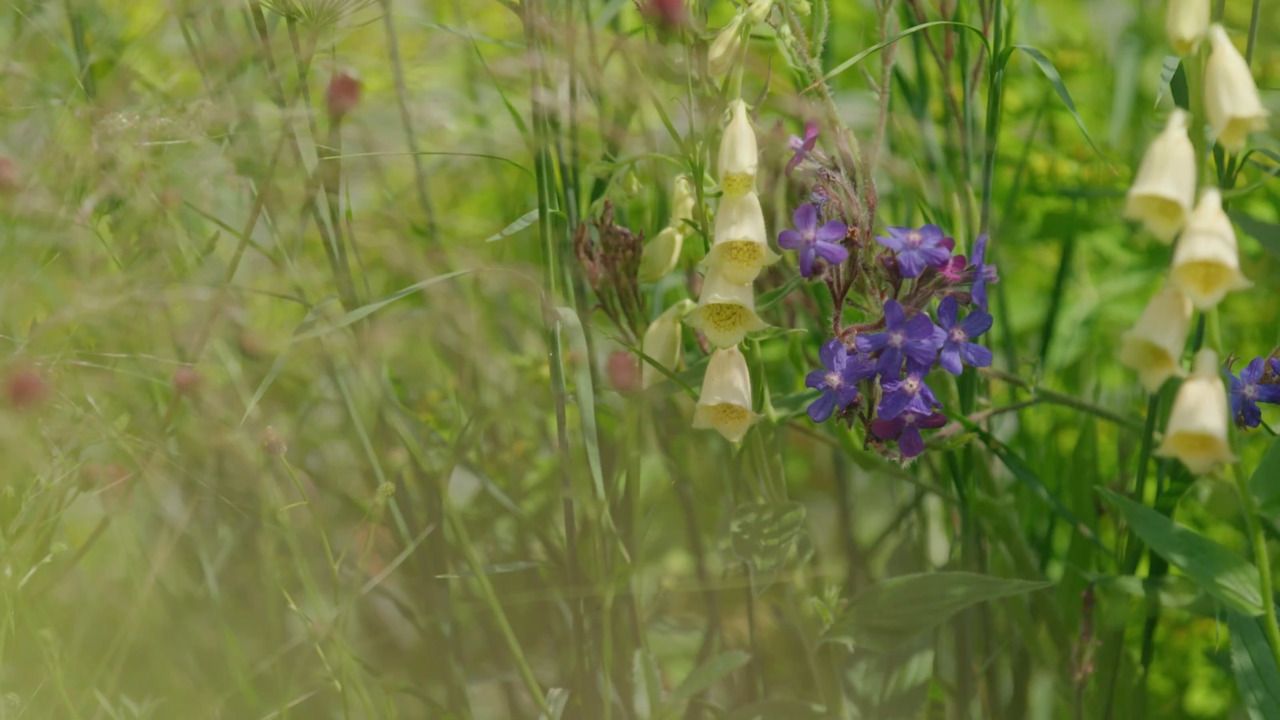
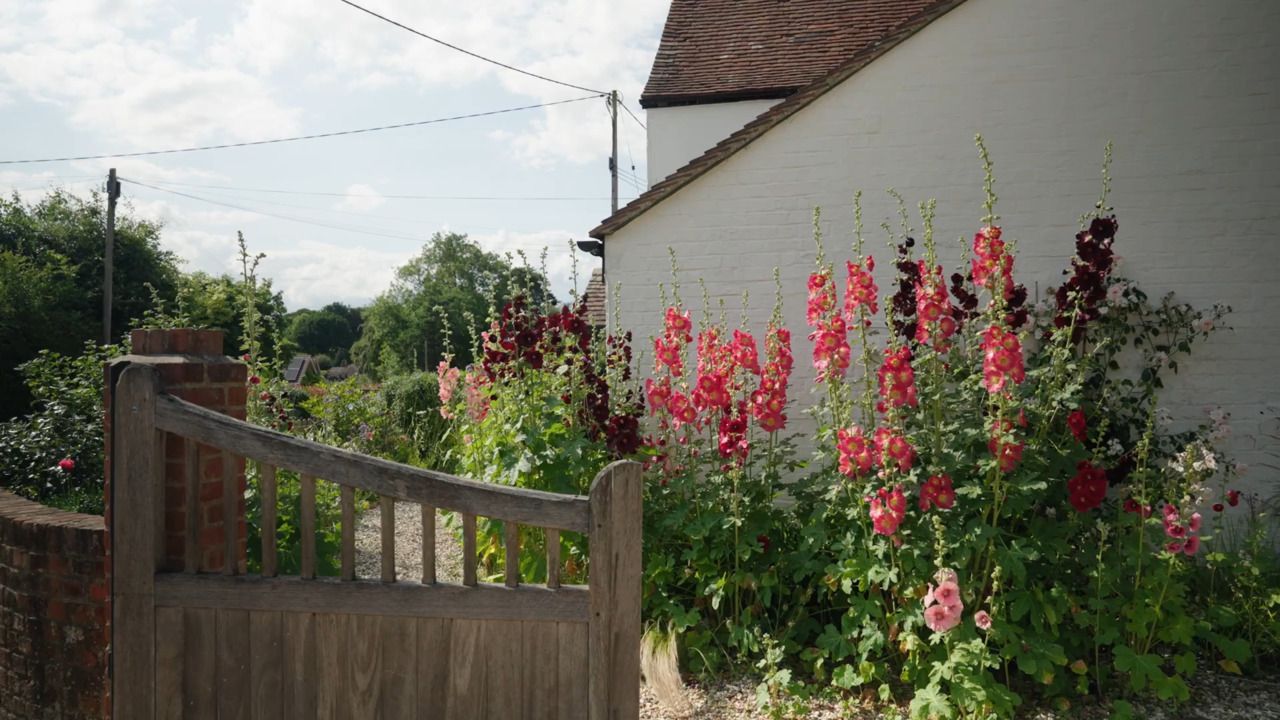
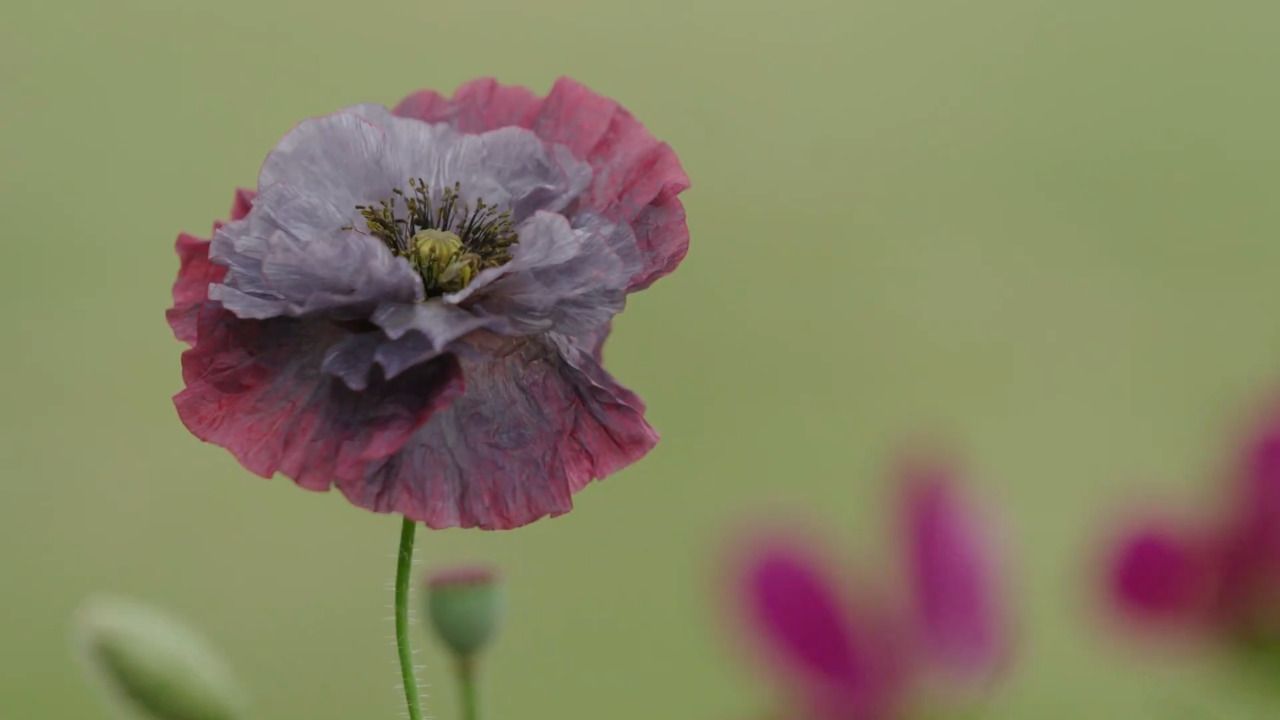
You'll often hear the expression 'coming true from seed'. This means the seedlings produced by you collecting and re-sowing the seed, or the plant self-seeding, grow up to look the same as the parent plant.
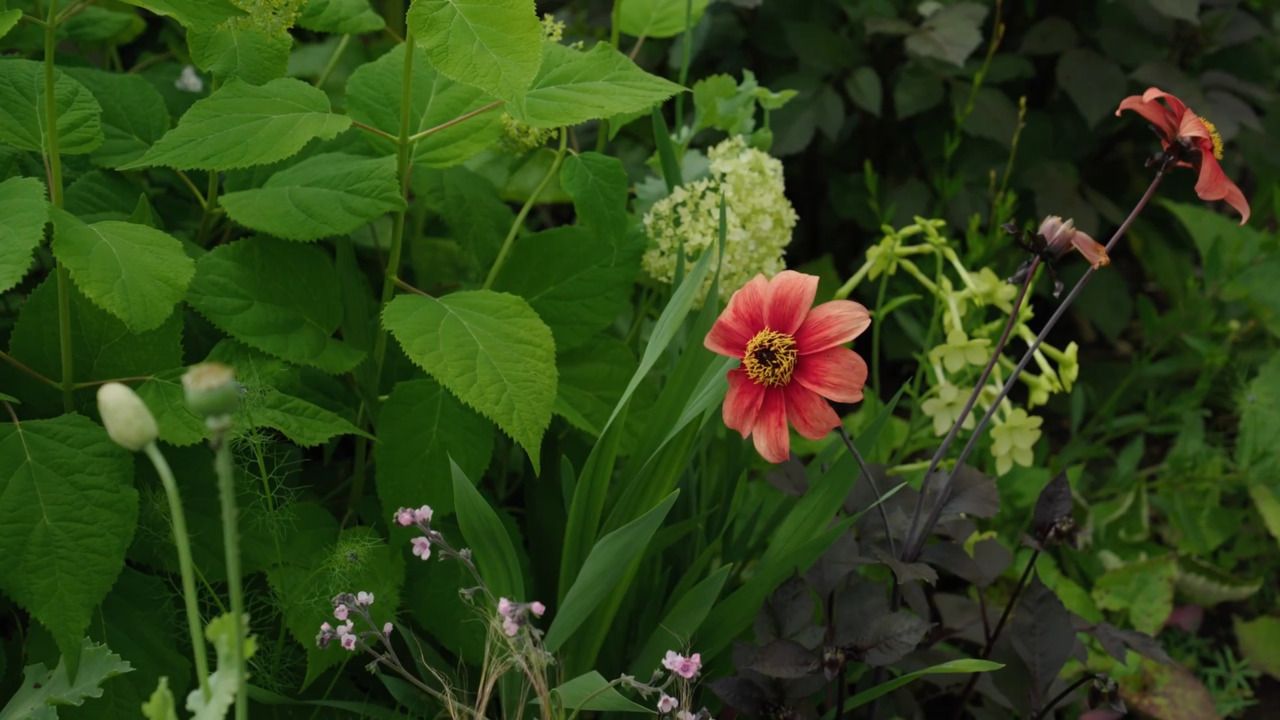
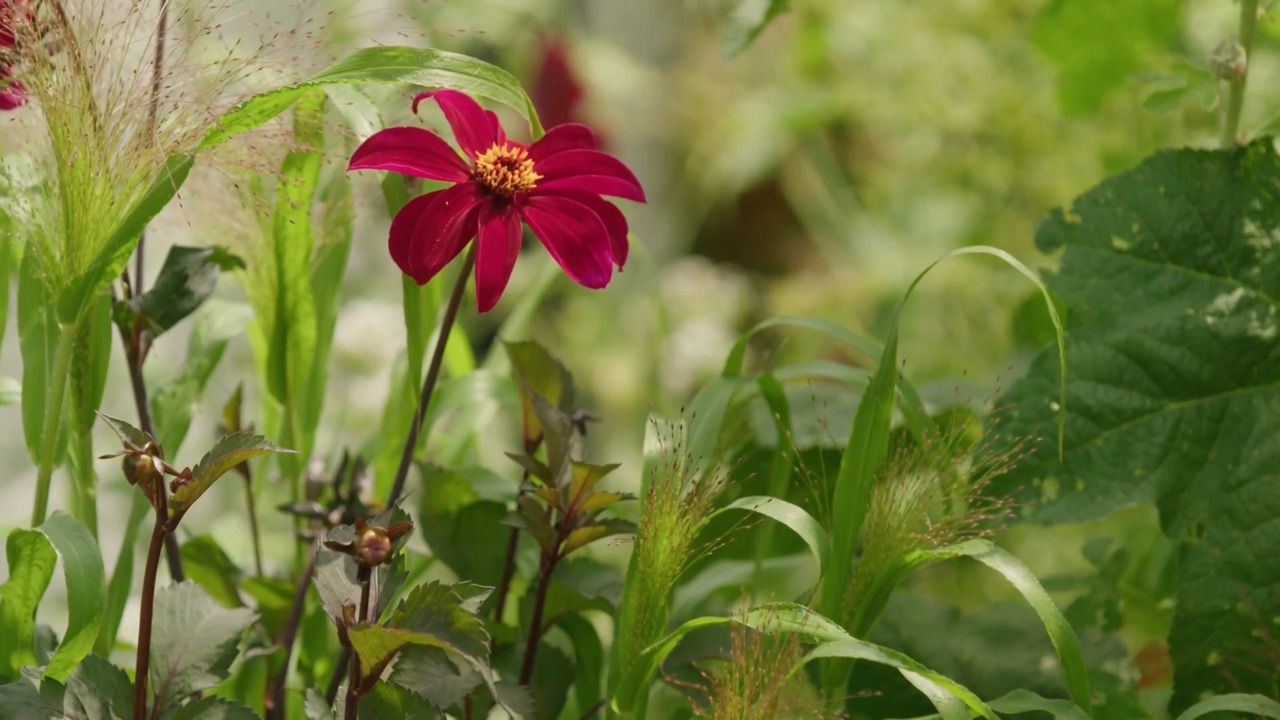
Dahlias are probably the ultimate complex plant. They have eight sets of chromosomes while many plants have two, so they're really diverse, which is why we have so many colours and forms.
Different forms become cross-pollinated in the garden, giving weird and wonderful new forms. Dahlias that grow from collected seed will always be variable – even the 200-300 seeds within a single flowerhead.
I'm going to experiment with this and collect seed from my seed-grown dahlias to grow in a special patch next year. If any have particularly beautiful flowers, I'll keep those and dig up the tubers.
Get the full workbook, video lessons, and more with a Create Academy subscription.
Subscribe to access the full workbookAlready a member? Sign in to watch
510 reviews
Read moreCreate Academy has been such a great resource. I'm in the middle of renovating a bungalow with a very large garden and the courses have offered a wealth of inform...
Harvey
Jun 10, 2026
Absolutely love Create Academy! The instructors are extremely informative, and it is beautifully filmed. Create Academy is great value for money and plan on renew...
SG
May 31, 2026
Butter's creativity is stunning! Her ability to incorporate brilliance in small gardens is magical!
Carla
May 30, 2026
The best adventure. I like all the courses, but my favorite are both Rita Konig interior design courses and Anna Jones. Excellent!
Karolina Kluczewska
May 20, 2026
Create Academy has been such a great resource. I'm in the middle of renovating a bungalow with a very large garden and the courses have offered a wealth of information to dive into and explore new ideas. I'm...
Harvey
Jun 10, 2026
Absolutely love Create Academy! The instructors are extremely informative, and it is beautifully filmed. Create Academy is great value for money and plan on renewing my subscription yearly because there are ...
SG
May 31, 2026
Butter's creativity is stunning! Her ability to incorporate brilliance in small gardens is magical!
Carla
May 30, 2026

Your Instructor
Garden writer and plantswoman. Seed growing expert. Garden Editor of House & Garden magazine.
Clare Foster is a gardener, writer and journalist. She has been House & Garden’s Garden Editor since 2005, and before that was the Editor of Gardens Illustrated. Clare is an expert at growing from seed and has written a book on the topic called, 'The Flower Garden: how to grow flowers from seed'.
Access to all courses


